
Reviewed · TOKYO TOURS
Tokyo: 7 Kinds of Sake Tasting with Japanese Food Pairings
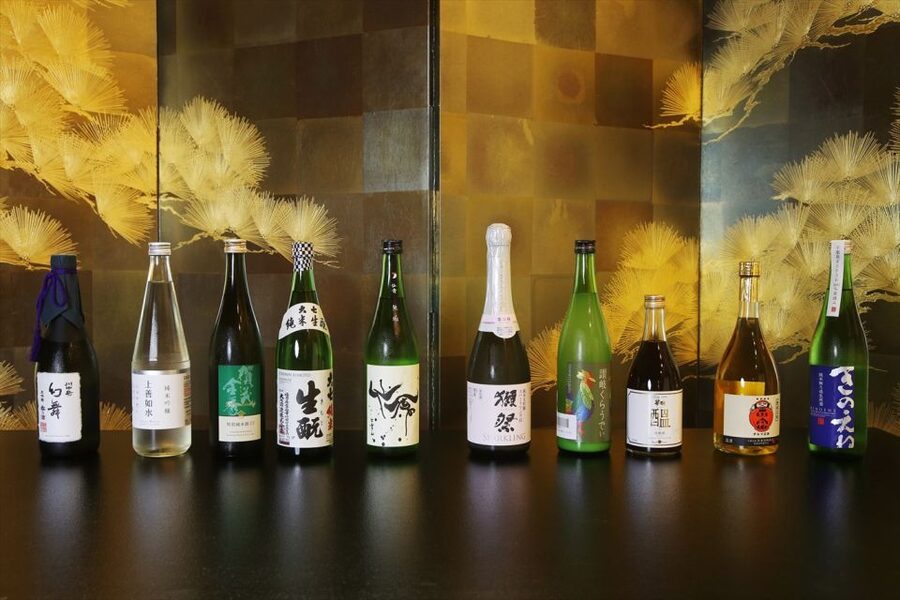
Tokyo’s sake story comes alive through seven carefully chosen pours, each matched with a bite of food. You move from sparkling and sweet styles to savory examples and finish with dessert sake, while an English-speaking instructor explains how rice, brewing, serving, and tradition shape the drink.
I like the food pairings, which include Japanese dishes, Western ingredients, warm bites, cheese, crudités, and duck. I also like the small-group setup, with space for questions and the chance to learn from instructors such as Tanaka-san and Taka-san. The main drawback is the meeting point: the building can be hard to find, and the basement room number has caused confusion.
Key points at a glance
- Seven sake samples: Taste a broad range, including sparkling, sweet, savory, and dessert-style sake.
- Seven food pairings: Each pour comes with a matching bite, helping you notice how food changes the drink.
- English instruction: A nationally accredited sake instructor explains production, styles, customs, and tasting.
- Near Tokyo Tower: The meeting point is at the Kikai Shinko Kaikan building, directly opposite the tower.
- Small groups: The class accepts no more than 10 people, though it may sometimes feel almost private.
- Worth the cost for curious drinkers: At $106 per person, the value rests in the teaching, variety, and full set of pairings rather than the quantity of alcohol alone.
Seven sake styles in 75 focused minutes
This is not a long pub crawl or a loose sampling session. It is a compact tasting class built around seven sake samples and seven food pairings, all within 75 minutes.
That timing matters. You get enough range to compare different styles, but the session is short enough to fit neatly before dinner, after a morning of sightseeing, or alongside a Tokyo Tower visit. The pace is likely to feel brisk, especially if you ask many questions, but the small group makes the format more personal.
The exact order of the pours is not listed, so you should not expect a fixed public menu in advance. You can expect a broad progression from sparkling and sweet examples to more savory styles, with a dessert sake at the end. That range is more useful than simply tasting seven similar bottles. It gives you a clearer sense of how wide the sake category can be.
For someone who has only tried sake warm in a restaurant, this session can reset your expectations. Sake is not one single flavor. It can be light, sweet, dry, fragrant, rich, sparkling, or suited to dessert. The point is not to memorize every term. The point is to find styles you can recognize and order again.
More Sake Tastings in Tokyo
- Sake Tasting Masterclass in Shinjuku (8+ Varieties with a Pro)
★ 5.0 · 271 reviews - Tsukiji: Outer Market Walking Tour & Sake Tasting Experience
★ 4.9 · 81 reviews - Tsukiji: Unlimited Sake Tasting Experience
★ 4.9 · 67 reviews
What the sake lesson covers
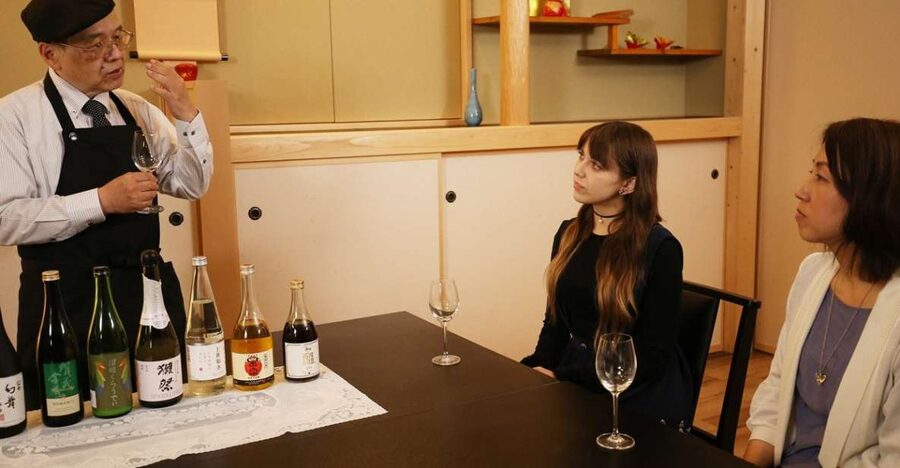
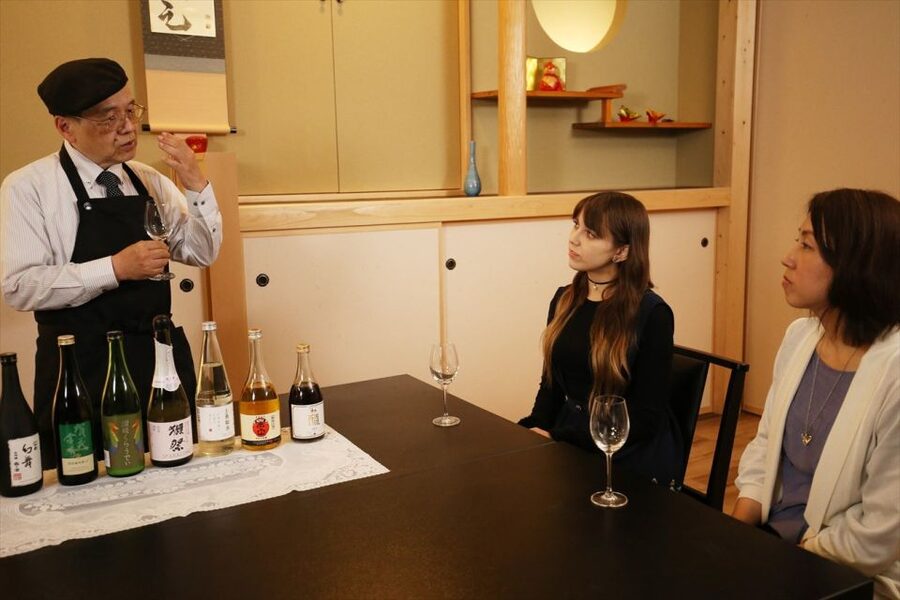
The instructor explains how sake is made, the main varieties available in Japan, and the place of sake in Japanese religion and tradition. You also get context on its long role in Japanese culture, which reaches back more than a thousand years.
That cultural element gives the tasting more weight than a simple drink flight. Sake has connections to ceremonies, offerings, hospitality, and everyday meals. You learn why it matters in Japan, not just how it tastes in a glass.
The production explanation is also practical. Sake is made from rice, and the process differs from brewing beer or making wine. The instructor helps connect the production method to what you taste, so a sweeter or more fragrant sample does not feel like a random label choice.
You should feel free to ask about serving styles, buying sake in Japan, and the differences among the bottles in front of you. One visitor described learning about how sake is produced, served, and sold in Japan, while another appreciated tasting examples from different regions. Those are exactly the kinds of questions that make this class useful beyond the 75 minutes.
The teaching quality appears to be one of the strongest parts of the experience. Tanaka-san and Taka-san have been praised for being friendly, clear, and good-humored. At least one session was led by a training sake sommelier, so the exact instructor background can vary, but the activity includes a nationally accredited sake instructor.
Why the food pairings matter
The food is not filler between drinks. It is the teaching tool.
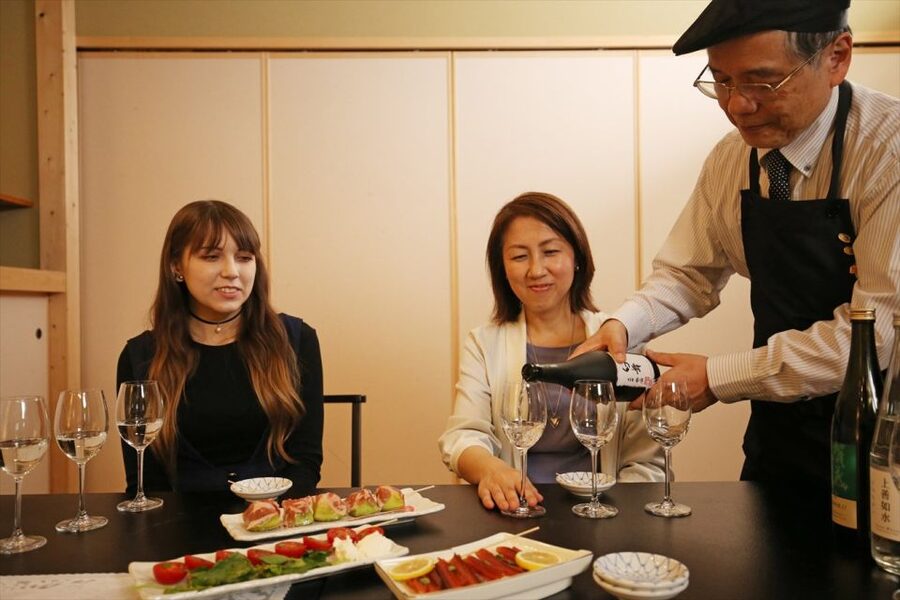
A sake that seems too sweet or too sharp on its own may work well with a salty or rich bite. Another may become more pleasant beside a mild ingredient. By pairing each of the seven samples with food, the class shows you how sake works at the table, which is where you are most likely to drink it in Japan.
The pairings include both Japanese and Western dishes. Past sessions have featured Japanese cheese, crudités, duck, and small hot dishes prepared in front of the group. The full list can change, so do not book expecting a particular menu, but you should expect seven prepared bites matched to the seven pours.
I particularly like this approach for people who are unsure about sake. Food gives you a familiar reference point. Instead of asking if you like sake in general, you can ask a better question: do you like this style with this kind of food?
Some bites are cooked in front of you and served warm. That adds a little life to what could otherwise be a formal lecture. It also makes the class feel connected to eating, not just tasting.
The food portions are pairings, not a full lunch or dinner. You should arrive ready to sample and learn, but do not count on this replacing a substantial meal. The well-prepared bites add real value, yet the main purpose remains education and comparison.
A sweet finish with dessert sake
The final sample is dessert-style sake, a memorable way to close the flight. It gives you one last reminder that sake can move into a sweeter register and does not need to be limited to savory dishes.
This ending is useful for comparison. You have already worked through several styles, so the dessert pour becomes a clear contrast rather than another isolated glass. If you usually choose wine, beer, or cocktails with dessert, this may give you a new option to look for in Japan.
The experience is designed to appeal to both sake beginners and people who already know they like Japanese drinks. Beginners get a structured introduction. More experienced drinkers get regional variety, food matches, and a chance to ask about styles they may not have encountered.
Because the samples cover a range rather than focusing on one brewery or one region, you should leave with a wider map of sake. You may not remember every label, but you will have a better idea of what to seek out at an izakaya, department store, restaurant, or specialty shop.
More sake tastings around Tokyo:
- Unlimited Sake Tasting with Sushi Omakase tasting in Tokyo
★ 4.0 · 44 reviews - From Tokyo: Mount Fuji, Cruise and Sake Tour
★ 3.9 · 36 reviews - Historic Kanda Sake Tasting at Tokyo’s Oldest Shop (1596)
★ 4.9 · 33 reviews - Casual Japanese sake tasting and snack experience, Kabukicho
★ 4.7 · 31 reviews
Meeting near Tokyo Tower
The meeting point is the main entrance of the Kikai Shinko Kaikan building on the first floor, directly opposite Tokyo Tower. In theory, the tower is an excellent landmark. In practice, the building entrance and interior meeting room are less obvious than you might expect.
Several people had trouble finding the location. One person circled the building twice and needed help getting inside. Another found the activity in a basement demonstration kitchen and lunch room used for cooking classes. The instructions also direct you to True Japan Tour in Room B109 on the basement level if you cannot find the instructor.
I would allow extra time before the start. Look for the Kikai Shinko Kaikan building rather than assuming the activity takes place at Tokyo Tower itself. Once inside, check the main entrance first, then use the B1 True Japan Tour office as the fallback point.
The room may feel more like a practical cooking classroom than a polished sake bar. That is not a serious problem, but it sets the right expectation. You are coming for instruction, food, and conversation, not for a grand view or a sleek cocktail lounge.
The location is convenient if you are already visiting Tokyo Tower or exploring Minato City. Hotel pickup and drop-off are not included, so you make your own way there and onward to your next stop.
Small groups and the feel of the class
The maximum group size is 10 people. That is a good limit for a tasting that depends on explanation and questions.
The class can feel even more personal when few people book. Several sessions had only two participants, creating what felt like a private tasting without the cost of reserving a private class. That smaller setting allows the instructor to spend more time on individual questions and adjust the conversation to the group.
You should not assume every session will be private. The advertised format is a small group, and the number of participants can change. Even with 10 people, the cap is modest enough for a more direct exchange than you would get at a large food tour or commercial tasting event.
The instructors are described as warm, attentive, and welcoming. Their humor also helps. Sake production can sound technical, but a friendly teacher makes the details easier to follow, especially if this is your first serious tasting.
English is the operating language. The instructor is nationally accredited, and the session is intended for international visitors who want explanations in English rather than a silent sample flight.
Is $106 a fair price?
At $106 per person, this is not a cheap way to have a few drinks. You are paying for seven samples, seven food pairings, an accredited instructor, a structured lesson, and a small group setting.
The value is strongest if you would otherwise struggle to choose sake or understand a Japanese menu. A casual bar visit might cost less, but it would not necessarily give you seven distinct styles, matched dishes, production notes, and cultural background in one sitting.
The price also makes more sense for people who enjoy food as much as drink. The bites are part of the experience, and some are cooked fresh in front of you. If you only want a quick taste of sake, $106 may feel high. If you want a guided introduction that helps you order with more confidence afterward, the cost is easier to justify.
The tasting also saves you from buying several bottles simply to compare them yourself. You get variety without committing to full-size bottles, plus an instructor who can explain what separates one style from another.
For a special-interest activity in central Tokyo, I consider the price reasonable, but not a bargain. Book it for the learning and pairing format, not just for the amount of sake in each glass.
Who should book this tasting?
This experience suits you best if you:
- Have little sake experience and want a clear introduction.
- Already enjoy sake and want to compare several styles.
- Like food pairings and small cooking demonstrations.
- Want cultural context along with tasting notes.
- Prefer a small class to a large group tour.
- Are staying near Tokyo Tower or Minato City.
- Want an English-language activity led by a sake specialist.
It is also a good choice for a couple or small family group, as long as everyone is at least 20 years old. Some sessions have been especially personal for two people traveling together.
It may not suit you if you want a full meal, a tour of a sake brewery, a nightlife setting, or a scenic rooftop experience. None of those are promised. This is a seated tasting class in a functional indoor space.
People under 20 cannot take part. The activity is wheelchair accessible, which is helpful, though the unusual meeting arrangement means you should still contact the provider if you need specific access details.
Timing, cancellations, and a few smart tips
The session lasts 75 minutes, and starting times vary. Check the available time before booking and plan enough time to locate the building.
You can cancel up to 24 hours before the activity for a full refund. You can also reserve now and pay later, which helps if your Tokyo plans are still shifting.
My practical advice is simple:
- Arrive early because the building is not always easy to identify.
- Save the B1 Room B109 fallback information before leaving your hotel.
- Do not expect hotel pickup.
- Treat the food as seven pairings rather than a full meal.
- Bring questions about serving styles, regions, and buying sake in Japan.
- Keep the rest of your schedule flexible enough to enjoy the lesson without rushing.
The meeting instructions are the one area that deserves improvement. The building is opposite Tokyo Tower, but that does not make the exact entrance obvious. Check the room information carefully before you go.
Should you book the Tokyo sake tasting?
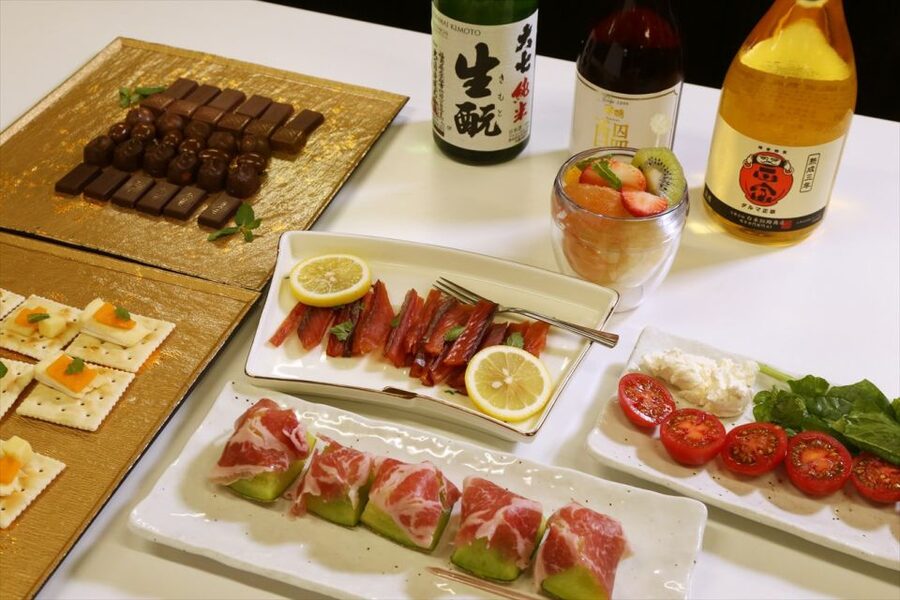
Book this if you want more than a drink sample. The seven styles, seven food pairings, cultural background, and English instruction give you a useful introduction in a short window. The small group size and friendly teaching add a personal touch, especially when attendance is light.
Skip it if your main goal is a large meal, a brewery visit, or a low-cost night out. Also think twice if you dislike sweet drinks, since the tasting includes sweet and dessert-style sake, although that range is central to the lesson.
For most food-minded visitors aged 20 or older, this is a smart Tokyo add-on. Just leave extra time to find the building, and remember that you are paying for guided insight and comparison, not a simple round of drinks.
FAQ
How long does the sake tasting last?
The experience lasts 75 minutes.
How many sake samples are included?
Seven sake samples are included, covering styles from sparkling and sweet to savory and dessert-style sake.
How many food pairings are included?
You receive seven food pairings, one matched with each sake sample.
Is the tasting conducted in English?
Yes. The instructor speaks English.
Who leads the tasting?
A nationally accredited sake instructor leads the session. Instructors named in participant feedback include Tanaka-san and Taka-san, though the exact instructor may vary.
Where is the meeting point?
Meet at the main entrance of the Kikai Shinko Kaikan building on the first floor. It is directly opposite Tokyo Tower.
What should I do if I cannot find the instructor?
Visit True Japan Tour in Room B109 on the basement level of the building.
Is the activity wheelchair accessible?
Yes, the activity is listed as wheelchair accessible.
Can people under 20 join?
No. The activity is not suitable for people under 20 years old.
More Food Tours in Tokyo
- Tokyo: Shinjuku Food Tour (13 Dishes at 4 Local Eateries)
★ 5.0 · 6,603 reviews - Tokyo Tsukiji Fish Market Food and Culture Walking Tour
★ 5.0 · 3,184 reviews - Tokyo: Shinjuku Food Tour (15 Dishes and 4 Eateries)
★ 4.9 · 2,033 reviews - Tokyo: Tsukiji Fish Market Food and Walking tour
★ 5.0 · 1,724 reviews
More Drinks-Led Nights in Tokyo
- Tokyo Bar Hopping Tour in Shinjuku (All-You-Can-Drink + Dinner)
★ 5.0 · 3,587 reviews - Best of Shinjuku: Izakaya Food Tour (4 Stops, 14+ Tastings)
★ 5.0 · 1,863 reviews - Tokyo: Shinjuku Local Bar and Izakaya Guided Walking Tour
★ 4.9 · 1,794 reviews - Shibuya Meltdown Nightlife Tour: All-You-Can-Drink Bar Hopping
★ 5.0 · 1,058 reviews
Just added around Tokyo
- Private Arrival Transfer : Narita International Airport to Central Tokyo City★ 4.5 · 12 reviews
- Narita Airport(NRT): Private Transfer to Tokyo/Yokohama 1-9pax★ 5.0 · 47 reviews
- Private Transfer from Narita Airport to Yokohama Port and City★ 4.5 · 17 reviews
- [Narita Airport Terminals 1, 2] 40-60km Sawara Itako Historic Bike Tour★ 5.0 · 13 reviews
- 3 Day Japan Highlights Tour: Tokyo, Mt.Fuji, Nara, Kyoto, Osaka★ 5.0 · 22 reviews
- Small Town in the Big City: Tasting Tokyo’s Kichijoji★ 5.0 · 195 reviews
- Small Town in the Big City: Tasting Tokyo’s Kichijoji★ 5.0 · 16 reviews
- The 10 Tastings of Tokyo With Locals: Private Street Food Tour★ 5.0 · 48 reviews
Tokyo Tours, compared.

Mt Fuji and Hakone 1-Day Bus Tour Return by Bullet Train
Read our review →

teamLab Planets TOKYO Digital Art Museum Entry Ticket
Read our review →
Mt Fuji & Hakone Cruise, Drum Show Bullet Train 1 Day from Tokyo
Read our review →
Sumo Show Experience with Chicken Hot Pot and a Photo
Read our review →
Shinjuku Food Tour (13 Dishes at 4 Local Eateries)
Read our review →
Tokyo Mt Fuji 5th St & Hakone Cruise Bus Tour w/Bullet Train
Read our review →
Flagship 2-Hours Official Street Go-Kart Tour – Tokyo Bay Shop
Read our review →Browse the lists this tour appears in