
Reviewed · TOKYO TOURS
Tokyo: Tea Ceremony Experience in Asakusa
The best part of this Asakusa experience is its easy approach to a tradition that can seem formal from the outside. You sit comfortably, learn why the host pours, whisk, and presents the tea in a certain way, then prepare your own bowl of matcha. It is less about perfect technique and more about paying attention.
I like the small group of eight and the chance to ask questions without holding up a large crowd. I also like the balance between watching a ceremony and doing the work yourself, with traditional sweets to soften matcha’s grassy taste. The main consideration is time: one hour gives you a pleasant introduction, not a full study of tea practice or a kimono experience.
- Learn the meaning behind each gesture, not just the mechanics of making tea.
- Whisk your own matcha, then drink it at your own pace.
- Taste traditional Japanese sweets alongside freshly prepared green tea.
- Meet an English-speaking host, with guides such as Midori and Kaz leading sessions.
- Enjoy a relaxed setting where photos and questions are welcome.
- Meet at Tokyo Tourist Lounge Asakusa, on the fifth floor, near coordinates 35.7103757, 139.796744.
A Gentle Introduction to Tea Ceremony in Asakusa
Japanese tea ceremony is often pictured as a highly formal event, with precise movements and rules that take years to master. This Tokyo experience gives you the useful first lesson without expecting you to behave like a tea-school student. The tone is friendly, the instructions are in English, and the ceremony is designed for beginners.
That distinction matters. You are not signing up for a long theatrical performance where you sit quietly and watch someone else prepare tea. You take part. The host explains the actions as they happen, then gives you a chance to repeat the process with your own bowl of matcha.
The experience costs $25 per person and lasts one hour. For that price, I see it as a good-value cultural stop, especially if you want more than a quick taste of powdered green tea. You receive an explanation of tea ceremony customs, a preparation lesson, traditional sweets, and guided time to make and drink matcha yourself.
The published score is 5 out of 5 from 36 ratings, with especially strong praise for the calm instruction, clear explanations, and kind hosts. That matches the activity’s main strength: it gives you a small, personal look at Japanese culture without making you feel tested.
Finding Tokyo Tourist Lounge Asakusa on the Fifth Floor
The meeting point is Tokyo Tourist Lounge Asakusa. Use the Google Maps app and enter that name exactly. The activity takes place on the fifth floor of the building, at approximately 35.7103757, 139.796744.
This is a useful detail because the meeting point is not described as a street-level tea house. Give yourself enough time to identify the building and reach the correct floor. Once inside, you will join the English-speaking host and the other participants.
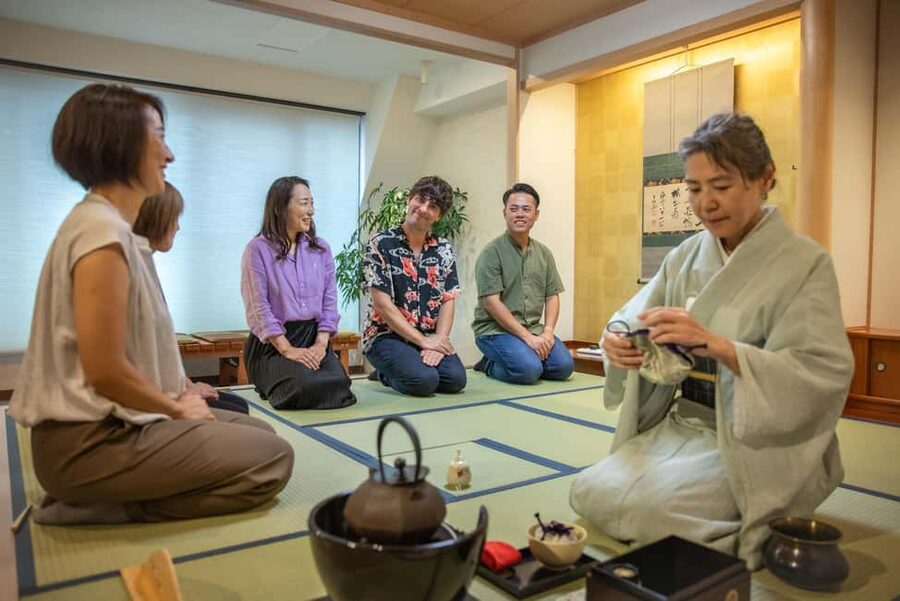
The group is limited to eight people. That number is small enough for the host to watch your technique, answer individual questions, and keep the demonstration from feeling distant. It also means the session may feel more social than a private lesson, though the relaxed format should suit most first-time participants.
The activity is wheelchair accessible. Kimono rental is not included, so dress for comfort rather than expecting a full costume ceremony. This is a matcha lesson and cultural introduction, not a package built around dressing up.
More Tea Ceremonies in Tokyo
- Tokyo: Traditional Tea Ceremony with a Tea Master
★ 5.0 · 528 reviews - Tea Ceremony Workshop in Tokyo by the Experienced Instrucor
★ 5.0 · 189 reviews - Tokyo: Asakusa Kimono Dressing and Matcha Experience
★ 4.9 · 173 reviews
Watching the Ceremony Before You Make Tea
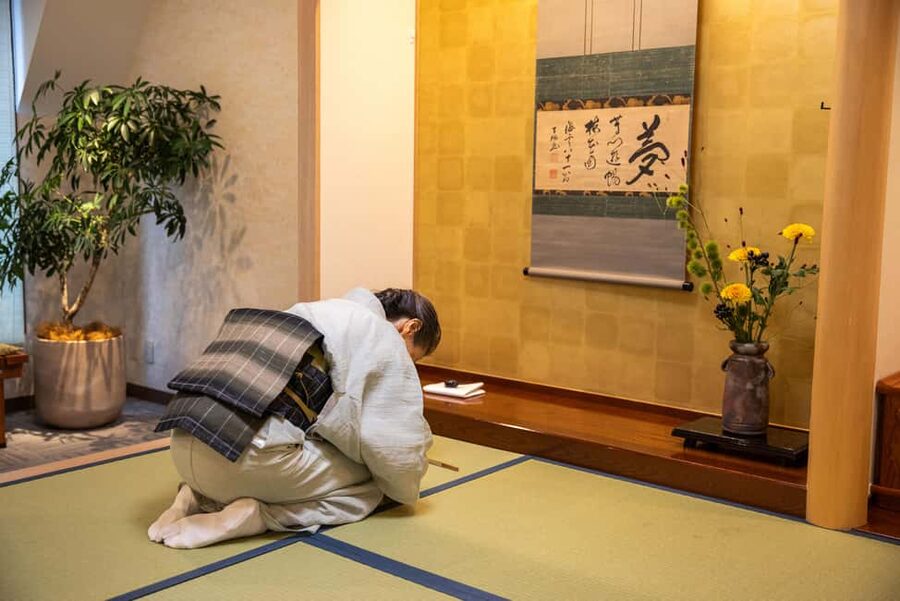
The session begins with the host guiding you through a traditional tea ceremony. You learn what is happening as the tea is prepared, from handling the water to presenting the finished bowl.
The point is not simply to memorize a set of motions. The host connects each action with the ideas of harmony, hospitality, and respect that surround the ceremony. That context turns a cup of tea into something more meaningful. You begin to see why the pace is deliberate and why small gestures matter.
The explanations are one of the most praised parts of the experience. One account describes a short lesson on where matcha comes from, its importance, and its place in Japanese society and culture. Another highlights how each action was explained in detail. For you, that means the hour should offer both practical instruction and cultural background.
Hosts such as Midori and Kaz have been singled out for kind, clear teaching. The available comments also describe the experience as peaceful, beautiful, informative, and authentic. Those words point to the atmosphere you should expect: calm rather than showy, with plenty of room to listen and take in the details.
You do not need prior knowledge. The ceremony is specifically designed for curious beginners, so you can ask basic questions without feeling out of place.
Savoring Matcha with Traditional Japanese Sweets
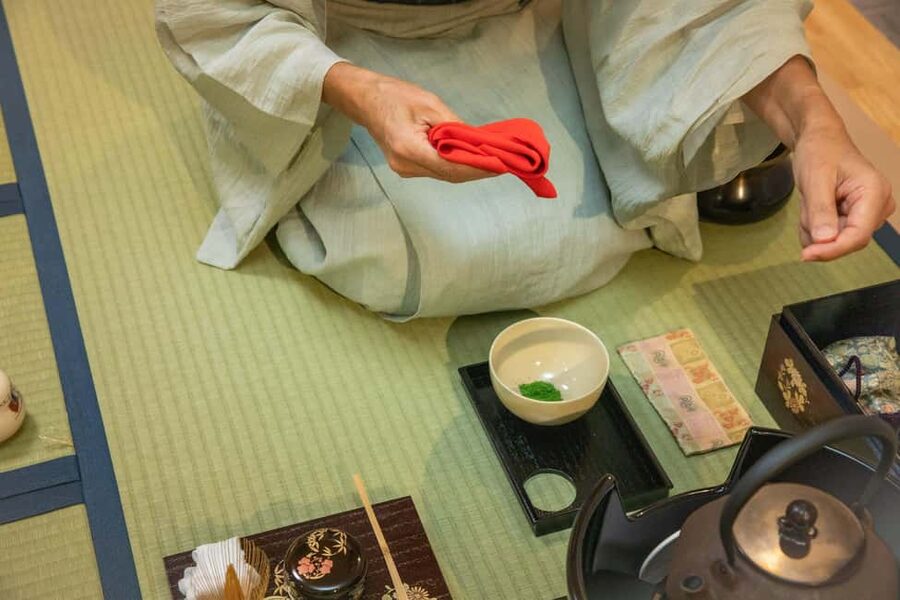
Matcha has a strong flavor. It is powdered green tea, whisked directly into water rather than steeped and removed like a tea bag. For some people, the taste is grassy, bitter, or pleasantly sharp.
Traditional Japanese sweets provide a useful contrast. Their sweetness balances the matcha and helps you understand the usual rhythm of the ceremony. The sweets are included in the $25 price, so you are not paying extra for this part of the tasting.
The host prepares freshly made matcha during the demonstration. You can watch the tea change as it is whisked, then taste it in the proper setting rather than grabbing a cold bottled matcha drink from a convenience store. That difference is small but worthwhile. You are learning how the drink is prepared and how it fits into a broader custom.
The activity does not promise a choice of teas, a meal, or a detailed tasting menu. Keep your expectations focused. This is an introduction to one type of Japanese tea, paired with sweets and an explanation of the ceremony around it.
Whisking Your Own Bowl of Matcha
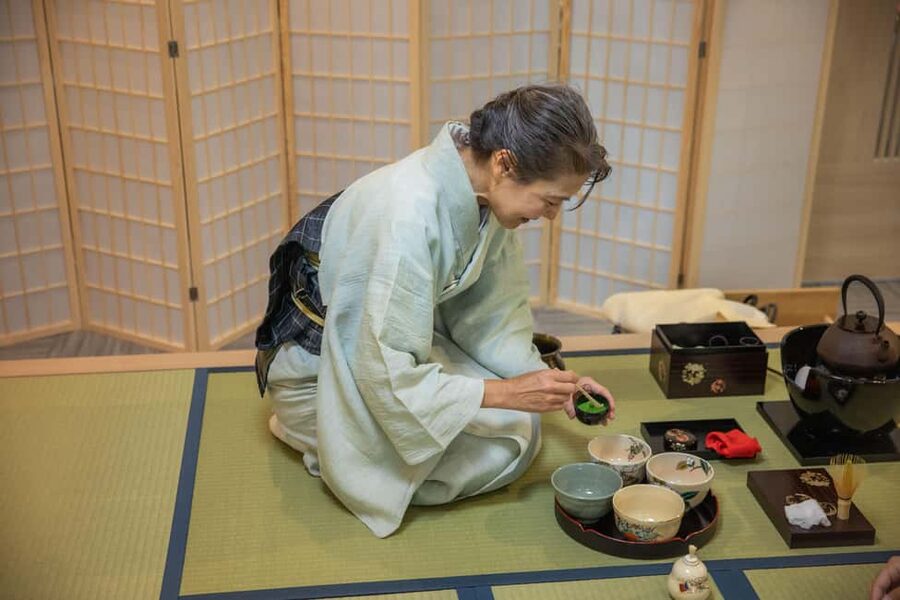
The most hands-on part comes when you prepare your own bowl. After watching the host, you follow the lesson and whisk powdered tea into water yourself.
This is where the activity earns its place on an Asakusa schedule. You are not only hearing about Japanese tradition. You are trying a basic part of it with guidance close at hand. The process gives you something concrete to remember, even if your first bowl is not as smooth or frothy as the host’s.
You are encouraged to make the tea and savor it at your own pace. That relaxed instruction is helpful. The goal is not speed, competition, or perfect form. Listen to the host, follow the demonstrated movements, and enjoy the result.
If you are taking photos, ask before photographing the host or another participant. The activity specifically welcomes photos and questions, so you should have room to record the experience without turning the whole hour into a photo session. Put the phone down for part of the lesson. The quiet pace is one of the reasons this activity works.
Same base, a completely different sort of day:
- Mt Fuji and Hakone 1-Day Bus Tour Return by Bullet Train
★ 5.0 · 26,383 reviews - 1-Day Tokyo Bus Tour
★ 5.0 · 14,250 reviews - Tokyo: TOKYO SKYTREE® Admission ticket
★ 4.5 · 11,192 reviews - Tokyo: teamLab Planets TOKYO Digital Art Museum Entry Ticket
★ 4.6 · 9,779 reviews
Why the One-Hour Format Works
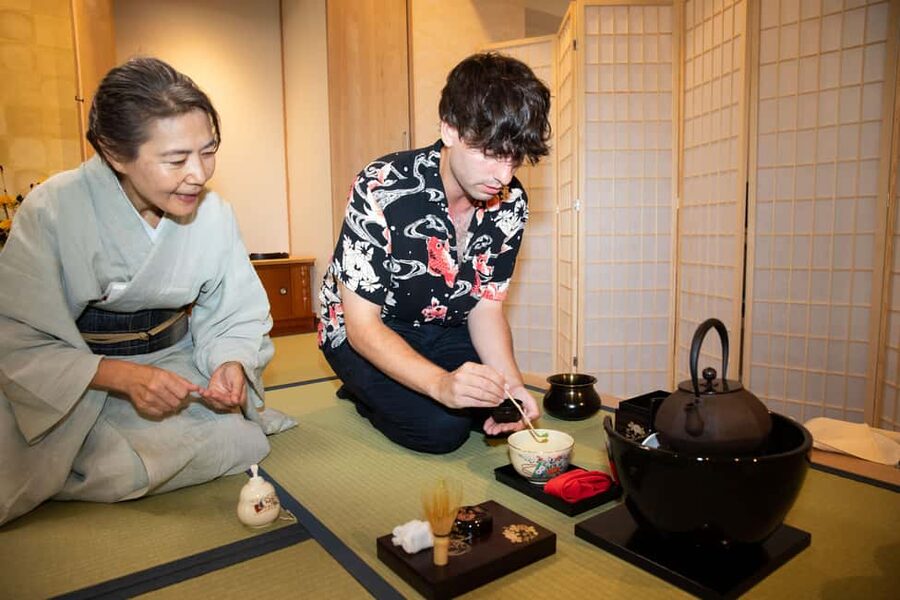
One hour is long enough to cover the ceremony, explain the meaning of the actions, taste matcha and sweets, and let you prepare your own tea. It also fits neatly into a day of sightseeing around Asakusa.
I like this length for a first introduction. You can explore a cultural practice without giving up half a day, and the experience does not ask you to make a large financial or time commitment. At $25, it is less expensive than many longer guided activities, while still giving you direct participation.
The short format has limits, too. You will not become skilled at tea ceremony in one session. You should not expect a long lecture on Japanese tea schools, a formal kimono dressing, or an advanced lesson in utensils and etiquette. Kimono rental is not included, and the activity is intentionally informal.
That is not a flaw for most people. It simply tells you what to book. Choose this if you want a clear and friendly first look. Choose a longer specialist workshop if you want technical training or a more formal setting.
The Meaning Behind the Movements
The host explains the meaning behind each step, which helps prevent the ceremony from becoming a string of mysterious gestures. You learn that the order and manner of preparation are part of the welcome being offered.
The ideas of harmony and hospitality are central to the experience. They give you a way to understand Japanese tea ceremony beyond its appearance. The host is not just making a drink. The setting, movements, and presentation create a moment of care between the person preparing the tea and the person receiving it.
This explanation is especially useful if your Japan trip includes temples, gardens, traditional inns, or other cultural sites. You begin to notice the same interest in careful presentation and respectful conduct in other parts of Japanese life.
The session also leaves room for questions. Ask about matcha, the ceremony, Japanese culture, or the meaning of a particular action while the subject is directly in front of you. Since the group is small and the tone is friendly, you are unlikely to feel that questions are interrupting a large formal presentation.
Who Will Get the Most from This Activity
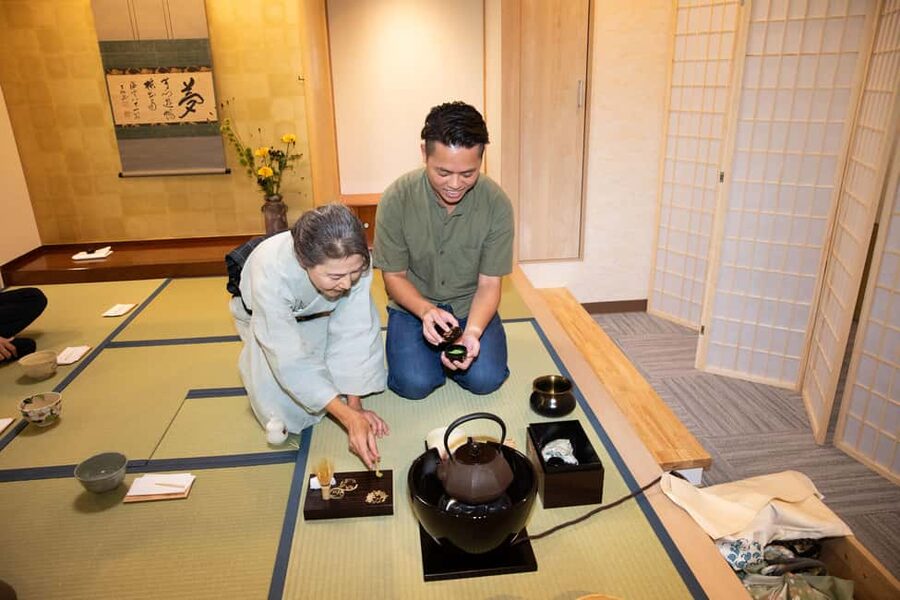
This tea ceremony is a good match for first-time visitors who want an approachable cultural activity. It also suits repeat visitors who have seen Tokyo’s major sights and want to slow down for an hour.
Families may appreciate the hands-on format, though the supplied information does not specify a minimum age. Children and adults who enjoy making things will have more to do than they would during a ceremony that only asks them to watch.
It is also useful for anyone curious about matcha but unsure what to expect. You will taste it with a sweet, see how it is whisked, and decide how much you enjoy it in a proper cultural setting.
The experience may be less suitable if you want a formal, highly traditional ceremony with strict silence and full kimono dress. It is deliberately relaxed, and that approach is its appeal. If you want a quiet introduction rather than a demanding ritual, it should fit well.
Practical Details Before You Book
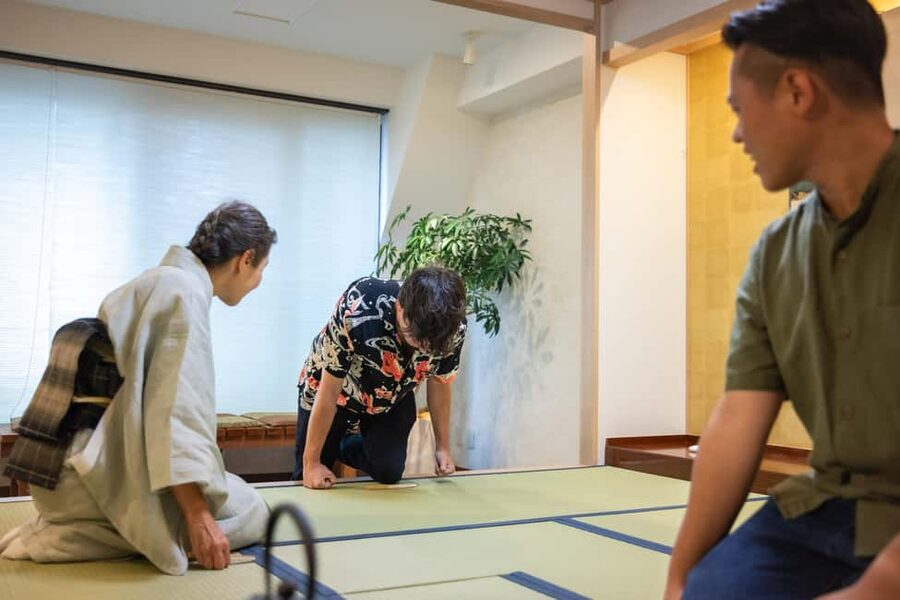
The session is conducted in English. The provider is Localized Walking & Food Tours, and the activity is listed as a small-group experience with no more than eight participants.
You can cancel up to 24 hours before the start time for a full refund. The reserve-now, pay-later option lets you hold a place without paying immediately, which is useful when your Tokyo schedule is still changing. Starting times vary, so check availability for the date you want.
Plan to arrive at the correct building rather than relying on a last-second search. The meeting point is on the fifth floor of Tokyo Tourist Lounge Asakusa, and the Google Maps name and coordinates are provided to help you locate it.
Wear something comfortable. Since kimono rental is not included, you should not book this expecting a costume portrait session. Bring questions, and keep your camera ready for permitted photos, but allow yourself to focus on the demonstration.
Is This Asakusa Tea Ceremony Worth $25?
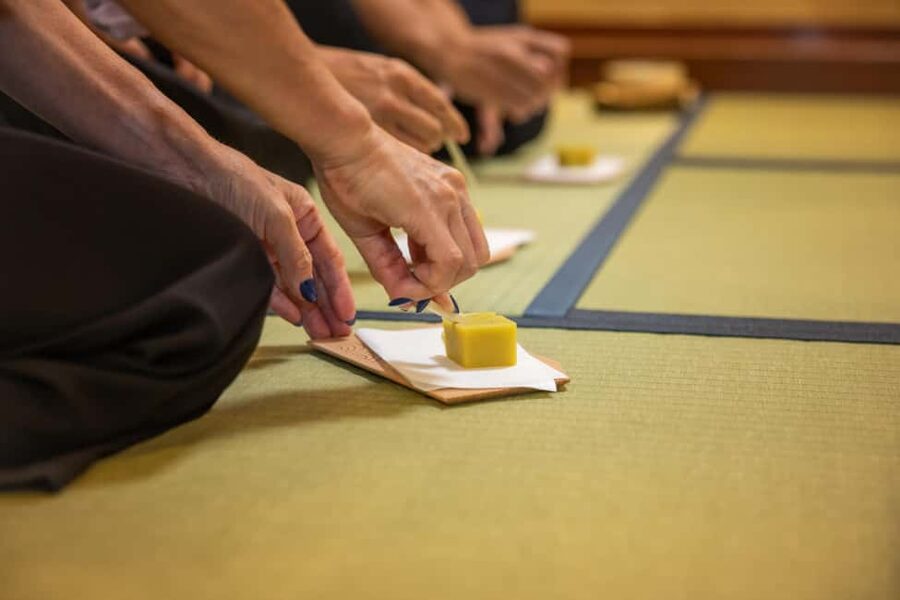
For $25, I consider this a strong value if you want personal instruction and a cultural activity that takes only an hour. The price covers the ceremony, English guidance, matcha preparation practice, and traditional sweets. The chance to make your own bowl is the key value point.
It is not the right comparison for a full-day cultural tour or a formal tea-school lesson. Those would offer more depth and likely cost more. This activity gives you a compact, friendly introduction that fits around other Tokyo plans.
The strongest signs are the repeated praise for the calm mood, clear explanations, and kind hosts. Names such as Midori and Kaz appear in the positive feedback, and the guides are described as patient and welcoming. You can expect the human instruction to be more important than elaborate surroundings or a long list of included extras.
Should You Book the Asakusa Tea Ceremony?
Book it if you want to understand matcha by making it yourself, not just drinking it. The small group, English instruction, traditional sweets, and relaxed questions make this a sensible choice for beginners.
I would also book it early in a Tokyo visit if you want cultural context for the rest of your Japan trip. The ceremony may help you notice the value placed on care, timing, and hospitality in other settings.
Skip it if your main goal is a kimono rental, a long formal ritual, or advanced tea training. Those are not included. For a calm one-hour activity at $25, though, this is an easy way to add a thoughtful cultural pause to a busy Asakusa day.
FAQ
Where does the tea ceremony take place?
It takes place at Tokyo Tourist Lounge Asakusa, on the fifth floor of the building. Use Google Maps and search for Tokyo Tourist Lounge Asakusa. The coordinates are 35.7103757, 139.796744.
How long does the experience last?
The tea ceremony experience lasts one hour.
How much does it cost?
The listed price is $25 per person.
Is the activity conducted in English?
Yes. The instructor language is English.
Do I get to make my own matcha?
Yes. After learning how the tea is prepared, you make your own bowl of matcha and enjoy it at your own pace.
Are traditional Japanese sweets included?
Yes. Traditional Japanese sweets are included with the tea ceremony.
Is kimono rental included?
No. Kimono rental is not included.
Is the experience wheelchair accessible?
Yes. The activity is listed as wheelchair accessible.
Just added around Tokyo
- Narita Airport(NRT): Private Transfer to Tokyo/Yokohama 1-9pax★ 5.0 · 47 reviews
- Private Transfer from Narita Airport to Yokohama Port and City★ 4.5 · 17 reviews
- Private Arrival Transfer : Narita International Airport to Central Tokyo City★ 4.5 · 12 reviews
- [Narita Airport Terminals 1, 2] 40-60km Sawara Itako Historic Bike Tour★ 5.0 · 13 reviews
- 3 Day Japan Highlights Tour: Tokyo, Mt.Fuji, Nara, Kyoto, Osaka★ 5.0 · 22 reviews
- Small Town in the Big City: Tasting Tokyo’s Kichijoji★ 5.0 · 195 reviews
- Small Town in the Big City: Tasting Tokyo’s Kichijoji★ 5.0 · 16 reviews
- The 10 Tastings of Tokyo With Locals: Private Street Food Tour★ 5.0 · 48 reviews
Tokyo Tours, compared.

Mt Fuji and Hakone 1-Day Bus Tour Return by Bullet Train
Read our review →

teamLab Planets TOKYO Digital Art Museum Entry Ticket
Read our review →
Mt Fuji & Hakone Cruise, Drum Show Bullet Train 1 Day from Tokyo
Read our review →
Sumo Show Experience with Chicken Hot Pot and a Photo
Read our review →
Shinjuku Food Tour (13 Dishes at 4 Local Eateries)
Read our review →
Tokyo Mt Fuji 5th St & Hakone Cruise Bus Tour w/Bullet Train
Read our review →
Flagship 2-Hours Official Street Go-Kart Tour – Tokyo Bay Shop
Read our review →Browse the lists this tour appears in