
Reviewed · TOKYO TOURS
Tea Ceremony Workshop in Tokyo by the Experienced Instrucor
This is more than a quick cup of matcha. In a traditional second-floor tearoom near Asakusa, you learn the ideas and movements behind Chado, then make and serve tea yourself. The session includes Sakura tea, sweets, a formal koicha performance, and a hands-on usucha lesson.
I like the small group size, which can be as low as three or four people, and the instructor’s clear English and long teaching experience. I also like the balance between watching and doing. You are not left sitting quietly for the whole session. The main consideration is the steep staircase to the old tearoom, plus the requirement to wear socks.
Key Points
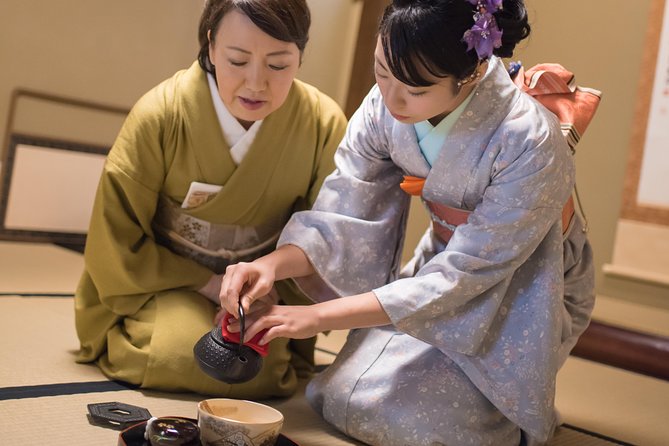
- Traditional 1940s tearoom: Practice tea ceremony in an old Japanese-style house with tatami mats.
- Two kinds of matcha: Watch koicha, a strong and formal tea, then prepare lighter, foamy usucha yourself.
- English instruction: The instructor explains the ritual, utensils, tea bowls, and Chado philosophy in clear English.
- Small groups: The experience has a maximum of six participants, allowing room for questions and individual help.
- Sweets and Sakura tea: Taste a cherry blossom welcome drink and three kinds of Japanese confectionery.
- Plan for the staircase: The tearoom is upstairs in an old building, with no lifting equipment available.
What This Tokyo Tea Ceremony Really Offers
Many tea experiences in Tokyo are short demonstrations. This one aims to teach you how the ceremony works and why each movement matters.
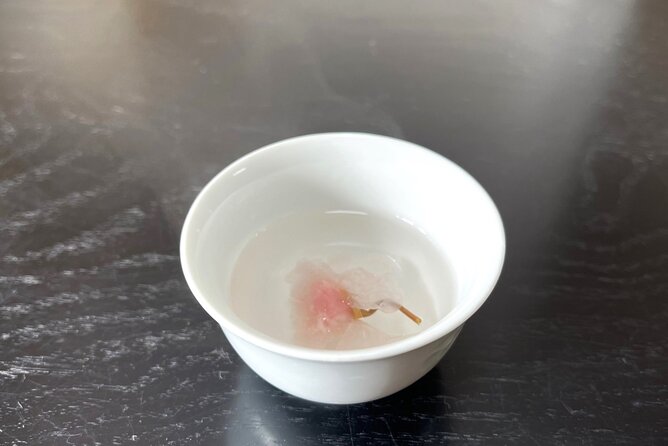
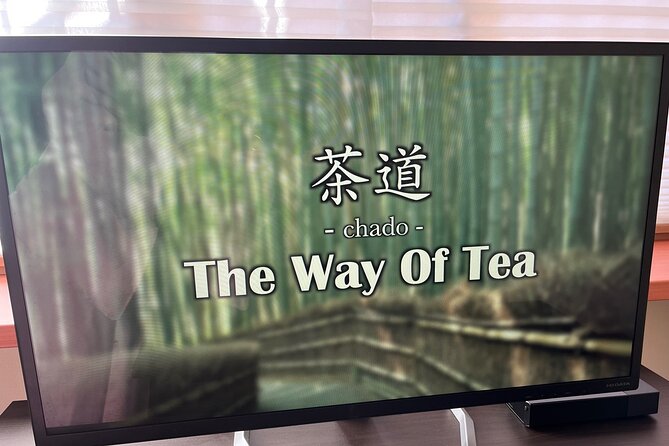
You begin with Sakura tea, a cherry blossom drink served by the host. It is a gentle opening, setting a seasonal tone before the more formal parts of the workshop. You then watch a 10-minute video covering the history and basic ideas of Chado.
That video matters. Without some context, the quiet pauses, careful gestures, and formal placement of each object can seem like a string of rules. The introduction gives you a reason for the ritual, helping you notice the care given to the room, the bowl, the sweets, and the guest.
The workshop takes place in a school licensed by the Urasenke Chado School in Kyoto. That gives the lesson a formal foundation rather than presenting matcha as a trendy drink. The instructor has reportedly practiced tea ceremony for 28 years, and the sessions focus on both the cultural meaning and the practical steps.
You should still set your expectations correctly. This is an introduction, not professional training for a tea master. One part of the experience is a shortened presentation of the formal ceremony, followed by participation designed for first-time learners.
More Tea Ceremonies in Tokyo
- Tokyo: Traditional Tea Ceremony with a Tea Master
★ 5.0 · 528 reviews - Tokyo: Asakusa Kimono Dressing and Matcha Experience
★ 4.9 · 173 reviews - Asakusa: Kimono Tea Ceremony with Matcha and Sweet
★ 4.9 · 153 reviews
Entering the Tatami Room Near Asakusa
The meeting point is at 2-chōme-3-12 Kotobuki, Taito City, Tokyo 111-0042. It is near public transportation and within the Asakusa area, making the workshop easy to pair with sightseeing in eastern Tokyo.
Pay close attention to the address. Some map services reportedly show 2-3-3 instead of the correct new address, 2-3-12. Check the location before setting out, especially if you are arriving for an early session.
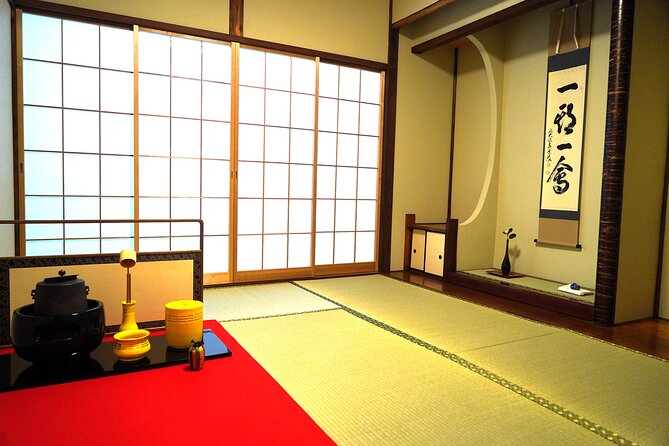
The tearoom is on the second floor of a Japanese-style house built in the 1940s. That age is part of the appeal. You are not sitting in a modern hotel room decorated with tatami. You are entering an older setting where the room itself supports the lesson.
The trade-off is the staircase. It is very steep, and the building has no machinery to help people go upstairs. If stairs are difficult for you, contact the operator before booking. The room may be able to provide a chair if sitting on the tatami is not possible, but that does not remove the need to reach the second floor.
Socks are required in the tea room. Bare feet are not permitted, so bring or wear clean socks. Miniskirts and tight pants are discouraged because you may sit on the floor and handle tea utensils. You do not need to sit in seiza, the formal kneeling position. That makes the workshop easier for many people, and a chair can be provided when needed.
Sakura Tea, Video, and a Quiet Start
The first drink is Sakura tea, served as a welcome. It is not the main matcha tasting, but it introduces the connection between tea, season, and hospitality.
Next comes the short introductory video. It explains the core concepts of Chado and gives you a basic timeline for the ceremony. I consider this a useful part of the session, particularly if you know little about Japanese tea customs.
After the video, you enter the tea room and spend a little time settling into the space. The workshop includes a meditation element, asking you to leave ordinary concerns behind and pay attention to the room and the moment.
Do not expect a long silent retreat. The instructor continues to explain what is happening. The calm comes from the slower pace and the deliberate actions, not from hours of enforced quiet.
This is one of the strongest parts of the experience for couples, families, and anyone who wants a break from Tokyo’s busy sightseeing schedule. It gives you a reason to stop checking the time for a while.
Watching Koicha, the Strong Formal Tea
The formal performance centers on koicha, a thick, strong matcha traditionally associated with the older form of tea drinking. The workshop explains that samurai drank this style, giving you a sense of its place in Japanese culture.
Koicha is not simply a stronger version of the matcha latte you may find in a café. It has a concentrated flavor and a thicker texture. The tea is prepared and presented with formal movements, so the demonstration is as much about manners and attention as it is about taste.
This is the part to watch closely. The instructor explains the sequence step by step, showing how the host prepares and distributes the tea. You learn how the guest receives it and how the objects in the room fit into the ceremony.
Some people may find the formal performance too basic if they already practice Chado. For a first introduction, however, the shortened format works well. Traditional ceremonies can last much longer, while this workshop gives you the central ideas without asking you to devote an entire day to ritual.
Same base, a completely different sort of day:
- Mt Fuji and Hakone 1-Day Bus Tour Return by Bullet Train
★ 5.0 · 26,383 reviews - 1-Day Tokyo Bus Tour
★ 5.0 · 14,250 reviews - Tokyo: TOKYO SKYTREE® Admission ticket
★ 4.5 · 11,192 reviews - Tokyo: teamLab Planets TOKYO Digital Art Museum Entry Ticket
★ 4.6 · 9,779 reviews
Tea Bowls, Confectionery, and Taste
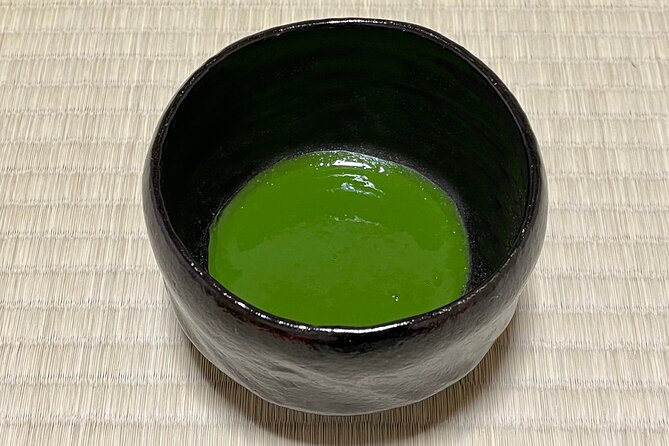
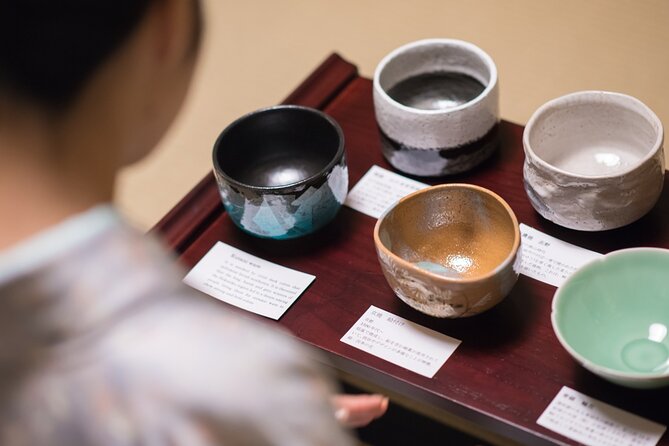
The tea bowls receive their own lesson. You learn that bowls come from different Japanese regions and that shape can change the way the tea feels and tastes.
This is a useful detail because the bowl is not just a container. Its size, curve, surface, and weight affect how you hold it and how you experience the tea. You also begin to see why the host selects particular objects for a particular setting.
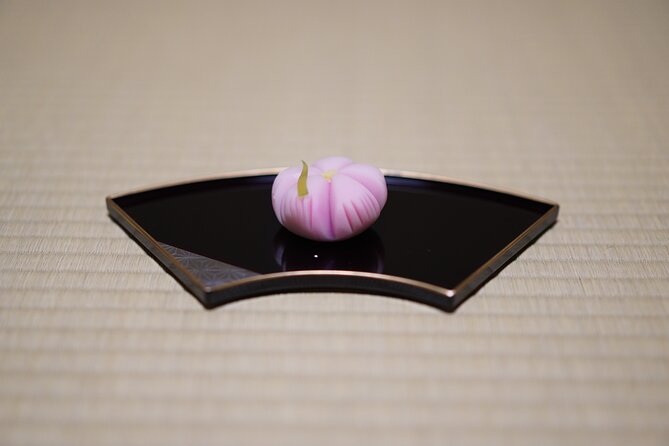
Japanese confectionery is served during the experience, with three kinds of local sweets included. The sweets are not a minor extra. In the tea ceremony, food balances the bitterness of matcha and gives the guest another way to notice season and presentation.
The dry sweets come before usucha, the lighter matcha served later. You can expect attractive, traditional confections rather than a large snack. If you are hungry, eat beforehand. This is a tasting and cultural lesson, not a meal.
The range of tea is another plus. You sample multiple types and can compare their strength and character. I would book this for the experience and the ceremony rather than for the quantity of matcha. The focus is learning how tea is prepared, served, and received.
Making and Serving Your Own Usucha
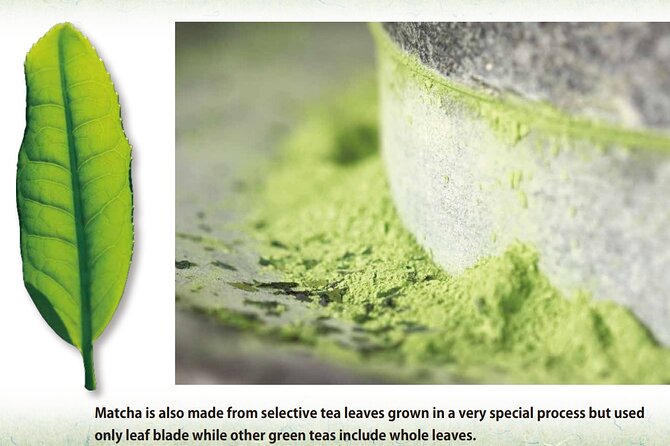
The hands-on lesson is where the workshop becomes personal. After watching the instructor, you receive the materials needed to prepare usucha, a thinner matcha with a layer of foam.
You learn how to make a bowl and practice the host’s role. You also practice receiving tea as a guest. That two-sided approach is valuable because Chado is built on an exchange between host and guest. You are not simply copying a recipe. You are learning how the gestures create respect and order between two people.
The instructor guides you through the steps, so you do not need previous experience. Expect to make a few small mistakes. That is part of the point. A demonstration can look effortless, but handling the bowl and whisk yourself shows how much attention the process requires.
The preparation also makes the final cup more meaningful. Once you have measured, whisked, and served the tea, you understand why the ceremony moves slowly and why the host takes care with each object.
English instruction is a major benefit here. The instructor is fluent in English and has taught tea ceremony for many years. Explanations are designed for an international audience, so you can ask questions rather than simply imitate gestures without context.
How Long the Session Takes
The published duration is approximately 1 hour and 30 minutes, although the booking summary displays a confusing 1 day 1 hour 30 minutes format. Based on the listed program, you should plan for a roughly 90-minute workshop rather than a full-day activity.
That length is sensible. You have time for the video, Sakura tea, meditation, formal koicha, sweets, tea-bowl instruction, and hands-on usucha without the ceremony taking over your day.
Multiple start times are available, which helps you fit the class around Asakusa sightseeing. The activity begins and ends at the same meeting point. There is no separate drop-off, hotel transfer, or sightseeing route included.
The group limit is six people. Some sessions may be smaller, including private bookings for a family or a group of friends. A small room and a precise ritual benefit from fewer participants. You can hear the instructor, see the utensils, and receive help when it is your turn.
The operator notes that the old building has a weight limit. In some cases, a group may be asked to change its time to balance the building’s capacity. This is an unusual practical detail, but it is worth knowing before booking a large group.
Who Will Enjoy This Most
I would recommend this workshop to you if you want cultural context, not just a photo opportunity. It suits first-time visitors to Japan, couples, families with children aged 10 and above, and anyone curious about matcha beyond café drinks.
It also works well for families. Teenagers can take part in the preparation, and the session is short enough to hold their attention. One useful detail for parents: participants do not have to kneel in seiza, and a chair can be provided for anyone unable to sit on the tatami.
This is a good choice after a morning in Asakusa, when you want something quiet and focused. It can also be a welcome pause in a busy Tokyo schedule.
I would think twice if you have trouble climbing steep stairs, cannot sit on the floor even with a chair, or dislike bitter and concentrated tea. Koicha can be intense, and the workshop is centered on ritual rather than entertainment.
You may also want a different experience if you are seeking a full-length formal ceremony conducted entirely for observation. Here, the teaching and hands-on practice are central. That makes it more useful for beginners, but less suited to someone looking only for a silent performance.
Is the $38.47 Price Good Value?
At $38.47 per person, the workshop offers more than a simple matcha tasting. You receive instruction in a licensed Chado school, a welcome drink, several tea tastings, traditional sweets, a formal koicha presentation, and practical training in usucha.
The strongest value comes from access to an experienced instructor in a real tea-school setting. You are paying for explanation and participation, not only for the ingredients. The small maximum group also helps justify the price, since the instructor can give direct guidance.
It is not the cheapest way to drink matcha in Tokyo. If all you want is a sweet green tea and a quick photograph, a café will cost less and take less time.
For a visitor who wants to understand Japanese hospitality and try the ceremony with their own hands, the price is fair. The workshop also avoids the cost and time commitment of a long formal ceremony. Free cancellation is available when you cancel at least 24 hours before the start time, which gives you some flexibility while planning.
Practical Tips Before You Book
Use the correct address, 2-chōme-3-12 Kotobuki, and double-check your map pin. Some map results show a nearby but incorrect number.
Wear clean socks. This is required, not optional. Choose clothing that lets you sit comfortably and move your legs without restriction.
Arrive ready for a steep staircase. The building is old, and there is no lift equipment for assisting people upstairs.
Do not worry if you cannot kneel in seiza. Regular tatami sitting is acceptable, and a chair may be available if you cannot sit on the floor.
The age minimum is 10. The experience is suitable for most people who can manage the stairs and participate in a floor-based setting.
If you need to cancel, do it at least 24 hours before the local start time for a full refund. Changes or cancellations inside that window are not accepted.
Should You Book This Tea Ceremony?
Yes, if you want a calm, hands-on introduction to Japanese tea culture in a genuine old-style room. The combination of formal koicha, personal usucha preparation, sweets, tea-bowl instruction, and clear English teaching gives you a fuller experience than a short matcha demonstration.
I especially recommend it for first-time visitors, families with older children, and couples looking for a quiet cultural activity near Asakusa. The session is intimate, practical, and short enough to fit into a packed Tokyo day.
Before booking, be honest about the steep stairs, socks, floor seating, and strong tea. If those points work for you, $38.47 is a sensible price for an experience that teaches you not only how to drink matcha, but how host and guest meet through the ritual.
FAQ
Where does the tea ceremony workshop take place?
The meeting point is 2-chōme-3-12 Kotobuki, Taito City, Tokyo 111-0042, Japan, in the Asakusa area of Tokyo. The activity ends at the same meeting point.
How long does the workshop last?
The experience is listed as approximately 1 hour and 30 minutes. The booking summary also shows a confusing 1 day 1 hour 30 minutes format, but the program itself describes a workshop lasting about 90 minutes.
What kinds of tea will I try?
You receive Sakura tea as a welcome drink, taste koicha, the strong form of matcha, and prepare usucha, the lighter foamy matcha, during the hands-on lesson. Multiple types of tea are included.
Are sweets included?
Yes. The experience includes three kinds of local Japanese confectionery, including dry sweets served before usucha.
Do I have to sit in seiza?
No. You do not have to sit in seiza. If you cannot sit on the tatami mats, a chair can be provided.
Are there clothing requirements?
Socks are required, and bare feet are not allowed in the tea room. Miniskirts and tight pants are not recommended.
What is the cancellation policy?
You can cancel at least 24 hours before the experience start time for a full refund. Cancellations or changes made less than 24 hours before the start time are not accepted.
More Workshops in Tokyo
- Sushi Making Tokyo Roll and Authentic Japanese Sushi Class
★ 5.0 · 3,971 reviews - Tokyo: Roll and Authentic Sushi Making Class in Asakusa
★ 4.9 · 1,957 reviews - Tokyo Shinjuku Chopsticks Making Class
★ 5.0 · 1,763 reviews - Tokyo: Sushi Making Class in a Happi Coat near a Famous Spot
★ 4.9 · 1,377 reviews
Just added around Tokyo
- Private Arrival Transfer : Narita International Airport to Central Tokyo City★ 4.5 · 12 reviews
- Narita Airport(NRT): Private Transfer to Tokyo/Yokohama 1-9pax★ 5.0 · 47 reviews
- Private Transfer from Narita Airport to Yokohama Port and City★ 4.5 · 17 reviews
- [Narita Airport Terminals 1, 2] 40-60km Sawara Itako Historic Bike Tour★ 5.0 · 13 reviews
- 3 Day Japan Highlights Tour: Tokyo, Mt.Fuji, Nara, Kyoto, Osaka★ 5.0 · 22 reviews
- Small Town in the Big City: Tasting Tokyo’s Kichijoji★ 5.0 · 195 reviews
- Small Town in the Big City: Tasting Tokyo’s Kichijoji★ 5.0 · 16 reviews
- The 10 Tastings of Tokyo With Locals: Private Street Food Tour★ 5.0 · 48 reviews
Tokyo Tours, compared.

Mt Fuji and Hakone 1-Day Bus Tour Return by Bullet Train
Read our review →

teamLab Planets TOKYO Digital Art Museum Entry Ticket
Read our review →
Mt Fuji & Hakone Cruise, Drum Show Bullet Train 1 Day from Tokyo
Read our review →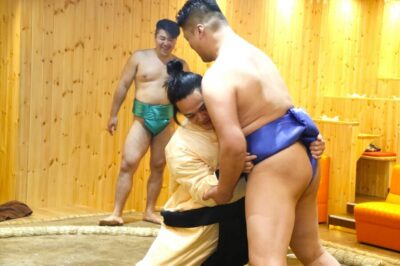
Sumo Show Experience with Chicken Hot Pot and a Photo
Read our review →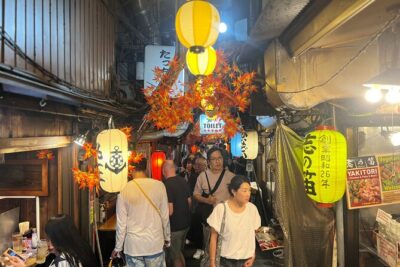
Shinjuku Food Tour (13 Dishes at 4 Local Eateries)
Read our review →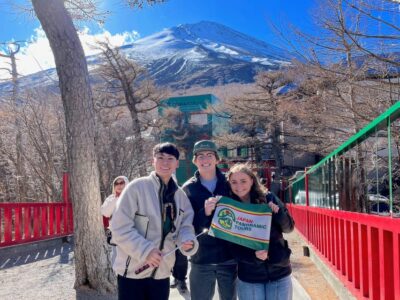
Tokyo Mt Fuji 5th St & Hakone Cruise Bus Tour w/Bullet Train
Read our review →
Flagship 2-Hours Official Street Go-Kart Tour – Tokyo Bay Shop
Read our review →Browse the lists this tour appears in