
Reviewed · TOKYO TOURS
Tokyo: Traditional Tea Ceremony with a Tea Master
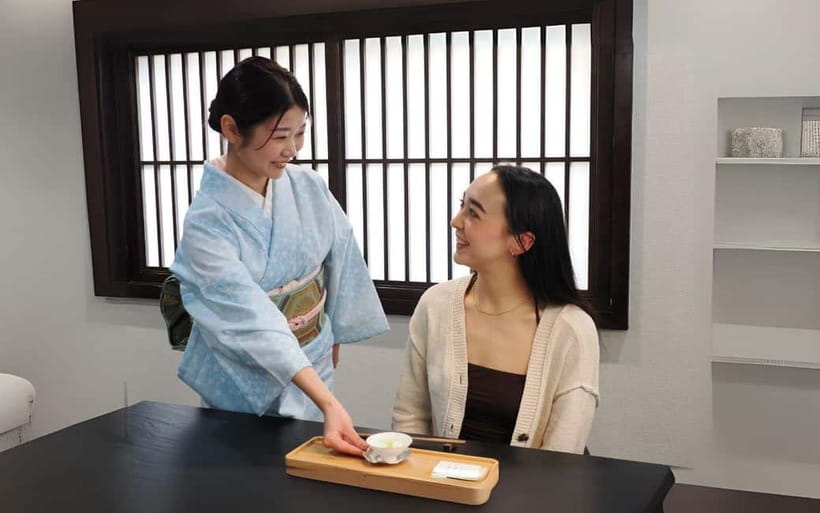
The best part of this 60-minute tea session is that you do not simply watch a formal ritual. You taste several very different Japanese teas, learn why water temperature matters, and prepare your own matcha with a tea master guiding each movement. The setting is Ocharu, across from Tokyo University, and the tone is friendly rather than stiff.
I like the unusual range of teas, especially the rare Japanese black tea called wakocha and the top-grade gyokuro sencha. I also like the hands-on matcha making, plus the seasonal wagashi sweets from Ougiya. The main consideration is access: the venue is not suitable for wheelchair users, and the green OCHARU sign can be easy to miss because it is high on the building.
Key points to know before booking
- Four distinct tea styles: Taste wakocha, gyokuro sencha, matcha, and genmaicha, each prepared in its own way.
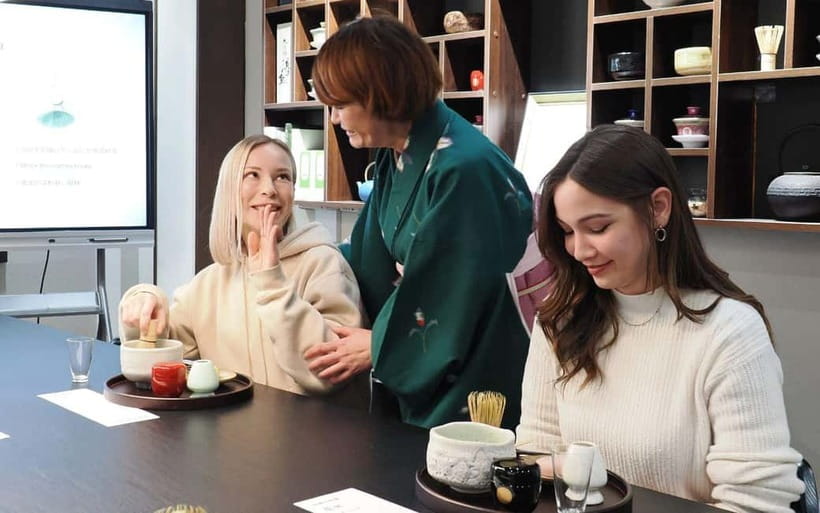
- You make the matcha: The tea master explains how to use the whisk and traditional utensils, then lets you prepare your own bowl.
- Seasonal sweets from Ougiya: Wagashi adds a delicate, changing taste of Japanese confectionery to the tea tasting.
- Relaxed English instruction: Guides such as Shinichi-san and Ekiko explain tea culture clearly, with room for questions and conversation.
- A convenient Tokyo setting: Ocharu is directly across from Tokyo University and close to the zoo, making this easy to pair with nearby sightseeing.
- Useful keepsakes: You receive a completion certificate and group photo, and some sessions also include small items such as chopsticks.
A friendly introduction to Japanese tea at Ocharu
Ocharu Tea Ceremony Room sits opposite Tokyo University in a part of Tokyo that feels more local and academic than postcard-famous. The green OCHARU logo marks the building, though you need to look up. One useful tip is to check the tea shop if you walk past the entrance, since the sign can be hard to spot from street level.
Arrive about five minutes early. That gives you time to check in, settle into the room, and avoid starting the session while still trying to find the door. The experience is conducted in English, and the hosts generally make a clear effort to explain both the practical steps and the meaning behind them.
This is not presented as a silent, highly formal tea ceremony where you sit still and copy every movement from a distance. It is closer to a guided tea lesson with ceremonial elements. That makes it a good first experience for you if Japanese etiquette feels unfamiliar or intimidating.
The mood can vary slightly with the guide. Shinichi-san has been praised for his humor and detailed explanations, while Ekiko has been described as patient and good at answering questions. Other sessions have been led by warm, personable hosts who chat about Tokyo, home cities, language, and culture. One useful point is that the experience remains approachable even when the subject becomes technical.
More Tea Ceremonies in Tokyo
- Tea Ceremony Workshop in Tokyo by the Experienced Instrucor
★ 5.0 · 189 reviews - Tokyo: Asakusa Kimono Dressing and Matcha Experience
★ 4.9 · 173 reviews - Asakusa: Kimono Tea Ceremony with Matcha and Sweet
★ 4.9 · 153 reviews
Wakocha and cake make a gentle opening
The first cup is wakocha, Japanese black tea from Shizuoka. Japan is best known abroad for green tea, so this is an interesting starting point. Wakocha tends to have fruity and floral notes, giving you a softer introduction than the grassy flavor some people expect from Japanese tea.
You receive a traditional tea cake with it. The pairing helps you notice the tea without treating the tasting like a test. Take a sip before eating the cake, then another afterward. The sweet bite changes how the tea tastes, and that simple contrast explains why Japanese tea service pays so much attention to confectionery.
This opening also gives the tea master a chance to discuss where the tea comes from and how Japanese tea differs by type and region. You are not expected to arrive with any prior knowledge. Tea enthusiasts will find details to enjoy, but someone who normally drinks coffee can still follow the session.
One visitor with a partner who did not particularly like tea still found the activity enjoyable. That is worth noting. The session is about flavor, craft, and culture, not about proving that you already appreciate green tea.
Gyokuro shows why brewing temperature matters
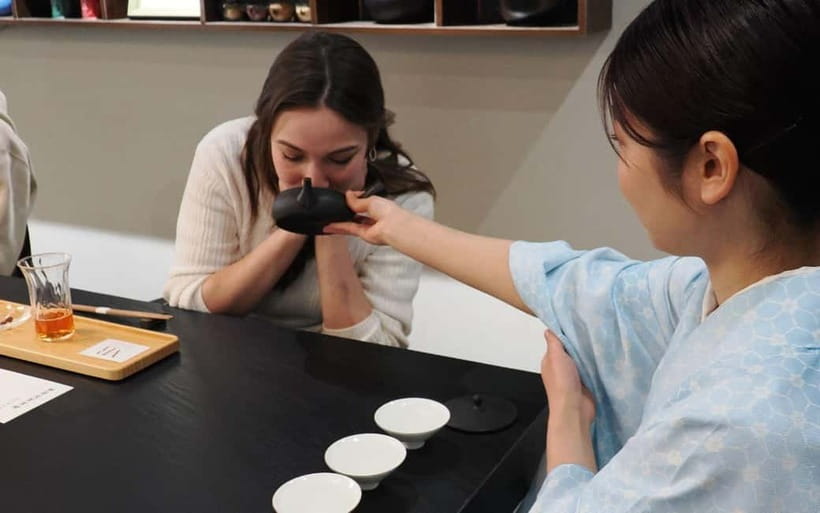
Next comes gyokuro sencha, described as the highest grade of green tea. The tea master prepares it while explaining the process, including the role of water temperature. This is one of the most useful parts of the hour because it shows that Japanese tea is not simply hot water poured over leaves.
Gyokuro is often brewed with cooler water than many people expect. The slower preparation brings out a concentrated, savory flavor. Your tea master can point out the differences in aroma, taste, and texture, helping you compare it with the wakocha you have just tried.
You may also be invited to taste the softened tea leaves. That can sound unusual, but the leaves are part of the experience rather than waste. The session presents tea as a complete ingredient, not just a drink. It is a small detail, yet it gives you a more practical sense of how Japanese tea culture treats the leaf.
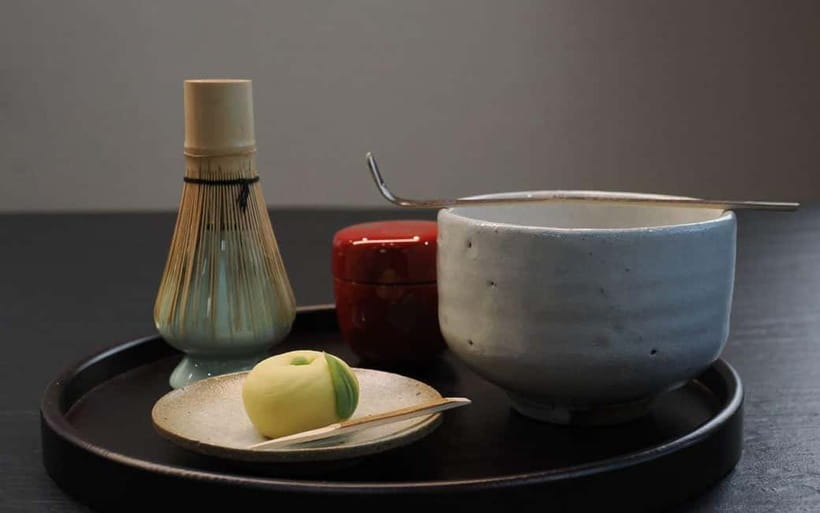
The serving comes with seasonal wagashi from Ougiya, a confectioner with generations of experience. These sweets are usually shaped and presented with care, and their seasonal character matters. The point is not simply to add sugar. The delicate sweetness balances gyokuro’s strong flavor and gives the tasting a visual element as well.
Seasonal wagashi adds more than a sweet snack
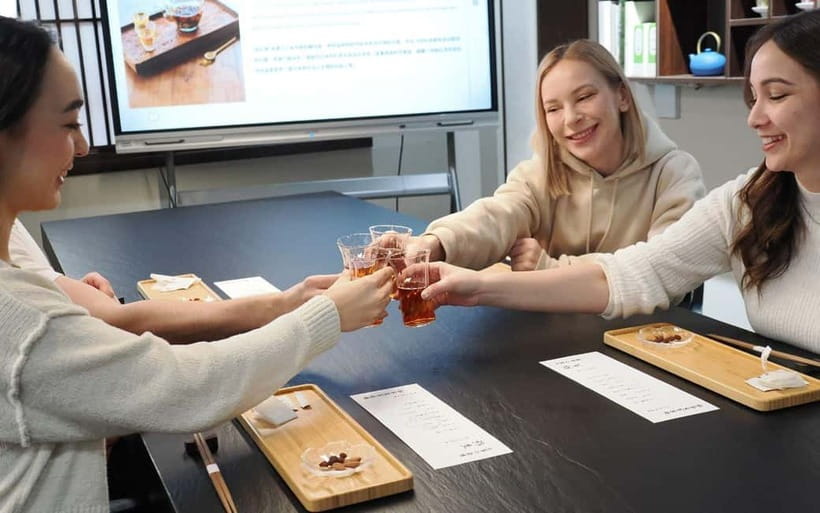
The wagashi is one of the quiet highlights. Japanese seasonal sweets often reflect flowers, leaves, colors, or natural forms associated with a particular time of year. You are not given a long pastry-shop visit, but the Ougiya sweets bring that sense of season into the tea room.
I like this pairing because it gives the ceremony some balance. Four teas in an hour could become repetitive, especially if every cup arrived without food. The small cakes reset your palate and show how tea and sweets are meant to work together.
The presentation also helps explain the care behind Japanese hospitality. A tea ceremony is not just a drink tasting. The bowl, whisk, sweet, temperature, gesture, and order of service all contribute to the experience. You do not need to memorize every rule, but you will leave understanding why the details matter.
If you have children with you, the format can work well. A ten-year-old was included in the process and given attention rather than being left to watch adults. Still, the room is designed for a calm cultural activity, so children will enjoy it most if they are willing to listen and take turns.
Same base, a completely different sort of day:
- Mt Fuji and Hakone 1-Day Bus Tour Return by Bullet Train
★ 5.0 · 26,383 reviews - 1-Day Tokyo Bus Tour
★ 5.0 · 14,250 reviews - Tokyo: TOKYO SKYTREE® Admission ticket
★ 4.5 · 11,192 reviews - Tokyo: teamLab Planets TOKYO Digital Art Museum Entry Ticket
★ 4.6 · 9,779 reviews
Making your own matcha is the most useful lesson
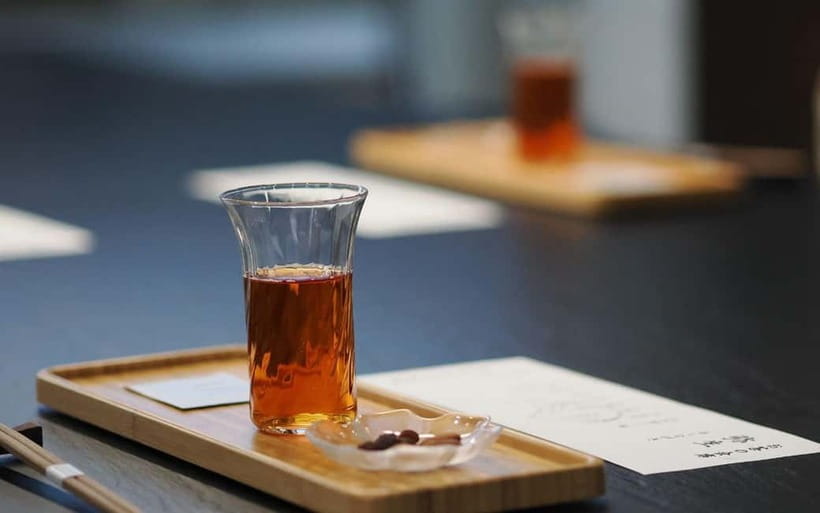
The hands-on matcha session is the heart of the activity. The tea master introduces the traditional tools and shows you how to prepare the drink. Then you whisk your own matcha and drink what you have made.
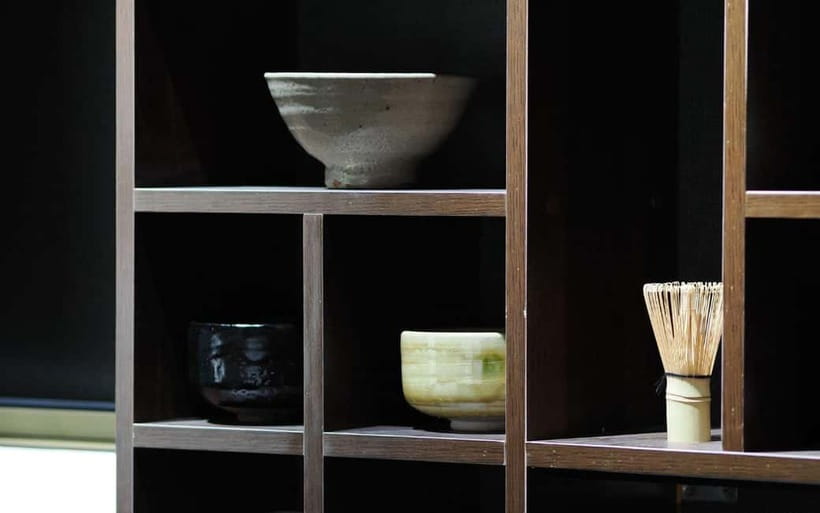
The process is simple in principle, but the tools make it feel special. You use a bamboo whisk and other traditional utensils rather than a modern electric frother. The guide demonstrates the movement, explains the manners, and helps you correct your technique. You do not need to worry about getting it perfect on the first try.
This is also where the ceremony becomes personal. Watching someone else prepare matcha can be beautiful, but whisking your own bowl gives you a physical memory of the tradition. You learn how much powder and water are used, how the whisk creates a smooth surface, and how the finished tea is handled.
Matcha has a distinct bitterness, so the wagashi is useful here too. Eat the sweet before drinking the matcha, as instructed, and the tea becomes easier to appreciate. You will notice a fuller, smoother flavor instead of only the sharp edge.
The matcha presentation receives particular care, and the completion certificate adds a lighthearted finish. Some people may see the certificate as a small souvenir rather than a serious qualification, which is exactly how you should treat it. It is a pleasant reminder of the activity, especially if your name is written in Japanese.
Genmaicha closes the hour on a softer note
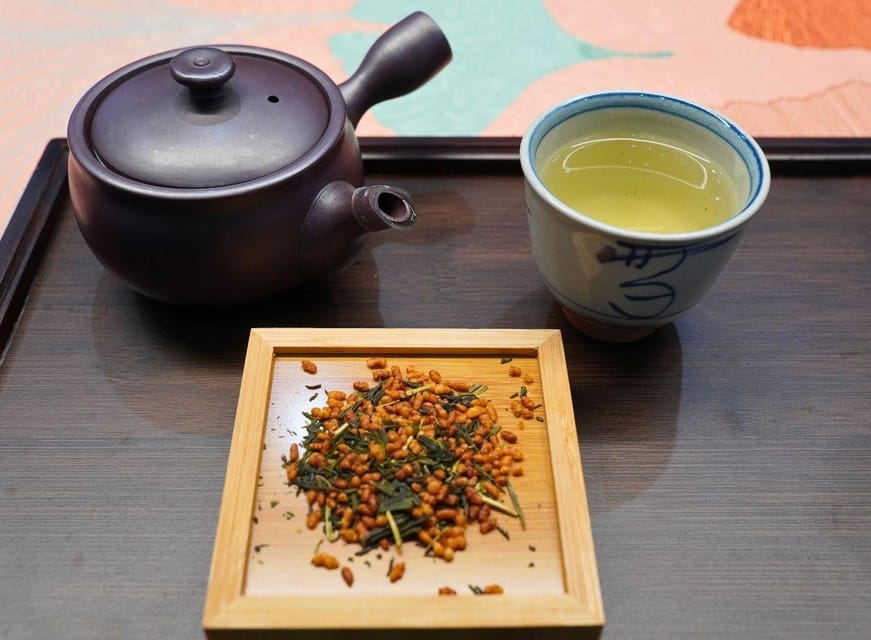
The final cup is genmaicha, a blend of sencha and roasted rice from Niigata Prefecture. Its toasted aroma makes it a comfortable ending after the more intense gyokuro and matcha.
Genmaicha is familiar to many people because the roasted rice gives it a warm, nutty character. If you are unsure about stronger green teas, this may be the cup you like best. It also shows how broad the category of Japanese tea can be. The session moves from fruity black tea to concentrated green tea, powdered matcha, and roasted-rice tea without requiring you to travel outside the room.
By the end, you have tasted four styles in different forms and learned that preparation changes the result as much as the tea itself. That is a lot of ground to cover in one hour, though the pace can feel brisk if you ask many questions or want extended quiet time with each cup.
Why the $38 price makes sense

At $38 per person, this is not the cheapest way to drink matcha in Tokyo. You can find a cup of matcha for far less. The value here comes from the guided explanation, several tastings, wagashi, hands-on preparation, traditional equipment, and the dedicated tea room.
You are also getting a structured cultural activity that fits neatly into a day of sightseeing. The full session lasts about an hour, with some sessions reported as closer to 50 minutes. That makes it easy to schedule before lunch, after a visit to Tokyo University, or alongside a stop at the nearby zoo.
For a first tea ceremony, the price is fair because the guide does more than pour tea. You learn about origins, history, regional differences, brewing temperatures, manners, and the relationship between sweets and tea. The session is also more relaxed than many visitors expect, which lowers the risk of paying for an experience that feels overly formal or difficult to follow.
Tea lovers may find especially good value in the tasting range. You can buy tea and accessories afterward at the shop downstairs, though purchases are separate. It is a convenient chance to take home something connected to the lesson, but you are not required to shop.
Finding Ocharu and planning the visit
The meeting point is marked by a green OCHARU logo on the wall. Look high on the building, and if you cannot see it, check the tea shop entrance rather than walking on. One person walked past several times before realizing the sign was above eye level.
The address across from Tokyo University is useful for orientation, but allow extra time if you are unfamiliar with the area. A route from Shibuya using Meiji-Jingumae and Nezu stations was described as involving about a 15-minute walk from the final station. Check your own route and starting time before leaving, since Tokyo transfers can take longer than the train ride suggests.
The activity is in English. Most of the feedback about instruction is very positive, with clear explanations and easy conversation. One person found a guide’s accent somewhat difficult to understand, so if you have trouble catching a word, ask for it to be repeated. The session is educational, and the guides are used to questions.
Accessibility is the main practical limitation. The experience is not suitable for wheelchair users. If that applies to you, contact the provider before booking rather than assuming the room can accommodate your needs.
Free cancellation is available up to 24 hours before the start time for a full refund. You can also reserve now and pay later, which helps if you are still adjusting your Tokyo schedule.
Who will enjoy this tea ceremony most
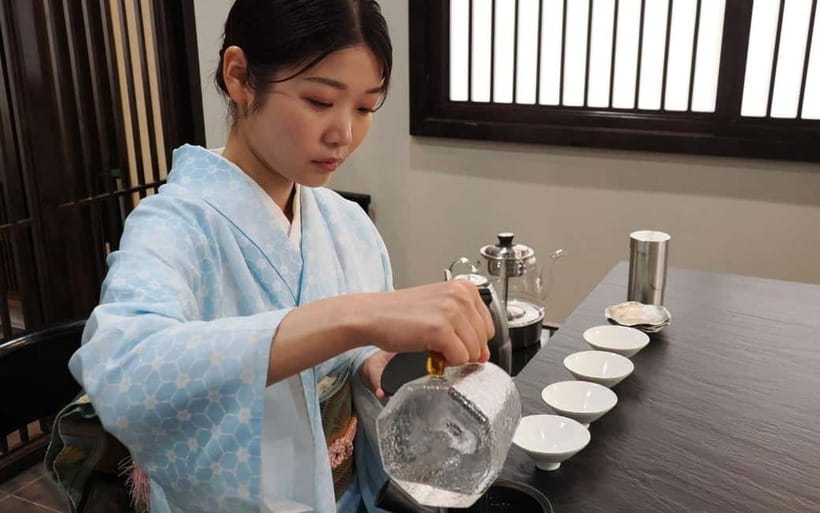
I would recommend Ocharu to you if you want a cultural activity that is easy to understand, short enough for a busy day, and more hands-on than a museum display. First-time visitors to Japan will get a useful introduction to tea manners and the main categories of Japanese tea.
It also suits regular tea drinkers. The comparison between wakocha, gyokuro, matcha, and genmaicha gives you plenty to discuss, especially if you care about water temperature and brewing style. The chance to taste the leaves themselves adds a small surprise.
Couples and small groups should find the relaxed format comfortable. The tea masters make room for questions and conversation, and the photo at the end gives you a shared memento. Families can enjoy it too, especially if children are old enough to follow a demonstration and take part.
I would be less inclined to book it if you want a long, silent, highly traditional ceremony with no conversation. This experience teaches the customs, but it also keeps things casual, social, and accessible to beginners. Its strength is explanation and participation, not strict theatrical formality.
Should you book Ocharu?
Yes, if you want to understand Japanese tea rather than simply order a cup. For $38, you taste four teas, eat seasonal wagashi, prepare matcha yourself, and receive a certificate in a convenient Tokyo location.
Book it early in your planning if tea culture is a priority, or place it beside Tokyo University and the zoo for an efficient half-day area plan. Just allow time to find the high green sign, arrive five minutes early, and remember the wheelchair restriction.
The best reason to choose this experience is its balance. It gives you real tea detail without making you feel tested, and it treats tradition with respect without becoming stiff. That combination makes it a strong pick for both curious beginners and serious tea drinkers.
FAQ
How long does the Tokyo tea ceremony last?
The stated duration is one hour. One session was reported as lasting about 50 minutes, so allow roughly an hour for the activity.
How much does the experience cost?
The price is $38 per person.
Where does the tea ceremony take place?
It takes place at the Ocharu Tea Ceremony Room in Tokyo, directly across from Tokyo University.
What teas will I taste?
You will taste wakocha, a Japanese black tea from Shizuoka, gyokuro sencha, matcha, and genmaicha made with sencha and roasted rice from Niigata Prefecture.
Can I make my own matcha?
Yes. The tea master guides you through matcha preparation using traditional tools and utensils.
Is the experience offered in English?
Yes. The instructor language is English.
What is included with the tea tasting?
The experience includes wakocha and a tea cake, gyokuro sencha with seasonal wagashi from Ougiya, the matcha-making session, genmaicha, access to the tea room, a certificate, and a group photo.
Is the activity suitable for wheelchair users?
No. The experience is listed as unsuitable for wheelchair users.
How early should I arrive?
You should arrive five minutes before the start time for check-in.
Can I cancel the booking?
Yes. You can cancel up to 24 hours in advance for a full refund. Reserve now and pay later is also available.
Just added around Tokyo
- Private Arrival Transfer : Narita International Airport to Central Tokyo City★ 4.5 · 12 reviews
- Narita Airport(NRT): Private Transfer to Tokyo/Yokohama 1-9pax★ 5.0 · 47 reviews
- Private Transfer from Narita Airport to Yokohama Port and City★ 4.5 · 17 reviews
- [Narita Airport Terminals 1, 2] 40-60km Sawara Itako Historic Bike Tour★ 5.0 · 13 reviews
- 3 Day Japan Highlights Tour: Tokyo, Mt.Fuji, Nara, Kyoto, Osaka★ 5.0 · 22 reviews
- Small Town in the Big City: Tasting Tokyo’s Kichijoji★ 5.0 · 195 reviews
- Small Town in the Big City: Tasting Tokyo’s Kichijoji★ 5.0 · 16 reviews
- The 10 Tastings of Tokyo With Locals: Private Street Food Tour★ 5.0 · 48 reviews
Tokyo Tours, compared.

Mt Fuji and Hakone 1-Day Bus Tour Return by Bullet Train
Read our review →
teamLab Planets TOKYO Digital Art Museum Entry Ticket
Read our review →
Mt Fuji & Hakone Cruise, Drum Show Bullet Train 1 Day from Tokyo
Read our review →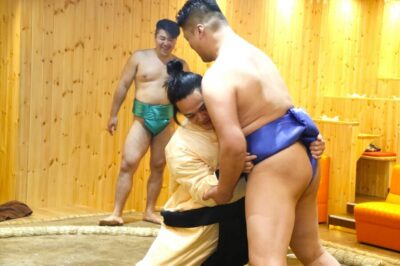
Sumo Show Experience with Chicken Hot Pot and a Photo
Read our review →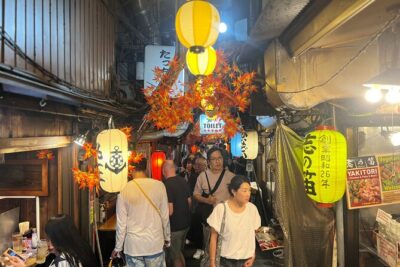
Shinjuku Food Tour (13 Dishes at 4 Local Eateries)
Read our review →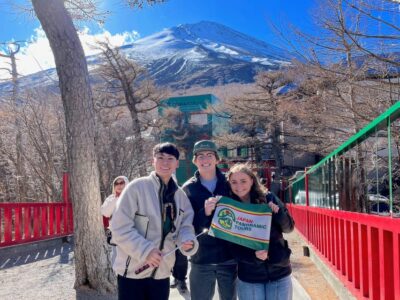
Tokyo Mt Fuji 5th St & Hakone Cruise Bus Tour w/Bullet Train
Read our review →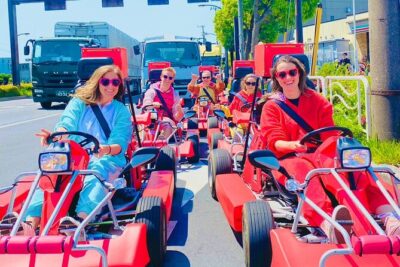
Flagship 2-Hours Official Street Go-Kart Tour – Tokyo Bay Shop
Read our review →Browse the lists this tour appears in