
Reviewed · TOKYO TOURS
Tokyo: Full Course Tour: Explore 10 Must-Sees & Hidden Gems
Tokyo is easiest to understand when someone shows you how its pieces fit together. This seven-hour Tokyo tour links shrines, markets, imperial landmarks, neon streets, and everyday Japanese life by metro and on foot, giving you a useful first look at a city that can feel enormous at first.
I like the mix of famous stops and ordinary local details, especially the Seven-Eleven visit and the lessons on public transport manners. I also like the small group size, capped at seven, and guides such as Sam and Yasuko, who explain Tokyo with warmth and patience. The trade-off is clear: this is a fast, walking-heavy day of roughly 20,000 steps, so it is not a good fit if you need a gentle pace.
Key points at a glance
- A full Tokyo sampler: Visit Shibuya, Tsukiji, the Imperial Palace area, Tokyo Station, Akihabara, and Asakusa in one day.
- Free sightseeing stops: The attractions themselves do not charge admission, though food, drinks, and transport are extra.
- Metro practice included: You learn how to move around Tokyo while paying about 1,500 JPY, or roughly $10, for transport.
- Born-and-raised local guides: Sam, Yasuko, and other Japanese guides explain etiquette, customs, history, and daily routines.
- Small-group format: With no more than seven participants, it is easier to ask questions and stay connected.
- A demanding route: Wear sports shoes, carry rain gear, and expect a long day on your feet.
Why this tour works as your first Tokyo day
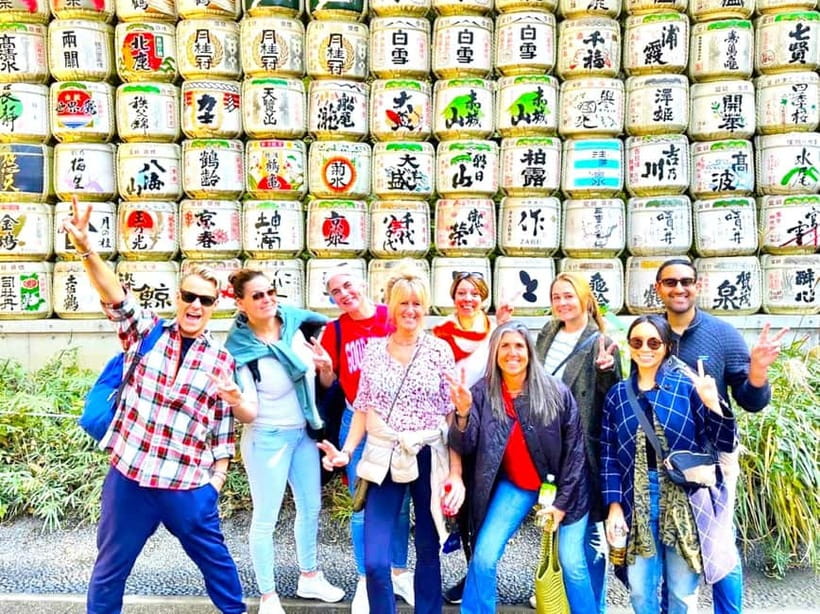
Tokyo can overwhelm you with scale. A station may have several exits, a short-looking trip may require a transfer, and the city’s famous districts each have their own mood. This tour gives you a working map of Tokyo rather than keeping you in one neighborhood.
You move through several major areas, using the metro between them and walking once you arrive. That matters because the transport lesson is part of the experience. You are not simply driven from one photo stop to another. You practice moving around the city with a local guide nearby.
The route also gives you choices for later in your trip. After a quick look at Tsukiji, you may decide to return for a longer food stop. After seeing Akihabara, you may want more time with anime and gaming shops. Several people who joined the tour used the day to decide which districts deserved a second visit.
The pace is the price of this range. You may see as many as 10 major attractions, while the detailed route includes 12 named places and areas. The exact number and order can vary with timing, walking speed, and the day’s flow, so book this for broad exposure, not slow inspection.
More Hidden Gems Walks in Tokyo
- 3h Tokyo E-Bike Tour: Hidden Gems, and Local Life with guide
★ 5.0 · 670 reviews - Tokyo: Custom Hidden Gems & Highlights Tour with Local Guide
★ 4.7 · 272 reviews - Tokyo: 3-hour Guided E-Bike Tour of the City’s Hidden Gems
★ 4.8 · 251 reviews
Starting at Yoyogi and learning konbini culture
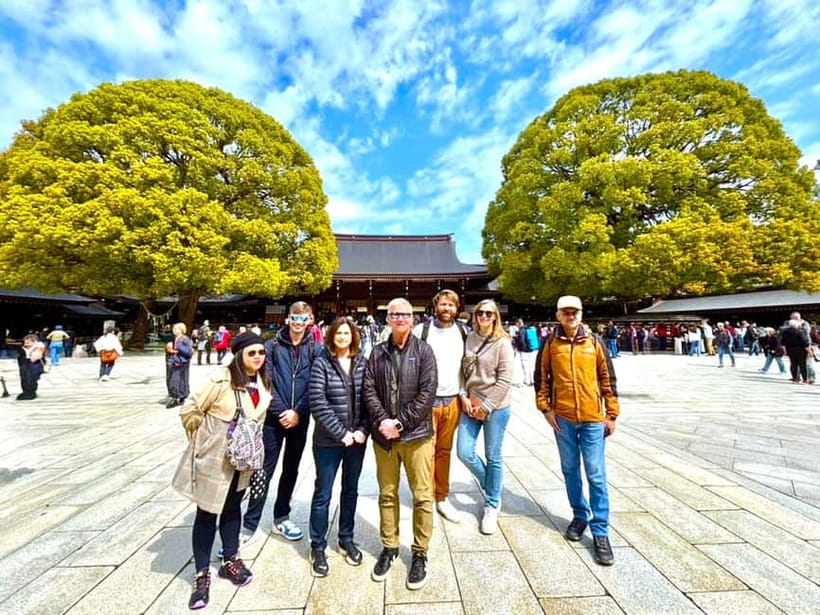
The meeting point is outside the ticket gate at the west exit of JR Yoyogi Station. Arrive early. The tour leaves on time, and late arrivals cannot join.
One of the first stops is Seven-Eleven, used here to explain konbini culture. Japanese convenience stores are more than places to buy a drink. They are part of daily life, with snacks and other useful items that can surprise first-time visitors in quality and variety.
This stop is small, but it sets the tone. You begin with something familiar, then learn how it works in Japan. It is also a practical chance to buy a snack or drink before the walking day gathers speed.
Carry Japanese yen. Some small shops and food stops accept cash only. A pre-charged Suica, Pasmo, or Icoca card is required for the metro travel, and the transport cost is not included in the tour price.
Meiji Jingu, a forest pause in central Tokyo
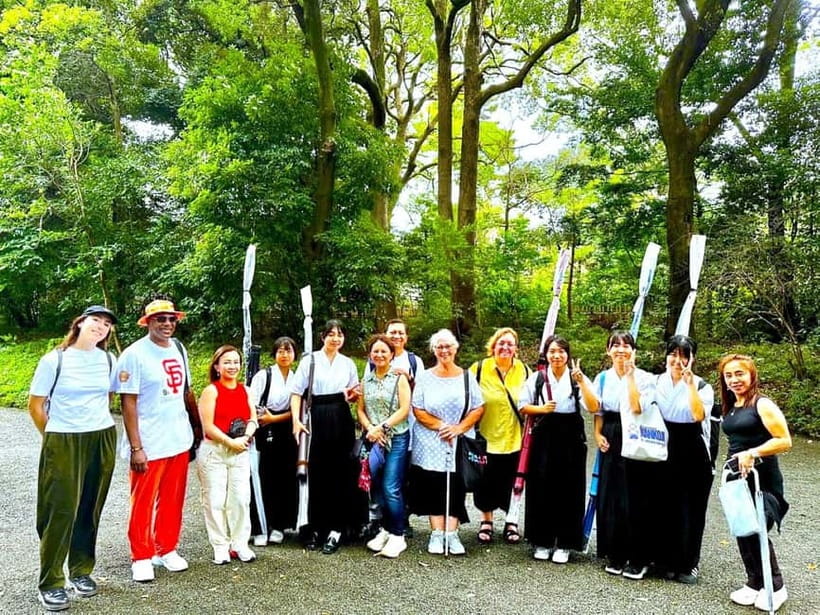
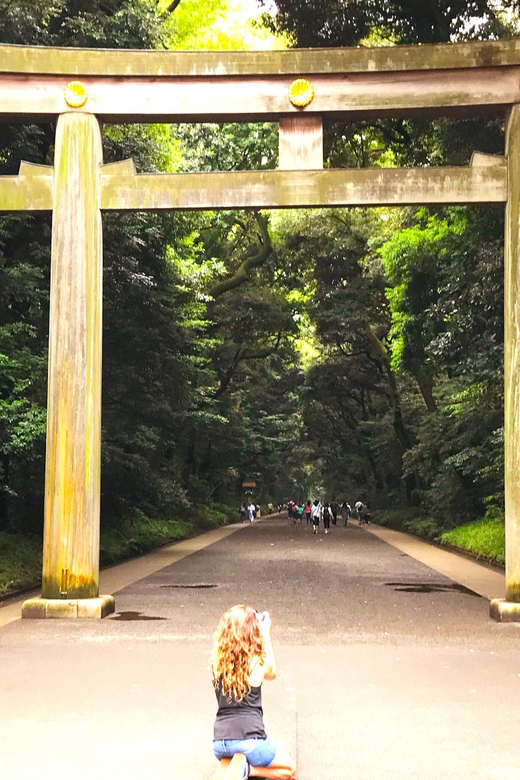
Meiji Jingu offers a sharp change from the busy railway districts. The shrine sits within a broad forested setting, giving you a quiet introduction to Shinto practice in the middle of Tokyo.
Your guide explains the customs and respectful behavior expected at a shrine. That kind of help is valuable because the gestures are easy to miss when you are on your own. You can learn how to approach the site without treating it as just another picture stop.
The visit is less about checking off a building and more about seeing how spiritual places fit into modern Japanese life. Still, this is a stop where you may want more time than the schedule allows. If the shrine becomes a favorite, plan to return later on your own.
Shibuya’s Hachiko and the scramble crossing
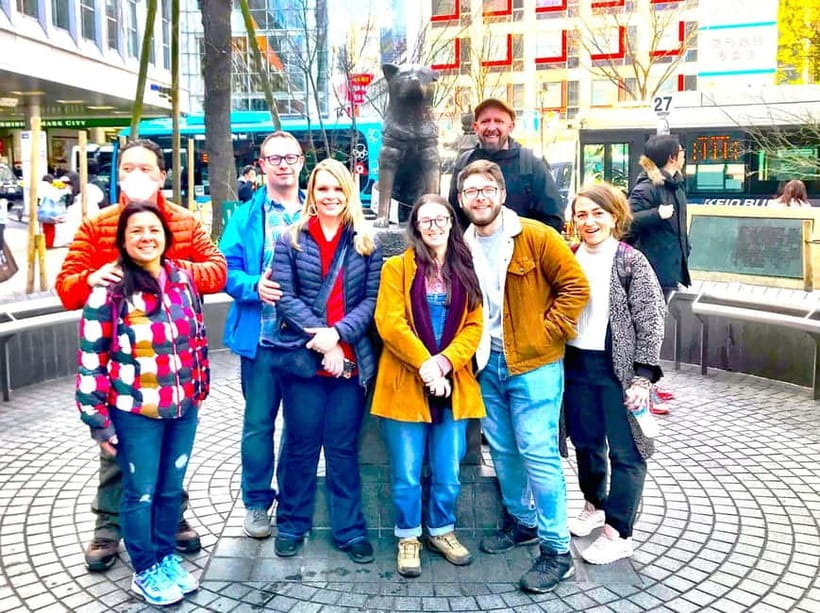
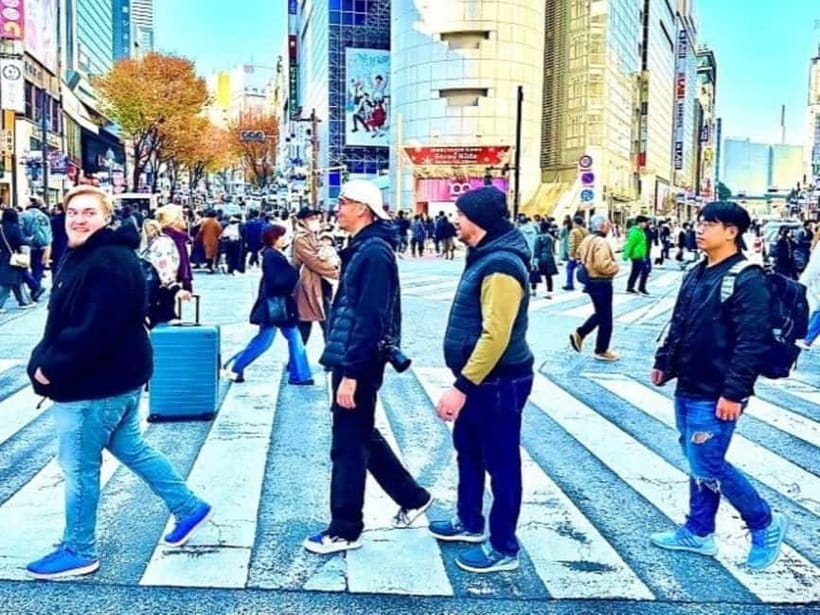
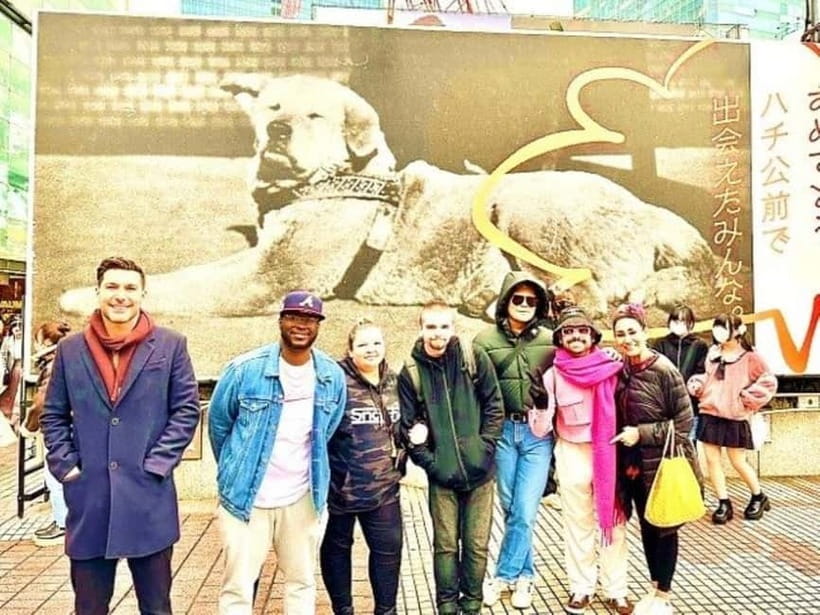
Shibuya gives the tour a burst of city energy. At the Hachiko statue, you hear the true story behind Japan’s famous loyal dog, then move toward Shibuya Scramble Crossing.
The crossing is one of Tokyo’s clearest symbols: crowds move in several directions, then the road opens for pedestrians before traffic returns. Your guide helps you understand where to go and how the area fits into the wider district.
You get the classic Shibuya photograph, but the useful part is seeing how the district functions. This is a commercial and social center, not merely a landmark. The stop is likely to feel quick, especially if you want time for shops, department stores, or the surrounding streets.
More off-the-list walks in Tokyo:
- Private Mt Fuji Tour from Tokyo: Scenic BBQ and Hidden Gems
★ 5.0 · 146 reviews - Shibuya & Harajuku: Hidden Gems & Highlights Private Tour
★ 4.7 · 139 reviews - Tokyo: 3-Hour Bike or E-Bike Tour of City’s Hidden Gems
★ 4.7 · 81 reviews - Tokyo: Private Customized Hidden Gems Tour with Local Guide
★ 5.0 · 30 reviews
Tsukiji Honganji and lunch at the Outer Market
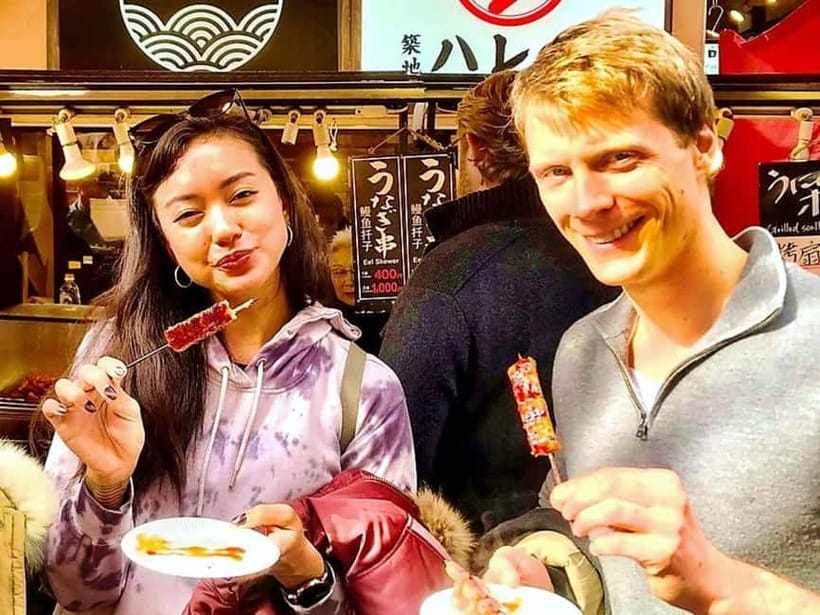
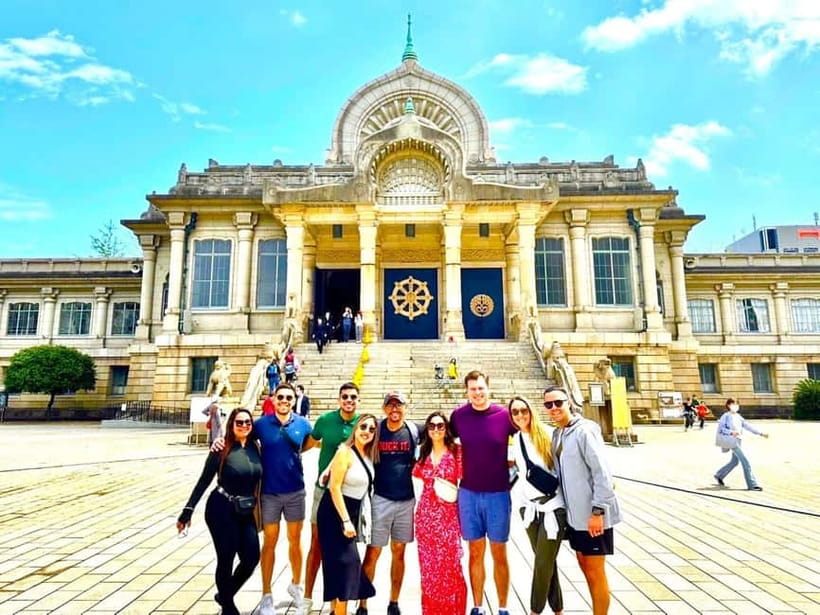
Tsukiji Honganji Temple brings a different kind of visual surprise. Its architecture has an Indian-inspired look, with stained glass that sets it apart from the traditional wooden temples you may expect in Tokyo.
The temple gives your guide another chance to explain the variety within Japanese religious buildings. It also provides a calm pause before the food-focused part of the route.
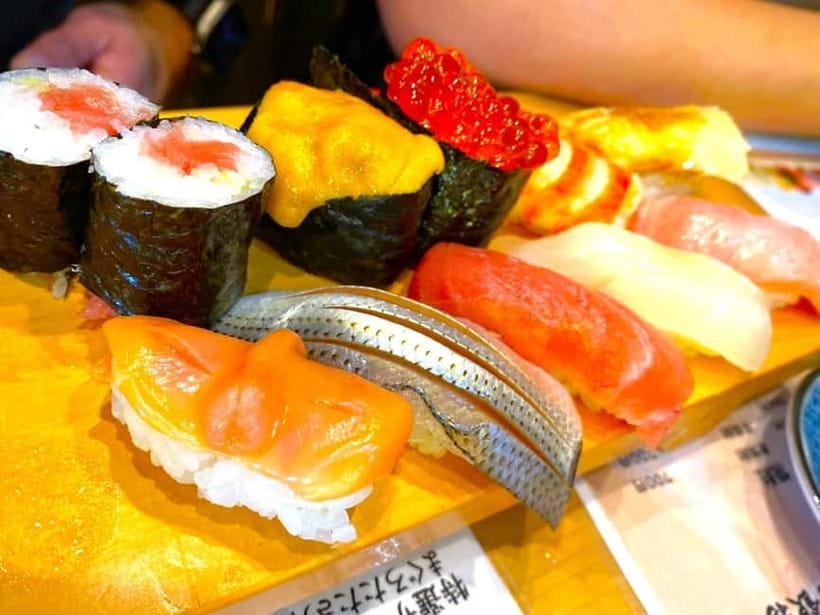
At Tsukiji Outer Market, you enter an area long associated with Tokyo’s food culture. The market is known for seafood, Wagyu, and local delicacies. Lunch is not included, so budget separately and remember that the group may not stop for a long restaurant meal.
Vegetarian and vegan choices are available, but tell the guide about your needs. The market is best approached with curiosity rather than a fixed promise of one particular dish. Your guide can point you toward both famous restaurants and smaller local eating spots.
The drawback is that food costs can push the day’s total above the $77 tour price. You also pay for snacks and drinks yourself, so carry enough cash in addition to your transport card.
The Imperial Palace, Marunouchi, and Tokyo Station
The Imperial Palace area places modern Tokyo beside the city’s political and historical center. You walk near the former Edo Castle grounds and see the large stone walls associated with that earlier period.
This is a good place to ask questions about how Tokyo changed from the Edo period into the modern capital. The guide uses the setting to connect the city’s past with what you see around you today.
In nearby Marunouchi, sleek office towers meet the imperial area. The contrast is the point. You see a polished business district close to older stonework and formal open spaces.
Tokyo Station adds another visual shift. Its red-brick facade is a major landmark and a working transport hub at the same time. You do not need a separate admission ticket for these outdoor sightseeing points, but the station itself can be confusing if you return alone later. Pay attention to the route and station names.
Akihabara and the public face of Japanese pop culture
Akihabara is the tour’s stop for anime, gaming, electronics, and Japanese pop culture. Known as Electric Town, it feels very different from the shrine grounds and palace district.
The value of seeing Akihabara with a local is context. You get more than neon signs and shop fronts. You can ask how the area fits into modern Japanese culture and which parts may interest you on a return visit.
This stop may be especially useful if you have never visited Akihabara before and do not know where to begin. It is also one of the places where you may feel the limits of a quick group tour. The area rewards browsing, and a serious shopper will need extra time after the tour.
Sensoji and Asakusa’s older Tokyo
Sensoji is Tokyo’s oldest temple and one of Asakusa’s essential sights. You approach through Kaminarimon Gate, a memorable entrance to the temple district and one of the city’s best-known photo locations.
The guide explains the site’s religious role and how to behave respectfully. That background helps you see more than the gate, crowds, and souvenir streets.
Asakusa Shrine, located within the Sensoji grounds, adds a quieter Shinto stop. The guide explains the connection and the differences between the temple and shrine traditions. It is a useful final contrast after Meiji Jingu earlier in the day.
Asakusa can be crowded, and the route does not leave unlimited time for shopping or sitting down. If you want a slower look at Sensoji, return independently. The tour’s job here is to give you orientation and context.
What the guide adds to the day
The best part of this experience is not simply the number of stops. It is the ongoing explanation between them. Guides born and raised in Japan can answer questions about customs, local values, food, etiquette, and ordinary routines in a way that a map cannot.
Sam has been praised for making the day a strong introduction to Tokyo and for using an iPad with slides to support explanations. Yasuko is described as especially helpful, positive, and patient with questions. Other names may be assigned, and the guide’s name and photo are sent after booking confirmation.
The small group helps here. A maximum of seven people is large enough to keep the price reasonable but small enough for questions. You should still stay with the group at all times. The guide cannot leave the route to search for anyone who wanders away.
English is the listed tour language. If you want a particular guide, do not assume one can be guaranteed, since the information only confirms the guide after booking.
The real cost at $77 per person
At $77 per person, the tour is priced as a guided orientation rather than an admission-heavy excursion. The attractions are free to enter, and your payment covers the professional guide and taxes.
You should add roughly 1,500 JPY, or about $10, for metro and JR fares. Food and drinks are extra, including lunch at Tsukiji and any convenience-store snacks. Since the route covers several districts, the transport cost is a reasonable part of the day, but the total depends on how much you eat and shop.
The value is strongest if you have limited time in Tokyo, are on a stopover, or want help on your first full day. You are paying to reduce confusion, learn the rail system, and get a tested overview of districts that would take more planning to combine alone.
The value is weaker if you prefer one neighborhood at a time, dislike fixed schedules, or want long meals and museum visits. You will not receive extended time at every attraction.
How to prepare for 20,000 steps
Take the physical warning seriously. The route calls for about 20,000 steps, with repeated station transfers and city walking. Wear comfortable sports shoes and easy-moving clothes. High heels are not allowed.
Bring an umbrella or raincoat because the tour continues in rainy weather. Carry cash in Japanese yen and a pre-charged IC transport card. Large luggage, baby strollers, and baby carriages are not allowed.
The tour is not suitable for children under 13, pregnant women, wheelchair users, people with back problems, people with a cold, or anyone with a low level of fitness. Anyone under 18 must have an adult, and children under 13 require a private tour rather than this small-group format.
There is no alcohol policy during the tour. If you arrive intoxicated, or if you miss the departure, no refund is provided. Cancellation is free up to seven days in advance for a full refund.
Who should book this Tokyo tour?
I would choose this experience for a first day in Tokyo, especially if you have only a short stay. It is also a smart choice for someone who wants cultural guidance without committing to a private tour.
You should book if you like variety, ask many questions, and want to learn the transport system while seeing the city. The tour suits solo visitors, couples, and small groups who can keep a brisk pace.
I would skip it if your priority is a relaxed schedule. It is not designed for mobility limitations, long shopping sessions, or a slow food tour. Families with young children should also choose another format.
Book it for the overview, the local explanations, and the practical confidence it can give you. Then use the rest of your Tokyo stay to return to the places that deserve more than a quick look.
FAQ
How long does the Tokyo tour last?
The tour lasts seven hours.
How many people can join the group?
The small group is limited to seven participants.
What language is the tour offered in?
The live tour guide speaks English.
Where is the meeting point?
Meet outside the ticket gate at the west exit of JR Yoyogi Station, at 1-chōme-34 Yoyogi, Shibuya City, Tokyo 151-0053.
Which places are included?
The route includes Seven-Eleven, Meiji Jingu Shrine, Hachiko, Shibuya Scramble Crossing, Tsukiji Honganji Temple, Tsukiji Outer Market, the Imperial Palace area, Marunouchi, Tokyo Station, Akihabara, Sensoji Temple, and Asakusa Shrine. The tour visits as many as 10 major attractions, and the exact route may vary.
Are admission tickets included?
The attractions on this tour are free to enter. Food, drinks, transportation, and any entrance fees that apply are not included.
How much should I expect to pay for transport?
Metro and JR travel costs about 1,500 JPY, or approximately $10, and must be paid separately.
Do I need a transport card?
Yes. Bring a pre-charged Suica, Pasmo, or Icoca card for the metro travel.
What should I wear?
Wear sports shoes and comfortable clothing suitable for about 20,000 steps. High-heeled shoes are not allowed.
Can I cancel for a refund?
You can cancel up to seven days in advance for a full refund. Late arrivals, intoxication, and certain health or policy issues do not qualify for a refund.
Just added around Tokyo
- Narita Airport(NRT): Private Transfer to Tokyo/Yokohama 1-9pax★ 5.0 · 47 reviews
- Private Transfer from Narita Airport to Yokohama Port and City★ 4.5 · 17 reviews
- Private Arrival Transfer : Narita International Airport to Central Tokyo City★ 4.5 · 12 reviews
- [Narita Airport Terminals 1, 2] 40-60km Sawara Itako Historic Bike Tour★ 5.0 · 13 reviews
- 3 Day Japan Highlights Tour: Tokyo, Mt.Fuji, Nara, Kyoto, Osaka★ 5.0 · 22 reviews
- Small Town in the Big City: Tasting Tokyo’s Kichijoji★ 5.0 · 195 reviews
- Small Town in the Big City: Tasting Tokyo’s Kichijoji★ 5.0 · 16 reviews
- The 10 Tastings of Tokyo With Locals: Private Street Food Tour★ 5.0 · 48 reviews
Tokyo Tours, compared.

Mt Fuji and Hakone 1-Day Bus Tour Return by Bullet Train
Read our review →

teamLab Planets TOKYO Digital Art Museum Entry Ticket
Read our review →
Mt Fuji & Hakone Cruise, Drum Show Bullet Train 1 Day from Tokyo
Read our review →
Sumo Show Experience with Chicken Hot Pot and a Photo
Read our review →
Shinjuku Food Tour (13 Dishes at 4 Local Eateries)
Read our review →
Tokyo Mt Fuji 5th St & Hakone Cruise Bus Tour w/Bullet Train
Read our review →
Flagship 2-Hours Official Street Go-Kart Tour – Tokyo Bay Shop
Read our review →Browse the lists this tour appears in