
Reviewed · TOKYO TOURS
Tokyo: Customizable Private Guided Walking Tour
Tokyo is too large for a one-size-fits-all tour. This private four-hour walk lets you choose the city you want to meet, from the Imperial Palace and Tokyo Tower to neighborhood food shops, shrines, gardens, and odd little lanes. Your guide can also show you how to use Tokyo’s train system, a skill worth more than another hurried photo stop.
I like the personal route, since guides have adjusted plans for food lovers, history fans, solo visitors, families, and people who wanted to avoid heavy crowds. I also like the practical help: guides such as Mika, Brian, Niza, and Lauren have helped visitors handle subway journeys, find restaurants, rent kimonos, and make the most of a short stay.
The catch is simple: Tokyo’s main sights are spread far apart. You may spend a good slice of the four hours on trains, and food, entry fees, and transportation are extra. If you want a slow museum visit or a tower observation deck, four hours will feel tight.
Key points at a glance
- Your interests shape the route: Choose landmarks, history, food, shopping, gardens, temples, or local neighborhoods.
- Subway help is part of the value: Several guides teach you how to navigate Tokyo’s train system so you can continue exploring alone.
- Hotel pickup is on foot: Your guide meets you at your hotel and begins the tour by walking.
- Private means flexible: The route can change to suit your pace, age, energy, and priorities.
- Food can be central: You can build the outing around street food, local restaurants, or a traditional Japanese meal, but you pay for food yourself.
- Plan for lots of walking: Comfortable shoes and a sensible route matter, especially in summer.
Why a private Tokyo walk makes sense
Tokyo can feel easy once you know how it works, but the first few hours can be a tangle of stations, signs, crowds, and competing choices. A local guide gives you a human map. You do not just get from one place to another. You learn how districts connect and how to make your own way afterward.
The private format is the main reason to choose this experience. You are not tied to a fixed list of stops or the pace of a large group. If you care most about Japanese history, your guide can focus on shrines, palace grounds, and older streets. If food is your priority, the route can include local shops and a meal. If you have already seen the headline sights, you can ask for quieter neighborhoods and less obvious stops.
The tour is also useful on a first day in Tokyo. A short introduction can help you decide where to return later. Several guides have given practical advice about trains, buses, restaurants, and later stops in Japan. One guide even helped arrange a bus ticket for a visitor continuing the journey.
More walking tours in Tokyo:
- Tokyo Tsukiji Fish Market Food and Culture Walking Tour
★ 5.0 · 3,184 reviews - Tokyo: Imperial Palace and Shogun Historical Walking Tour
★ 5.0 · 2,251 reviews - Tokyo: Shinjuku Local Bar and Izakaya Guided Walking Tour
★ 4.9 · 1,794 reviews
Starting at your hotel and finding the right pace
Hotel pickup and drop-off are included on foot. That means you meet your guide at your hotel, but it does not mean a private car is waiting outside. The tour is built around walking and public transportation, and transport costs are not included.
Your guide should shape the pace around your group. This matters in Tokyo, where a four-hour outing can involve long station corridors, stairs, crowded platforms, and plenty of pavement. One guide adjusted a route for an older visitor who wanted to avoid crowded areas and made the day fit her physical abilities. Another slowed the plan during a very hot and humid day.
At the same time, do not mistake private for effortless. One four-star account made the fair point that you need to walk a lot. Stay close to your guide in subway stations, especially when changing trains. Tokyo’s stations are large enough for a group to lose sight of one another quickly.
Choosing between Tokyo’s headline sights
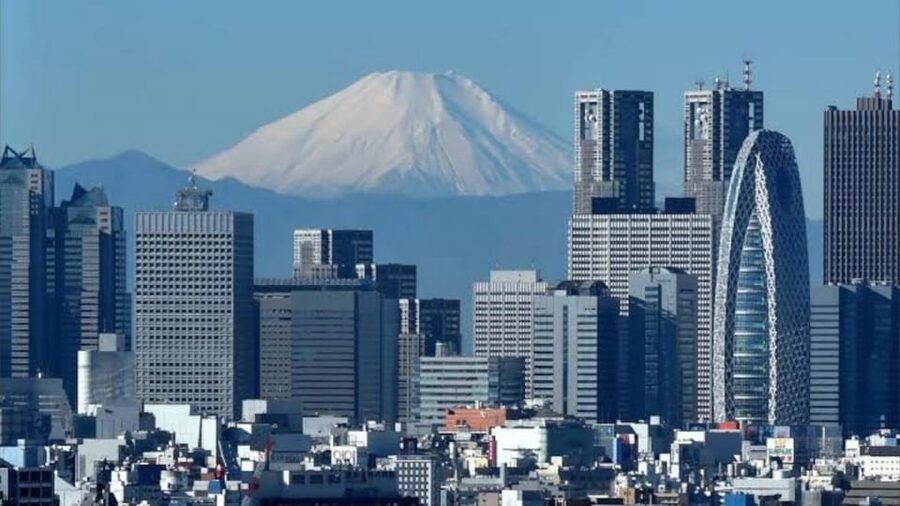
You can ask to see the places that define a first visit. Tokyo Tower offers a classic city view and a recognizable landmark, while the Imperial Palace area gives the tour a more formal and historic feel. Shibuya Crossing supplies the famous rush of people and traffic lights, with a sharp contrast between Tokyo’s grand public spaces and its commercial energy.
The Imperial Palace, Meiji Shrine, Takeshita Street in Harajuku, Shibuya Crossing, Tsukiji Fish Market, and Shinjuku Gyoen National Garden have all appeared in successful routes. A guide can help you link several districts, but you should agree on priorities before the walk begins.
This is where the tour’s flexibility meets Tokyo’s geography. A route that includes the palace, Harajuku, Shibuya, and Tsukiji may sound ideal, but these areas are not next door to one another. Train transfers can take more than expected, leaving less time for wandering or photos. If you want to see several far-flung districts, accept that the day will feel like a mix of walking and station time.
I would choose two main areas, then leave room for one nearby surprise. You will get more from the tour by spending time in a shrine courtyard, market lane, or local restaurant than by racing past five districts simply to collect names.
Meiji Shrine, palace grounds, and Tokyo’s quieter side
Tokyo’s temples, shrines, gardens, and palace grounds provide a welcome change from neon signs and packed streets. Meiji Shrine is a natural choice for visitors interested in Japanese customs and religious spaces. The palace gardens offer another setting, with a more measured pace and a chance to talk about the city’s past and present.
Guides have also used these places to balance a day when a visitor became ill or needed a calmer route. That kind of adjustment is difficult on a fixed group tour. Here, your guide can change the plan while still giving you a worthwhile look at Tokyo.
You should ask what is open and what you want to enter before setting the route. Entry costs are not included, and four hours is not enough for lengthy visits at every stop. The value here is not checking off every site. It is having someone explain what you are seeing and choose a sensible order.
A few more Tokyo half-days to weigh up
- Mt Fuji and Hakone 1-Day Bus Tour Return by Bullet Train
★ 5.0 · 26,383 reviews - 1-Day Tokyo Bus Tour
★ 5.0 · 14,250 reviews - Tokyo: TOKYO SKYTREE® Admission ticket
★ 4.5 · 11,192 reviews - Tokyo: teamLab Planets TOKYO Digital Art Museum Entry Ticket
★ 4.6 · 9,779 reviews
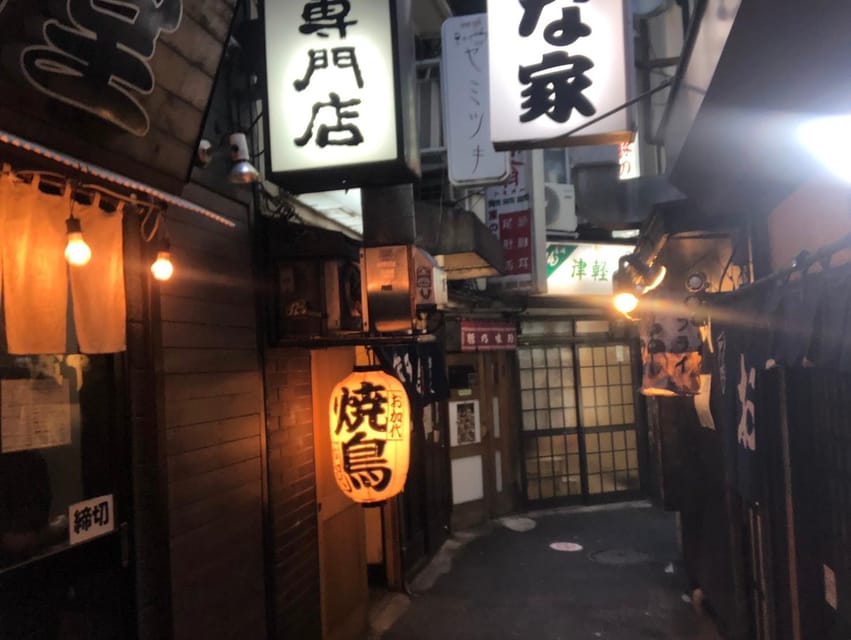
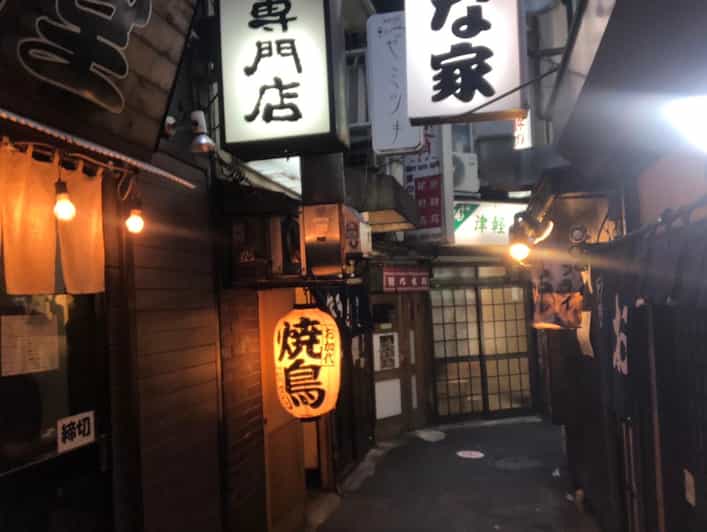
Alleys, local shops, and the Tokyo beneath the postcard
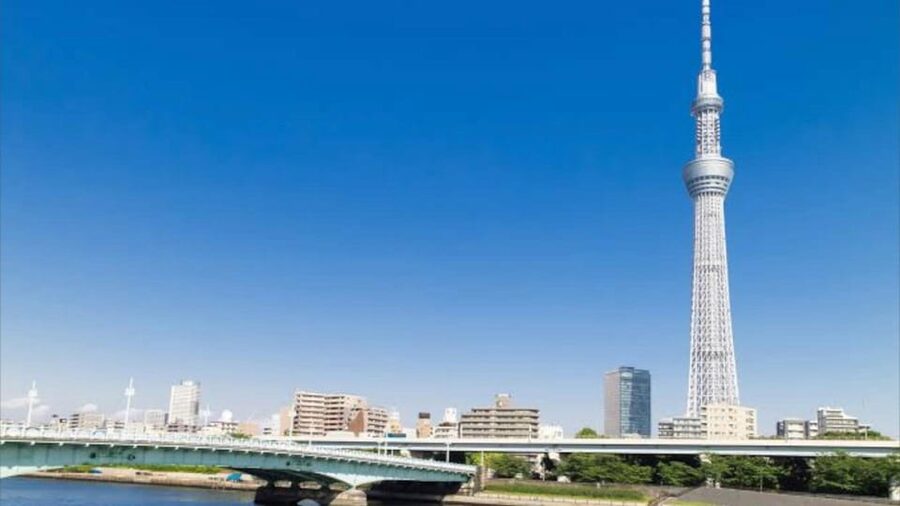
The best part of a custom walk may be the spaces between major sights. Tokyo’s small alleys, traditional teahouses, local shops, and quiet neighborhoods can show a side of the city that a landmark-only schedule misses. These stops are not guaranteed, since your route depends on your interests and guide, but they are a clear part of the experience’s purpose.
You might ask for a neighborhood with character, a traditional restaurant, or places that feel less polished and more everyday. Guides have taken visitors to spots they would not have found alone, including local food shops and small cultural sites. A solo visitor also used the tour to learn how to shop, eat, and get around with more confidence.
Street performance is another possible pleasure. The description allows for catching a performance while walking through Tokyo’s alleys, but it is not a scheduled show. Treat it as a fortunate moment rather than a promised stop.
Making food the center of your four hours
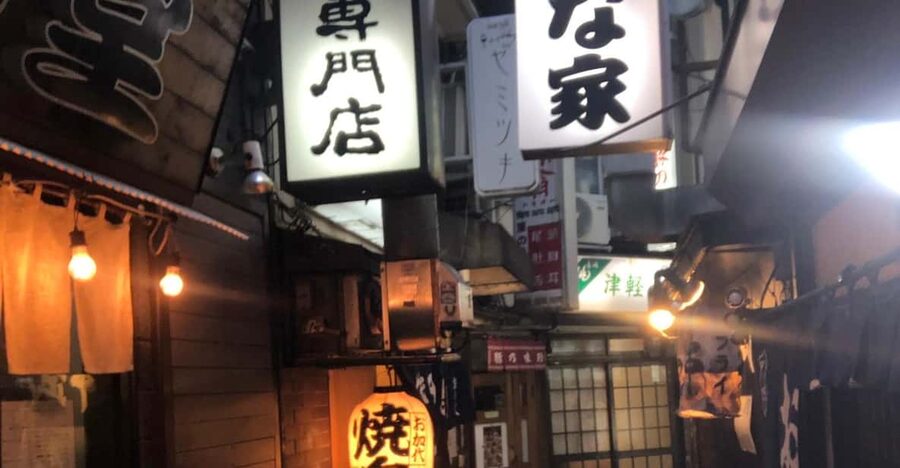
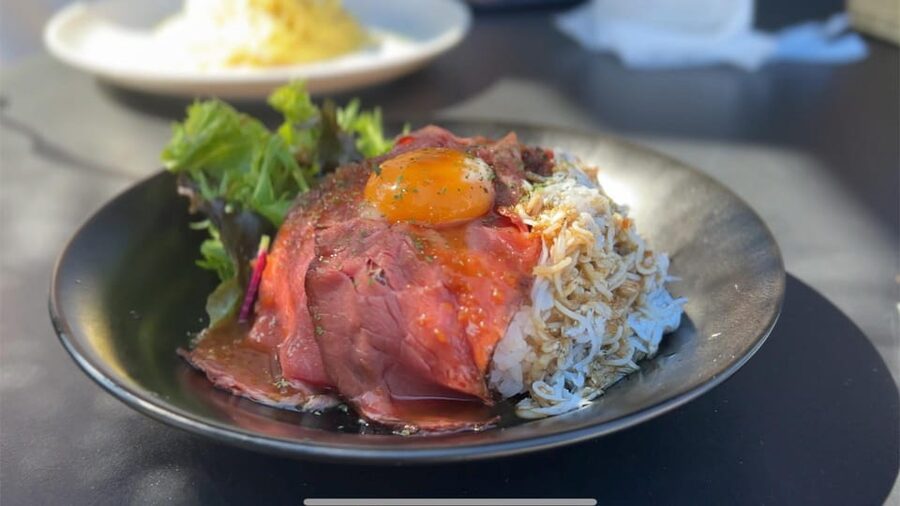
Tokyo is a strong choice for a food-focused walk, and this tour lets you make eating part of the plan. You can ask for street food, local shops, a traditional Japanese restaurant, or specific foods you want to try. Visitors have eaten okonomiyaki, karaage, unusual sweets, and other specialty foods during customized outings.
One guide took a visitor to a traditional Japanese restaurant. Another helped a guest try a kimono experience before visiting food spots, including panda ice cream parfaits and rainbow cheese. These examples show how personal the route can become, but they also show why you should be clear about what you actually want. A food route built around a full meal will cover fewer sights.
Food and drinks are not included in the $87 price. That is useful to know before you agree to a restaurant stop. You pay for what you order, and any entry fees also come from your own pocket. I see this as a benefit for most people because you choose the budget and the dishes, but you should not confuse the tour price with an all-in food experience.
Learning Tokyo’s train system, the practical bonus
The subway lesson may be the tour’s most useful long-term feature. Tokyo’s rail network can look daunting, yet a guide can show you how to enter a station, follow the lines, transfer, and find your way back to your hotel. Several guides, including Jack, Brian, Shish, Marco, Yohan, and Lucy, have helped visitors gain confidence with trains.
This changes the tour from a guided sightseeing block into a short orientation course. You can ask your guide to explain the route as you go instead of treating the train as dead time. By the end, you may be better prepared to visit another district on your own.
There is a practical warning here. Keep your group together on platforms and in stations. One visitor learned this the hard way after losing track of the guide during a subway ride. The advice is basic but important: pause at crossings, regroup after ticket gates, and do not rush ahead because a train is arriving.
The guides make or break the experience
Because the tour is private, the guide matters more than a fixed itinerary. The guide names that appear in the strongest experiences include Mika, Brian, Niza, Lauren, Trevor, Lucy, Eduardo, Matias, Juan, and others. You may not be able to choose a particular person, so it is wise to share your interests, walking limits, food wishes, and must-see places before the tour.
Mika has helped with reservations and made efficient use of limited time. Niza has arranged kimono rental, taken photographs, and built routes around personal interests. Lauren has contacted visitors before the tour and adjusted the pace to the weather. Eduardo has designed a less crowded route around a visitor’s age and mobility.
The best guides do more than recite dates. They explain history and culture, answer everyday questions, and help you feel less awkward with local customs. Several visitors praised guides for being warm, patient, funny, and easy to spend time with. That personal contact is central to the tour’s appeal.
English and Japanese are the stated guide languages. English ability can vary by guide, but the experiences include fluent and clear English speakers. If detailed historical explanation is important to you, say so when booking or during the pre-tour contact.
Is $87 good value for four hours?
At $87 per person, this is not the cheapest way to walk around Tokyo. You still pay for trains, meals, and entry fees, and four hours can pass quickly if your route crosses several districts.
The value improves if you are new to Tokyo, traveling alone, visiting with family, or short on time. A private guide can prevent wasted station transfers, explain what you are seeing, and teach you enough transport basics to save time on the rest of your trip. For a solo visitor, the cost also buys company and help with small decisions that can otherwise eat into the day.
For two or more people, compare the per-person price with other private options. The route’s flexibility is the selling point, not included admissions or luxury transport. I would consider it good value when you arrive in Tokyo without a plan or when your group has very different interests that a standard tour cannot handle.
Who should book this Tokyo tour?
I would recommend it to first-time visitors who want a fast but personal introduction. It also suits solo visitors, couples, families with teenagers, and anyone who wants help using the trains. Food-focused visitors can get real value from it, as can people who want to combine famous sights with local streets.
It is less suitable if you dislike walking, want a slow museum day, or already know Tokyo’s rail network well. It may also disappoint if you expect every major landmark, a tower visit, a full meal, and quiet neighborhood time in one four-hour block. Choose a clear focus before you start.
The tour is wheelchair accessible, but the supplied details do not explain the exact route or station conditions. If accessibility is important for your group, discuss your needs in advance so the guide can plan appropriately. The activity is listed as unsuitable for people over 95.
Booking advice and final verdict
Before the tour, send a short wish list with your top two priorities, your food preferences, your walking pace, and any places you have already seen. Ask for a route that keeps nearby stops together. If you want a reservation, kimono rental, or a particular meal, raise it early. A guide may be able to help, but it should not be treated as part of the standard package.
You can cancel up to 24 hours before the tour for a full refund, and you can reserve now and pay later. Starting times vary, so check availability for the date you want.
Book this tour if you want Tokyo explained by a local and shaped around you. The strongest reason to go is not the promise of a long list of landmarks. It is the chance to learn the city’s rhythm, use the trains with less stress, eat somewhere you might miss, and adjust the day when your energy or interests change. Skip it if you prefer to plan every stop yourself and are happy to handle Tokyo’s transport alone.
FAQ
How long is the Tokyo private walking tour?
The tour lasts four hours.
What is the price?
The listed price is $87 per person.
Is the tour private?
Yes. It is offered as a private group experience.
Which languages are available?
Live guides are available in English and Japanese.
Can I choose what I see?
Yes. The itinerary is customizable around your interests, including major sights, food, culture, gardens, temples, shopping areas, and less tourist-focused streets.
Does the guide pick me up at my hotel?
Yes. Hotel pickup and drop-off are included on foot.
Are food, drinks, transportation, and entry fees included?
No. Food and drinks, entry costs, and transportation are not included in the tour price.
Can I cancel the tour?
Yes. You can cancel up to 24 hours in advance for a full refund. You can also reserve now and pay later.
Just added around Tokyo
- Private Arrival Transfer : Narita International Airport to Central Tokyo City★ 4.5 · 12 reviews
- Narita Airport(NRT): Private Transfer to Tokyo/Yokohama 1-9pax★ 5.0 · 47 reviews
- Private Transfer from Narita Airport to Yokohama Port and City★ 4.5 · 17 reviews
- [Narita Airport Terminals 1, 2] 40-60km Sawara Itako Historic Bike Tour★ 5.0 · 13 reviews
- 3 Day Japan Highlights Tour: Tokyo, Mt.Fuji, Nara, Kyoto, Osaka★ 5.0 · 22 reviews
- The 10 Tastings of Tokyo With Locals: Private Street Food Tour★ 5.0 · 48 reviews
- Small Town in the Big City: Tasting Tokyo’s Kichijoji★ 5.0 · 195 reviews
- Small Town in the Big City: Tasting Tokyo’s Kichijoji★ 5.0 · 16 reviews
Tokyo Tours, compared.

Mt Fuji and Hakone 1-Day Bus Tour Return by Bullet Train
Read our review →

teamLab Planets TOKYO Digital Art Museum Entry Ticket
Read our review →
Mt Fuji & Hakone Cruise, Drum Show Bullet Train 1 Day from Tokyo
Read our review →
Sumo Show Experience with Chicken Hot Pot and a Photo
Read our review →
Shinjuku Food Tour (13 Dishes at 4 Local Eateries)
Read our review →
Tokyo Mt Fuji 5th St & Hakone Cruise Bus Tour w/Bullet Train
Read our review →
Flagship 2-Hours Official Street Go-Kart Tour – Tokyo Bay Shop
Read our review →Browse the lists this tour appears in