
Reviewed · TOKYO TOURS
Tokyo: Hama-rikyu Gardens tour with Japanese Tea & Sweets
Hama-rikyu Gardens gives you two very different pieces of Japan in one compact outing: an Edo-period garden and a quiet tea experience with matcha and wagashi. The garden is not just a pretty place for photos. A guide explains why its ponds, paths, dry garden, and plantings were arranged as they are.
I especially like the small group limit of four, which should make it easier to ask questions, and the fact that the tea and sweets are included in the $85 price. The main consideration is time: 90 minutes is enough for an introduction, but not enough for a slow, unhurried exploration of every corner.
Key points at a glance
- Edo-period setting: Walk through one of Tokyo’s historic Japanese gardens while learning how its design developed.
- Two garden styles: See the Karesansui dry garden and the Kaiyushiki circular garden, each offering a different way to view space and nature.
- English guidance: Guides including Ayaku, Hiro, and Mr. Ito have led tours, with clear explanations of Japanese history and garden design.
- Matcha and wagashi: Finish with green tea and Japanese sweets in a tea room inside the garden.
- Small group format: With no more than four participants, the experience is personal rather than crowded.
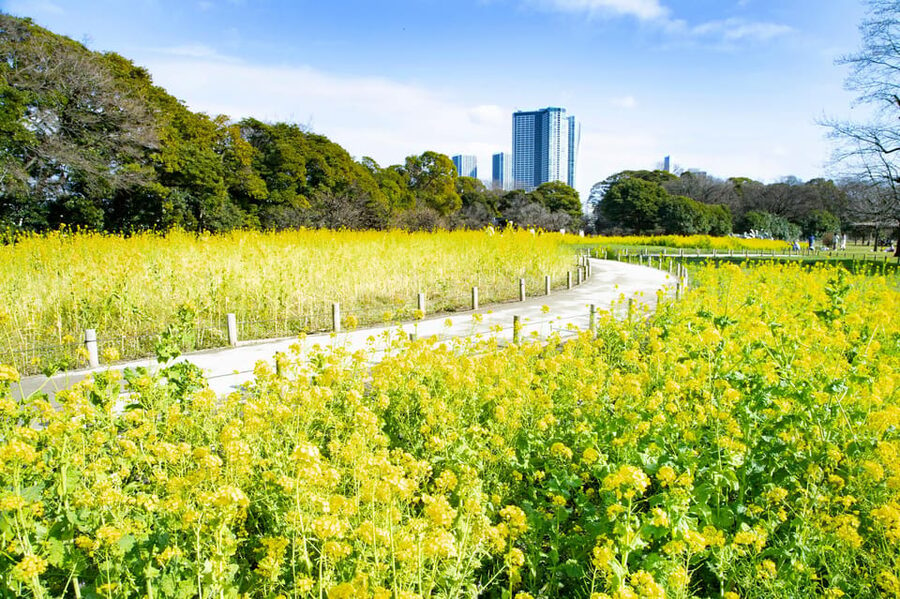
- Good seasonal timing: Spring is especially appealing if you want to see flowers at their best, though the garden changes throughout the year.
Why Hama-rikyu Gardens feels different from a regular park
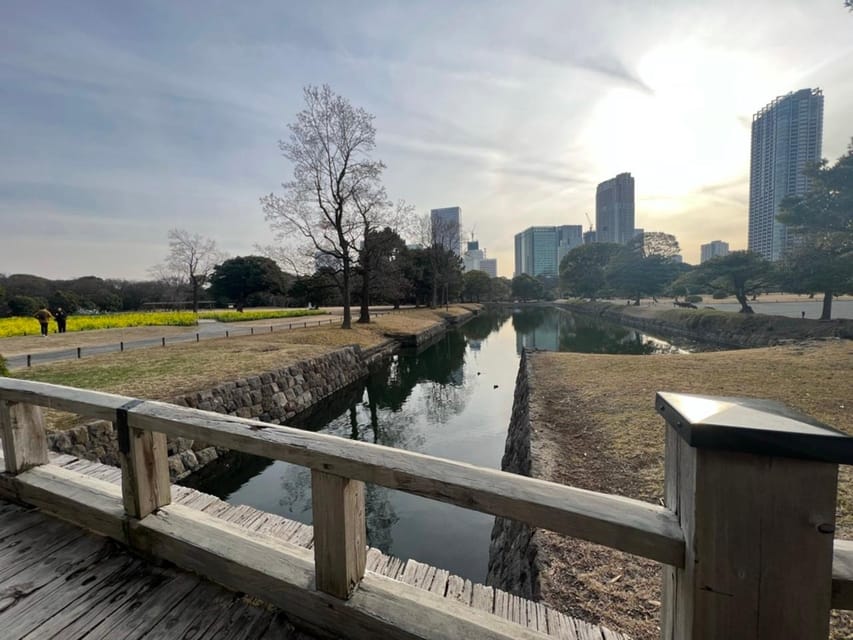
Hama-rikyu Gardens is a historical Japanese garden that began in the Edo period. That matters because the setting was planned according to Japanese ideas about movement, proportion, borrowed scenery, and the changing appearance of plants and trees.
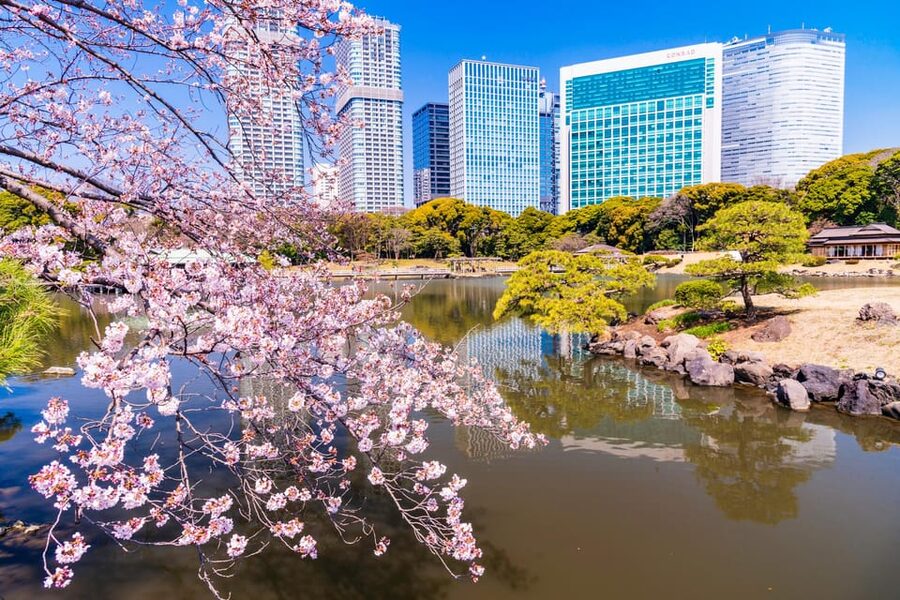
You are not simply walking through open green space. The route draws your eye from one feature to another. A pond, a carefully placed tree, a stone arrangement, or a framed view can all serve a purpose. The guide helps you notice those choices instead of treating the garden as a pleasant but vague backdrop.
I like this kind of explanation because Japanese gardens can be hard to read on your own. You may see a dry garden and think it is attractive, but a guide can point out how stones, gravel, and empty space work together. The setting becomes easier to understand without turning the walk into a formal lecture.
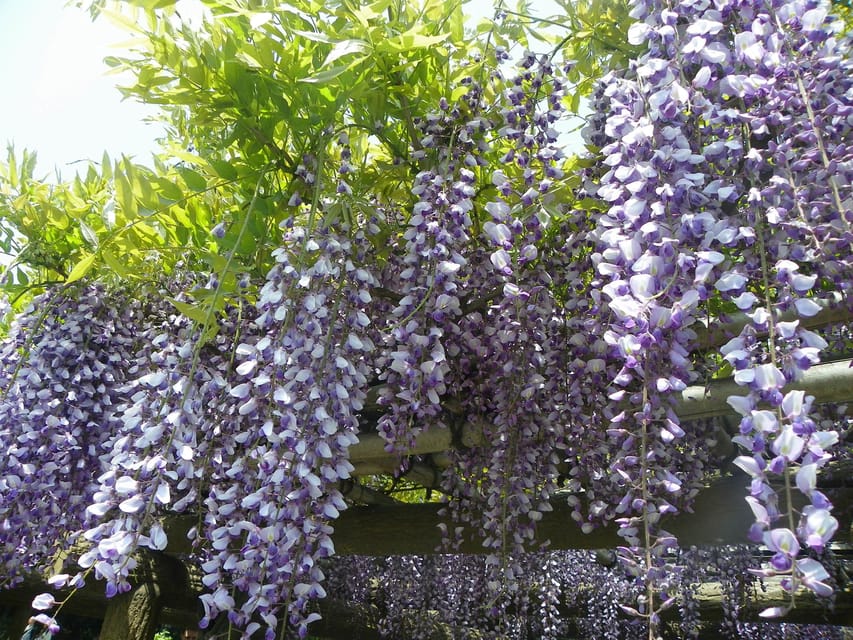
The garden also changes with the seasons. One Canadian participant particularly hoped to return in spring for the flowers, and that is useful advice if your schedule is flexible. The supplied information does not promise a particular bloom during any month, so you should think of the season as part of the experience rather than booking for one guaranteed flower display.
A few more Tokyo half-days to weigh up
- Matcha Making Class in Tokyo with Authentic Japanese Sweets Set
★ 5.0 · 744 reviews - Tokyo: Matcha Making Experience with Mochi Sweets in Asakusa
★ 4.9 · 388 reviews - Japanese Traditional Sweets making and Tea Ceremony
★ 4.7 · 50 reviews
Meeting at Otemon Bridge and starting the walk
One listed starting point is Otemon Bridge, written as 大手門橋. This gives the outing a clear entry into the garden, but check the exact option you book because the meeting point can vary.
The walk itself lasts about 30 minutes. That is a brisk introduction, not a full-day garden visit. Wear comfortable walking shoes, as requested for this tour. Even a short garden route can include paths and standing time, and you will want to pay attention to the guide rather than worry about your feet.
The small group format is important here. With a maximum of four people, the guide can explain details at a natural pace and respond to questions. You also avoid the feel of being one face in a large group. The tradeoff is that small tours may have fewer available starting times, so check the schedule before building the rest of your Tokyo day around it.
English is the stated tour language. Guides who have led the experience include Ayaku, Hiro, and Mr. Ito. The guide assigned to your date may be different, but the recurring strength of this experience is the human explanation of the garden. Names such as Hiro and Mr. Ito are associated with detailed talks about Japanese history and the places visited, while Ayaku has been described as warm and eager to explain.
Karesansui and the art of leaving space empty
One of the garden’s highlights is the Karesansui, or dry garden. This style uses stones, gravel, and restrained planting rather than flowing water to suggest natural forms. The empty areas are part of the design, not unfinished sections waiting for decoration.
I find dry gardens rewarding when someone explains how to look at them. Without context, you might spend a minute taking a photo and move on. With a guide, you can consider the arrangement of rocks, the texture of the gravel, and the calm created by open space.
Do not expect a long meditation session built into the schedule. The guided portion is only 30 minutes, and it also includes other parts of Hama-rikyu Gardens. The value comes from getting a useful introduction that you can carry into later garden visits in Japan.
This is also a good stop for photography. The clean lines and carefully arranged elements can produce strong images, but your guide’s explanation is the part that lasts after the picture is taken. The tour encourages you to enjoy the scenery and take photos, so you can do both without choosing between them.
Kaiyushiki design and the pleasure of moving through a garden
The other named highlight is the Kaiyushiki garden, a circular garden style meant to be experienced while walking. Instead of presenting one fixed view, this approach reveals different scenes as you move around the route.
That idea changes how you walk. You are not only heading toward a destination. Each turn can offer a new relationship between trees, water, paths, and open views. The guide explains the background of the design, helping you see why the route is arranged as it is.
For you, the practical benefit is simple: the tour turns a stroll into a lesson in Japanese garden culture without requiring prior knowledge. You do not need to know technical terms before arriving. The guide supplies enough background to make the design readable.
The short walking segment also means you should keep your expectations in check. If you want time to wander every path, stop at length for photos, or sit quietly in several spots, you will likely need to return on your own. This tour is best seen as a focused introduction followed by tea, not as a substitute for an extended independent visit.
Same base, a completely different sort of day:
- Mt Fuji and Hakone 1-Day Bus Tour Return by Bullet Train
★ 5.0 · 26,383 reviews - 1-Day Tokyo Bus Tour
★ 5.0 · 14,250 reviews - Tokyo: TOKYO SKYTREE® Admission ticket
★ 4.5 · 11,192 reviews - Tokyo: teamLab Planets TOKYO Digital Art Museum Entry Ticket
★ 4.6 · 9,779 reviews
Matcha, wagashi, and an hour in the tea room
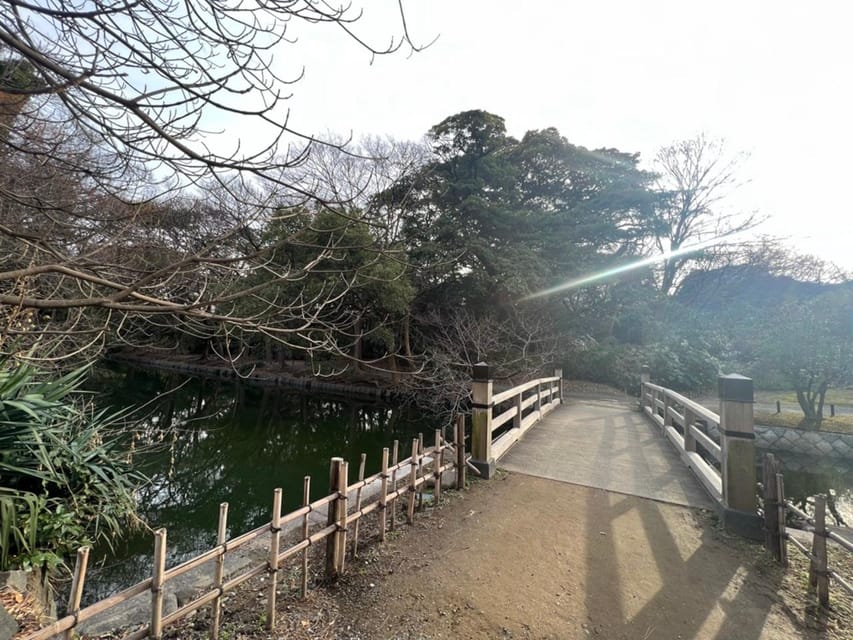
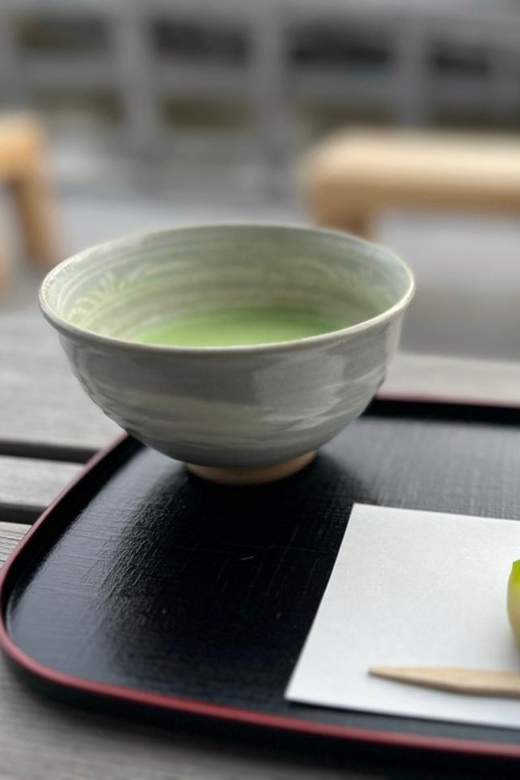
After the garden walk, the experience moves to a tea ceremony room inside the garden. The tea portion lasts about one hour, making it the larger half of the outing.
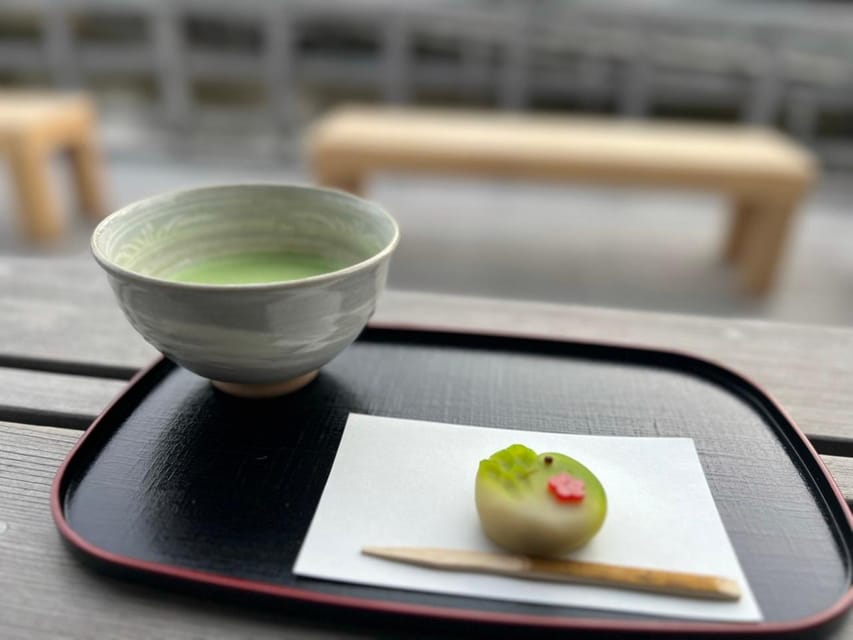
Matcha green tea and Japanese sweets are included in the tour fee. The sweets are wagashi, traditional Japanese confections served with tea. Their flavor and appearance are designed to complement the bitterness of matcha, so this is more than a quick drink handed over between sightseeing stops.
The tea room gives the experience a change of pace. The garden walk asks you to move and observe. The tea portion lets you sit, look back at the setting, and spend more time with one aspect of Japanese culture. You can admire the garden scenery while having the tea and take pictures as part of the experience.
I like that the tea is not treated as an optional extra. At $85 per person, the included matcha and sweets help make the price easier to judge. You are paying for a guide, a small group, entry into the cultural setting, and a full hour centered on tea. The value is strongest if you would otherwise book a garden visit and separately seek out a tea experience.
The tea stop may be less appealing if you want a highly formal, traditional ceremony with a long series of prescribed movements. The supplied details promise matcha, sweets, and time in the tea room, but do not describe an elaborate ceremonial performance. Book it for a guided cultural encounter, not for a guaranteed expert-level tea-school demonstration.
What the $85 price buys you
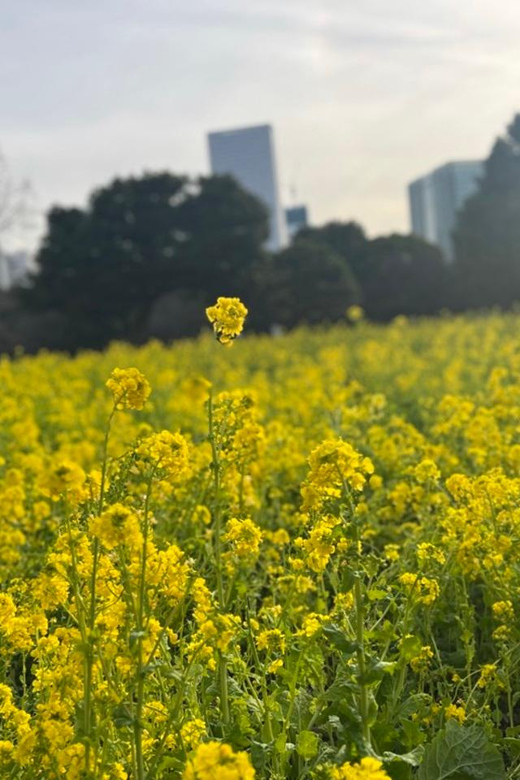
At $85 per person, this is not the cheapest way to see Hama-rikyu Gardens. Its value depends on how much you want interpretation and structure.
A self-guided walk costs less, but it will not give you the same direct explanation of the garden’s history and design. You would also need to arrange your own matcha and Japanese sweets elsewhere. Here, the guide connects the garden and tea room into one 90-minute plan.
The group limit makes a real difference. A maximum of four people gives the experience a more personal feel and leaves room for questions. You are not paying for a large coach tour with a distant microphone. You are paying for attention, context, and a carefully limited group.
The price also includes flexibility at booking. You can reserve now and pay later, and cancellation is free up to 24 hours before the activity for a full refund. Those terms are useful if your Tokyo plans may shift, though you should still check the exact booking option for the meeting location and start time.
The current score is 4.7 from 14 ratings, with repeated praise for the guides, the history explanations, and the tea. That pattern fits the design of the outing: the garden itself provides the setting, but the guide and tea room create the added value.
How the guides shape the experience
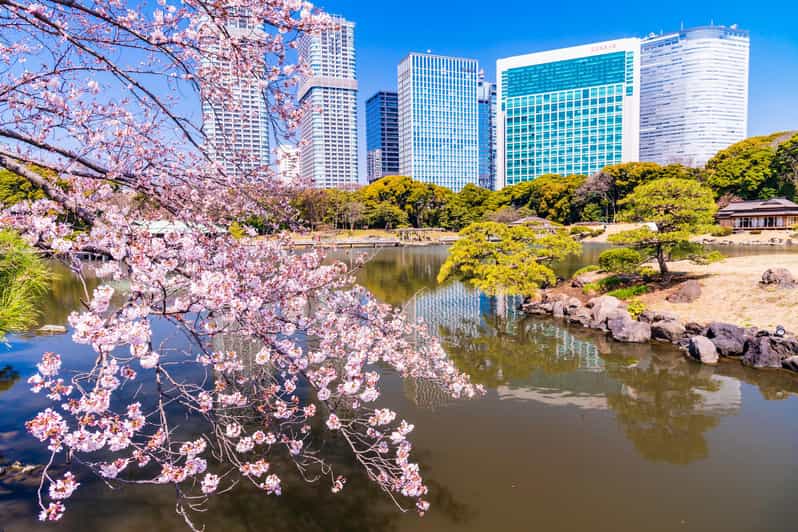
The strongest part of this activity is likely to be the guide’s ability to connect visual details with Japanese history. A pleasant garden walk is easy to arrange in Tokyo. A walk that helps you understand why the garden looks the way it does is more useful.
Hiro has led visitors to several fascinating points and explained Japanese history in an informative way. Mr. Ito has been praised for his kind manner and strong explanations of the garden. Ayaku has also guided the experience with energy and care, helping make the tour accessible for someone who wanted to learn more.
Your guide may not be any of these three, so do not treat a particular name as guaranteed. Still, their presence gives you a sense of the style to expect: personal attention, historical context, and a willingness to explain rather than simply lead you from stop to stop.
The English-language format is another practical advantage. Garden design includes ideas that can be difficult to understand from a short sign. Having those points explained as you stand beside the feature is much more effective than reading a paragraph later.
When to book for the best garden views
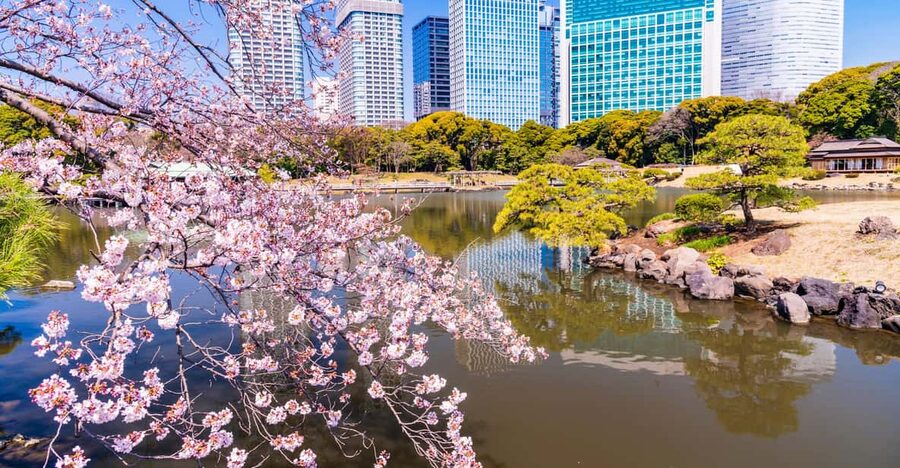
The plants and trees change with the seasons, and spring may be the most appealing period if flowers are your priority. One person specifically hoped to return in spring after seeing how much seasonal bloom could add to the visit.
Still, there is no poor season promised by the activity details. The garden’s appeal is not tied to one flower alone. The dry garden, circular route, tea room, and design principles remain central throughout the year.
The short duration makes this easy to fit into a Tokyo itinerary. You can use it as a calm cultural break from busier city sightseeing. The listed drop-off option is Shiodome Station, 汐留駅, which can help you continue your day, although the exact start and end arrangements depend on the option booked.
Since the activity has different starting and ending options, confirm those details when you reserve. Do not assume every booking begins at Otemon Bridge and ends at Shiodome Station.
Who will get the most from this 90-minute tour
I would recommend this experience to you if you want a clear introduction to Japanese garden culture without committing half a day. It suits first-time visitors who like history, design, photography, nature, or a calm cup of tea.
It also works well for couples, solo visitors, and small parties who prefer conversation over a large scheduled group. The four-person limit is especially helpful if you have questions or want the guide to adjust explanations to your interests.
Families and older participants should consider the walking requirement and the pace. The tour specifically recommends comfortable shoes. The available information does not give detailed accessibility information, so ask the provider directly if you have mobility needs.
You may want a different plan if your main goal is a long, quiet visit with no fixed schedule. The 30-minute garden explanation and one-hour tea portion create a clear structure. That is useful for some people and restrictive for others.
Should you book Hama-rikyu Gardens with tea?
Book this tour if you want more than a garden photo and you value a guide who can explain the meaning behind the design. The combination of Karesansui, Kaiyushiki garden, seasonal planting, matcha, and wagashi gives you a well-shaped cultural experience in a short window.
At $85, I see the best value for people who would otherwise pay separately for a guided garden visit and a tea stop. The small group and included refreshments strengthen the case. Just remember that this is an introduction, not an exhaustive garden tour or a guaranteed formal tea ceremony.
Choose a time when you can walk comfortably, check the exact meeting and drop-off points, and consider spring if flowers matter most to you. If those details fit your plans, this is a thoughtful way to slow down in Tokyo and learn how a historic Japanese garden asks you to look.
FAQ
Where does the Hama-rikyu Gardens tour start?
One listed starting point is Otemon Bridge, or 大手門橋. The meeting point may vary depending on the booking option you choose, so check your selected option carefully.
Where does the tour finish?
One listed drop-off point is Shiodome Station, or 汐留駅. The exact ending point may depend on the option booked.
How long does the experience last?
The full experience lasts 90 minutes. The garden walk is scheduled for about 30 minutes, followed by about one hour in the tea ceremony room.
Is matcha included in the price?
Yes. Matcha green tea and Japanese sweets are included in the tour fee.
Are Japanese sweets included?
Yes. Japanese tea sweets, including wagashi, are included with the matcha.
Is the tour offered in English?
Yes. The live tour guide language is English.
How large is the group?
The tour is limited to four participants, making it a small-group experience.
What should I wear?
Comfortable walking shoes are recommended because this is a walking tour through the garden.
Can I cancel for a full refund?
You can cancel up to 24 hours in advance for a full refund. The activity also offers reserve now and pay later booking.
Just added around Tokyo
- Narita Airport(NRT): Private Transfer to Tokyo/Yokohama 1-9pax★ 5.0 · 47 reviews
- Private Transfer from Narita Airport to Yokohama Port and City★ 4.5 · 17 reviews
- Private Arrival Transfer : Narita International Airport to Central Tokyo City★ 4.5 · 12 reviews
- [Narita Airport Terminals 1, 2] 40-60km Sawara Itako Historic Bike Tour★ 5.0 · 13 reviews
- 3 Day Japan Highlights Tour: Tokyo, Mt.Fuji, Nara, Kyoto, Osaka★ 5.0 · 22 reviews
- Small Town in the Big City: Tasting Tokyo’s Kichijoji★ 5.0 · 195 reviews
- Small Town in the Big City: Tasting Tokyo’s Kichijoji★ 5.0 · 16 reviews
- The 10 Tastings of Tokyo With Locals: Private Street Food Tour★ 5.0 · 48 reviews
Tokyo Tours, compared.

Mt Fuji and Hakone 1-Day Bus Tour Return by Bullet Train
Read our review →

teamLab Planets TOKYO Digital Art Museum Entry Ticket
Read our review →
Mt Fuji & Hakone Cruise, Drum Show Bullet Train 1 Day from Tokyo
Read our review →
Sumo Show Experience with Chicken Hot Pot and a Photo
Read our review →
Shinjuku Food Tour (13 Dishes at 4 Local Eateries)
Read our review →
Tokyo Mt Fuji 5th St & Hakone Cruise Bus Tour w/Bullet Train
Read our review →
Flagship 2-Hours Official Street Go-Kart Tour – Tokyo Bay Shop
Read our review →Browse the lists this tour appears in