
Reviewed · TOKYO TOURS
Tokyo: Practicing Zen with a Japanese Tea Ceremony
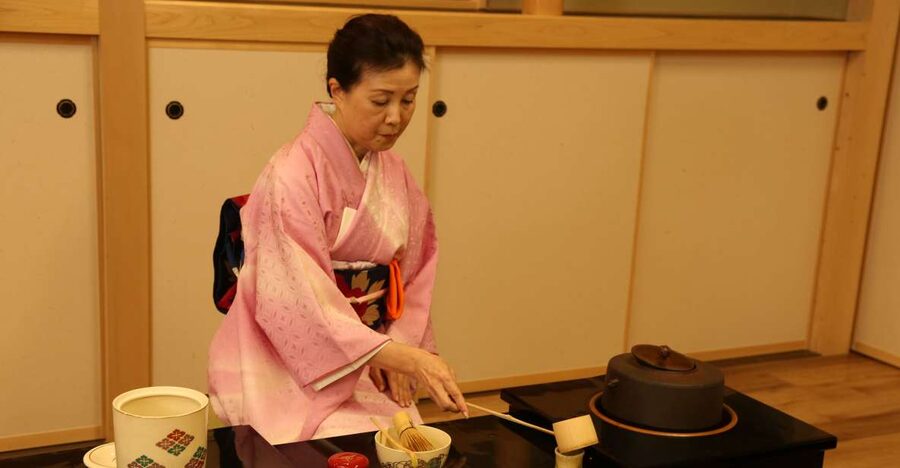
The heart of this experience is not just drinking matcha. You watch an instructor turn simple actions, cleaning a bowl, folding a cloth, whisking tea, into a calm, careful ritual. Then you repeat the process yourself. That hands-on second ceremony makes this more useful than a demonstration alone.
I like the small group size, limited to 10, because you can see the movements and ask questions. I also like the clear link between tea and Zen Buddhism, explained by instructors such as Junko, Ken, and Midori. The main drawback is the setting: nearby noise can break the quiet mood, and the Zen exercise may feel brief to some people.
Key points at a glance
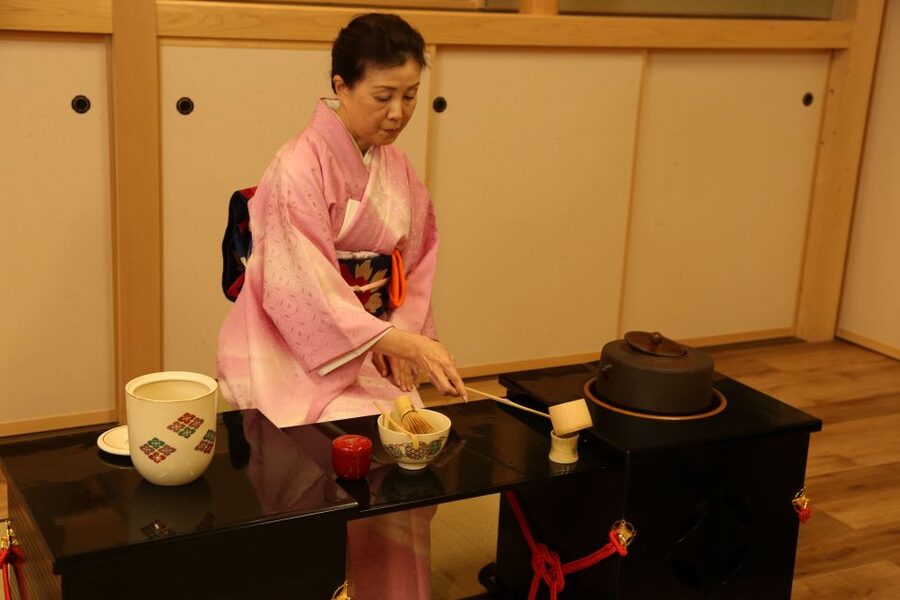
- A full second ceremony for you to perform: You do not only watch. Your instructor guides you through preparing matcha.
- Zen explained through action: Learn why posture, utensils, gestures, and attention matter.
- A sweet paired with matcha: Taste a traditional Japanese confection before trying the tea yourself.
- A practical Tokyo location: Meet opposite Tokyo Tower at Kikai Shinko Kaikan.
- Comfortable for different seating needs: Chairs are available if sitting on the floor is difficult, and the venue is wheelchair accessible.
- A quiet, small-group lesson: The class lasts 75 minutes and has no more than 10 participants.
What this tea ceremony really offers
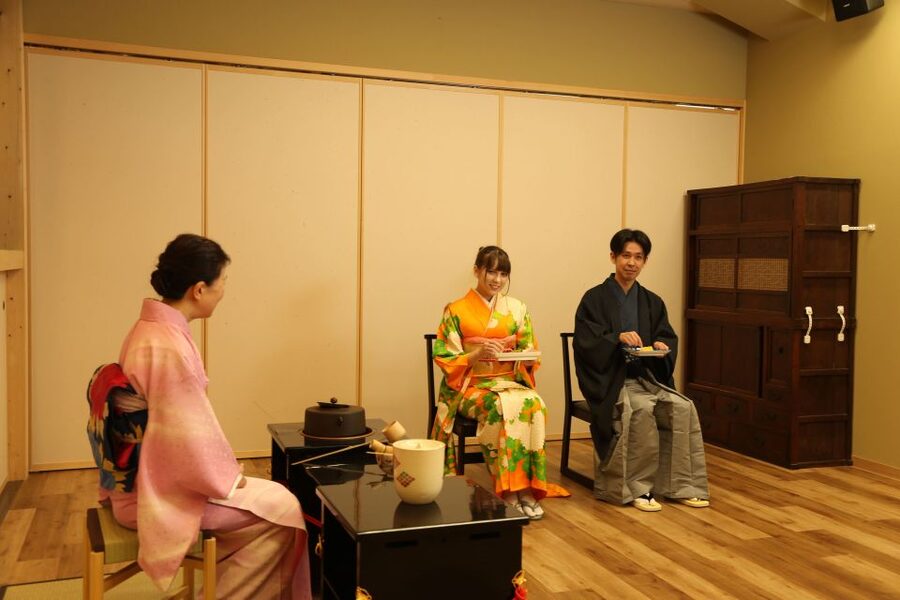
A Japanese tea ceremony can look simple from across the room. A bowl, a bamboo whisk, green powder, hot water. Yet each movement has a purpose, and the order matters.
This class gives you time to see those details before you try them. Your instructor first prepares the tea, showing the movements that accompany the ceremony and explaining the role of each utensil. You receive matcha and a traditional sweet, then take part in a second ceremony yourself.
I see the practical lesson as the main reason to book. Many cultural demonstrations leave you with a pleasant memory but little sense of how the activity works. Here, you get to handle the utensils and repeat the process with help. You may not become a tea master in 75 minutes, but you should leave with a better feel for the care behind the ritual.
The experience also treats the ceremony as more than a historic custom. Your English-speaking instructor explains its connection with Zen Buddhism, along with its place in parts of Japanese society today. That context matters. Without it, the careful gestures can seem stiff or overly formal. With it, you can understand the ceremony as practice in attention, respect, and quiet presence.
More Tea Ceremonies in Tokyo
- Tokyo: Traditional Tea Ceremony with a Tea Master
★ 5.0 · 528 reviews - Tea Ceremony Workshop in Tokyo by the Experienced Instrucor
★ 5.0 · 189 reviews - Tokyo: Asakusa Kimono Dressing and Matcha Experience
★ 4.9 · 173 reviews
Meeting opposite Tokyo Tower
The class takes place at Kikai Shinko Kaikan, a building directly opposite Tokyo Tower. Meet your instructor at the main entrance on the first floor.
If you cannot find the instructor there, go to True Japan Tour in Room B109 on the basement level. This is useful to know before you arrive, since the meeting point is inside a working building rather than at Tokyo Tower itself.
There is no transportation included, so you make your own way to the building. I would allow enough time to find the entrance and settle in. Tokyo Tower is an easy visual reference, but the building name and the backup room number are worth saving on your phone.
The location can also work well in a half-day Tokyo plan. You could place the ceremony before or after time at Tokyo Tower, though the class itself is the main event, not a sightseeing tour of the tower.
The first ceremony: watch the details
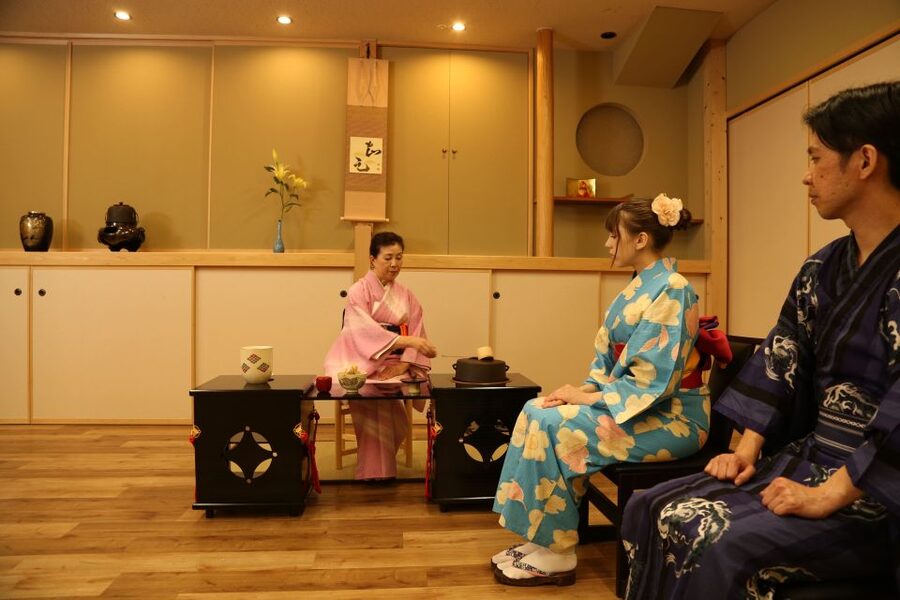
The class begins with a demonstration. Your instructor prepares matcha while explaining the tools and the actions involved.
Expect attention to small details. The instructor shows how the utensils are used, how the tea is whisked, and how the movements fit together. The lesson is not presented as a performance for you to admire from a distance. You are asked to watch closely so that you can later repeat the sequence.
This is where the English instruction matters. The teachers described for this activity include Junko, Ken, and Midori, and the teaching style can vary slightly by instructor. The strongest part of the lesson is the explanation of why certain things are done, not just a list of steps to copy.
You will also taste a traditional Japanese sweet with your matcha. The pairing is important to the experience. The confection balances the tea and gives you a small example of how Japanese tea service considers the whole moment, not only the drink.
Matcha has a distinct taste and texture. If you usually drink clear green tea, expect something different. It is powdered tea whisked into water, so the cup is more concentrated and less delicate than a standard brewed tea.
Your turn to prepare matcha
After watching, you conduct a second ceremony with guidance from the instructor. This is the point when the class becomes personal and practical.
Your instructor walks you through the process, helping you handle the utensils and recreate the preparation. You do not need prior knowledge. The class is designed to explain the ceremony from the beginning, so you can focus on the motions rather than worry about getting everything perfect.
I like this format because it gives you a reason to pay attention during the demonstration. You know that the bowl and tools will soon be in your hands. A small mistake becomes part of learning, not a problem.
The lesson also gives you a better sense of the discipline behind the ceremony. The actions are measured, and noise is not allowed. That rule helps protect the mood, but it also means you should treat the class as a quiet cultural lesson rather than a casual tasting.
Same base, a completely different sort of day:
- Mt Fuji and Hakone 1-Day Bus Tour Return by Bullet Train
★ 5.0 · 26,383 reviews - 1-Day Tokyo Bus Tour
★ 5.0 · 14,250 reviews - Tokyo: TOKYO SKYTREE® Admission ticket
★ 4.5 · 11,192 reviews - Tokyo: teamLab Planets TOKYO Digital Art Museum Entry Ticket
★ 4.6 · 9,779 reviews
Zen, architecture, and the meaning of calm
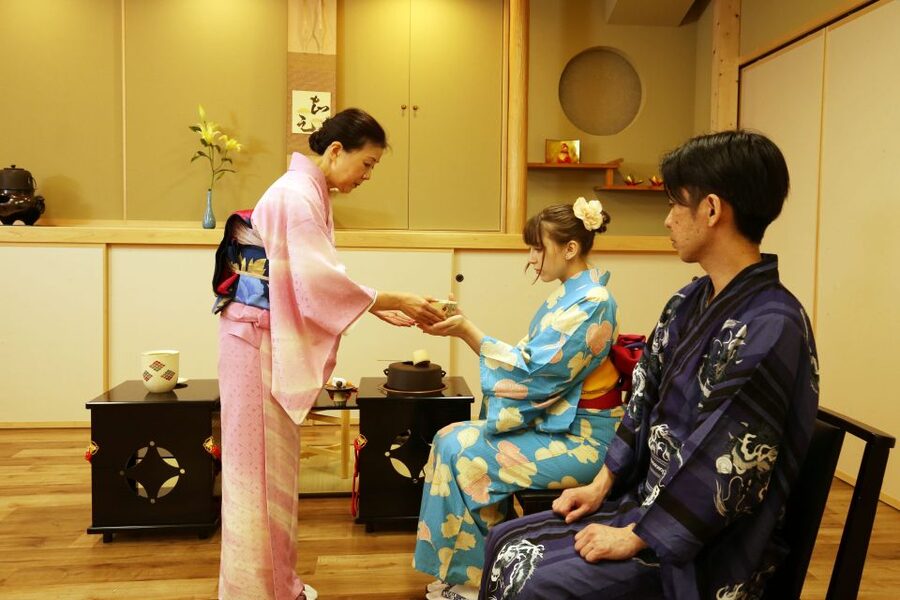
The experience connects the tea ceremony with Zen Buddhism and with the spirit of Zen expressed through Japanese art and architecture.
You are not taking a full course in Zen Buddhism, and 75 minutes is a short period for such a broad subject. Still, the connection gives the ceremony a useful frame. The calm comes not from doing nothing, but from giving your full attention to each action.
The setting is arranged to feel like a tearoom, according to the activity details and firsthand descriptions of the space. That helps create a stronger sense of place than a plain classroom would. You can focus on the bowl, the whisk, the sweet, and the instructor’s movements.
Do not expect complete silence. One clear limitation is sound from nearby activities. Noise from the next room has interrupted the calm for some people. If you are booking mainly for a silent meditation session, adjust your expectations. If you want a guided cultural lesson with a Zen connection, the occasional sound is less serious.
The Zen portion may also feel short if that is your main interest. The tea ceremony receives most of the time, while Zen provides the meaning and background around it.
Seating, access, and comfort
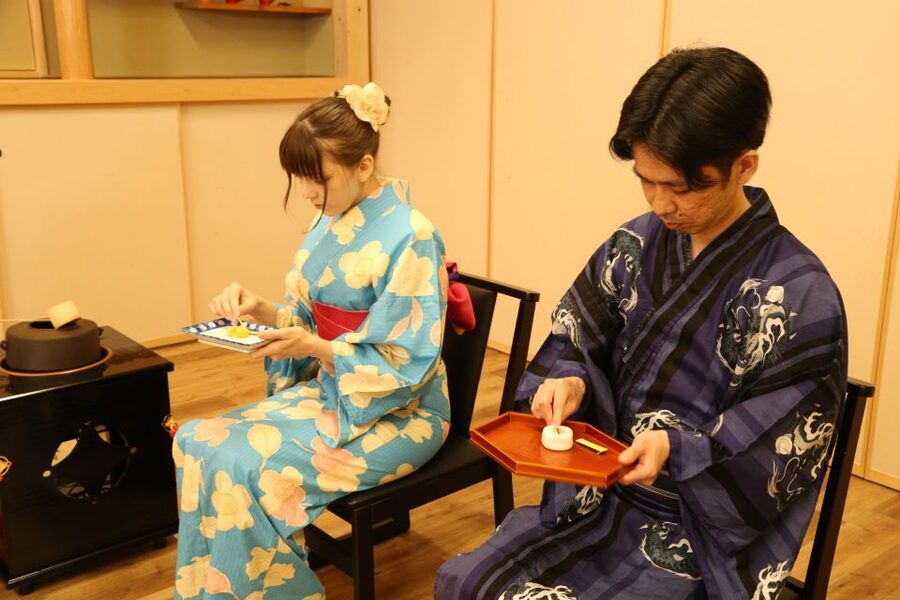
You do not have to sit on the floor. Seats are available for anyone who finds floor seating uncomfortable, and the activity is wheelchair accessible.
That is a useful feature because traditional tea settings often make people worry about kneeling or sitting in a fixed position. Here, the lesson is designed to let you concentrate on the ceremony instead of managing discomfort.
The activity is not suitable for children under four. It also asks everyone to keep noise down, so very young children may not fit the mood even beyond that age limit.
The small group cap of 10 is another practical advantage. You should have a clear view of the demonstration, and the instructor can guide you during your own preparation. A smaller class also makes it easier to hear the explanations in English.
Is $63 a fair price?
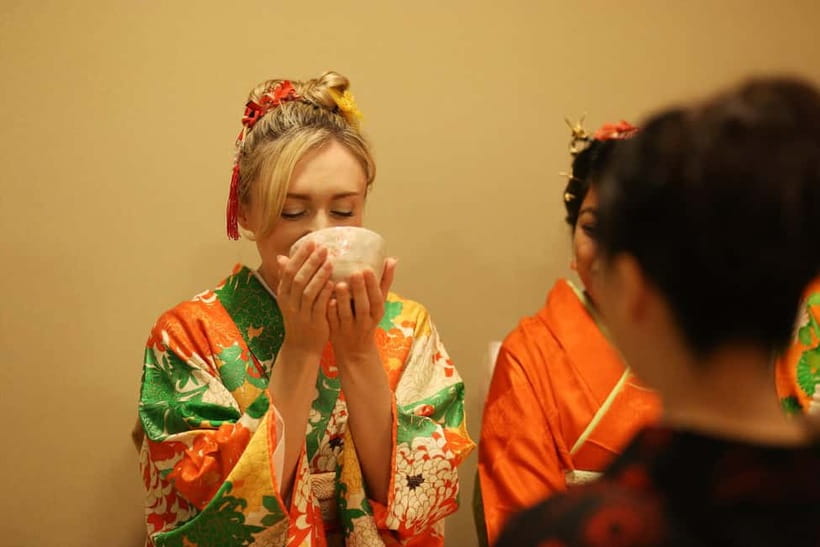
The price is $63 per person for 75 minutes. That is not a cheap cup of tea, but this is not priced as a drink stop.
You are paying for an instructor-led cultural lesson, a demonstration, matcha, a traditional sweet, and your own second ceremony. The hands-on portion improves the value. You leave with an understanding of the utensils and process, rather than only a taste of matcha.
I would consider it good value if you want a focused introduction to Japanese culture and prefer doing something over simply looking at something. It is less appealing if you want a long meditation session, an elaborate meal, or a formal ceremony lasting several hours.
The small group also matters when judging the price. With no more than 10 participants, the class should feel more personal than a large presentation. Several instructors, including Junko, Ken, and Midori, have been praised for making the lesson clear and comfortable. The individual instructor you meet will shape the tone, but the format gives the class a solid structure.
You can reserve now and pay later, which helps if your Tokyo schedule is still shifting. Free cancellation is available up to 24 hours before the activity for a full refund.
Who will enjoy this most?
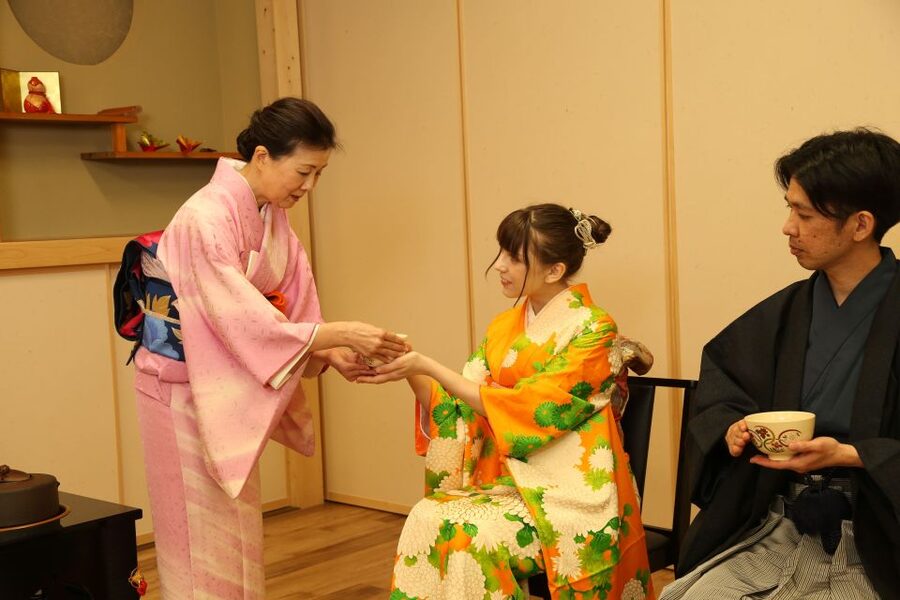
I would recommend the class to you if you want a gentle introduction to Japanese customs with enough explanation to make the ritual understandable.
It suits:
- First-time visitors to Japan who want more than a photo stop
- People curious about Zen Buddhism and Japanese art
- Couples, solo visitors, and small groups who enjoy quiet instruction
- Anyone who wants to practice a cultural activity directly
- People who cannot sit on the floor for long
- Tea drinkers who want to understand matcha in its traditional setting
It may not suit you if you dislike structured activities or find formal gestures frustrating. The no-noise rule also makes this a poor match for anyone looking for a lively, social class.
Families should note the minimum age of four. Since the ceremony depends on quiet attention, older children may enjoy it more than very young ones, though the only stated age restriction is that children under four cannot take part.
How this compares with a simple tea tasting
A tea tasting usually centers on flavor. This experience centers on method and meaning.
You taste matcha here, but the cup is part of a wider lesson. You learn about the utensils, watch the preparation, hear about Zen, and then take your own turn. That makes the activity more memorable for someone who wants to understand why the tea is served in a certain way.
The tradeoff is time. The class lasts 75 minutes, so the historical and spiritual explanation cannot cover every side of Japanese tea culture. You receive a carefully chosen introduction, not a complete academic study.
I also would not book this expecting a private ceremony automatically. The activity is described as a small group limited to 10, and some sessions may feel especially intimate when attendance is low. The important promise is the guided practice, not a guaranteed one-to-one format.
Practical tips for a better visit
Arrive with the meeting point saved clearly: the main entrance on the first floor of Kikai Shinko Kaikan, opposite Tokyo Tower. Keep Room B109 and True Japan Tour in mind as the backup if you cannot locate your instructor.
Wear clothing that lets you sit or move comfortably, even though chairs are available. You will handle utensils and follow a sequence of movements, so comfort is more useful than dressing for a formal portrait.
Give yourself time to settle before the demonstration begins. The no-noise rule is part of the atmosphere, and rushing in at the last minute can make it harder to follow the opening explanation.
Pay attention to the reasons behind each action. The best value comes from understanding the ceremony, not from memorizing a perfect series of gestures. When it is your turn, ask for help if you lose the sequence. The second ceremony is meant to be guided.
If Zen is your main reason for booking, keep your expectations measured. The tea ceremony is the center of the class, and the Zen exercise may feel brief. If you want a calm cultural experience with a practical element, the balance should work well.
Final call: should you book it?
I would book this experience if you want to slow down for an hour in Tokyo and learn a cultural practice by doing it yourself.
The strongest reasons are the small class, clear English instruction, traditional sweet and matcha pairing, and the second ceremony performed with guidance. The seating options and wheelchair access make it more welcoming than many traditional tea settings.
I would skip it only if you want complete quiet, a longer Zen session, or a grand formal tea gathering. Nearby noise can sometimes intrude, and the spiritual section is limited by the 75-minute schedule.
For most first-time visitors who want a thoughtful break from Tokyo’s speed, $63 buys more than tea. It buys a compact lesson in attention, etiquette, and the meaning behind one of Japan’s most recognizable traditions.
FAQ
How long does the Japanese tea ceremony experience last?
The activity lasts 75 minutes.
How much does the experience cost?
The price is $63 per person.
Where is the meeting point?
Meet your instructor at the main entrance of Kikai Shinko Kaikan on the first floor. The building is directly opposite Tokyo Tower.
What should I do if I cannot find the instructor?
Go to True Japan Tour in Room B109 on the basement level of Kikai Shinko Kaikan.
Is transportation included?
No. Transportation to and from the meeting point is not included.
Is the activity conducted in English?
Yes. The instructor speaks English, and English is the listed activity language.
Do I get to prepare the tea myself?
Yes. After watching the instructor perform the first ceremony, you conduct a second tea ceremony with expert guidance.
Is floor seating required?
No. Seats are available for people who prefer not to sit on the floor.
Can I cancel for a full refund?
Yes. You can cancel up to 24 hours in advance for a full refund.
Just added around Tokyo
- Private Arrival Transfer : Narita International Airport to Central Tokyo City★ 4.5 · 12 reviews
- Narita Airport(NRT): Private Transfer to Tokyo/Yokohama 1-9pax★ 5.0 · 47 reviews
- Private Transfer from Narita Airport to Yokohama Port and City★ 4.5 · 17 reviews
- [Narita Airport Terminals 1, 2] 40-60km Sawara Itako Historic Bike Tour★ 5.0 · 13 reviews
- 3 Day Japan Highlights Tour: Tokyo, Mt.Fuji, Nara, Kyoto, Osaka★ 5.0 · 22 reviews
- The 10 Tastings of Tokyo With Locals: Private Street Food Tour★ 5.0 · 48 reviews
- Small Town in the Big City: Tasting Tokyo’s Kichijoji★ 5.0 · 195 reviews
- Small Town in the Big City: Tasting Tokyo’s Kichijoji★ 5.0 · 16 reviews
Tokyo Tours, compared.

Mt Fuji and Hakone 1-Day Bus Tour Return by Bullet Train
Read our review →

teamLab Planets TOKYO Digital Art Museum Entry Ticket
Read our review →
Mt Fuji & Hakone Cruise, Drum Show Bullet Train 1 Day from Tokyo
Read our review →
Sumo Show Experience with Chicken Hot Pot and a Photo
Read our review →
Shinjuku Food Tour (13 Dishes at 4 Local Eateries)
Read our review →
Tokyo Mt Fuji 5th St & Hakone Cruise Bus Tour w/Bullet Train
Read our review →
Flagship 2-Hours Official Street Go-Kart Tour – Tokyo Bay Shop
Read our review →Browse the lists this tour appears in