
Reviewed · TOKYO TOURS
Tokyo: Kintsugi Workshop to Learn the Art of Golden Joinery
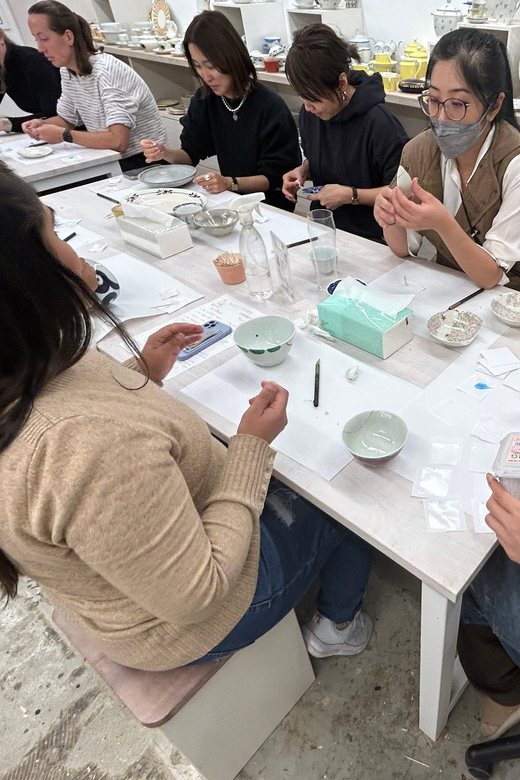
Broken pottery gets a second life here. In a small Tokyo workshop, you learn how cracks can become the most striking part of a dish, using artificial lacquer and gold powder in the Japanese art of kintsugi. I like the calm, hands-on pace, and I like that your finished piece becomes a useful souvenir rather than another factory-made trinket.
The English instruction, small group size, and patient teaching make this a friendly choice for solo visitors, couples, and families with older children. One important catch: the working plate costs an additional ¥1,000 to ¥2,000, and the amount of pottery you repair may be smaller than you expect.
Key points to know before booking
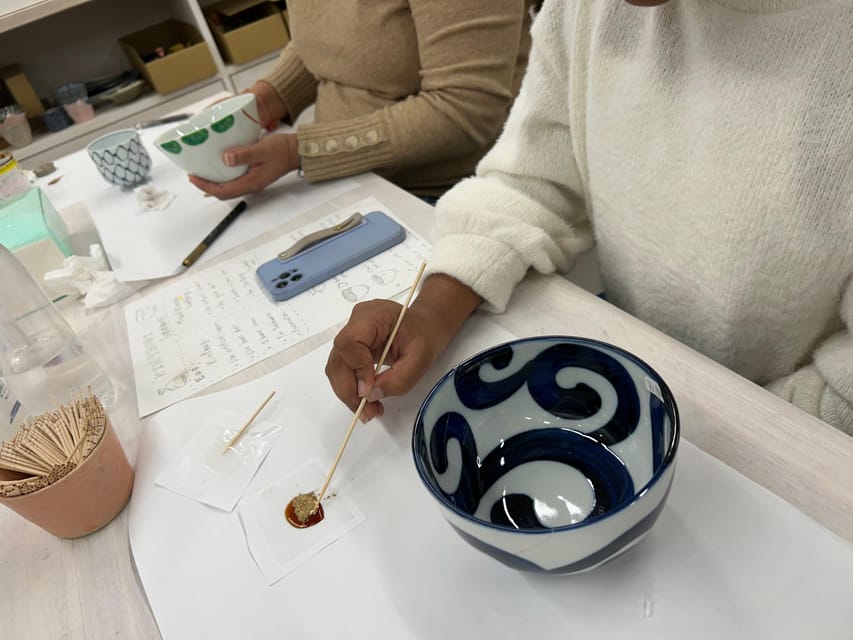
- Two hours of careful handwork: You have time to file, apply lacquer, and add gold without being rushed.
- A small group of up to six: The format allows the instructor to watch your technique and help when needed.
- An English-led introduction: The workshop explains both the craft and the ideas behind kintsugi and wabi-sabi.
- Your own finished keepsake: The repaired piece carries your handwork and a visible golden seam.
- Bring an extra ¥1,000 to ¥2,000: The plate is not included in the listed $63 price.
- Check the exact project: Some sessions repair only a small section, rather than joining an entire broken bowl.
Why kintsugi feels like more than a pottery class
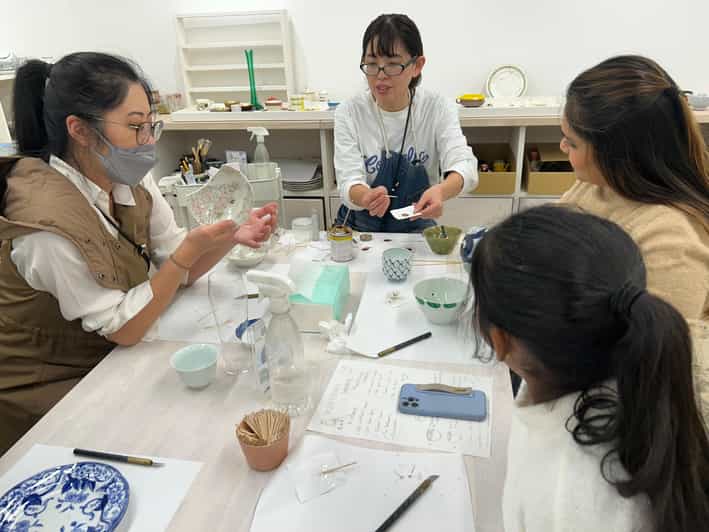
Kintsugi means golden joinery. The method uses lacquer to mend broken ceramic, then highlights the repaired line with powdered gold, silver, or platinum. This workshop uses artificial lacquer and gold powder, making it suitable as a short visitor activity while still showing the basic character of the craft.
The idea matters as much as the technique. Instead of pretending damage never happened, kintsugi gives the break a place in the object’s story. That links the craft with wabi-sabi, a Japanese way of appreciating imperfection, age, and change.
You do not need to arrive with a broken family heirloom or any pottery experience. A piece is supplied for the activity, although the plate itself requires an additional payment. The work is accessible in concept, but it rewards patience. You are not simply decorating a dish. You are handling small tools, smoothing ceramic edges, and building up a repair step by step.
I like that this creates a slower kind of Tokyo memory. After busy stations, tall buildings, and packed sightseeing days, two quiet hours of focused handwork can reset your attention. The finished object may be modest, but it has a story that a mass-produced souvenir cannot provide.
More hands-on workshops in Tokyo:
- Sushi Making Tokyo Roll and Authentic Japanese Sushi Class
★ 5.0 · 3,971 reviews - Tokyo: Roll and Authentic Sushi Making Class in Asakusa
★ 4.9 · 1,957 reviews - Tokyo Shinjuku Chopsticks Making Class
★ 5.0 · 1,763 reviews
Meeting at Gakugei Daigaku Station
The meeting point is Gakugei Daigaku Station. Your guide sends a picture of themselves before the meeting time, which is a useful touch in a city where a station can have several exits and a crowded platform can make a first meeting awkward.
The activity is offered in English, and the group is limited to six participants. That small number matters here. Kintsugi requires close work, and you will probably want the instructor to check how you are holding the tool or placing the lacquer. A large class would make this feel more like a demonstration. This format is intended to keep your hands busy.
The supplied information does not give a detailed route from central Tokyo, so check the starting time and allow enough time to reach the station. You will meet the guide there rather than simply arriving at an unnamed studio on your own.
The workshop is associated with Bloom Voyage JP. In the sessions described by participants, instructors included Anne and Chiara. Anne was praised for preparing the materials and explaining each stage, while Chiara provided hands-on guidance with help from a translator who also knew the craft. Since instructors can vary by date, confirm the person leading your session if that matters to you.
The opening lesson: history, materials, and meaning
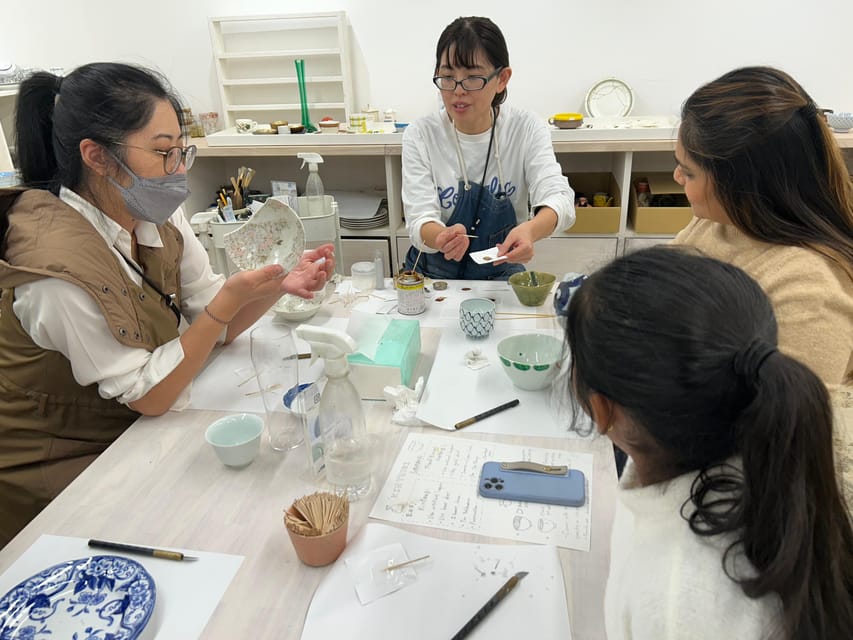
The class begins with a short introduction to kintsugi and its philosophy. The craft dates back to the 15th century, and the central idea is simple: repair can make an object more meaningful, not less.
You learn why traditional repairs often use a visible line instead of trying to disguise the break. The gold seam draws attention to the damage, but it also shows that the object was cared for. That is a useful piece of cultural context, especially if you have seen golden cracks in Japanese ceramics and wondered if they were decorative or functional.
The workshop uses artificial lacquer and gold powder. The main tools are provided, and the class explains the basic process without asking you to buy specialist equipment. One particularly interesting teaching detail is the account of how adhesive was made in earlier times. It gives the craft a practical side, rather than presenting kintsugi as a vague slogan about accepting flaws.
This introduction is brief enough to leave most of the two-hour session for making. That balance is important. You get cultural background, but you are not paying for a lecture while someone else does the work.
Choosing the plate and setting expectations
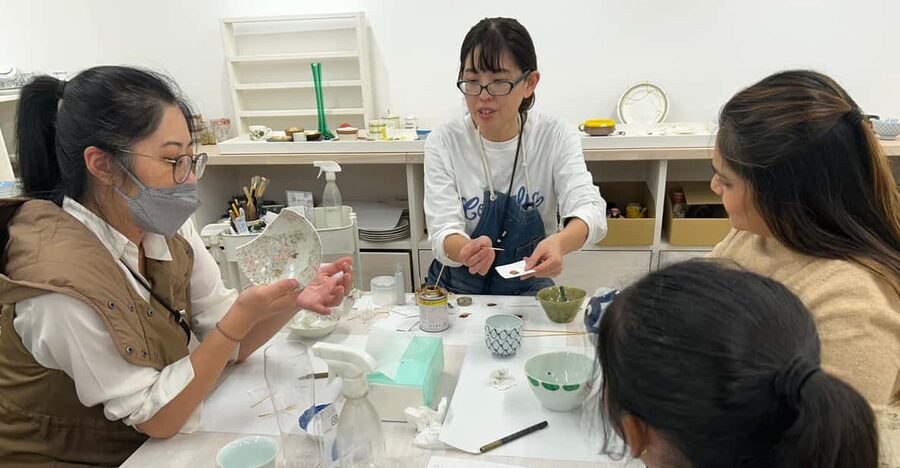
The plate is not included in the listed price. You should budget another ¥1,000 to ¥2,000 for it, on top of the $63 workshop fee. The supplied information also says broken pottery is provided, so confirm exactly how the session handles the plate and repair piece when you book.
This is the point where expectations matter most. The activity description promises a piece to take home, but it does not promise that you will repair an entire bowl or cover a large break. One participant found the section to be repaired very small and felt the cost was high for the amount of work. Another described taking home a bowl with one gold-plated crack and considered it a special souvenir.
Those two experiences can both be true. A small repair gives you a manageable first project within two hours. It also means the finished object may have only one short golden line, not the dramatic web of gold you may have seen in photographs.
If you are booking because you want to mend a whole bowl, ask before paying: How much of the piece will I repair? Is the plate already broken, or will I work on a prepared section? Is the take-home object a plate, bowl, or another ceramic item? The activity information does not settle all of those points, and the answer may affect your sense of value.
A few more Tokyo half-days to weigh up
- Mt Fuji and Hakone 1-Day Bus Tour Return by Bullet Train
★ 5.0 · 26,383 reviews - 1-Day Tokyo Bus Tour
★ 5.0 · 14,250 reviews - Tokyo: TOKYO SKYTREE® Admission ticket
★ 4.5 · 11,192 reviews - Tokyo: teamLab Planets TOKYO Digital Art Museum Entry Ticket
★ 4.6 · 9,779 reviews
Filing and preparing the ceramic
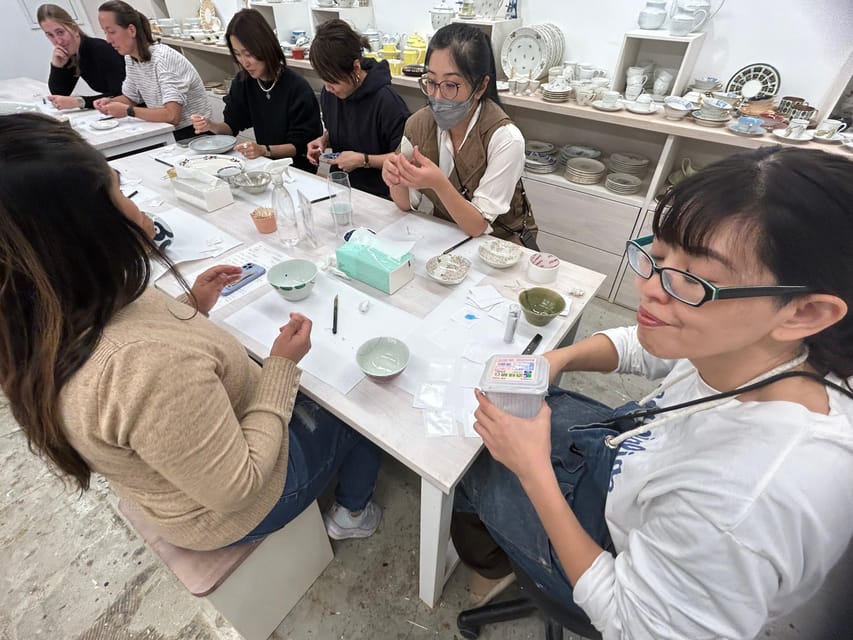
The hands-on work is not instant decoration. You may spend about half an hour filing the pottery, according to one detailed account of the class. That stage can feel slow, especially for younger children, but it is part of what makes the activity reflective rather than hurried.
Filing prepares the surface so the repair can hold and look clean. You need to pay attention to the edge and work carefully instead of forcing the tool. The instructor remains available to steady your hand or correct a step, but you do the task yourself.
This is a good activity for people who enjoy process. If you want a quick craft with an immediate result, the filing may test your patience. If you like making something carefully and seeing small improvements, the time gives the class its value.
Families should take note of the age issue. The activity is recommended for children over 12 in one session because the filing can be difficult for younger children. Babies under one year are not suitable for the activity. The official information also lists the experience as wheelchair accessible, but it separately says it is not suitable for wheelchair users. That is a direct conflict, so wheelchair users should confirm the current setup with Bloom Voyage JP before booking.
Applying lacquer and adding the gold
Once the ceramic is prepared, the repair line is treated with lacquer. The gold powder then turns the plain seam into the feature you came to make. The work calls for a light touch and a steady pace, which is why a patient instructor matters.
You may not produce a flawless professional finish on your first try. That is part of the point. A slightly uneven line is still evidence that you made the repair yourself. The instructor can provide a steady hand when needed, but the class does not simply hand you a finished object.
This stage has a quiet satisfaction. The pottery begins as a damaged or incomplete object, then gradually gains a bright line that makes the break visible. I like the fact that the result is personal without requiring you to be an artist.
The gold powder is also why the object photographs well, but do not judge the class only by the final picture. Much of the experience is in the preparation, the repeated small movements, and the explanation of why the seam is allowed to show.
A relaxed class with room to talk
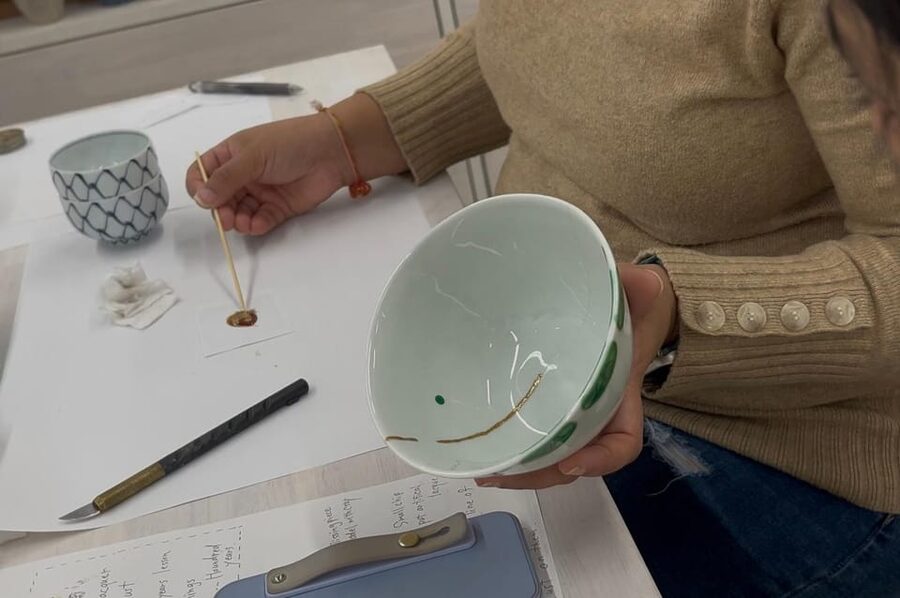
Two hours gives the session a comfortable rhythm. You have time to complete each stage, ask questions, and talk with the instructor and the other people at your table. One session was described as having enough time to relax, work through the steps, and interact with the group.
The six-person limit supports that mood. You are not lost in a crowd, and the instructor can offer individual help. That is especially useful if you are working in a second language or have never handled pottery tools before.
The English instruction is a practical advantage for international visitors. The sessions with Anne and Chiara were described as clear and well prepared, with explanations that covered both the technique and the background. In Chiara’s class, a translator also helped explain the craft. The exact teaching arrangement may vary, but the activity is designed for English speakers.
This is a good choice for a rainy afternoon, a quieter break between major sights, or a date that does not revolve around eating and drinking. It also suits solo visitors because the work gives you a natural activity while the small group provides some conversation.
Taking home a repaired piece
The finished pottery becomes your keepsake. You leave with something that shows the repair rather than hiding it, and the object carries the memory of the two hours you spent making it.
Do not expect a museum-quality restoration after a short introductory workshop. The value is the personal mark and the lesson in Japanese aesthetics. A small bowl or plate with one gold seam can be more meaningful than a costly souvenir if you remember making it yourself.
You should also ask how and when the piece can be taken home if the material needs time to set. The supplied details say you take home the repaired piece, but they do not specify a waiting period or packaging arrangement. This is a sensible question to settle at the start, especially if you have a same-day train or flight.
Is the $63 price fair?
At $63 per person, plus ¥1,000 to ¥2,000 for the plate, this is not a bargain craft activity. You are paying for an English-led lesson, the instructor’s time, tools, materials, a small group, and a take-home object.
I think the price can make sense if you value instruction and a personal souvenir. The two-hour duration is long enough to avoid the rushed feeling of a ten-minute tourist demonstration, and the group size gives the teacher time to help. The cultural explanation also adds more than simple painting or decorating.
The price feels less convincing if your main goal is to repair a large bowl or create a dramatic, heavily gilded piece. The project may involve only a small section, and the separate plate charge pushes the total cost higher. Ask about the size and scope of the repair before booking.
Free cancellation up to 24 hours before the activity gives you some flexibility, and you can reserve now and pay later. If your schedule is uncertain, those terms reduce the risk. If no slot appears for your preferred date, contact the provider through the WhatsApp number supplied with the booking information, since an alternate schedule may be possible.
Who should book this Tokyo workshop?
I would point this activity toward:
- Solo visitors who want a calm, social activity with clear English instruction
- Couples looking for a hands-on souvenir they can make together
- Families with children over 12 who can manage careful filing
- Anyone interested in Japanese aesthetics, repair, and traditional craft
- People who prefer a small class to a crowded group demonstration
I would be cautious if you want a large finished object, dislike repetitive handwork, or expect the price to include every material. The experience is about attention and repair, not speed.
The workshop also works best when you leave room in your day. Two hours is the stated duration, but a relaxed craft class is not ideal when you are rushing to a timed attraction. Meet at Gakugei Daigaku Station with enough time to identify the guide from the photo sent before the meeting.
Should you book it?
Book this kintsugi workshop if you want to understand the idea behind golden repair and make a small keepsake under an instructor’s guidance. The strongest points are the patient, hands-on format, the limited group of six, the English instruction, and the chance to do every stage yourself.
Before booking, confirm the exact size of the repair, the type of plate, the extra ¥1,000 to ¥2,000 charge, and the accessibility arrangement. If you expect to mend a whole bowl, this may not be the right class. If you are happy with a smaller project and like souvenirs with a story, it offers a thoughtful change from Tokyo’s usual shopping stops.
FAQ
Where does the kintsugi workshop meet?
You meet the guide at Gakugei Daigaku Station. The guide sends a picture of themselves before the meeting time to help you identify them.
How long does the workshop last?
The workshop lasts two hours. Starting times vary, so check availability for your chosen date.
Is the workshop taught in English?
Yes. The listed instructor language is English. Sessions may include a translator to help explain the craft.
How many people are in each group?
The workshop is a small-group activity limited to six participants.
Is the plate included in the price?
No. The plate costs an additional ¥1,000 to ¥2,000. The main tools, artificial lacquer, and gold powder are provided.
Can I take my repaired pottery home?
Yes. The repaired piece is intended to be taken home as a personal keepsake.
Is the workshop suitable for wheelchair users and babies?
The supplied information gives conflicting accessibility details. It lists the activity as wheelchair accessible but also says it is not suitable for wheelchair users, so confirm directly before booking. Babies under one year are not suitable.
Just added around Tokyo
- Private Arrival Transfer : Narita International Airport to Central Tokyo City★ 4.5 · 12 reviews
- Narita Airport(NRT): Private Transfer to Tokyo/Yokohama 1-9pax★ 5.0 · 47 reviews
- Private Transfer from Narita Airport to Yokohama Port and City★ 4.5 · 17 reviews
- [Narita Airport Terminals 1, 2] 40-60km Sawara Itako Historic Bike Tour★ 5.0 · 13 reviews
- 3 Day Japan Highlights Tour: Tokyo, Mt.Fuji, Nara, Kyoto, Osaka★ 5.0 · 22 reviews
- Small Town in the Big City: Tasting Tokyo’s Kichijoji★ 5.0 · 195 reviews
- Small Town in the Big City: Tasting Tokyo’s Kichijoji★ 5.0 · 16 reviews
- The 10 Tastings of Tokyo With Locals: Private Street Food Tour★ 5.0 · 48 reviews
Tokyo Tours, compared.

Mt Fuji and Hakone 1-Day Bus Tour Return by Bullet Train
Read our review →

teamLab Planets TOKYO Digital Art Museum Entry Ticket
Read our review →
Mt Fuji & Hakone Cruise, Drum Show Bullet Train 1 Day from Tokyo
Read our review →
Sumo Show Experience with Chicken Hot Pot and a Photo
Read our review →
Shinjuku Food Tour (13 Dishes at 4 Local Eateries)
Read our review →
Tokyo Mt Fuji 5th St & Hakone Cruise Bus Tour w/Bullet Train
Read our review →
Flagship 2-Hours Official Street Go-Kart Tour – Tokyo Bay Shop
Read our review →Browse the lists this tour appears in