
Reviewed · TOKYO TOURS
Tokyo After 5: Local Eats, Drinks & Culture Walk
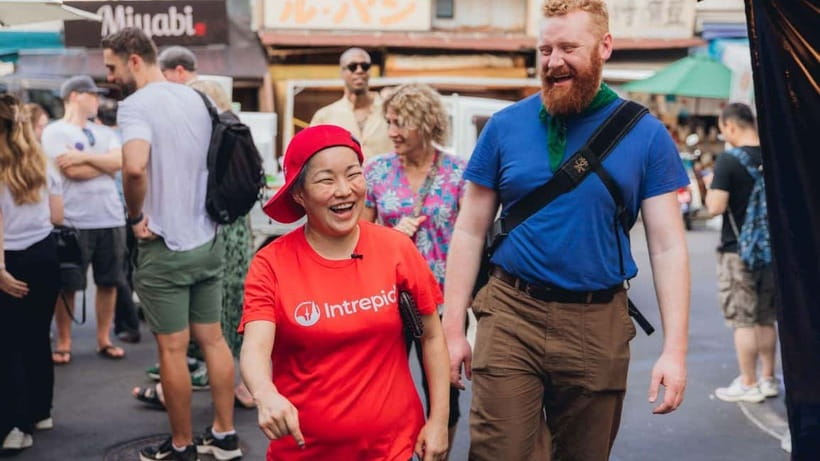
Tokyo’s evening food culture is best understood one small plate at a time. This four-stop walk takes you from the polished basement food hall at Mitsukoshi Ginza to lantern-lit yakitori alleys and Tsukishima’s hotplate restaurants, where you cook monja-yaki yourself.
I like the small group limit of eight, which makes it easier to ask questions and fit into compact local eateries. I also like that the $89 price includes three tastings, two drinks, and two subway tickets. The main caution is that you should expect a fair amount of walking, including subway stairs, and the tour cannot provide vegetarian, vegan, or gluten-free meals.
Key points at a glance
- Taste Tokyo after work: Eat yakitori in Yurakucho, where office workers gather around smoky grills.
- Cook your own monja-yaki: Learn the hotplate method in Tsukishima’s famous Monja Street.
- Start with a depachika: See the careful presentation of prepared food and seasonal sweets at Mitsukoshi Ginza.
- Keep the group personal: No more than eight people makes conversation with the guide much easier.
- Plan for walking and fixed foods: The route can reach about 9,000 steps, and special dietary options are not available.
Why this evening tour works
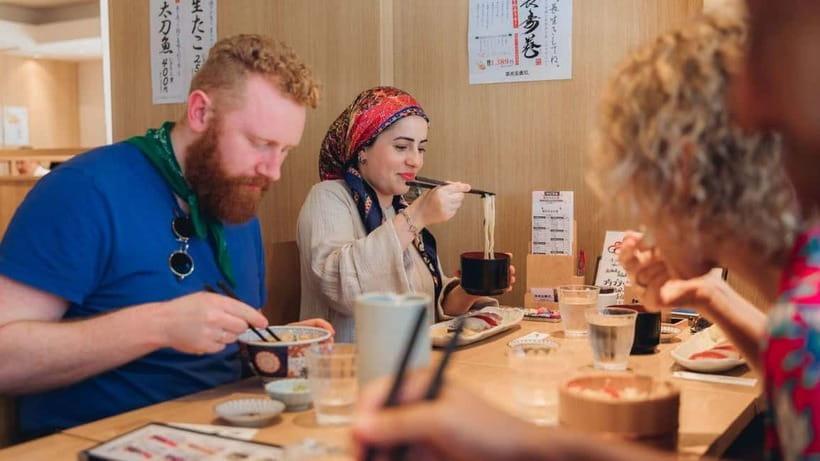
This is not a formal tasting menu in one restaurant. It is a moving introduction to how Tokyo eats after work. You change districts, use public transportation, step into small food shops, and learn the customs that can make ordering in Japan feel less intimidating.
The three-and-a-half-hour length is well judged for an evening start. You get enough time to see several parts of central Tokyo without giving up the rest of your night. I would think of it as a guided opening act for your Tokyo food adventures, not a full dinner replacement.
The group size matters here. Tokyo’s casual restaurants can be tight, with counter seats and small tables. A party capped at eight is far more practical than a large coach group, and an English-speaking guide can explain what is being served while keeping everyone together.
Guides have included Tsunematsu Hidenori, Yuki, Kirir, Meg, and Yoshi on different departures. The strongest guide experiences described the guide as social, patient, attentive, and good at answering questions. Since guides change, your exact style of evening will depend on who leads the walk, but the format gives you plenty of chances to ask about food, manners, and neighborhood life.
More walking tours in Tokyo:
- Tokyo Tsukiji Fish Market Food and Culture Walking Tour
★ 5.0 · 3,184 reviews - Tokyo: Imperial Palace and Shogun Historical Walking Tour
★ 5.0 · 2,251 reviews - Tokyo: Shinjuku Local Bar and Izakaya Guided Walking Tour
★ 4.9 · 1,794 reviews
Beginning at Mitsukoshi Ginza and its depachika
The meeting point is the life-size Lion statue outside Mitsukoshi Ginza, at 4-6-16 Ginza, Chuo-ku. It is directly above the A7 exit of Ginza Station, which is served by the Ginza, Hibiya, and Marunouchi subway lines.
Give yourself a few minutes to find the statue. One person had trouble locating the guide because the booking was made through a third party and the tour company name was not clear. The practical fix is simple: confirm the guide’s name and the operating company before you leave your hotel.
The first food stop is a depachika, the basement food hall found beneath major Japanese department stores. These are not ordinary grocery aisles. You will see neatly arranged prepared dishes, sweets, grilled foods, boxed meals, and seasonal items presented with great care.
This is a useful place to begin because it shows the visual side of Japanese food culture. Your guide can help you read the displays, explain common flavors, and point out how the seasons appear in sweets and ingredients. You do not need to buy a full meal here to appreciate the setting.
I especially like this stop for first-time visitors who might otherwise hurry through a department store. It gives you a practical introduction to food etiquette and presentation before you sit down at more informal restaurants. The setting is polished and orderly, while the later stops feel more relaxed and local.
Yakitori in Yurakucho’s after-work lanes
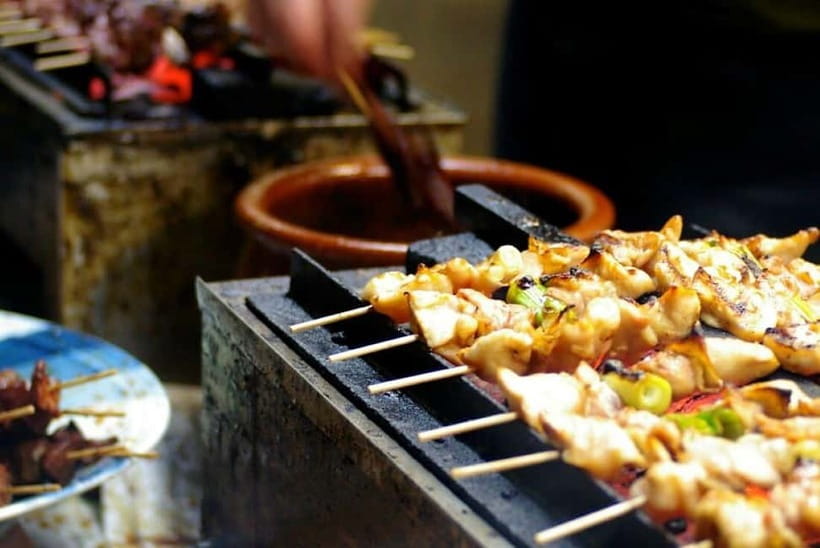
Yurakucho offers a sharp change of mood. Behind the major Ginza shopping streets, you find narrow alleys lit by lanterns and filled with the smell of meat cooking over charcoal. These are the kinds of places where office workers stop for skewers and a drink before heading home.
Yakitori means grilled chicken on skewers, though the meal can include different cuts and vegetables. The appeal is in the directness of it: food cooked quickly over heat, served hot, and paired with a drink. Your guide explains how the skewers are prepared and helps you understand why these small grill spots matter in Tokyo’s after-work routine.
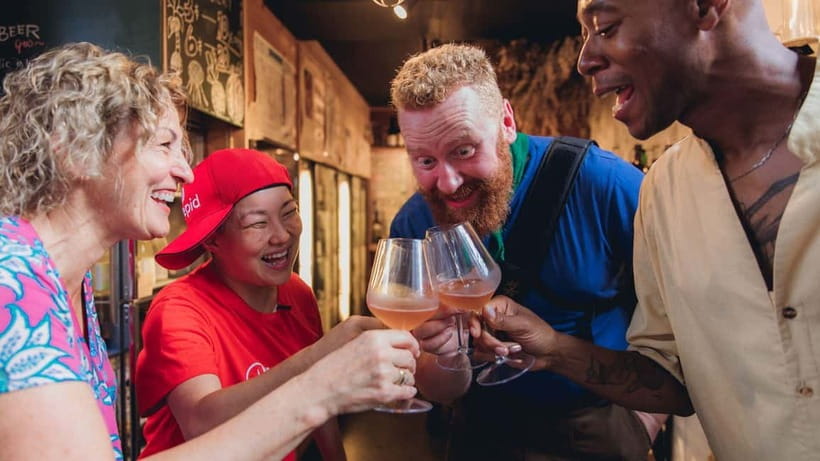
The included tasting is not meant to fill your stomach by itself, but it gives you a clear sample of the style. Two local drinks are included across the evening, with sake, beer, or a soft drink available depending on age and preference. Japan’s legal drinking age is 20, and anyone younger than 20 receives non-alcoholic drinks.
I like this part because the setting does as much work as the food. A yakitori restaurant in a quiet suburban dining room would not tell you much about Yurakucho. Here, the narrow streets and after-work crowd help explain the habit of stopping for a quick meal and conversation.
There is one practical limitation. Small local restaurants cannot always control every part of the atmosphere. One past departure encountered a noisy child in a cramped restaurant, and the parent’s response left a bad impression. That kind of incident is not something a guide can always prevent, but it is worth knowing that this is a real neighborhood venue, not a carefully controlled dining show.
Tsukishima Monja Street and the hotplate lesson
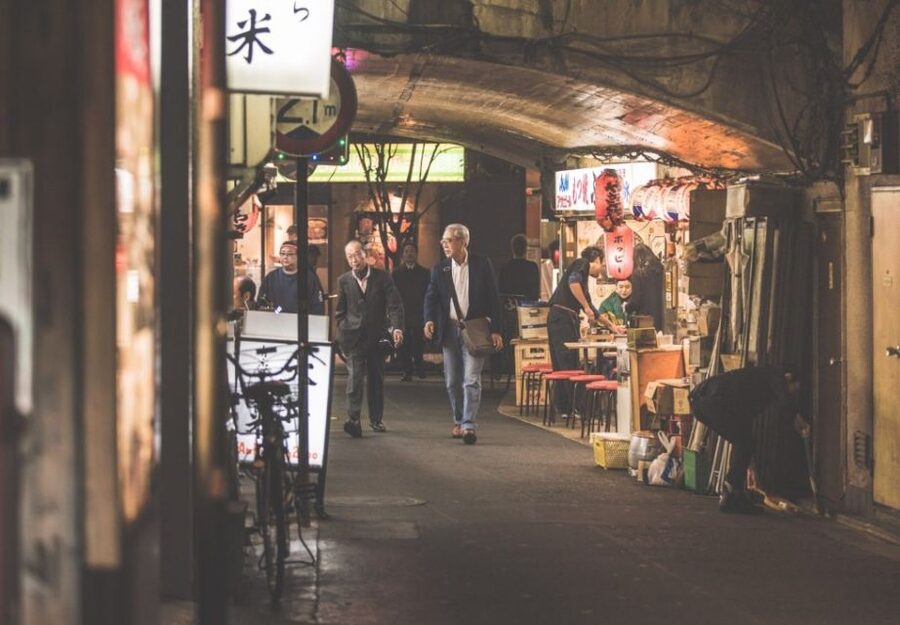
Tsukishima’s Monja Town is the most hands-on part of the tour. Monja-yaki is a Tokyo specialty made from a loose batter with other ingredients, cooked on a hotplate at the table. It has a softer texture than many visitors expect, so this is one dish where watching the technique matters.
You will see the food prepared in front of you, then try your own hand at cooking it. The guide can show you how to work the mixture on the grill and how to eat it from the hotplate. That small act of participation makes the dish easier to understand than simply receiving a finished plate.
Some departures have also included okonomiyaki, another hotplate dish, though the core experience centers on monja-yaki. The food is casual and social. You sit around the grill, share the cooking space, and learn through doing rather than listening to a long explanation.
For me, this is the tour’s strongest cultural stop. You are not only tasting a local specialty. You are learning how the meal works, how people gather around it, and why Tsukishima is associated with this particular style of cooking.
Be ready for stairs and walking between stations and neighborhoods. One person had to leave early because the route was too demanding for an 83-year-old companion. Another account estimated roughly 9,000 steps for the full evening. The tour description does not promise a low-mobility route, so I would choose it only if you are comfortable walking through city streets and handling subway stairs.
A few more Tokyo half-days to weigh up
- Mt Fuji and Hakone 1-Day Bus Tour Return by Bullet Train
★ 5.0 · 26,383 reviews - 1-Day Tokyo Bus Tour
★ 5.0 · 14,250 reviews - Tokyo: TOKYO SKYTREE® Admission ticket
★ 4.5 · 11,192 reviews - Tokyo: teamLab Planets TOKYO Digital Art Museum Entry Ticket
★ 4.6 · 9,779 reviews
Wagashi and the meaning of seasonal sweets
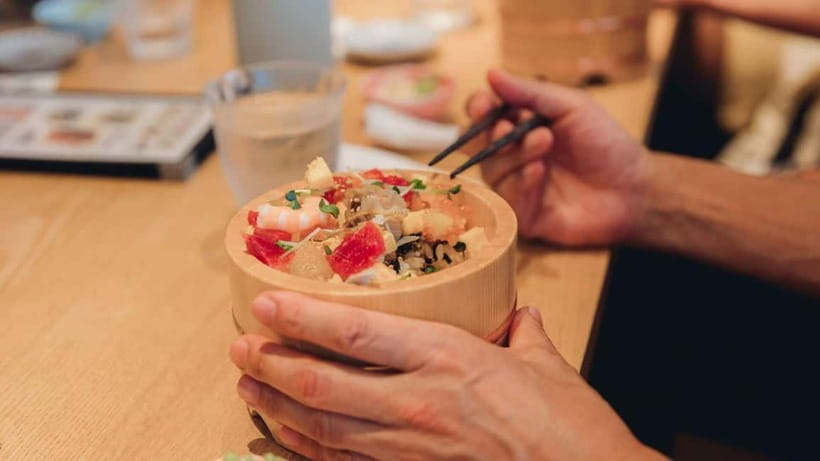
The wagashi stop adds a quieter note to an evening that otherwise focuses on grills and hotplates. Wagashi are traditional Japanese sweets, often made with ingredients such as sweet bean paste and mochi. Their shapes, colors, and flavors are tied to the seasons and to Japanese ideas about visual restraint.
Your guide explains the cultural meaning behind the sweets and how seasonal ingredients and aesthetics affect their design. This is a helpful contrast with the savory stops. You learn that Japanese food culture is not only about flavor and technique. Appearance, timing, texture, and the season all matter.
Wagashi can be unfamiliar to many people. One person found the red bean and mochi combination less appealing, while another enjoyed the variety of Japanese sweets. I would approach this tasting with an open mind but modest expectations. It is a cultural sample, not a guaranteed favorite.
The provided information also mentions a traditional wagashi shop as the sweet finish, while past departures included other treats such as a melon bread or a chocolate-filled crepe. Exact extras may change, so do not book this expecting a fixed dessert menu beyond the included wagashi tasting.
What the $89 price really covers
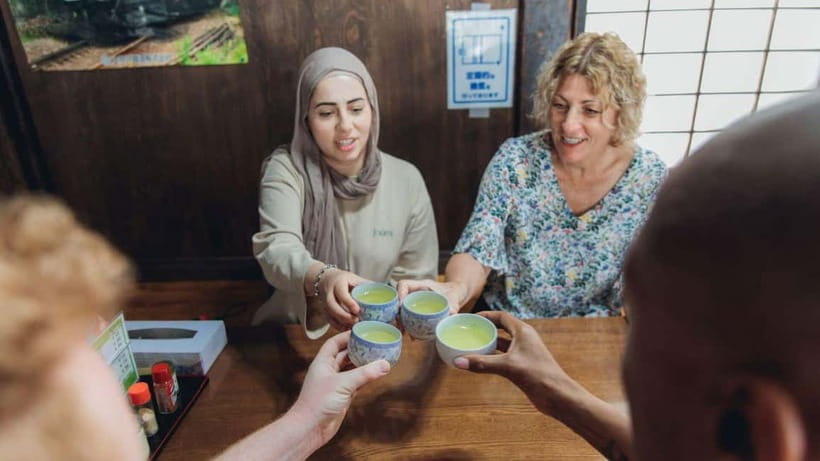
At $89 per person, this tour is priced above a simple self-guided dinner, but the comparison is not quite fair. The fee includes a local English-speaking guide, three food tastings, two drinks, and two subway tickets. You are also paying for restaurant coordination, translation help, and an easier way to enter places you might not find on your own.
I see the value most clearly if you are new to Tokyo’s food scene. A first visit can involve uncertainty about ordering, seating, payment, and basic restaurant manners. The guide removes much of that friction while adding context to foods you could otherwise eat without understanding.
It is less attractive if you already know Ginza, Yurakucho, and Tsukishima well, or if you prefer to order large portions at your own pace. Additional food and drinks cost extra, and the included tastings may not equal a complete dinner for a large appetite.
The price also covers a carbon-neutral tour operated by a B Corp certified company. That will not change the meal itself, but it may matter if you prefer businesses that measure their environmental and social impact.
Who should book this Tokyo food walk
I would recommend it to first-time visitors who want a gentle introduction to Japanese food without spending an evening decoding menus alone. It is also a good fit for solo visitors and couples who enjoy meeting a few like-minded people rather than joining a large group.
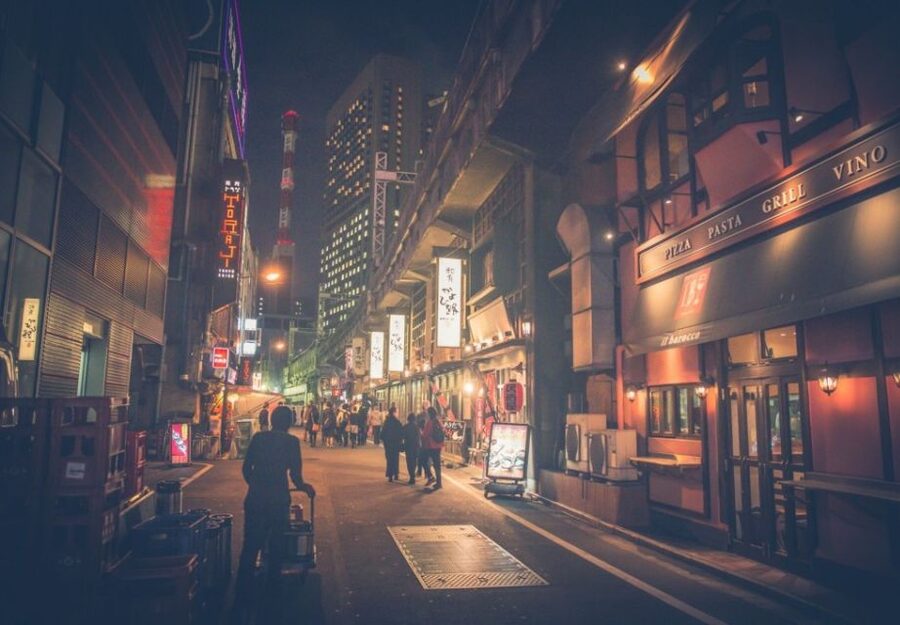
The format suits people who want a mix of eating and sightseeing. You will not sit in one restaurant for three hours. Instead, you move through Ginza, Yurakucho, and Tsukishima, seeing how different districts feel after dark.
It also works well for curious eaters who want to try unfamiliar dishes without committing to a full meal. Yakitori is approachable, monja-yaki is interactive, and wagashi gives you a look at a different side of Japanese food.
I would not choose it for anyone seeking a fully accessible route, a quiet evening, or broad dietary flexibility. Vegetarian, vegan, and gluten-free options are not available. Children under 12 cannot join, and participants under 20 receive soft drinks instead of alcohol.
Useful planning advice before you go
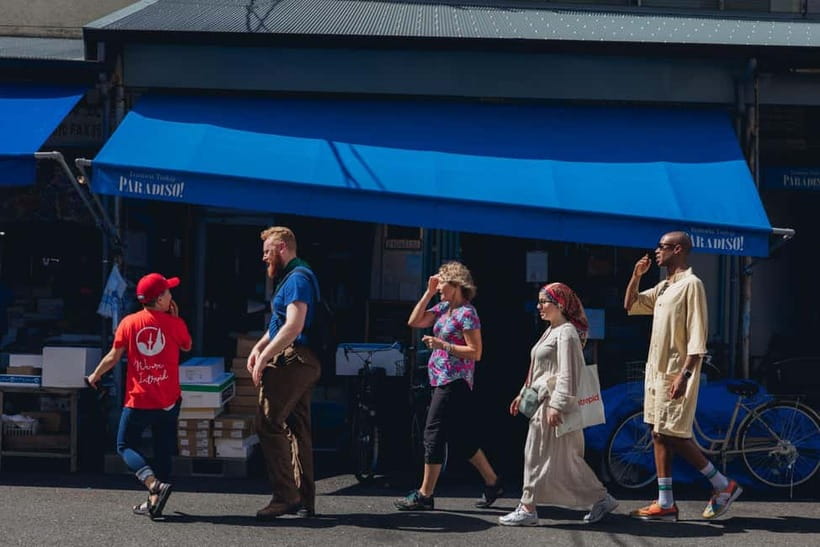
Wear comfortable shoes and leave room in your evening schedule. The route lasts 210 minutes and may involve around 9,000 steps, plus subway stairs and transfers.
Eat lightly beforehand. The tour includes three food tastings, but not unlimited portions, so a small snack may help if you have a big appetite. At the same time, arriving very full defeats the purpose of trying several foods.
Check the meeting point carefully. Look for the Lion statue outside Mitsukoshi Ginza, not merely the department store entrance. Confirm the guide’s name and tour operator if your booking was made through another website.
Keep your expectations flexible. The guide, restaurant atmosphere, and extra sweets can vary. The important constants are the small group, English guidance, yakitori, monja-yaki, wagashi, two drinks, and the Ginza, Yurakucho, and Tsukishima route.
Should you book Tokyo After 5?
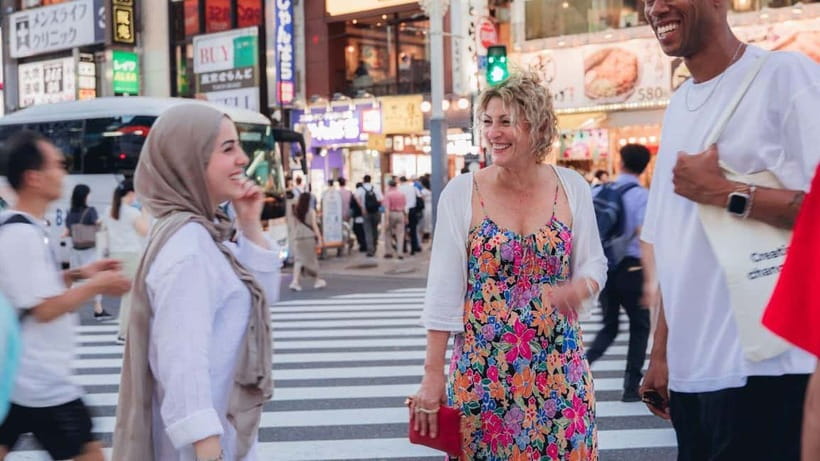
Book this tour if you want a friendly, structured start to Tokyo’s evening food culture and value the help of a local guide. The best parts are the small group, the local restaurant settings, and the chance to cook monja-yaki instead of merely tasting it.
Skip it if you need vegetarian, vegan, or gluten-free food, have difficulty with long walks and stairs, or want a large dinner with complete control over every order. For everyone else, $89 is a reasonable price for a guided evening that combines food, neighborhood exploration, local drinks, and practical cultural advice.
FAQ
Where does the tour meet?
It meets outside Mitsukoshi Ginza, in front of the life-size sitting Lion statue at 4-6-16 Ginza, Chuo-ku, Tokyo. The statue is near the A7 exit of Ginza Station.
How long does the experience last?
The tour lasts 210 minutes, or three and a half hours. Starting times vary, so you should check availability when booking.
What food is included?
The experience includes three local food tastings: yakitori, monja-yaki, and wagashi. Some past departures have also included foods such as okonomiyaki or other sweets, but extras can vary.
Are drinks included?
Yes. Two local drinks are included. You can receive sake, beer, or a soft drink, depending on your age and preference.
Can children join the tour?
Participants must be at least 12 years old. The legal drinking age in Japan is 20, and anyone under 20 receives non-alcoholic drinks.
Are vegetarian, vegan, or gluten-free options available?
No. The restaurants on this route cannot cater to vegetarian, vegan, or gluten-free dietary requirements.
How large is the group?
The group is limited to a maximum of eight participants. A local English-speaking guide leads the walk, and two subway tickets are included.
Just added around Tokyo
- Private Arrival Transfer : Narita International Airport to Central Tokyo City★ 4.5 · 12 reviews
- Narita Airport(NRT): Private Transfer to Tokyo/Yokohama 1-9pax★ 5.0 · 47 reviews
- Private Transfer from Narita Airport to Yokohama Port and City★ 4.5 · 17 reviews
- [Narita Airport Terminals 1, 2] 40-60km Sawara Itako Historic Bike Tour★ 5.0 · 13 reviews
- 3 Day Japan Highlights Tour: Tokyo, Mt.Fuji, Nara, Kyoto, Osaka★ 5.0 · 22 reviews
- Small Town in the Big City: Tasting Tokyo’s Kichijoji★ 5.0 · 195 reviews
- Small Town in the Big City: Tasting Tokyo’s Kichijoji★ 5.0 · 16 reviews
- The 10 Tastings of Tokyo With Locals: Private Street Food Tour★ 5.0 · 48 reviews
Tokyo Tours, compared.

Mt Fuji and Hakone 1-Day Bus Tour Return by Bullet Train
Read our review →

teamLab Planets TOKYO Digital Art Museum Entry Ticket
Read our review →
Mt Fuji & Hakone Cruise, Drum Show Bullet Train 1 Day from Tokyo
Read our review →
Sumo Show Experience with Chicken Hot Pot and a Photo
Read our review →
Shinjuku Food Tour (13 Dishes at 4 Local Eateries)
Read our review →
Tokyo Mt Fuji 5th St & Hakone Cruise Bus Tour w/Bullet Train
Read our review →
Flagship 2-Hours Official Street Go-Kart Tour – Tokyo Bay Shop
Read our review →Browse the lists this tour appears in