
Reviewed · TOKYO TOURS
Tokyo: Dark Side of Tokyo Shinjuku Red Light Walking Tour
Tokyo’s neon heart beats loudest after sunset, and this two-hour walk takes you straight into it. You move from smoky-looking alleyways and tiny bars to Kabukicho’s towering signs, then on to Golden Gai, Hanazono Shrine, and Shinjuku’s LGBTQ district in 2 Chome.
I like the route for two reasons: it gives you a useful map of Shinjuku’s nightlife, and guides such as Dani, Loc, Gray, Paulina, Huy, and Danny have been praised for clear explanations, humor, and food tips. The main drawback is the meeting point. Shinjuku Station is huge and confusing, so finding your guide can be hard if you have just arrived in Japan.
Key points at a glance
- A practical first-night walk: Learn how Omoide Yokocho, Kabukicho, Golden Gai, Hanazono Shrine, and 2 Chome fit together.
- Nightlife with context: The guide explains how Kabukicho changed from a red-light district into a broad entertainment area.
- Small alleys and big signs: Expect a sharp contrast between cramped drinking lanes and Shinjuku’s giant commercial towers.
- Good food advice: Guides regularly point people toward ramen, okonomiyaki, and other places to eat after the walk.
- Adults only: The experience is not suitable for children under 18.
- Two language choices: Live guiding is available in English or Spanish.
Why Shinjuku after dark is worth your evening
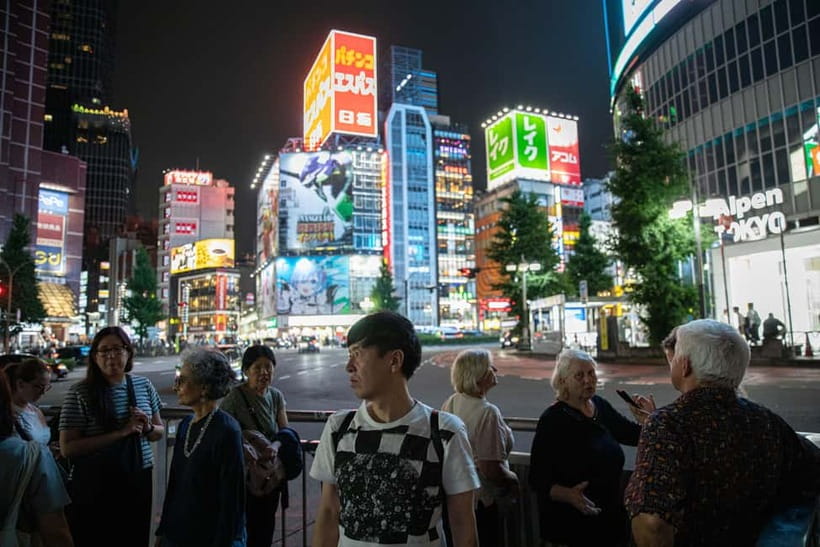
Shinjuku can feel like several cities stitched together. One minute you are beside a massive station and its office towers. A few turns later, you are in a narrow lane lined with tiny bars, old signs, and restaurants with only a handful of seats.
That contrast is the real subject of this tour. You are not simply looking at neon and taking photos. You are given a basic understanding of how nightlife works in Japan, what different entertainment streets are known for, and how the district has changed over time.
I especially like the way the route links traditional Japan with modern Tokyo. Hanazono Shrine provides a quiet religious pause amid the nightlife, while Kabukicho supplies the lights, crowds, music, and signs. The result is more useful than a simple stroll through the brightest streets.
The tour also helps you decide where to return later. You may not visit every bar or restaurant during the walk, but you leave with a better sense of which lanes interest you and which places deserve a closer look.
More walking tours in Tokyo:
- Tokyo Tsukiji Fish Market Food and Culture Walking Tour
★ 5.0 · 3,184 reviews - Tokyo: Imperial Palace and Shogun Historical Walking Tour
★ 5.0 · 2,251 reviews - Tokyo: Shinjuku Local Bar and Izakaya Guided Walking Tour
★ 4.9 · 1,794 reviews
Meeting at Shinjuku Station without losing your group
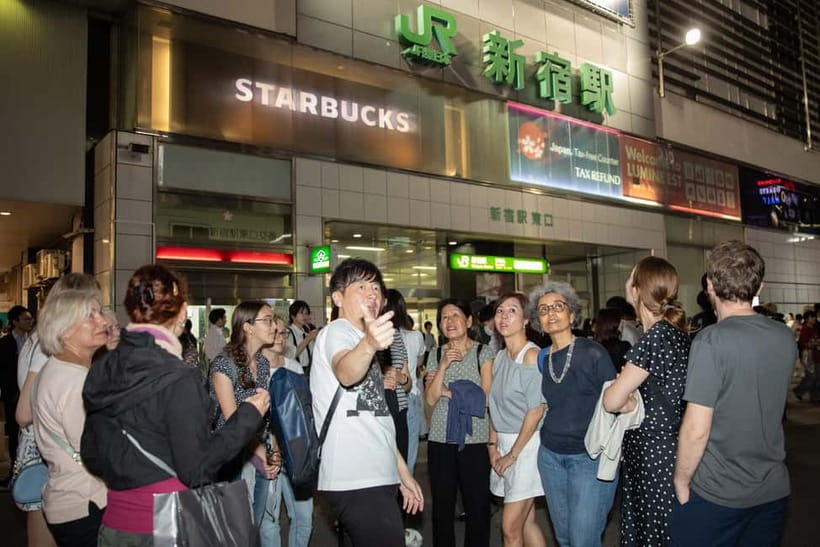
You can meet at either the Shinjuku Tourist Information Center or the Shinjuku Station East Exit Police Box, depending on the option you book. The second location is specifically included in the route, but the exact meeting point can vary.
Give yourself extra time. Shinjuku Station is one of the largest and busiest rail stations in the world, and the East Exit area has many people, signs, and tour groups moving at once. The instructions warn that the meeting point can be difficult to find if this is your first day in Tokyo.
Do not cut it close. The group does not wait for late arrivals, so arriving early matters more here than it does on a quiet neighborhood walk. Check your booking details carefully and confirm the exact meeting place before leaving your hotel.
This is one of the few practical weaknesses of the experience. Once you find the guide, the route itself is easy to follow, but the first five minutes can be stressful if you are tired, jet-lagged, or unfamiliar with Japanese train stations.
Omoide Yokocho, a narrow start with plenty of atmosphere
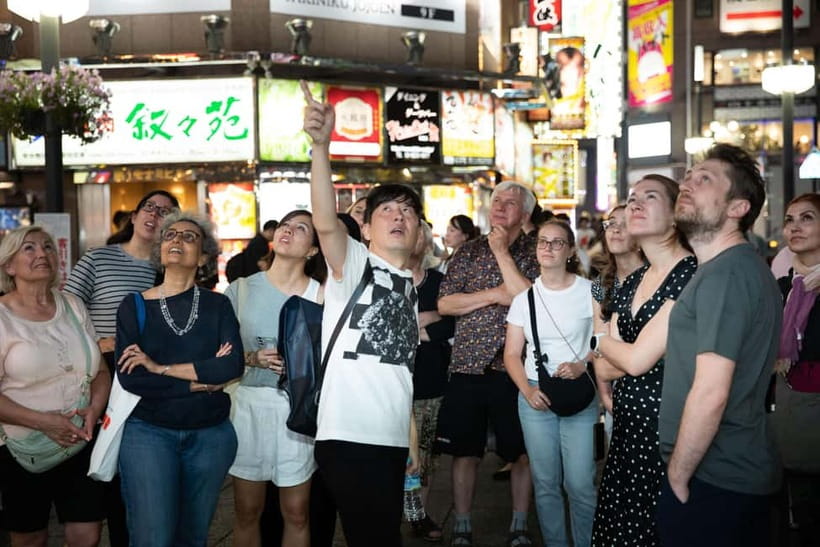
The walk begins around Omoide Yokocho, where the scale changes at once. Shinjuku’s huge station and tall buildings give way to a compact maze of eateries and drinking spots.
The guide spends about 20 minutes here, using the lane as an introduction to local food and nightlife culture. You can expect stories about the area, explanations of what you are seeing, and suggestions for places to eat later.
This stop works well early in the tour because it shows you a more intimate side of Shinjuku. You are close to one of Tokyo’s major transport hubs, yet the alley feels far removed from the sleek station concourses nearby.
Omoide Yokocho is also a good place to ask questions. If you want to know how an izakaya differs from other Japanese drinking spots, or how to choose a restaurant in a crowded nightlife district, this is the point to speak up.
The limitation is that the lane can be crowded. You are walking, stopping, and listening in a tight space, so this is not a relaxed sit-down food tour. Think of it as a guided introduction, not a meal.
Kabukicho and the public face of Tokyo nightlife
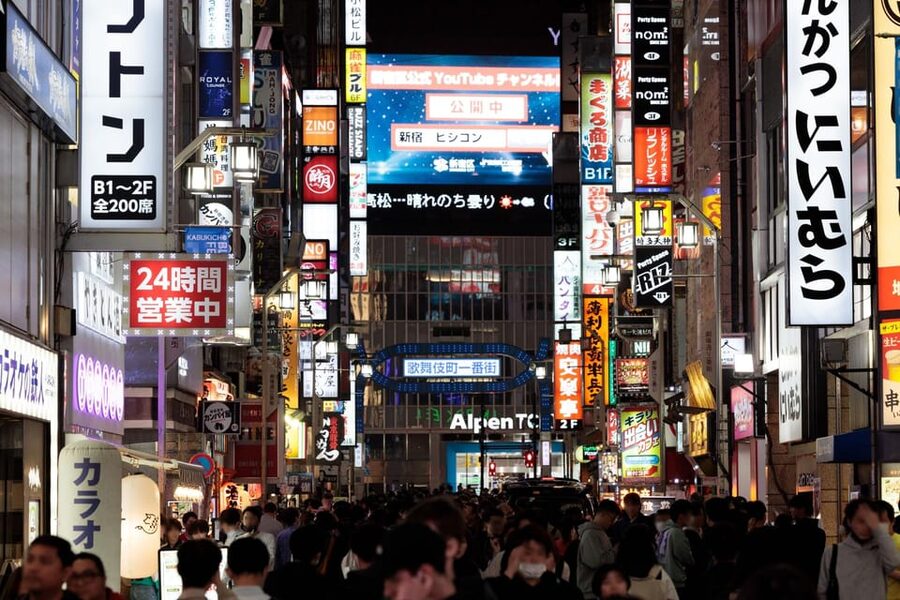
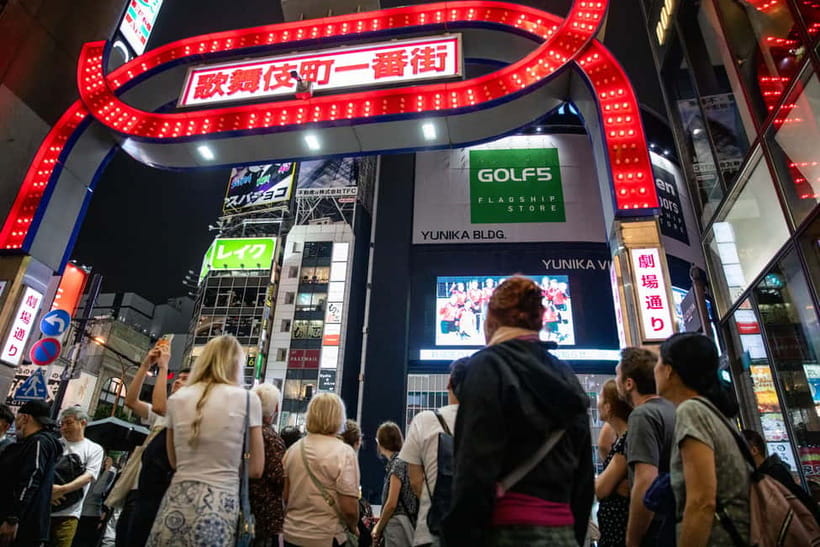
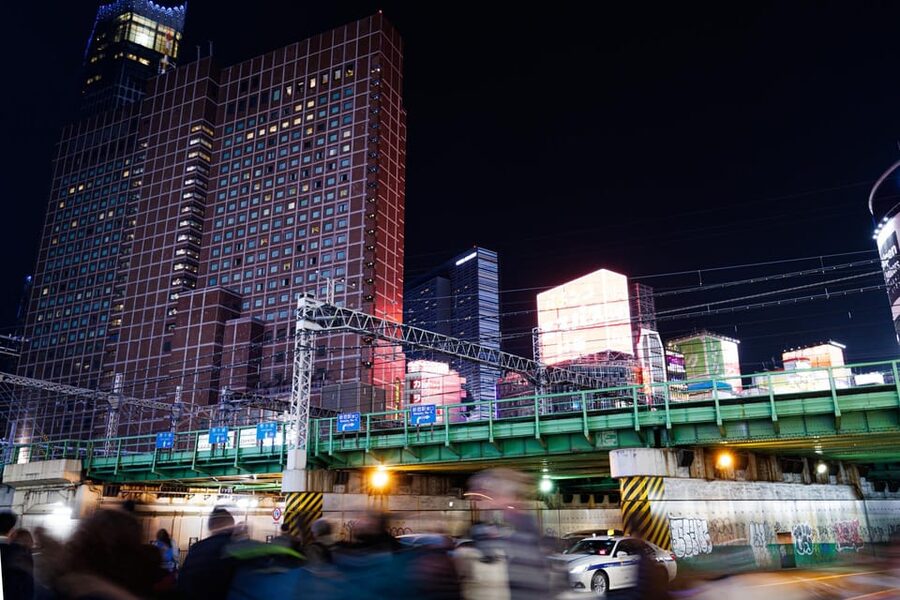
Kabukicho receives the longest stop, about 40 minutes, and for good reason. This is the district most closely linked with Shinjuku’s nightlife, entertainment venues, bars, izakayas, and red-light history.
The guide explains how Kabukicho developed and how its role changed. You get a look at the difference between the district’s reputation and its present-day reality, which includes many kinds of entertainment rather than one single trade.
That context is important. Without it, Kabukicho can seem like a wall of glowing advertisements and competing signs. With a guide, the area becomes easier to read. You can ask what various businesses are, how the streets differ, and what sort of nightlife the district offers.
The architecture adds to the experience. Tall buildings and entertainment complexes rise above smaller streets, creating one of Tokyo’s strongest contrasts between old and new. I like this portion best for photography, but the guide’s explanations are more valuable than the pictures alone.
The tour is not a pub crawl, and alcohol and drugs are not allowed as part of the activity. You pass bars and nightlife venues, but the emphasis is on observation, explanation, and orientation. That makes it a sensible choice if you want to understand the area before deciding how to spend your own evening.
A few more Tokyo half-days to weigh up
- Mt Fuji and Hakone 1-Day Bus Tour Return by Bullet Train
★ 5.0 · 26,383 reviews - 1-Day Tokyo Bus Tour
★ 5.0 · 14,250 reviews - Tokyo: TOKYO SKYTREE® Admission ticket
★ 4.5 · 11,192 reviews - Tokyo: teamLab Planets TOKYO Digital Art Museum Entry Ticket
★ 4.6 · 9,779 reviews
Golden Gai, tiny bars and a very different scale
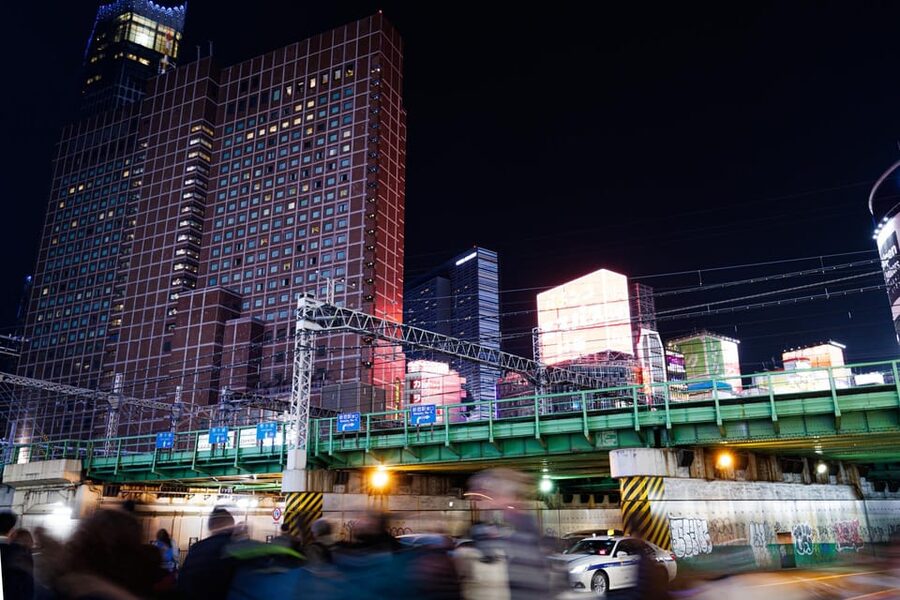
The walk then reaches Golden Gai, with about 20 minutes set aside for the area. Here, the visual mood shifts again. Instead of broad streets and giant signs, you see narrow lanes packed with small bars and unusually compact buildings.
Golden Gai is the sort of place that can be intimidating to explore alone. Many venues are small, and a first-time visitor may not know which places welcome newcomers or how to approach them. The guide cannot turn the stop into a full evening of bar-hopping, but can explain the character of the area and point out what makes it different from Kabukicho.
This is where the value of a local guide becomes clear. You get social and cultural context that is hard to pick up from a quick online search. Guides named Loc and Dani, among others, have been praised for answering questions and explaining details about Japanese nightlife and daily life.
Golden Gai is also a reminder that Tokyo nightlife is not one single experience. Kabukicho is loud and commercial. Golden Gai is close, personal, and built around tiny spaces. Seeing both in one evening gives you a better sense of Shinjuku’s range.
Hanazono Shrine, a calm pause in the neon
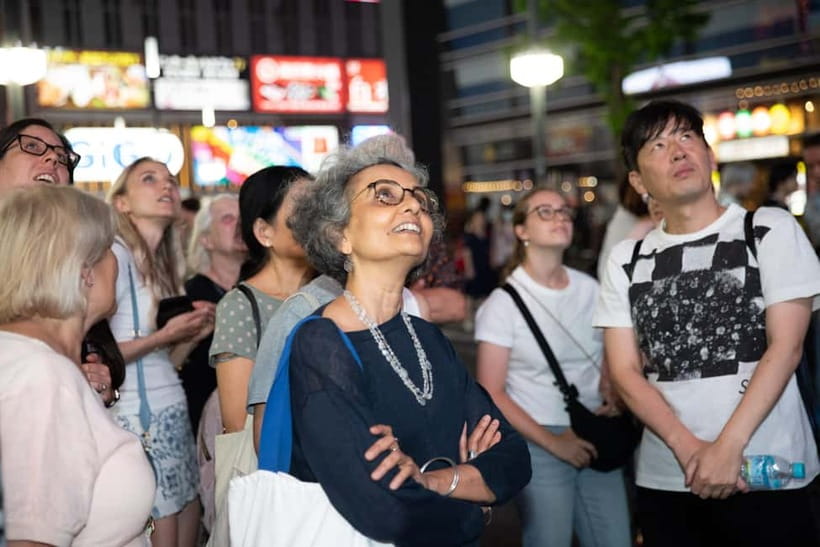
Hanazono Shrine receives about 20 minutes. It is the route’s clearest break from the entertainment streets and shows how a traditional place of worship remains part of central Tokyo.
This stop matters because it keeps the evening from becoming a parade of signs and bars. You have time to notice a quieter side of Shinjuku and to consider how religious sites and modern city life exist close together.
The shrine also helps explain the area’s older character. The tour description presents Shinjuku as a blend of traditional and contemporary Japan, and Hanazono Shrine is the clearest example of that idea in practice.
Do not expect an extended temple lecture or a long spiritual visit. The schedule allows around 20 minutes, so the stop is best understood as a cultural and visual pause within a larger nightlife walk.
2 Chome and the LGBTQ side of Shinjuku
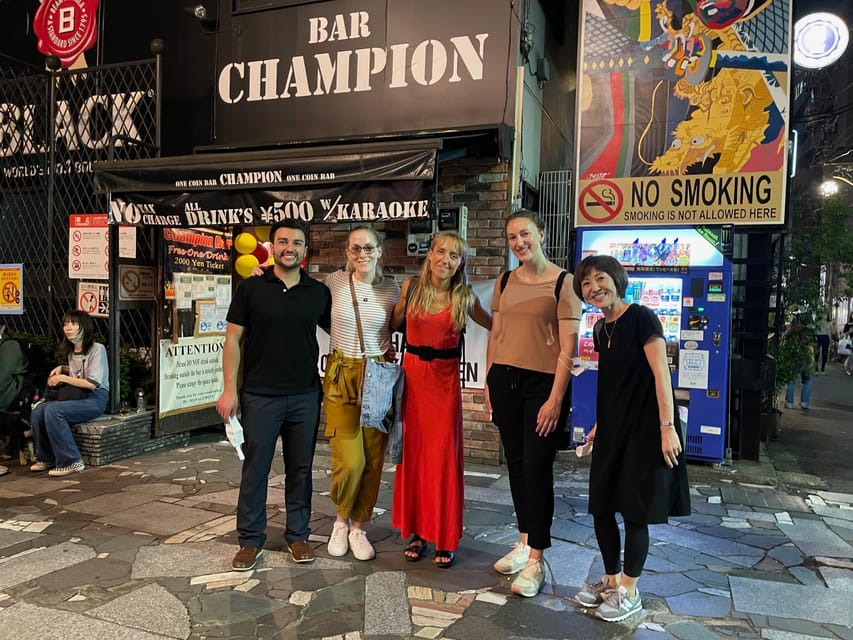
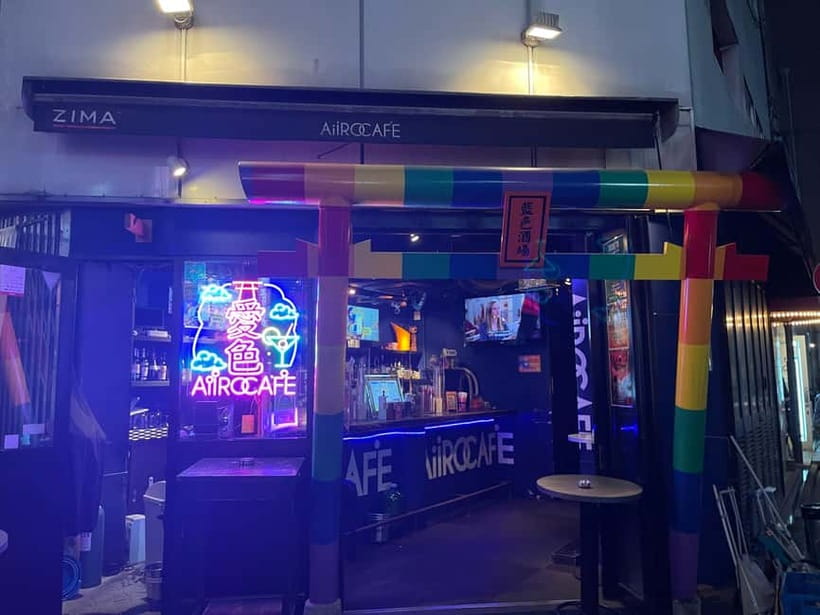
The final major stop is 2 Chome, known for its LGBTQ nightlife. This portion adds another layer to the evening by showing that Shinjuku’s entertainment culture includes different communities, venues, and social scenes.
The tour promises dazzling neon lights around this district, but the useful part is the explanation of what makes the area distinct. You are not just pointed toward a colorful street. You learn how it fits into the wider nightlife structure of Shinjuku.
This is also a good place to ask respectful questions. A guide can provide context and help you view the district as a living neighborhood rather than a photo backdrop. The tone of the walk depends partly on your guide, but the strongest descriptions of Dani, Gray, Paulina, Huy, Loc, and others repeatedly highlight humor, patience, and clear answers.
The walk ends around Shinjuku Golden Gai in 3 Chome. That is convenient if you want to continue exploring on your own, though it does not include a meal or a final drink.
What the guides add to the experience
The guide is the only included feature, but it is also the main reason to book. A self-guided walk can show you the signs and streets. A good guide explains what you are looking at and helps you avoid misunderstanding the district.
Dani and Danny are praised for friendly explanations, strong English, and useful recommendations. Loc is repeatedly described as a good storyteller who gives practical food advice. Gray is noted for humor, cultural insight, and patience with questions. Paulina is praised for being organized, friendly, and clear. Huy is described as lively and direct.
Guide assignments can change, so you should not book on the assumption that one particular person will lead your departure. Still, the range of positive comments points to the experience’s strongest feature: the human explanation along the way.
You should take part in the conversation. Ask about food, local customs, the meaning of different entertainment areas, and how the district changed. The walk becomes much more useful when you treat it as a chance to get answers rather than a silent photo tour.
Food advice may be the best practical souvenir
Several guides have suggested places to eat after the walk, including ramen and okonomiyaki. One person followed a guide’s okonomiyaki recommendation immediately after the tour. Another received a ramen tip that became the evening’s final stop.
Food suggestions are valuable in Shinjuku because the choice can be overwhelming. You may see hundreds of restaurants, but deciding where to sit is another matter. A guide who understands your interests can help narrow the field.
Keep in mind that food is not included. The tour gives recommendations, not a meal, so bring your own budget if you want to continue into dinner afterward.
I would book this walk early in your Tokyo stay. That way, the advice can shape the rest of your nights in Shinjuku rather than arriving after you have already made all your plans.
Is $29 good value for two hours?
At $29 per person, the tour is reasonably priced for a live guided walk through several nightlife districts. You are paying for a guide, local explanation, route planning, and food suggestions, not for admissions, drinks, or dinner.
The value is strongest if you are new to Shinjuku. The district is easy to reach but not always easy to understand. A two-hour orientation can save you from wandering aimlessly and gives you a clear starting point for later exploration.
The value is weaker if you already know Kabukicho, Golden Gai, and 2 Chome well, or if you want a long evening inside bars. This is a walking and culture experience, not a nightlife package.
A few descriptions indicate that some outings ran closer to two and a half hours, but the advertised duration is two hours. Plan your evening around the official two-hour schedule and treat any extra time as a bonus rather than a promise.
Free cancellation up to 24 hours before departure and the option to reserve now and pay later make the booking fairly flexible. The key risk is not the price. It is missing the meeting point.
Who should book this Shinjuku night walk?
I would recommend it to adults visiting Tokyo for the first time, especially if you want to see more than the usual daytime sights. It suits curious people who enjoy city history, food advice, local customs, and a bit of nightlife without committing to a full bar evening.
It is also a good fit for solo visitors. The walk gives you a structured route through areas that can feel confusing alone, and the group setting creates an easy way to meet people from different countries.
You should be comfortable walking for two hours through busy streets and narrow alleys. The experience is not suitable for children under 18, and alcohol and drugs are not allowed.
If your main goal is club entry, drinking, or a private food tasting, choose another activity. If your goal is to understand the after-dark side of Shinjuku, this tour gives you a useful first look.
My verdict on the Tokyo Dark Side tour
I like this experience because it gives shape to a complicated district. Omoide Yokocho, Kabukicho, Golden Gai, Hanazono Shrine, and 2 Chome each show a different part of Shinjuku, and the guide connects them into one readable evening.
Book it for your first or second night in Tokyo, arrive early, and come ready with questions. At $29, it is a fair way to get your bearings, collect food ideas, and see the district’s less polished but more revealing side.
Skip it only if you already know Shinjuku well or want a full evening of drinking and dining. For most first-time visitors, the route offers a useful, entertaining introduction to Tokyo after dark.
FAQ
How long does the Tokyo Dark Side of Shinjuku tour last?
The advertised duration is two hours. Starting times depend on availability.
How much does the tour cost?
The listed price is $29 per person.
What languages are available?
The live tour guide is available in English or Spanish.
Where does the tour meet?
The meeting point may vary by booking option. Listed starting choices include the Shinjuku Tourist Information Center and the Shinjuku Station East Exit Police Box.
Is the meeting point easy to find?
The meeting point can be difficult to find, especially if you are new to Tokyo. Shinjuku Station is very large, and late arrivals are not waited for.
What places does the tour visit?
The route includes Shinjuku Station’s East Exit area, Omoide Yokocho, Kabukicho, Golden Gai, Hanazono Shrine, and 2 Chome.
Where does the tour finish?
The listed drop-off locations are Shinjuku Golden Gai and 3 Chome.
Is food included?
No. The guide provides food recommendations, but meals and drinks are not listed as included.
Can children join the tour?
No. The experience is not suitable for children under 18.
Can I cancel my booking?
Yes. You can cancel up to 24 hours in advance for a full refund.
Do I have to pay when I book?
No. The reserve now and pay later option lets you book without paying immediately.
Just added around Tokyo
- Private Arrival Transfer : Narita International Airport to Central Tokyo City★ 4.5 · 12 reviews
- Narita Airport(NRT): Private Transfer to Tokyo/Yokohama 1-9pax★ 5.0 · 47 reviews
- Private Transfer from Narita Airport to Yokohama Port and City★ 4.5 · 17 reviews
- [Narita Airport Terminals 1, 2] 40-60km Sawara Itako Historic Bike Tour★ 5.0 · 13 reviews
- 3 Day Japan Highlights Tour: Tokyo, Mt.Fuji, Nara, Kyoto, Osaka★ 5.0 · 22 reviews
- Small Town in the Big City: Tasting Tokyo’s Kichijoji★ 5.0 · 195 reviews
- Small Town in the Big City: Tasting Tokyo’s Kichijoji★ 5.0 · 16 reviews
- The 10 Tastings of Tokyo With Locals: Private Street Food Tour★ 5.0 · 48 reviews
Tokyo Tours, compared.

Mt Fuji and Hakone 1-Day Bus Tour Return by Bullet Train
Read our review →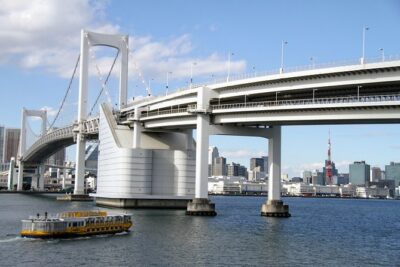
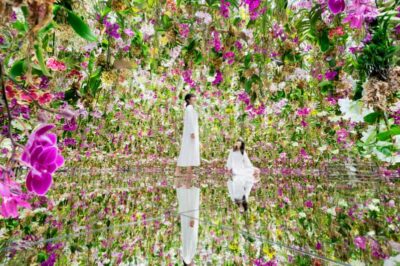
teamLab Planets TOKYO Digital Art Museum Entry Ticket
Read our review →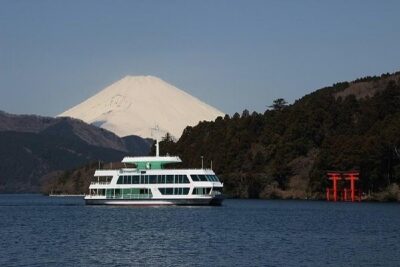
Mt Fuji & Hakone Cruise, Drum Show Bullet Train 1 Day from Tokyo
Read our review →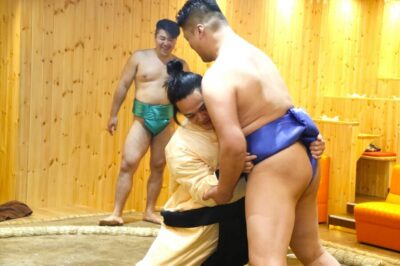
Sumo Show Experience with Chicken Hot Pot and a Photo
Read our review →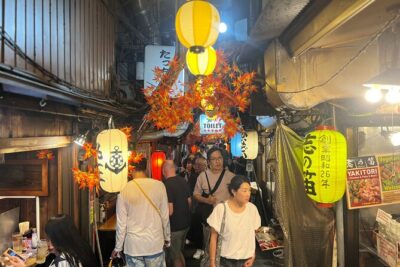
Shinjuku Food Tour (13 Dishes at 4 Local Eateries)
Read our review →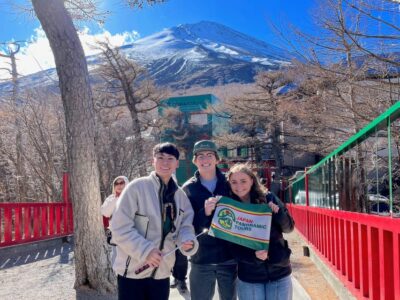
Tokyo Mt Fuji 5th St & Hakone Cruise Bus Tour w/Bullet Train
Read our review →
Flagship 2-Hours Official Street Go-Kart Tour – Tokyo Bay Shop
Read our review →Browse the lists this tour appears in