
Reviewed · TOKYO TOURS
Tokyo: Sumo Show Experience with Chicken Hot Pot and a Photo
Sumo wrestling, a steaming hot pot, a geisha dance, and a chance to be shoved out of the ring by a retired professional: this Asakusa Sumo Club show packs a lot into two hours. You sit around a real dohyo, or sumo ring, while a bilingual host explains the rituals, rules, and comic details in English and Japanese.
I like the clear cultural introduction and the generous meal, especially the chicken chanko-nabe with Japanese side dishes. I also like that the wrestlers treat the audience as part of the show, with a limited number of people invited to challenge them. The main thing to understand is that this is family-friendly entertainment, not a serious morning practice or an official tournament match.
Key points to know before booking
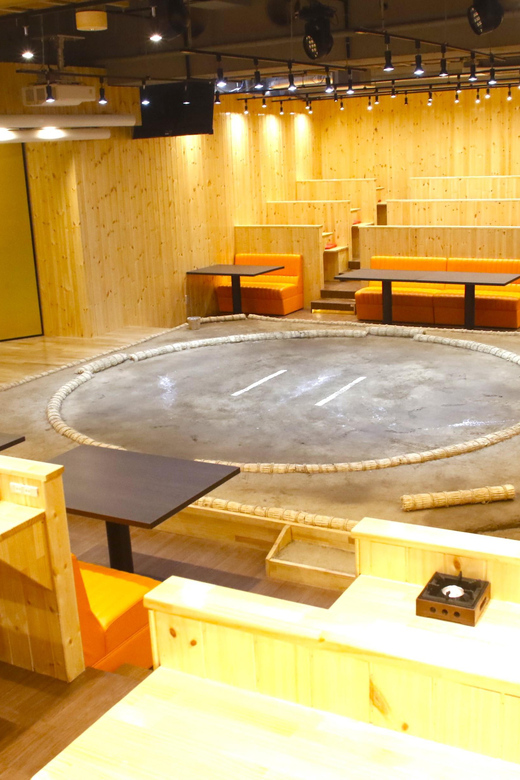
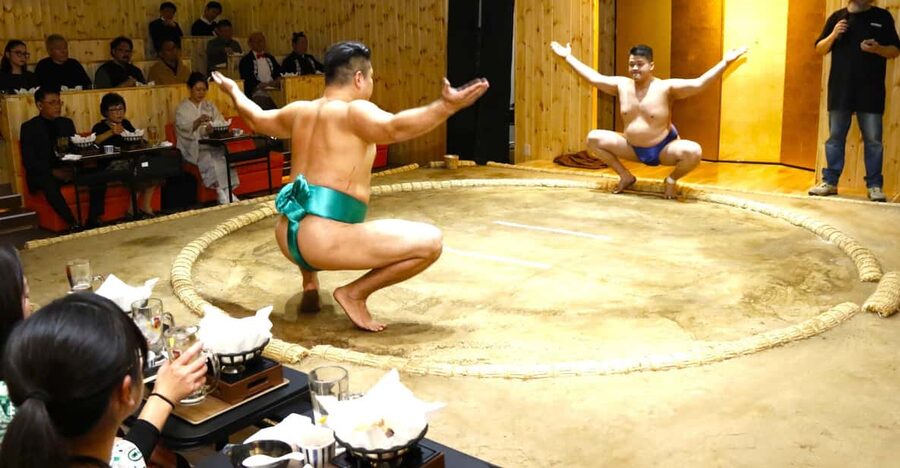
- A real dohyo sits at the center of the restaurant, so every seat has a direct view of the action.
- Retired professional wrestlers perform a best-of-three match after demonstrations of exercises and classic techniques.
- Hosts such as Lala and Benjamin keep the explanations lively, with English and Japanese commentary.
- The meal includes all-you-can-eat chicken hot pot and Japanese dishes, plus one complimentary drink.
- Audience members may challenge a wrestler, but places are limited and may be assigned by lottery.
- VIP and VVIP seats put you closest to the ring, while Standard seating offers a clear view at a lower price.
What kind of sumo experience is this?
At roughly $103 per person, this is a dinner show with a cultural lesson built into it. You are not entering an active sumo stable, watching wrestlers train in the morning, or seeing a formal tournament bout. You are attending a polished performance led by retired wrestlers who know how to explain the sport and play to a crowd.
That distinction matters. If you want quiet observation of serious training, this is the wrong choice. If you want to understand why sumo matters in Japan while enjoying food and a good deal of audience participation, the format works very well.
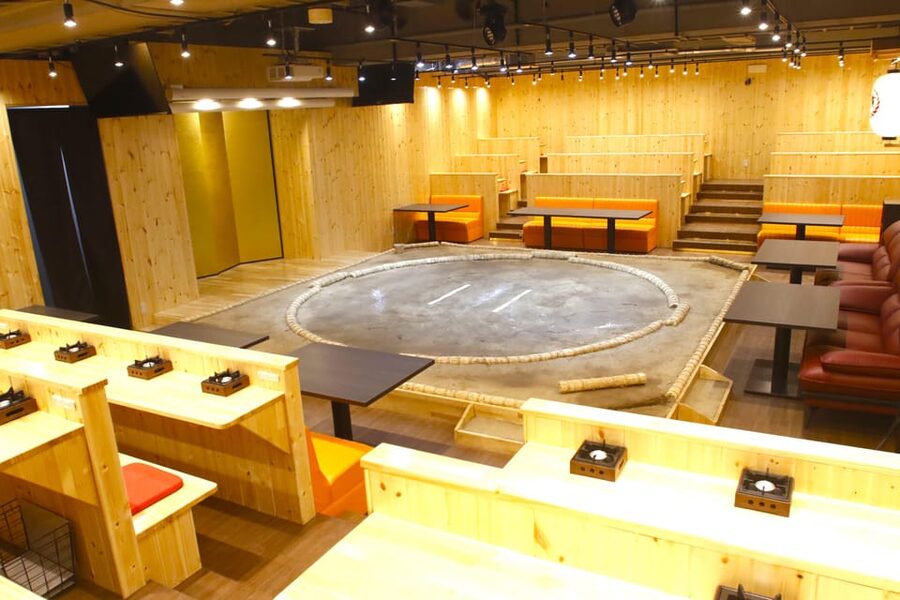
The setting helps. The dohyo is not a picture on a screen or a symbolic platform at the back of a hall. It sits in the middle of the restaurant, making the ring the natural focus of the room. Even Standard seats provide a clear view, though the front-row VIP and central VVIP sections bring you closer to the action.
You may be seated with other people. That is part of the dinner-show design, so book this expecting a shared, social setting rather than a private meal.
More Sumo Experiences in Tokyo
- Tokyo: Sumo Show and Dining Experience
★ 4.8 · 2,742 reviews - the SUMO show
★ 5.0 · 1,960 reviews - Tokyo Shinjuku Sumo Show & Experience with Photo
★ 5.0 · 1,750 reviews
The opening: exercises, ritual, and a geisha dance
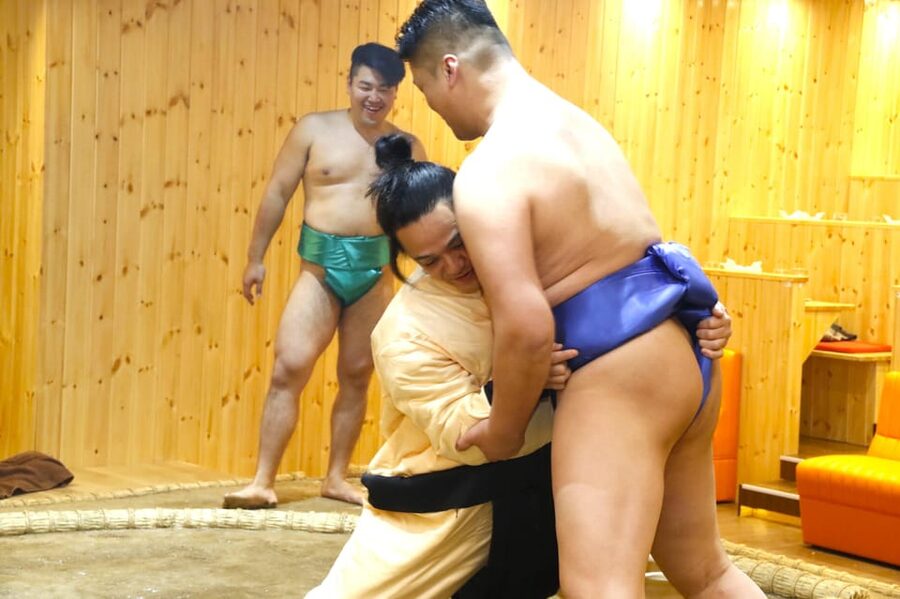
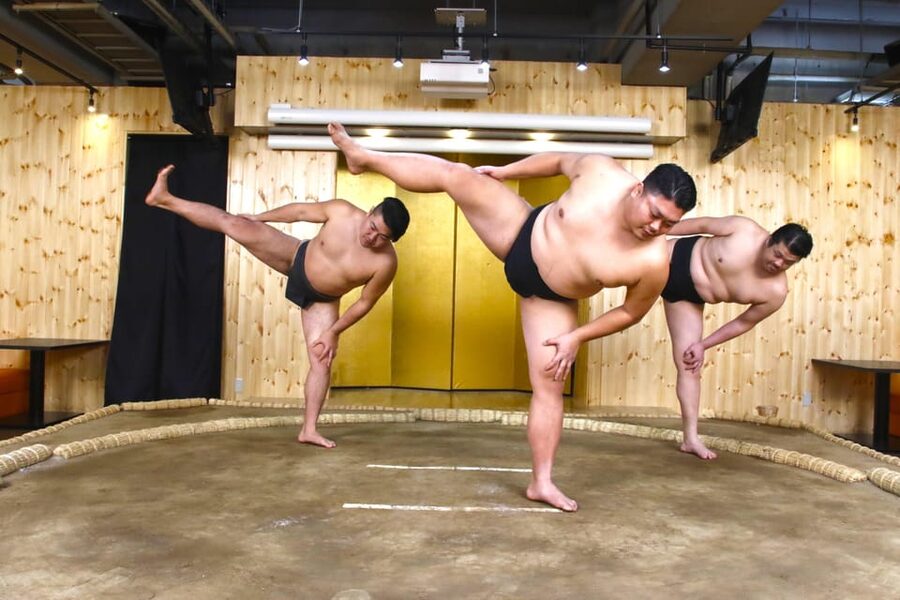
The program begins with an introduction to sumo culture, including its old rituals and the basic do’s and don’ts of the sport. You see demonstrations of morning exercises and learn about the movements wrestlers use before a match.
The explanations are delivered in both English and Japanese by a moderator. Hosts including Lala and Benjamin have been singled out for making the material easy to follow and funny without letting the educational side disappear. That balance is important, especially if you arrive knowing little about sumo.
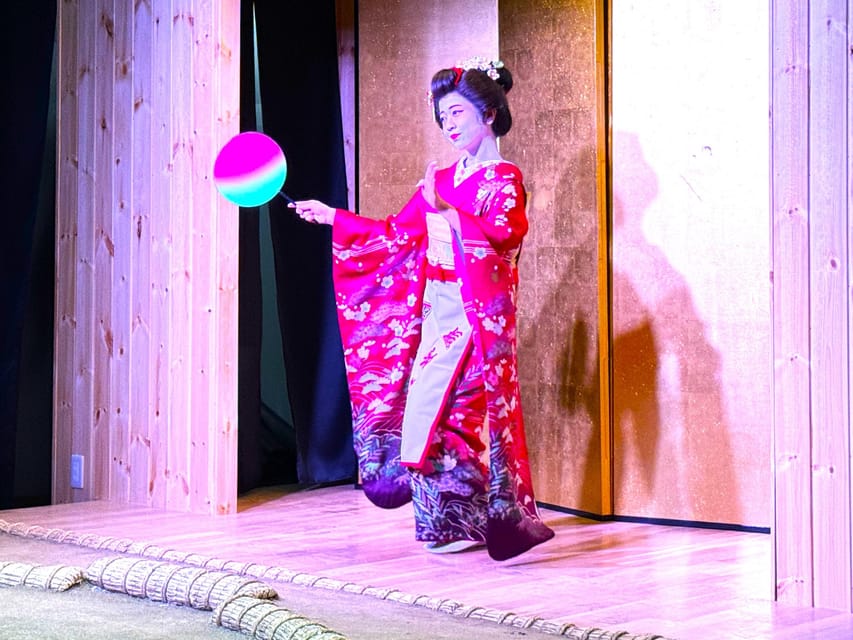
Before the main wrestling begins, a geisha performs a traditional Japanese dance in an elegant kimono. This gives the evening a second cultural layer, though it is a short performance rather than a full geisha arts program.
I appreciate the order of the program. You first see the formal side of sumo, then the show loosens up. The audience can understand the rituals and movements before the wrestlers turn the ring into a stage for comedy, competition, and interaction.
Learning sumo without needing prior knowledge
Sumo can look simple from a distance: two large wrestlers push, pull, and try to force one another out of the ring. The technique is far more varied than that. The show introduces classic moves and explains the rules so you can recognize what is happening during the matches.
You will see more than raw strength. Footwork, balance, timing, posture, and the ability to absorb pressure all matter. The live demonstrations make those ideas easier to grasp than a museum label or a short video.
The bilingual commentary also makes this a practical pick for mixed groups. One person may arrive fascinated by Japanese culture, another may be there for the food, and a child may mainly be waiting for someone to fall over. The format gives each of you something to follow.
It is also a gentle introduction to sumo’s public image. You get history and ritual, but not in a formal lecture. The tone is casual, with the host and wrestlers encouraging laughter and applause.
The main match: retired professionals put on a show
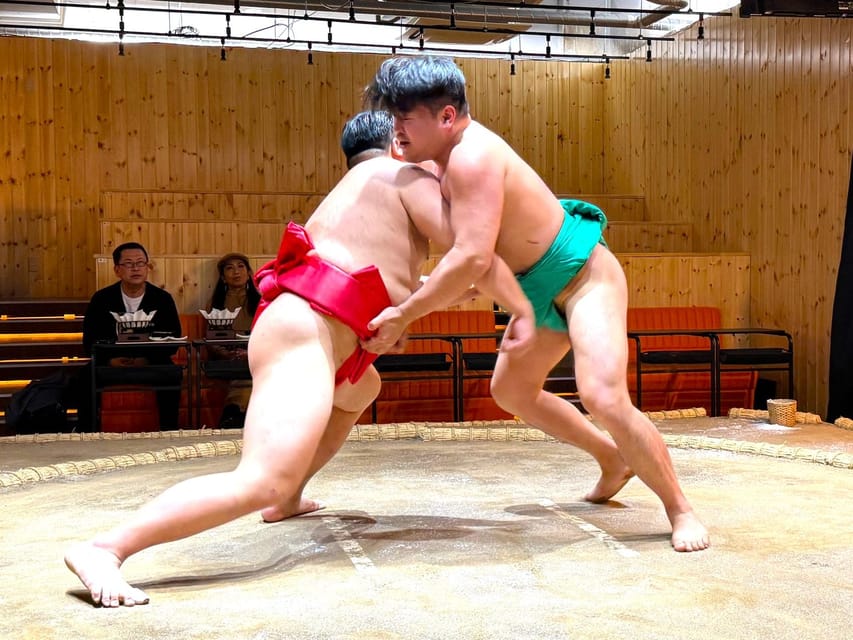
The central performance is a best-of-three match between retired professional sumo wrestlers. These men are no longer competing in official professional bouts, and the match is designed to entertain rather than decide a real championship.
That does not make the action fake or uninteresting. The wrestlers still show impressive size, control, balance, and technique. The difference is that they can pause to explain what they are doing, play up the comic moments, and interact with the audience.
The show works best when you treat it as live cultural theater with real sumo skill. You will cheer, laugh, and learn, but you should not expect the tension or strict rules of a major tournament.
This is where the experience earns much of its appeal. The wrestlers are not distant figures behind a barrier. They respond to the room, invite reactions, and make the event feel personal. Several names appear in audience memories, including Asanokuma, Asanobi, and Anosonobi, though the specific performers may vary.
More sumo mornings and shows:
- Tokyo: Sumo Show and Experience in Shinjuku
★ 4.8 · 1,001 reviews - Tokyo: Sumo Tournament Tour with Chair Seat Tickets
★ 4.6 · 753 reviews - Tokyo:Luxury Sumo Show Experience & Japanese cuisine & Drink
★ 4.7 · 577 reviews - Tokyo: Sumo Morning Practice Viewing Tour
★ 4.8 · 570 reviews
The Sumo Challenge: your chance to enter the dohyo
The audience challenge is the most memorable part for many families and groups. A few people can step into the ring and face one of the sumo wrestlers themselves.
You do not need to be an athlete to volunteer, but you do need to understand that the spots are limited. If too many people apply, the participants are chosen by lottery. In other words, buying a ticket does not guarantee your turn in the dohyo.
This uncertainty is actually useful to know before you arrive. If you are traveling with children who desperately want to challenge a wrestler, set expectations early. Cheer for the selected participants and enjoy the spectacle even if your family is not chosen.
The challenge gives the show a playful ending and turns the audience from spectators into part of the program. Children often enjoy it, but adults are just as likely to volunteer. The tone is humorous and controlled, not a dangerous contest, though anyone with mobility concerns should use good judgment.
Chanko-nabe and what you actually eat
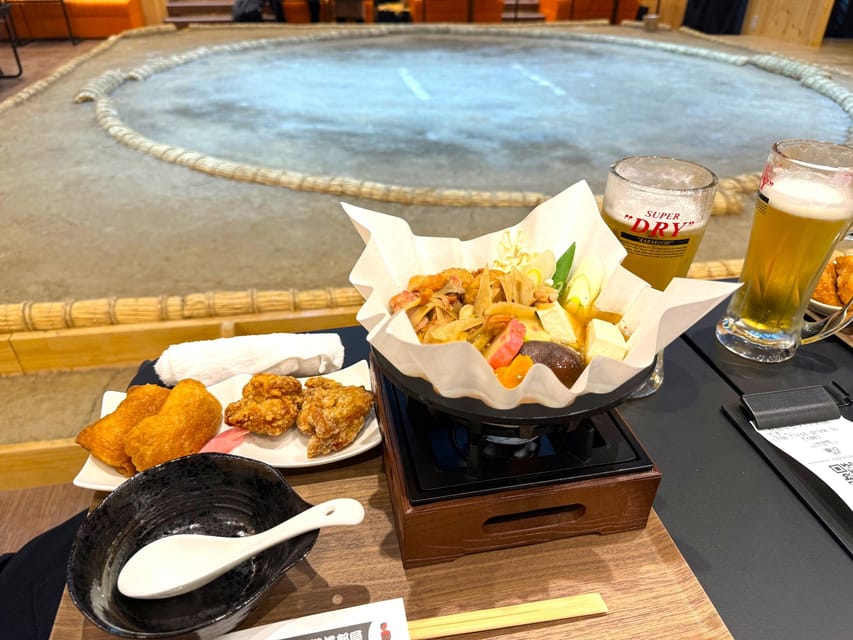
The meal centers on chanko-nabe, the traditional hot pot associated with sumo wrestlers. Here it is served as chicken hot pot, accompanied by Japanese dishes such as edamame, inari sushi, and sweet rolls.
The meal is all you can eat, which makes the $103 price easier to assess. You are not paying only for a short stage performance. The ticket also covers the food, one complimentary drink, the dance, the bilingual presentation, the wrestling, the photo, and the souvenir set.
Extra food can be ordered through a QR code, according to the dining setup. That is handy if you are especially hungry or want more of one item rather than another full serving.
The food receives strong praise overall, though one important qualification appears in the practical details: the meal is not a large restaurant buffet with endless variety. One person described the food as somewhat limited even while saying the show was worth the price. I would think of it as a hearty, focused Japanese meal, not a broad tasting menu.
The hot pot is cooked at the table over an open flame. Paper bowls are used in the setup, which may make some diners nervous. Staff are present, but if open-flame dining worries you, ask about the arrangement when you arrive.
Vegetarian and vegan meals can be arranged, but you must request them at least two days ahead. Gluten-free and halal meals are not available. You may bring your own food for those dietary needs, so plan carefully rather than hoping for a last-minute substitution.
Seating: Standard, VIP, or VVIP?
All three seating levels provide a view of the dohyo, but your choice changes how close you feel to the performance.
Standard seating is the practical option. You get a comfortable place with a clear view and keep the total cost lower. For many people, especially families trying to control the budget, this is enough.
VIP seating places you in the front row. You will see the wrestlers at close range and have a better chance of feeling the force and scale of the action.
VVIP seating offers premium central seats with the most direct and unobstructed view. It makes the most sense for a special occasion, a serious sumo fan, or someone who wants the strongest possible connection to the ring.
I would not automatically pay extra. The room is built around the dohyo, and Standard seating still gives you a clear view. Upgrade if being near the ring matters to you, not because you fear missing the show from the regular section.
The farewell photo and souvenir set
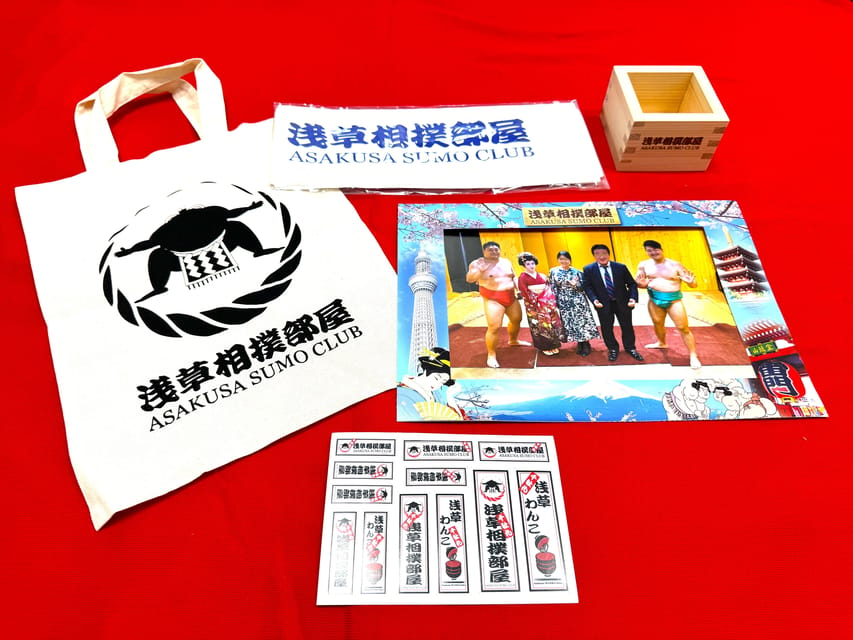
At the end, you receive a printed photo with the sumo wrestlers and geisha, along with a souvenir gift bag or set. The contents can change with the season, so do not book this expecting one exact item.
The framed or printed photo is a particularly useful keepsake because it records the whole concept of the evening in one image. You have the performers, the costumes, and the sumo setting together rather than a generic Tokyo souvenir.
For families, this small detail adds value. Children may remember the moment they entered the ring, while parents get a physical reminder of the evening without needing to arrange their own group photo.
Is the $103 price fair?
The price is not cheap for a two-hour activity, but it covers more than a standard stage show. You receive an all-you-can-eat meal, one drink, bilingual commentary, the geisha dance, the wrestling performance, a chance at the challenge, a photo, and a souvenir set.
The strongest value comes if you would otherwise pay separately for dinner and an evening cultural performance. The food is not presented as luxury cuisine, and the menu is focused rather than vast. Still, the combination is convenient and substantial.
VIP and VVIP pricing should be judged separately from the base value. If the upgrade is modest for your booking date and you care about front-row proximity, it may be worthwhile. If you are booking for a larger family, Standard seats are likely the better financial decision.
The 4.8 rating from more than 6,000 bookings also fits the experience described here: the show is organized, funny, interactive, and easy for first-time visitors. The main mismatch would be someone expecting a serious athletic contest or a stable visit.
Who will enjoy this most?
I would recommend this for families, first-time visitors to Tokyo, multigenerational groups, and anyone who wants a low-pressure cultural evening. Children can follow the humor and physical action, while older adults can enjoy the seating, food, explanations, and dance.
It also suits people who like participation more than passive sightseeing. The audience challenge, cheering, and interaction with the wrestlers give the evening energy.
You should think twice if you need a quiet meal, strict dietary accommodation, or an intimate private setting. You should also choose another activity if your priority is seeing active wrestlers train in an authentic stable environment.
The experience is wheelchair accessible, but accessible seating is limited. Tell the provider when booking if you need it. Infants under one year are not suitable for this activity, and infant meals, seating, and souvenirs are not included.
Timing, cancellations, and practical planning
The show lasts two hours, with start times varying by date and option. Check the available time before booking, especially if you are fitting it around Senso-ji, the Tokyo Skytree, or another Asakusa plan.
The meeting point can vary with the seating or package you choose, so check your confirmation rather than assuming every ticket uses the same entrance. If the regular venue is fully booked, a sister establishment next door may offer a higher-end sumo show with deluxe Japanese cuisine.
Cancellation is flexible up to 24 hours before the activity for a full refund. You can also reserve now and pay later, which helps if your Tokyo schedule is still shifting.
I would arrive ready to participate, even if you have no plan to enter the ring. The best moments often come from the unexpected volunteers, the host’s explanations, and the wrestlers’ response to the crowd.
Should you book the Asakusa Sumo Club show?
Book it if you want sumo explained in plain English, a filling Japanese meal, and a lively evening that works for several generations at once. The retired wrestlers bring real experience, while the format keeps the mood light enough for children.
Skip it if you want a formal tournament, active-stable access, or a refined dinner. For everyone else, the package is well balanced: informative without being stiff, funny without being empty, and interactive without requiring you to volunteer.
I would choose Standard seats for value, VIP for a close-up special occasion, and VVIP only if the central view is a major priority. Request vegetarian or vegan food two days ahead, prepare for the limited challenge spots, and treat the meal as a focused hot pot dinner rather than a full buffet. Those expectations line up well with what this two-hour Asakusa experience actually offers.
FAQ
How long does the Tokyo Sumo Show Experience last?
The experience lasts two hours. Available starting times depend on the date and option you select.
Is this a real professional sumo match?
No. The show features retired professional sumo wrestlers and is designed as entertainment. It is not an official tournament bout or a serious morning practice session.
Is the commentary available in English?
Yes. A moderator provides live commentary in English and Japanese, explaining sumo rules, techniques, rituals, and history.
Is the meal included in the ticket?
Yes. The ticket includes all-you-can-eat chicken chanko-nabe and Japanese dishes, along with one complimentary drink.
Can I order more food or drinks?
Additional drinks are available for purchase, and more food can be ordered using a QR code. The included meal focuses on hot pot and Japanese side dishes.
Can I challenge a sumo wrestler?
You can apply to enter the ring and challenge a wrestler, but the number of participants is limited. If too many people apply, participants are selected by lottery.
Are vegetarian or vegan meals available?
Yes, but vegetarian and vegan meals must be requested at least two days before the activity.
Can the venue provide gluten-free or halal meals?
No. Gluten-free and halal meals are not provided, though you may bring your own food to meet those dietary needs.
Is the experience wheelchair accessible?
Yes, but wheelchair-accessible seating is limited. Tell the provider when booking if you require accessible seating.
More Shows in Tokyo
- Mt Fuji & Hakone Cruise, Drum Show Bullet Train 1 Day from Tokyo
★ 4.0 · 7,413 reviews - Tokyo: Samurai Restaurant Show Ticket with 2 Drinks
★ 4.5 · 1,307 reviews - Mt Fuji & Hakone Cruise, Drum Show Bus 1 Day from Tokyo
★ 4.0 · 1,287 reviews - Tokyo Bay Yakatabune Dinner/Day Cruise with Japan Show and Drinks
★ 4.5 · 473 reviews
Just added around Tokyo
- Private Arrival Transfer : Narita International Airport to Central Tokyo City★ 4.5 · 12 reviews
- Narita Airport(NRT): Private Transfer to Tokyo/Yokohama 1-9pax★ 5.0 · 47 reviews
- Private Transfer from Narita Airport to Yokohama Port and City★ 4.5 · 17 reviews
- [Narita Airport Terminals 1, 2] 40-60km Sawara Itako Historic Bike Tour★ 5.0 · 13 reviews
- 3 Day Japan Highlights Tour: Tokyo, Mt.Fuji, Nara, Kyoto, Osaka★ 5.0 · 22 reviews
- Small Town in the Big City: Tasting Tokyo’s Kichijoji★ 5.0 · 195 reviews
- Small Town in the Big City: Tasting Tokyo’s Kichijoji★ 5.0 · 16 reviews
- The 10 Tastings of Tokyo With Locals: Private Street Food Tour★ 5.0 · 48 reviews
Tokyo Tours, compared.

Mt Fuji and Hakone 1-Day Bus Tour Return by Bullet Train
Read our review →
teamLab Planets TOKYO Digital Art Museum Entry Ticket
Read our review →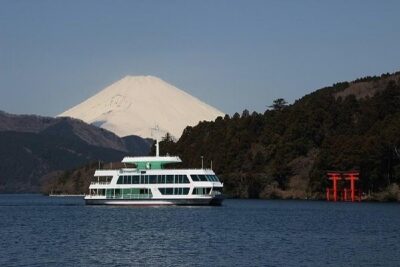
Mt Fuji & Hakone Cruise, Drum Show Bullet Train 1 Day from Tokyo
Read our review →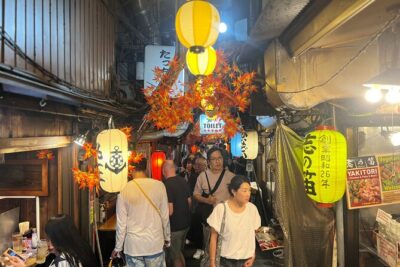
Shinjuku Food Tour (13 Dishes at 4 Local Eateries)
Read our review →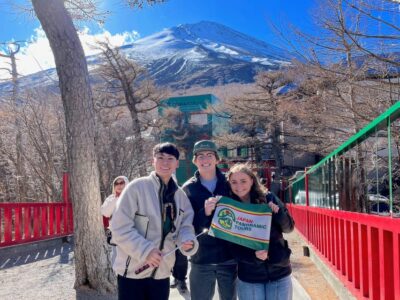
Tokyo Mt Fuji 5th St & Hakone Cruise Bus Tour w/Bullet Train
Read our review →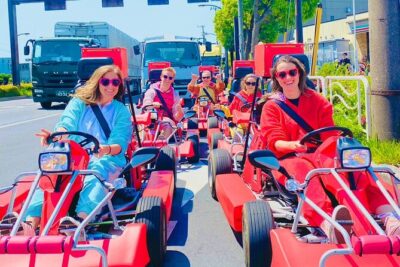
Flagship 2-Hours Official Street Go-Kart Tour – Tokyo Bay Shop
Read our review →
Browse the lists this tour appears in