
Reviewed · KYOTO TOURS
From Osaka/Kyoto: Private Kyoto & Nara Day Trip with Pickup
Nara’s deer, Kyoto’s 10,000 vermilion torii gates, the Golden Pavilion, and Arashiyama’s bamboo all fit into one long day. That is the appeal: you get the Kansai region’s biggest cultural sights without wrestling with several train lines, station transfers, and city traffic on your own.
I like the private car and hotel pickup, especially for families, older visitors, and anyone short on time. I also like the human touch provided by guides such as Steven, Aiko, Keiko, and John, who have helped with restaurant choices, Japanese translation, photographs, and small itinerary changes. The tradeoff is clear: ten hours is a lot of ground to cover, and traffic can reduce time at the final stop. Food and admission tickets are extra, so the $632 price for up to two people needs careful consideration.
Key points to know before booking
- Four major Kyoto and Nara areas in one day: Nara Park, Todaiji, Fushimi Inari, Kinkaku-ji, and Arashiyama are all included.
- Private transport matters here: You travel in an air-conditioned vehicle with hotel pickup and drop-off from Osaka, Kyoto, or Kobe.
- The driver is not automatically a licensed guide: English or Tagalog guidance is included, while a National Licensed Guide costs extra by request.
- The pace is brisk: The planned stops range from 10 to 70 minutes, with substantial driving between cities and districts.
- You pay separately for lunch and admission: Bring cash and allow room in the budget for food, temple tickets, and deer crackers.
- The strongest value is convenience: This works best when you want a smooth sightseeing day, not a slow, highly detailed study of every temple.
Why this private day trip covers so much
This is a sightseeing sprint through two of Japan’s most rewarding cultural cities. Nara and Kyoto are close enough to combine, but their headline sights are spread across different districts. A private vehicle removes much of the friction.
You begin with hotel pickup in Osaka, Kyoto, or Kobe. The exact starting time depends on availability, but the experience lasts ten hours. You should be ready in the hotel lobby ten minutes before pickup and expect a full day that begins and ends at your accommodation.
The private format gives you more control than a fixed coach excursion. If you want more time at a temple, need help with mobility, or would rather stop for ramen than follow a rigid lunch plan, the driver can often adjust the day. Several guides have been praised for doing exactly that, including Steven, who has taken groups to extra locations, and Keiko, who is noted for her patient, flexible approach.
Still, keep your expectations in check. This is not a full guided lecture at every attraction. The host can explain sights, help you buy tickets, wait in line, translate, and get you to the right entrance, but some visits are self-guided. For a detailed account of Buddhist art, temple architecture, and Japanese history, request a National Licensed Guide and pay the additional fee.
A few more Kyoto half-days to weigh up
- PERFECT KYOTO 1-Day Bus Tour
★ 5.0 · 13,518 reviews - Kyoto: Fushimi Inari, Kinkakuji, Bamboo Grove 1 Day Bus Tour
★ 4.8 · 4,316 reviews - 10 Must-see Spots in Kyoto One Day Private Tour (up to 7 people)
★ 5.0 · 1,108 reviews
Nara Park and the deer at Mt. Wakakusa
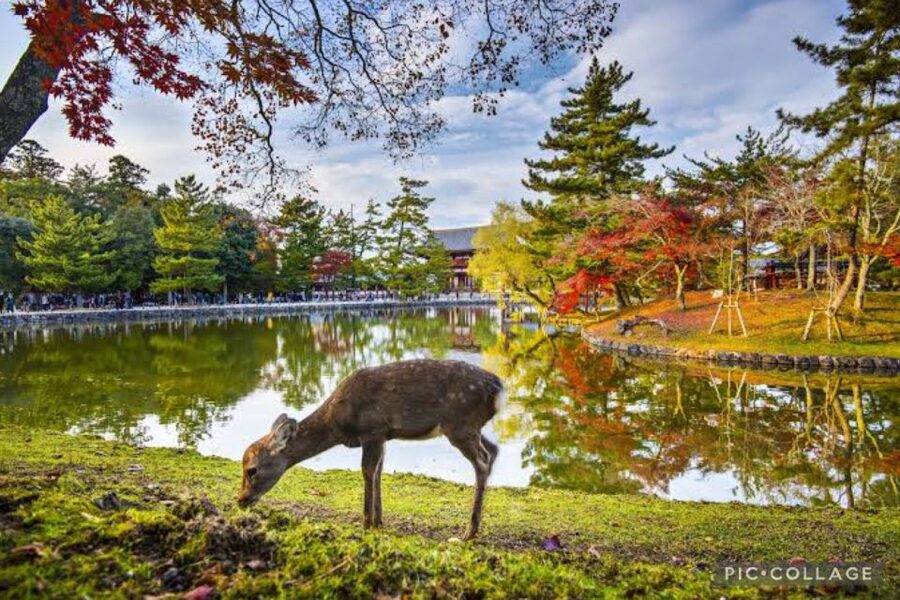
Nara Park is an easy crowd-pleaser. Deer roam freely through a large public park at the foot of Mt. Wakakusa, and you can buy special crackers from vendors to feed them. The deer are used to people and may bow before taking food from your hands, a charming ritual that makes this more than a standard photo stop.
The scheduled visit is about 30 minutes. That is enough to see deer, take photos, and begin the walk toward Todaiji, but it is not a long park ramble. If you enjoy animals or are traveling with children, this may be one of the day’s most memorable moments.
Use a little care with the crackers. Feed them promptly, then show empty hands when the food is gone. The park also has tea houses and snack stops, so you can grab something small if you need it. Food is not included, and this is one of the places where carrying some cash is useful.
The park involves walking, and the route toward Todaiji adds more distance. One guide received especially warm praise for assisting two visitors with disabilities step by step, but you should still discuss mobility needs when booking. The private car helps with the long transfers, not with every footpath inside the sights.
Todaiji’s Great Buddha Hall
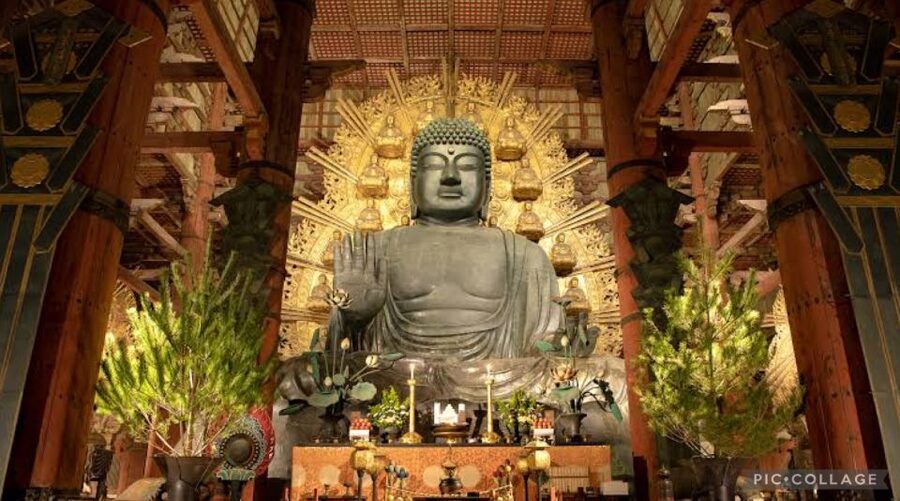
From Nara Park, you reach Todaiji, or the Great Eastern Temple. Its Daibutsuden, known as the Big Buddha Hall, contains a bronze Buddha statue about 15 meters tall. The scale is the point. After the open park and small deer, you enter a vast wooden temple hall built to frame an imposing religious image.
The scheduled temple visit lasts about 40 minutes and is self-guided. Your host can help with ticket purchase and the entrance process, but do not expect a formal tour inside unless you have requested the licensed guide option.
Todaiji is a UNESCO World Heritage Site and one of Japan’s most important Buddhist temple complexes. Even a short visit gives you a strong sense of why Nara mattered as an early center of Japanese culture and religion. I would give the hall your full attention rather than rushing through it for photos.
Admission is not included. The price is easy to overlook when comparing this excursion with a car-only transfer, so add temple entry costs to your calculation. You should also bring your passport, cash, and any personal medication you need for a ten-hour outing.
Arashiyama, lunch, and the Katsura River
Arashiyama brings a different mood. The area is known for bamboo, river views, traditional streets, and the Togetsukyo Bridge. The planned stop is 70 minutes and includes lunch, sightseeing, shopping, and scenic views along the way.
That sounds generous until you consider what Arashiyama contains. In one short visit, you may be choosing between food, shops, the river, the bamboo path, and the Kimono Forest. Your driver can suggest a restaurant, and several guides have helped arrange ramen lunches or pointed groups toward local places. Lunch itself is not included, so ask for a recommendation if you prefer not to spend time choosing.
The Togetsukyo Bridge gets its own 10-minute stop. It crosses the Katsura River and gives you a classic Arashiyama view, especially when the surrounding trees change color in autumn or flower in spring. Ten minutes is enough for a photograph and a quick look, but not for a leisurely riverside walk.
The main caution here is crowding and timing. Arashiyama is one of Kyoto’s best-known areas, and the bamboo path can feel busy. The car gets you close, but it cannot remove the crowds or replace walking. Wear comfortable shoes and keep your belongings easy to carry.
Same base, a completely different sort of day:
- Kyoto: Tea Ceremony in a Traditional Tea House in Kiyomizu
★ 4.9 · 3,519 reviews - Kyoto Geisha Walking Tour: Gion District & Hidden Gems
★ 4.7 · 3,273 reviews - Kyoto: Tea Ceremony Ju-An at Jotokuji Temple
★ 4.9 · 3,207 reviews - Kyoto: Gion Magical Night Walking Tour with Geisha Trivia
★ 4.9 · 2,393 reviews
The Kimono Forest and bamboo path
The Kimono Forest is a brief 10-minute photo stop near Arashiyama. Its repeated textile-patterned columns create a colorful, modern counterpoint to the nearby bamboo. It is a quick stop, not a museum visit, but it gives you a different set of photographs from the temples and deer.
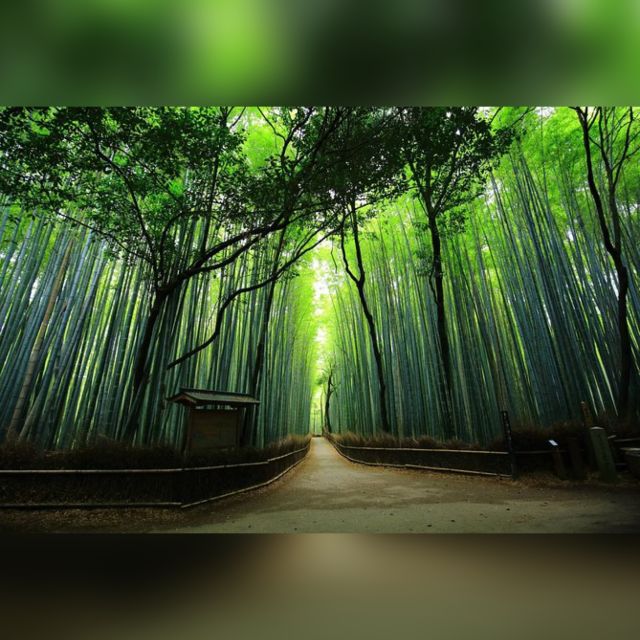
The Arashiyama Bamboo Forest follows for about 30 minutes. Soaring bamboo stalks create the visual effect, with narrow paths running between them. You will want to look upward as well as ahead, since the height of the bamboo is what makes this place special.
Thirty minutes is enough for a purposeful walk and photos. It is not enough for an unhurried exploration of every nearby path. The stop is also dependent on traffic and the day’s schedule, so do not book this excursion expecting a quiet, solitary bamboo experience.
The Sagano Romantic Train is mentioned as an optional possibility, with spring cherry blossoms and autumn maple color as seasonal attractions. The supplied schedule does not assign it a fixed stop or include its ticket, so treat it as something to discuss with your host rather than a guaranteed part of the day. If the train is important to you, ask before booking.
Kinkaku-ji and its gold-covered upper floors
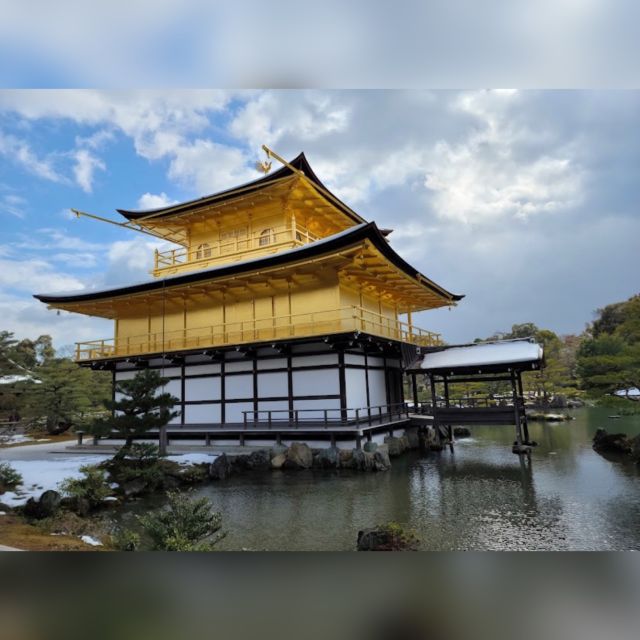
Kinkaku-ji, the Golden Pavilion, is a Zen temple in northern Kyoto. Its upper two floors are covered in gold leaf, and the building reflects in the surrounding setting. The building itself is the star, so this is a good stop even if you have limited time for temple interiors.
The planned visit lasts about 40 minutes and is self-guided. You walk through the grounds, stop at the main viewing points, and continue along the prescribed route. Your host can guide you to the entrance and help with tickets, but the attraction is not presented as a full private lecture.
Kinkaku-ji works well in a packed itinerary because you can appreciate its main view quickly. The downside is that 40 minutes may feel short if you want to study the gardens or pause at every viewpoint. Admission is extra, and the grounds require walking.
Traffic is the wild card. One especially useful account of the day noted that road congestion cut into time at the last stop, while another described the driver navigating difficult traffic skillfully. A private car gives you more control over routing, but it cannot make Kyoto’s roads empty.
Fushimi Inari’s seemingly endless torii gates
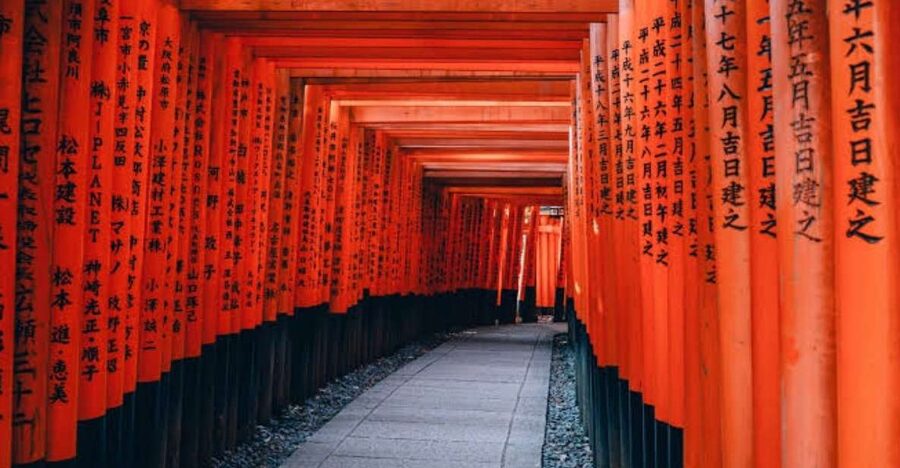
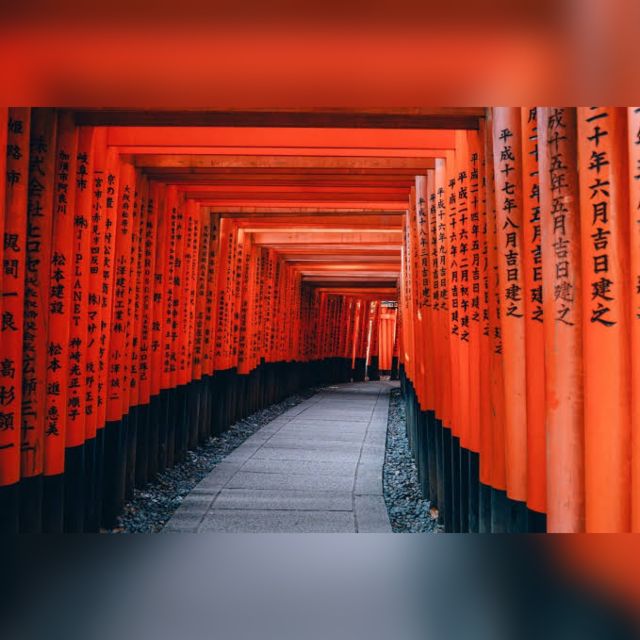
Fushimi Inari Taisha is the day’s most dramatic walking stop. Thousands of vermilion torii gates form tunnels up the wooded slopes behind the shrine. You can walk through an initial section in about 40 minutes and get the famous photographs without attempting the entire mountain route.
The word torii refers to shrine gates, and here they appear in near-continuous rows. Their color, repetition, and uphill path make Fushimi Inari feel different from Kinkaku-ji’s polished garden setting or Todaiji’s enormous hall.
The scheduled visit is guided, but the walking itself is at your pace. If you want to climb farther, you may need to discuss how that affects the rest of the schedule. The day already includes Nara Park, Todaiji, Arashiyama, the bridge, the Kimono Forest, bamboo, and Kinkaku-ji.
I would treat Fushimi Inari as a place where you choose a sensible turnaround point. The first gate-lined paths provide the visual reward. Going farther is possible, but it adds exertion and time.
What the private vehicle and host add
The vehicle is air-conditioned, private, and included with hotel pickup and drop-off. That matters when you are moving between Osaka, Nara, and several Kyoto districts in one day. You can leave your hotel without planning a chain of train connections, and you have a fixed place to return to after each walk.
The group is private, so you are not sharing the day with strangers or waiting for a large bus to load. That makes it easier to take photographs, stop for food, or adjust the order when traffic or personal interests call for a change.
The driver-host role varies. English and Tagalog are available, and names frequently praised for friendly help include Steven, Aiko, Keiko, John, Bong Yamaguchi, and others. Do not assume you will receive one particular person unless the booking team confirms it.
The most useful help may come outside the temples. Hosts have assisted with translation, lunch reservations, photos, ticket purchases, and finding meeting points. One guide even helped a group include a street near Yasaka Pagoda and Yasaka Koshindo when the group had a particular photograph in mind.
That flexibility is a major reason to choose a private day. Before pickup, tell your host what matters most. If you want longer temple visits, a specific lunch, more photo time, or fewer shopping stops, make that clear at the start.
Price, inclusions, and the real value
The listed price is $632 per group of up to two people. Hotel pickup and drop-off, private air-conditioned transport, and an English-speaking or Tagalog host are included. Food, drinks, and entry tickets are not.
For two people, the price can make sense if convenience is your main concern. You are paying for a private vehicle, a full ten-hour day, door-to-door service, and the ability to avoid doing the route yourself. This is especially useful if you are staying in Osaka or Kobe and want to see Kyoto and Nara without changing hotels.
The value is weaker if you are comfortable using trains, are traveling alone, or want only one or two of these sights. Public transport can be less costly, though it requires your own planning and does not provide a driver who can help with translation, restaurants, photos, or ticket lines.
A past four-person booking was described as costing about $900 and was judged too expensive when lunch and entry fees were added separately. That is a fair warning about group economics. The advertised rate here covers up to two people, so confirm the price for your party size and ask about every extra charge.
Kobe Port Terminal and Maizuru Port Terminal pickup and drop-off require an additional charge. Port pickup should be confirmed before you book, especially if your ship schedule is tight. The standard pickup options are hotels in Kyoto, Osaka, and Kobe.
Free cancellation is available up to 24 hours before the start time, and you can reserve now and pay later. Those terms help if your sightseeing plans are still shifting, but they do not remove the need to check the start time and pickup address carefully.
Who will get the most from this day
I would recommend this experience to you if:
- You have only one day for Kyoto and Nara.
- You prefer private transport to several train and bus connections.
- You are traveling with family or older relatives.
- You want help with Japanese translation, restaurants, photos, and ticket lines.
- You are staying in Osaka or Kobe and want hotel pickup.
- You care more about seeing the major sights than spending hours at one temple.
I would be more cautious if you want a slow cultural tour. The planned visits are short, and four separate Kyoto and Nara areas create a demanding schedule. A second day would give you more time for Arashiyama, Fushimi Inari, or Nara Park, but this excursion is designed for a concentrated first look.
Mobility deserves an honest conversation before booking. The car reduces transfer stress, and one host provided extensive assistance to visitors with disabilities. Still, the attractions include walking, temple grounds, bridges, and shrine paths, so tell the provider what help you need.
Final verdict: a strong convenience tour with a fast pace
Book this private day if you want the biggest Kyoto and Nara sights in one organized push. The deer at Nara Park, Todaiji’s huge Buddha, Fushimi Inari’s red gates, Kinkaku-ji, and Arashiyama give you a memorable sweep of the region.
The tour earns its price through transport and flexibility, not through included meals or an in-depth temple lecture. Ask for a licensed guide if detailed interpretation matters to you, confirm port surcharges, and budget separately for tickets and food.
My practical advice is to tell your host your top two priorities before the day begins. If traffic forces a choice, you will get more value by protecting the experiences that matter most to you rather than trying to linger everywhere. For a first visit and a tight schedule, this is a useful, comfortable way to cover a lot of ground.
FAQ
Where can I be picked up and dropped off?
Pickup and drop-off are available from hotels in Kyoto, Osaka, or Kobe. Kobe Port Terminal and Maizuru Port Terminal service requires an additional charge.
How long does the tour last?
The experience lasts 10 hours. You should wait in your hotel lobby 10 minutes before the scheduled pickup time.
Is the tour private?
Yes. The activity is for a private group, with transportation in an air-conditioned vehicle.
Is a licensed tour guide included?
An English-speaking or Tagalog driver-host is included. A National Licensed Guide is available only by request and costs extra. The host provides help with tickets and lines, but a full guided tour of each attraction is not included.
Are meals and entrance tickets included?
No. Food, drinks, and entry tickets are separate expenses. Bring cash for personal purchases and admission costs.
Can I cancel or pay later?
You can cancel up to 24 hours in advance for a full refund. Reserve now and pay later is also available.
Just added around Kyoto
- Kyoto: Zen Meditation at a Private Temple with a Monk★ 5.0 · 25 reviews
- Kyoto: Gion Geisha District & Sake-in-Hand Walking Tour★ 5.0 · 37 reviews
- Private Pewter Sake Cup Experience with a Kyoto Artisan★ 5.0 · 31 reviews
- Your Private Vacation Photography Session In Kyoto★ 5.0 · 110 reviews
- Private Guided Traditional Buddhist Cooking in Japan★ 5.0 · 16 reviews
- Kyoto Wagashi(Japanese sweets) Cooking Class near Fushimiinari★ 5.0 · 60 reviews
- Traditional Japanese Music show & Experience Tour in Kyoto★ 5.0 · 57 reviews
- Kyoto:Family-Friendly Kimono & Yukata Experience at WARGO★ 5.0 · 147 reviews
Kyoto Tours, compared.


Fushimi Inari, Kinkakuji, Bamboo Grove 1 Day Bus Tour
Read our review →
Tea Ceremony in a Traditional Tea House in Kiyomizu
Read our review →
Kyoto Geisha Walking Tour: Gion District & Hidden Gems
Read our review →

Gion Magical Night Walking Tour with Geisha Trivia
Read our review →

Gion Geisha District Walking Tour – Stories of Geisha
Read our review →Browse the lists this tour appears in