
Reviewed · NAGOYA TOURS
Kimono Rental and Tea Ceremony Experience in Inuyama
Inuyama gives you a fine way to pair two Japanese traditions without the crowds and high cost often found in better-known cultural centers. You choose a kimono at Inuyama Komachi, receive help getting dressed, then walk to a temple teahouse near national treasure Inuyama Castle for a formal tea ceremony and your own bowl of matcha.
I like two things especially. First, the tea lesson is not just a performance: you actually whisk the matcha yourself and learn why each movement matters. Second, the kimono rental lasts for the day, so you can keep exploring the castle town, castle area, and local food spots after the scheduled experience ends.
The main consideration is comfort and time. A kimono can feel restrictive, and the tea ceremony follows formal steps that require patience. Hair styling, accessories, and transportation are extra, so the final cost can rise above the listed $97.98 per person.
Key details before you book
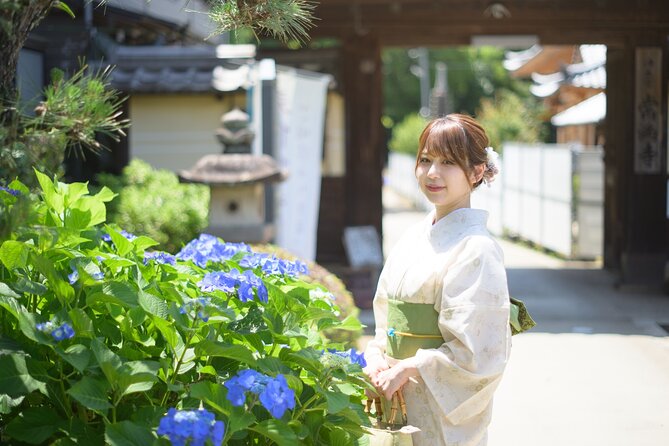
- Choose your kimono at Inuyama Komachi: The experience begins in the castle town, with staff dressing you before the cultural portion starts.
- Make matcha yourself: You do not simply watch a tea ceremony. You take part in preparing and drinking the tea.
- Visit a temple teahouse near Inuyama Castle: The setting adds a quiet, traditional feel to the lesson.
- Keep the kimono for the day: After the 2.5-hour activity, you can continue sightseeing and eating nearby in your rented outfit.
- Private for your group: Only your own party participates, which can make the instruction easier to follow.
- Plan for extra charges: Accessories cost ¥550 per person and a hair set costs ¥2,200 per person. Transportation is not included.
Why Inuyama is a smart setting for this experience
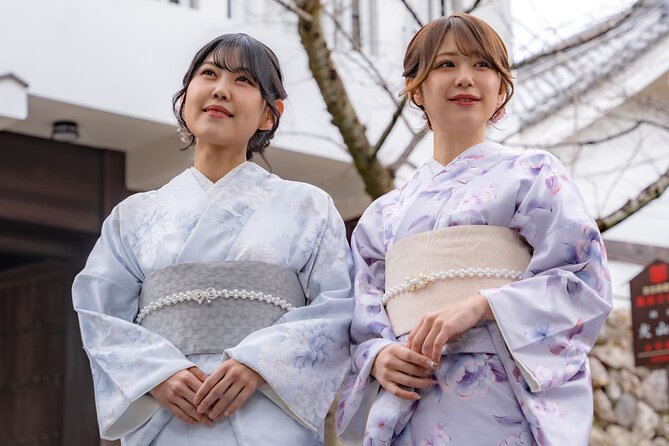
Inuyama is a strong choice for a cultural activity because the kimono walk and tea ceremony fit naturally into the town. You are not being dressed only for a staged photo session in an isolated studio. You begin in the historic castle town and can continue through the same old streets after the formal lesson.
The experience takes place close to Inuyama Castle, one of Japan’s national treasures. That location matters. After learning the quiet customs of the tea room, you can spend more time in a setting tied to the country’s castle-town past.
The town also gives you an alternative to the usual Kyoto plan. You may find the atmosphere calmer and more nostalgic, with enough traditional character to make the kimono feel at home. The activity does not promise a full historical tour of Inuyama, so you should think of it as a cultural introduction followed by free time, not as a guided sightseeing circuit.
The 11:00 a.m. start works well for a day visit. You can get dressed, complete the tea ceremony around early afternoon, and still have time for the castle and surrounding streets. If you want to eat local food or take photographs in the kimono, the day-long rental gives you useful flexibility.
More tea ceremonies in Nagoya:
- Nagoya: Japanese Traditional Sweets making and Tea Ceremony
★ 4.9 · 76 reviews - Experience Japanese calligraphy & tea ceremony at a traditional house in Nagoya
★ 5.0 · 16 reviews - Kyoto: Tea Ceremony in a Traditional Tea House in Kiyomizu
★ 4.9 · 3,519 reviews
Getting dressed at Inuyama Komachi
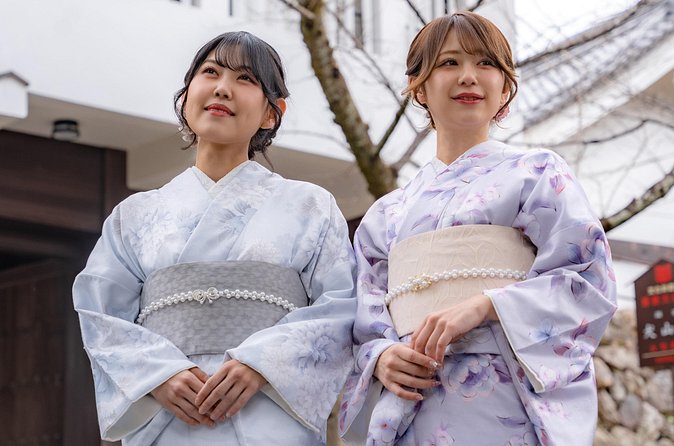
Your first stop is Inuyama Komachi, at 213 Nishikoken, Inuyama, Aichi 484-0081. The staff help you select a kimono and dress you for the walk. This is important for first-time visitors, since wearing a kimono involves more than putting on a robe and tying a belt.
The choice of kimono gives you some personal control over the look of the day. You can select a style that suits your taste, then leave the actual dressing to the shop staff. That keeps the experience practical and avoids the awkwardness of trying to manage the layers yourself.
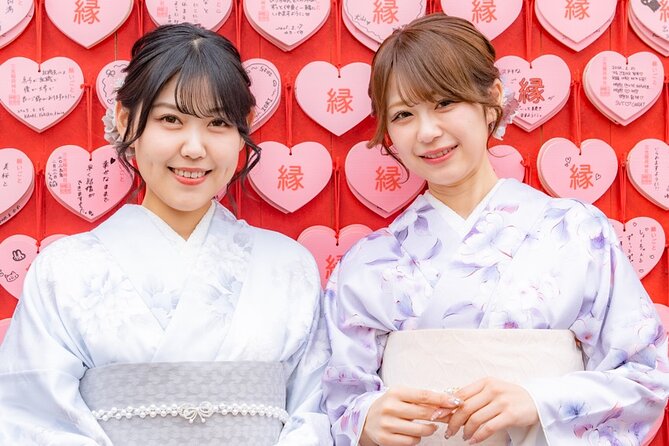
The listed price includes the kimono rental, but not every styling option. If you want an accessory, allow an additional ¥550 per person. A hair set costs ¥2,200 per person. These extras are optional, but they can matter if you are planning formal photographs or want a more finished appearance.
The supplied details do not specify the range of kimono styles, the exact dressing time, or footwear. You should confirm any personal preferences with the provider after booking, especially if you have a particular color, size, or hairstyle in mind.
Once dressed, remember that you are wearing traditional clothing for the next part of the activity. Move at an easy pace and avoid planning a rushed schedule immediately before or after the appointment. The kimono is part of the cultural experience, but it is also an outfit with limited freedom of movement.
Learning the formal tea ceremony
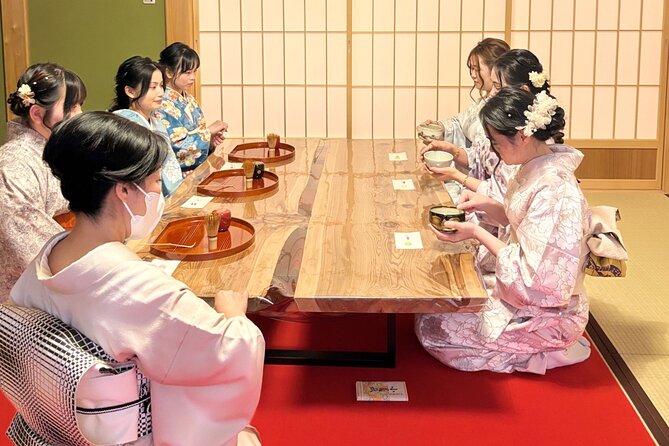
The tea ceremony takes place in a teahouse within a temple near Inuyama Castle. This setting is one of the strongest parts of the experience. A tea ceremony can feel abstract in a busy shop or a modern room, while a quiet temple setting helps you notice the small gestures and the calm rhythm.
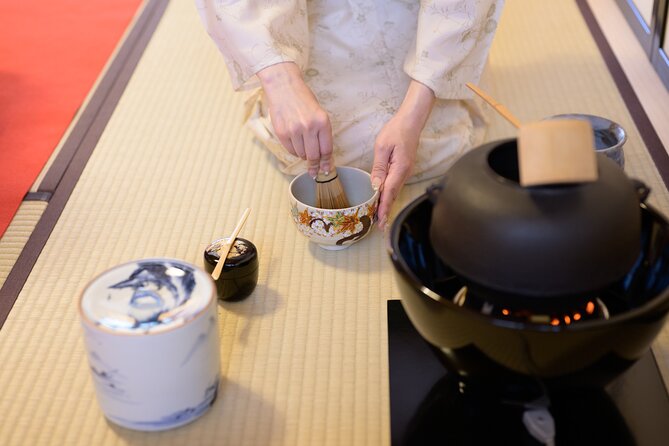
You will learn the formal process and then make matcha yourself. The lesson explains that each action has meaning, rather than treating the tea as a quick drink served for tourists. You can expect guidance through the movements, preparation, and tasting.
The ceremony is described as authentic and traditional, with an emphasis on the older method of preparing tea. That does not mean you need prior knowledge. The instruction is designed for beginners, and the private format means your own group takes part rather than being mixed with a large public crowd.
Language may require a little patience. The experience has been successfully explained through gentle, slow communication even when the instructor and participants did not share the same first language. The available information does not name the tea teacher or promise interpretation in a particular language, so do not book this expecting a full lecture in English, Chinese, or another language unless the provider confirms it.
The formal steps are part of the point. You may need to sit quietly, watch closely, and follow instructions in order. One useful detail is that the tea ceremony does not require you to sit on your knees at all times. That makes it more approachable, especially if you are concerned about maintaining a traditional posture for the whole session.
You can expect matcha to taste earthy and somewhat bitter. The appeal here is not simply the flavor. It is the chance to prepare the tea, understand the gestures, and enjoy a pause from the faster pace of sightseeing.
What the tea room adds to the visit
The tea room creates a clear change of pace. Inuyama’s streets and castle area invite walking and photographs, while the ceremony asks you to slow down and pay attention. I like that contrast because it gives the day more shape than a basic kimono rental.
The experience also works well for people who want culture without a long lecture. You learn through action: watching the preparation, copying the method, and drinking what you make. That practical format can help you remember the customs better than a short explanation at a museum.
The ceremony lasts as part of an activity of about two hours and 30 minutes, including the kimono portion. That is enough time for a meaningful introduction but not enough for an exhaustive study of tea traditions. If you are already familiar with Japanese tea practice, you may find the formal process pleasantly familiar rather than new.
The private arrangement is useful for families, couples, or a group of friends. Your party can learn together, and the teacher can guide the group without the distraction of strangers. A larger party can still work: a group of eight has taken part successfully, though a bigger group may naturally make the lesson feel less intimate.
More kimono rentals in Nagoya:
- Kimono Tea Ceremony at Kyoto Maikoya, NISHIKI
★ 5.0 · 911 reviews - Kyoto: Kimono Rental with Hairstyling and Accessories
★ 4.8 · 653 reviews - Kyoto: Kimono Tea Ceremony at Orizuruya Gion
★ 4.9 · 618 reviews - Osaka: Sumo Show & Experience w/ Optional Kimono & Hot Pot
★ 4.5 · 609 reviews
Walking Inuyama in a kimono
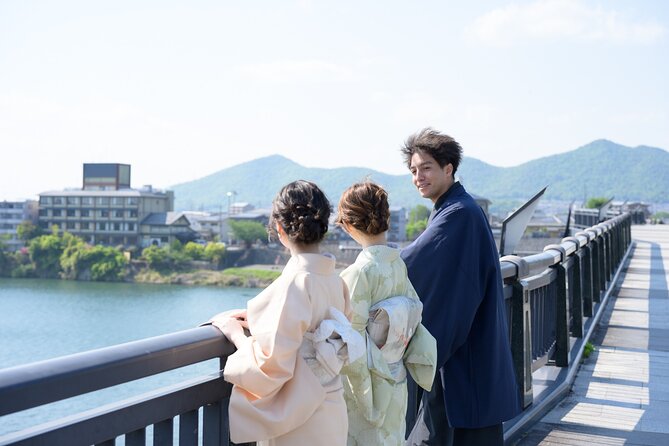
After the ceremony, the rental remains yours for the day. This changes the value of the booking. You are paying for a scheduled cultural lesson, but you also gain the chance to use the kimono while seeing more of Inuyama.
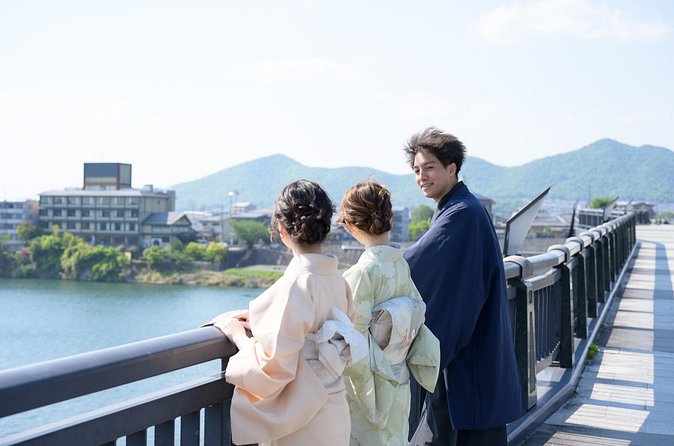
You can stroll around Inuyama Castle and the historic streets, stopping for local food and photographs. The experience provider does not include a guided walk, entrance tickets, food, or a set sightseeing route, so you are free to arrange this time as you like.
That freedom is a plus, but it requires some planning. If you want to visit the castle, check its separate admission and opening details before you arrive. The activity information confirms the castle’s proximity but does not state that castle admission is included.
The old streets should be treated as part of your own exploration. You may find the kimono makes ordinary stops feel more special, from browsing local shops to pausing for a snack. At the same time, the outfit may make long walks less comfortable. Keep your post-tour plans realistic, especially if you want to climb, hurry, or cover a large area.
For photographs, the timing is helpful. You are already dressed before the tea ceremony, so you can take pictures in the quieter temple setting and later in the castle town. The day-long rental lets you wait for a better angle or return to a street you passed earlier instead of squeezing every photograph into the first few minutes.
Is $97.98 a fair price?
At $97.98 per person, this is not a low-cost kimono rental. The value depends on whether you want both the outfit and the hands-on tea lesson.
A basic rental may cost less if all you want is to wear a kimono for photographs. This activity gives you more: assisted dressing, a tea ceremony in a temple teahouse, instruction in making matcha, and use of the kimono for the rest of the day. For someone interested in Japanese customs, that combination makes the price easier to justify.
The day-long rental is the key financial benefit. You do not need to return immediately after the ceremony, so you can fold the kimono into a wider Inuyama visit. If you only attend the tea ceremony and leave at the end of the scheduled period, you will not get the full value available.
Budget separately for the optional extras. Accessories add ¥550 per person, and a hair set adds ¥2,200 per person. Transportation to the meeting point is also your responsibility. The listed price includes the kimono rental and tea ceremony, but not those additions or other sightseeing costs.
The activity is private, which can also affect your judgment of value. You are not paying for a large group event. Your own party takes part, and the small setting may be worth more to you if personal instruction and a quieter mood matter.
Timing, meeting point, and practical planning
The start time is 11:00 a.m. at Inuyama Komachi. The activity ends back at the same meeting point, which makes the day easier to organize. You can return the kimono there after your sightseeing time is over, according to the rental arrangement.
The exact return time is not provided, so confirm it before setting a late afternoon or evening plan. The phrase day-only rental indicates that you return the kimono on the same day, not keep it overnight.
The shop is near public transportation, but the activity does not include transport. Check your route to Inuyama in advance and allow enough time to reach the shop before 11:00 a.m. The meeting address is written in Japanese as いぬやま小町, which can help when searching on a map.
Confirmation is sent within 48 hours of booking, subject to availability. That means you should avoid making tight, nonrefundable connections around the activity until your booking is confirmed.
Free cancellation is available if you cancel at least 24 hours before the local start time. A cancellation within 24 hours is not refunded, and changes inside that window are not accepted. The activity also requires a minimum number of participants, so if the provider cancels because that minimum is not reached, you are offered another date or experience, or a full refund.
Who will enjoy this most
I would choose this for you if you want a slower cultural experience and prefer taking part over watching. It suits first-time visitors who want to try a kimono, couples looking for a memorable shared activity, families with an interest in Japanese customs, and small groups of friends who want photographs plus something more substantial.
It is also a good fit if you have already seen major Japanese cities and want a quieter setting. Inuyama gives the experience a sense of place, while the tea room provides a calm break from ordinary sightseeing.
You may want another activity if your main goal is a long castle tour, a full-day guided history walk, or a highly detailed lesson in tea ceremony theory. The available format is compact and practical. It introduces the customs, lets you perform the main actions, and then leaves you to explore on your own.
People with mobility or posture concerns should ask the provider for current details before booking. The ceremony does not require kneeling for the entire time, but the information does not provide a full accessibility description or explain every seating arrangement.
Should you book the Inuyama kimono and tea ceremony?
Book it if you want a hands-on cultural experience that continues beyond the scheduled lesson. The combination of kimono, matcha preparation, a temple teahouse, and free time near Inuyama Castle gives you more substance than a quick costume rental.
The strongest reason to choose it is the balance between structure and freedom. You receive guidance during the tea ceremony, then keep the kimono for your own walk through town. The main drawbacks are the extra styling charges, separate transport costs, uncertain return details, and the fact that the formal ceremony may feel slow if you want nonstop sightseeing.
For most first-time participants, the price is reasonable when you use the kimono for the rest of the day and value the private instruction. Arrive with time to spare, budget for optional hair and accessory services only if you want them, and leave room for a relaxed walk after the tea ceremony.
FAQ
Where does the experience begin?
It begins at Inuyama Komachi, located at 213 Nishikoken, Inuyama, Aichi 484-0081, Japan.
What time does the activity start?
The scheduled start time is 11:00 a.m.
How long does the experience last?
The activity lasts approximately two hours and 30 minutes.
What is included in the price?
The price includes kimono rental and the tea ceremony experience.
Can I make matcha myself?
Yes. You take part in preparing matcha during the tea ceremony and then savor the tea.
Are hair styling and accessories included?
No. Accessories are available for ¥550 per person, and a hair set costs ¥2,200 per person.
Can I cancel for a full refund?
Yes, if you cancel at least 24 hours before the experience start time. Cancellations or changes made less than 24 hours before the start are not refunded or accepted.
Just added around Nagoya
- Walking Small-Group Nagoya City Tour★ 5.0 · 13 reviews
- Nagoya Endoji Food and Cultural Tour★ 5.0 · 12 reviews
- Pub Crawl in Nagoya★ 5.0 · 15 reviews
- Sumo Tournament Experience in Nagoya★ 5.0 · 12 reviews
- Nagoya Street Food Walking Tour of Osu★ 5.0 · 28 reviews
- Nagoya: 2026 Hida Takayama Shirakawa-go Light-up Winter Tour★ 3.5 · 16 reviews
- Private Full-day Nagoya City Tour★ 5.0 · 22 reviews
- Specialties of Nagoya Food Tour★ 5.0 · 12 reviews
Nagoya Tours, compared.

![Hiking the Historic Nakasendo Trail [1 Day Tour from Nagoya]](https://media3.thejapanesetraveller.com/wp-content/uploads/hiking-the-historic-nakasendo-trail-1-day-tour-from-nagoya-400x267.jpg)
Hiking the Historic Nakasendo Trail [1 Day Tour from Nagoya]
Read our review →
Nagoya Highlight Tour guided by a friendly local
Read our review →
Japanese Traditional Sweets making and Tea Ceremony
Read our review →
Magome-juku, Tsumago-juku & Ena-kyo 1d Bus Tour from Nagoya
Read our review →
Nagoya Full-day Private Custom Tour with National Licensed Guide
Read our review →Browse the lists this tour appears in