
Reviewed · KYOTO TOURS
Kyoto Private Tour: One Day Highlights and Cultural Gems
Kyoto’s big sights come in a neat seven-hour package here, but the real appeal is the private guide who can explain what you are seeing and adjust parts of the day to suit your group. You move from old teahouse lanes and a working shrine to Zen art, market snacks, and the famous red gates of Fushimi Inari.
I like the personal pace and the smart mix of places. Gion and Kennin-ji give you a feel for traditional Kyoto, while Nishiki Market and Fushimi Inari add food, daily life, and one of Japan’s most recognizable walks. The main catch is that lunch is not included, and public transportation means you should expect some walking and regular city travel rather than door-to-door rides.
Key points to know before booking
- Private sightseeing for your group: You will not be combined with other participants, so questions and small itinerary changes are easier to manage.
- Five contrasting Kyoto stops: Gion, Yasaka Shrine, Kennin-ji Temple, Nishiki Market, and Fushimi Inari each show a different side of the city.
- Public transportation is included: Hotel pickup and drop-off are available within Kyoto City, but private taxis, cars, and buses are not part of the price.
- A seven-hour cultural day: The schedule gives you a broad introduction, though each stop receives limited time.
- Food needs can be discussed: Guide Aki has made advance efforts to find halal and vegetarian dining, a useful point for guests with dietary restrictions.
- Best for first-time Kyoto visitors: The route covers famous sights efficiently while leaving room for a guide to explain customs and local context.
A private route through Kyoto’s old and living culture
Kyoto can feel spread out, even when its sights look close together on a map. This tour tackles several key areas in one day, using public transportation and a guide who can help your group make sense of the city as you go.
The route brings together five very different stops. Gion gives you traditional streets and tea-house scenery. Yasaka Shrine adds a major place of worship with a strong festival tradition. Kennin-ji shows you Zen temple architecture and art. Nishiki Market brings you into the city’s food and shopping life. Fushimi Inari finishes the day with a walk beneath thousands of red torii gates.
That variety is the chief strength. You are not spending seven hours looking at similar temple buildings. You get a broad sample of Kyoto, though the tradeoff is that none of the stops receives a full afternoon. If you want long photography sessions or extended time inside each temple, a self-guided day focused on two or three sights may suit you better.
The experience costs about $145.35 per person. For a private seven-hour tour with an English-speaking guide, Kyoto City pickup and drop-off, public transportation, local taxes, and participant photos, that can be a fair price for a small group. It is less attractive if your group is large enough to manage transport and sightseeing easily on its own, or if you mainly want admission tickets and minimal guiding.
A few more Kyoto half-days to weigh up
- PERFECT KYOTO 1-Day Bus Tour
★ 5.0 · 13,518 reviews - Kyoto: Fushimi Inari, Kinkakuji, Bamboo Grove 1 Day Bus Tour
★ 4.8 · 4,316 reviews - 10 Must-see Spots in Kyoto One Day Private Tour (up to 7 people)
★ 5.0 · 1,108 reviews
Gion: traditional streets with a modern crowd
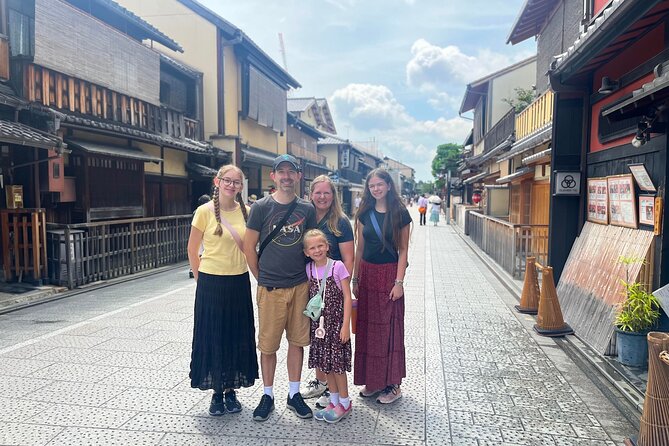
The Gion portion takes about 35 minutes and is free to enter. This is a short orientation walk rather than a long neighborhood visit, so expect to see the character of the area without covering every lane.
Gion extends around Yasaka Shrine and is known for traditional streets, tea houses, cafes, and its connection with geisha culture. The setting is especially appealing if you want a sense of old Kyoto without visiting only religious sites. A cherry-tree-lined path adds seasonal charm when blossoms are present, but the neighborhood’s appeal does not depend entirely on spring.
Your guide can help you understand the difference between a historic-looking street and an active cultural district. That matters in Gion, where photography and behavior require care. Keep your camera respectful, stay aware of signs, and remember that the narrow lanes are part of a lived-in neighborhood, not simply a photo set.
Thirty-five minutes goes quickly. I would use this stop to get your bearings, ask questions, and notice the details of the buildings rather than trying to browse every shop. If Gion is your main reason for booking, you may want to ask in advance how much time can be shifted here.
Yasaka Shrine and the power of local tradition
Yasaka Shrine receives about 50 minutes. Admission is free, and its location beside Gion makes it a natural continuation of the neighborhood walk.
The shrine is closely linked with the Gion Festival, known locally as Gion San. That connection gives the site a stronger local identity than a quick photo stop might suggest. You can look at the shrine buildings, observe worshippers, and learn how a major festival ties a place of worship to the wider city.
This is one of the tour’s useful contrasts. Gion presents the polished streetscape associated with traditional Kyoto, while Yasaka Shrine shows the religious and community life behind that image. You will not need to pay an entrance fee, but you should allow time to follow proper shrine etiquette and listen to your guide’s explanation.
The time is enough for a measured visit, not a detailed study of every feature. New Year celebrations can bring especially large crowds, and other festival periods may also affect the pace. The tour can make changes based on your wishes, but the exact amount of flexibility will depend on the day’s timing and conditions.
Kennin-ji: a quieter hour of Zen art
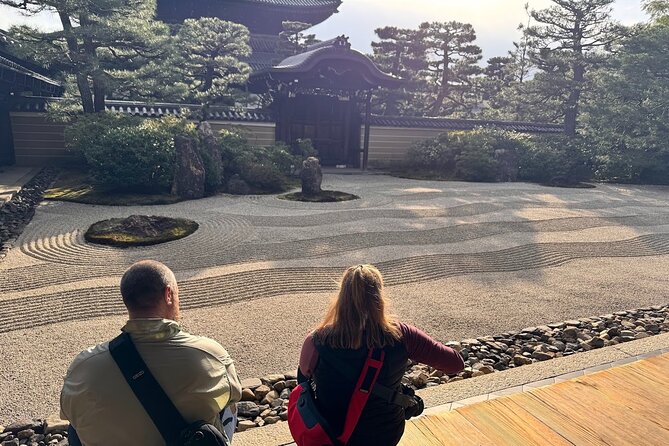
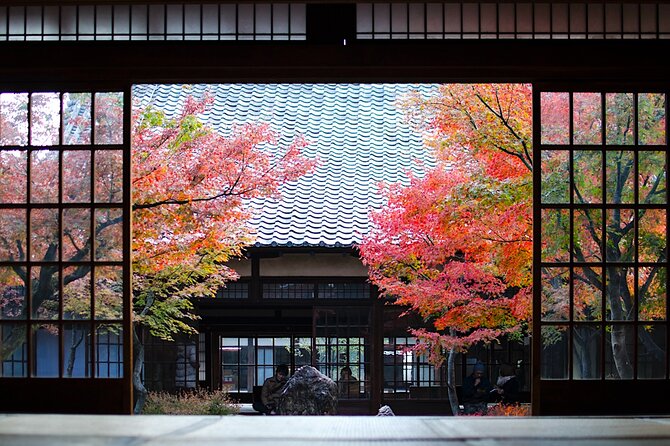
Kennin-ji is the longest indoor cultural stop, with about one hour allocated and admission included. It is described as Kyoto’s oldest Zen temple and is connected with Eisai, the founder of the Rinzai school of Zen Buddhism.
That background makes the visit more than another temple appearance. You get a look at a place tied to the development of Zen practice in Japan, along with the calm, ordered spaces associated with a major temple complex. The setting offers a break from the streets and market crowds.
An hour is a sensible amount of time here. You can take in the architecture and art without feeling rushed, while still keeping the larger route moving. This is also a place where a guide adds real value. A building, garden, or painted screen can look beautiful on its own, but context helps you understand why it matters.
Kennin-ji is a strong choice for anyone who wants some cultural depth without committing an entire day to temples. The possible drawback is simple: if you prefer lively neighborhoods and food stops, the quiet temple visit may feel slower. I like having it in the middle of the day because it gives the route a change of mood.
Same base, a completely different sort of day:
- Kyoto: Tea Ceremony in a Traditional Tea House in Kiyomizu
★ 4.9 · 3,519 reviews - Kyoto Geisha Walking Tour: Gion District & Hidden Gems
★ 4.7 · 3,273 reviews - Kyoto: Tea Ceremony Ju-An at Jotokuji Temple
★ 4.9 · 3,207 reviews - Kyoto: Gion Magical Night Walking Tour with Geisha Trivia
★ 4.9 · 2,393 reviews
Nishiki Market: Kyoto food and shopping in a short stop
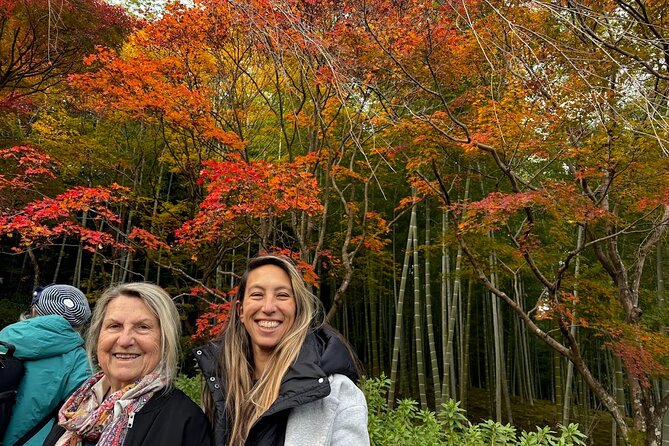
The Nishiki Market area gets about 40 minutes and is free to enter. It is known as a shopping district used by Kyoto locals, with seasonal fish, fruit, traditional food items, and Kyoto craft goods.
This is where the tour shifts from formal heritage to ordinary city life. You can browse stalls, look for regional ingredients, and see the kind of products that connect Kyoto cuisine with the seasons. Even if you do not plan to buy much, the market helps explain why food is such an important part of the city’s identity.
Forty minutes is enough for a look around, but it is not enough for a leisurely market meal and serious shopping. Food and drinks are not included in the tour price, so budget separately for anything you want to eat. The overview describes lunch as part of the day, but the included services specifically exclude food and drinks. Ask your guide how lunch will be handled before you set out, including where you will eat and who pays.
This is especially important if you need halal or vegetarian food. Aki, one guide associated with the experience, has made the effort to search for a suitable halal and vegetarian restaurant in advance. Tell the operator about dietary needs when booking rather than waiting until the market stop.
Nishiki can also be crowded. Keep your group close, watch your belongings, and leave enough time to meet your guide before moving on. The market is best treated as a taste of Kyoto’s food culture, not as a long independent shopping session.
Fushimi Inari: finishing beneath the red torii gates
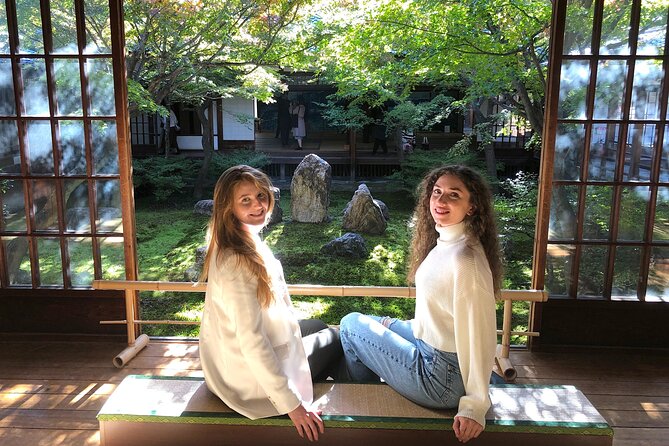
Fushimi Inari Taisha receives about one hour and has no admission charge. Its thousands of red torii gates create one of Kyoto’s most recognizable scenes, and the shrine is often the image people picture when they think of the city.
The gates form paths up the wooded mountainside, though this tour’s one-hour allocation means you will not walk the entire network. You can experience the main approach and continue far enough to see why the shrine is known for its peaceful, almost otherworldly feel.
This final stop is visually powerful, but timing matters. Fushimi Inari is a popular place, so the busiest areas can be crowded. Your guide can help you use the available hour wisely, explain the shrine’s meaning, and point out details that are easy to miss when you are focused on taking photos.
Wear comfortable shoes. Even a limited visit involves walking, and the torii paths include steps and inclines. Most participants can take part, but anyone with mobility concerns should discuss the route with the operator before booking. Service animals are allowed, and children must be accompanied by an adult.
Ending here works well because the shrine gives you a strong final image of Kyoto. It also means you should not expect a relaxed, unhurried exploration of every gate. If Fushimi Inari is at the top of your wish list, ask whether the schedule can give it more time by shortening another stop.
How the private format changes the day
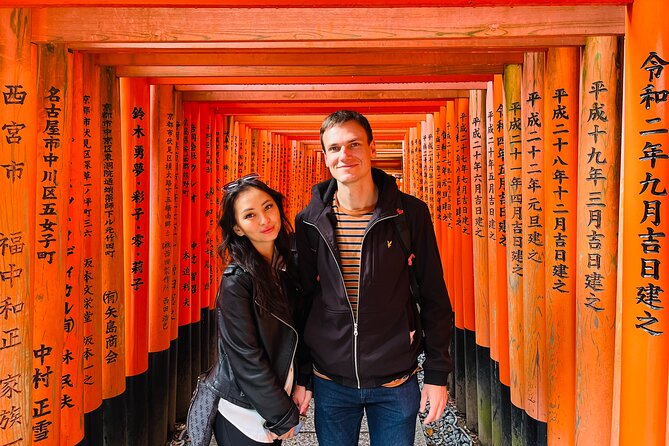
The tour is private, meaning only your group participates. That is useful in Kyoto, where interests can differ sharply. One person may want temple explanations, another may care more about food, and someone else may need regular pauses.
You can also ask for some changes to the route. The information provided does not promise unlimited customization, so treat this as moderate flexibility rather than a fully bespoke tour. The fixed list of stops gives the day structure, while the private format gives you room to raise questions and request sensible adjustments.
An English-speaking guide is included. That matters most at Kennin-ji and Yasaka Shrine, where customs and religious details may not be obvious from the buildings alone. It also helps at Nishiki Market, where a guide can explain what you are seeing and help with meal planning.
The guide takes photos of tour participants, which is a pleasant extra for groups who want a record of the day. It is not a substitute for your own camera time, but it can save you from asking strangers to take group pictures.
Transport, pickup, and the real pace of seven hours
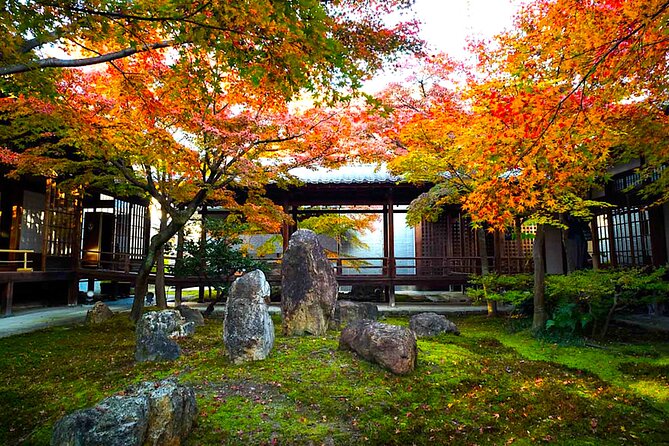
The meeting point is Kyoto Station, and the activity ends back at the meeting point. Hotel pickup and drop-off are offered only within Kyoto City. If you are staying outside the city, you will need to reach Kyoto Station yourself.
Public transportation is included, but private transportation is not. You will not have a dedicated taxi, car, or bus waiting between sights. That keeps the price lower than a chauffeur-led tour, though it also means the day is affected by station transfers, walking, crowds, and the normal pace of city travel.
The seven-hour duration is approximate. The route includes several major areas, so you should expect a full day with plenty of movement. Comfortable shoes, water, and a small bag are sensible choices. Since the schedule includes a market and several religious sites, avoid packing more than you want to carry on public transport.
The tour is available with mobile ticketing, and confirmation arrives at booking. Free cancellation is available until 24 hours before the start time. Changes or cancellations inside that window are not accepted for a refund, so check your plans before the cut-off.
Who gets the best value from this Kyoto day
I would recommend this experience most strongly to first-time visitors who want a guided introduction to Kyoto’s main cultural themes in one day. It is also a good fit for couples, families, and small groups who prefer asking their own questions instead of joining a large shared coach.
It suits you particularly well if:
- You want a private English-speaking guide.
- You have only one day for central Kyoto highlights.
- You value local explanations more than long periods of independent wandering.
- You want help arranging halal or vegetarian food.
- You are comfortable using public transportation and walking.
- You like a day that mixes shrines, a temple, a market, and historic streets.
It may not be the right choice if you want a slow photographic tour, a private vehicle, or a full day at Fushimi Inari alone. Food is not included, and the quick pace may leave you wishing for more time at Gion, Nishiki Market, or the shrine.
The published rating is 5 from 88 ratings, with a 100 percent recommendation figure. One especially useful detail is the praise for Aki’s care in finding halal and vegetarian dining and answering questions along the way. That suggests the private setup can work well for groups with specific needs, though you should still confirm your guide and meal arrangements before the day begins.
Should you book this private Kyoto tour?
Book it if you want broad coverage with personal guiding and have seven hours to see Kyoto’s essential cultural sights. The combination of Gion, Yasaka Shrine, Kennin-ji, Nishiki Market, and Fushimi Inari gives you a useful first look at the city rather than a single-theme visit.
I would hesitate only if a private car, included meals, or a leisurely pace matters most to you. For everyone else, the price is reasonable when you share it with a small group and make use of the guide’s local help, especially for food planning and route changes. Ask about lunch, confirm Kyoto City pickup, and tell the operator which stop matters most to you before booking.
FAQ
How long does the Kyoto private tour last?
The tour lasts approximately seven hours.
Where does the tour start and end?
It starts at Kyoto Station and ends back at the meeting point.
Is hotel pickup available?
Yes. Hotel pickup and drop-off are available for hotels within Kyoto City.
Is private transportation included?
No. Public transportation is included, but private taxis, cars, and buses are not.
Are food and drinks included?
No. Food and drinks are not included in the tour price. Ask the guide about lunch arrangements, especially if you have dietary requirements.
Can the itinerary be changed?
Some changes can be made based on your wishes. The activity is private, so only your group participates, but you should confirm requested changes before the tour.
Just added around Kyoto
- Kyoto: Zen Meditation at a Private Temple with a Monk★ 5.0 · 25 reviews
- Kyoto: Gion Geisha District & Sake-in-Hand Walking Tour★ 5.0 · 37 reviews
- Private Pewter Sake Cup Experience with a Kyoto Artisan★ 5.0 · 31 reviews
- Your Private Vacation Photography Session In Kyoto★ 5.0 · 110 reviews
- Private Guided Traditional Buddhist Cooking in Japan★ 5.0 · 16 reviews
- Kyoto Wagashi(Japanese sweets) Cooking Class near Fushimiinari★ 5.0 · 60 reviews
- Traditional Japanese Music show & Experience Tour in Kyoto★ 5.0 · 57 reviews
- Kyoto:Family-Friendly Kimono & Yukata Experience at WARGO★ 5.0 · 147 reviews
Kyoto Tours, compared.


Fushimi Inari, Kinkakuji, Bamboo Grove 1 Day Bus Tour
Read our review →
Tea Ceremony in a Traditional Tea House in Kiyomizu
Read our review →
Kyoto Geisha Walking Tour: Gion District & Hidden Gems
Read our review →

Gion Magical Night Walking Tour with Geisha Trivia
Read our review →

Gion Geisha District Walking Tour – Stories of Geisha
Read our review →Browse the lists this tour appears in