Reviewed · KYOTO TOURS
One-Day Tour of Kyoto’s Highlights from Osaka/Kyoto
Kyoto packs centuries of temples, shrines, gardens, and mountain scenery into a surprisingly small area, but seeing the big four in one day takes careful planning. This tour handles the long transfers by air-conditioned bus with Wi-Fi, taking you from Fushimi Inari’s red gates to Kiyomizu-dera, the Golden Pavilion, and Arashiyama.
I like the route because it covers Kyoto’s essential sights without asking you to work out several train and bus connections. I also like the friendly guides, with names such as Naomi, Maria, Hama, and Tet/Ted receiving especially warm praise for clear instructions, photos, and practical tips.
The tradeoff is time. Each stop is tightly scheduled, and the day includes hills, stairs, and plenty of walking. Some guides explain the sites at length, while a few past departures offered only limited English commentary, so this suits you best if seeing many major sights matters more than having a slow, detailed temple visit.
Key points to know before you book
- Four major Kyoto sights in one day: Fushimi Inari, Kiyomizu-dera, Kinkaku-ji, and Arashiyama are all included.
- Comfortable transfers: The air-conditioned coach gives you a break from Kyoto’s summer heat, sudden rain, and busy roads.
- A fast but useful schedule: Expect about 10 hours, with roughly 45 minutes to 1 hour 40 minutes at each main stop.
- Lunch is optional: Select the lunch package for convenience, or bring your own. Halal and vegan meals are not available.
- Walking is part of the deal: Hills, temple stairs, sloping paths, and uneven areas can be hard with a stroller or limited mobility.
- A large group is possible: The maximum is 42 people, so stay close to the guide and watch the meeting times.
Why this Kyoto day trip works from Osaka
Kyoto is easy to reach from Osaka by train, but the famous sights are spread across different parts of the city. Fushimi Inari lies in the southeast, Kiyomizu-dera is on the eastern hillside, Kinkaku-ji is in the northwest, and Arashiyama sits farther west. Seeing all four independently in one day means changing trains and buses, checking directions, and allowing for delays.
This tour takes care of that movement. You meet in the morning, board the coach, and use the ride between stops to rest. The bus is air-conditioned and has free Wi-Fi, which matters in July and August, when the heat can be punishing. One departure took place in 38-degree weather, and the cool bus was a real asset.
The price is about $66.32 per person. That is a fair rate for a full-day organized outing when you count the coach, guide, and admission to Kiyomizu-dera and Kinkaku-ji. You still need to cover your own way to the departure point, and lunch costs extra unless you select the lunch option. Still, the value is strongest for a first visit or a short stay, when four famous locations in one day can save a lot of planning time.
You should not expect a small private tour. The group can reach 42 people, although some departures may be smaller. A coach of that size can feel more like transportation than a personal guiding experience, but it also keeps the cost down.
A few more Kyoto half-days to weigh up
- PERFECT KYOTO 1-Day Bus Tour
★ 5.0 · 13,518 reviews - Kyoto: Fushimi Inari, Kinkakuji, Bamboo Grove 1 Day Bus Tour
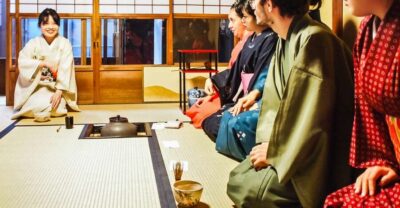
★ 4.8 · 4,316 reviews - Kyoto: Tea Ceremony in a Traditional Tea House in Kiyomizu
★ 4.9 · 3,519 reviews
Fushimi Inari and its corridor of red gates
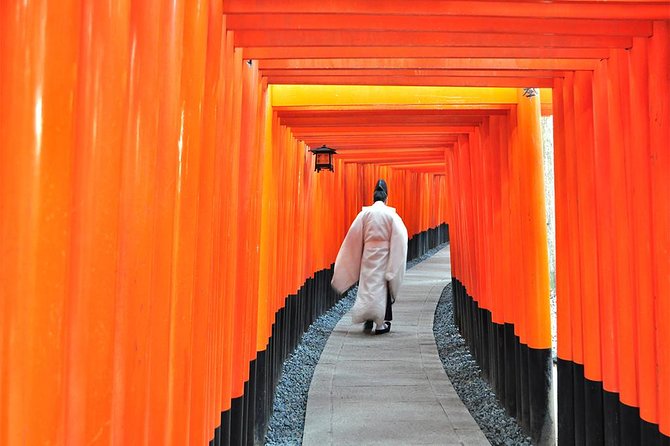
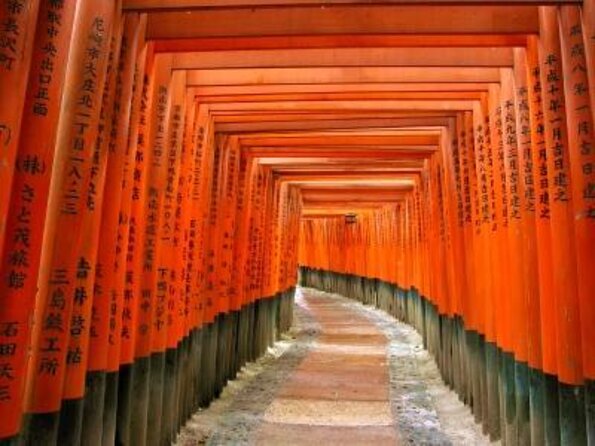
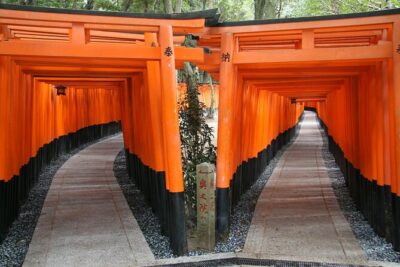
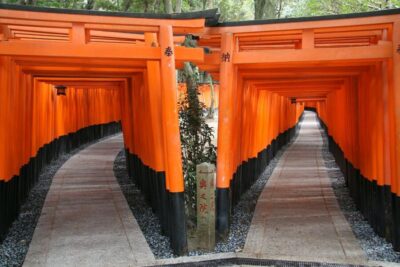
The first stop is Fushimi Inari Taisha, the head shrine of more than 30,000 Inari shrines across Japan. You have about 1 hour 20 minutes here, enough to walk through the lower section of the famous torii gate corridors and take in the shrine grounds.
The gates are brilliant vermilion, packed closely together, and marked with donations from businesses and individuals. Inari is linked with agriculture, commerce, traffic safety, and a successful harvest, so this is more than a photogenic pathway. It remains an active place of worship.
The lower approach is the most accessible part, but the shrine continues uphill for a long way. With the time allowed, you probably will not reach the highest sections. That is not necessarily a problem. The first corridors provide the image most people hope to see, while the higher paths require more time and stamina.
This stop can feel crowded, especially around the entrance. The best approach is to keep moving with the guide’s instructions, take photos when the path opens up, and avoid treating the entire visit as a race to walk as far uphill as possible.
Kiyomizu-dera, wooden engineering, and hillside views
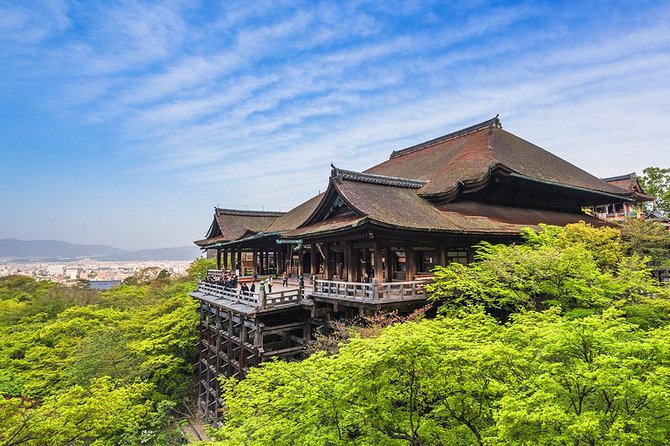
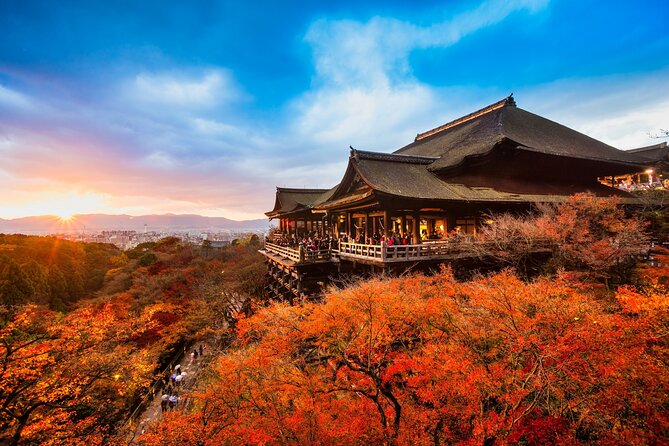
Kiyomizu-dera gives you about 1 hour 40 minutes, the longest scheduled visit of the day. The temple is set on a wooded hillside and is known for its large wooden stage, supported by 139 pillars and built without a single nail.
The viewing platform offers broad views over Kyoto. You will also have time to see parts of the temple grounds and walk through the approach area. The setting combines religious architecture, hillside paths, and city views in a way that feels very different from the enclosed torii gates at Fushimi Inari.
This is one of the more demanding stops physically. You may encounter stairs, slopes, and busy walking routes. A stroller can be folded and stored with the luggage on the bus, but the temple area itself may be difficult to manage with one. If you have knee, balance, or stamina concerns, move at your own pace and ask the guide where you should regroup.
The entrance ticket is included, which removes one small task during a busy day. The guide’s commentary can add useful context about the temple’s construction and religious role. That said, the quality of the explanation depends on the individual guide. Hama, Naomi, Maria, and several others have been praised for clear English and helpful direction, while some past departures received much less information than expected.
Lunch: convenience over choice
There is a lunch break during the tour. You can select the lunch-included option or bring your own food by booking the option without lunch.
The lunch upgrade makes sense if you want the day to run without finding a restaurant during a short break. A few people particularly enjoyed the meal and found it appealing enough to photograph. It also saves you from spending part of your limited sightseeing time looking for somewhere to eat.
Food requirements need planning. Halal and vegan meals are not available, so you should choose the no-lunch option and bring your own food if you follow either diet. Vegetarian requests must be made directly to the operator at least three days before the tour. Do not wait until the morning of the trip.
The supplied details do not specify the exact menu or restaurant arrangement, so do not book the lunch option expecting a particular dish. Think of it as a practical add-on that keeps the schedule moving.
Same base, a completely different sort of day:
- Kyoto Geisha Walking Tour: Gion District & Hidden Gems
★ 4.7 · 3,273 reviews - Kyoto: Tea Ceremony Ju-An at Jotokuji Temple
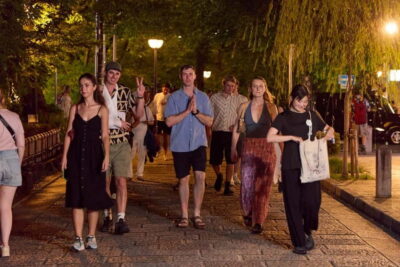
★ 4.9 · 3,207 reviews - Kyoto: Gion Magical Night Walking Tour with Geisha Trivia
★ 4.9 · 2,393 reviews - Kyoto: 45-Minute Tea Ceremony Lesson Experience
★ 4.3 · 2,378 reviews
Kinkaku-ji and the Golden Pavilion
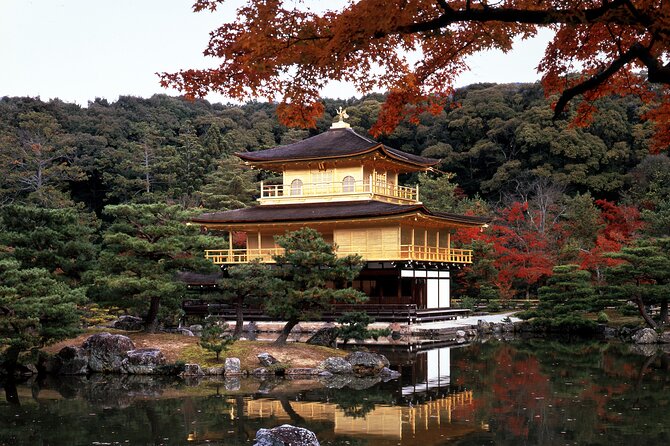
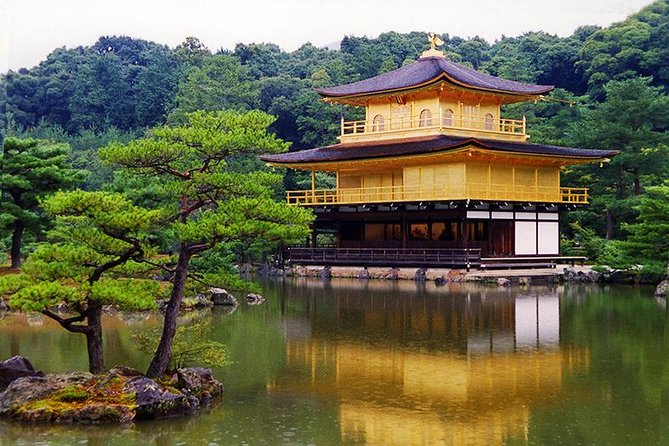
Kinkaku-ji, or the Golden Pavilion, is a short but memorable stop of about 45 minutes. The pavilion is covered in gold leaf and reflects in the pond in front of it. It began as the villa of the Ashikaga Shogun and later became a Zen temple and UNESCO World Heritage Site.
The grounds include gardens and traditional Japanese architecture. The visit is less about a long temple exploration and more about seeing the pavilion, walking the garden route, and taking in the carefully framed views.
Forty-five minutes is enough for the main path, but not enough for a leisurely study of every garden detail. This is a good example of the tour’s overall style: you get the signature sight, some context, and time for photos, then return to the bus.
Admission is included. That helps the tour’s value, particularly because you visit two of Kyoto’s best-known paid temples without handling separate ticket purchases. Kinkaku-ji also gives the day a visual change after the dark wood and hillside setting of Kiyomizu-dera.
Arashiyama, bamboo paths, and the Togetsukyo Bridge
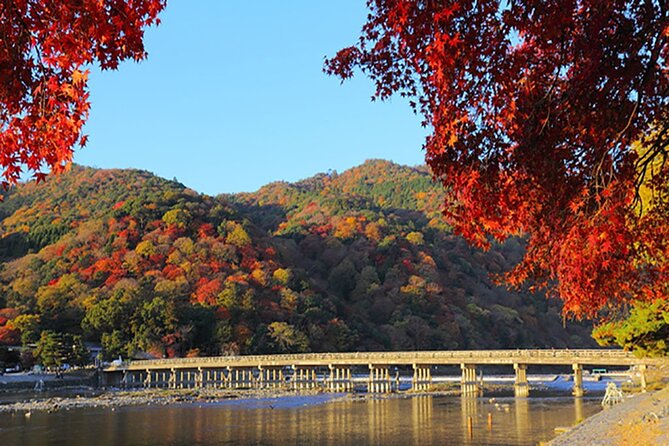
The final major stop is Arashiyama, with about 1 hour 20 minutes. The famous Sagano Bamboo Forest is the main draw. Tall bamboo lines the walking path, creating a cool, shaded setting that feels markedly calmer than the open city streets, even when the area is busy.
You will also see Togetsukyo, or Moon-Crossing Bridge. The bridge and surrounding river area give you a different side of Kyoto, with open views replacing the close corridors of Fushimi Inari and the formal garden of Kinkaku-ji.
The schedule lets you walk through the best-known bamboo section, but it does not leave much time for a full exploration of Arashiyama. If the bamboo forest is your main reason for visiting Kyoto, you may wish for longer here. The same is true at Fushimi Inari. This tour gives you a strong first look, not an exhaustive visit.
Wear supportive shoes. The day includes several hours on foot, and the combination of heat, slopes, temple stairs, and busy paths can add up. Carry water, especially in summer, and use the bus ride as a chance to cool down.
The guide can shape the whole day
The route is fixed, but the feel of the day depends heavily on the guide. The strongest guides do more than point toward the next gate. They explain what you are seeing, give clear meeting instructions, help you find good photo locations, and offer suggestions for the rest of your Japan trip.
Naomi has been praised for taking care of families, explaining local customs, and sharing useful recommendations. Maria has been singled out for a good balance between guided time and free time. Hama has been praised for strong English, temple explanations, and photo help. Tet/Ted received especially warm praise for welcoming first-time visitors to Japan and taking photos for them.
Those examples also show why expectations should be realistic. The tour promises an English-speaking guide, but English ability and the amount of commentary may vary. A few past departures had limited explanations, and some people ended up using their own phone research to fill in gaps. If historical detail is your main priority, consider preparing a little before you go.
A phone with offline maps or saved notes about the four sites can help. That is not a criticism of the route. It is simply sensible preparation for a group day with a tight schedule.
Meeting points and timing
You can join the bus in Osaka or Kyoto. The Osaka meeting point is Namba, OCAT 1F, near Daiso, at 8:50 AM. The Kyoto meeting point is the Kyoto Station Hachijo Exit Tourist Bus Parking at 9:05 AM.
Check in 10 minutes before departure. The bus will not wait for late arrivals, so build in extra time for finding the terminal. Hotel pickup and drop-off are not included.
At the end of the day, the bus returns you to the same starting point. That makes the tour useful if you are staying near Osaka or Kyoto and want a simple round trip without arranging an evening transfer.
Traffic and weather can change the schedule. The operator may alter the order or timing for safety, and the tour requires good weather. If poor weather causes cancellation, you can receive a different date or a full refund.
Who should book this day trip
I would choose this tour if you have one free day, want the classic Kyoto sights, and prefer a coach to a chain of public transport connections. It also suits families and first-time visitors who value clear meeting points and a guide who can keep the day organized.
It is a good fit for people who want variety. You move from a Shinto shrine to a Buddhist temple, a gold-covered Zen pavilion, and a bamboo-lined district. Each stop has a different look and purpose, so the day never feels like four versions of the same temple.
I would be cautious if you want long, quiet visits or detailed religious and architectural discussion at every site. The timetable is efficient rather than leisurely. You should also think twice if steep paths, stairs, or long periods of walking are difficult for you.
With children, the coach and structured route can be helpful, but the day is still long. Babies aged 0 to 2 are free, though they do not receive a seat or meal and must sit on an adult’s lap. Folding strollers are allowed but are stored with the luggage during the visits.
Is the Kyoto Highlights tour worth booking?
For about $66.32, this is a practical way to see four major Kyoto sights in one long day from Osaka or Kyoto. The included coach, guide, Kiyomizu-dera admission, Kinkaku-ji admission, and optional lunch make the price reasonable, especially when your time is limited.
Book it if you want a broad introduction and can accept short visits, walking, and a group setting. Choose the lunch option for ease, or bring your own meal if you need halal or vegan food. If you want the best chance of a strong commentary, note the positive experiences associated with guides such as Naomi, Maria, Hama, and Tet/Ted, while remembering that the assigned guide may differ.
Skip it if Arashiyama or Fushimi Inari is your top priority and you want to explore either one at length. In that case, a slower self-guided day may suit you better. For a first taste of Kyoto’s headline sights, though, this tour delivers a lot in a single, well-packed day.
FAQ
How long does the Kyoto highlights tour last?
The tour lasts approximately 10 hours, including transportation between the departure point and Kyoto’s four main stops.
Where can I join the tour?
You can meet the bus at Namba, OCAT 1F near Daiso, at 8:50 AM, or at Kyoto Station Hachijo Exit Tourist Bus Parking at 9:05 AM.
Is hotel pickup included?
No. You must make your own way to the selected departure location, and the bus returns you to that starting point at the end of the day.
Is lunch included?
Lunch is included only if you choose the lunch option when booking. Otherwise, bring your own food. Halal and vegan meals are unavailable, while vegetarian requests must be made at least three days ahead through the operator.
How much walking is involved?
The tour requires substantial walking, including hills, temple stairs, and sloping paths. Folding strollers are allowed but stored with the bus luggage, and some sightseeing areas may be difficult to navigate with a stroller.
Can I cancel the tour?
You can cancel for a full refund if you do so at least 24 hours before the experience begins. Cancellations or changes made less than 24 hours in advance are not accepted for a refund. If poor weather causes the tour to be canceled, you will be offered another date or a full refund.
Just added around Kyoto
- Kyoto: Zen Meditation at a Private Temple with a Monk★ 5.0 · 25 reviews
- Kyoto: Gion Geisha District & Sake-in-Hand Walking Tour★ 5.0 · 37 reviews
- Private Pewter Sake Cup Experience with a Kyoto Artisan★ 5.0 · 31 reviews
- Your Private Vacation Photography Session In Kyoto★ 5.0 · 110 reviews
- Private Guided Traditional Buddhist Cooking in Japan★ 5.0 · 16 reviews
- Kyoto Wagashi(Japanese sweets) Cooking Class near Fushimiinari★ 5.0 · 60 reviews
- Traditional Japanese Music show & Experience Tour in Kyoto★ 5.0 · 57 reviews
- Kyoto:Family-Friendly Kimono & Yukata Experience at WARGO★ 5.0 · 147 reviews
Kyoto Tours, compared.
Fushimi Inari, Kinkakuji, Bamboo Grove 1 Day Bus Tour
Read our review →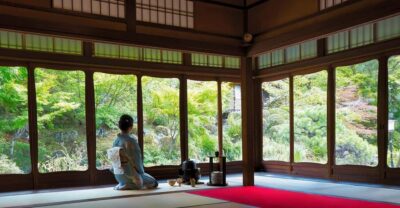
Tea Ceremony in a Traditional Tea House in Kiyomizu
Read our review →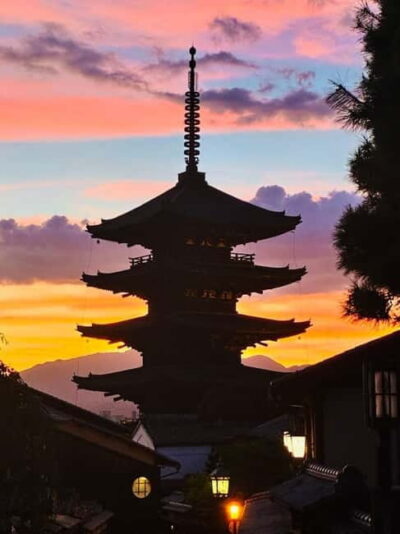
Kyoto Geisha Walking Tour: Gion District & Hidden Gems
Read our review →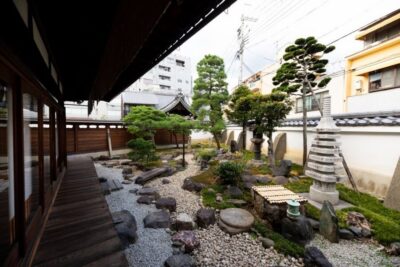
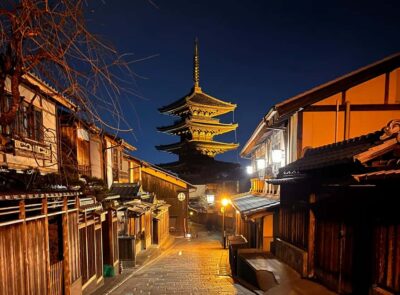
Gion Magical Night Walking Tour with Geisha Trivia
Read our review →