
Reviewed · KYOTO TOURS
Sushi or Traditional Japanese Cuisine in a Kyoto Home with Emika
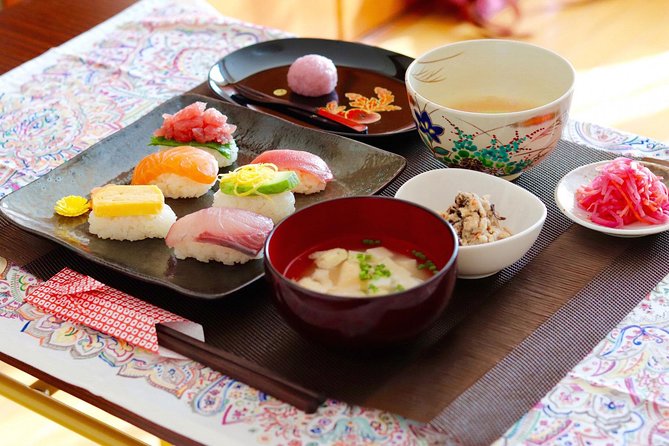
Kyoto’s best food experience may happen far from a restaurant, around Emika’s dining table in her family home. For about 90 minutes, you share a seasonal Japanese meal, talk about daily life in Kyoto, and learn how local food fits into the city’s traditions. The meal may include sushi, miso soup, rice, Obanzai side dishes, sweets, and matcha.
I like the private setting, since your group can talk with Emika without a crowd or a rushed restaurant schedule. I also like the connection to home cooking: much of the produce may come from local sources, including Emika’s own garden, and her father may prepare the matcha in the traditional style.
The main consideration is the fixed meeting point in Nishikyo Ward, away from Kyoto’s most visited central sights. You will need to make your own way to 31-30 Katsurainariyamacho, and the menu changes with the season, so do not book expecting one exact sushi or dessert plate.
Key points to know before booking
- Private meal with Emika: Only your group takes part, making conversation and questions easier.
- Seasonal Kyoto cooking: Obanzai centers on vegetables, seafood, rice, soup, and simple home-style side dishes.
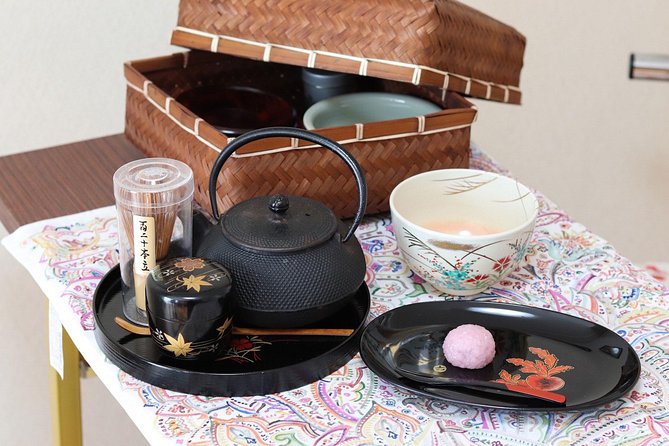
- Traditional matcha service: Emika or her father prepares green tea, with some visits including a small tea ceremony.
- Lunch or dinner choice: The 1-hour-30-minute format is easy to fit around other Kyoto plans.
- $79 value: The price includes a home-cooked meal and local alcohol, not hotel transport.
- Book ahead: This experience is typically reserved about 25 days before the date.
A Kyoto meal served in a real home
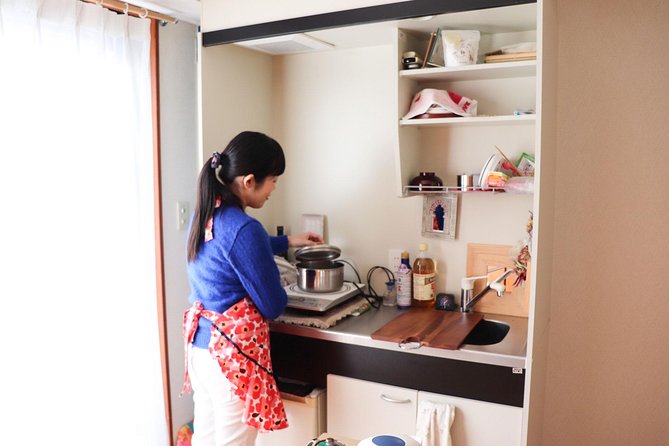
Many Japanese food tours take place in restaurants, markets, or cooking schools. This one gives you a different setting: a local home, with Emika acting as host rather than as a formal restaurant server.
That change matters. You are not only tasting a finished dish. You are sitting across from the person who prepared it, asking about ingredients, Kyoto customs, and ordinary life. The meal creates space for conversation, which is often harder to find during a busy restaurant dinner.
The home setting is also a good match for Obanzai, the traditional Kyoto style built around seasonal vegetables, seafood, and locally available ingredients. Obanzai is not one single recipe. It is a flexible way of cooking that reflects what is fresh and useful at the time of year.
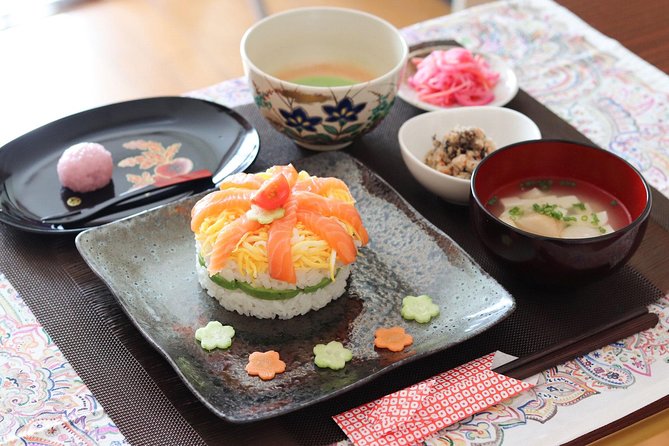
You may receive several small dishes instead of one large main course. The food may include rice, miso soup, traditional Obanzai preparations, sushi, and a sweet designed to pair with matcha. Since the menu changes by season, you should think of this as a home meal shaped by the day’s ingredients rather than a fixed tasting menu.
A few more Kyoto half-days to weigh up
- PERFECT KYOTO 1-Day Bus Tour
★ 5.0 · 13,518 reviews - Kyoto: Fushimi Inari, Kinkakuji, Bamboo Grove 1 Day Bus Tour
★ 4.8 · 4,316 reviews - Kyoto: Tea Ceremony in a Traditional Tea House in Kiyomizu
★ 4.9 · 3,519 reviews
Meeting Emika in Nishikyo Ward
The meeting point is 31-30 Katsurainariyamacho in Kyoto’s Nishikyo Ward. The activity begins and ends there, and hotel pickup and drop-off are not included.
This location is the key practical detail to consider. If your Kyoto plans are centered around Gion, Higashiyama, or Kyoto Station, allow time to reach Nishikyo Ward and return afterward. The home is near public transportation, but the supplied details do not give a travel time from central Kyoto, so you should check the route from your hotel before booking.
That extra trip can feel worthwhile if you want an experience outside the usual sightseeing circuit. It can also be inconvenient if you have reserved a temple visit or train departure immediately afterward. I would place this meal on a day with some flexibility, not between two tightly timed attractions.
The activity is private, so only your group participates. That is especially helpful for families, couples, and small groups who want to ask questions without worrying about holding up strangers. It also gives you a quieter meal than a large food tour usually allows.
Matcha with Emika or her father
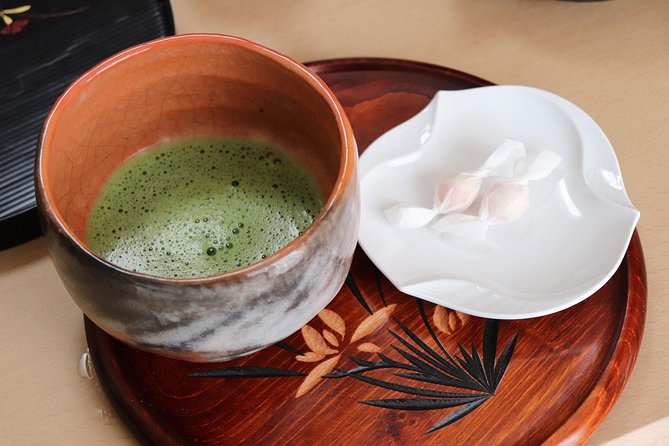
The experience may begin or end with a freshly prepared cup of matcha. Emika prepares it on some visits, while her father, described as a master of the tea ceremony, serves it on others.
This part adds more than a cup of green tea. Matcha preparation has its own gestures, tools, and pace, and the setting lets you see the custom in a personal way rather than only behind a museum display or at a formal cultural show.
Some meals include a small tea ceremony after lunch. You should not expect a long staged performance, since the experience is built around a meal and conversation, but the tea service gives the visit a clear cultural focus.
The sweet served with the matcha is part of the pairing. The exact sweet is not specified, and it can vary with the season. That is a good reason to keep an open mind about the final course.
What the Obanzai meal may include
The menu is likely to feel more like a Japanese family meal than a restaurant ordering experience. Possible dishes include:
- Sushi
- Miso soup
- Rice
- Seasonal Obanzai dishes
- Seafood and locally sourced vegetables
- A sweet served with matcha
- Local alcohol
The word may matters here. The menu changes by season, and the experience title allows for sushi or traditional Japanese cuisine. You should not assume that sushi will be the main part of every meal.
The strength of the meal is variety. Small side dishes let you try several flavors and cooking methods, while rice and miso soup give the meal a familiar center. Home cooking can also show a side of Japanese cuisine that is less polished and more connected to everyday meals.
Past dishes have included food prepared traditionally in front of the visitor, including sushi and miso soup. That means you may see some of the preparation rather than simply receiving plates at the table. The exact amount of demonstration is not fixed, so book this for the meal and conversation first, and treat any cooking lesson as an added benefit.
The produce may be locally grown, and some of it may come from Emika’s own garden. That detail gives the food a direct connection to the household and the season. It also means the menu is likely to change instead of repeating the same dishes all year.
Same base, a completely different sort of day:
- Kyoto Geisha Walking Tour: Gion District & Hidden Gems
★ 4.7 · 3,273 reviews - Kyoto: Tea Ceremony Ju-An at Jotokuji Temple
★ 4.9 · 3,207 reviews - Kyoto: Gion Magical Night Walking Tour with Geisha Trivia
★ 4.9 · 2,393 reviews - Kyoto: 45-Minute Tea Ceremony Lesson Experience
★ 4.3 · 2,378 reviews
Conversation is part of the meal
A large part of the value comes from talking with Emika about Kyoto, food, and Japanese life. The tone appears warm and personal, with Emika described as polite, witty, kind, and quiet.
That combination may suit you if you prefer a calm host and a relaxed meal. It may be less ideal if you want a fast-paced cooking class packed with instruction every minute. This is a shared table experience, not a professional chef demonstration.
You can ask about the ingredients, the dishes, tea, and Kyoto customs. The private format makes those questions feel natural. A meal in a home also gives you a chance to discuss food as something people eat every day, not just as a famous dish presented to visitors.
The experience has earned a five-star rating from 20 published responses, with 100 percent recommending it. The strongest praise centers on Emika’s hospitality, homemade food, fresh ingredients, and the tea service. Several people describe the meal as a highlight of their Kyoto visit, especially when the tea ceremony or garden produce was included.
Why the 90-minute length works
At approximately 1 hour and 30 minutes, this is long enough for a full meal and conversation without taking an entire afternoon or evening.
A lunch booking can give you a cultural break during a sightseeing day, but remember to include transport time to and from the home. A dinner booking may be easier if you plan to spend the day in central Kyoto and then travel out for the meal, though you should still check your return route.
The shorter format also helps if you are traveling with children or with someone who does not want a long formal dinner. You get several courses and a tea experience, but you are not committing to a three-hour dining event.
The tradeoff is that you should not expect a broad cooking workshop. The information promises a meal, conversation, and matcha, with some preparation taking place in front of you. If your main goal is to make sushi yourself, look for a hands-on cooking class instead.
Is $79 a fair price?
At $79 per person, the cost is higher than a simple Japanese lunch, but the comparison is not quite fair. You are paying for a private home visit, a prepared multi-part meal, personal conversation with a Kyoto resident, and traditional matcha service.
Local alcohol is included, which adds some value for adults who want a drink with the meal. Hotel transportation is not included, so add the cost and time of reaching Nishikyo Ward when comparing this with a centrally located food tour.
I see the best value for people who place a high price on personal contact. If you want to sample as much food as possible for the lowest cost, a market visit or casual restaurant will likely be more efficient. If you want one personal cultural meeting during your Kyoto stay, $79 is reasonable.
The private format improves the value for a small group. You are not paying for a large group outing where the host must divide attention among many people. For two or four people who enjoy conversation, the meal can feel more worthwhile than a standard restaurant reservation.
Who will enjoy this Kyoto home meal?
I would recommend it to couples, families, solo visitors, and small groups who want food and conversation in equal measure. It is also a good choice if you have already visited the major temples and want to see a quieter side of Kyoto.
Food-focused visitors will appreciate the seasonal Obanzai dishes and the chance to discuss ingredients with the person who cooked them. Anyone curious about tea will also get a useful introduction through the matcha service.
The experience may be less suitable if you need a fully fixed menu. The dishes change with the season, and the activity may include sushi, but sushi is not guaranteed as the sole focus. Tell the provider about dietary requirements in the Special Requirements box when booking.
You should also think about your comfort with entering a private home. The home setting is the reason this experience feels personal, but it is not the right choice for someone who prefers the privacy and formality of a restaurant.
Service animals are allowed. The activity is near public transportation, but you are responsible for reaching the meeting point yourself.
Cancellation and booking timing
You can cancel for a full refund up to 24 hours before the start time. Changes made less than 24 hours before the experience are not accepted, and cancellations inside that window are not refunded.
The activity is often booked about 25 days in advance. That does not guarantee that every date will sell out, but it is a useful sign that you should reserve early if you have only one free lunch or dinner in Kyoto.
Confirmation arrives at booking, and the ticket is mobile. Check the meeting address carefully before leaving, since the experience ends at the same point and does not include hotel transfer.
Should you book Sushi or Traditional Japanese Cuisine in a Kyoto Home with Emika?
Book this experience if you want a personal home meal, seasonal Kyoto cooking, and a gentle introduction to matcha. The strongest parts are Emika’s warm hosting, the locally sourced food, and the chance that her father will serve the tea in the traditional style.
Think twice if your priority is a hands-on sushi lesson, a guaranteed sushi menu, or a central Kyoto location. You will need to travel to Nishikyo Ward, and the menu changes with the season.
For the right visitor, this is a memorable way to connect food with ordinary Kyoto life. I would reserve it early, share dietary needs when booking, and leave enough time around the 90-minute meal for the journey to and from Emika’s home.
FAQ
How long does the experience last?
The experience lasts approximately 1 hour and 30 minutes.
Where does the meal take place?
The meal takes place in Emika’s home at 31-30 Katsurainariyamacho, Nishikyo Ward, Kyoto, 615-8025, Japan.
Is this a private activity?
Yes. Only your group participates in the activity.
Is hotel pickup included?
No. Hotel pickup and drop-off are not included. The activity begins and ends at the meeting point.
What food may be served?
The meal may include sushi, miso soup, rice, seasonal Obanzai dishes, seafood, locally sourced vegetables, and a sweet served with matcha. The menu varies by season.
Is matcha included?
Yes. You receive traditionally prepared matcha green tea from Emika or her father. Some visits may include a small tea ceremony.
Is alcohol included?
Yes. Local alcohol is included.
Can I cancel for a refund?
Yes. You can cancel at least 24 hours before the start time for a full refund. Cancellations or changes made less than 24 hours before the start time are not accepted for a refund.
Just added around Kyoto
- Kyoto: Zen Meditation at a Private Temple with a Monk★ 5.0 · 25 reviews
- Kyoto: Gion Geisha District & Sake-in-Hand Walking Tour★ 5.0 · 37 reviews
- Private Pewter Sake Cup Experience with a Kyoto Artisan★ 5.0 · 31 reviews
- Your Private Vacation Photography Session In Kyoto★ 5.0 · 110 reviews
- Private Guided Traditional Buddhist Cooking in Japan★ 5.0 · 16 reviews
- Kyoto Wagashi(Japanese sweets) Cooking Class near Fushimiinari★ 5.0 · 60 reviews
- Traditional Japanese Music show & Experience Tour in Kyoto★ 5.0 · 57 reviews
- Kyoto:Family-Friendly Kimono & Yukata Experience at WARGO★ 5.0 · 147 reviews
Kyoto Tours, compared.


Fushimi Inari, Kinkakuji, Bamboo Grove 1 Day Bus Tour
Read our review →
Tea Ceremony in a Traditional Tea House in Kiyomizu
Read our review →
Kyoto Geisha Walking Tour: Gion District & Hidden Gems
Read our review →

Gion Magical Night Walking Tour with Geisha Trivia
Read our review →
