
Reviewed · KYOTO TOURS
Kyoto Customized Private Tour: See Top Attractions in 1 Day
Kyoto is too spread out for a one-size-fits-all sightseeing plan. This private tour lets you choose the pieces that matter most, from the torii gates of Fushimi Inari to the food stalls of Nishiki Market, then shape the day with a local guide. It is a useful way to get your bearings fast without being tied to a bus group.
I like the freedom to choose just two or three major sights on a half-day visit, and I like the practical help with Kyoto’s trains, walking routes, restaurants, and customs. Guides including Kiyoto, Takuma, Toshi, Yuka, and Saeko have been praised for clear English, good planning, and adapting the route to families or mobility needs.
The catch is cost control. The $132.65 per-person price does not include admission, transport for you or the guide, or lunch. You must also keep the itinerary realistic, since Kyoto’s major sights sit far apart and a guide cannot turn a four-hour tour into a full city survey.
Key points to know before booking
- Choose your own Kyoto: Pick from famous temples, historic neighborhoods, food markets, gardens, and modern architecture.
- Half-day or full-day format: Plan on two or three stops in four hours, or three or four stops in roughly eight hours.
- Private attention: Only your group takes part, so the guide can adjust the pace, explanations, and route.
- Strong guide element: Guides such as Kiyoto, Takuma, Toshi, Yuka, and Saeko are praised for history, English, local advice, and practical navigation.
- Extra costs matter: Admission fees, local transport, and lunch for both you and the guide are separate.
- Walking is part of the deal: Wear good shoes, and remember the tour runs in rain or shine.
Why a private Kyoto plan can work so well
Kyoto rewards focus. You can spend a peaceful morning among temple gardens, a food-centered afternoon around Nishiki Market, or a classic first visit that links Kinkaku-ji, Fushimi Inari, and Gion. This experience gives you that choice instead of assigning every group the same route.
At the start, you meet your guide at the Kyoto Tourist Information Center, Kyo-Navi, on the second floor of Kyoto Station Building. Hotel pickup and drop-off are offered in the tour description, but the stated meeting point is Kyoto Station, so confirm the exact arrangement before you go.
The private format is especially useful if your group has mixed interests. One person can ask about Buddhist practice, another can focus on food, and a child can get a simpler explanation rather than a long lecture. Saeko, for example, adjusted a visit around mobility concerns, while Mika made a busy Kyoto day enjoyable for a 10-year-old.
The guides are not all interchangeable in personality or approach, but the strongest accounts describe warm, flexible people who explain more than the signs at each site. Kiyoto is praised for fluent English, cultural knowledge, photography spots, and crowd-aware planning. Takuma is noted for historical context, while Toshi is praised for organizing a full day and sharing restaurant advice.
That quality matters here. Kyoto’s temples can be beautiful but confusing, and a short explanation about Shinto, Buddhism, worship customs, or the role of a gate can turn a photo stop into a meaningful visit. The best guides also help you move between districts without wasting half the day on wrong turns.
A few more Kyoto half-days to weigh up
- PERFECT KYOTO 1-Day Bus Tour
★ 5.0 · 13,518 reviews - Kyoto: Fushimi Inari, Kinkakuji, Bamboo Grove 1 Day Bus Tour
★ 4.8 · 4,316 reviews - 10 Must-see Spots in Kyoto One Day Private Tour (up to 7 people)
★ 5.0 · 1,108 reviews
Picking the right number of stops
The suggested plan is simple: choose two or three places for a half-day tour and three or four for a full day. Take that limit seriously. A stop at a large temple complex is not just the time spent inside it. You also need to account for traffic, train or taxi transfers, entrance lines, walking between buildings, and time to pause for photographs.
A half-day works best when you keep the sights close together or choose one main attraction with a nearby neighborhood. Kiyomizu-dera with Sannenzaka, Ninenzaka, and Gion makes geographic sense. Arashiyama with Tenryu-ji and the bamboo grove is another natural pairing.
A full day gives you more room, but it still is not enough for every place on the menu. A route combining Kinkaku-ji, Ryoan-ji, Nishiki Market, and Fushimi Inari can work with tight planning, yet it requires efficient transport and little lingering. If you want long visits, a relaxed lunch, or a climb up Fushimi Inari, choose fewer stops.
Tell the guide what you have already seen. One particularly useful feature of a private tour is the ability to avoid repeats and swap in a place that fits your interests. You can also ask for a less crowded timing or a different temple if your first choice does not suit your group.
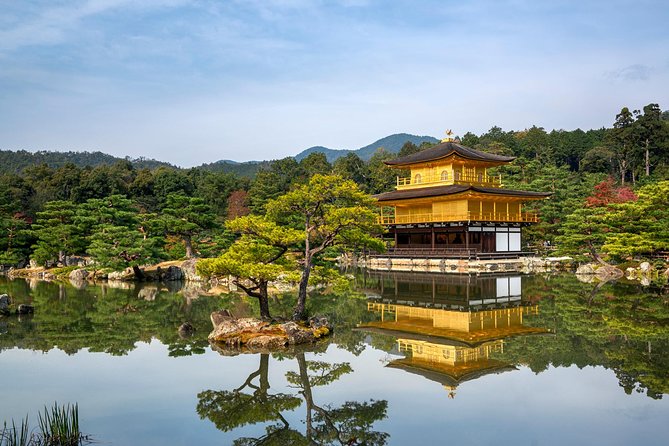
Kinkaku-ji, Kyoto’s Golden Pavilion
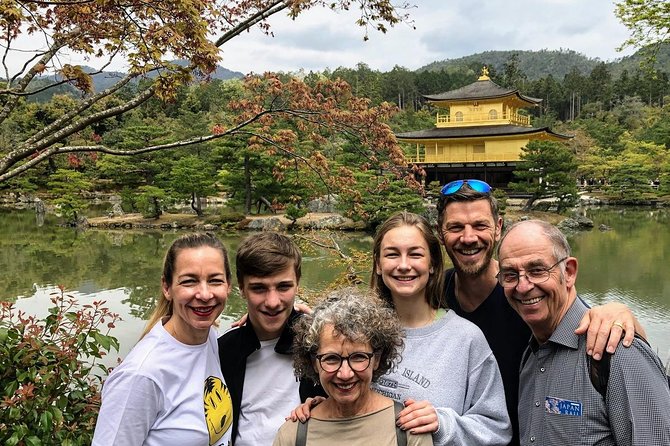
Kinkaku-ji, usually called the Golden Pavilion, is one of Kyoto’s classic sights. The three-story pavilion reflects in a forest-framed pond, giving you the instantly recognizable view that appears in nearly every Kyoto guidebook.
The visit is visually powerful but not especially long. The sample timing allows about 30 minutes, and admission is not included. You generally see the pavilion from the garden route rather than enter the building, so your guide’s explanation adds useful context about the site and its design.
This is a good pick for a first visit, especially if you want one unmistakable Kyoto image. It can feel hurried during a short tour, though, and you should not pair it with too many distant sights unless your guide has a clear transport plan.
Fushimi Inari and the thousand torii gates
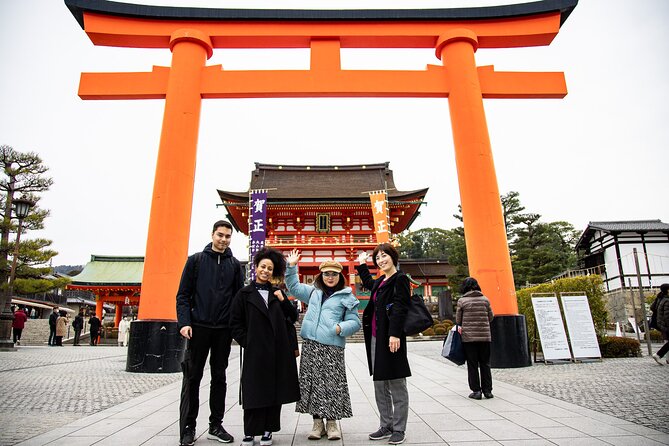
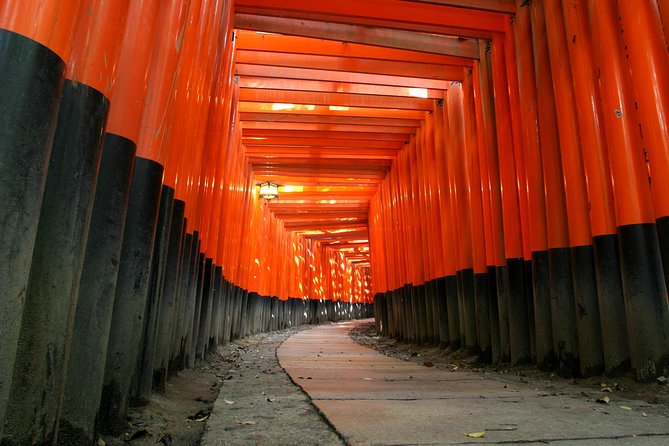
Fushimi Inari-taisha is free to enter and is famous for its long corridors of orange torii gates. The gates climb through wooded slopes, with smaller shrines, fox imagery, and changing views as you walk upward.
The sample visit lasts about 45 minutes. That is enough to experience the lower approach and walk beneath a good stretch of gates, but not enough for a leisurely climb through the entire mountain route. Ask your guide how far the plan goes before setting off, particularly if your group includes children or anyone who finds steep paths difficult.
Fushimi Inari is one of the best choices for a private tour because the guide can set a sensible pace and explain how the shrine works. It is also a place where patience helps. The lower section can be crowded, while walking farther uphill often changes the feel of the visit.
Same base, a completely different sort of day:
- Kyoto: Tea Ceremony in a Traditional Tea House in Kiyomizu
★ 4.9 · 3,519 reviews - Kyoto Geisha Walking Tour: Gion District & Hidden Gems
★ 4.7 · 3,273 reviews - Kyoto: Tea Ceremony Ju-An at Jotokuji Temple
★ 4.9 · 3,207 reviews - Kyoto: Gion Magical Night Walking Tour with Geisha Trivia
★ 4.9 · 2,393 reviews
Ryoan-ji and its famous Zen garden
Ryoan-ji offers a quieter counterpoint to the Golden Pavilion. Its best-known feature is the dry rock garden, a carefully arranged field of stones and gravel designed for stillness rather than spectacle.
The planned stop is about 30 minutes, with admission extra. That is enough for a focused look, but this is not a place to rush through while thinking about the next train. I would choose Ryoan-ji if you enjoy gardens, design, or Buddhist ideas, and skip it if your priority is a long list of headline sights.
Ryoan-ji also pairs well with Kinkaku-ji because the two are in the same general part of Kyoto. That can save valuable travel time compared with crossing the city between every stop.
Arashiyama, Tenryu-ji, and the bamboo grove
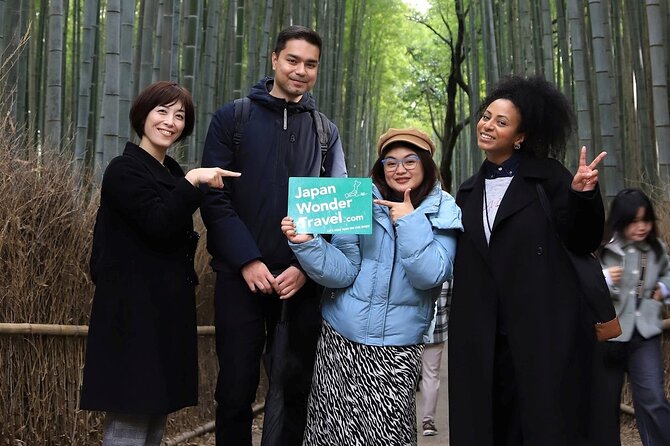
The bamboo forest is one of Kyoto’s most photographed walks. Tall bamboo frames the path and creates a striking change from the city streets, but the main route can be crowded, particularly at popular times.
The sample timing gives the Bamboo Forest Street about 45 minutes. That allows a walk and photographs, not a long woodland outing. The path is free, while Tenryu-ji requires an admission fee.
Tenryu-ji is worth adding if you want more than a photo stop. It is a major Zen temple with notable gardens, and the garden setting was singled out as a highlight by one guidebook-style account of the experience. The itinerary gives Tenryu-ji an oddly brief one-minute listing, so treat the duration as a planning example rather than a promise of a full temple visit. Ask for enough time to see the garden properly.
Arashiyama sits away from central Kyoto, so it can consume a large part of a half-day. Pair it with Tenryu-ji and the bamboo grove, or make it the main focus of the tour.
Kiyomizu-dera, Sannenzaka, Ninenzaka, and Gion
This is one of the most satisfying combinations for a first-time visitor. Kiyomizu-dera is an important Buddhist temple with broad city views, while the sloping lanes of Sannenzaka and Ninenzaka are lined with traditional buildings, tea shops, and small stores.
Kiyomizu-dera has an admission fee, while the historic streets are free to walk. The sample timing allows 30 minutes at the temple and 45 minutes around Sannenzaka and Ninenzaka. In practice, shopping, photographs, and the walk between sites can easily stretch this section.
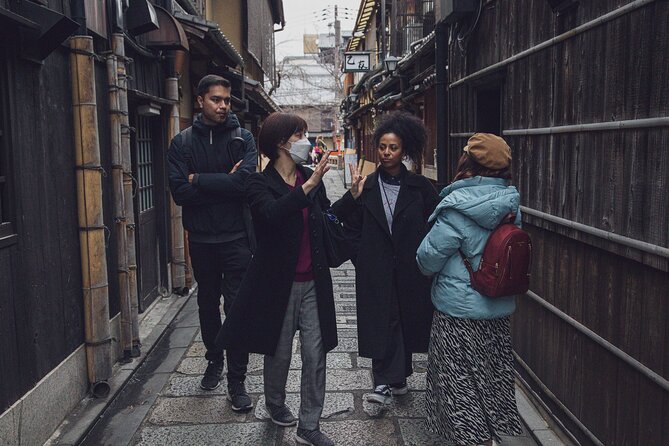
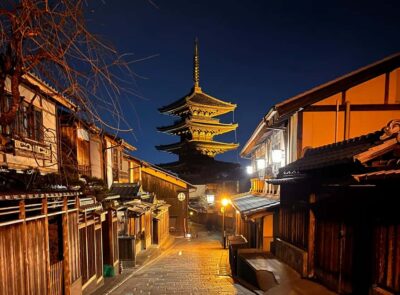
Gion adds a different mood. Its wooden machiya houses, tea houses, and narrow streets are tied to Kyoto’s geisha culture. The sample visit is about 30 minutes, which works for a short orientation walk. Please follow local etiquette: do not block lanes, enter private areas, or photograph people without permission.
I especially like this route for groups who want atmosphere as well as monuments. It also gives a guide room to discuss daily life, traditional architecture, and the difference between seeing a historic district respectfully and treating it as a stage set.
Nishiki Market and Kyoto’s food culture
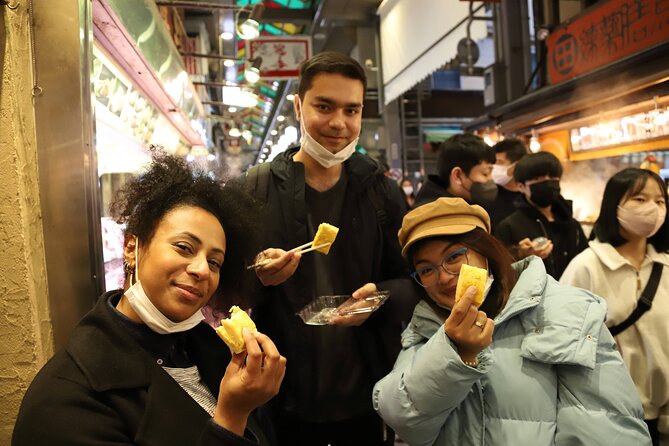
Nishiki Market is known as Kyoto’s Kitchen. The covered market has operated for more than 400 years and offers a close look at local ingredients, prepared foods, sweets, pickles, and kitchen goods.
The sample visit lasts 45 minutes and costs nothing to enter. Food purchases are your responsibility, and lunch is not included in the tour price. Do not assume the market visit replaces a sit-down meal. It is better for tasting, browsing, and learning what Kyoto cooks use.
This is an excellent choice if food is your main interest. Tell the guide what you can and cannot eat, then ask for help understanding unfamiliar items. Market lanes can be tight, so keep your group together and avoid stopping in the center of the walkway.
Nijo Castle and Kyoto’s samurai past
Nijo Castle connects Kyoto with the early Tokugawa shoguns. Built in 1603 as the official residence of Tokugawa Ieyasu, it is known for decorated interiors, gold-leaf ceilings, and the famous nightingale floors designed to make a sound when walked upon.
The sample visit is 45 minutes, and admission is extra. That is enough for a brisk introduction, though a history-minded visitor may want longer. This is one stop where the guide’s preparation matters. A short reading from a basic guidebook will not add much beyond the posted panels, so ask for details about the castle’s political role, art, and defensive design.
Nijo Castle is centrally located and can fit well with Nishiki Market or the Imperial Palace. It is less useful to combine with far-off Arashiyama and Fushimi Inari in a short outing.
Ginkaku-ji, the Philosopher’s Path, and Nanzen-ji
Ginkaku-ji, the Silver Pavilion, is known for calm gardens and restrained Zen style. Despite its name, the pavilion is not covered in silver. Its appeal lies in its proportions, garden design, and quieter mood compared with Kinkaku-ji.
The Philosopher’s Path follows a canal for about two kilometers near Ginkaku-ji. It is a scenic walk, not a quick photo stop, so discuss how much of it you want to cover. Nanzen-ji, another major Zen temple, can add gates, gardens, and a different view of Kyoto’s religious tradition.
The sample timings for these stops are listed as very brief, about one minute each. That clearly does not suit anyone hoping for a proper visit. Treat them as optional points for itinerary discussion and request a realistic amount of time.
Kyoto Imperial Palace and Kyoto Station
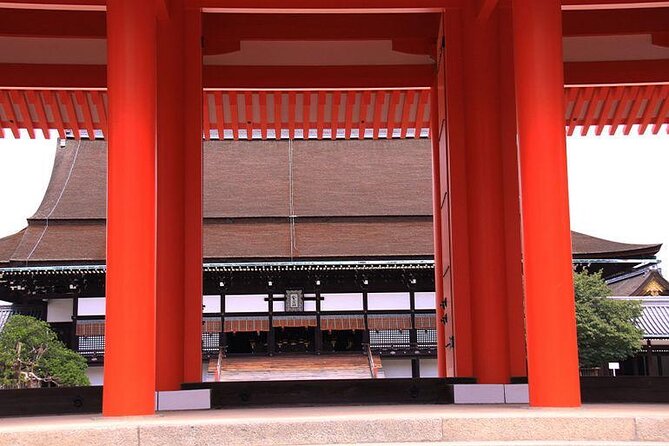
The Kyoto Imperial Palace was home to Japan’s Imperial family for more than a thousand years, from the Heian period onward. Entry is listed as free, and the grounds offer a useful look at court architecture and the former center of imperial life.
Kyoto Station gives you a sharp contrast. Its modern architecture, vast interior spaces, and practical role in the city make it a good choice for anyone interested in contemporary design or transport. It is also a sensible end point if you need to continue by train, though the official end point is the starting meeting location unless another drop-off is arranged.
Transport, walking, and the real price
The base price is $132.65 per person. For a private guide, the value depends heavily on group size. A couple pays more per person than a family of four, but a larger group can gain a full day of planning and navigation without joining strangers.
The price does not cover entrance fees, transport, or lunch for you and the guide. This is the detail most likely to affect your budget. Some outings use trains, buses, taxis, or a private car, but no single transport method is guaranteed. One account describes a private car and driver, while others praise help with train schedules, so confirm the vehicle plan before booking.
You may also be asked to cover the guide’s transport. The terms say transport fees for both you and the guide are separate, so carry enough payment for that expense and make sure you understand how it will be handled.
The tour includes a moderate amount of walking and runs in all weather. Wear comfortable shoes, bring rain protection when needed, and avoid planning a demanding mountain walk immediately after a long sightseeing day.
What the strong and weak experiences tell you
The experience earns a 4.9 rating from 342 reviews, with 97 percent recommending it. The most consistent praise centers on the guides: clear English, friendly conversation, good cultural explanations, flexible routing, and help finding restaurants or navigating transit.
Several guides receive especially warm notice. Kiyoto is praised for history, photography, crowd avoidance, and adapting the plan. Takuma is valued for explaining the meaning behind each site. Toshi is praised for fitting major sights into an eight-hour day and offering dinner suggestions. Yuka is noted for efficient use of different transport methods, while Osamu was praised for staying beyond four hours to continue through the bamboo forest.
There are also important warnings. One poor experience involved a guide who offered little explanation, rushed the outing, ended after two hours, and gave unclear directions back to Kyoto Station. Another complaint focused on taxi costs and the guide requiring a family member to ride along. These accounts are not typical of the high overall rating, but they show why you should confirm the route, timing, transport costs, and return plan at the beginning.
Ask your guide to repeat the day’s stops and expected finish. If you want detailed interpretation rather than quick facts, say so plainly. A private tour works best when you take part in shaping it.
Who should book this Kyoto private tour?
I would choose this tour if you have one day in Kyoto, want personal attention, or feel uneasy managing several temple districts on your own. It is particularly useful for families, first-time visitors, groups with different interests, and anyone who wants help with local transport or restaurant choices.
It is less suitable if you prefer a fixed, low-cost walking tour with all expenses included. It also may disappoint if you expect to see every major sight in four hours, or if you do not want to pay separately for transport, admissions, and lunch.
Book it with a short priority list, not a wish list of thirteen places. Choose nearby sights, tell the guide your walking limits, and confirm pickup and transport costs. Done that way, this tour can give you a clear, personal introduction to Kyoto without wasting your limited time.
FAQ
How long does the Kyoto private tour last?
The tour lasts approximately four to eight hours. The half-day option is about four hours, while the full-day option is about eight hours.
How many places can I visit?
The suggested plan is two to three stops for a half-day tour and three to four stops for a full-day tour. The exact selection depends on your interests and the time needed to travel between locations.
Is the tour private?
Yes. Only your group participates in the activity.
Where does the tour start?
The stated meeting point is the Kyoto Tourist Information Center, Kyo-Navi, on the second floor of the Kyoto Station Building.
Does the tour include hotel pickup and drop-off?
Hotel pickup and drop-off are offered. The stated meeting and ending point is Kyoto Station, so confirm the exact pickup and return arrangement when booking.
Are entrance fees included?
No. Admission fees for places such as Kinkaku-ji, Ryoan-ji, Kiyomizu-dera, Nijo Castle, Tenryu-ji, Nanzen-ji, and Ginkaku-ji are not included.
Is transportation included?
No. Transportation fees are not included for you or the guide. Local transport may be arranged as part of the customized route.
Is lunch included?
No. Lunch for you and the guide is not included.
How much walking is involved?
A moderate amount of walking is included. Comfortable walking shoes are recommended.
Can I cancel for a full refund?
You can cancel at least 24 hours before the start time for a full refund. Cancellations or changes made less than 24 hours in advance are not accepted for a refund.
Just added around Kyoto
- Kyoto: Zen Meditation at a Private Temple with a Monk★ 5.0 · 25 reviews
- Kyoto: Gion Geisha District & Sake-in-Hand Walking Tour★ 5.0 · 37 reviews
- Private Pewter Sake Cup Experience with a Kyoto Artisan★ 5.0 · 31 reviews
- Your Private Vacation Photography Session In Kyoto★ 5.0 · 110 reviews
- Private Guided Traditional Buddhist Cooking in Japan★ 5.0 · 16 reviews
- Kyoto Wagashi(Japanese sweets) Cooking Class near Fushimiinari★ 5.0 · 60 reviews
- Traditional Japanese Music show & Experience Tour in Kyoto★ 5.0 · 57 reviews
- Kyoto:Family-Friendly Kimono & Yukata Experience at WARGO★ 5.0 · 147 reviews
Kyoto Tours, compared.
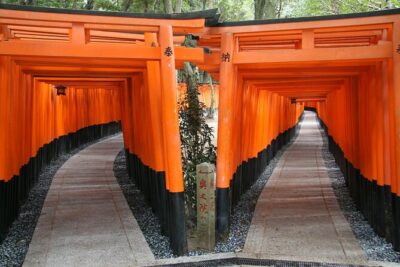
Fushimi Inari, Kinkakuji, Bamboo Grove 1 Day Bus Tour
Read our review →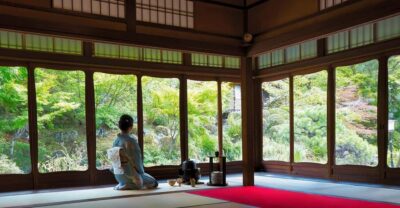
Tea Ceremony in a Traditional Tea House in Kiyomizu
Read our review →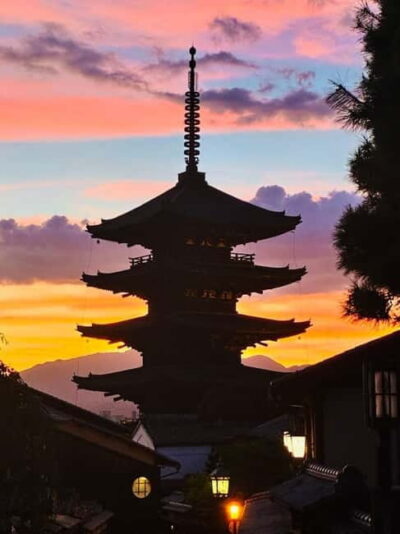
Kyoto Geisha Walking Tour: Gion District & Hidden Gems
Read our review →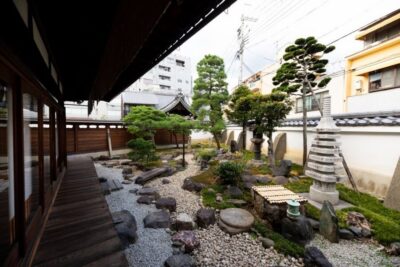
Gion Magical Night Walking Tour with Geisha Trivia
Read our review →
Gion Geisha District Walking Tour – Stories of Geisha
Read our review →Browse the lists this tour appears in