
Reviewed · KYOTO TOURS
Single- & multi-day Adventures within Kyoto Nara Osaka Kobe
The clever idea here is simple: use one private vehicle to link Kyoto, Osaka, Nara, and Kobe instead of piecing together trains, taxis, and separate day tours. You can choose one to four days, change the route to suit your group, and even arrange pickup in one city with drop-off in another. I like the onboard Wi-Fi and 100V charging outlets, and I like the freedom to spend more time at a temple or cut a stop when the day gets too full.
I also like that Kevin and Chi are named contacts who can help shape a day around your interests. The main caution is the sheer size of the suggested program. The four-day outline contains far more stops than most people can comfortably visit, and the $385 price is per group, not per person, while entrance fees are extra. You will need to agree on a realistic plan before setting off.
Key points to know before booking
- One vehicle links four major destinations: Kyoto, Osaka, Nara, and Kobe can be combined in a single private program.
- The route can change: You can suggest sights, adjust the schedule, and choose a trip lasting from one to four days.
- Remote northern Kyoto is included: Amanohashidate, Ine, Kyotango, and the Amanohashidate Winery take you well beyond the usual city circuit.
- The group limit is generous: Up to eight people can share the private vehicle, making the price more attractive for families and small groups.
- Internet and charging are built in: Wi-Fi and 100V power help during long drives between cities.
- Tickets are mostly separate: Temple, museum, castle, garden, boat, observatory, and other admission charges are not included.
A private road trip across Kansai
This is best understood as a private transportation and sightseeing service rather than a tightly scripted tour. The company offers an air-conditioned vehicle, pickup and drop-off at hotels, airports, and other requested locations, plus a flexible route. That matters in the Kansai region, where Kyoto, Nara, Osaka, Kobe, Himeji, Uji, and the northern coast all sit within reach but are not always easy to combine in one clean public-transport itinerary.
The one-day option can include pickup in one city and drop-off in another. That is especially useful if you are moving from Kyoto to Osaka, or finishing in Kobe before a later departure. Airport transfers can also be booked privately.
The biggest benefit is control. You are not tied to the pace of a large bus group, and your party alone takes part. You can ask to focus on gardens, food, castles, sake, shopping, or rural scenery. Kevin and Chi are specifically identified as contacts who can help plan the day, and one strong account describes a full day linking Kyoto, Uji, and Nara with both requested stops and added suggestions.
The current score is 4.8 from 16 ratings, with 94 percent recommending the experience. That is a strong result, though the sample is small. One serious complaint concerns a canceled second day and a disputed refund, while the provider gave a detailed response involving a missed pickup time and disagreement about the requested cancellation. I would treat that as a reminder to confirm pickup times, cancellation terms, and any changes in writing.
A few more Kyoto half-days to weigh up
- PERFECT KYOTO 1-Day Bus Tour
★ 5.0 · 13,518 reviews - Kyoto: Fushimi Inari, Kinkakuji, Bamboo Grove 1 Day Bus Tour
★ 4.8 · 4,316 reviews - Kyoto: Tea Ceremony in a Traditional Tea House in Kiyomizu
★ 4.9 · 3,519 reviews
Day one: Kyoto temples, northern coast, and too much ambition
The proposed first day is remarkably broad. It begins at Amanohashidate in northern Kyoto, then moves to Ine, before turning toward a long list of Kyoto sights. This can work only if you select a few priorities. Attempting every listed stop in one day would leave you rushing from parking area to parking area.
Amanohashidate and Ine no Funaya
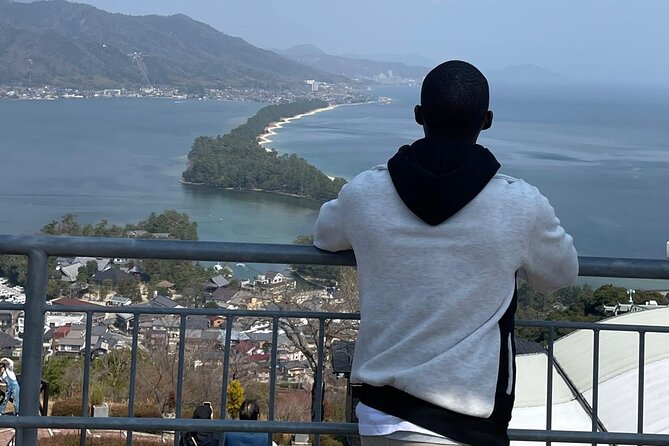
Amanohashidate means bridge in heaven. It is a pine-covered sandbar crossing Miyazu Bay, and its appeal comes from the unusual natural shape rather than a single monument. Two hours gives you time to see the area at a measured pace, but admission to any chosen viewpoint or activity is not included.
Ine no Funaya is a fishing village famous for its boat houses built along the water. The lower level traditionally shelters boats, while the living space sits above. A one-hour stop offers a quick look at the waterfront and the village atmosphere. Boat rides and other charges are separate, so confirm exactly what your plan includes.
These two places are a fine match for people who have already seen central Kyoto and want something less urban. They are also the reason you should not treat the first day as a checklist. Northern Kyoto is a substantial outing on its own.
Arashiyama, Kinkakuji, and Nijo Castle
Arashiyama brings you to western Kyoto, where the Togetsukyo area, riverside views, and famous bamboo paths draw large crowds. Two hours is enough for a useful visit if you keep moving, though it may not allow time for every garden or side street.
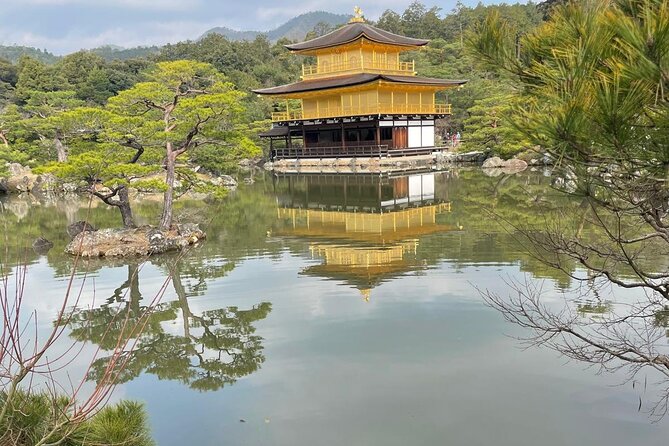
Kinkakuji, the Golden Pavilion, reflects across a pond and makes a quick, highly visual stop. The proposed 30 minutes is short but practical for the main view. Nijo Castle deserves more time. Its former imperial setting and connection to the Tokugawa shoguns give it political weight as well as beautiful architecture. Allowing an hour lets you see the grounds and key interiors, though admission is extra.
Same base, a completely different sort of day:
- Kyoto Geisha Walking Tour: Gion District & Hidden Gems
★ 4.7 · 3,273 reviews - Kyoto: Tea Ceremony Ju-An at Jotokuji Temple
★ 4.9 · 3,207 reviews - Kyoto: Gion Magical Night Walking Tour with Geisha Trivia
★ 4.9 · 2,393 reviews - Kyoto: 45-Minute Tea Ceremony Lesson Experience
★ 4.3 · 2,378 reviews
The Imperial Palace, Nishiki Market, and eastern Kyoto
The Kyoto Imperial Palace occupies a large park and offers a very different feel from the compact temple compounds. A one-hour visit gives you a sense of the former imperial center, but you should check the day’s access arrangements with the operator before relying on a specific interior visit.
Nishiki Market is a narrow food street with more than 100 shops and restaurants. Forty-five minutes lets you sample a few items, but it is not enough for a relaxed meal and serious browsing. Keep your group together here, since the passage is narrow and busy.
Ginkakuji, the Silver Pavilion, is less flashy than Kinkakuji. Its value lies in the garden, moss, sand forms, and eastern mountain setting. Nanzenji adds a grand Rinzai Zen temple, spacious grounds, and a large brick aqueduct nearby. Together, these two stops make a strong half-day, but the suggested 45 minutes at Ginkakuji and one hour at Nanzenji leave little room for wandering.
Gion, Sanjusangendo, and Fushimi Inari
Gion is Kyoto’s traditional entertainment district, with lanes, shrines, and old-style buildings. The two-hour allocation is generous compared with several other stops. It gives you time to walk rather than simply photograph a street from the vehicle.
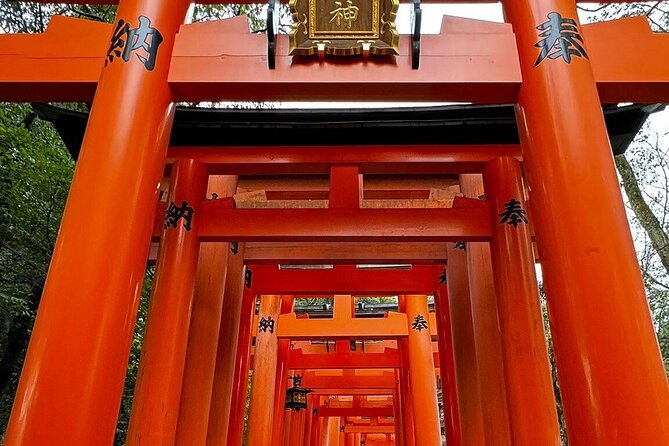
Sanjusangendo is known for its hall filled with 1,001 Kannon statues. The experience is visual and quiet, and one hour is sensible. Fushimi Inari Taisha is famous for its rows of orange torii gates. The listed 30 minutes covers only the lower shrine area and a short walk. The full mountain route takes much longer, so tell the operator if the gates are a major reason for your visit.
The Hozugawa River activity is listed separately as a two-hour river experience. It should not be treated as a quick add-on to a packed temple day. The same is true of Kyotango and the Amanohashidate Winery, each given two hours. Kyotango offers long beaches, including Kotohiki-hama, known as singing sand beach. The winery adds a rural food and drink stop, but free admission does not mean every tasting or purchase is covered.
Day two: Osaka food streets, history, and family stops
Osaka works well with a private vehicle when your group wants to mix major sights with food districts and outlying attractions. It works less well when you try to cover all 14 suggested stops in one day. Pick a central-city day, a family day, or an outer-Osaka day.
Osaka Castle and the Cup Noodles Museum
Osaka Castle is the obvious starting point. Its exterior is one of Japan’s familiar sights, while the interior presents a museum-style account of the castle and its role in Osaka. One hour gives you a compact visit, and the admission fee is not included.
The Cup Noodles Museum Osaka Ikeda is a lighter, more hands-on stop. It explains the development of instant ramen and includes a reproduction of Momofuku Ando’s original work hut. This is a good choice for families or anyone who wants a break from temples. Admission and any special activities are extra.
Minoo Park and the city’s old entertainment quarters
Minoo Park offers a greener break outside central Osaka. Two hours allows a walk toward the waterfall area and a look at Ryuanji Temple, though the exact amount of walking will depend on your group. The park is free to enter.
Back in the city, Shinsekai has a retro entertainment-district feel centered on Tsutenkaku Tower. Sennichimae Doguyasuji is more practical and wonderfully specific, with shops selling kitchen tools, crockery, and restaurant supplies. It is a better stop for curious shoppers than for people seeking major monuments.
Kuromon Market is known for seafood, meat, and produce. Forty-five minutes is enough for a snack-oriented visit, but food purchases are your responsibility. Hozenji Yokocho provides a quieter contrast, with lanterns, a narrow stone lane, and Hozenji Temple.
Dotonbori and Shinsaibashi
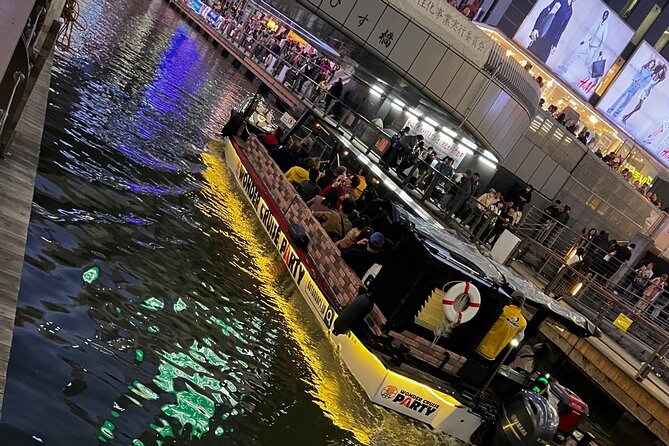
Dotonbori is Osaka at its most theatrical: neon signs, canal-side streets, street food, bars, and the famous Glico running figure. The proposed 45 minutes is enough to see the central stretch, but I would use extra time here if eating is part of your plan.
Shinsaibashi-suji is a long covered shopping arcade with hundreds of shops. A one-hour walk gives you a taste of Osaka’s shopping culture. Together, Dotonbori and Shinsaibashi form an easy central-city pairing, but traffic and pedestrian congestion can make vehicle drop-offs slower than expected.
Sumiyoshi, Tempozan, and the outer stops
Sumiyoshi Taisha is one of Osaka’s oldest shrines and has a distinctive architectural style from before Buddhism reached Japan. It offers a calm change of pace and takes about an hour.
Tempozan Harbor Village includes the Kaiyukan aquarium, Tempozan Marketplace, and other attractions. Two hours is not enough for every facility, so choose one main purpose. Aquarium admission is extra.
Hoshi no Buranko is a suspension bridge about 50 meters above the ground, with wide views and especially colorful autumn scenery. Asahi Beer Museum offers tasting and brewery-related activities, with admission not included. Tondabayashi Jinaimachi preserves traditional townhouses from the Edo period through the early Showa period, but the listed two-minute stop is clearly only a brief pass, not a serious visit. Ask for that item to be removed unless you have more time.
Day three: Nara’s deer, temples, gardens, and Uji tea country
Nara is easier to handle than the first two days, but the sights involve a good deal of walking. Comfortable shoes matter. The deer are free-roaming, and food for them is available in the park, so keep your hands clear once the crackers are gone.
Nara Park is the natural anchor. It covers a huge area and links several major sights, including Todai-ji, Kasuga Grand Shrine, and Kofuku-ji. Todai-ji contains the giant bronze Buddha and one of the world’s largest wooden buildings. Entrance is extra, and one hour gives you the main temple visit rather than a full look at every section.
Kofuku-ji has pagodas, halls, and grounds connected with Nara’s early Buddhist tradition. The listed hour is useful, though some sections may require separate admission. Kasuga Grand Shrine is known for its hanging bronze lanterns and rows of stone lanterns along the approach. It deserves a full hour if you want to walk beyond the main entrance.
Naramachi, with its old merchant houses and small lanes, is one of the best places to slow down. The 30-minute allocation is brief but can work for a quick stroll. Higashimuki Shopping Street is handy in poor weather, with food, souvenirs, and the well-known mochi-pounding shop.
Isuien Garden supplies the quietest hour of the day. Its pond, teahouse, carefully arranged views, and nearby Neiraku Museum make it a good choice if you prefer gardens to crowded monuments. The admission is listed as included, unlike most of the major sights.
Uji is a worthwhile southern Kyoto addition, particularly if Japanese tea interests you. The town is associated with fine tea and offers green fields and a slower pace. Two hours gives you a reasonable visit, but adding Uji to a full Nara day still makes for a long schedule.
Day four: Kobe, Himeji, sake, and mountain views
The Kobe day tries to combine city culture, mountain scenery, hot springs, sake, and Himeji Castle. That is too much for one ordinary day unless you remove several stops. Himeji alone can anchor a day trip.
Mt. Rokko and sake country
Mt. Rokko rises to 931 meters and provides views over Kobe and Osaka Bay. The mountain area includes gardens and the Rokko-Shidare Observatory, a distinctive tree-shaped dome with broad views. The two-hour observatory allocation is generous, but weather can affect what you see.
Nada no Hitotsubi is a sake-making district supported by good rice, water, and local conditions. Kobe Shushinkan includes a sake shop, a restaurant, and a free guided warehouse tour held once daily. Since the tour schedule matters, confirm the timing before building the rest of the day around it. Tasting, meals, and other admission charges may not be covered.
Kobe’s foreign quarter, Chinatown, and waterfront
Kitano Ijinkan-gai preserves former homes associated with foreign merchants and diplomats after Kobe opened to overseas trade in the 19th century. The one-hour stop is enough for a look at the district, but entrance to individual houses is extra.
Nankinmachi, Kobe’s Chinatown, is compact and food-focused. Allowing an hour gives you time to walk and eat. Kobe Harborland adds shopping, restaurants, cinemas, and bayfront views. It is free to enter, but purchases and attractions cost extra.
The Port of Kobe Earthquake Memorial Park provides important context about the 1995 Great Hanshin Awaji Earthquake, which killed more than 5,000 people and destroyed many homes. This is not a decorative sightseeing stop. It is a direct way to understand what Kobe endured and how the city remembers it.
Himeji Castle, Koko-en, and Arima Onsen
Himeji Castle is Japan’s famous White Heron Castle, with a white exterior and UNESCO World Heritage status. The proposed one-hour visit may feel rushed, especially if you want to climb through the main keep. Admission is not included.
Koko-en, beside the castle, is a group of carefully designed gardens with ponds, bridges, and traditional buildings. One hour is well spent here, and admission is listed as included. Pairing Himeji Castle with Koko-en creates a strong, focused day, but adding Mt. Rokko, Nada, Kobe Harborland, and Arima Onsen afterward is unrealistic for most groups.
Arima Onsen is one of Japan’s oldest hot spring resorts. The listed hour may allow a footbath or a short visit, but do not assume a full bathing session is included. That detail should be settled before booking.
What the $385 group price really buys
At $385 per group of up to eight, the value depends on group size and how much driving you want to avoid. For eight people, the basic transport cost is modest per person. For two people, it is much less of a bargain, especially after adding admissions, meals, tastings, boat rides, and other activities.
You are paying for a private air-conditioned vehicle, requested pickup and drop-off, Wi-Fi, charging power, and a route that can cross city boundaries. You are not paying for most sightseeing tickets. The four-day duration is approximate, and the flexible format means you should get a clear day-by-day plan and total expected extras before committing.
The vehicle has no restroom. That is not a major issue in Japan, where restrooms are widely available at stations, temples, markets, and attractions, but long drives to Amanohashidate, Ine, Kyotango, or Himeji still require sensible breaks.
Who should book this private tour
I would recommend it most strongly to families, multigenerational groups, and small parties of up to eight who value door-to-door transport. It also suits anyone with specific goals, such as combining Nara deer with Uji tea, or Himeji Castle with Kobe sake.
It is less suitable for a solo visitor or couple who enjoys using trains and wants a low-cost trip. It is also not ideal for anyone who wants a fixed, tightly timed tour with every ticket handled in advance. The route is flexible, but that places some planning responsibility on you.
Most people can participate, service animals are allowed, and the tour operates as a private activity. Free cancellation is available up to 24 hours before the start time. Inside that window, refunds are not provided and changes are not accepted, so confirm your schedule early.
Should you book it?
Book this if private transport and route control matter more to you than a fixed program. The strongest plan is not the giant four-day checklist. Choose two or three main sights per day, then add a market, garden, or food stop nearby.
For a first visit, I would consider one Kyoto day, one Nara and Uji day, one Osaka day, and one Kobe or Himeji day. If your group is large, the $385 rate can be good value. If your group is small, compare it with trains and occasional taxis.
Before paying, ask Kevin or Chi to confirm the pickup time, exact vehicle arrangement, included admissions, planned driving time, and which stops will be removed to keep the day comfortable. With that clarity, this can be a practical way to connect the best of Kansai without constantly changing hotels or hauling luggage through stations.
FAQ
How long does the private experience last?
You can choose a program lasting from one to four days. The advertised duration for the full option is approximately four days.
Which cities can be included?
The service covers Kyoto, Nara, Osaka, and Kobe. The suggested routes also include places such as Amanohashidate, Ine, Uji, Himeji, Kyotango, and Arima Onsen.
How many people can join?
The private vehicle accommodates a group of up to eight people.
Is pickup provided?
Yes. Pickup and drop-off are offered at hotels, airports, and other locations you request.
Can pickup and drop-off be in different cities?
Yes. The one-day option allows pickup in one city and drop-off in another.
Is airport transfer available?
Yes. You can choose to book a private airport transfer.
Is transportation included?
Yes. The package includes an air-conditioned vehicle and private transportation.
Does the vehicle have Wi-Fi and charging?
Yes. Wi-Fi is provided onboard, and the vehicles have 100V AC power for charging devices such as laptops and cameras.
Are attraction admission fees included?
No. Most admission fees, entrance fees, and sightseeing tickets are not included. A few listed stops, such as Minoo Park, Isuien Garden, Naramachi, and Koko-en, are marked as free or included, so confirm the exact plan before departure.
Is there a restroom in the vehicle?
No. A restroom is not provided onboard.
Can the itinerary be changed?
Yes. The itinerary can be adjusted according to your preferences and suggestions.
What is the cancellation policy?
You can cancel at least 24 hours before the start time for a full refund. Cancellations or changes made within 24 hours are not accepted for a refund.
Just added around Kyoto
- Kyoto: Zen Meditation at a Private Temple with a Monk★ 5.0 · 25 reviews
- Kyoto: Gion Geisha District & Sake-in-Hand Walking Tour★ 5.0 · 37 reviews
- Private Pewter Sake Cup Experience with a Kyoto Artisan★ 5.0 · 31 reviews
- Your Private Vacation Photography Session In Kyoto★ 5.0 · 110 reviews
- Private Guided Traditional Buddhist Cooking in Japan★ 5.0 · 16 reviews
- Kyoto Wagashi(Japanese sweets) Cooking Class near Fushimiinari★ 5.0 · 60 reviews
- Traditional Japanese Music show & Experience Tour in Kyoto★ 5.0 · 57 reviews
- Kyoto:Family-Friendly Kimono & Yukata Experience at WARGO★ 5.0 · 147 reviews
Kyoto Tours, compared.


Fushimi Inari, Kinkakuji, Bamboo Grove 1 Day Bus Tour
Read our review →
Tea Ceremony in a Traditional Tea House in Kiyomizu
Read our review →
Kyoto Geisha Walking Tour: Gion District & Hidden Gems
Read our review →

Gion Magical Night Walking Tour with Geisha Trivia
Read our review →
