
Reviewed · KYOTO TOURS
Kyoto & Uji: Full Day Sightseeing Tour from Osaka or Kyoto
Kyoto and Uji give you two very different views of old Japan in one long day. Kyoto brings famous temples, sloping lanes, and postcard views. Uji slows the pace with a river, a small shrine, Byodo-in’s Phoenix Hall, and shops devoted to green tea.
I like the efficient route and the air-conditioned vehicle, especially since these sights are spread across two cities. I also like that you get time to walk on your own at several stops, rather than being marched from one photo point to the next. The main drawback is the pace: nine hours and eight stops leave little room for lingering, a long lunch, or a detailed look inside every temple.
Key points to know before booking
- Eight major stops in two cities: The day includes Kinkaku-ji, Kiyomizu-dera, Ninenzaka and Sannenzaka, Yasaka Koshindo, the Uji River, Uji Shrine, Byodo-in Temple, and Byodoin Omotesando.
- A practical choice from Osaka or Kyoto: The organized vehicle saves you from arranging several train and bus connections.
- Temple admission costs extra: The three paid sites together cost 1,600 yen, in addition to the tour price.
- The schedule favors breadth: Most stops last 20 to 60 minutes, so you see a lot but should not expect a slow temple study.
- Guiding style may vary: Guides associated with the tour include John, Jone, and Cave. John has been noted for speaking English, Mandarin, and Japanese and for sending meeting details and maps through WhatsApp.
- Large group potential: The vehicle can hold up to 45 people, so this is not a private or small-group outing.
What this Kyoto and Uji day covers
At $57.90 per person, this is priced as a sightseeing day with transport and a guide, not as an all-inclusive cultural program. Your ticket includes an air-conditioned vehicle and guide service. Lunch is on your own, and admission to Kinkaku-ji, Kiyomizu-dera, and Byodo-in Temple is not included.
The advertised temple total is 1,600 yen. That extra cost is easy to plan for, but you should remember it when comparing this tour with a self-guided day using local trains and buses. The real value is the time saved and the simple transfer between Kyoto and Uji.
The route is especially useful if you have only one free day for Kyoto. On your own, you could certainly visit these areas, but getting from northern Kyoto to eastern Kyoto and then down to Uji takes planning. Here, the main job is to show up on time, follow the meeting instructions, and decide how you want to use each stop.
The high rating of 4.9 from 25 ratings and a 96 percent recommendation rate suggest that the service is generally well received. Still, those numbers do not change the basic tradeoff: this is a broad introduction to Kyoto and Uji, not a quiet, specialist tour of each temple.
A few more Kyoto half-days to weigh up
- 5 Top Highlights of Kyoto Full Day Bike Tour (E-bike option)
★ 5.0 · 511 reviews - Full Day Biking Tour Exploring the Best of Kyoto
★ 5.0 · 498 reviews - Full Day Guided Tour to Kyoto and Nara from Osaka by Van
★ 5.0 · 420 reviews
Kinkaku-ji, Kyoto’s glittering first stop
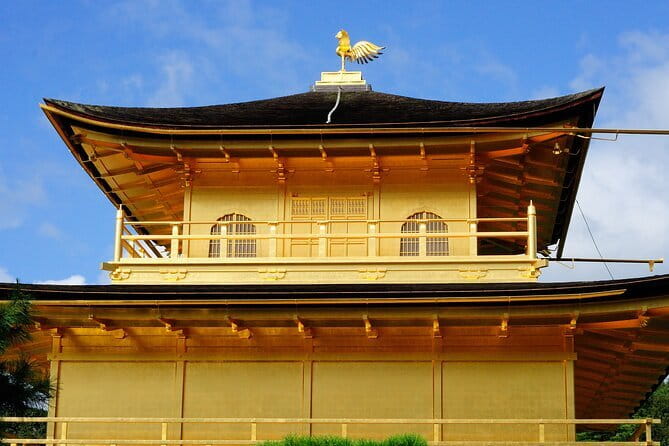
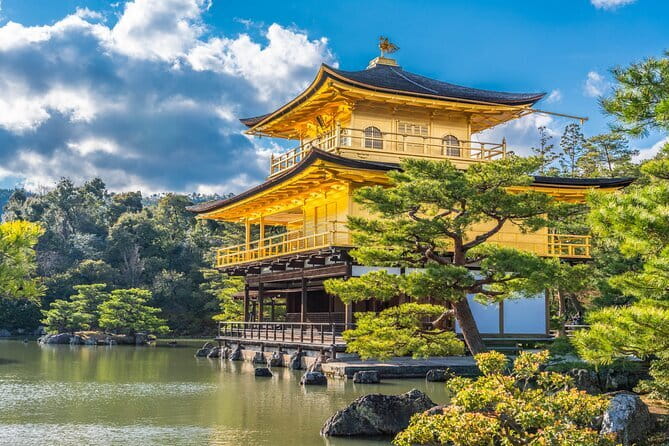
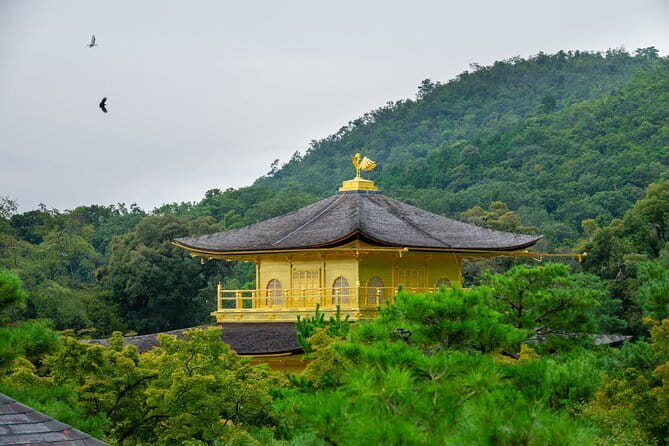
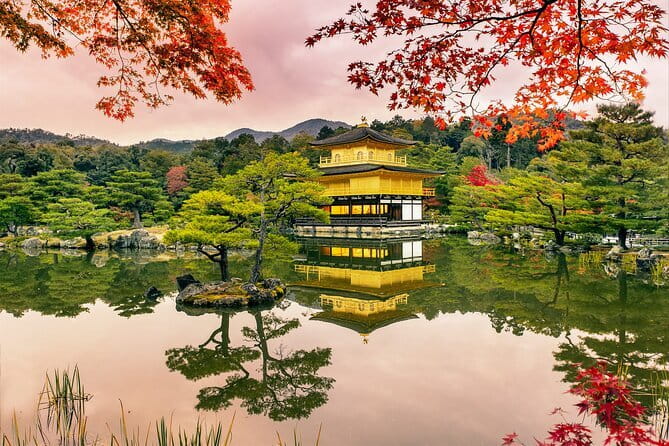
The day begins at Kinkaku-ji, better known as the Golden Pavilion. Its upper levels are covered in gold leaf, and the building is set beside a pond with carefully arranged gardens. The setting is designed for a strong first impression, and it delivers one.
You have about 40 minutes here, with admission extra. That is enough time to enter, follow the main viewing route, and take photographs of the pavilion across the water. It is not enough for a relaxed garden walk or a long visit to every corner of the grounds.
I would arrive ready to keep moving. Kinkaku-ji is one of Kyoto’s most famous sights, so the main viewing area can feel busy. Your guide can help you understand what you are seeing, but this stop is primarily visual. Take your photographs early, then use the remaining minutes for the garden path.
The short visit is both the strength and weakness of the schedule. You get the Golden Pavilion without giving half a day to one temple, but you will need to accept a quick look.
Kiyomizu-dera and the slopes of eastern Kyoto
Kiyomizu-dera gives you a different kind of temple visit. Founded in 780 near the Otowa Waterfall, it is part of the Historic Monuments of Ancient Kyoto UNESCO World Heritage Site. The temple’s setting on the hills of eastern Kyoto gives the visit a sense of height and movement that Kinkaku-ji does not.
You have one hour here, and admission is extra. That hour should be enough to see the main temple area and take in the famous wooden structure, but the site includes slopes and walking. Wear shoes that can handle uneven or uphill streets, particularly if rain is forecast.
The tour does not provide a separate lunch stop in the stated schedule. You should therefore treat this hour as temple time, not as a chance to sit down for a full meal. A quick snack may be possible depending on the day’s timing, but do not count on it.
I like giving Kiyomizu-dera the longest stop in Kyoto. It is the most substantial temple visit on the route, and the extra minutes help you look beyond the main photograph. Rain can make the paving and hills less comfortable, though one past outing continued successfully through heavy afternoon rain.
Ninenzaka and Sannenzaka, where Kyoto feels close-up
After Kiyomizu-dera, the tour moves into Ninenzaka and Sannenzaka. These sloping streets are lined with traditional Japanese-style buildings and shops. They offer a more intimate view of Kyoto than the large temple grounds do.
You get about an hour here, with no separate admission fee. This is your chance to wander, browse, and see how the historic streets connect the temple area with the surrounding neighborhood. The route is not flat, and the stone paving can be tiring after a morning of sightseeing.
This section is valuable because it lets you experience Kyoto at street level. You are not just looking at major monuments. You are walking through lanes where the buildings, shop fronts, stairs, and slopes create the atmosphere.
The one-hour limit means you should choose your priorities. If you want photographs, take them early. If you want small purchases or sweets, leave enough time to browse. The group will have a set return time, so do not wander so far that you lose track of the meeting point.
Same base, a completely different sort of day:
- PERFECT KYOTO 1-Day Bus Tour
★ 5.0 · 13,518 reviews - Kyoto: Fushimi Inari, Kinkakuji, Bamboo Grove 1 Day Bus Tour
★ 4.8 · 4,316 reviews - Kyoto: Tea Ceremony in a Traditional Tea House in Kiyomizu
★ 4.9 · 3,519 reviews - Kyoto Geisha Walking Tour: Gion District & Hidden Gems
★ 4.7 · 3,273 reviews
A quick look at Yasaka Koshindo
Yasaka Koshindo is a small but distinctive stop near Ichinenzaka. The temple is decorated with colorful monkey-shaped ornaments. These eye-catching figures give the site a very different character from the grand wooden halls at Kiyomizu-dera.
The visit lasts about 30 minutes and is free. That is enough time to see the decorations, learn the basic story of the temple from your guide, and take a few photographs.
I appreciate this stop because it breaks up the famous-sight routine. It is smaller and more unusual, so it may appeal to you if you enjoy local religious customs and details that are easy to miss on a standard first visit to Kyoto.
Do not expect a large temple complex. This is a brief neighborhood visit, and its value comes from the specific visual detail rather than the scale of the site.
The Uji River and a change of pace
The route then heads to Uji, where the Uji River offers a welcome change from Kyoto’s temple lanes. The river is the only river flowing from Lake Biwa, Japan’s largest lake, and it has long served as a water route between Shiga and Osaka.
You have about 20 minutes beside the river. That is a short stop, but it gives you a chance to stretch your legs and see the setting that shapes Uji. The river also helps you understand why Uji feels more open and less compressed than the busiest parts of Kyoto.
This is not a boat ride or a long riverside walk. It is a scenic pause between the shrine and temple visits. Keep your expectations in line with the time allowed, and use the stop to reset before the final part of the day.
Uji Shrine and its rabbit theme
Uji Shrine is a Shinto shrine with rabbits at the center of its visual theme. White, red-eyed rabbits appear on the shrine’s lanterns and ema, the wooden votive plaques where visitors write prayers or wishes.
The stop lasts about 20 minutes and is free. That gives you enough time to see the shrine grounds and notice the rabbit details, but not enough for an extended visit or a long explanation of every feature.
I find this kind of short stop useful on a packed day. The rabbit theme gives you something specific to look for, and the shrine adds a Shinto perspective after several Buddhist sites in Kyoto. If you like quiet details and symbols, pay attention here rather than treating it as just another quick photograph.
Byodo-in Temple and the Phoenix Hall
Byodo-in Temple is the main reason many people add Uji to a Kyoto visit. It is a UNESCO World Heritage Site and one of Japan’s best-preserved national treasures. Its most famous building is the Phoenix Hall, with wing-like corridors extending from the central structure.
You have about 30 minutes inside the temple area, and admission is not included. The short visit allows you to see the celebrated exterior and grounds, but it is not a full study of the complex.
The Phoenix Hall is also pictured on the Japanese 10-yen coin, making this a particularly recognizable piece of architecture. The tour’s brief timing gives you the essential view, though you may wish for more time if architecture or Japanese religious art is a major interest.
This is the point where the schedule may feel tightest. By the time you reach Uji, you have already seen several major sites. I would keep your ticket money ready and listen carefully to the guide’s return instructions so you do not lose time at the entrance.
Byodoin Omotesando and Uji green tea
The final stop is Byodoin Omotesando, the street leading toward Byodo-in. Uji is famous for green tea, and the street is lined with shops selling tea and tea-based products.
You have about 30 minutes here, with no admission fee. This is a good place to look for tea to take home, compare products, or simply see how central tea is to Uji’s identity.
The timing is short, so this is not a tea ceremony or a guided tasting based on the information provided. Think of it as a shopping and food street stop. If you want to buy something, use the guide’s return time as your limit and keep your purchases easy to carry.
Ending in Uji works well. The day moves from Kyoto’s grand temples toward a smaller city with a clear local specialty. After the formal temple visits, the tea street gives you a more casual finish.
How the nine-hour schedule feels
Nine hours is a full day, and this itinerary uses the time aggressively. You cover two cities and eight named stops, with the longest visits lasting one hour and several lasting only 20 or 30 minutes.
I like this design for a first visit or a tight Japan schedule. You get a strong overview without having to organize separate transport. The guide also handles the rhythm of the day, including check-in and return times.
You should not book it expecting a slow, reflective temple day. The itinerary is better described as a highlights route. At several stops, your most important task will be keeping an eye on the clock.
An air-conditioned vehicle is a meaningful benefit, especially after walking the hills around Kiyomizu-dera and the streets of Uji. The vehicle can carry up to 45 people, so the group may be large. That can make boarding and meeting points less personal, but it also keeps the price relatively low for a full-day route.
Past guide assignments connected with this tour include John, Jone, and Cave. John has been described as giving instructions in English, Mandarin, and Japanese, with meeting information and area maps sent through WhatsApp. Guide quality can shape a day like this, since clear directions matter when the group is moving between several stops.
What to budget and what to bring
The listed price is $57.90 per person. Add the stated 1,600 yen for Kinkaku-ji, Kiyomizu-dera, and Byodo-in Temple, plus lunch and any drinks or purchases in Uji.
For value, compare the tour with the cost of arranging several separate journeys from Osaka or Kyoto. The tour is most useful when your time is short and you want the major sights handled in one booking. If you already know Kyoto well, or if you prefer spending two hours at one temple, public transport may suit you better.
Bring comfortable walking shoes, water, and enough room in your day for a long outing. You should also prepare for changing weather. Rain did not prevent the route from operating on one reported day, but wet slopes and temple paths can make the walking more tiring.
If you have a stroller or large luggage, mention it when booking. If you book separately from relatives or friends, tell the operator at least one day ahead so you have a better chance of being assigned to the same vehicle.
Who should book this tour
I would choose this tour if you have one day for Kyoto and Uji, are staying in Osaka or Kyoto, and want famous sites without building a complicated route yourself. It also suits first-time visitors who want a guide to explain the setting and keep the day moving.
It is a good fit for people who enjoy variety: a golden pavilion, a major hillside temple, old shopping lanes, a small shrine with rabbit symbols, a river, a World Heritage temple, and Uji tea shops.
I would hesitate if you dislike fixed schedules, need a long lunch, have mobility concerns around sloping streets, or want detailed time at each temple. The route is active, and the maximum group size of 45 means you should expect an organized coach outing rather than a personal walking tour.
Should you book the Kyoto and Uji day trip?
Book it if your goal is to see the broad outline of Kyoto and Uji in one day. The combination of major temples, historic streets, Uji scenery, and tea shops is well chosen, and the included vehicle makes the route far easier than arranging every connection yourself.
Skip it if you want to linger. Kinkaku-ji gets 40 minutes, Byodo-in gets 30, and the small Uji stops are brief. At $57.90, it is a sensible time-saving option, provided you add the 1,600 yen temple admission and accept the brisk pace.
FAQ
How long is the Kyoto and Uji sightseeing tour?
The tour lasts approximately nine hours.
Where does the tour operate from?
You can book the experience with departure from Osaka or Kyoto.
Which attractions are included in the route?
The route includes Kinkaku-ji, Kiyomizu-dera Temple, Ninenzaka and Sannenzaka, Yasaka Koshindo, the Uji River, Uji Shrine, Byodo-in Temple, and Byodoin Omotesando.
Is transportation included?
Yes. The tour includes an air-conditioned vehicle.
Is a guide included?
Yes. A guide is included with the tour.
Are temple admission fees included?
No. Admission to Kinkaku-ji, Kiyomizu-dera, and Byodo-in Temple is not included. The stated combined ticket cost is 1,600 yen.
Is lunch included?
No. Lunch is not included.
How large can the tour group be?
The tour can have a maximum of 45 participants.
Can I cancel for a full refund?
Yes. You can cancel at least 24 hours before the experience start time for a full refund. Cancellations or changes made less than 24 hours before the start time are not accepted for a refund.
Just added around Kyoto
- Kyoto: Zen Meditation at a Private Temple with a Monk★ 5.0 · 25 reviews
- Kyoto: Gion Geisha District & Sake-in-Hand Walking Tour★ 5.0 · 37 reviews
- Private Pewter Sake Cup Experience with a Kyoto Artisan★ 5.0 · 31 reviews
- Your Private Vacation Photography Session In Kyoto★ 5.0 · 110 reviews
- Private Guided Traditional Buddhist Cooking in Japan★ 5.0 · 16 reviews
- Kyoto Wagashi(Japanese sweets) Cooking Class near Fushimiinari★ 5.0 · 60 reviews
- Traditional Japanese Music show & Experience Tour in Kyoto★ 5.0 · 57 reviews
- Kyoto:Family-Friendly Kimono & Yukata Experience at WARGO★ 5.0 · 147 reviews
Kyoto Tours, compared.


Fushimi Inari, Kinkakuji, Bamboo Grove 1 Day Bus Tour
Read our review →
Tea Ceremony in a Traditional Tea House in Kiyomizu
Read our review →
Kyoto Geisha Walking Tour: Gion District & Hidden Gems
Read our review →

Gion Magical Night Walking Tour with Geisha Trivia
Read our review →
