
Reviewed · KYOTO TOURS
Kyoto: Zen Garden, Zen Mind (Private)
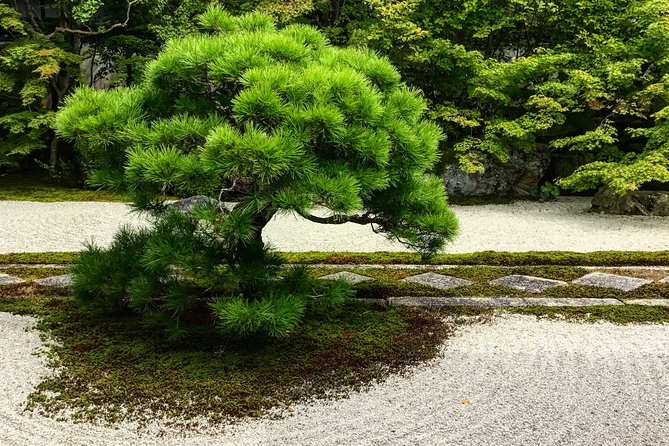
Kyoto’s Zen gardens can look simple at first: rocks, gravel, moss, clipped shrubs, and little else. The real pleasure of this private walk is learning how to read those quiet spaces. Andrew, a garden designer with 15 years of experience, explains the design choices and the Buddhist ideas behind them without reducing everything to a postcard slogan.
I like the small private format, which gives you room to ask about religion, gardening, history, or daily life in Kyoto. I also like the route itself: Konchi-in and Tenjuan are sub-temples within the Nanzen-ji complex, so you see several distinct gardens without wasting time crossing the city. The main consideration is cost. At $380 per group of up to four, plus ¥1,600 per person for temple tickets, this makes the most sense when shared by three or four people.
Key points to know before booking
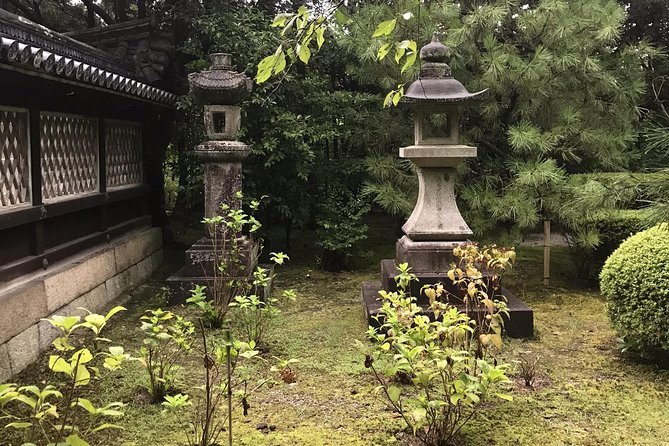
- Andrew’s garden-design background: Expect explanations about rock placement, gravel patterns, borrowed scenery, symbolism, and the practical construction of Japanese gardens.
- Three important temple stops: The route includes Konchi-in, Tenjuan, and Nanzen-ji, with about an hour planned at each.
- A walk rather than a bus tour: You begin at Keage Station and finish in front of Nanzen-ji, reaching temple grounds and side streets that are best explored on foot.
- Religion and design together: Andrew connects Zen garden forms with Buddhism, Shinto traditions, Japanese history, and modern life in Kyoto.
- Private attention: Only your group participates, so the pace and discussion can follow your interests.
- Plan for weather: The experience needs good weather, and a poor-weather cancellation means a new date or full refund.
Reading Kyoto’s gardens with Andrew
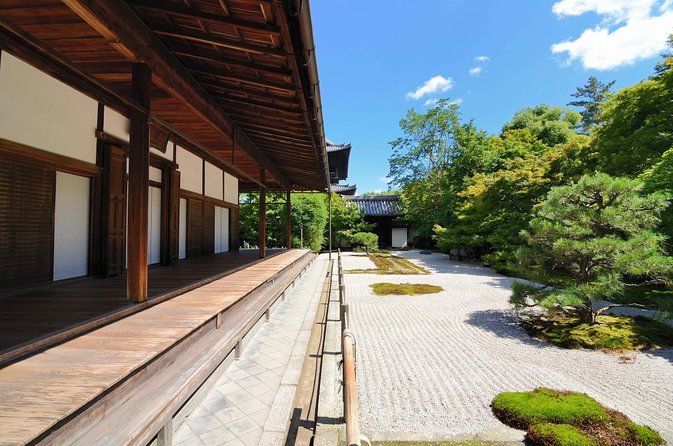
This tour is built around a useful idea: a Zen garden is not simply a pretty arrangement of stones. It is a designed space, and its meaning comes from the relationship between materials, empty areas, viewing angles, temple architecture, and religious thought.
That makes Andrew’s background especially useful. He does not approach the gardens only as a sightseeing guide. His training in garden design lets him explain how a garden is made, while his personal interest in Zen and Japanese religious traditions adds the larger setting.
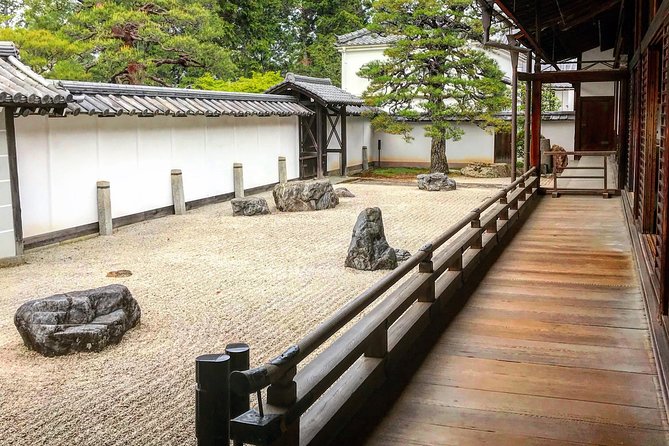
You might hear about why rocks are grouped in certain ways, how gravel can suggest water, or how a garden controls what you see from a seated position. You can also ask broader questions. Past comments describe discussions ranging from Japanese aesthetics and Buddhism to Shinto practice, history, and contemporary Kyoto.
I like this mix because it gives you more than a list of dates and names. You begin to notice choices. A blank patch of gravel is no longer just an empty patch. A framed view is no longer an accidental glimpse.
The private setup matters here. With a large group, a detailed question about symbolism or construction can slow everyone down. With your own party, you can ask Andrew to linger over a feature, compare two gardens, or adjust the talk toward architecture, spirituality, planting, or design.
A few more Kyoto half-days to weigh up
- PERFECT KYOTO 1-Day Bus Tour
★ 5.0 · 13,518 reviews - Kyoto: Fushimi Inari, Kinkakuji, Bamboo Grove 1 Day Bus Tour
★ 4.8 · 4,316 reviews - Kyoto: Tea Ceremony in a Traditional Tea House in Kiyomizu
★ 4.9 · 3,519 reviews
Starting at Keage Station
The meeting point is outside Keage Station in Kyoto’s Higashiyama Ward. That is a practical starting place for a walking tour of the Nanzen-ji area, and the tour does not ask you to solve a complicated chain of buses and taxis.
From the beginning, expect a day on foot. The route covers temple grounds and the approaches between them, so comfortable shoes are important. The total duration is about three hours and 30 minutes, although the planned visits add up to roughly three hours, leaving time for walking, orientation, and discussion.
That timing gives the tour a calm rhythm. You are not racing through five or six temples in search of a photograph. Instead, you spend meaningful time in three places and have room to look again after Andrew points out something easy to miss.
The walk also suits Kyoto well. Cars and buses can move you between famous sights, but they cannot give you the same sense of how temple grounds relate to the surrounding streets. The route finishes at Nanzen-ji, so you end at a major temple rather than being returned to the starting station.
Because the tour is private, it is worth telling Andrew early what you want from the morning or afternoon. If you care most about garden construction, say so. If Buddhism, Shinto, Japanese history, or visual design interests you more, the conversation can follow that path.
Konchi-in, the first garden lesson
The first stop is Konchi-in, a sub-temple of Nanzen-ji. The planned visit lasts about one hour, which is a generous amount of time for a compact temple garden.
This is where the tour’s central method begins. Rather than simply photographing the garden and moving on, you can look at how the elements work together. Andrew’s training should help you consider the arrangement as a designed composition, not as a random collection of old stones and plants.
A garden of this kind rewards patience. The main view may appear straightforward, but details gain weight as you sit or stand with them. The placement of rocks, the shape of the gravel, the boundary of the garden, and the view from the temple all affect what the designer wants you to notice.
You may also find that Andrew explains the garden through more than one lens. A feature can have a visual role, a practical role, and a symbolic role at the same time. That is one reason this tour can change how you see gardens later in your Kyoto visit.
Konchi-in is a good first stop because you have not yet been overloaded with temple names. You can learn a few basic ideas here, then test them at the next two locations. The possible drawback is that garden interpretation requires attention. If you only want a quick scenic stop, an hour of explanation may feel slow.
Tenjuan and the value of comparison
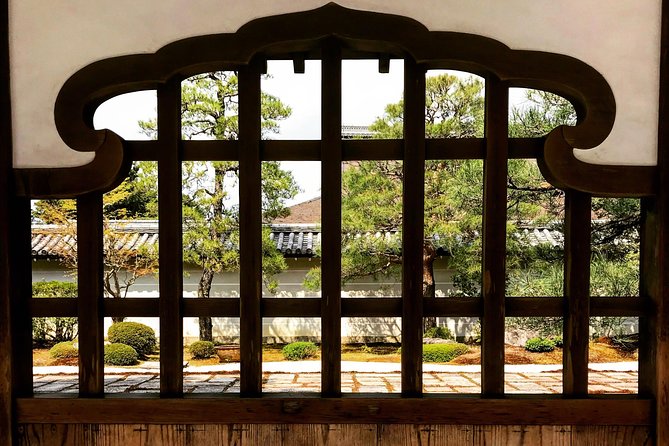
Tenjuan is another sub-temple of Nanzen-ji, with about an hour planned for the visit. Its value on this route is not only the garden itself. It lets you compare one temple space with another while the design principles are still fresh in your mind.
Comparison is where a specialist guide earns his fee. On your own, you might notice that the gardens look different, but you may not know which differences come from the site, the viewing position, the materials, or the purpose of the garden.
Andrew can direct your attention to those distinctions. You may discuss how a garden frames a view, uses open gravel, places stones, or works with surrounding trees and buildings. The point is not to memorize a correct interpretation. It is to learn how to ask better questions of the space.
The setting also gives the tour a quieter feel than a simple checklist of Kyoto’s biggest sights. One comment specifically describes the location as peaceful and not crowded during the visit. Conditions naturally change, but the smaller sub-temple setting can provide a more focused pause.
Tenjuan also helps break up the tour. After the first hour, you have a new garden to consider rather than another lecture in the same room. If your party includes people with different interests, this is a useful moment to shift the discussion toward architecture, religious practice, or the social role of temples.
Same base, a completely different sort of day:
- Kyoto Geisha Walking Tour: Gion District & Hidden Gems
★ 4.7 · 3,273 reviews - Kyoto: Tea Ceremony Ju-An at Jotokuji Temple
★ 4.9 · 3,207 reviews - Kyoto: Gion Magical Night Walking Tour with Geisha Trivia
★ 4.9 · 2,393 reviews - Kyoto: 45-Minute Tea Ceremony Lesson Experience
★ 4.3 · 2,378 reviews
Nanzen-ji, the large final stop
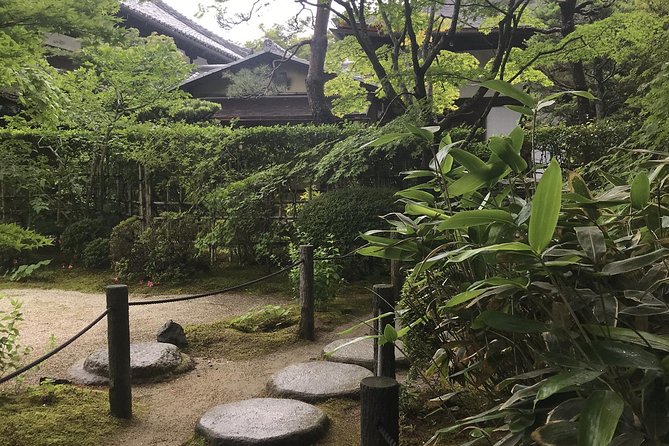
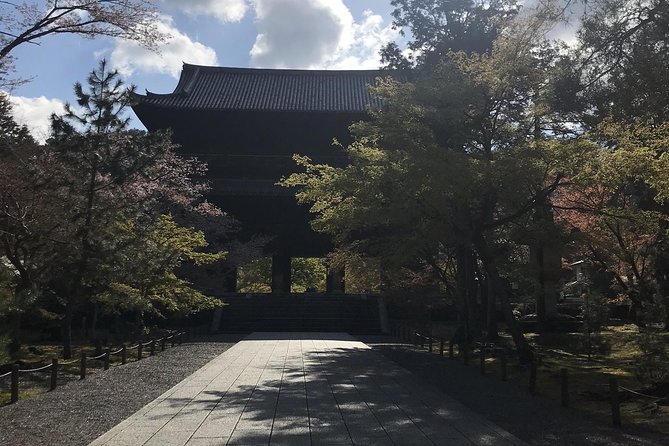
The final stop is Nanzen-ji, the head temple of the Nanzen-ji Zen Monastery. You spend about an hour here before finishing in front of the temple.
Nanzen-ji gives the earlier garden lessons a wider setting. The first two stops are sub-temples, while this is the main temple complex. You can think about how individual gardens fit within a larger religious and architectural environment.
Andrew’s discussions can also connect the physical site to Kyoto’s broader culture. Several aspects of the experience are designed to link garden choices with Buddhism, Shinto traditions, Japanese history, and contemporary life. That context helps explain why gardens matter in Kyoto beyond their appearance.
The end point is convenient if you plan to continue sightseeing in the area. You are not sent back to Keage Station, and the tour concludes directly in front of Nanzen-ji. The supplied details do not promise further guiding after the finish, so plan your next activity independently.
The main temple stop may feel less intimate than the sub-temples, especially if the area is busy. That is not a flaw in the route so much as a change in scale. The tour moves from close study of particular gardens to the larger setting that gives them meaning.
What the $380 price really covers
The listed price is $380 per group, for up to four people. Temple admission is extra, at ¥1,600 per person for all three temples.
That means a solo visitor pays the full guiding price alone, while a group of four can divide the guide cost four ways. For two people, the per-person cost is still substantial. For a family or group of friends, the calculation is more favorable, especially if everyone has a real interest in design, Japanese religion, or cultural context.
You are paying for a private walking experience led by someone with formal garden-design training and 15 years of experience. You are not paying only for entry to three temples. Those admission fees would be far less than the tour price, but admission alone would not show you how to interpret what you are seeing.
I would book this for the guide’s subject knowledge rather than for the number of sights. If your aim is to cover as many famous Kyoto locations as possible, a general city tour may offer more stops for less money. If you want to understand why Zen gardens look and function as they do, this tour gives the price a clearer purpose.
The tour has a perfect five-star rating from 126 reviews, with 100 percent recommending it. Ratings do not remove the need to judge the price for yourself, but the consistency points to a clear strength: Andrew’s explanations are the main attraction, not a minor extra.
Who will get the most from this walk
I would choose this experience if you fit one or more of these descriptions:
- You want to understand Japanese gardens instead of simply taking pictures of them.
- You have questions about Zen, Buddhism, Shinto, or Japanese aesthetics.
- You prefer a private guide who can adjust the conversation to your interests.
- You enjoy walking through temple districts at a measured pace.
- You are a designer, architect, gardener, photographer, or simply curious about how spaces shape mood.
- You are visiting Kyoto with up to three companions and can share the group price.
Nature lovers should find plenty to appreciate, but this is not a nature walk in the usual sense. The gardens are carefully made cultural spaces. Their beauty comes from decisions about stone, gravel, plants, buildings, empty space, and the way a person sees the garden.
Families can participate because most people can take part, but the experience is discussion-led. Young children who need constant movement may not enjoy three and a half hours of temple visits and careful observation. The available information does not give a minimum age, so check before booking if that matters to your group.
Practical details that shape the day

Confirmation arrives at booking, and the experience has a mobile ticket. The starting point is Keage Station, and the tour ends in front of Nanzen-ji. It is near public transportation, but the experience itself is a walking tour.
Wear shoes you can walk in comfortably. You will spend time moving between temple areas and standing or pausing while Andrew explains the gardens. The information provided does not give a precise walking distance, so I would not plan this as a formal hike, but you should still expect a substantial amount of walking.
Good weather is required. If poor weather forces cancellation, you receive the option of another date or a full refund. You can cancel for a full refund up to 24 hours before the start time. Changes or cancellations inside that 24-hour window are not accepted, and the local time controls the cut-off.
The route and timing may make this best placed early in your Kyoto stay. That is not required, but learning a few ideas about Japanese garden design near the start of your visit can sharpen your eye at every later temple.
The main strength, and the main limit
The strongest part of this experience is the link between garden design and culture. Andrew does not treat the gardens as isolated art objects. He connects their forms with Buddhist ideas, Shinto customs, history, construction, and daily life in Kyoto.
That breadth is exactly what several highly positive comments emphasize. One person described the tour as a high point of a Kyoto visit after learning about the philosophy and construction of rock gardens. Another praised Andrew for answering questions and adapting the discussion to the group’s interests.
The limit is equally clear: this tour asks you to slow down. It is not a rapid introduction to every major temple in eastern Kyoto. You visit three places, with roughly an hour at each, and the experience depends on paying attention to explanations.
I see that as a fair trade for the right audience. A garden guide can help you notice links and details you would likely pass without a second thought. But if you prefer to wander alone, avoid structured interpretation, or keep your temple visits short, the cost and pace may not suit you.
Should you book Kyoto: Zen Garden, Zen Mind?
Book it if you want a private, thoughtful look at Kyoto’s garden tradition and you can share the $380 group price with companions. Andrew’s garden-design training, his 15 years of experience, and his ability to connect design with Buddhism, Shinto, history, and modern Kyoto make this more than a sightseeing walk.
I would be especially keen to book this early in a first Kyoto visit. The lessons from Konchi-in, Tenjuan, and Nanzen-ji can change the way you see gardens across Japan. Skip it if you mainly want a cheap way to enter three temples or a fast tour with many stops. For the right person, this is a focused cultural experience with lasting value.
FAQ
How long does the tour last?
The tour lasts approximately three hours and 30 minutes.
How many people can join the private tour?
The price covers one private group of up to four people. Only your group participates.
Which temples are included?
The route includes Konchi-in, Tenjuan, and Nanzen-ji.
Are temple entrance fees included?
No. The total admission fee for the three temples is ¥1,600 per person.
Where does the tour begin and end?
The tour begins at Keage Station in Kyoto’s Higashiyama Ward and ends in front of Nanzen-ji.
Who leads the experience?
Andrew leads the walk. He is a garden designer with 15 years of experience and provides the guided narration.
What happens if the weather is poor?
The experience requires good weather. If it is canceled because of poor weather, you can choose another date or receive a full refund.
Just added around Kyoto
- Kyoto: Zen Meditation at a Private Temple with a Monk★ 5.0 · 25 reviews
- Your Private Vacation Photography Session In Kyoto★ 5.0 · 110 reviews
- Kyoto: Gion Geisha District & Sake-in-Hand Walking Tour★ 5.0 · 37 reviews
- Private Pewter Sake Cup Experience with a Kyoto Artisan★ 5.0 · 31 reviews
- Private Guided Traditional Buddhist Cooking in Japan★ 5.0 · 16 reviews
- Kyoto Wagashi(Japanese sweets) Cooking Class near Fushimiinari★ 5.0 · 60 reviews
- Traditional Japanese Music show & Experience Tour in Kyoto★ 5.0 · 57 reviews
- Kyoto:Family-Friendly Kimono & Yukata Experience at WARGO★ 5.0 · 147 reviews
Kyoto Tours, compared.


Fushimi Inari, Kinkakuji, Bamboo Grove 1 Day Bus Tour
Read our review →
Tea Ceremony in a Traditional Tea House in Kiyomizu
Read our review →
Kyoto Geisha Walking Tour: Gion District & Hidden Gems
Read our review →

Gion Magical Night Walking Tour with Geisha Trivia
Read our review →
