
Reviewed · KYOTO TOURS
Kyoto: Quiet and Graceful Tea Ceremony
Kyoto’s Omotenashi Tea Ceremony offers something many sightseeing stops cannot: 45 quiet minutes focused on one graceful ritual. A tea master prepares premium matcha in a private tea room, explains the meaning behind each movement, and then lets you prepare tea yourself. Seasonal Japanese sweets round out the experience.
I like the small maximum of eight people, which keeps the room personal, and I like the friendly teaching style. Hosts explain etiquette, answer questions, and help first-timers feel at ease. The main drawback is that this is a simple private-house setting, not a grand tea pavilion. Kimono rental is not included, and photos are restricted during the performance.
Key points at a glance
- A focused 45-minute ceremony that fits neatly between Kyoto sightseeing stops
- Premium matcha and seasonal Japanese sweets are included
- Hands-on preparation lets you make your own bowl after watching the tea master
- Small groups of up to eight people keep the setting calm and personal
- Mai is a particularly praised host, known for graceful demonstrations and clear English explanations
- No kimono rental, and no photos during the tea performance, so set expectations before booking
Entering a private tea room in central Kyoto
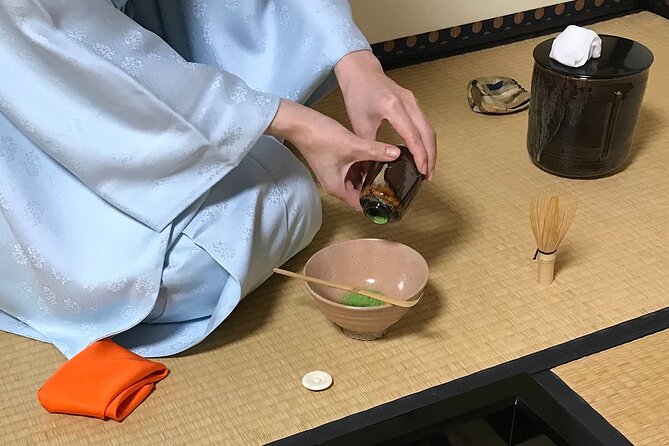
The meeting point is at 450-1 Sanbongichō, Nakagyo Ward, Kyoto, at the address listed as 南総合会計事務所. The activity ends at the same place. It is near public transportation, but you should allow time to find the entrance and arrive calmly. A tea ceremony is not improved by sprinting through Kyoto with your phone in one hand and a map in the other.
The setting is a tea master’s private house specially designed for tea ceremony. That detail matters. You are not entering a large show built for crowds, and you should not expect an ornate tourist attraction with costumes, stage lighting, or a long procession of performers.
Instead, the appeal is simplicity and concentration. The room has a tatami setting, and the ceremony is presented as a quiet cultural lesson. One participant described the atmosphere as peaceful and private, while another felt the room was somewhat cold in November. Bring a light layer if you visit during a cool season.
The small group limit helps preserve the mood. The maximum is eight people, and the experience is also suitable for solo visitors, couples, families, and small private groups. A solo booking may feel especially intimate, while a family can take turns preparing matcha and asking questions.
More Tea Ceremonies in Kyoto
- Kyoto: Tea Ceremony in a Traditional Tea House in Kiyomizu
★ 4.9 · 3,519 reviews - Kyoto: Tea Ceremony Ju-An at Jotokuji Temple
★ 4.9 · 3,207 reviews - Kyoto: 45-Minute Tea Ceremony Lesson Experience
★ 4.3 · 2,378 reviews
Watching every movement of the matcha preparation
The ceremony begins with the tea master demonstrating the traditional preparation of matcha. The movements are deliberate: utensils are placed carefully, the bowl is handled with attention, and the tea is whisked in a set sequence.
You are not simply handed a cup of green tea in a restaurant. The point is to watch the process and understand why the steps matter. The quiet can feel unusual at first, especially if you are used to fast-paced sightseeing, but that pause is part of the experience.
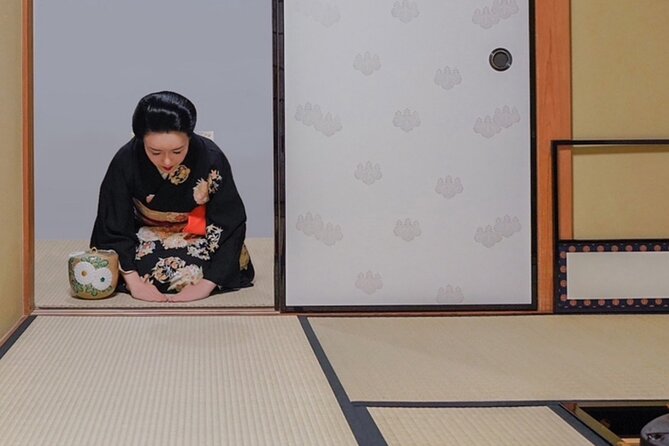
Hosts explain proper etiquette for entering the room, sitting, receiving the bowl, and drinking the tea. The instruction is aimed at beginners, so you do not need previous knowledge of tea ceremony customs. A good host makes the ritual approachable without stripping away its formality.
Mai has received especially strong praise for her precise and warm presentation. She has been described as graceful, personable, and easy to understand, with a clear explanation that helped a family take part comfortably. Other hosts have also been praised for patience, friendliness, and willingness to answer questions.
English ability can vary by host, but the experience includes explanations, and one host was specifically praised for speaking excellent English. If detailed language instruction is important to you, it is sensible to confirm the language available for your session before booking.
Tasting matcha with seasonal Japanese sweets
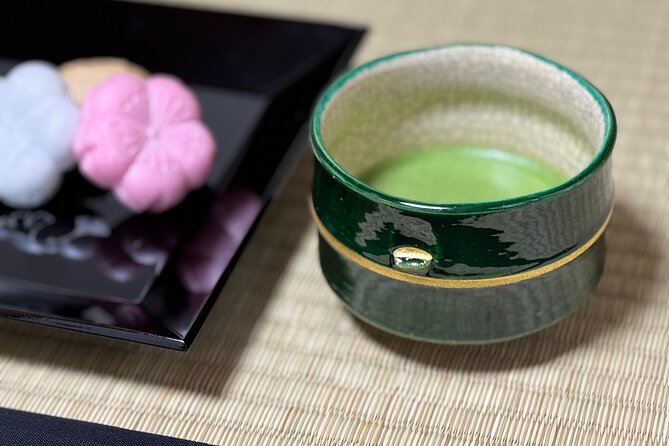
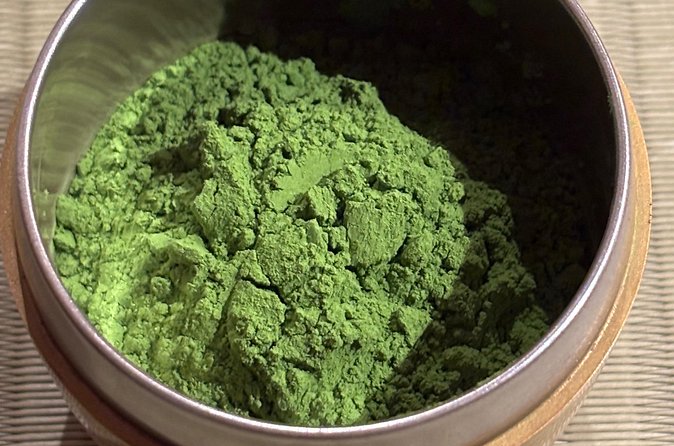
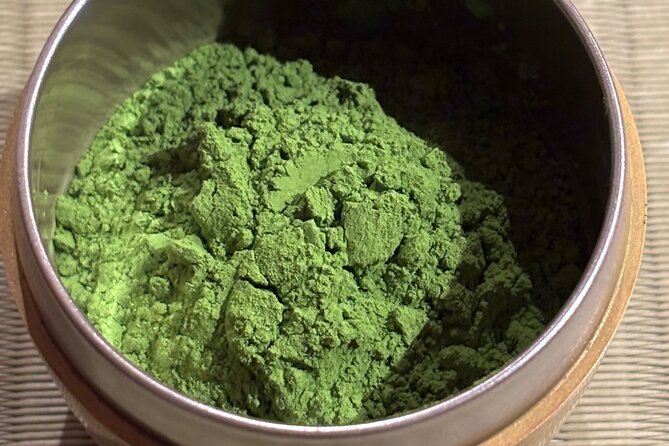
The tea is served with traditional Japanese sweets, chosen to accompany the flavor of the matcha. The sweet comes first, helping prepare your palate for the tea. This pairing is not just a snack added to the ticket. It shows how Japanese tea culture balances bitterness, sweetness, texture, and season.
The matcha itself has been praised for its flavor, with one participant calling it the best matcha they had tasted. Taste is personal, of course. Matcha has a grassy, slightly bitter character, and it is not meant to taste like a sugary café drink. The sweet provides contrast rather than hiding the tea.
The seasonal element adds a small but worthwhile link to Kyoto’s calendar. The exact sweet can change, so you should not expect one fixed item every time. If you are particular about Japanese sweets, note that a child in one family did not care for the provided sweet, though the host kindly offered Oreos as an alternative.
That small gesture says something useful about the tone of the experience. The ceremony follows tradition, but the hosts also try to keep people comfortable. Children can take part, though their enjoyment will depend on their patience and interest in a quiet activity.
Making your own bowl after the demonstration
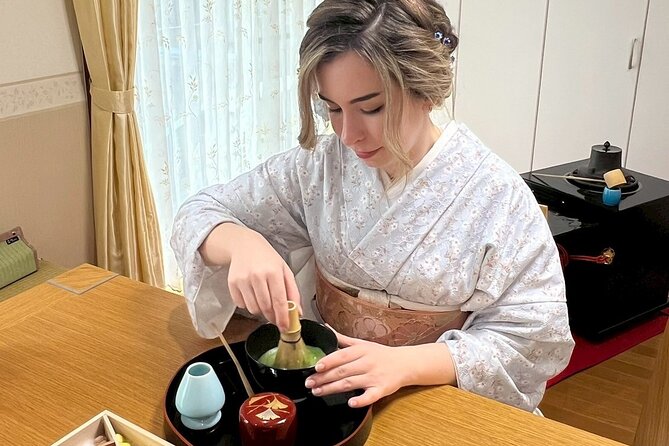
The most engaging part for many first-time participants comes after the demonstration. You get a chance to prepare your own matcha, following the tea master’s instructions.
This changes the experience from a performance into a lesson. You notice how much control goes into whisking the tea, how the bowl is held, and how the small rules of etiquette shape the occasion. Your result may not look as smooth as the master’s, but that is part of the fun.
Several descriptions emphasize that participants can make their own tea. It is a useful feature if you want to do more than watch. You can ask questions as you work, and the relaxed teaching style helps remove the fear of making a mistake.
The ceremony is still short, at about 45 minutes. That makes it easy to fit into a day that includes the Imperial Palace area, central Kyoto shopping streets, or nearby cultural sights. It also means the session does not provide a full-day study of tea schools, utensils, or Japanese aesthetics. Think of it as a well-focused introduction.
Same base, a completely different sort of day:
- PERFECT KYOTO 1-Day Bus Tour
★ 5.0 · 13,518 reviews - Kyoto: Fushimi Inari, Kinkakuji, Bamboo Grove 1 Day Bus Tour
★ 4.8 · 4,316 reviews - Kyoto Geisha Walking Tour: Gion District & Hidden Gems
★ 4.7 · 3,273 reviews - Kyoto: Gion Magical Night Walking Tour with Geisha Trivia
★ 4.9 · 2,393 reviews
What makes this experience feel different from a tourist show
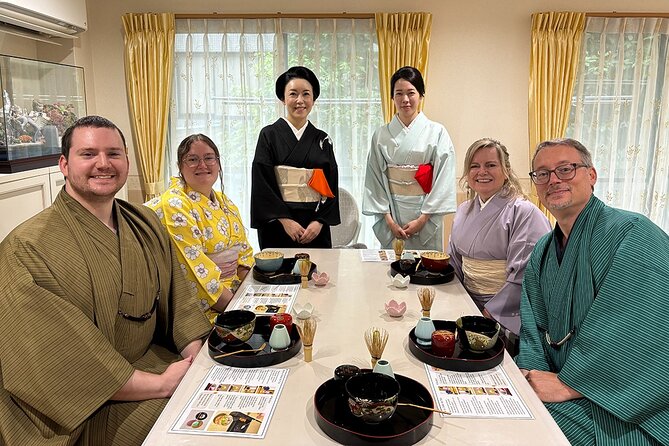
The strongest reason to book is the balance between instruction and quiet. You receive an explanation, see the ritual performed, taste the tea and sweet, and then take part yourself. The hosts do not appear to rely on costumes or theatrical effects to create atmosphere.
That is also the source of the main limitation. The experience takes place in a private house, so the surroundings may feel plain or domestic rather than luxurious. One participant felt the ceremony was rushed and not particularly fancy, while another expected a more elaborate tea-house atmosphere for the price.
I would treat this as a choice between two styles. Book it if you want a genuine-feeling lesson in a calm room. Choose another option if your main goal is wearing a kimono, taking constant photos, or visiting a visually grand tea house.
Photos are allowed before and after the ceremony, but not during the tea performance. The restriction protects the quiet of the room and keeps phones from interrupting the demonstration. Still, it is important to know this in advance, especially if you are planning the activity mainly for photographs.
Is $56.49 a fair price for 45 minutes?
At $56.49 per person, this is not the cheapest matcha tasting in Kyoto. The price includes the tea, seasonal sweets, instruction from a tea master, and a hands-on preparation. It also buys you a small-group setting rather than a large commercial presentation.
The value depends on what you want from the hour. For a short cultural activity with a personal explanation and participation, the price can be reasonable. You are paying for attention, setting, and teaching, not just for a bowl of tea.
The value looks weaker if you compare it with experiences that include kimono rental, professional photographs, a larger tea garden, or a longer program. Those extras are not included here. The private-house setting can feel modest, and two participants felt the cost was high compared with similar options.
I would book this for the quality of the quiet instruction, not for luxury. If you want an elegant pause in a busy Kyoto itinerary, the price may feel worthwhile. If you want a full costume package and plenty of photo opportunities, spend your budget elsewhere.
The activity is often booked about six days ahead, so last-minute availability may be limited. Confirmation arrives at booking, and free cancellation is available until 24 hours before the start time. Within 24 hours, cancellations and changes are not accepted for a refund.
Who should book the Omotenashi ceremony?
This suits couples who want a peaceful shared activity, solo visitors looking for a personal cultural lesson, and families with children old enough to sit quietly for a short period. It also fits small groups of friends or private parties of up to eight people.
You do not need to know anything about tea ceremony. In fact, beginners are likely to get the most from the explanations and the chance to prepare matcha themselves.
I would also recommend it to anyone who values authentic-feeling contact over visual spectacle. The ceremony asks you to slow down, watch carefully, and accept a few minutes without photographs or chatter.
It is less suitable for someone who wants to remain constantly active. It may also disappoint you if you assume every Kyoto tea ceremony includes a kimono, elaborate architecture, or a garden walk. None of those are part of this activity.
Service animals are allowed, and the location is near public transportation. The supplied details do not specify a step-free route, seating arrangements beyond the traditional tea-room setting, or precise language options for every session, so ask ahead if those points affect your plans.
Should you book this Kyoto tea ceremony?
Book it if you want a short, quiet, hands-on introduction to matcha led by a tea master in a small setting. The strongest parts are the careful demonstration, the seasonal sweet, the chance to make your own tea, and the warm teaching style associated especially with Mai.
Skip it if kimono rental, extensive photography, or a luxurious tea-house setting is essential. At $56.49, the experience needs to match your expectations. For a calm cultural pause with real participation, it offers good value. For a grand visual production, it does not.
FAQ
How long does the tea ceremony last?
The activity lasts approximately 45 minutes.
Where does the ceremony take place?
It takes place at Omotenashi Tea Ceremony, at 450-1 Sanbongichō, Nakagyo Ward, Kyoto, 604-0871, Japan.
Where does the activity end?
The ceremony ends back at the meeting point.
How many people can join?
The maximum group size is eight people.
Are tea and Japanese sweets included?
Yes. Premium matcha and traditional seasonal Japanese sweets are included.
Can I prepare my own matcha?
Yes. After watching the tea master’s demonstration, you have the opportunity to prepare your own tea.
Is kimono rental included?
No. Kimono rental is not included in this tea ceremony experience.
Can I take photos during the ceremony?
Photos are allowed before and after the ceremony, but photography and video are not allowed during the tea performance.
Just added around Kyoto
- Kyoto: Zen Meditation at a Private Temple with a Monk★ 5.0 · 25 reviews
- Kyoto: Gion Geisha District & Sake-in-Hand Walking Tour★ 5.0 · 37 reviews
- Private Pewter Sake Cup Experience with a Kyoto Artisan★ 5.0 · 31 reviews
- Your Private Vacation Photography Session In Kyoto★ 5.0 · 110 reviews
- Private Guided Traditional Buddhist Cooking in Japan★ 5.0 · 16 reviews
- Kyoto Wagashi(Japanese sweets) Cooking Class near Fushimiinari★ 5.0 · 60 reviews
- Traditional Japanese Music show & Experience Tour in Kyoto★ 5.0 · 57 reviews
- Kyoto:Family-Friendly Kimono & Yukata Experience at WARGO★ 5.0 · 147 reviews
Kyoto Tours, compared.


Fushimi Inari, Kinkakuji, Bamboo Grove 1 Day Bus Tour
Read our review →
Tea Ceremony in a Traditional Tea House in Kiyomizu
Read our review →
Kyoto Geisha Walking Tour: Gion District & Hidden Gems
Read our review →

Gion Magical Night Walking Tour with Geisha Trivia
Read our review →

Gion Geisha District Walking Tour – Stories of Geisha
Read our review →Browse the lists this tour appears in