Reviewed · KYOTO TOURS
Nara Afternoon Tour from Kyoto or Osaka
Nara’s Great Buddha and freely roaming deer make this one of Japan’s easiest cultural day trips to understand at a glance. From Kyoto, you ride by return vehicle to the former capital, visit Todaiji Temple and Kasuga Shrine, and get a taste of Nara Park without planning train connections or temple admissions yourself.
I like two things here: transportation and admission are included, and the English guide adds useful context to places that can otherwise blur together. I also like the afternoon timing, which leaves your morning open in Kyoto or Osaka. The catch is the pace. A long walk from the bus parking area and a group of up to 40 can leave you short on time for deer feeding or relaxed wandering.
Key points to know before booking
- Todaiji’s Great Buddha Hall is the main event: You see one of the world’s largest wooden buildings and its immense bronze Buddha.
- The walk is longer than the headline itinerary suggests: Allow about 25 minutes each way from the parking area to Todaiji.
- Nara Park is not a separate long stop: Deer viewing is fitted around the temple visit and the walk through the park.
- Kasuga Shrine adds a quieter, more atmospheric finish: From January 2025, the special visit area near the Main Sanctuary is included when operations allow.
- Guides can make or break the afternoon: Yuki, KC, Mo Mo, and other named guides have been praised for clear explanations and good group care, though guide quality can vary.
- The $102.38 price buys convenience, not freedom: You are paying for transport, admissions, and organization, while giving up the flexible timing of an independent visit.
Why Nara works as an afternoon from Kyoto or Osaka
Nara was Japan’s first permanent capital, founded in 710 as Heijo. For a time, it was the center of government and Buddhist power. The capital moved away in 784, but the temples and shrines built during Nara’s important years remain its great attraction.
This tour gives you a compact introduction to that story. You do not simply visit a deer park with a famous temple nearby. You see how the deer, Buddhist temple, Shinto shrine, lanterns, and old capital fit together.
The tour begins in the afternoon at the Avanti Tour Desk near Kyoto Station. From Kyoto, the vehicle takes you to Nara and returns you to the same departure area. The full outing lasts about 5 hours 40 minutes, though road traffic and delays can change arrival times.
If you start in Osaka, the arrangement is less direct. An English-speaking assistant accompanies you from Hotel Granvia Osaka to the Sunrise Tours Desk in Kyoto Avanti’s basement level, then helps with the return connection from Kintetsu Nara Station to Osaka Namba Station. That option is useful, but it adds transfer time and makes the day feel longer.
A few more Kyoto half-days to weigh up
- PERFECT KYOTO 1-Day Bus Tour
★ 5.0 · 13,518 reviews - Kyoto: Fushimi Inari, Kinkakuji, Bamboo Grove 1 Day Bus Tour
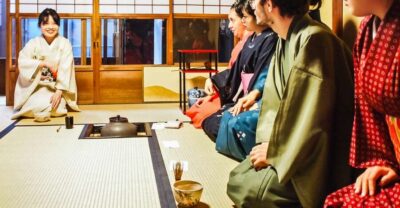
★ 4.8 · 4,316 reviews - Kyoto: Tea Ceremony in a Traditional Tea House in Kiyomizu
★ 4.9 · 3,519 reviews
The walk to Todaiji Temple takes real time
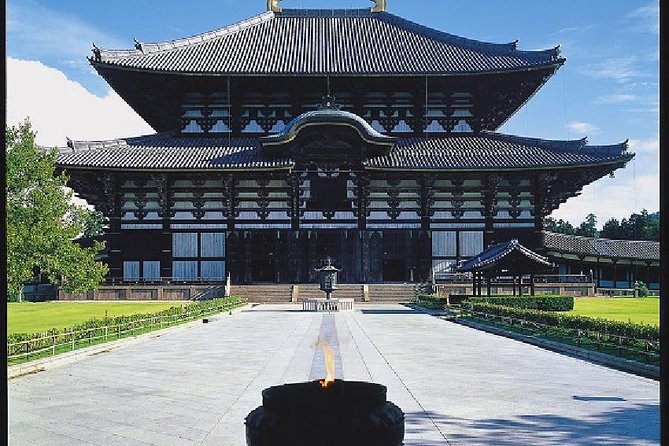
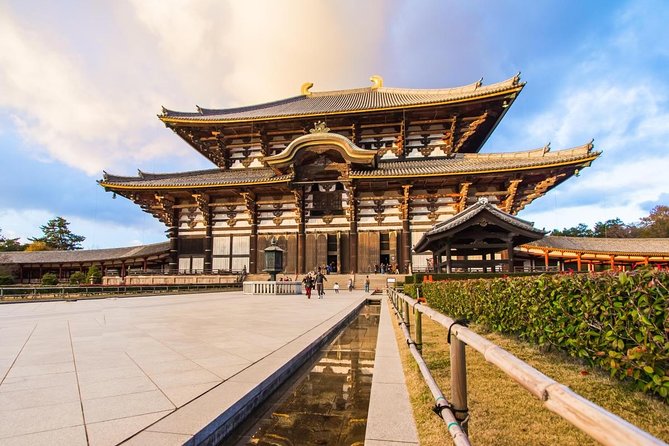
The first major stop is Todaiji Temple, a World Heritage site and one of Nara’s essential sights. The temple was built in the eighth century, and its Great Buddha Hall is famous for its scale. It is one of the largest wooden buildings in the world, an astonishing claim that becomes clear as you approach it.
Inside, the bronze Great Buddha dominates the visit. The statue is immense, and the hall gives it the space and solemn setting it needs. This is not a quick photo stop in front of a small shrine. The building, statue, and surrounding temple grounds explain why Todaiji is such a strong anchor for a first visit to Nara.
Admission to the temple is included, as is the English guide. The scheduled visit is about 1 hour 10 minutes. That sounds reasonable until you account for the walk from the vehicle parking area. You should expect about 25 minutes each way, according to the tour information.
That walk matters. Some of it passes through Nara Park, so you may begin seeing deer before reaching the temple. But the walking time reduces the minutes available for the hall, the grounds, deer photos, and buying deer crackers. If you move slowly, use a cane, or want time to sit and look carefully, this is the part of the day to watch.
Several guides receive strong praise for explaining the temple and Japanese culture. Yuki is often singled out for clear, organized guidance, while KC is praised for making the history accessible and enjoyable. Mo Mo has also been credited with adding cultural background to the visit. The guide is especially useful at Todaiji, where a few well-chosen details can turn a large wooden hall into a meaningful historic place.
Still, you should stay close to the group. The route is spread out, and late arrivals can affect the time remaining at the next stop. The group may receive a map and some freedom to find the meeting point, but this is not a good setting for drifting far away.
Nara Park and the deer are the emotional highlight
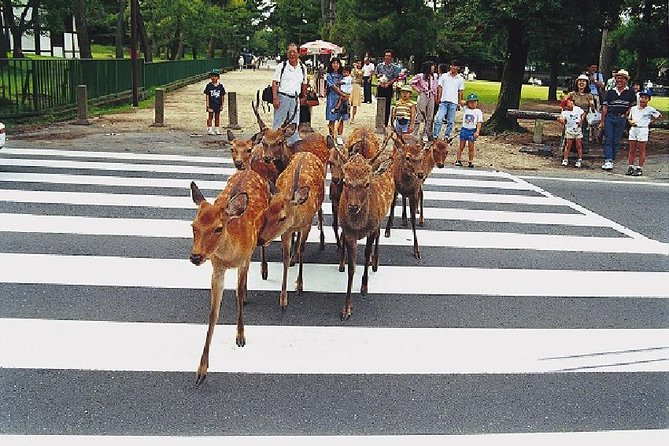
Nara Park covers about 1,250 acres and is home to more than 1,000 deer. The animals roam freely around the temple grounds and paths. This is the feature many people picture when they think of Nara, and it often becomes the most memorable part of the afternoon.
You can buy special deer crackers in the park and feed the animals. The deer are famous for bowing, though you should treat that as an invitation to manage the food carefully rather than a promise of perfect manners. Some deer are gentle and curious. Others can be pushy, especially when they see crackers in your hands. One recent experience described them as more aggressive than expected, so keep food moving and follow the guide’s instructions.
The tour does not give you a long, separate block labeled deer park. Your deer time is tied to the walk between the parking area and Todaiji, plus the time available before regrouping. That is a major difference between this tour and an independent Nara visit.
If feeding deer is your main reason for going, you may find the schedule frustrating. The temple visit has priority, and the walk takes up a large share of the stop. One of the clearest practical tips is to buy crackers promptly if you want to feed the deer. Do not assume the guide will lead you to a sales stand before the temple.
For a first visit, the arrangement can still work well. You see deer in a natural park setting, rather than at a fenced attraction, and you get the famous temple in the same outing. Families and first-time visitors often appreciate that combination. Just do not book this expecting an unhurried afternoon of animal watching.
Kasuga Shrine brings lanterns and a different mood
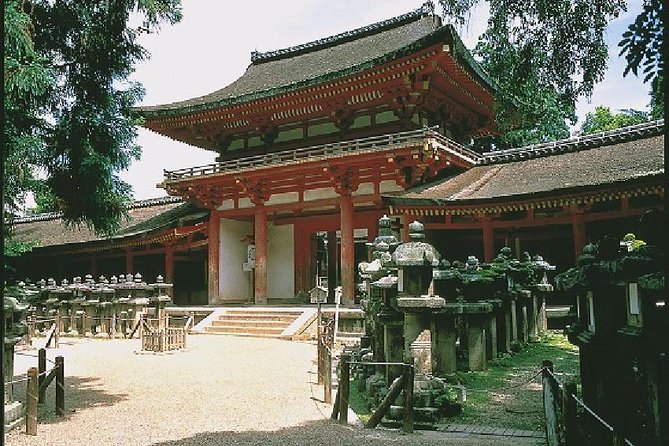
The final major stop is Kasuga Grand Shrine, a Shinto site linked to the deer. According to local tradition, the deer of Nara Park are considered messengers of the shrine. That connection makes the park and shrine feel like parts of one cultural story instead of unrelated attractions.
Kasuga is known for its collection of more than 3,000 antique stone and bronze lanterns. The lanterns give the approach and shrine grounds a distinctive look, with a quieter, more wooded feel than the open spaces around Todaiji.
From January 2025, the itinerary includes the Main Sanctuary special visit area. This lets you get closer to the Main Sanctuary and see hanging lanterns in the corridor. That added access is potentially valuable, since it gives the shrine visit more substance than simply viewing the outer grounds.
There is an important qualification. Events or operating conditions can prevent entry to the special area. In that case, the tour may visit the Kasuga Taisha Museum or Todaiji Museum instead. The tour information says no refund is issued if one of these alternatives is used.
The Treasures Hall and Manyo Botanical Gardens are not included. Do not confuse the included shrine admission with access to every paid area. This distinction caused some confusion for past participants, so check exactly which part of Kasuga is available on your date.
The scheduled Kasuga visit is about one hour. That is enough to appreciate the lanterns, hear the basic story, and explore at a reasonable pace if the group stays on schedule. It is not enough for every museum and garden in the area.
Same base, a completely different sort of day:
- Kyoto Geisha Walking Tour: Gion District & Hidden Gems
★ 4.7 · 3,273 reviews - Kyoto: Tea Ceremony Ju-An at Jotokuji Temple
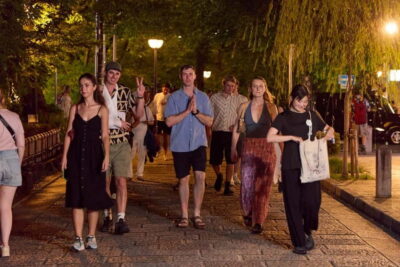
★ 4.9 · 3,207 reviews - Kyoto: Gion Magical Night Walking Tour with Geisha Trivia
★ 4.9 · 2,393 reviews - Kyoto: 45-Minute Tea Ceremony Lesson Experience
★ 4.3 · 2,378 reviews
The schedule is efficient, but not leisurely
The strongest argument for this tour is efficiency. In less than six hours, you get return transport, a major Buddhist temple, a major Shinto shrine, a deer park, and an English guide. You avoid working out the route between Kyoto, Nara Station, Todaiji, Kasuga, and the return train.
The weakest point is flexibility. The vehicle must keep to a schedule, and the tour can have as many as 40 participants. The order of stops and arrival times can change with traffic and congestion. If someone is late or has trouble keeping up, the remaining time can shrink.
Some people find the pace perfectly suited to an afternoon. The tour moves along, covers the promised places, and gets back to Kyoto with time left in the evening. Others feel rushed, especially at Todaiji and Nara Park. Both reactions make sense because this is a broad introduction, not a slow walking tour.
I would think of the tour as a guided sampler. It is designed to answer the question, What is Nara about? It is not designed to answer, How can I spend an entire day with the deer and inspect every temple hall?
Wear comfortable shoes. The walk from the bus parking area is a fixed part of the experience, and there is additional walking inside the temple and shrine areas. Hot weather and rain can change the feel of the afternoon. The vehicle is described as comfortable, and the driver has sometimes provided umbrellas during unexpected rain, but you should still dress for outdoor walking.
What the $102.38 price really covers
At $102.38 per person, this is not the cheapest way to reach Nara. Independent visitors can take the train and arrange local transport on their own, often with more control over time. Some lower-priced tours may add a food or tea activity instead.
The price makes more sense if you value a simple plan. Transportation from Kyoto, temple and shrine admissions, and a licensed English guide interpreter are included. You also avoid the mental work of finding the right station exits, estimating the walk, and understanding the difference between Buddhist Todaiji and Shinto Kasuga.
The value is strongest for first-time visitors, short stays, and anyone who wants cultural explanation along with the sights. It is weaker for independent travelers who already understand the transport system, want to spend hours feeding deer, or prefer choosing their own lunch and temple stops.
Lunch and drinks are not included. Since the afternoon schedule is tight, plan around that. The supplied information does not specify a meal stop, so you should not count on one being built into the route.
The mobile ticket is convenient, but confirmation can take up to 48 hours and remains subject to availability. Free cancellation is available up to 24 hours before the start time. Changes or cancellations inside that window are not accepted for a refund.
Guide quality is an important part of the decision
The best parts of this outing depend heavily on the person leading it. Yuki is praised for clear information, steady organization, and keeping the group informed in bad weather. KC is described as friendly and good at explaining culture and history. Mo Mo is credited with making the day more enjoyable through stories about Japanese people and customs.
Other experiences have been less consistent. A few participants found the English explanations too limited or the instructions about meeting points unclear. That matters here because the route is large, the group can be spread out, and every minute at the final stop counts.
The tour includes a National Government Licensed English Guide Interpreter fee. The Osaka transfer portion is different: that segment uses an English-speaking assistant rather than the licensed guide. If you book from Osaka, understand that the guided sightseeing begins after the transfer to Kyoto.
Children up to age five may join free, but they do not receive a bus seat unless booked at the child rate. Written parental permission is required for participants under 18. Anyone under 15, or not yet enrolled in middle school, must be accompanied by a parent or guardian.
Service animals are allowed, the tour is near public transportation, and most people can participate. The long walking connection remains the key physical consideration.
Who should book this Nara afternoon?
I would choose this tour if you want Nara’s essential sights with minimal planning. It suits a first visit, a short Kyoto stay, families who prefer organized transport, and anyone who wants a guide to explain why the temple and shrine matter.
I would also choose it if train logistics make you uneasy or if you want a comfortable vehicle after a busy morning. The afternoon departure gives you useful freedom earlier in the day.
I would skip it if your top priority is deer feeding. An independent visit gives you more control over how long you stay in the park. I would also skip it if you dislike group schedules, long walks, or the possibility of losing time because another participant is late.
Final verdict: convenient introduction, limited free time

This is a solid way to see Nara’s big three: Todaiji, the deer of Nara Park, and Kasuga Shrine. The Great Buddha is powerful, the lanterns make Kasuga distinctive, and the deer provide the playful moments that balance the formal temple visits.
The tour earns its price through transport, admissions, and guidance, not through a leisurely schedule. Book it for structure and cultural explanation. Choose an independent Nara day if you want freedom, a longer deer-park visit, or time for museums, gardens, and an unhurried lunch.
FAQ
How long does the Nara afternoon tour last?
The experience lasts approximately 5 hours 40 minutes, though traffic and congestion can change the timing.
Where does the tour depart from Kyoto?
The Kyoto departure is at the Avanti Tour Desk near Kyoto Station. Hotel pickup and drop-off are not included.
What is included in the tour price?
The price includes transportation, admission fees, and the fee for a National Government Licensed English Guide Interpreter. Lunch, drinks, the Kasuga Treasures Hall, and the Manyo Botanical Gardens are not included.
How much walking is involved?
You walk from the vehicle parking area to Todaiji Temple, about 25 minutes each way. Additional walking takes place around Todaiji, Nara Park, and Kasuga Shrine.
Can I feed the deer in Nara Park?
You can buy deer crackers in the park and feed the freely roaming deer. The schedule is limited, so buy the crackers promptly if this is important to you.
What happens if the Kasuga Shrine special area is unavailable?
If the Main Sanctuary special visit area cannot be entered because of events or operating conditions, the tour may visit the Kasuga Taisha Museum or Todaiji Museum instead. No refund is provided for this change.
Just added around Kyoto
- Kyoto: Zen Meditation at a Private Temple with a Monk★ 5.0 · 25 reviews
- Kyoto: Gion Geisha District & Sake-in-Hand Walking Tour★ 5.0 · 37 reviews
- Private Pewter Sake Cup Experience with a Kyoto Artisan★ 5.0 · 31 reviews
- Your Private Vacation Photography Session In Kyoto★ 5.0 · 110 reviews
- Private Guided Traditional Buddhist Cooking in Japan★ 5.0 · 16 reviews
- Kyoto Wagashi(Japanese sweets) Cooking Class near Fushimiinari★ 5.0 · 60 reviews
- Traditional Japanese Music show & Experience Tour in Kyoto★ 5.0 · 57 reviews
- Kyoto:Family-Friendly Kimono & Yukata Experience at WARGO★ 5.0 · 147 reviews
Kyoto Tours, compared.
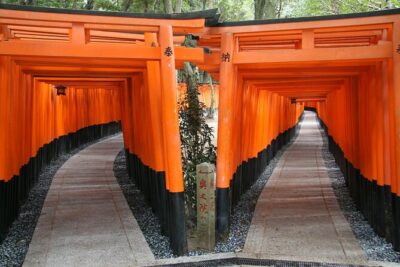
Fushimi Inari, Kinkakuji, Bamboo Grove 1 Day Bus Tour
Read our review →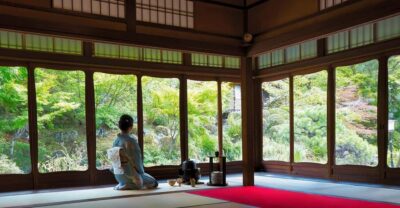
Tea Ceremony in a Traditional Tea House in Kiyomizu
Read our review →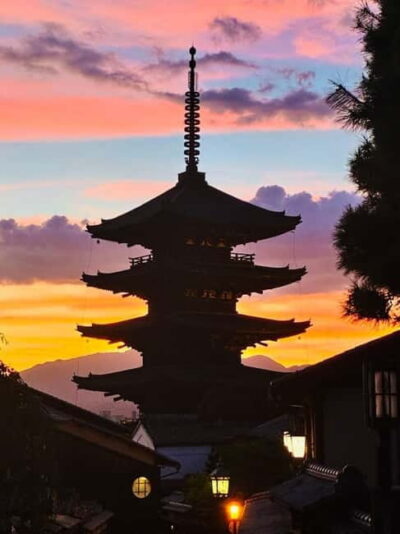
Kyoto Geisha Walking Tour: Gion District & Hidden Gems
Read our review →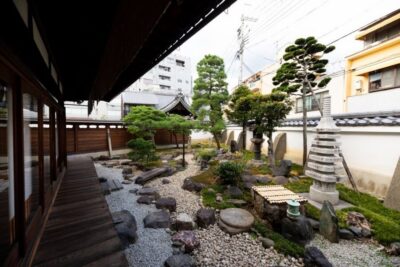
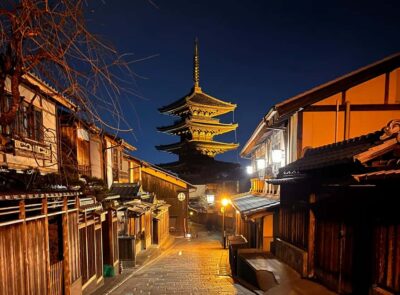
Gion Magical Night Walking Tour with Geisha Trivia
Read our review →