
Reviewed · KYOTO TOURS
Private Kyoto Tour by Car with Optional Nara or Osaka Add-Ons
Kyoto’s famous sights are spread across town, and this private car tour gives you a practical way to connect them without wrestling with crowded buses or changing trains. Guide Katsu picks you up, explains the places you visit, and adjusts the day when you want more time at a temple, less time in a shop, or a completely different stop.
I like the real flexibility here, and I like the comfort of having a car, parking costs, and a local driver handled for you. Families have used the extra space and easier transport to good effect, while couples and small groups have enjoyed a relaxed pace. The main trade-off is time: Kyoto, Nara, or Osaka each deserve more than one day, so adding a second city means seeing highlights rather than settling in.
Key points to know before booking
- Three ways to spend the day: Choose Kyoto alone, Kyoto with Nara, or Kyoto with Osaka.
- Katsu is the guide to look for: He is described as friendly, funny, flexible, safe behind the wheel, and fluent in English.
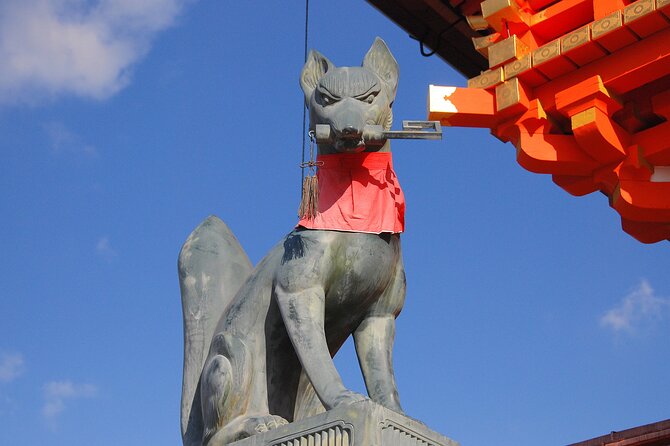
- Fushimi Inari is included every time: The red torii gates provide a strong opening to any version of the tour.
- A private car saves energy: Pickup, parking, fuel, and air conditioning are included, which matters for families and slower walkers.
- You can change the plan: Katsu has adjusted routes for sights already visited, shopping requests, lunch choices, and extra photo stops.
- Budget for admission and food: Temple and shrine fees are not included, with admission costs listed at about $9 per person, and lunch, drinks, and breakfast are separate.
Why private transport matters in Kyoto
Kyoto looks compact on a map, but its major sights sit in different parts of the city. Arashiyama is in the west, Fushimi Inari is in the south, Kiyomizu-dera sits on the eastern hills, and Nishiki Market is near the central shopping streets. Public transport works well in Kyoto, but a full day of transfers can eat into your sightseeing time.
A private car changes the feel of the day. You are picked up rather than finding a station, and you return to the same vehicle after each walk. The car is air-conditioned, and parking and fuel surcharges are included. That is especially useful in summer, for families with young children, or for anyone whose feet are already tired after several days in Japan.
The tour lasts about seven to eight hours. That sounds generous, but the schedule covers a lot of ground. The Kyoto-only option lists Arashiyama, Kinkakuji, Fushimi Inari, Kiyomizu-dera, Tenryu-ji, and Nishiki Market. The Nara option adds a different city and three major stops. You should think of the day as a carefully chosen sampler, not a slow visit to every site.
A few more Kyoto half-days to weigh up
- PERFECT KYOTO 1-Day Bus Tour
★ 5.0 · 13,518 reviews - Kyoto: Fushimi Inari, Kinkakuji, Bamboo Grove 1 Day Bus Tour
★ 4.8 · 4,316 reviews - Kyoto: Tea Ceremony in a Traditional Tea House in Kiyomizu
★ 4.9 · 3,519 reviews
Meeting Katsu and shaping your day
Katsu is central to the experience. He drives, walks with you at the sights, explains what you are seeing, helps with photos, and offers food suggestions. His approach is conversational rather than stiff. He has also shown interest in his passengers’ home cultures, which helps make the drive feel like time with a personable local rather than a simple transfer service.
The strongest benefit is the ability to speak up. If you have already seen one Kyoto sight, Katsu can replace it with another stop. One family changed part of a Nara day for Osaka, while other groups asked for shopping, a train station stop, a mall visit, or a place to try local food. A family interested in gachapon and crane machines was taken to an AEON mall near Kyoto Station after finishing the main sightseeing.
You should still discuss your priorities before setting off. Tell Katsu if you care most about temples, photos, food, shopping, gardens, deer, or a slower pace. The more clearly you explain your interests, the more useful the flexibility becomes.
Fushimi Inari and the thousands of red gates
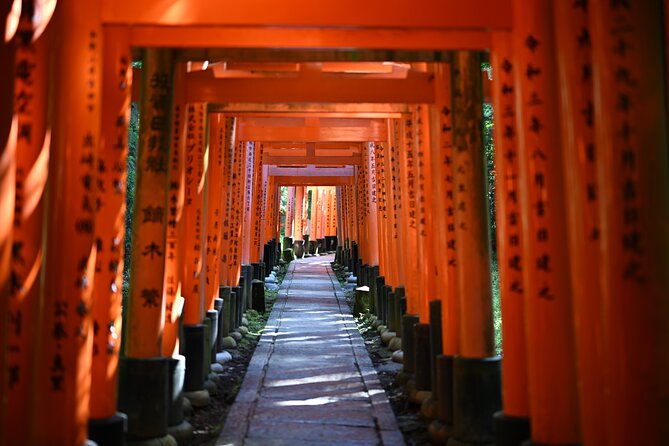
Fushimi Inari-taisha is included in all three versions, and it makes sense as a fixed part of the day. The shrine is famous for its long corridors of red torii gates, which climb the wooded hillside behind the main buildings. Even a short walk gives you the visual experience that makes this one of Kyoto’s most recognizable places.
The listed visit lasts about 45 minutes. That is enough for the main shrine area and a walk beneath the first section of gates, but not enough to climb the entire mountain. This is one place where your footwear and pace matter. The path rises, and you can choose how far you want to go rather than treating the whole mountain as a required march.
Katsu has particular familiarity with Fushimi Inari and can help you frame photos in the gate tunnels. That small service matters if you are traveling as a couple or family and want everyone in the picture. The shrine itself has no admission fee, so it is one of the day’s major sights without an extra ticket.
The Kyoto-only route: temples, bamboo, and market food
The Kyoto one-day option packs several classic sights into a single circuit. Arashiyama is usually the most atmospheric opening or closing stop. Its bamboo forest is famous for tall green stalks and narrow paths, though the central route can feel crowded. The scheduled 45 minutes lets you walk through the main section and take photos, but it does not allow much time for a long wander through the wider Arashiyama area.
Tenryu-ji, also in Arashiyama, adds a temple setting to the bamboo visit. The grounds are known for calm garden views and traditional buildings, offering a quieter counterpoint to the forest path. The visit is listed at 45 minutes, and admission is not included. If you care more about the garden than the bamboo, tell Katsu, since the private format allows the balance to shift.
Kinkakuji, the Golden Pavilion, is another 45-minute stop. The pavilion’s gold exterior beside the pond is one of Kyoto’s signature scenes. You will have time to see the main view and walk the grounds, but this is not a full temple study session. Admission is extra, and the stop can be busy, so a short, focused visit works better than expecting solitude.
Kiyomizu-dera brings you to Kyoto’s eastern temple district. The temple is set above the city and is known for its large wooden stage and hillside setting. Reaching and exploring the complex involves walking, and the surrounding streets can be crowded. The planned 45 minutes gives you a taste of the temple, while the private vehicle keeps you from having to make another transfer afterward.
Nishiki Market is the most food-focused part of the Kyoto plan. Allow about an hour to browse the covered market street and see Kyoto ingredients, snacks, and small food stalls. It is a good place to ask Katsu what locals eat, though you should budget separately for anything you buy. Since breakfast, lunch, and bottled water are not included, Nishiki can also be a useful place to arrange a meal or snack, depending on the day’s timing.
The Kyoto-only route is the best choice if this is your first visit and you want the city’s major postcard sights. It is also the most sensible choice if you dislike spending a large part of a day in the car between cities.
Same base, a completely different sort of day:
- Kyoto Geisha Walking Tour: Gion District & Hidden Gems
★ 4.7 · 3,273 reviews - Kyoto: Tea Ceremony Ju-An at Jotokuji Temple
★ 4.9 · 3,207 reviews - Kyoto: Gion Magical Night Walking Tour with Geisha Trivia
★ 4.9 · 2,393 reviews - Kyoto: 45-Minute Tea Ceremony Lesson Experience
★ 4.3 · 2,378 reviews
The Nara option: deer, Buddha, and forest paths
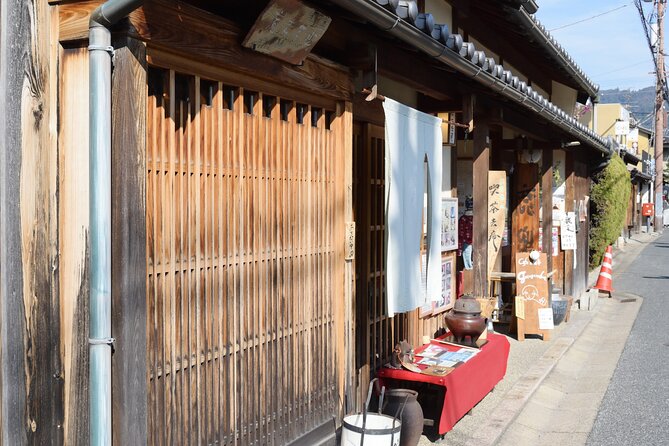
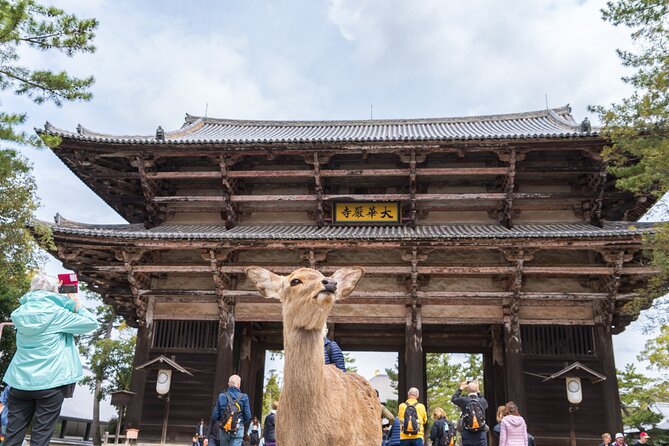
The Kyoto and Nara version includes Fushimi Inari, then takes you to Nara for a different kind of day. Nara Park is known for deer that roam freely, and the planned visit lasts about an hour. You can feed the deer, take photos, and walk among the park’s open grounds. Deer crackers are available separately, and Katsu has helped families find them.
The deer are a delight, but you should treat them as animals rather than props. Keep food under control, follow local guidance, and pay attention when several deer gather around you. The park is a particularly good fit for children, although young ones should stay close when feeding.
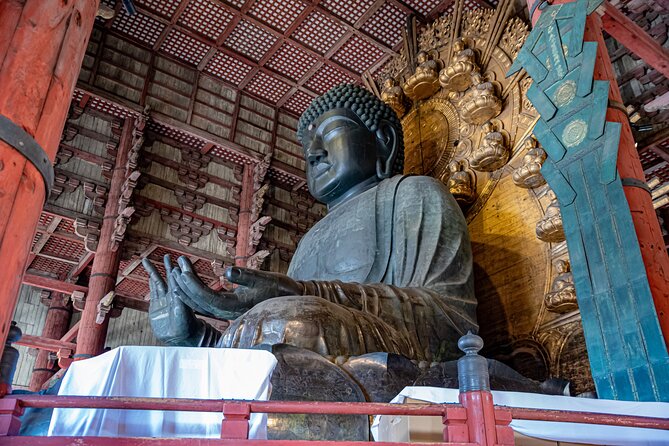
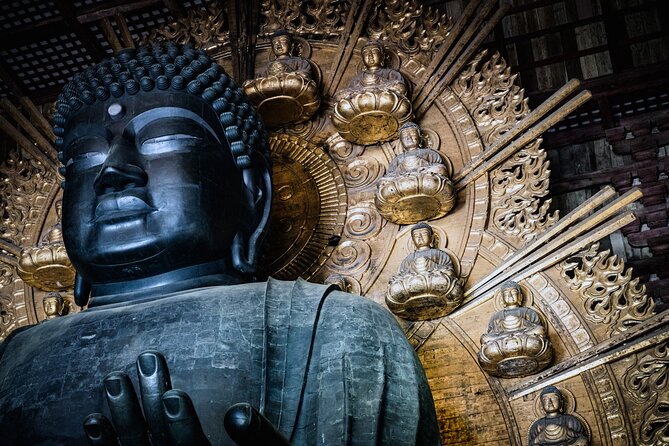
Todai-ji is the main cultural anchor of the Nara option. This great temple houses the famous Giant Buddha, and the scale of the hall and statue can make a stronger impression than a quick photograph suggests. The visit lasts about 40 minutes, and admission is extra. That is enough for the main hall and a short look around, though you may want more time if religious art and temple architecture are high on your list.
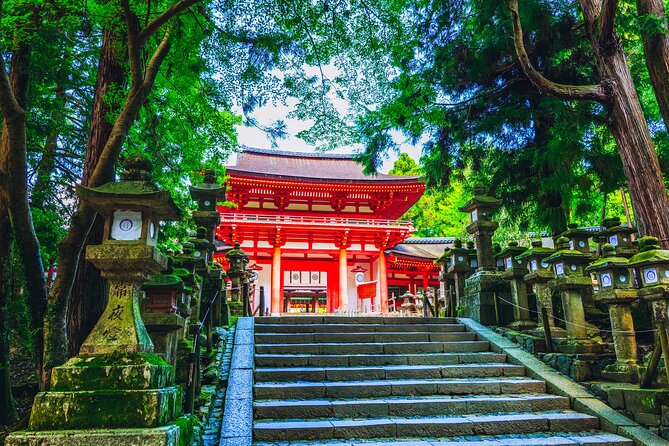
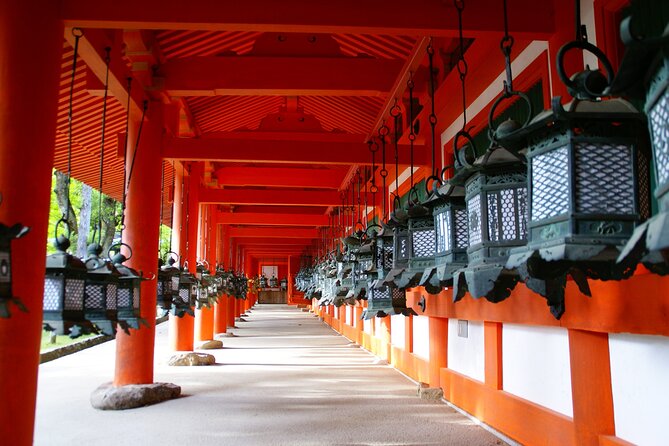
Kasuga Grand Shrine adds a quieter walk through a forest path lined with mossy stone lanterns. The stop is about 30 minutes, with admission separate. Compared with Todai-ji, this is less about one huge object and more about atmosphere, shrine details, and the approach through the woods.
The Nara plan works well for you if you want wildlife, a major Buddhist monument, and a calmer shrine setting in one day. It is also a strong choice for families. The private vehicle removes the need to coordinate Kyoto and Nara trains, and Katsu has adjusted walking time for slower groups.
The drawback is distance. You will spend part of the day traveling between Kyoto and Nara, and the listed stops do not leave room for every Nara sight. If Nara is your main goal, consider asking to spend more time there and reduce the Kyoto portion.
What the Osaka add-on really offers
The Osaka choice is less fully described than the Kyoto and Nara plans. You know that the day can combine Kyoto with Osaka, and the route can change based on places you have already visited or want to add. You do not get a fixed list of Osaka stops in the supplied details, so you should discuss the exact plan before booking.
That flexibility may suit you if Osaka is a priority but you have limited time. Katsu has already redirected a day toward Osaka when a participant had seen some Kyoto sights. You can use the private format to focus on food, shopping, or city sights that match your interests, but do not assume every famous Osaka attraction is included.
The Osaka version makes the most sense for repeat visitors to Kyoto, or for a group that values convenience over a deep visit to one city. First-time Kyoto visitors will usually get more from the Kyoto-only plan unless Osaka is a firm priority.
Food, photos, and the useful extras
Food is not included, but Katsu has helped make meals easier. He has suggested local ramen, sushi, fish-market dining, and a vegan restaurant, including making a reservation and helping with ordering. Those touches are valuable when you want local food but do not speak Japanese or know which places suit your group.
Do not count on a provided lunch or drinks. Breakfast, lunch, and bottled water are excluded. Some passengers found water and tissues in the car, but those items are not listed as inclusions, so bring your own water and plan for meal costs.
Katsu has also taken photos during the day and shared them afterward. That is useful at Fushimi Inari, Nara Park, and the temple grounds, where taking a group picture can otherwise be awkward. Treat it as a helpful personal service rather than a formal photography package.
Is $175 per person a good value?
The advertised price is $175 per person. Its value depends heavily on your group size and the version you choose. You are paying for a private vehicle, a guide, fuel, parking, hotel pickup where suitable, and the ability to adjust the schedule. For a family or small group, that can compare well with arranging several taxis, paying separate fares, and losing time to navigation.
Admission fees are not included, and the supplied information gives about $9 per person for temple and shrine admissions. The exact total depends on which paid sites you enter. Add lunch, snacks, drinks, deer crackers, and shopping to your day’s budget.
I would not book this mainly to save money over public transport. Kyoto’s buses and trains can cost less. I would book it to save energy, reduce transfers, and make one full day work smoothly, especially if you are traveling with children, older relatives, or limited time.
Who will get the most from this tour?
This is a strong match for first-time visitors who want the major Kyoto sights without planning every train and bus connection. It also suits families, since the vehicle provides a break between walks and the day can slow down when children need it.
Couples and groups of friends should like the freedom to adjust photo stops, meals, and sightseeing time. The tour also fits slower walkers, provided you tell Katsu early so the schedule is realistic.
You may prefer independent public transport if you want long temple visits, quiet neighborhood walks, or a very low-cost day. You may also find the Kyoto and Nara or Kyoto and Osaka versions too rushed if you want to study one city in depth.
The experience is recommended by all supplied ratings, with 36 five-star reviews. The repeated strengths are specific: Katsu communicates well in English, drives safely, keeps the car comfortable, adjusts to family needs, offers useful food advice, and brings humor to the day. Those qualities matter more than a rigid list of stops.
Practical details before you reserve
Pickup is offered, but not every hotel is suitable, so confirm your location. Confirmation arrives when you book, and the tour is near public transportation. Most people can take part, but the stops include walking, slopes, temple grounds, and crowded areas.
This is a private activity, so only your own group participates. Group discounts are available, and the ticket is mobile. You can cancel for a full refund up to 24 hours before the start time. Changes or cancellations inside that 24-hour window are not accepted.
Should you book this Kyoto car tour?
Book it if you want a friendly guide, private transport, and a day that responds to your interests rather than a fixed clock. Katsu’s mix of safe driving, good English, local food help, family patience, and photo assistance is the core value.
Choose Kyoto only if you want the strongest first visit to the city. Choose Nara if deer, Todai-ji, and shrine paths appeal more than extra Kyoto temples. Choose Osaka only after confirming the exact stops. At $175 per person plus admissions and meals, it is not the cheapest way to tour, but for a small group trying to cover a lot without stress, it can be a sensible and personal choice.
FAQ
How long does the private Kyoto tour last?
The tour lasts approximately 7 to 8 hours.
What tour options can I choose from?
You can choose a Kyoto one-day highlights tour, a Kyoto and Nara private tour, or a Kyoto and Osaka option.
Is Fushimi Inari included in every option?
Yes. Fushimi Inari-taisha is included in all three tour options.
Are temple and shrine admission fees included?
No. Admission fees are separate. The provided information lists temple and shrine admissions at about $9 per person.
Are lunch and bottled water included?
No. Breakfast, lunch, and bottled water are not included.
Is this a private tour?
Yes. Only your group participates in the activity.
Is hotel pickup available?
Pickup is offered, but not every hotel is suitable for pickup. Confirm your hotel when arranging the tour.
Can I cancel for a full refund?
Yes. You can cancel at least 24 hours before the local start time for a full refund. Cancellations or changes made less than 24 hours before the start time are not accepted.
Just added around Kyoto
- Kyoto: Zen Meditation at a Private Temple with a Monk★ 5.0 · 25 reviews
- Kyoto: Gion Geisha District & Sake-in-Hand Walking Tour★ 5.0 · 37 reviews
- Private Pewter Sake Cup Experience with a Kyoto Artisan★ 5.0 · 31 reviews
- Your Private Vacation Photography Session In Kyoto★ 5.0 · 110 reviews
- Private Guided Traditional Buddhist Cooking in Japan★ 5.0 · 16 reviews
- Kyoto Wagashi(Japanese sweets) Cooking Class near Fushimiinari★ 5.0 · 60 reviews
- Traditional Japanese Music show & Experience Tour in Kyoto★ 5.0 · 57 reviews
- Kyoto:Family-Friendly Kimono & Yukata Experience at WARGO★ 5.0 · 147 reviews
Kyoto Tours, compared.


Fushimi Inari, Kinkakuji, Bamboo Grove 1 Day Bus Tour
Read our review →
Tea Ceremony in a Traditional Tea House in Kiyomizu
Read our review →
Kyoto Geisha Walking Tour: Gion District & Hidden Gems
Read our review →

Gion Magical Night Walking Tour with Geisha Trivia
Read our review →
