
Reviewed · KYOTO TOURS
Kyoto Private Day Trip – Enjoy Your First-Time Visit to Kyoto!
Kyoto’s biggest challenge is not finding beautiful sights. It is fitting them together without losing half the day to planning, wrong turns, and transport. This private seven-hour tour tackles the city’s headline attractions in one sweep, from the red gates of Fushimi Inari to the gold pavilion of Kinkakuji.
I like the personal guide and the chance to adjust the pace. Guides such as Josh, Kei, Fumi, Kai, Jun, and Tetsu have helped visitors reshape the day around children, mobility needs, lunch, crowded periods, or sites already seen. I also like the sensible first-visit route, which gives you a quick feel for Kyoto’s shrines, temples, castle, old streets, and Gion district.
The main catch is cost. The $99.10 price covers the guide and private tour, but transportation, entry tickets, lunch, and personal expenses are extra. You also cover taxi fares for the guide if you choose the taxi preference, so this is not a low-cost sightseeing day.
Key points to know before booking
- Four major Kyoto sights in one day: Fushimi Inari, Kiyomizu-dera, Nijo Castle, and Kinkakuji form the core of the route.
- A private guide keeps the day flexible: You can request changes, ask for lunch suggestions, and adapt the plan to your group.
- The walking is real: Comfortable clothing matters, especially around Fushimi Inari, Kiyomizu-dera, and the sloping streets of Higashiyama.
- Extra costs add up: Tickets, local transport, food, and the guide’s taxi fare are not included.
- Strong guide feedback: Guides including Josh, Kei, Fumi, Kai, Jun, and Tetsu are praised for clear explanations, timing, patience, and route planning.
- Custom routes require advance contact: For the customizable option, contact the guide two weeks ahead. If you do not reply, the standard route is used.
Why this Kyoto route works for a first visit
This is a greatest-hits day, but it is not simply a checklist. Each stop gives you a different piece of Kyoto: a shrine famous for its gates, a temple with a grand city view, preserved old lanes, a castle tied to Japan’s political past, and a gold-covered temple reflected in a pond.
The private format matters here. Kyoto’s attractions are spread across the city, and your guide can help decide how long to stay at each place. The strongest experiences reported from this tour came when the guide did more than recite facts. Josh adjusted the order to avoid the worst crowd periods, while Fumi and Fukumoto shaped routes around specific needs. Kei also recommended lunch and gave extra ideas for the rest of a Kyoto visit.
You should still set realistic expectations. Seven hours is enough for an introduction, not a slow study of every temple. The listed stops total several hours before travel, ticket lines, meals, and pauses. At some places, especially Kinkakuji and Fushimi Inari, you may need to keep moving.
The tour begins and ends at the Bus Ticket Centre and Information Centre near Kyoto Station, at 902 Higashishiokōjichō. That is a useful meeting point if you arrive by train or are staying nearby, though finding one another inside or around a large station can take a little care. One family had trouble locating the guide at first, but connected successfully at the stated meeting place.
A few more Kyoto half-days to weigh up
- PERFECT KYOTO 1-Day Bus Tour
★ 5.0 · 13,518 reviews - Kyoto: Fushimi Inari, Kinkakuji, Bamboo Grove 1 Day Bus Tour
★ 4.8 · 4,316 reviews - 10 Must-see Spots in Kyoto One Day Private Tour (up to 7 people)
★ 5.0 · 1,108 reviews
Fushimi Inari and the first red gates
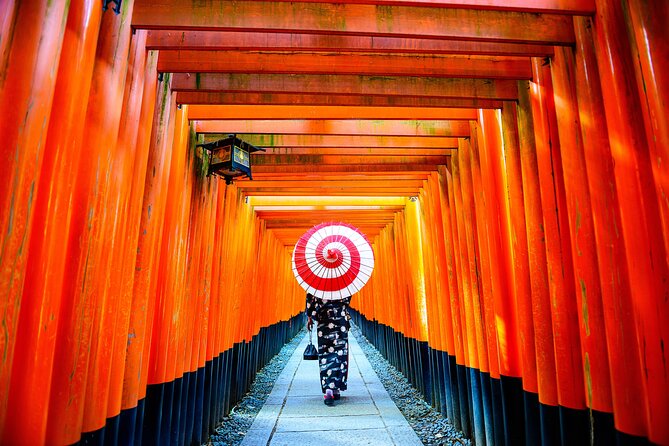
Fushimi Inari Taisha is the visual opener, and it earns that position. The approach is lined with thousands of vermilion torii gates, donated over time by people and businesses seeking good fortune and success. The repeated gates create a tunnel-like walk that feels very different from Kyoto’s quieter temple grounds.
The scheduled visit is about 32 minutes, with no admission charge. That is enough to see the famous lower section and take photographs, but not enough for a long climb through the mountain shrine. If you want to walk far beyond the main gate sequence, discuss it before the day begins because every extra step affects the later stops.
A guide adds value by explaining the purpose of the shrine and the meaning behind the gates rather than treating the scene as a photo stop. You can also ask for help with shrine customs and local beliefs. The route is generally easy to join, but the walking surface and uphill sections mean you should wear shoes you can trust.
Kiyomizu-dera and the view from the wooden stage
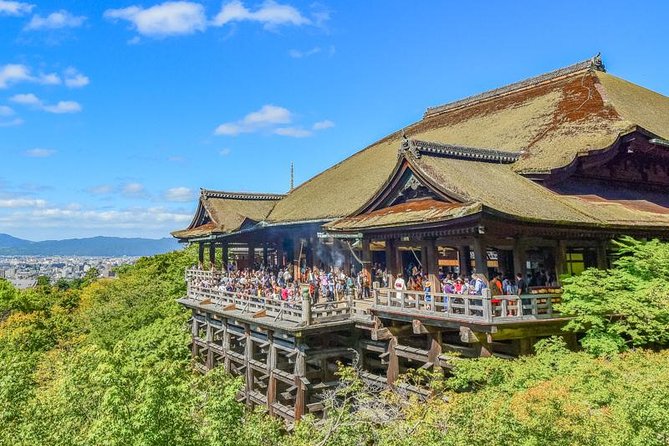
Kiyomizu-dera is one of Kyoto’s essential temples and one of its most recognizable viewpoints. Its large wooden stage looks out over the surrounding city and wooded hills, giving you the classic Kyoto scene that many first-time visitors hope to see.
The planned stop lasts about 45 minutes, and an admission fee applies. The supplied pricing notes identify an estimated standard-tour cost of ¥5,370 per traveler, while the inclusions also list Kiyomizu-dera admission at ¥5,370 per person. Because the fee information is presented in more than one way, confirm the exact current ticket cost when booking and budget for admission separately from the tour price.
This part of the day is more than a temple interior. The approach is lined with shops and old-style buildings, and it leads directly into Sanneizaka. Expect a sloping walk and plenty of people, especially during popular seasons. Your guide can keep the visit focused, explain the temple’s Kannon connection, and help you avoid spending too much time wandering before the remaining sights.
Sanneizaka, Ninen-zaka, and the old Kyoto streets
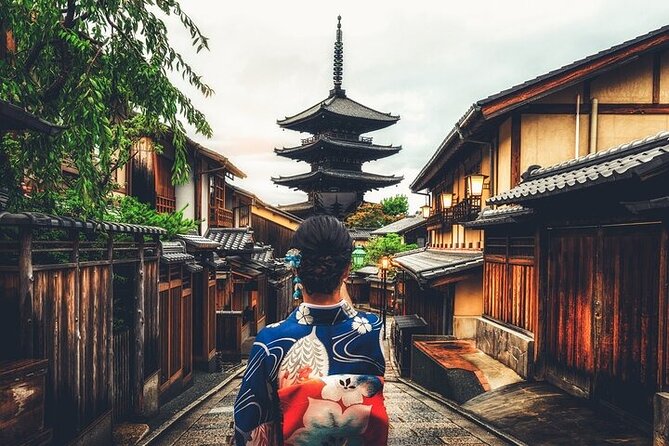
The one-hour stop at Sanneizaka is a welcome change from formal religious sites. This preserved hillside area forms part of the approach to Kiyomizu-dera and is known for its traditional-looking buildings, small shops, food stops, and view corridors toward the temple area.
Sanneizaka is designated as an Important Preservation District for Groups of Traditional Buildings, along with nearby Ninen-zaka. The streets are attractive, but they are also uneven and sloped. This is where the tour’s walking requirement becomes most obvious, particularly if you are traveling with young children or someone who tires easily.
The private setup helps. Guides have adjusted routes for family members with different abilities, and one guide made extra effort to keep a low-impact day comfortable. Tell your guide early if you need more pauses or a shorter walk. You may also use this hour for small purchases or a quick snack, but a full lunch could make the schedule tight.
Same base, a completely different sort of day:
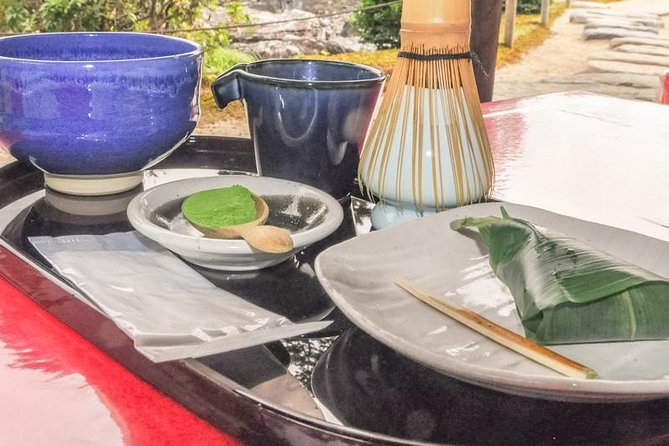
- Kyoto: Tea Ceremony in a Traditional Tea House in Kiyomizu
★ 4.9 · 3,519 reviews - Kyoto Geisha Walking Tour: Gion District & Hidden Gems
★ 4.7 · 3,273 reviews - Kyoto: Tea Ceremony Ju-An at Jotokuji Temple
★ 4.9 · 3,207 reviews - Kyoto: Gion Magical Night Walking Tour with Geisha Trivia
★ 4.9 · 2,393 reviews
Hanamikoji Street and a glimpse of Gion
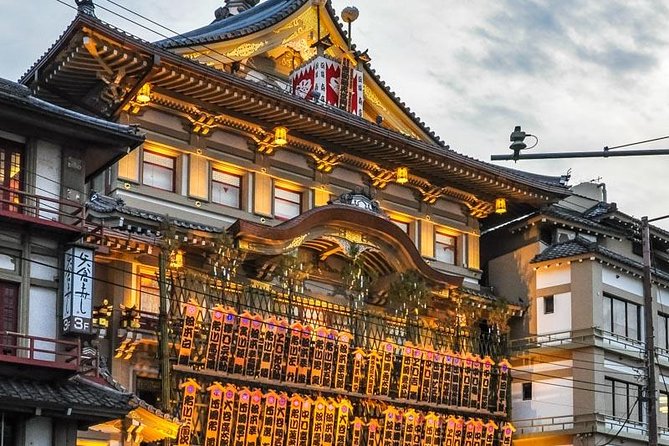
Hanamikoji Street receives only about ten minutes, so treat it as a brief look at Gion rather than a full district visit. The street is known for Kyoto-style buildings and its connection to the traditional entertainment quarter.
That short stop can still help you understand the city’s contrast: modern roads and busy shopping areas give way to carefully preserved wooden facades and narrow lanes. Your guide can point out the most distinctive buildings and explain the setting without asking you to spend too long here.
Do not expect a long search for geisha sightings or a leisurely evening in Gion. The schedule moves on to Nijo Castle, and the tour is designed to cover broad ground. If Gion is your main interest, ask about a custom route before the tour.
Nijo Castle and the Tokugawa story
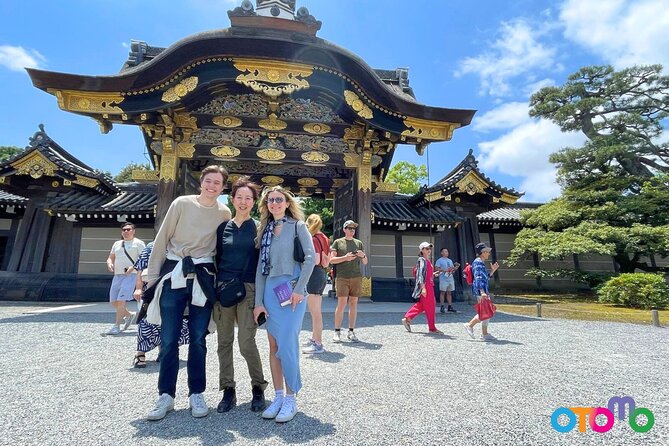
Nijo Castle gives the day a political and architectural turn. It is linked to the Tokugawa shogunate, including both its rise and its eventual end, and its grounds offer a change of pace after the shrine and hillside streets.
The visit is scheduled for 55 minutes, with admission extra. You can see castle architecture, gardens, and spaces where a short rest may be welcome. The castle is especially useful for understanding how power worked in Japan, since the setting connects grand design with the political story of the shogunate.
This stop is one reason a guide can be worth the extra money. A good explanation gives the buildings a purpose instead of leaving you with ornate rooms and names that quickly blur together. Fukumoto was praised for explaining history clearly and changing the route when a place was closed or already visited, the sort of practical flexibility that can matter on a tightly packed day.
Kinkakuji, Kyoto’s famous Golden Pavilion
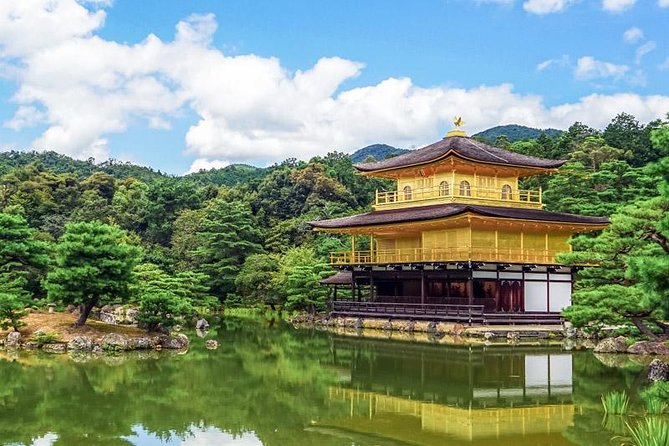
Kinkakuji, also called the Golden Pavilion, is the grand finale. The gold-covered building sits beside a pond and is one of Japan’s most instantly recognizable sights. It is photogenic in every season, but the attraction is busy throughout the year.
The planned visit lasts about 40 minutes, and admission is extra. The path is controlled and the main view is straightforward, so you do not need hours here to understand why it is famous. The short visit works well at the end of a full day, though you should expect crowds and limited freedom to linger in one quiet spot.
Guides can provide context about the pavilion and the idea of the Golden Land associated with it. Kai, for example, was praised for giving clear cultural explanations while fitting the essential sights into one day. If Kinkakuji is your top priority, tell your guide so the timing does not leave you rushing through the final stop.
What the private guide adds

The strongest reason to choose this tour is not the list of temples. You can visit those places independently. The advantage is having one person connect them, watch the clock, explain what you are seeing, and alter the day when conditions change.
The guide quality appears to vary by individual, as it does with any service using multiple guides. Most of the supplied experiences praise guides for fluent English, historical explanations, patience, good timing, and friendly help. Tokiko continued showing a group around after a late arrival, Jun built an efficient first-day route, and Kazu found an excellent okonomiyaki restaurant. Kiriko arranged requested stops, suggested extras, and took photographs.
There was also one serious complaint about a customized tour in which the guide was said to waste time and money. That is a useful warning, not something to ignore. Confirm the length, meeting point, transport plan, and requested sights in writing before the day, especially if you are paying for a specialized route.
The customizable option is worth considering if you have already seen one of the standard stops, want a hotel pickup within Kyoto, or need the pace changed. Contact the provider two weeks in advance. If you do not respond, the standard itinerary goes ahead.
Walking, taxis, and the real cost
The tour price is $99.10 per person. For a private guide covering seven hours and four major areas, that can be fair, especially for a small group that values convenience and explanation. The value drops if you expected an all-inclusive outing, since the advertised price excludes transportation, entry fees, lunch, and other personal expenses.
The standard option gives an estimated tour cost of ¥5,370 per traveler, but the details also say that expenses at the sites are paid by the customer. Treat the $99.10 as the guide and private-tour charge, then allow extra money for temple tickets and getting around. Ask for a precise cost breakdown before booking because the listed admission information is not perfectly clear.
If you select taxi preference, every taxi fare during the tour, including the guide’s fare, is your responsibility. A private car or limo option is also available, but it costs more and should be selected at booking. Without that option, transport costs still remain yours, so the guide is not providing a free vehicle.
The route involves substantial walking. Wear comfortable clothes and shoes, carry water, and keep your day bag light. Most people can take part, but the hills, temple approaches, and long day may be tiring. A guide can adjust the pace, but cannot remove the distance between Kyoto’s major sights.
Who will get the most from this day
I would choose this for a first visit when you have only one full day in Kyoto and want the major sights explained in English. It also fits families, mixed-age groups, and visitors who do not want to manage rail connections, bus routes, tickets, and timing alone.
It is particularly useful for people who want cultural background, not just photographs. The guides have helped with translation, local customs, food suggestions, shopping areas, restaurant choices, and the practical side of moving through Kyoto.
I would be more cautious if you prefer slow travel. The schedule is packed, and the short Hanamikoji stop leaves little room for spontaneous wandering. Independent visitors who are comfortable with public transport may spend less and choose fewer sights at a gentler pace.
The score of 4.9 from 97 ratings, with 99 percent recommending the experience, points to a strong overall service. Still, your guide matters greatly. Use the booking notes to state your priorities clearly, and ask questions before committing to a customized plan.
Booking details and cancellation
Confirmation is provided when you book, and the meeting point is near public transportation at Kyoto Station. The activity ends back at the same meeting point unless a different arrangement is confirmed for the selected option.
Free cancellation is available up to 24 hours before the start time for a full refund. Cancellations or changes made less than 24 hours before the start time are not accepted for a refund, and all cut-off times use Kyoto local time.
Should you book this Kyoto day trip?
Book it if you want an efficient first look at Kyoto, value a private English-speaking guide, and accept that tickets and transport cost extra. The combination of Fushimi Inari, Kiyomizu-dera, Sanneizaka, Gion, Nijo Castle, and Kinkakuji gives you a broad introduction in one day.
Choose the customizable option if your group has firm interests or physical limitations, and contact the guide well ahead. Skip it if you would rather spend a whole morning at one temple, avoid a tight schedule, or organize public transport yourself. For the right visitor, this is a practical way to get your bearings fast, with enough local guidance to make a crowded Kyoto day feel manageable.
FAQ
How long does the Kyoto private day trip last?
The tour lasts approximately seven hours.
Which sights are included in the standard route?
The route includes Fushimi Inari Taisha Shrine, Kiyomizu-dera Temple, Sanneizaka, Hanamikoji Street in Gion, Nijo Castle, and Kinkakuji Temple.
Is transportation included in the tour price?
No. Transportation fees are not included. You pay for transport used during the tour, and taxi preference also requires you to cover the guide’s taxi fares.
Are entrance tickets included?
No. Entrance fees are excluded. Kiyomizu-dera, Nijo Castle, and Kinkakuji all list admission as not included.
Can I customize the itinerary?
Yes. Select the customizable tour option and contact the guide two weeks before the tour to create a personalized plan. If you do not respond, the standard itinerary is used.
Where does the tour begin and end?
The tour starts at the Bus Ticket Centre and Information Centre at 902 Higashishiokōjichō, Shimogyo Ward, Kyoto. It ends back at the meeting point.
Can I cancel for a full refund?
Yes, if you cancel at least 24 hours before the experience start time. Cancellations or changes made less than 24 hours before the start time are not refunded or accepted.
Just added around Kyoto
- Kyoto: Zen Meditation at a Private Temple with a Monk★ 5.0 · 25 reviews
- Kyoto: Gion Geisha District & Sake-in-Hand Walking Tour★ 5.0 · 37 reviews
- Private Pewter Sake Cup Experience with a Kyoto Artisan★ 5.0 · 31 reviews
- Your Private Vacation Photography Session In Kyoto★ 5.0 · 110 reviews
- Private Guided Traditional Buddhist Cooking in Japan★ 5.0 · 16 reviews
- Kyoto Wagashi(Japanese sweets) Cooking Class near Fushimiinari★ 5.0 · 60 reviews
- Traditional Japanese Music show & Experience Tour in Kyoto★ 5.0 · 57 reviews
- Kyoto:Family-Friendly Kimono & Yukata Experience at WARGO★ 5.0 · 147 reviews
Kyoto Tours, compared.


Fushimi Inari, Kinkakuji, Bamboo Grove 1 Day Bus Tour
Read our review →
Tea Ceremony in a Traditional Tea House in Kiyomizu
Read our review →
Kyoto Geisha Walking Tour: Gion District & Hidden Gems
Read our review →

Gion Magical Night Walking Tour with Geisha Trivia
Read our review →

Gion Geisha District Walking Tour – Stories of Geisha
Read our review →Browse the lists this tour appears in