
Reviewed · KYOTO TOURS
Shamisen Experience in Kyoto 【Private】
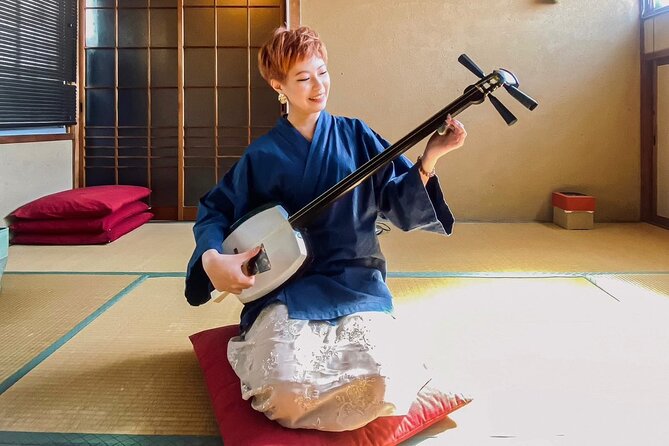
The most memorable part of this Kyoto activity is not watching a performance. It is sitting down with a three-stringed shamisen and making one yourself. Professional player Jack teaches in English, patiently guiding you from posture and tuning to a traditional Japanese song, then joining you for a small jam session.
I like the private one-to-one format, especially if you want to ask questions or need extra help with technique. I also like the Japanese tea break, which gives the lesson an easy, personal rhythm rather than making it feel like a rushed music class. The main consideration is time: 90 minutes is enough for a satisfying introduction, but not enough to master the instrument.
Key points
- Private lesson with Jack: You receive direct instruction from a professional shamisen player rather than sharing the class with a large group.
- English-language teaching: The lesson is designed for international visitors and covers the basics in clear English.
- Play a traditional song: The goal is not just handling the instrument, but learning a melody you can actually play.
- Traditional-scale jam session: Jack accompanies you and encourages you to experiment with your own sounds.
- Tea and souvenir included: The break adds a quiet Japanese touch, while the gift gives you something to take home.
- Left-handed players are welcome: A left-handed shamisen is available, so you do not have to force yourself into an awkward position.
Why a Shamisen Lesson Beats Another Hour of Sightseeing

Kyoto has no shortage of temples, gardens, lanes, and wooden townhouses. After a few days, though, another scenic stop can begin to blur into the rest. This lesson gives you a way to take part in Japanese culture rather than simply look at it.
The shamisen is a traditional three-stringed instrument with a distinctive sound. It is played with a large plectrum, and its technique is different from that of a guitar or a Western string instrument. You do not need musical experience to take part. The lesson is built for first-time players, while people with some musical background can ask for more advanced guidance.
That makes the private setup especially useful. If you are completely new to instruments, Jack can slow down and explain the basics. If you already play music, you can use the time to ask about tuning, posture, scales, and technique rather than repeating a very basic group exercise.
The atmosphere also matters. This is not presented as a formal stage show or a quick photo opportunity. You sit with the instrument, work through the mechanics, and then try to make music with your teacher. That small shift, from watching to playing, is the heart of the activity.
A few more Kyoto half-days to weigh up
- PERFECT KYOTO 1-Day Bus Tour
★ 5.0 · 13,518 reviews - Kyoto: Fushimi Inari, Kinkakuji, Bamboo Grove 1 Day Bus Tour
★ 4.8 · 4,316 reviews - Kyoto: Tea Ceremony in a Traditional Tea House in Kiyomizu
★ 4.9 · 3,519 reviews
Meeting Jack at the Kyoto Shamisen Dojo
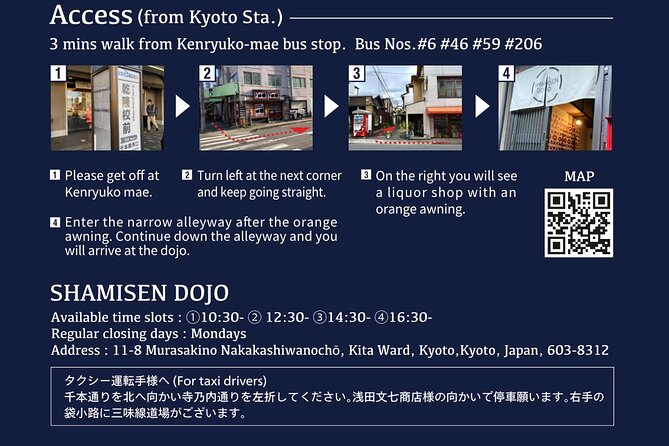
The meeting point is in Murasakino Nakakashiwanocho in Kyoto’s Kita Ward, at postal code 603-8312. The location is near public transportation, and the activity begins and ends at the same place. Since the lesson takes about 90 minutes, it is easy to fit into a day of sightseeing without giving up an entire morning or afternoon.
You should allow enough time to find the meeting point. A private lesson depends on arriving on time, and the teaching period is not long enough to absorb a major delay. Your confirmation is provided when you book, so keep the meeting details handy.
The setting is intended for a personal lesson with Jack, not a large class. That helps the activity feel more like an appointment with a musician than a standard tour. You can ask questions as they come up, and the lesson can respond to your pace.
The activity is suitable for most people. The available information does not describe special accessibility arrangements, so you should contact the provider directly if you have mobility needs or require a particular seating setup.
Your First Steps: Posture, Tuning, and Basic Technique
The lesson starts with the practical matters that make the rest possible. You learn how to sit, how to hold the shamisen, and what posture helps you play correctly. These details may seem small, but they are important on an unfamiliar instrument.
You also learn how to tune the shamisen. That is a useful skill if you later buy or borrow one, and it gives you a clearer sense of how the instrument works. One participant specifically used the lesson to learn tuning and proper seating, posture, and playing position, then planned to apply those skills to a shamisen at home.
The first hour is not simply a demonstration by Jack. You are expected to handle the instrument and try the technique yourself. Jack’s teaching style is patient and personal, with room for questions. His English allows the lesson to focus on playing instead of struggling over instructions.
If you have never played an instrument, do not let the traditional sound of the shamisen intimidate you. The class is designed for beginners. You will not leave as a professional musician, but you should leave with a practical understanding of how the instrument is held and played.
If you already have experience, tell Jack early. He has been willing to add more advanced material when a student was ready. The private format makes that adjustment much easier than it would be in a fixed group class.
Learning a Traditional Japanese Song
The most satisfying target is learning a traditional Japanese song. This gives the lesson a clear finish line. Instead of spending the full 90 minutes on isolated exercises, you gradually work toward a melody that sounds like music.
The song also gives you a better sense of the shamisen’s character. You are not just copying finger movements. You are learning how a traditional Japanese scale and melody feel under the hand. Even a simple tune can sound quite different from the music you are used to playing.
Keep your expectations sensible. You may be able to play a song after the lesson, but that does not mean every note will be polished. The value comes from the process: you learn enough technique to produce a recognizable melody and understand how continued practice would work.
This is where musical curiosity helps, but it is not required. People with no instrument experience can take part, and people with a strong interest in Japanese music may want to ask Jack more detailed questions about the instrument and its scales.
Same base, a completely different sort of day:
- Kyoto Geisha Walking Tour: Gion District & Hidden Gems
★ 4.7 · 3,273 reviews - Kyoto: Tea Ceremony Ju-An at Jotokuji Temple
★ 4.9 · 3,207 reviews - Kyoto: Gion Magical Night Walking Tour with Geisha Trivia
★ 4.9 · 2,393 reviews - Kyoto: 45-Minute Tea Ceremony Lesson Experience
★ 4.3 · 2,378 reviews
The Private Jam Session with Traditional Scales
The lesson’s most unusual feature is the jam session with Jack. He plays alongside you using traditional Japanese scales, offering guidance while leaving space for you to make choices and express yourself.
That can sound ambitious for a beginner, but the point is not to deliver a concert. It is to feel how the shamisen works in a musical setting. Jack’s accompaniment gives you something to respond to, and his direction helps keep the session comfortable even if your playing is still rough.
This part also shows why a private class is worth considering. In a large group, the teacher would have to keep everyone on the same exercise. Here, Jack can listen to your playing and encourage you to try a melody or variation that suits your level.
The jam is especially appealing if you love music or want hands-on contact with traditional Japanese culture. It turns the class from a lesson into a shared musical moment. You may not remember every technical term, but you are likely to remember the moment when your own shamisen sound fits with Jack’s playing.
A Japanese Tea Break with Jack
The tea break is a simple feature, but it helps set the pace. You can enjoy Japanese tea while having a relaxed conversation with Jack, who is both the owner of the dojo and a professional shamisen player.
This pause gives you a chance to ask questions that may not fit neatly into the lesson. You might want to know more about the instrument, his career, or the music you are learning. The tea also keeps the session from feeling like a tightly packed sequence of instructions.
Do not book this expecting a full tea ceremony. The available details describe Japanese tea and relaxed conversation, not a formal ceremony with an elaborate set of rituals. Think of it as a cultural break built into the lesson.
For many people, that informal contact may be as valuable as the playing itself. You get time with someone who works professionally with the shamisen, rather than receiving only a prepared performance and a short explanation.
What the $99.10 Price Gets You
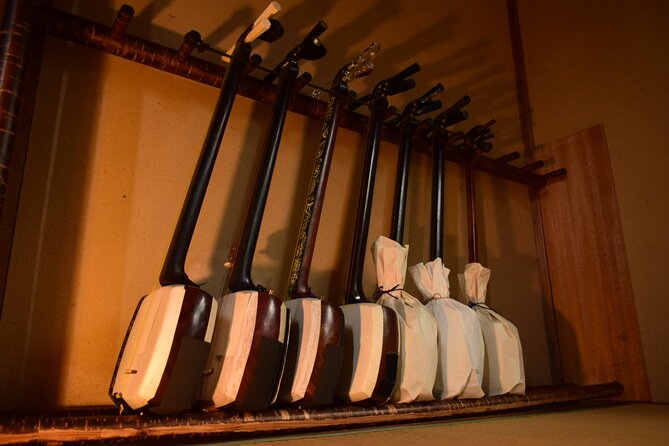
At $99.10 per person, this is not the cheapest short activity in Kyoto. It is also not simply a 90-minute demonstration. The price covers a private lesson, use of the instrument, direct teaching from a professional player, the tea break, and a souvenir.
The key value is the amount of personal attention. If you joined a group class, you might pay less, but you would have fewer chances to ask for corrections or explore at your own speed. Here, you are paying for access to the teacher as much as for the instrument itself.
The price makes the most sense for you if you want an active cultural experience and would value learning a skill. It may feel less worthwhile if you only want to hear shamisen music or take a quick cultural stop between temples. For that, a performance would be a better match, but this activity offers something a performance cannot: you get to play.
The included souvenir is a pleasant extra rather than the main reason to book. The lasting value is the memory and the basic knowledge you take away. If you own or plan to buy a shamisen, the lesson can be more useful because tuning, posture, and technique give you a better starting point for practice.
Who Will Enjoy This Kyoto Activity Most
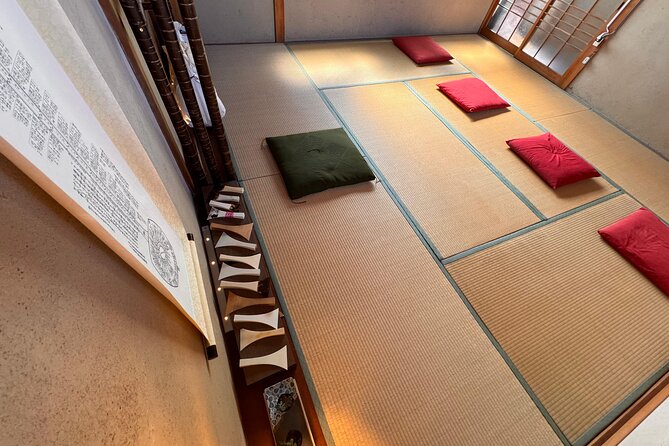
I would recommend this lesson to several types of visitors:
- People who want a break from temple visits and sightseeing
- Beginners curious about traditional Japanese instruments
- Musicians who want to compare shamisen technique with their own instrument
- Couples or families who prefer a private activity
- Left-handed players who need an appropriate instrument
- Anyone looking for a rainy-day plan in Kyoto
The lesson also suits people who are nervous about performing in front of others. Since only your group takes part, you do not have to play for a room full of strangers.
It may be less suitable if you want a long, advanced workshop. The duration is about 90 minutes, and the design is introductory. You will learn useful basics and a song, but serious players may want a longer private lesson or a follow-up session.
Children and younger participants may be able to join because most people can participate, but the supplied details do not give a specific minimum age. Check before booking if age is important for your group.
Timing, Tickets, and Cancellation
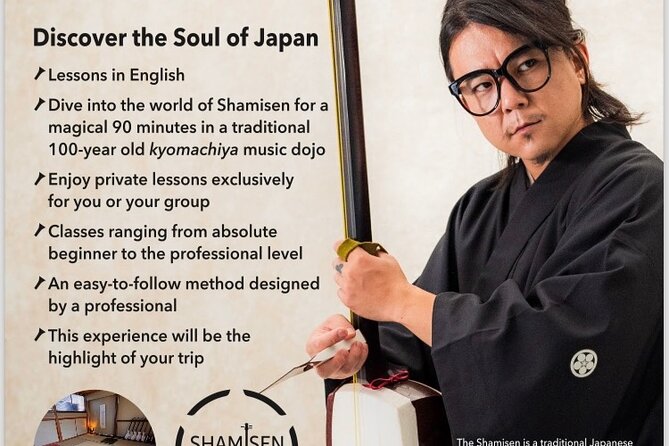
The activity uses a mobile ticket, which is handy when you are moving around Kyoto. Confirmation is sent at the time of booking, and the activity is generally booked about 35 days ahead on average. That does not guarantee a particular date will sell out, but it is a good reason to reserve early if your Kyoto schedule is fixed.
Free cancellation is available up to 24 hours before the start time for a full refund. Cancellations or changes made less than 24 hours before the activity are not accepted for a refund, and the cut-off follows Kyoto local time.
The schedule is easiest to manage when you place the lesson between sightseeing areas rather than treating it as a last-minute add-on. Since the class returns to its meeting point, you should plan onward transport from there rather than assuming it ends at a major attraction.
Small Details That Make the Lesson Work
A few practical points can make your session more comfortable:
- Tell Jack if you are left-handed so the available lefty shamisen can be prepared.
- Mention your musical background at the start. Beginners and experienced players may need different levels of instruction.
- Keep your phone accessible for the mobile ticket, but give the lesson your full attention once it begins.
- Wear something that lets you sit comfortably and maintain a proper playing position.
- Arrive with enough time to locate the meeting point in Kita Ward.
- Treat the song as a goal, not a performance test. The lesson is about learning and trying.
The best results come from being willing to make a few imperfect sounds. A shamisen has a strong, distinctive voice, and your first attempts may not be delicate. That is normal. Jack’s role is to guide you through those early mistakes and help you reach a point where the instrument begins to feel familiar.
Should You Book the Private Shamisen Experience?
Book it if you want to do something in Kyoto that is personal, musical, and hands-on. Jack’s English instruction, professional playing, patient teaching, traditional song, tea break, and private format make this a strong choice for a first shamisen lesson.
I would be especially keen to book if I had already seen Kyoto’s major temples and wanted a different kind of cultural activity. The price is fair for direct one-to-one instruction, though it is harder to justify if you are only looking for passive entertainment.
You should also book early if the date matters, and leave enough time to reach Murasakino Nakakashiwanocho. If you are ready to sit, listen, try, and laugh at a few rough notes, this is a memorable way to spend 90 minutes in Kyoto.
FAQ
Do I need musical experience to join the shamisen lesson?
No. The curriculum is designed for beginners, and no previous experience is required.
Is the lesson taught in English?
Yes. The lesson is taught in English, making it suitable for international visitors.
How long does the shamisen experience last?
The activity lasts approximately 1 hour and 30 minutes.
Is this a private activity?
Yes. Only your group participates, so you receive personal instruction from the teacher.
Is a left-handed shamisen available?
Yes. Left-handed shamisen are available for left-handed players.
Where does the activity start and end?
It starts at Murasakino Nakakashiwanocho in Kita Ward, Kyoto, postal code 603-8312, Japan, and ends back at the same meeting point.
Just added around Kyoto
- Kyoto: Zen Meditation at a Private Temple with a Monk★ 5.0 · 25 reviews
- Kyoto: Gion Geisha District & Sake-in-Hand Walking Tour★ 5.0 · 37 reviews
- Private Pewter Sake Cup Experience with a Kyoto Artisan★ 5.0 · 31 reviews
- Your Private Vacation Photography Session In Kyoto★ 5.0 · 110 reviews
- Private Guided Traditional Buddhist Cooking in Japan★ 5.0 · 16 reviews
- Kyoto Wagashi(Japanese sweets) Cooking Class near Fushimiinari★ 5.0 · 60 reviews
- Traditional Japanese Music show & Experience Tour in Kyoto★ 5.0 · 57 reviews
- Kyoto:Family-Friendly Kimono & Yukata Experience at WARGO★ 5.0 · 147 reviews
Kyoto Tours, compared.


Fushimi Inari, Kinkakuji, Bamboo Grove 1 Day Bus Tour
Read our review →
Tea Ceremony in a Traditional Tea House in Kiyomizu
Read our review →
Kyoto Geisha Walking Tour: Gion District & Hidden Gems
Read our review →

Gion Magical Night Walking Tour with Geisha Trivia
Read our review →
