
Reviewed · KYOTO TOURS
Kyoto Newly Opened Tea Ceremony – Sanjo Chasuian
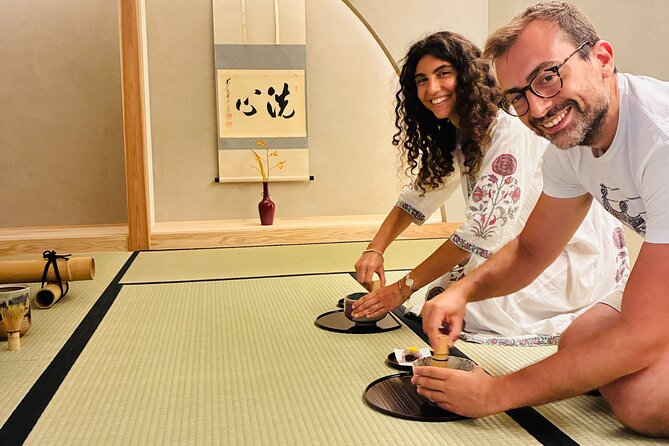
The most engaging part of this Kyoto experience is that you do not simply watch a tea master perform. You first see a careful preparation, then choose a tea bowl and whisk your own matcha. The ceremony becomes easier to understand when your hands take part in it.
I like the generous format: you receive two bowls of Kyoto matcha, one prepared for you and one you make yourself. I also like the seasonal sweets from a Kyoto confectioner with more than a century of history. The main drawback is strict timing. Arrive even one minute late and the locked door means no entry or refund.
Key points at a glance
- Two servings of matcha: One bowl is made by the host, and one is whisked by you or a companion.
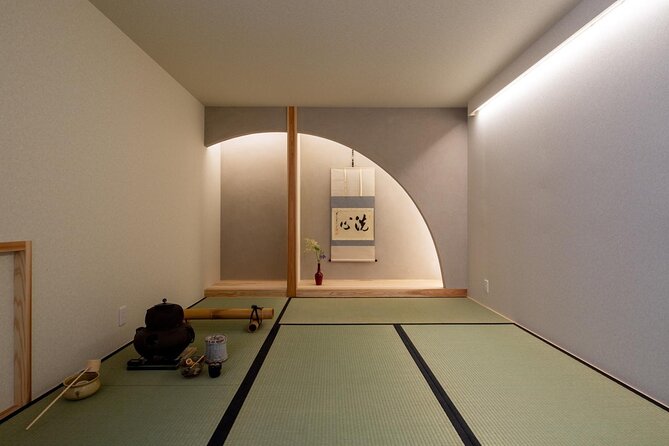
- A real nijiriguchi: You enter through the low crawl-in doorway used in traditional tea rooms.
- Seasonal Kyoto sweets: The confectionery is supplied by a sweet shop with over 100 years of history.
- Small, quiet setting: The group is limited to 10 people, with a calm atmosphere and time for questions.
- English-friendly instruction: Hosts explain the history, customs, utensils, and movements step by step.
- Easy central location: Sanjo Chasuian is near public transportation at 324-2 Sanjocho, Nakagyo Ward.
What the one-hour Kyoto tea ceremony is really like
A tea ceremony can look mysterious if you only see it from the outside. There are precise movements, special bowls, folded cloths, and a quiet rhythm that may seem formal at first. This session at Sanjo Chasuian makes those details approachable without turning the ceremony into a rushed photo opportunity.
The experience lasts about one hour and is designed for a small group of no more than 10 people. That size matters. You can see what the host is doing, hear the explanations, and have a turn with the whisk without feeling lost in a crowd.
The teaching is part of the appeal. The host explains not only how to prepare matcha, but also why particular gestures and arrangements matter. You learn about the role of mindfulness, hospitality, and leaving ordinary concerns behind for the length of the ceremony.
The setting is intentionally quiet. That is useful if you have spent the day crossing Kyoto streets and visiting busy sights. It also means you should treat the room with respect. This is not a loud demonstration where you can come and go as you please.
More Tea Ceremonies in Kyoto
- Kyoto: Tea Ceremony in a Traditional Tea House in Kiyomizu
★ 4.9 · 3,519 reviews - Kyoto: Tea Ceremony Ju-An at Jotokuji Temple
★ 4.9 · 3,207 reviews - Kyoto: 45-Minute Tea Ceremony Lesson Experience
★ 4.3 · 2,378 reviews
Entering through the nijiriguchi doorway
One of the most unusual details is the nijiriguchi, a low entrance that requires you to crouch or crawl into the tea room. Traditionally, this doorway encouraged everyone to leave rank and status outside. Inside, the ceremony focused on the shared act of making and serving tea.
Here, the nijiriguchi gives the experience a clear sense of transition. You are not merely stepping into another shop room. You are being asked to pause, lower yourself, and enter in a different frame of mind.
The entrance is also a practical point to consider. If crouching is uncomfortable for you, chairs are available in the tea room. The information provided does not promise a fully chair-based ceremony, so it is wise to tell the host if you need to sit differently. You are also asked to bring or wear socks.
Entry is allowed from five minutes before the start time. Once the session begins, the door is locked. Plan to arrive early rather than cutting it close, especially since the meeting point can be slightly confusing on a map.
Watching the host prepare the first bowl
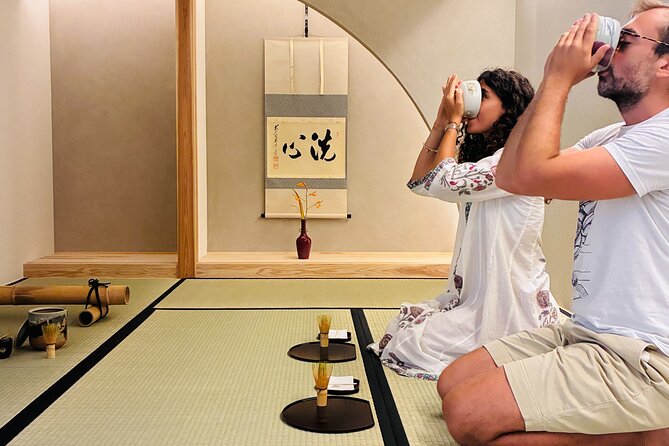
The first bowl is made by the host. This gives you a chance to watch before you try the process yourself. The host handles the tea bowl and whisk with the measured movements that give chanoyu its formal character.
You are not expected to know the etiquette in advance. The steps are explained as they happen, including the history and meaning behind the ceremony. Hosts speak English, and the teaching style is warm and open to questions. One host named Yuko is specifically praised for explaining both the reasons and the movements with patience.
This first serving is more than a cup of green tea. It lets you notice the difference between matcha prepared by an experienced hand and the bowl you will later make yourself. It also gives you time to look at the bowl, sweets, and room before your own turn begins.
The tea itself is matcha from Kyoto. Matcha has a grassy, direct flavor, and its texture is different from ordinary brewed tea because the powdered leaves are whisked into the water. If this is your first taste, the host’s preparation offers a gentle introduction.
Making your own matcha with a bamboo whisk
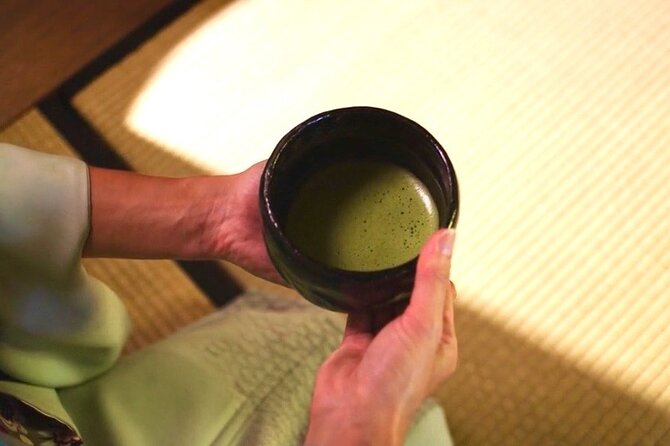
The hands-on portion is where the ceremony becomes personal. You choose a tea bowl and use a whisk to prepare your own matcha, following the host’s movements. You may make the bowl yourself or work with a companion.
This is not a test. Your whisking may not look as polished as the host’s, and that is part of the fun. The point is to understand the process and feel how the whisk changes the tea. The instructions are given step by step, so first-time matcha drinkers can take part without guessing.
You receive a second serving after your preparation. That makes this experience better value than a short demonstration where you watch one bowl being made and receive a tiny taste. Here, you get both instruction and practice, plus enough tea to compare the two preparations.
The activity suits families and small groups particularly well. Each adult can take a turn, and the process gives children or teenagers something active to do. Still, the room is quiet and ceremonial, so it is best for children who can follow calm instructions for an hour.
Same base, a completely different sort of day:
- PERFECT KYOTO 1-Day Bus Tour
★ 5.0 · 13,518 reviews - Kyoto: Fushimi Inari, Kinkakuji, Bamboo Grove 1 Day Bus Tour
★ 4.8 · 4,316 reviews - Kyoto Geisha Walking Tour: Gion District & Hidden Gems
★ 4.7 · 3,273 reviews - Kyoto: Gion Magical Night Walking Tour with Geisha Trivia
★ 4.9 · 2,393 reviews
Seasonal sweets from a century-old Kyoto shop
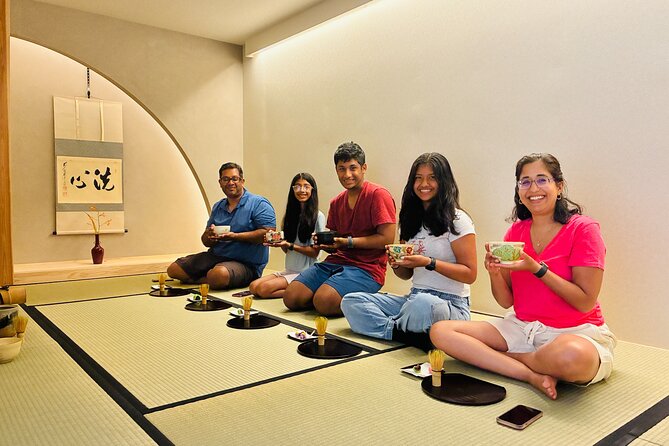
Japanese sweets are served with the matcha. They are traditional seasonal confections from a Kyoto sweet shop with more than 100 years of history. Their appearance is part of the pleasure, with shapes and colors that reflect the season.
The sweets help balance the flavor of matcha. Their sweetness gives your palate a soft counterpoint to the tea’s leafy taste, and they make the preparation feel like a complete tea service rather than a standalone drink.
You should not expect a large snack or meal. The inclusion is a cultural pairing, not lunch. If you arrive hungry, eat beforehand and treat the confection as a small course during the ceremony.
Several people especially enjoy the presentation, calling the sweets almost too pretty to eat before trying them. That is a useful way to think about them: the shape, color, and season are part of the message, not just decoration.
Why the quiet pace works in a busy Kyoto day
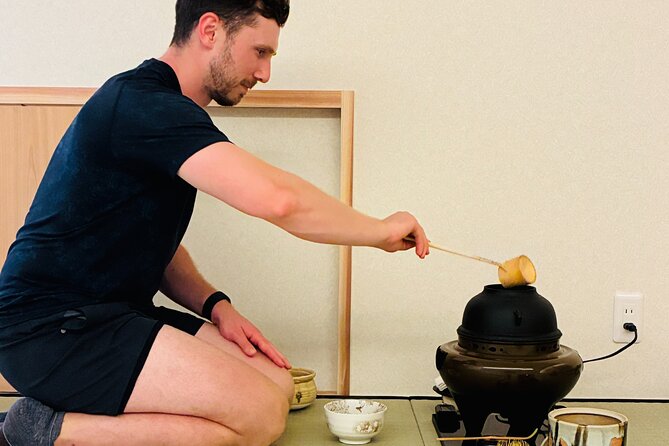
Kyoto sightseeing can become a sequence of temples, train rides, photographs, and crowded lanes. A one-hour tea ceremony offers a different kind of stop. You sit still, listen, and pay attention to small movements.
I like this format because it gives cultural context without demanding half a day. You learn enough to recognize the care in a tea ceremony, but you still have time for Nijo Castle, central Kyoto shopping, or dinner afterward.
The ceremony is also relaxing in a practical sense. The quiet room and slow preparation create a clear break from a packed itinerary. Several details, such as the clean new-looking facility and peaceful atmosphere, make it suitable for a midday reset.
Do not book it if you want a lively tasting party or a free-flowing social event. The room is serene and quiet, and the ceremony depends on concentration. Even the sake tasting available at the same venue is a separate activity, not part of this one.
Location, arrival, and the green ice cream sign
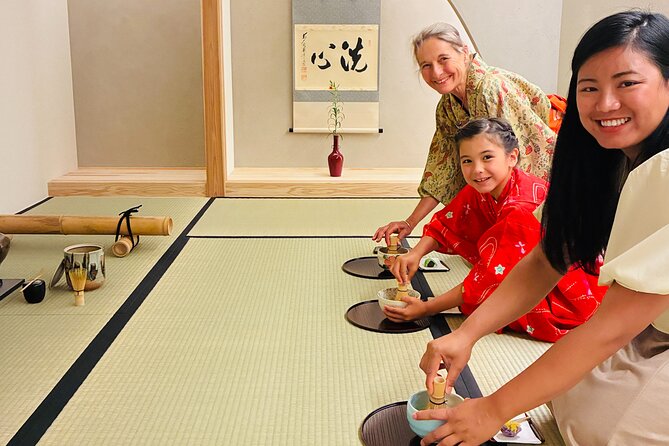
The meeting point is Tea Ceremony & Sake Tasting Kyoto, Sanjo Chasuian, at 324-2 Sanjocho in Kyoto’s Nakagyo Ward. The activity begins and ends at this same location, and private transportation or hotel transfers are not included.
It is near public transportation, but the final approach deserves attention. Google Maps may direct you toward a smaller street at the corner. Stay on the main street and look for the green matcha ice cream cone outside. That visual clue can save you from wandering around the block.
Because the door locks at the start, aim to arrive at least 10 minutes early. Official entry begins five minutes before the session, but arriving earlier gives you time to find the building, adjust your clothing, and settle down.
Wear or carry socks. This is a small rule, but it is easy to overlook when you are touring Japan in sandals. Chairs are available, though the ceremony may still involve traditional floor-level arrangements.
How much value you get for $32.77
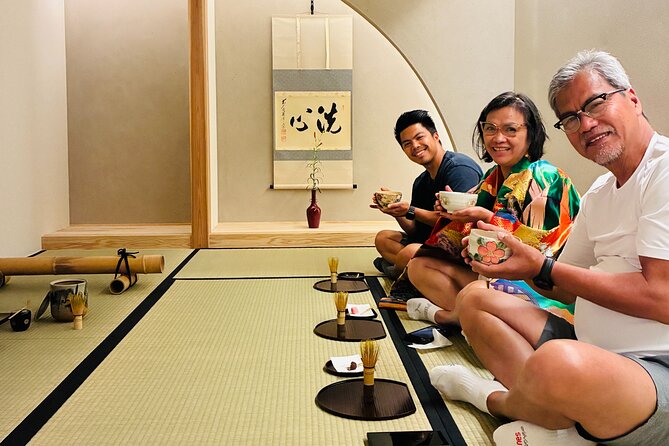
At $32.77 per person, this is a fair price for a one-hour cultural activity in central Kyoto. The cost includes two bowls of matcha, seasonal Japanese confectionery, the host’s demonstration, and guided practice with traditional utensils.
The second bowl is important when judging value. You are not paying only for a performance. You receive instruction and get to prepare tea yourself, which gives the hour more substance than a simple tasting.
The small group limit also helps justify the price. With no more than 10 people, the host can explain the movements clearly and watch as you whisk. A larger group might offer the same tea but less personal guidance.
The experience is less compelling if you already know chanoyu well or want an extended formal ceremony. At approximately one hour, it is an introduction rather than an advanced study. For a first visit to Kyoto, though, it gives you a useful understanding of matcha and the values behind the ritual without a major time or budget commitment.
English instruction, clothing, and comfort
English explanations are available, and the hosts focus on making the process understandable. One account describes a slight accent but clear communication, while other details point to patient teaching and an easy question-and-answer period.
You may also have the option to wear a formal uchikake, a traditional coat used for ceremonies. This is not the same as a standard kimono dressing appointment, so do not book it expecting a full costume session. Think of it as an optional visual addition to the tea experience.
The tea room is described as clean and immaculate. Chairs are available for comfort, but the information does not specify full accessibility details or a step-free route. If you have mobility concerns, contact the provider before booking rather than relying on assumptions.
The no-late-entry rule is the firmest comfort issue. A delayed train, wrong turn, or slow taxi does not appear to create an exception. The cancellation terms allow a full refund only when you cancel at least 24 hours before the start time. Changes or cancellations inside that window are not refunded.
Who should book Sanjo Chasuian
I would choose this experience for a first-time matcha drinker, a family with older children, a couple looking for a calm cultural hour, or anyone who wants more than a staged photo. The hands-on format gives you a clear memory and a skill you can try again at home.
It is also a good match for people who want cultural explanation in English. You learn the purpose behind the ceremony, not just the order of motions. That makes later visits to tea shops, gardens, or cultural displays easier to understand.
You may want another type of activity if you dislike sitting quietly, have difficulty with floor-level ceremonies, or are mainly interested in wearing a kimono. You should also skip it if your schedule is too tight to arrive early.
Should you book this Kyoto tea ceremony?
Book it if you want a compact, well-explained introduction to Japanese tea culture with real participation rather than passive viewing. The two bowls of matcha, seasonal sweets, low nijiriguchi entrance, and small group create a thoughtful hour at a reasonable price.
I would place it in the middle of a busy Kyoto day, not at the end of a frantic transfer. Arrive early, wear socks, follow the green matcha ice cream sign, and give yourself enough time to enjoy the silence. If those details suit you, Sanjo Chasuian offers one of the clearest ways to understand why matcha preparation is treated as an art of attention.
FAQ
How long does the tea ceremony last?
The experience lasts approximately one hour.
Where does the activity start and end?
It starts at Tea Ceremony & Sake Tasting Kyoto, Sanjo Chasuian, at 324-2 Sanjocho, Nakagyo Ward, Kyoto, 604-8205, Japan. It ends back at the same meeting point.
How many people can join the session?
The activity has a maximum of 10 participants.
How much matcha is included?
You receive two cups of Kyoto matcha. The host prepares one, and you prepare the other yourself or with a companion.
Are Japanese sweets included?
Yes. Traditional seasonal Japanese confectionery is included. It comes from a Kyoto sweet shop with more than 100 years of history.
Do I need to wear socks?
You are asked to bring or wear socks during the experience.
Are chairs available?
Yes, chairs are available in the tea room. The session still takes place in a traditional tea setting, so contact the provider in advance if you need specific accessibility information.
What happens if I arrive late or need to cancel?
Entry is allowed from five minutes before the start time, and the door is locked once the session begins. Even one minute late means you cannot join and will not receive a refund. You can cancel for a full refund up to 24 hours before the start time. Cancellations or changes made within 24 hours are not refunded.
Just added around Kyoto
- Kyoto: Zen Meditation at a Private Temple with a Monk★ 5.0 · 25 reviews
- Kyoto: Gion Geisha District & Sake-in-Hand Walking Tour★ 5.0 · 37 reviews
- Private Pewter Sake Cup Experience with a Kyoto Artisan★ 5.0 · 31 reviews
- Your Private Vacation Photography Session In Kyoto★ 5.0 · 110 reviews
- Private Guided Traditional Buddhist Cooking in Japan★ 5.0 · 16 reviews
- Kyoto Wagashi(Japanese sweets) Cooking Class near Fushimiinari★ 5.0 · 60 reviews
- Traditional Japanese Music show & Experience Tour in Kyoto★ 5.0 · 57 reviews
- Kyoto:Family-Friendly Kimono & Yukata Experience at WARGO★ 5.0 · 147 reviews
Kyoto Tours, compared.


Fushimi Inari, Kinkakuji, Bamboo Grove 1 Day Bus Tour
Read our review →
Tea Ceremony in a Traditional Tea House in Kiyomizu
Read our review →
Kyoto Geisha Walking Tour: Gion District & Hidden Gems
Read our review →

Gion Magical Night Walking Tour with Geisha Trivia
Read our review →

Gion Geisha District Walking Tour – Stories of Geisha
Read our review →Browse the lists this tour appears in