Reviewed · KYOTO TOURS
The right way to know Kyoto
Kyoto can feel like several cities stitched together, with temples in one direction, shrines in another, and crowded bus stops between them. This private tour gives you a human compass and lets you build the day around what matters most, from Fushimi Inari’s torii gates to quiet gardens and local streets.
I like two things right away: you get a private guide for your own group of up to six, and the itinerary can bend around your interests. Guides such as Tom, Jose, Peter, Esteban, and Maki have tailored days for families, first-time visitors, older travelers, and people making a quick day trip from Tokyo.
The catch is simple: six hours is not enough for every major sight in Kyoto. You will walk a lot, often use crowded public transportation, and pay entrance fees and transport costs separately. Pick your priorities before you start.
Key points to know before booking
- Private group of up to six: The flat price works out to about $62 per person for six people, before tickets and transport.
- A flexible route: Ask for history, gardens, markets, bamboo, temples, or practical help with trains and buses.
- Four major Kyoto sights suggested: Fushimi Inari, the Bamboo Forest Trail, Kinkaku-ji, and Ginkaku-ji.
- A walking-heavy day: One family reported nearly 28,000 steps, so comfortable shoes matter.
- Guides vary: Tom, Jose, Peter, Esteban, Maki, Laura, Brian, and Cristobal are among the guides praised for different strengths.
- Strong overall record: The experience carries a 5 out of 5 rating from 257 reviews, with 99 percent recommending it.
Why a private Kyoto guide can save your day

Kyoto is not difficult because the sights are obscure. It is difficult because the sights are spread across town and because the most popular places can swallow time. Fushimi Inari is in the southeast, Arashiyama and its bamboo grove are in the west, and Kinkaku-ji and Ginkaku-ji sit in different parts of the northern city.
A private guide helps you make choices before the clock gets away from you. You can ask to focus on Shinto practice, Zen gardens, Japanese history, family-friendly pacing, or simply the classic sights. You are not waiting for a large group or following a fixed script.
The guide also handles the small decisions that wear you down. Several experiences used trains and buses to connect the sights, and guides helped people figure out public transportation along the way. That is useful on a first Kyoto visit, especially when you want to keep moving instead of stopping to study route maps.
The meeting point is listed as Kyoto Station, with the tour ending there. Pickup is also offered, so confirm the exact starting arrangement when you book. Transportation is not included in the price, and neither are meals or entrance tickets.
A few more Kyoto half-days to weigh up
- PERFECT KYOTO 1-Day Bus Tour
★ 5.0 · 13,518 reviews - Kyoto: Fushimi Inari, Kinkakuji, Bamboo Grove 1 Day Bus Tour
★ 4.8 · 4,316 reviews - Kyoto: Tea Ceremony in a Traditional Tea House in Kiyomizu
★ 4.9 · 3,519 reviews
Fushimi Inari and its endless orange gates
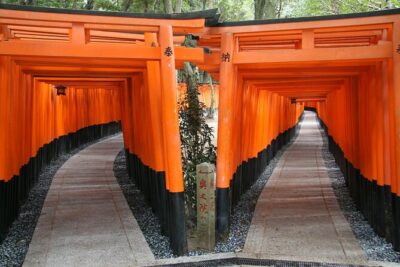
Fushimi Inari-taisha is the natural place to begin if you want an immediate Kyoto image. The shrine’s path climbs through thousands of orange torii gates, donated over the years by individuals and businesses. The gates form a long tunnel of color and shade, with smaller shrines and fox statues along the way.
The suggested visit lasts about one hour and admission is free. That hour is enough to see the lower shrine grounds and walk into the torii path, but not enough to explore every upper trail at a relaxed pace. Your guide can help you decide how far to go based on your energy and the rest of the day.
This is also where guidance can add real value. A good guide explains how Shinto spaces work, what the gates represent, and how to behave at the shrine without turning the visit into a classroom lecture. Esteban was specifically praised for explaining Shinto customs, showing where to take photos, and helping his group understand the act of making an offering.
Go early if you can, but do not expect solitude at the lower gates. The route becomes more peaceful as you climb, though the walk gets steeper. If you have limited mobility or do not enjoy hills, tell your guide at the start.
Arashiyama bamboo without losing the day
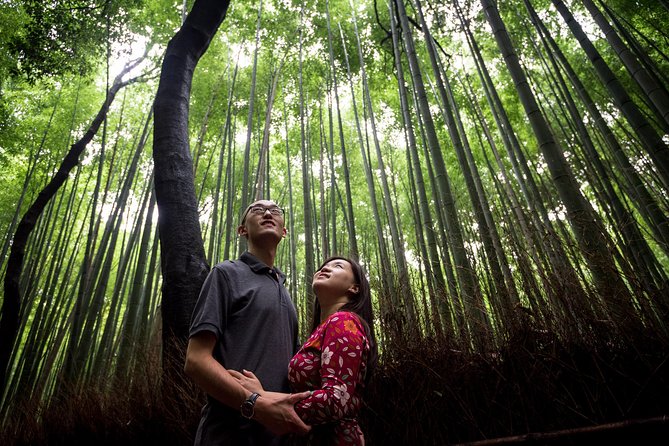
The Bamboo Forest Trail is listed as a 45-minute stop. Tall bamboo rises on both sides of the path, making this one of Kyoto’s most recognizable walks. It is beautiful, but the short route means you should treat it as one part of Arashiyama rather than a full tour of the district.
The guide may be able to adjust the plan here. One group saw the Bamboo Forest along with Nonomiya Shrine, Okochi Sanso Garden, Togetsukyo Bridge, Horin-ji Temple, and Monkey Park. That is a much fuller Arashiyama day, but it also involves more walking, extra admissions, and less time elsewhere.
Okochi Sanso Garden requires a small entry fee, which is not included, and the experience described it as worth paying for. The garden adds a calmer setting after the bamboo path, along with tea and views. Monkey Park involves an uphill walk, so it is best for people who are happy to trade time and effort for a view and a chance to see the monkeys.
This is where private touring helps most. You can say that bamboo is your top priority, or you can limit it to a quick walk and use the time for temples. You can also ask for nearby places that are less crowded than the famous photo stops. Just be clear that the standard six-hour day cannot cover every Arashiyama attraction and the other three suggested sights.
Kinkaku-ji, Kyoto’s Golden Pavilion
Kinkaku-ji, the Golden Pavilion, is one of Kyoto’s must-see buildings. Its gold-covered upper stories reflect across a pond, with carefully arranged trees and garden paths framing the view. The pavilion is striking even if you have seen a hundred photographs of it.
Plan about one hour here. Admission is not included, so budget separately for the ticket. The visit follows a set route, and you generally view the pavilion from outside rather than entering it. Your guide’s main contribution is context: the building’s place in Kyoto’s temple culture, the garden design, and the difference between seeing a famous site and understanding why it matters.
Kinkaku-ji can be crowded, and the route is not designed for lingering in one spot. A guide cannot remove the crowds, but can keep you from wasting time finding the entrance, reading signs, or guessing where to go next.
If the Golden Pavilion is a priority, say so before the day begins. It sits far from Fushimi Inari and Arashiyama, so transport time affects how much else you can fit in.
Same base, a completely different sort of day:
- Kyoto Geisha Walking Tour: Gion District & Hidden Gems
★ 4.7 · 3,273 reviews - Kyoto: Tea Ceremony Ju-An at Jotokuji Temple
★ 4.9 · 3,207 reviews - Kyoto: Gion Magical Night Walking Tour with Geisha Trivia
★ 4.9 · 2,393 reviews - Kyoto: 45-Minute Tea Ceremony Lesson Experience
★ 4.3 · 2,378 reviews
Ginkaku-ji and the beauty of restraint
Ginkaku-ji, the Silver Pavilion, gives you a very different mood. Despite its name, the pavilion is not covered in silver. Its appeal comes from its understated design, mossy grounds, sand gardens, and the quiet visual balance associated with Zen aesthetics and wabi-sabi.
The suggested visit lasts one hour, and admission is extra. This is a good stop for you if gardens and Japanese design interest you more than grand buildings. The contrast with Kinkaku-ji also makes the pair worthwhile: one is bright and formal, while the other rewards slower looking.
The approach to Ginkaku-ji can connect with the Philosopher’s Path, though the supplied schedule does not promise that route. Ask your guide what fits on the day rather than assuming every nearby sight is included.
Ginkaku-ji is also a reminder that this is not simply a checklist tour. The strongest guides use the temples to explain Japanese religion, art, ceremonies, and daily customs. Tom was praised for giving detailed historical context while matching the pace to a 77-year-old participant. That kind of adjustment is more valuable than racing through one extra gate.
What the guide adds beyond directions
The company describes its guides as experts in Japanese culture and history, but guide experience can differ. Maki is a Kyoto native, while other named guides, including Jose, Esteban, Peter, Laura, Tom, Brian, and Cristobal, have received praise for their own styles.
That variety matters. Some guides are especially good at history. Others focus on public transportation, family interaction, photography, or finding quieter places. Jose was praised for explaining Japanese life, religion, and ceremonies, while Peter was valued for thoughtful planning and changes made during the day.
You can improve the match by stating your interests in advance. Mention if you want:
- Japanese history and religion
- Gardens and traditional design
- A fast day covering major sights
- A slower pace for an older family member
- Help using trains and buses
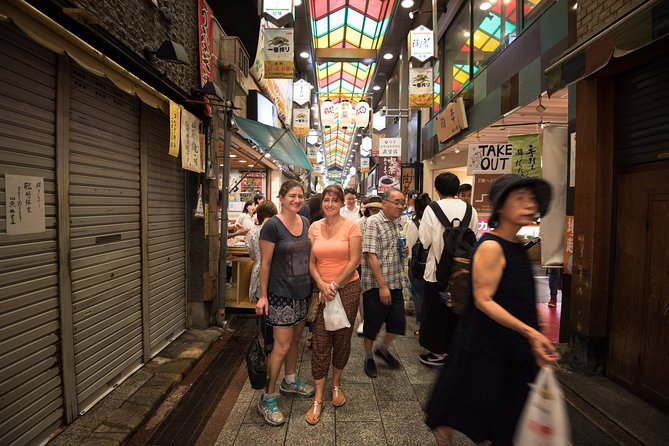
- Markets and ordinary city streets
- Bamboo and the Arashiyama area
- Activities that keep teenagers involved
The guide may email before the tour to ask what you want to see. Use that chance well. A private tour is only as useful as the priorities you give it.
Communication is worth considering. One person found a guide pleasant but difficult to understand because of a thick English accent and felt the explanations lacked substance. That appears to be an exception within a very strong overall record, but it is a fair reminder to ask questions during the tour and request more detail if you need it.
Six hours, long walks, and real transport time
The advertised duration is about six hours, from 9 a.m. to 3 p.m. The four suggested stops alone total nearly four hours, before travel between them, bathroom breaks, meals, photos, and spontaneous requests. You should not expect a full visit to all four places plus every other Kyoto highlight.
Some experiences associated with the same service ran longer and covered more sites, including eight-hour days. That suggests the exact rhythm can vary, but you should book this product based on the six-hour schedule shown here, not on the most ambitious day described by other customers.
Expect to stand and walk for much of the day. One group covered close to 28,000 steps, and another used a mix of walking and local taxis for an older parent. Public transportation can be crowded, and transport fares are not included.
This is not a chauffeur-driven sightseeing tour. That is a benefit if you want to learn Kyoto’s transit system and move through the city like a resident. It is a drawback if you want air-conditioned comfort between every temple.
Wear shoes that you can walk in for hours. Bring water, and leave room in the plan for weather. A rainy day can make stone paths and outdoor stops less pleasant, especially when the schedule is already tight.
Is $371.41 good value for six people?
The price is $371.41 per group of up to six. With six people, that is about $61.90 each for a private six-hour guide. For a couple, the per-person cost is much higher, but you still receive the privacy and flexibility that a small group cannot offer.
The price does not cover entrance tickets, transportation, or meals. The extra costs are easy to understand, but they matter when you compare this with a standard group tour or independent sightseeing. Kinkaku-ji and Ginkaku-ji both require admission, and local trains, buses, or taxis add to the total.
I see the strongest value for families and groups of four to six. You can split the guide cost while getting one plan built around your pace. It also makes sense for a first Kyoto visit, a short stay, or a day trip from Tokyo. Esteban helped one group fit major sights into a tight schedule between Shinkansen trains, though that sort of day requires careful planning.
For two people with plenty of time, independent sightseeing may cost less. You would need to handle route planning, transport, queues, shrine customs, and background information yourself. The tour earns its price when you value saved time and personal explanation more than the lowest possible cost.
Who should book this Kyoto walking tour?
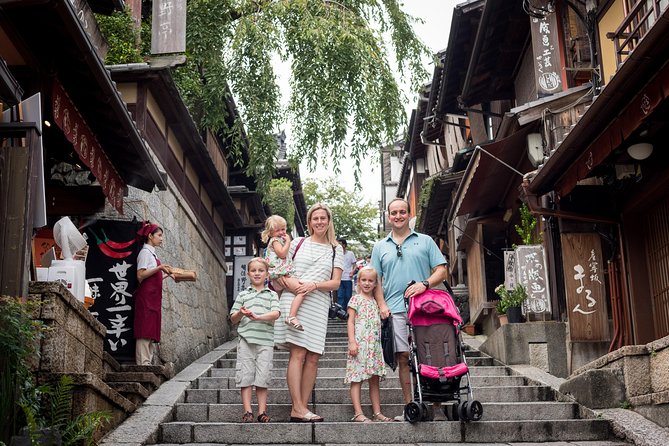
I would choose this for a first visit when Kyoto feels too spread out to tackle alone. It also suits families, since guides such as Tom kept teenagers interested and helped parents manage a demanding day.
It is a good match for anyone who wants context, not just photographs. You can ask about Shinto, Buddhism, gardens, ceremonies, Japanese history, or daily life, then shape the route around those subjects.
Older adults can take part, but talk about pacing before you begin. Most people can participate, yet the tour includes considerable walking and public transit. The day can be adjusted, but the standard route is not a light stroll.
I would be cautious if you dislike crowds, hills, or changing trains. Fushimi Inari and Arashiyama are popular, and the main sights are not close together. I would also avoid booking it if your only goal is a slow, unhurried visit to one neighborhood.
The tour has free cancellation up to 24 hours before the start time. Changes or cancellations inside that window are not accepted for a refund, so keep your plans firm once the deadline passes.
Should you book it?
Book this private Kyoto tour if you want a flexible day, help with public transportation, and a guide who can explain what you are seeing. It is particularly good value for up to six people and for families or first-time visitors with limited time.
Before booking, decide your top two or three sights. Ask about pickup, confirm whether your day is the six-hour version, and plan for entrance fees, transport, and a lot of walking. If you do that, the tour can turn Kyoto’s scattered sights into a clear, personal day instead of a tiring race across town.
FAQ
How long is the tour?
The advertised duration is approximately six hours, with opening hours listed from 9 a.m. to 3 p.m.
How many people can join the private tour?
The tour is private for your group and allows up to six people.
What sights are suggested?
The suggested stops are Fushimi Inari-taisha Shrine, the Bamboo Forest Trail, Kinkaku-ji Temple, and Ginkaku-ji Temple.
Are entrance tickets included?
No. Entrance tickets are not included. Kinkaku-ji and Ginkaku-ji both list admission as an additional cost.
Is transportation included?
No. Transportation is not included. The experience involves walking and may use public trains, buses, or taxis, with fares paid separately.
Where does the tour start and finish?
The listed meeting point is Kyoto Station, and the activity ends back at the meeting point. Pickup is offered, so confirm the exact pickup details when booking.
Just added around Kyoto
- Kyoto: Zen Meditation at a Private Temple with a Monk★ 5.0 · 25 reviews
- Kyoto: Gion Geisha District & Sake-in-Hand Walking Tour★ 5.0 · 37 reviews
- Private Pewter Sake Cup Experience with a Kyoto Artisan★ 5.0 · 31 reviews
- Your Private Vacation Photography Session In Kyoto★ 5.0 · 110 reviews
- Private Guided Traditional Buddhist Cooking in Japan★ 5.0 · 16 reviews
- Kyoto Wagashi(Japanese sweets) Cooking Class near Fushimiinari★ 5.0 · 60 reviews
- Traditional Japanese Music show & Experience Tour in Kyoto★ 5.0 · 57 reviews
- Kyoto:Family-Friendly Kimono & Yukata Experience at WARGO★ 5.0 · 147 reviews
Kyoto Tours, compared.
Fushimi Inari, Kinkakuji, Bamboo Grove 1 Day Bus Tour
Read our review →
Tea Ceremony in a Traditional Tea House in Kiyomizu
Read our review →
Kyoto Geisha Walking Tour: Gion District & Hidden Gems
Read our review →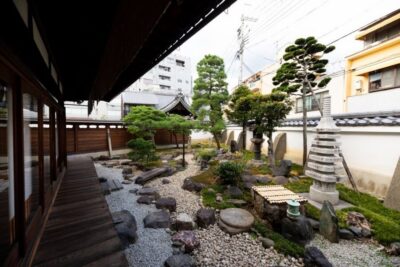
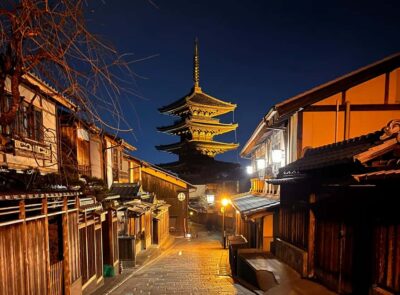
Gion Magical Night Walking Tour with Geisha Trivia
Read our review →