
Reviewed · KYOTO TOURS
Kyoto: Zen Meditation at a Private Temple with a Monk
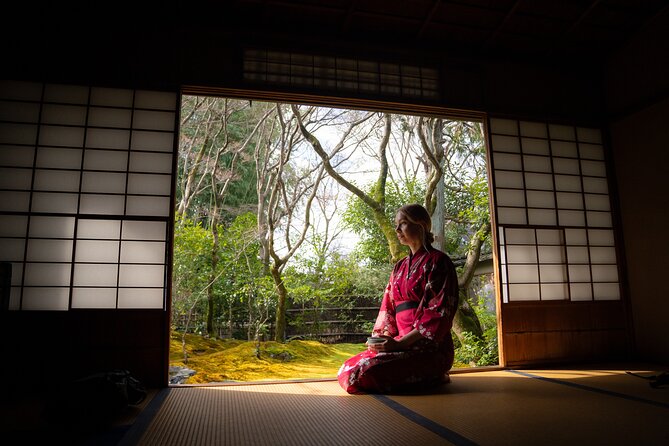
Kyoto’s best temple moments are not always the grand ones. This 90-minute Zen meditation session takes you to a private temple near Kodaiji Park, a place usually closed to the public, where a monk explains the basics of Zen and guides you through meditation.
I like the small maximum of nine people, which should make the session feel personal rather than staged. I also like the simple finish: matcha tea and traditional snacks give you time to sit, reflect, and ask questions instead of rushing straight back into Kyoto’s busy streets. The main consideration is the price, $98.83 per person, for a relatively short activity.
Key points to know
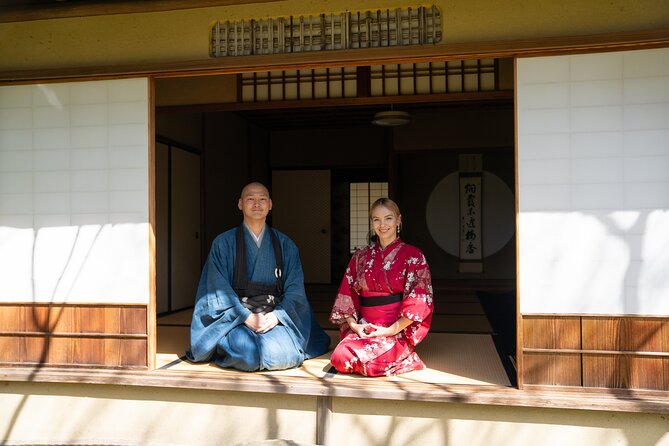
- Private temple access: Visit a small temple near Kodaiji Park that is not normally open to the public.
- Meditation with a monk: Learn practical sitting guidance and core Zen ideas directly from a monk.
- Small group size: The experience accepts no more than nine people.
- Cultural context: The session connects meditation with Japanese culture, not just posture and silence.
- Matcha and snacks included: End with Japanese tea and traditional treats in the temple setting.
- Easy Higashiyama finish: The activity ends on Nene-no-michi, close to the starting area.
A quiet change of pace in Higashiyama
Higashiyama is one of Kyoto’s most visited areas, with Kodaiji Park, Nene-no-michi, Yasaka Pagoda, and other sights packed into a walkable district. That makes this activity useful as a pause in a sightseeing day. You begin near the action, then step into a much quieter setting for the session.
The appeal is not that you will become a Zen expert in an hour and a half. You will not. The value is more modest and more useful: you get a clear introduction to meditation, hear how Zen fits into Japanese culture, and try the practice in a place where the setting supports the lesson.
The private access matters. Kyoto has many famous temples, but most are designed for viewing. Here, the temple is used as the setting for a small teaching session. That gives you a closer connection to the space, even though the experience remains brief.
A few more Kyoto half-days to weigh up
- PERFECT KYOTO 1-Day Bus Tour
★ 5.0 · 13,518 reviews - Kyoto: Fushimi Inari, Kinkakuji, Bamboo Grove 1 Day Bus Tour
★ 4.8 · 4,316 reviews - Kyoto: Tea Ceremony in a Traditional Tea House in Kiyomizu
★ 4.9 · 3,519 reviews
Meeting near Kodaiji Park
The meeting point is Kodaiji Park at 463-28 Shimokawaracho in Kyoto’s Higashiyama Ward. You should allow time to find the exact starting point and arrive ready to begin, since the activity lasts only about 90 minutes.
The route is especially convenient if you are already visiting eastern Kyoto. Kodaiji Park and Nene-no-michi are both in the same general area, so you can pair the meditation session with a walk through Higashiyama before or after. The end point is on Nene-no-michi, Shimokawaracho, rather than back at the exact starting location.
That small difference is worth noting when planning your day. You finish in a useful sightseeing area, but you should not assume that the activity returns you to your original meeting spot. A mobile ticket is provided, which keeps the booking details on your phone.
Entering a temple usually closed to the public
The temple is described as private and typically closed to the public. That is the central feature of the experience. You are not simply adding another famous temple courtyard to your list. You are being given access for a specific purpose, meditation with a monk.
The setting is a small temple rather than a grand complex. That can be a strength. Large temple grounds often encourage quick photographs and short stops, while a smaller space makes it easier to focus on the session itself. The atmosphere is likely to feel personal and calm, though the experience is not designed as a long temple tour.
You should also keep your expectations in check. The available details do not promise a detailed architectural tour, extensive temple history, or a long period of silent practice. The temple is the backdrop and the place of instruction. The main subject is Zen meditation.
What the monk teaches
The monk begins by explaining core principles of Zen and the basics of meditation. The session is intended for people who are new to meditation as well as those who already have a practice and want a reminder of the fundamentals.
One useful point from the feedback is that the instruction includes practical advice about sitting upright correctly. That may sound basic, but posture is a real part of meditation. If your back, shoulders, or legs are uncomfortable, it is hard to pay attention to anything else.
The teaching also uses an easy-to-understand metaphor for meditation. That detail suggests the session is not built around obscure religious language. You can expect explanations aimed at a general audience, with translation provided when needed. The result should be accessible even if you know little about Zen or Japanese Buddhism.
The monk also shares insights about Japanese culture. This adds value because meditation is not presented as a free-floating wellness exercise. You get some sense of how Zen ideas relate to Japanese life and customs, though the session is too short to cover the subject in great depth.
Same base, a completely different sort of day:
- Kyoto Geisha Walking Tour: Gion District & Hidden Gems
★ 4.7 · 3,273 reviews - Kyoto: Tea Ceremony Ju-An at Jotokuji Temple
★ 4.9 · 3,207 reviews - Kyoto: Gion Magical Night Walking Tour with Geisha Trivia
★ 4.9 · 2,393 reviews - Kyoto: 45-Minute Tea Ceremony Lesson Experience
★ 4.3 · 2,378 reviews
Trying meditation in the temple
After the introduction, you have the chance to meditate in the temple. This is where the experience either works for you or does not, depending on what you want from it.
If you are curious about meditation, the session gives you a structured first try. You do not need to arrive with a special background or a polished technique. The monk provides instruction, and the quiet setting removes some of the distractions you would face in a hotel room or a public garden.
If you already meditate, the value is different. You may appreciate the reminder about posture, the cultural setting, and the chance to practice under a monk’s direction. One past participant found the session useful as both an introduction and a reminder of why regular practice matters.
The activity is not a retreat. Ninety minutes includes the introduction, teaching, meditation, and refreshments, so the actual silent practice will be only part of the visit. That is a fair format for a first lesson, but it will not satisfy anyone looking for a half-day or full-day period of silence.
Matcha, snacks, and time to reflect
The experience includes matcha tea and traditional snacks. These are not just extra items added to a tour description. They help mark the transition from instruction to conversation and give you a chance to take in the setting at a slower pace.
Matcha is closely linked with Japanese hospitality and traditional culture. Served after a meditation lesson, it gives the visit a natural ending. You can enjoy something distinctly Japanese without needing to book a separate tea ceremony.
The details of the snacks are not specified, so you should not expect a particular sweet or a full meal. Think of them as a light treat. If you need a substantial meal, eat before or after the session.
This closing period may also be useful if you have questions about what the monk has explained. The available feedback points to a genuine, educational exchange and clear translation. That makes the refreshment portion more than a quick handout on the way out.
Why the small group matters
The group limit is nine people. For a meditation class, that is a meaningful detail. A small group gives the monk more room to explain instructions clearly and makes it easier for you to follow the practice without feeling lost in a crowd.
It also helps preserve the character of the temple. A larger group could make a private room feel crowded and turn a quiet lesson into a performance. With nine or fewer, the setting should remain relatively intimate, although the exact group size on your date can vary.
A small group does not guarantee complete silence or a private lesson. Other people are still present, and the monk is leading one session for the group. If you want one-on-one spiritual guidance, this is not the right format. If you want a guided introduction with a personal feel, it is a better match.
Is $98.83 a fair price?
At $98.83 per person, this is not a budget activity. You are paying for more than 90 minutes on a clock. The price includes access to a private temple, instruction from a monk, translation, meditation guidance, matcha, and traditional snacks.
The value depends on how you rate those elements. If you only want to sit quietly for a few minutes, the cost will feel high. Kyoto has public gardens and temple grounds where you can find peaceful moments at little or no added cost.
If you specifically want a monk-led introduction, a private setting, and cultural explanation, the price makes more sense. The access is unusual, and the session combines several things that would otherwise require separate planning. You also avoid the uncertainty of trying to find a meditation class on your own in a city where language and schedules can be barriers.
The perfect audience is someone willing to pay for a focused cultural activity rather than another sightseeing stop. It is also a sensible choice for a first visit to Japan if you want one experience that connects place, practice, and local tradition.
Who will enjoy this most?
I would recommend this experience to curious beginners, couples, solo visitors, and small groups who want a calm break from temple hopping. It should also suit anyone interested in Japanese culture but unsure how to approach Zen in a respectful and practical way.
You do not need to be religious. The session focuses on meditation tips, cultural insight, and practice. That makes it suitable for people who simply want to improve concentration, learn how to sit properly, or understand why Zen has such a strong place in Japanese culture.
It may be less suitable if you want a major temple with elaborate buildings, a long historical talk, or a full tea ceremony. The temple is small, the session is short, and the main activity is guided meditation.
People with limited mobility should check their own comfort before booking. The provided details say most people can participate, but they do not explain the seating arrangement or whether chairs are available. If sitting on the floor is difficult, ask the provider before booking rather than guessing.
Practical planning for your Kyoto day
Because the meeting point and end point are both in Higashiyama, you can build this into a walking route. Begin around Kodaiji Park, attend the session, then continue along Nene-no-michi after it finishes.
The activity is likely to work best earlier or later in a sightseeing day, when you can give yourself time to slow down. Packing it between two rushed temple visits would miss part of the point. Give yourself a little breathing room before the start and avoid scheduling an immediate, fixed appointment afterward.
The booking is confirmed at the time of purchase, and the mobile ticket is convenient for a day spent walking. Free cancellation is available until 24 hours before the start time. If you cancel later than that, the payment is not refunded, and changes made inside the 24-hour window are not accepted. All times follow Kyoto local time.
The experience has received a five-star rating from 25 reviews, with 100 percent recommending it. That strong record fits the activity’s main strengths: the monk’s clear instruction, the private temple setting, the small group, and the gentle pace.
Should you book this Zen meditation session?
Book it if you want a personal cultural encounter rather than another famous Kyoto sight. The private temple access and monk-led teaching are the reasons to choose it, while the matcha and snacks make the short visit feel complete.
Skip it if $98.83 feels too steep for 90 minutes, or if you are looking for a long retreat, a major temple tour, or a formal tea ceremony. For everyone else, this is a thoughtful way to slow down in Higashiyama and take home something more lasting than another photograph.
FAQ
Where does the experience begin?
It begins at Kodaiji Park, 463-28 Shimokawaracho, Higashiyama Ward, Kyoto, 605-0825, Japan.
Where does the experience end?
The session ends on Nene-no-michi in Shimokawaracho, Higashiyama Ward, Kyoto.
How long does the meditation experience last?
The experience lasts approximately 1 hour and 30 minutes.
How many people can join?
The maximum group size is nine people.
Is the temple open to the general public?
The temple used for this activity is typically closed to the public, making access part of the experience.
Is a monk involved?
Yes. A monk leads the meditation session, explains core Zen principles, and provides meditation guidance.
Are tea and snacks included?
Yes. The experience includes matcha tea and traditional snacks.
Is the activity suitable for most people?
The provided information says most people can participate.
Can I cancel for a refund?
Yes. You can cancel at least 24 hours before the start time for a full refund. Cancellations or changes made less than 24 hours before the start time are not accepted for a refund.
Just added around Kyoto
- Kyoto: Gion Geisha District & Sake-in-Hand Walking Tour★ 5.0 · 37 reviews
- Private Pewter Sake Cup Experience with a Kyoto Artisan★ 5.0 · 31 reviews
- Your Private Vacation Photography Session In Kyoto★ 5.0 · 110 reviews
- Private Guided Traditional Buddhist Cooking in Japan★ 5.0 · 16 reviews
- Kyoto Wagashi(Japanese sweets) Cooking Class near Fushimiinari★ 5.0 · 60 reviews
- Traditional Japanese Music show & Experience Tour in Kyoto★ 5.0 · 57 reviews
- Kyoto:Family-Friendly Kimono & Yukata Experience at WARGO★ 5.0 · 147 reviews
- Private Cooking Class Udon in Kyoto Japan★ 5.0 · 23 reviews
Kyoto Tours, compared.


Fushimi Inari, Kinkakuji, Bamboo Grove 1 Day Bus Tour
Read our review →
Tea Ceremony in a Traditional Tea House in Kiyomizu
Read our review →
Kyoto Geisha Walking Tour: Gion District & Hidden Gems
Read our review →

Gion Magical Night Walking Tour with Geisha Trivia
Read our review →
