
Reviewed · NAGASAKI TOURS
Nagasaki Full Day Tour with Licensed Guide and Vehicle
Nagasaki is easiest to understand when you connect its many pasts: Chinese trade, European merchants, Christianity, wartime destruction, and the city’s long recovery. This private six-hour tour lets you choose three or four sights, then reach them by car instead of losing your day to hills, transfers, and guesswork.
I like the one-on-one format, especially for the Atomic Bomb Museum and Peace Park, where a good guide can provide context and answer difficult questions. I also like the freedom to mix major sights with smaller ones, such as Sofukuji Temple, Meganebashi, or Dejima. The catch is price: at $598.53 for up to two people, it is a serious expense, and entrance fees, lunch, and personal costs are extra.
Key points to know before booking
- Choose three or four sights: You can shape the day around history, religion, architecture, views, or a mix of all four.
- Private car and guide: Pickup is offered, and the vehicle saves time on Nagasaki’s steep streets and spread-out sights.
- Local English-speaking guides: Past guides include Rikako, Yoshi, Hiromi, Fumiko, Yoko, Norah, and Taiyo.
- Strong focus on history: The Atomic Bomb Museum, Peace Park, Dejima, Glover Garden, and Christian sites give the city its depth.
- Fees are mostly extra: Inasayama Observation Deck, Meganebashi, and Peace Park are listed as free, but most museums, gardens, churches, and temples charge separately.
- Best for a short port call: A private vehicle can make sense if you have only one day in Nagasaki, but confirm pickup time and your chosen route in advance.
Why a private car helps in hilly Nagasaki
Nagasaki is not a compact, flat sightseeing city. Its attractions spread across port districts, temple streets, hillside neighborhoods, and the Urakami area. Some sites are close together, while others require a cross-town ride. A private vehicle gives you a practical way to link them without spending much of your six hours finding the next bus or climbing every slope.
The car also gives the day a calmer rhythm. You can ask to spend more time at a serious site, shorten a stop that does not suit you, or add a nearby point of interest if time allows. Several guide accounts describe drivers who suggested extra sights when the schedule permitted, but the advertised arrangement is still three to four attractions, not a guaranteed citywide sweep.
Pickup is offered. Past bookings have included people meeting guides at the Nagasaki cruise terminal, which makes this a useful option for a port stop. Still, give the operator your exact pickup details and ship schedule. A six-hour tour is only useful if the meeting time leaves enough room to return to the ship comfortably.
The vehicle is also worth considering for families. A limited number of car seats and booster seats are available, but rear-facing car seats are not offered. You must contact the provider directly if you need child seating.
More licensed-guide days in Nagasaki:
- Nagasaki Full-Day Private Tour with Government-Licensed Guide
★ 5.0 · 66 reviews - Nagasaki Half-Day Private Tour with Government-Licensed Guide
★ 5.0 · 53 reviews - Nagasaki Private Historical Tour with Licensed Guide
★ 5.0 · 13 reviews
Inasayama Observation Deck for the big city view
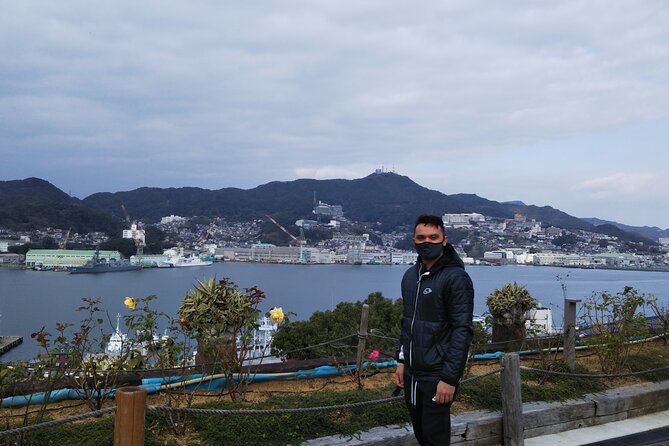
Mount Inasa rises to 333 meters near central Nagasaki. From the observation deck, you get a broad view of the port, surrounding hills, and the city folded between them. The summit can be reached by ropeway, bus, or car, and this tour uses the private vehicle option when the stop is included.
The listed visit is only 20 minutes, so treat it as a quick orientation stop rather than a long mountain visit. That is enough to see the view and understand Nagasaki’s unusual shape. The nighttime view is famous, but a six-hour daytime tour does not promise a night visit, so ask about timing if the city lights are your priority.
There is no admission fee listed for the observation deck. Weather matters here more than at an indoor museum. Snow and sleet are rare in Nagasaki, and one past tour continued through unusual winter weather, producing a very different view of the city. A cloudy day may soften the panorama, so I would not make this your only reason to book.
Glover Garden and the foreign merchant hills
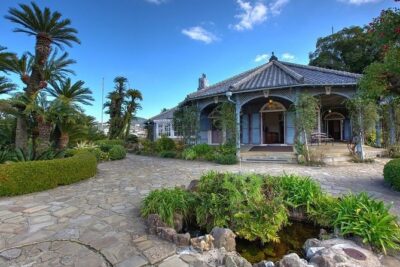
Glover Garden is an open-air museum on the hillside above the port. It preserves mansions linked to former foreign residents and gives you a clear sense of Nagasaki’s role after Japan reopened its port to foreign trade.
The setting does much of the work. You get old Western-style buildings, sloping paths, and views toward the harbor. It pairs naturally with Oura Church and the Dutch Slope, both connected to Nagasaki’s foreign merchant district and Christian history.
Allow about an hour here. The admission fee is not included, and the garden’s hillside setting means you should expect walking. This is one of the better choices if you want architecture and atmosphere rather than a museum display. If mobility is a concern, ask the operator how much walking the proposed route requires before selecting it.
Oura Church and the Dutch Slope
Catholic Oura Church was built in 1864 by a French missionary for the foreign merchant community. It is one of the city’s most important Christian landmarks and fits neatly with Glover Garden in a south Nagasaki route.
The church is a short listed stop of about 20 minutes, so you will not spend the day there. Its value comes from the wider story: Christianity took root in Nagasaki, endured severe persecution, and later returned openly when foreign trade resumed.
The Dutch Slope is a stone-paved hillside street where foreign traders lived after the port opened in 1859. It is not given a fixed duration in the supplied schedule, so it may be a brief photo stop or a short walk if your guide includes it. Since it is a slope, comfortable shoes matter.
A few more Nagasaki half-days to weigh up
- From Tokyo: Mount Fuji Full-Day Sightseeing Trip
★ 4.5 · 4,970 reviews - Mount Fuji Full-Day Private Tour from Tokyo (Customizable)
★ 4.9 · 1,470 reviews - Hiroshima / Miyajima Full-day Private Tour with Government Licensed Guide
★ 5.0 · 1,298 reviews - Tokyo Private Full-Day Tour by Car or Van
★ 5.0 · 684 reviews
Dejima and Nagasaki’s controlled foreign trade
Dejima began as a man-made island built in 1636 to separate Portuguese residents from the Japanese population and control missionary activity. After the Portuguese were removed, the site became closely linked with Dutch trade and Japan’s limited contact with the outside world.
A 50-minute visit gives you more time here than at most of the smaller stops. That matters because Dejima is best understood through explanation. The buildings and layout mean more when you grasp why this small port district mattered during Japan’s long period of restricted foreign contact.
Admission is extra. I would choose Dejima if you want economic and political history, not just attractive old buildings. It also gives the tour a useful bridge between the foreign residences around Glover Garden and the Chinese sites in the temple district.
Sofukuji and Kofukuji, two Chinese-founded temples
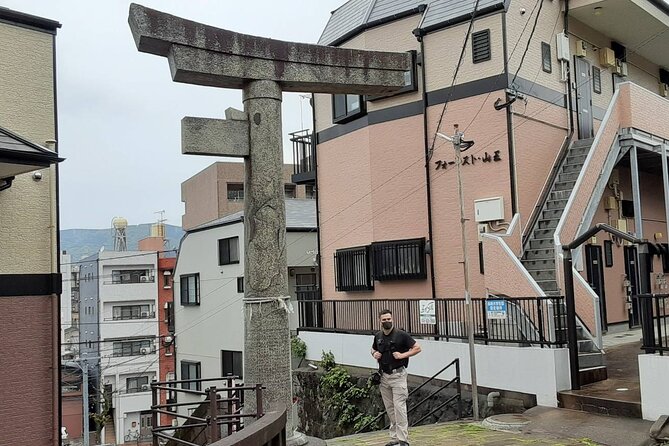
Sofukuji Temple belongs to the Obaku school of Zen Buddhism and was built in 1629 for Nagasaki’s Chinese residents. Its Chinese architectural style gives it a different feel from many Japanese temple compounds.
The planned stop is only 20 minutes, so you will likely see the key entrance and central features rather than linger. It is a good choice for anyone interested in Nagasaki’s Chinese connections and religious history.
Kofukuji Temple is described as the oldest and one of the most important Chinese-founded temples in the city. It sits in Teramachi, the temple district, and is linked to the origins of the Obaku tradition in Nagasaki. The listed stop is also 20 minutes.
If you have room for only one temple, ask your guide to explain the difference between them. If you have a special interest in Chinese culture, both may be worthwhile. The admission fees are not included, and the short visits mean the guide’s interpretation is a major part of what you are paying for.
Confucius Shrine and the Chinese Museum
Nagasaki Confucius Shrine is one of only a handful of shrines dedicated to Confucius in Japan. Built in 1893 by Nagasaki’s Chinese community, it adds another layer to the city’s Chinese cultural story.
The planned stop is 15 minutes, making it one of the quickest choices. That can work well if you are building a varied route, but it may feel too brief if you want time for the museum as well as the shrine.
Admission is extra. I would choose this stop when you want to move beyond the standard Japanese temple and church circuit. It is a small but useful reminder that Nagasaki’s international past was not only European.
Urakami Cathedral and the Christian story
Urakami Cathedral is a working Catholic church in a large red-brick building. Its history is tragic, and it connects the city’s Christian community to the events of 1945.
The planned visit is 20 minutes. That is enough for a respectful look, but not a full study of the church’s past. As with Oura Church, you should treat this as part of a larger Christian-history route rather than a standalone attraction.
The cathedral is close to the Peace Park and Atomic Bomb Museum area, making it a practical addition if you are already heading to northern Nagasaki. Ask your guide how the church fits with your museum time, since the atomic bombing sites deserve more than a hurried visit.
Peace Park and the Atomic Bomb Museum
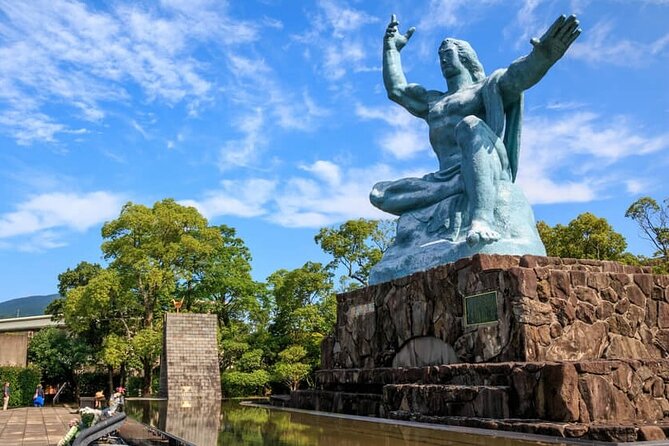
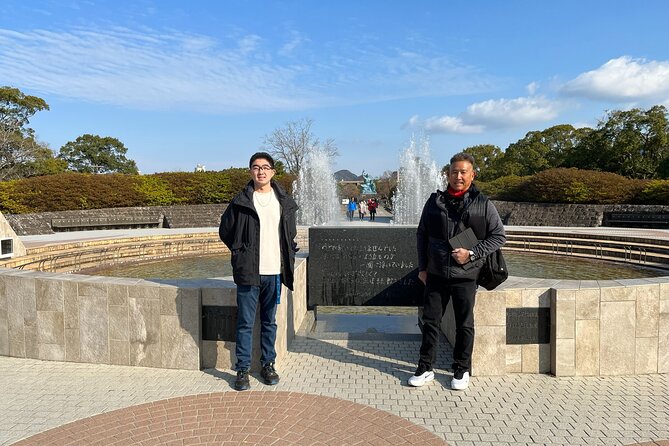
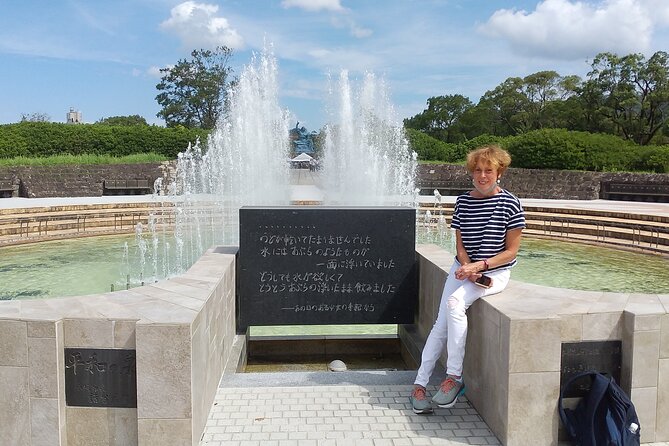
Nagasaki Peace Park was built near the atomic bomb’s hypocenter. Its Peace Statue represents a wish for peace, and the park offers open space for quiet reflection. Admission is free, and the scheduled stop is 15 minutes.
The Atomic Bomb Museum documents the bombing of August 9, 1945, the destruction that followed, and the city’s recovery. Its listed stop is also 15 minutes, and admission is not included. In practical terms, that is a very short museum visit. If this subject matters to you, ask for extra time and reduce the number of other stops.
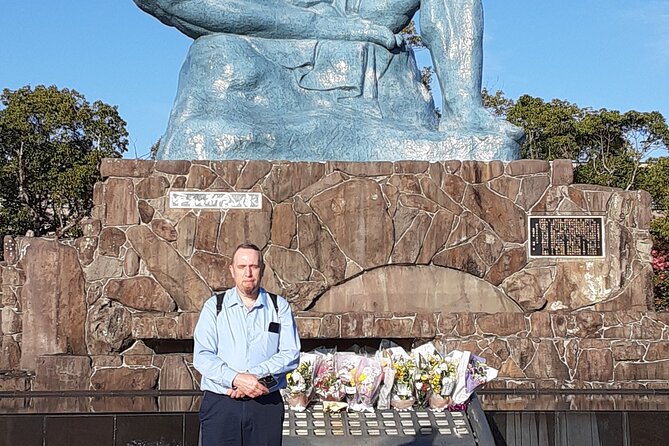
This is the part of the day where a private guide can make the greatest difference. Past tours included guides who explained the background to the bombing and, in one case, shared a family story about a parent who survived while working at a company in the city. That kind of personal connection can make the history more immediate, but it can also make the visit emotionally heavy.
You should not try to rush through the museum just to collect another temple or bridge. I would choose the Peace Park and museum as two of my three or four main stops, then add one or two sites that show Nagasaki before and after the war.
Meganebashi, the Spectacles Bridge
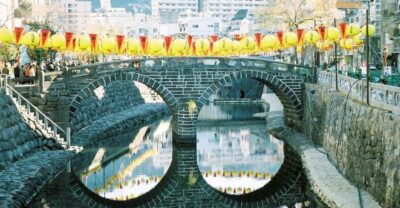
Meganebashi means Spectacles Bridge, a name earned from the reflection of its stone arches in the Nakashima River. It is the most notable of several stone bridges in central Nagasaki.
The stop is listed at 15 minutes and is free. That makes it an easy addition between larger attractions. You can take in the bridge, river, and nearby streets without using much of your budget or schedule.
This is a good choice when you want a short outdoor pause. It does not replace a major museum or historic compound, but it gives the day a change of pace. One guide specifically mentioned Kofukuji and Meganebashi as favorite places, and the two can work nicely together.
History and Culture Museum, Art Museum, and the Martyrs Monument
The Nagasaki Museum of History and Culture is a modern museum focused on the city’s role as one of Japan’s major international trade centers. The planned visit is 20 minutes, with admission extra.
That time is enough for a quick introduction, not a full museum visit. Choose it if you prefer indoor displays and want a broad overview of Nagasaki’s trade connections. If you already plan to visit Dejima, compare the two with your guide so you do not spend limited time on similar themes.
The Nagasaki Prefectural Art Museum is a modern complex by the port. It is scheduled for 20 minutes, and admission is extra. The location makes it a sensible choice for art lovers or for anyone who wants a quieter stop near the waterfront.
The Twenty-Six Christian Martyrs Monument and adjacent museum honor the Christians executed in Nagasaki on February 5, 1597. The listed visit is 20 minutes, with admission extra. It is a focused stop with strong historical weight, especially if you have already visited Oura Church or the Christian sites in the south.
What six hours really allows
The menu of possible sights is much longer than the tour itself. The stated plan lets you choose three or four sites, and that is the right way to think about the day.
A history-focused route might include Dejima, the Atomic Bomb Museum, Peace Park, and the Twenty-Six Christian Martyrs Monument. A religious and architectural route could combine Glover Garden, Oura Church, Sofukuji, and Kofukuji. A first-time overview might use Inasayama, Glover Garden, Dejima, and Peace Park.
Some past groups managed to see eight attractions, and one guide account describes a full day that never felt rushed. That is encouraging, but it should not become your expectation. The number of stops depends on traffic, walking time, admission lines, the depth of your guide’s explanations, and how long you spend at the museum.
The best plan is to rank your choices. Tell the guide your top two sights and then list one or two backups. That preserves flexibility without turning the day into a race.
Guide quality and the personal touch
The operator supplies a licensed local English-speaking guide, but your specific guide is not named in advance in the information provided. Past tours have been led by Rikako, Yoshi, Hiromi, Fumiko, Yoko, Norah, Taiyo, and others.
The strongest pattern in the feedback is not a particular sightseeing trick. It is the guides’ ability to adapt, explain difficult history, and make conversation part of the day. Guides have helped arrange an added visit to the Penguin Aquarium, taught origami, given handmade paper cranes, and offered small gifts such as cake or an eye mask.
Those touches are not promised inclusions, so do not book expecting gifts or an extra attraction. They do show the kind of personal service this private format can provide.
English ability appears to vary by individual guide, but the supplied comments repeatedly describe clear English and strong local knowledge. If you have special interests, send them ahead of time. The more your guide knows about your priorities, the more useful the six hours will be.
Is $598.53 good value for two people?
At $598.53 per group of up to two, the listed price works out to about $299 per person when two people share it. That is far more than a group bus excursion or a self-guided day using public transport.
You are paying for a private vehicle, a licensed guide, pickup, and the ability to set the route. The value improves if you are arriving by cruise ship, have limited time, dislike navigating steep city streets, or want detailed help at the Atomic Bomb Museum and other historic sites.
The price is harder to justify if you are comfortable using local transport, want only one or two attractions, or prefer to set your own pace inside museums. Entrance fees, lunch, and personal expenses are not included. Most listed sites also charge admission, so calculate those costs before booking.
Only one reservation per group is allowed, and you cannot combine separate bookings into a larger party. That matters if you are traveling with friends or family beyond two people. Do not assume you can split the listed rate across several reservations.
Free cancellation is available up to 24 hours before the start time. Changes or cancellations made within 24 hours are not accepted for a refund.
Who should book this Nagasaki day?
I would recommend this tour to a couple who wants a private introduction to Nagasaki, especially on a cruise stop. It also suits people who want a guide for the city’s wartime history and Christian heritage rather than a simple drive past landmarks.
It is a strong fit if you value conversation, local stories, and a flexible route more than a low price. Families may also appreciate the vehicle, but should confirm child-seat needs before reserving.
I would skip it if you have several days in Nagasaki and enjoy planning your own route. You may get better value by visiting fewer sites independently and spending longer at each one.
FAQ
How long is the Nagasaki Full Day Tour?
The tour lasts approximately six hours.
How many people can join one reservation?
The price is for one private group of up to two people. Separate reservations cannot be combined into one larger group.
How many attractions can I choose?
The included arrangement allows you to choose three or four sites from the listed options.
Is pickup available?
Yes, pickup is offered. Past bookings have included pickup at the Nagasaki cruise terminal, but you should provide your exact meeting details when arranging the tour.
Is transportation included?
Yes. A private vehicle is included, along with a licensed local English-speaking guide.
Are admission fees included?
No. Entrance fees are generally not included. Inasayama Observation Deck, Meganebashi, and Nagasaki Peace Park are listed as free, while most other listed sites have admission fees that you pay separately.
Is lunch included?
No. Lunch and other personal expenses are not included.
Are children’s car seats available?
A limited number of car seats and booster seats are available. Rear-facing car seats are not available, and you must contact the provider directly if you need child seating.
Can service animals participate?
Yes. Service animals are allowed.
What is the cancellation policy?
You can cancel up to 24 hours before the experience start time for a full refund. Cancellations or changes made less than 24 hours before the start time are not accepted for a refund.
Should you book it?
Book this tour if you want Nagasaki explained, not simply photographed. The best use of the day is to choose two major priorities, such as the Atomic Bomb Museum and Dejima, then add one or two contrasting sites such as Glover Garden, a Chinese-founded temple, or Inasayama.
The private car and personal guide are the real advantages. The price is high, and most entrance fees are extra, but the arrangement can be worthwhile for a short port visit or for anyone who wants thoughtful guidance through Nagasaki’s complicated past. Give the operator your priorities before the day begins, and this tour has a good chance of becoming a focused, meaningful introduction to the city.
Just added around Nagasaki
- Nagasaki Private Historical Tour with Licensed Guide★ 5.0 · 13 reviews
- Private Ring Craft Experience in Nagasaki★ 5.0 · 14 reviews
- Traditional Kimono Experience in Nagasaki★ 5.0 · 16 reviews
- Semi Private Guided Tour of Nagasaki.★ 5.0 · 17 reviews
- Taste Local Life: Nagasaki’s Historical Street Walking Tour★ 5.0 · 27 reviews
- Nagasaki WW2 History and Culture Tour★ 5.0 · 19 reviews
- Nagasaki Private Customizable Half Day Tour★ 5.0 · 16 reviews
- Nagasaki Street Food Adventure: Private Walking Tour with a Local★ 5.0 · 26 reviews
Nagasaki Tours, compared.
Nagasaki Full-Day Private Tour with Government-Licensed Guide
Read our review →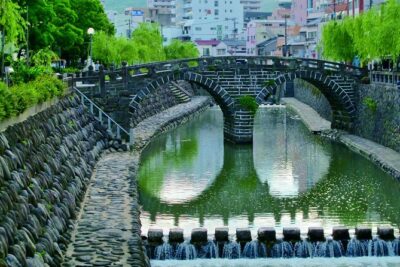
Nagasaki Half-Day Private Tour with Government-Licensed Guide
Read our review →
Visit Gunkanjima Island (Battleship Island) in Nagasaki
Read our review →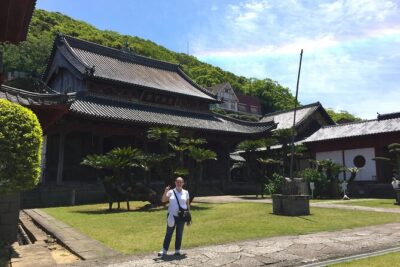
Taste Local Life: Nagasaki’s Historical Street Walking Tour
Read our review →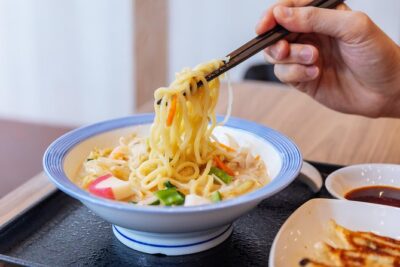
Nagasaki Street Food Adventure: Private Walking Tour with a Local
Read our review →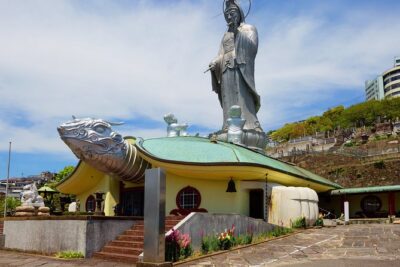
Nagasaki Private Tour with a Local – Highlights & Hidden Gems
Read our review →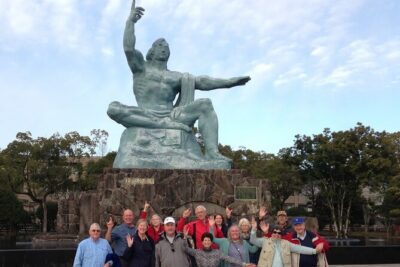
Browse the lists this tour appears in