
Reviewed · NAGASAKI TOURS
Taste Local Life: Nagasaki’s Historical Street Walking Tour
Nagasaki’s older streets make the city feel different from Japan’s better-known destinations. This three-and-a-half-hour walk links Chinese-influenced temples, old shopping lanes, snack stands, and the photogenic stone arches of Spectacles Bridge, giving you a useful first look at the city beyond its major memorial sites.
I like two things right away: the tour begins near Nagasaki Station, so you can find it without a long taxi ride, and the group is limited to eight people. Guides including Yuko, Tomomi, and Masaaki are praised for clear English, warmth, and strong local knowledge. The main consideration is the price, $105.42 per person, which is fair for a private or very small group but high if you mainly want temple admission and a short orientation walk.
Key points to know before you book
- Chinese-style temples: Sofukuji and Kofukuji show a side of Nagasaki shaped by centuries of contact with China.
- Easy station meeting point: You begin at Hotel New Nagasaki, close to Nagasaki Station, at 9:00 a.m.
- Tram ride included: The Nagasaki Electric Tramway gets you from the station area toward Sofukuji without arranging a private vehicle.
- Old streets and local shopping: The walk connects temple grounds with older commercial streets, snack stands, Motenashiya, and Hamamachi Arcade.
- A compact morning: The tour finishes around midday, leaving time for other Nagasaki sights.
- Strong guide feedback: Yuko, Tomomi, Masaaki, and Yuki are singled out for kindness, English ability, historical explanation, and keeping the group on schedule.
Why this walk gives you a better start in Nagasaki
Nagasaki is a city of hills, water, foreign trade, religious buildings, and narrow streets. You can see famous places on your own, but it takes more effort to understand how they fit together. This tour gives you a simple route through the central city, with a guide explaining the temples and the streets between them.
The focus is not on rushing from one headline attraction to another. Instead, you move through Teramachi-dori, or Temple Street, and Marunouchi Naka-dori Shopping Street, then continue toward the city’s best-known old bridge. That combination matters. You get formal sights, such as temple gates and halls, followed by ordinary places where people shop, eat, and move around.
I also like the timing. A 9:00 a.m. start means you can make this your first activity of the day. Once it ends, you still have the afternoon for other parts of Nagasaki. The route is long enough to feel substantial, but not so long that it consumes your whole day.
The format deserves a close look. The tour is described as a small-group experience limited to eight people, while the additional details describe it as a private activity for your group only. Either way, you should expect a more personal outing than a large coach tour. Confirmation is subject to availability, so check the final booking details carefully.
More history-led days in Nagasaki:
- Nagasaki WW2 History and Culture Tour
★ 5.0 · 19 reviews - Nagasaki Private Historical Tour with Licensed Guide
★ 5.0 · 13 reviews - World Heritage Shirakawa-go and Experience Tours from Kanazawa
★ 5.0 · 4,049 reviews
From Hotel New Nagasaki to the city tram
You meet at Hotel New Nagasaki, at 14-5 Daikokumachi, near Nagasaki Station. This is one of the most practical parts of the arrangement. Nagasaki Station is a natural place to begin sightseeing, especially if you arrive by train or stay nearby.
From there, your guide takes you to the Nagasaki Electric Tramway. The tram is not just a transfer between stops. It is a useful part of understanding Nagasaki, since the city’s streetcars provide a straightforward way to reach several central areas. The tour includes the admission cost for this part of the route.
The tram segment is listed at about 10 minutes. That is brief, but it saves you from arranging a taxi or private car. Private transportation is not included, so the tram helps keep the route simple and keeps the city itself in view.
Your guide can also help you get oriented before the walking begins. The tram system is known for clear signs, but a local escort still makes the first morning easier, especially if you are not yet familiar with Nagasaki’s street layout.
Sofukuji, Nagasaki’s Chinese architectural connection
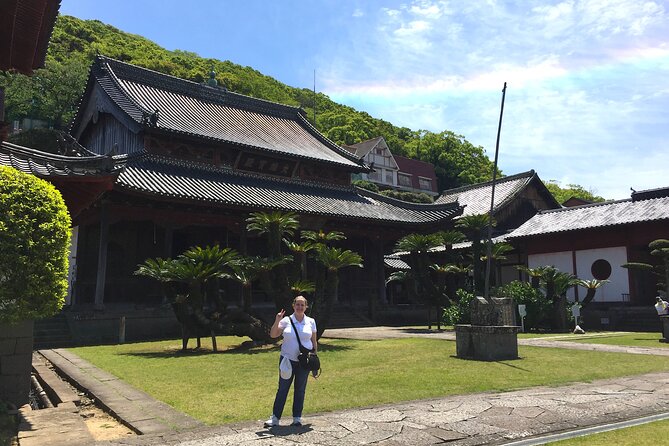
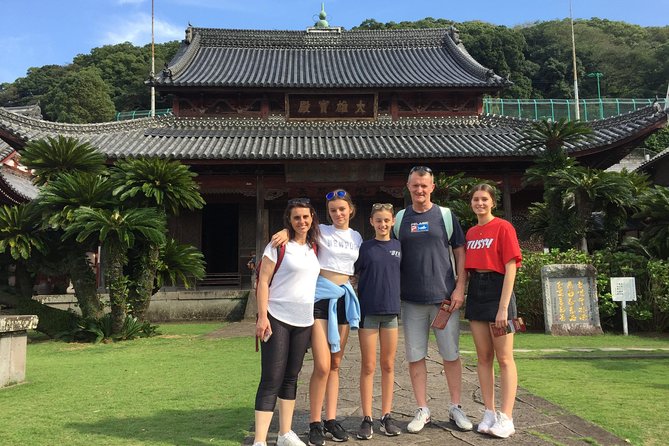
The first major stop is Sofukuji Temple, with about 35 minutes set aside. Built in 1629 in the Nanchuan architectural style of China, Sofukuji gives you an immediate sense of Nagasaki’s historic links with Chinese merchants and communities.
The temple’s Daimon Gate and Daeleon Hall, the main hall, are designated important cultural properties, with the main hall recognized among Japan’s national treasures. This is not simply a stop for taking a quick photograph. The gates, colors, and construction style offer a useful contrast with the more familiar wooden forms you may see at other Japanese temples.
Your guide is especially valuable here. The temple has details that are easy to pass without context, and the tour allows time for an explanation rather than leaving you with only a name and a picture. Tomomi, for example, is praised for explaining temples and shrines in a clear, friendly way. Yuki is also noted for making the differences between Chinese temple styles interesting.
The 35-minute visit is enough for a focused look, but it is not an exhaustive temple study. If you want a slow photographic session or time to inspect every feature, you may wish you had longer. The tradeoff is that you continue into the streets instead of spending the whole morning inside one complex.
Kofukuji and the old commercial streets
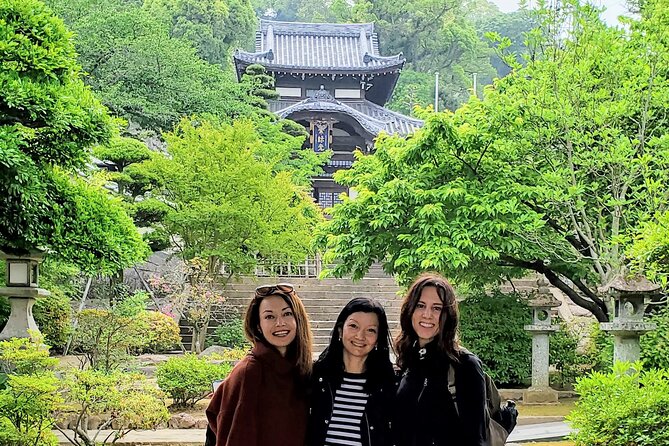
Next comes Kofukuji Temple, with roughly 50 minutes for the temple and the surrounding streets. This stop adds another layer to the cultural story. Kofukuji is associated with the introduction of Japanese kidney beans, Mincho kanji characters, and Kofukuji dining tables.
Those details are unusual enough to make the stop more memorable than a standard temple visit. Ask your guide to explain these connections as you walk. They show how temples were not isolated religious buildings. They also acted as places where food, writing, objects, and ideas crossed borders.
After Kofukuji, the route moves into one of Nagasaki’s oldest shopping streets. This is where the tour’s title makes the most sense. You are not only looking at preserved buildings. You are walking through a district with shops, snack stands, and daily commerce.
I like this change of pace. Temple grounds can tell you about architecture and belief, while a shopping street shows how the city functions now. You might find small snacks or souvenirs, but food and drinks are not included, so bring money if you want to buy something along the way.
The street portion also gives your guide room to point out things you could easily miss alone. The tour description specifically aims at places you may not find in a standard guidebook. That does not mean every stop is a major attraction. The value is in connecting small details, old routes, and local businesses into a readable walk.
More walking tours in Nagasaki:
- Nagasaki: Private Walking Tour with a Local
★ 4.7 · 79 reviews - Nagasaki Street Food Adventure: Private Walking Tour with a Local
★ 5.0 · 26 reviews - Kyoto Geisha Walking Tour: Gion District & Hidden Gems
★ 4.7 · 3,273 reviews - Tokyo Tsukiji Fish Market Food and Culture Walking Tour
★ 5.0 · 3,184 reviews
Motenashiya and a pause near the bridge
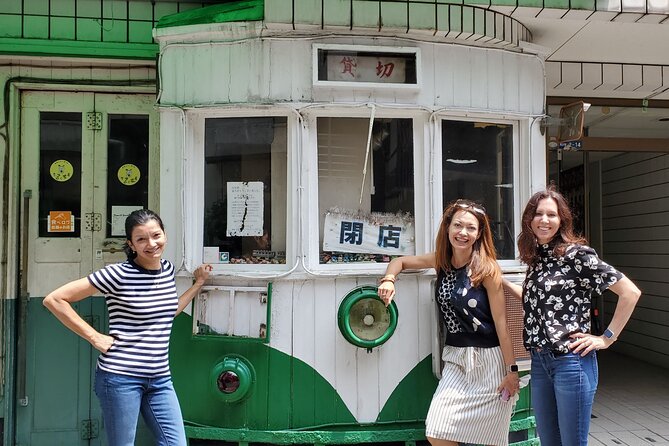
The tour then reaches Motenashiya, a tourist information center and souvenir shop near Megane Bridge. About 15 minutes are planned here, and there is no admission fee.
Motenashiya is operated by its landlady and offers maps, touring information, and selected local goods. This makes it more useful than a simple souvenir stop. You can use the maps and printed material to plan what to do after the tour, particularly if you are staying in Nagasaki for another day.
The stop is short, so do not expect an extended shopping session. Think of it as a practical pause before the bridge, with a chance to look at local products and gather ideas for the rest of your visit.
Spectacles Bridge and the famous heart-shaped stones
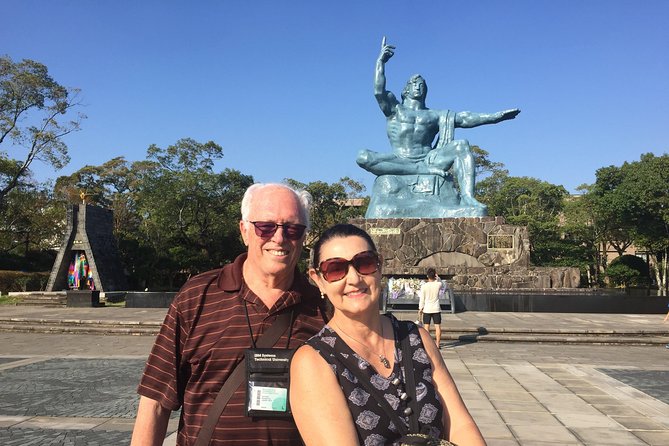
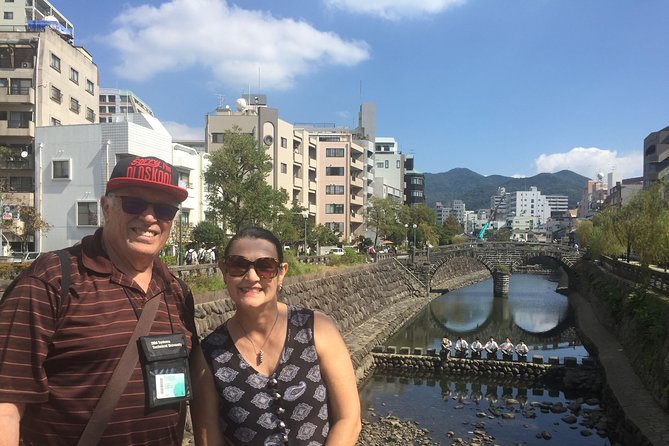
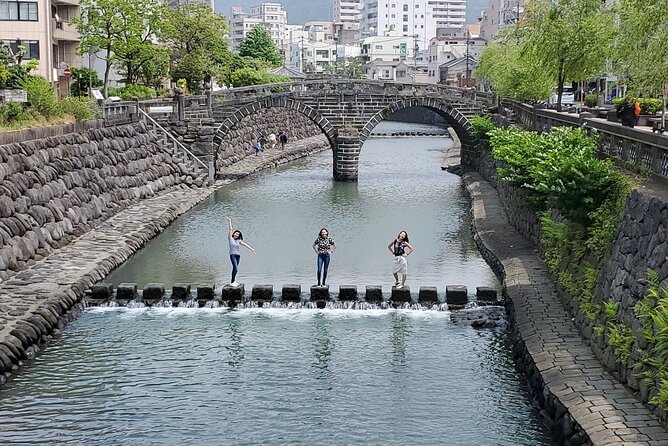
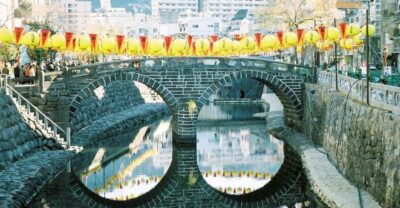
Spectacles Bridge, or Meganebashi, is one of the visual highlights. The stone bridge dates from 1634 and is described as the oldest surviving arcuate stone bridge in Japan. Its paired arches can reflect in the water and create the shape that gives the bridge its English name.
You have about 30 minutes here. That is a sensible amount of time for photographs, a close look at the stonework, and an explanation of the bridge’s place in Nagasaki’s history. It was once connected with the entrance to Kofukuji for the local Chinese community, which ties this stop back to the earlier temples.
Look for the heart-shaped stone wall near the bridge. It is a small detail, but one that adds a playful touch to an otherwise historic setting. The bridge area can be more rewarding when you know what to look for, and this is another place where a guide saves you from simply taking a picture and moving on.
The bridge is free to visit. Its appeal is partly visual, so the experience can depend on the conditions at the water and how much space you have for photographs. Still, it is a strong finishing point for the historic portion of the walk.
Hamamachi Arcade and the final stretch
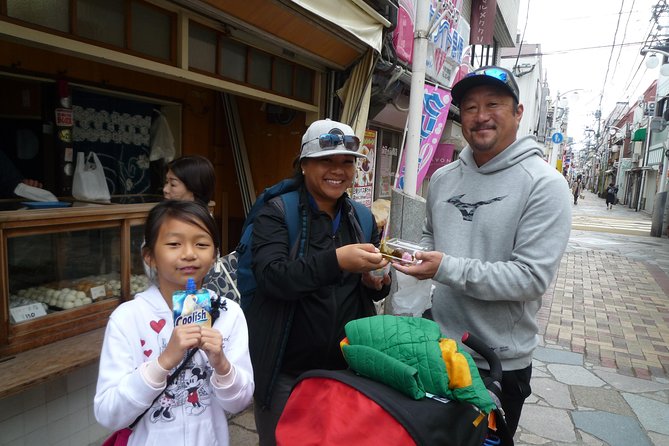
The last listed stop is Hamamachi Arcade, also called Hamanmachi Shopping Street. About 25 minutes are scheduled here. The covered arcades extend for hundreds of meters in different directions, with local emblems and colorful banners adding character to the route.
This is a useful ending because it brings you back to modern Nagasaki shopping. After the temples and stone bridge, you get a place where you can continue browsing, eat independently, or use the area as a launching point for the rest of your day.
The tour information says the activity ends back at the meeting point, but the route description also presents Hamamachi Arcade as the final stop. Because those details are not perfectly aligned, confirm the exact end point with the operator when you book. Do not assume hotel drop-off is included. Hotel pickup and drop-off are specifically excluded.
What the guide adds to the morning
The guide is the main reason to choose this experience instead of following a map. Several guides receive especially strong praise. Yuko is described as exceptionally kind and attentive, Tomomi as a warm source of temple and shrine information, and Masaaki as energetic, clear in English, and careful with timing. Yuki is also praised for explaining the different Chinese temple styles.
That pattern suggests you should expect a people-focused tour, not a memorized speech delivered at every stop. The guide can explain why Nagasaki’s temples look different, connect Kofukuji with cultural exchange, and help you notice small features around the bridge and shopping streets.
One practical point came up in the feedback: a participant suggested using whisper-style audio devices so everyone could hear more easily. In a group of up to eight, this may not be a major problem, but street noise and temple courtyards can still make listening harder. Stay near the guide during explanations, especially if the group uses the full capacity.
The private-tour wording also matters for families or friends. If your booking is treated as a private activity, you can expect the pace and conversation to center on your group. If it operates as a small shared group, eight is still a manageable number, but the experience will be less flexible than a fully private walk.
Price, pace, and what is included
At $105.42 per person, this is not a budget orientation stroll. The price pays for a professional guide, local taxes, the organized route, and the convenience of a small group. It does not include food, drinks, hotel transfers, or private transportation by taxi, car, or bus.
I see the strongest value for first-time visitors who want help making sense of Nagasaki’s cultural mix. If you already know the city well and are comfortable researching the temples and tram route, you could spend less by sightseeing independently. You would also have more freedom to stop for food or photographs.
The tour is about three hours and 30 minutes, with a moderate physical demand. You will ride a tram, walk through temple grounds, move along shopping streets, and spend much of the morning on your feet. Wear shoes that are easy to walk in, as requested, and do not plan this around formal footwear.
Food is not included, but that can be an advantage. You are free to choose what appeals to you in the shopping streets rather than being tied to a set restaurant. Just remember to budget separately for snacks and drinks.
Free cancellation is available if you cancel at least 24 hours before the start time. Changes or cancellations within 24 hours are not accepted for a refund, and all cutoffs use local Nagasaki time.
Who should book this Nagasaki walk?
I would recommend it to you if you want cultural background without spending a full day in a museum. It suits couples, families, and small groups who value conversation with a local guide and prefer walking streets over sitting on a bus.
It is also a good fit if you are staying near Nagasaki Station or arriving there in the morning. The meeting point is easy to reach, and the half-day schedule leaves room for other plans.
You may want to skip it if you dislike guided pacing, want to eat freely throughout the morning, or prefer a private vehicle. You should also think twice if a moderate walking route sounds tiring. The route includes temples, streets, shopping areas, and a tram ride, but it is still an active morning.
Should you book it?
Book this tour if you want Nagasaki explained through temples, streets, and ordinary city life, not just its famous landmarks. The Chinese architectural links at Sofukuji and Kofukuji, the old commercial streets, Motenashiya, Spectacles Bridge, and Hamamachi Arcade make a well-shaped introduction to central Nagasaki.
The price is easiest to justify when your guide is the main attraction. The strong comments about Yuko, Tomomi, Masaaki, and Yuki point to an experience built around patient explanations and friendly conversation. If you value that personal touch, the small group and convenient tram route make the morning worthwhile. If you mainly want photographs and shopping, go independently and spend the $105.42 elsewhere.
FAQ
Where does the Nagasaki walking tour start?
The tour starts at Hotel New Nagasaki, located at 14-5 Daikokumachi, Nagasaki, near Nagasaki Station. The listed start time is 9:00 a.m.
How long does the tour last?
The experience lasts approximately three hours and 30 minutes.
Is transportation included?
The tour includes travel on the Nagasaki Electric Tramway from the station area toward Sofukuji. Private transportation by taxi, private car, or bus is not included.
Are food and drinks included?
No. Food and drinks are not included in the tour price. You can purchase snacks or drinks during the shopping street portions of the route.
How many people can join the tour?
The tour is described as a small-group activity limited to eight people. The additional information also describes it as a private activity for only your group, so check the final booking confirmation for how your reservation will operate.
What is the cancellation policy?
You can cancel for a full refund up to 24 hours before the experience start time. Cancellations or changes made less than 24 hours before the start time are not accepted for a refund.
Just added around Nagasaki
- Nagasaki Private Historical Tour with Licensed Guide★ 5.0 · 13 reviews
- Private Ring Craft Experience in Nagasaki★ 5.0 · 14 reviews
- Traditional Kimono Experience in Nagasaki★ 5.0 · 16 reviews
- Semi Private Guided Tour of Nagasaki.★ 5.0 · 17 reviews
- Nagasaki Private Customizable Half Day Tour★ 5.0 · 16 reviews
- Nagasaki WW2 History and Culture Tour★ 5.0 · 19 reviews
- Nagasaki Full Day Tour with Licensed Guide and Vehicle★ 5.0 · 27 reviews
- Nagasaki Street Food Adventure: Private Walking Tour with a Local★ 5.0 · 26 reviews
Nagasaki Tours, compared.
Nagasaki Full-Day Private Tour with Government-Licensed Guide
Read our review →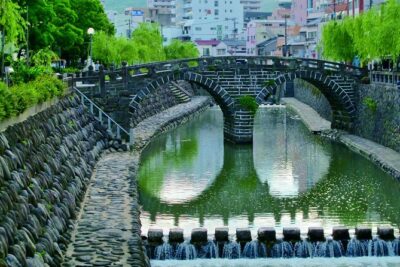
Nagasaki Half-Day Private Tour with Government-Licensed Guide
Read our review →
Visit Gunkanjima Island (Battleship Island) in Nagasaki
Read our review →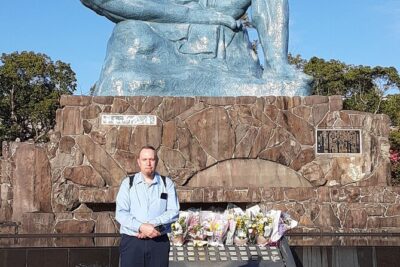

Nagasaki Street Food Adventure: Private Walking Tour with a Local
Read our review →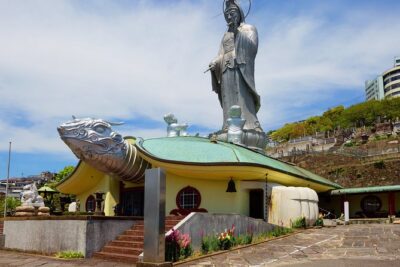
Nagasaki Private Tour with a Local – Highlights & Hidden Gems
Read our review →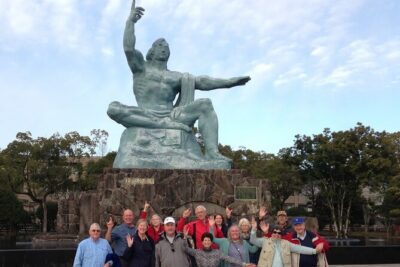
Browse the lists this tour appears in