
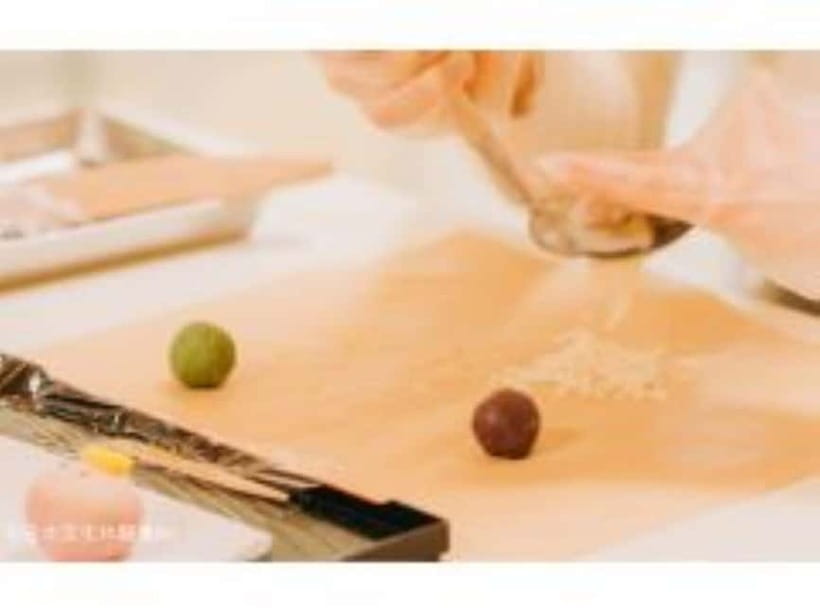
Reviewed · TOKYO TOURS
Japanese Traditional Sweets making
Japanese sweets here are small edible artworks. For $11, you shape two seasonal nerikiri using white and red bean paste made by long-established Kyoto shops, then eat your work on the spot. I like the genuine ingredients and the chance to make both a flower-shaped sweet and a kinton-style sweet. I also like that the class is short enough to fit neatly into a Tokyo day.
The main caution is the pace. One recent experience felt rushed, with only 30 to 40 seconds for some steps and little time to eat afterward. English support is available as much as possible, but the instructor teaches in Japanese, so this suits you best if you can follow a brisk demonstration.
Key points for your 65-minute nerikiri class
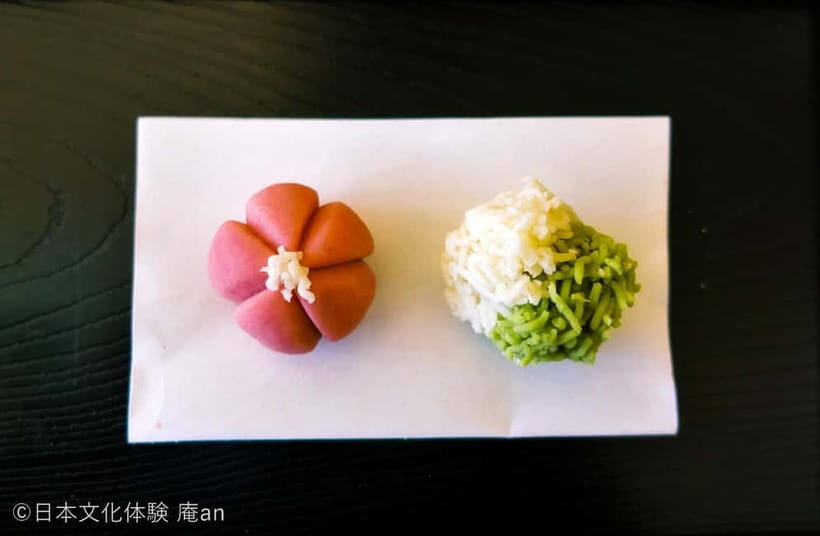
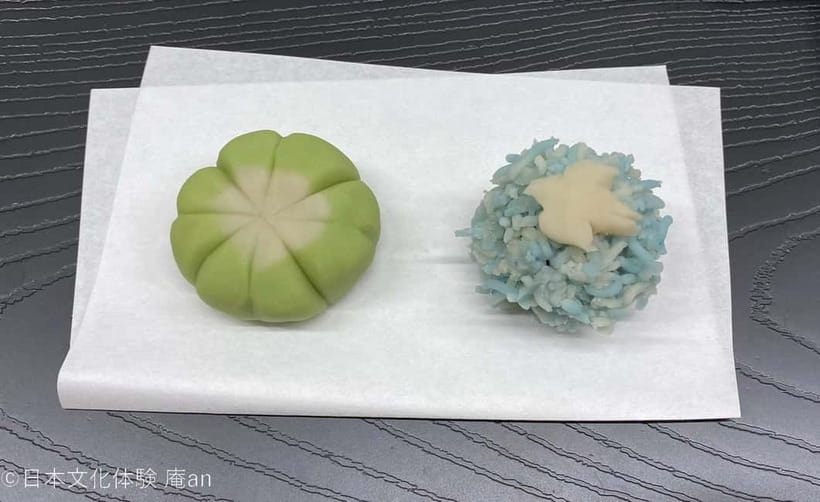
- Two seasonal sweets: Make a flower-shaped nerikiri and a kinton nerikiri.
- Kyoto bean paste: Use white and red bean paste supplied by established Kyoto confectionery shops.
- Edible artwork: Shape, plate, photograph, and eat your own sweets during the session.
- Low price: At $11 per person, the class offers an inexpensive hands-on taste of Japanese culture.
- Fast instruction: The schedule allows about 55 minutes for making and photos, followed by 10 minutes for eating.
- Useful extras: A take-out box costs 100 JPY, and a completion certificate costs 300 JPY.
Making Kyoto-style sweets in central Tokyo
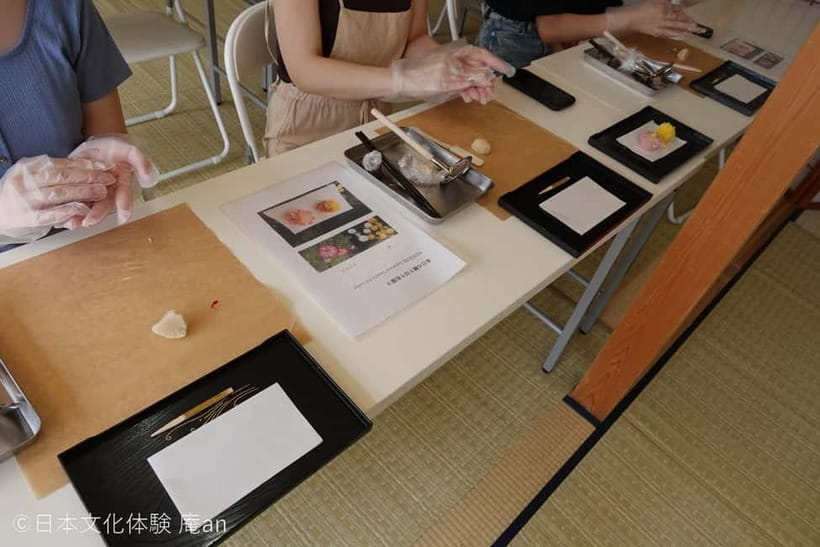
Nerikiri is a Japanese traditional sweet made from bean paste, usually shaped into flowers, leaves, seasonal plants, or other delicate forms. Its appeal is visual as much as culinary. You are not simply mixing ingredients and taking home a snack. You are turning a soft block of paste into a small seasonal design.
This class gives you two attempts, which is important. The first sweet is flower-shaped, letting you work with a clear and familiar form. The second is a kinton-style nerikiri, a shape with a more textured appearance. Making both gives you a better sense of how Japanese confectionery changes through color, texture, and form.
The bean paste comes from long-established shops in Kyoto. That detail gives the activity more substance than a generic craft class using ordinary supermarket ingredients. You get to handle the main ingredient used in the finished sweet, then taste it while the texture is fresh.
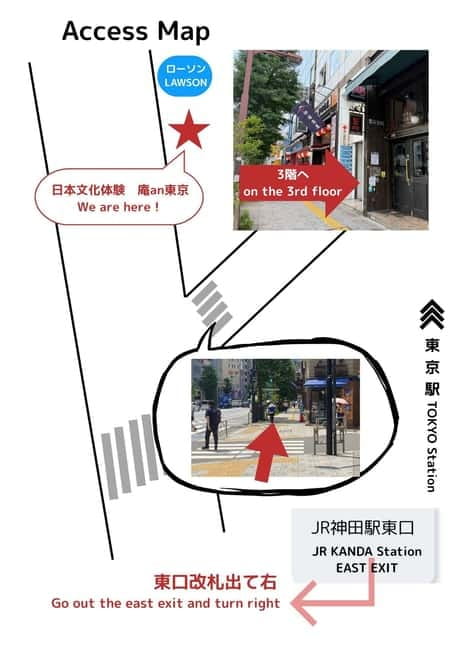
The experience takes place at AN TOKYO Japanese Culture Experience, near the coordinates 35.6916541, 139.7715022. The provided location is in Tokyo, on Honshu, so check the exact meeting point and allow time to find the venue. The organizer does not hold the event for late arrivals, and that matters here because the class follows a fixed sequence.
A few more Tokyo half-days to weigh up
- Matcha Making Class in Tokyo with Authentic Japanese Sweets Set
★ 5.0 · 744 reviews - Tokyo: Matcha Making Experience with Mochi Sweets in Asakusa
★ 4.9 · 388 reviews - Japanese Traditional Sweets making and Tea Ceremony
★ 4.7 · 50 reviews
What happens from the first explanation to the final bite
The class begins with an explanation of Japanese traditional sweets. This opening is meant to give you the basic idea before your hands get busy. Since the instructor teaches in Japanese, English translation is provided as much as possible, but you should contact the organizer ahead of time if you want additional English help.
Next comes the flower-shaped nerikiri. This is the first practical stage, and the instructor demonstrates how to form the paste into the intended design. You then copy the process yourself. The work is delicate, but the supplied description says the possibilities are endless, so the finished result is not meant to be judged like a professional pastry display.
After that, you make the kinton nerikiri. This gives the session a second style rather than repeating the same task. By the time you reach the second sweet, you have already handled the paste once, so you may feel more comfortable with the basic movements.
The making and photo portion lasts about 55 minutes. Picture time is built into the schedule, so you can photograph your finished sweets before eating them. The final 10 minutes are set aside for eating, and the room departure comes at the 65-minute mark.
That timetable is efficient, but it is also the class’s biggest weakness. A recent negative report described very short working windows, sometimes only 30 to 40 seconds before the instructor moved to the next stage. The instructor also urged participants to eat quickly before leaving. If you enjoy slow, careful craft work, this may feel more like a guided demonstration with hands-on steps than a relaxed workshop.
The value of using real Kyoto bean paste
At $11 per person, this is priced below many food workshops, and the ingredients help explain why it is worthwhile. You are not just watching a demonstration. You are making two sweets and eating them as part of the fee.
The use of white and red bean paste from established Kyoto shops is the most meaningful quality detail. Kyoto has a long association with refined Japanese sweets, and the paste is central to the taste and texture of nerikiri. The class lets you try that ingredient in a practical setting without paying for a long meal or a full cooking course.
The value is strongest if you want a short cultural activity between sightseeing plans. Sixty-five minutes is easy to fit into a day, and the price is modest enough for solo participants, couples, and families. A solo visitor can also use the class as a simple social activity. One positive account specifically praised it as a fun way for solo participants to meet people, though the class size and seating arrangement can affect how social it feels.
You should keep your expectations in line with the price. This is not a private lesson, a long pastry course, or a detailed confectionery apprenticeship. It is a compact introduction with two finished sweets, basic guidance, photos, and tasting.
A classroom setting, not a quiet tea ceremony
The venue can accommodate a large class, with one account describing a room that may hold around 30 people. That size has two practical effects. The atmosphere may feel social, but your view of the instructor could be limited if you sit toward the back.
The same feedback noted that demonstrations were difficult to see from the rear. If you can choose where to sit, getting near the front should make the hand movements easier to follow. This is especially useful because nerikiri shaping depends on small motions that may be hard to catch from a distance.
The setting also appears functional rather than polished. One participant found there was no place to hang coats and had to leave coats and bags on the floor. Pack light if you can, and do not expect extensive storage or a formal tea-room atmosphere.
That does not erase the strengths of the experience. Good staff and an informative instructor were praised in positive feedback, and another short comment singled out the sweets as delicious. The class can be enjoyable when the group is moving well and you are close enough to see the demonstration.
Same base, a completely different sort of day:
- Mt Fuji and Hakone 1-Day Bus Tour Return by Bullet Train
★ 5.0 · 26,383 reviews - 1-Day Tokyo Bus Tour
★ 5.0 · 14,250 reviews - Tokyo: TOKYO SKYTREE® Admission ticket
★ 4.5 · 11,192 reviews - Tokyo: teamLab Planets TOKYO Digital Art Museum Entry Ticket
★ 4.6 · 9,779 reviews
Language and pace: how to prepare
The instructor is Japanese, and Japanese is the stated language of the activity. English translation is offered as much as possible, but it is not presented as a fully English-led class. You should contact AN TOKYO before booking if clear English instruction is important to you.
A few simple preparations can make the session easier:
- Arrive early enough to locate the venue without stress.
- Watch the demonstration closely before touching the paste.
- Keep your work area clear so you can move quickly.
- Sit near the front if the room allows it.
- Ask about English support before the class rather than during it.
- Expect to finish and eat within the scheduled 65 minutes.
The strict timing deserves attention. The organizer will not hold the event for delays, whatever the reason. If you miss it, travel costs to the venue are not compensated. Reservations received after 17:00 are processed the next day, and the operating hours are 10:00 to 17:00.
The cancellation terms are friendlier if you plan ahead. You can cancel up to 24 hours before the start time for a full refund. After the cancellation fee applies, changing the date and time can create another specified fee. Read the exact terms before booking, especially if your Tokyo schedule is still moving around.
Eating your sweets on the spot
The final part is tasting. You can eat both nerikiri at the venue after the photo time, so you do not need to carry soft sweets around Tokyo. This is a small but useful feature. The sweets are made to be enjoyed fresh, and eating them right away completes the activity.
The class fee includes the nerikiri-making set, but not a take-out box. If you want to bring your sweets away instead of eating them there, the box costs 100 JPY. The schedule still reserves only about 10 minutes for eating, so take-out may be more practical if you prefer to savor the result slowly.
A completion certificate is available for 300 JPY. If you want a certificate with your name printed, provide the names in advance. Otherwise, a blank space is left for you to fill in. This is an optional souvenir, not part of the basic experience.
Who will enjoy this activity most
I would recommend this class to you if you want a low-cost, hands-on introduction to Japanese food culture. It works well for a short Tokyo itinerary, a rainy-day plan, or a break from temples, shopping, and city walking.
It is also a good choice for:
- Solo visitors looking for a social activity
- Families with very young children who can sit on a parent’s lap
- Couples who want a shared food craft
- First-time visitors curious about Japanese sweets
- Anyone who likes taking photos of food and handmade crafts
- Visitors who want an activity lasting about one hour
Children under two who sit on a parent’s lap are free. Those who do not take part in the experience are not allowed to enter, so plan the booking around the people who will actually participate.
I would be more cautious if you want a calm, slow workshop, precise English instruction, or lots of personal attention. The class may feel crowded, and the short working windows leave little room for experimenting. You can make attractive sweets, but you should follow the instructor’s pace rather than expect unlimited time to refine each detail.
Should you book the AN TOKYO nerikiri class?
Book it if the combination of $11 pricing, Kyoto bean paste, two seasonal sweets, and immediate tasting sounds right for your day. The activity delivers real hands-on work rather than a demonstration alone, and its short duration makes it easy to fit around other Tokyo plans.
Skip it if you need a relaxed pace or guaranteed full English teaching. The strongest criticism is specific and practical: rushed steps, a quick eating period, limited visibility from the back, and poor coat storage. Arrive early, aim for a front position, contact the organizer about language support, and keep your schedule flexible enough to reach the venue on time.
For the price, this is a sensible small-scale cultural activity, not a grand culinary event. If you treat it as a brisk introduction to nerikiri and enjoy the satisfaction of eating your own edible artwork, it is a good buy.
FAQ
Where does the Japanese sweets-making class take place?
The class takes place at AN TOKYO Japanese Culture Experience in Tokyo, Japan. The listed coordinates are 35.6916541, 139.7715022.
How long does the experience last?
The full experience lasts 65 minutes. Making the sweets and taking pictures takes about 55 minutes, followed by about 10 minutes for eating and departure.
How many sweets will I make?
You will make two seasonal nerikiri sweets. The scheduled designs are a flower-shaped nerikiri and a kinton nerikiri.
Are the ingredients included?
Yes. The price includes a set for making nerikiri. The white and red bean paste comes from long-established shops in Kyoto.
Is English instruction available?
The instructor teaches in Japanese. English translation is provided as much as possible, and you should contact the organizer if you would like additional English support.
Can I take the sweets home?
A take-out box is available for 100 JPY. You can also eat the sweets at the venue after the making and photo portion.
What happens if I need to cancel?
You can cancel up to 24 hours in advance for a full refund. Cancellation fees apply after that point, and changing the date or time after a fee has been incurred may lead to an additional specified charge.
Just added around Tokyo
- Private Arrival Transfer : Narita International Airport to Central Tokyo City★ 4.5 · 12 reviews
- Narita Airport(NRT): Private Transfer to Tokyo/Yokohama 1-9pax★ 5.0 · 47 reviews
- Private Transfer from Narita Airport to Yokohama Port and City★ 4.5 · 17 reviews
- [Narita Airport Terminals 1, 2] 40-60km Sawara Itako Historic Bike Tour★ 5.0 · 13 reviews
- 3 Day Japan Highlights Tour: Tokyo, Mt.Fuji, Nara, Kyoto, Osaka★ 5.0 · 22 reviews
- Small Town in the Big City: Tasting Tokyo’s Kichijoji★ 5.0 · 195 reviews
- Small Town in the Big City: Tasting Tokyo’s Kichijoji★ 5.0 · 16 reviews
- The 10 Tastings of Tokyo With Locals: Private Street Food Tour★ 5.0 · 48 reviews
Tokyo Tours, compared.

Mt Fuji and Hakone 1-Day Bus Tour Return by Bullet Train
Read our review →

teamLab Planets TOKYO Digital Art Museum Entry Ticket
Read our review →
Mt Fuji & Hakone Cruise, Drum Show Bullet Train 1 Day from Tokyo
Read our review →
Sumo Show Experience with Chicken Hot Pot and a Photo
Read our review →
Shinjuku Food Tour (13 Dishes at 4 Local Eateries)
Read our review →
Tokyo Mt Fuji 5th St & Hakone Cruise Bus Tour w/Bullet Train
Read our review →
Flagship 2-Hours Official Street Go-Kart Tour – Tokyo Bay Shop
Read our review →Browse the lists this tour appears in