
Reviewed · KYOTO TOURS
Kyoto Matcha Green Tea Tour
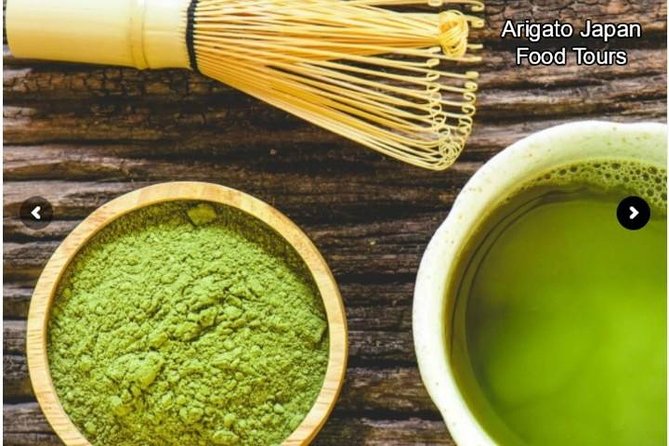
Uji is where matcha becomes more than a drink. On this three-hour food and culture walk, you visit temples and shrines, sample tea in several forms, and make your own bowl of matcha. I especially like the stop for matcha soba or other local dishes, and the quiet chance to see Uji beyond Kyoto’s main sights. The main catch is that $173 is a serious price for three hours, and transportation to Uji costs extra.
The small group, capped at eight, keeps the pace personal. Guides such as Karim, Jamelah, Miki, Sanae, Thomas, and Raquel have led this experience, with past guests praising their history stories, patience, language skills, and ability to adjust the walk to the group. Just remember: meet at Keihan Uji Station, not JR Uji Station, and arrive early because the guide waits only five minutes.
Key points to know before you book
- Uji is the matcha center of the day: You taste tea, learn how it is prepared, and make your own matcha rather than simply buying a souvenir tin.
- The route mixes major sights with local food: Byodoin Temple, an old shrine, tea shops, riverside streets, soba, wagashi sweets, and matcha ice cream all fit into the experience.
- The group is limited to eight people: That makes it easier to ask questions and gives the guide room to adjust the pace.
- Your guide shapes the experience: Karim, Jamelah, Miki, Sanae, Thomas, and Raquel have all been praised for clear explanations and a friendly manner.
- The meeting point matters: Keihan Uji Station is the correct station. JR Uji Station is not the meeting point.
- The price includes food stops but not transport: At $173 per person, the tour makes the most sense if you value a guided introduction to Uji and want several tastings in one compact visit.
Why Uji makes a fine half-day from Kyoto
Kyoto can fill a day with temples, but Uji gives you a different view of the region. Here, tea is not just a café trend or a bright green dessert. It is part of the town’s identity, economy, food, and daily rhythm.
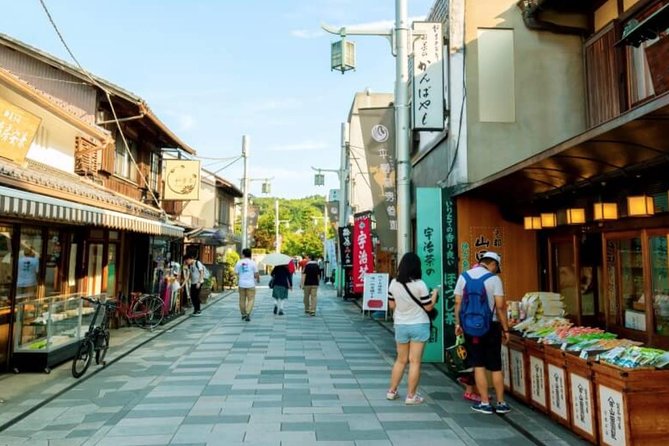
The walk takes you through a town once favored by Kyoto’s noble families. You hear stories about the people and traditions that shaped Uji, then connect those stories to places you can actually see. The Uji River adds a calm setting, while the tea shops and food stops keep the visit grounded in everyday life.
The tour lasts three hours, so it works well as a half-day outing from Kyoto. Uji is about 40 minutes from Kyoto City, but you need to allow extra time for the ride and for finding the correct station entrance. Since the guide cannot wait long or provide directions after the start, this is not a good activity to schedule with a tight connection.
A few more Kyoto half-days to weigh up
- PERFECT KYOTO 1-Day Bus Tour
★ 5.0 · 13,518 reviews - Kyoto: Fushimi Inari, Kinkakuji, Bamboo Grove 1 Day Bus Tour
★ 4.8 · 4,316 reviews - Kyoto: Tea Ceremony in a Traditional Tea House in Kiyomizu
★ 4.9 · 3,519 reviews
Meeting at Keihan Uji Station, not JR Uji Station
The tour begins at the entrance of Keihan Uji Station, at Otsukata Uji, Kyoto 611-0021. Your guide holds a sign, but the arrangement is strict: the group leaves after a five-minute grace period.
That detail deserves more attention than it usually gets. Uji has both Keihan and JR stations, and they are not interchangeable for this meeting. Check your route before leaving Kyoto, and aim to arrive early rather than trying to walk in at the exact start time.
Transportation is not included in the $173 price. You pay for your own trip to Uji, along with any extra food, drinks, or purchases. The tour requires at least two people per booking, so solo visitors cannot reserve it on their own.
Byodoin Temple and Uji’s sacred places
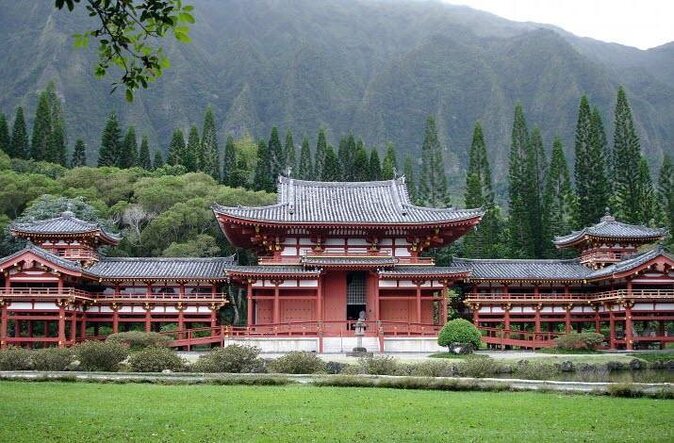
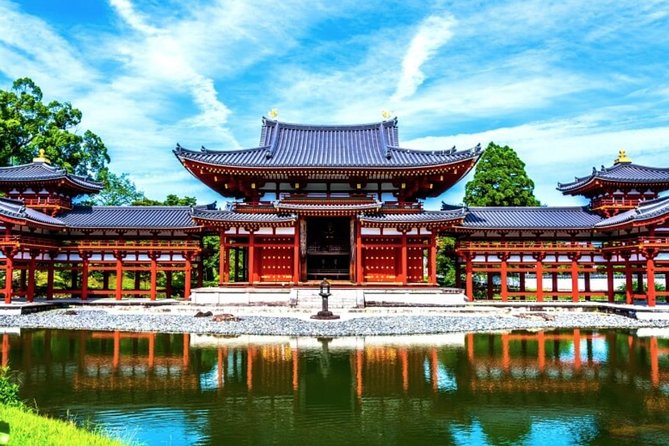
Byodoin Temple is one of the main attractions on the walk, and it gives the outing a strong visual and historical anchor. Its setting and architecture help explain why Uji appealed to Kyoto’s courtly families. The temple is also a World Heritage site, so this is not simply a stroll through tea shops.
The route also includes an old shrine. Your guide explains the meaning of the places you visit and offers practical information about shrine customs, including how to pray. That extra context matters. Without it, a quick shrine visit can feel like a series of gestures with no clear purpose.
You should expect the emphasis to be on explanation and atmosphere rather than an exhaustive temple tour. Three hours must cover religious sites, food, tea, and shopping, so the stops are part of a carefully packed route. If you want a long, quiet temple visit with time for every hall and garden, you may find the pace too structured.
Still, I like this balance. Uji is not treated as a single photo stop. You get a sense of how the town’s religious landmarks, river, food, and tea trade fit together.
Tea fields, shops, and the smell of fresh matcha
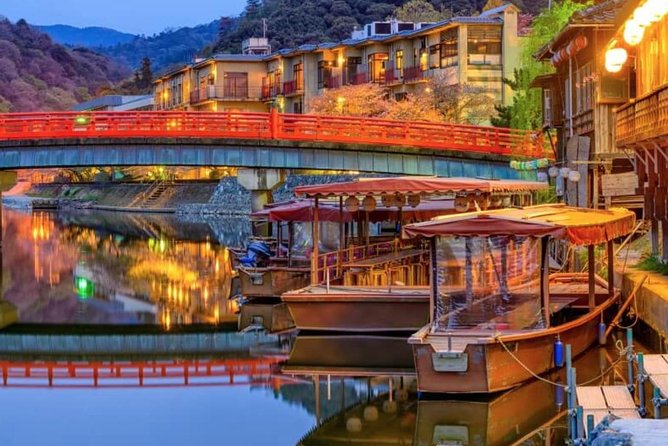
The tea portion is the heart of the outing. Uji is associated with high-quality matcha, and the tour introduces you to tea in more than one form. You may walk near tea fields, visit local tea shops, and learn how different teas are used.
The point is not simply to tell you that matcha tastes good. You get to notice its aroma, texture, bitterness, and creamy finish in different settings. That makes the tasting more useful, especially if you plan to buy tea later in Japan and want a better idea of what you are choosing.
Shopping time is included, but it is not the whole point of the tour. That is good news. A guide can explain what you are seeing before you browse, and you have room to pick up tea or other local items without spending the entire afternoon in a store.
The exact shopping selection can vary by route and shop. I would treat this as a chance to look and learn, not as a guaranteed buying stop for a particular brand or product.
Same base, a completely different sort of day:
- Kyoto Geisha Walking Tour: Gion District & Hidden Gems
★ 4.7 · 3,273 reviews - Kyoto: Tea Ceremony Ju-An at Jotokuji Temple
★ 4.9 · 3,207 reviews - Kyoto: Gion Magical Night Walking Tour with Geisha Trivia
★ 4.9 · 2,393 reviews - Kyoto: 45-Minute Tea Ceremony Lesson Experience
★ 4.3 · 2,378 reviews
Matcha making, sweets, and several ways to taste tea
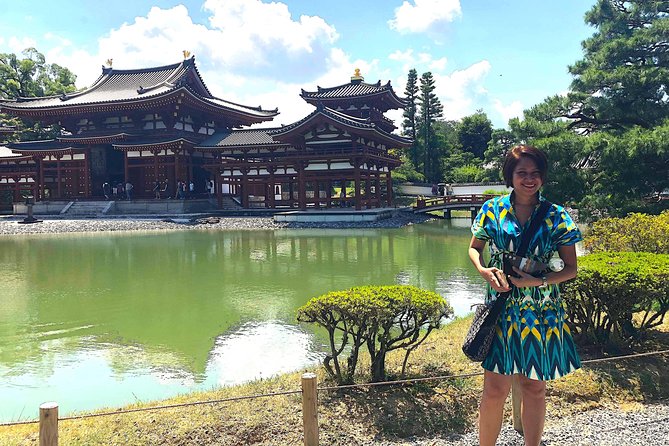
The hands-on matcha-making session is the most memorable part for many people. You do not just watch a tea professional whisk a bowl. You take part in preparing your own matcha, which gives you a direct feel for the movement and care behind the drink.
The activity also includes wagashi sweets and matcha ice cream. Wagashi provides a traditional counterpoint to the tea, while matcha ice cream is an easygoing modern favorite. Together, these stops show how Uji’s tea appears in both formal and casual foods.
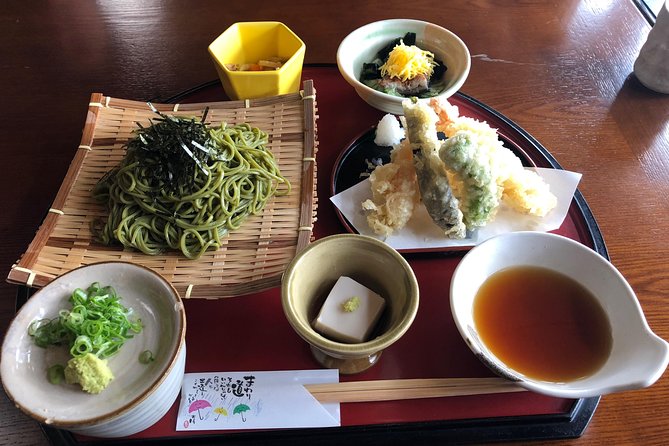
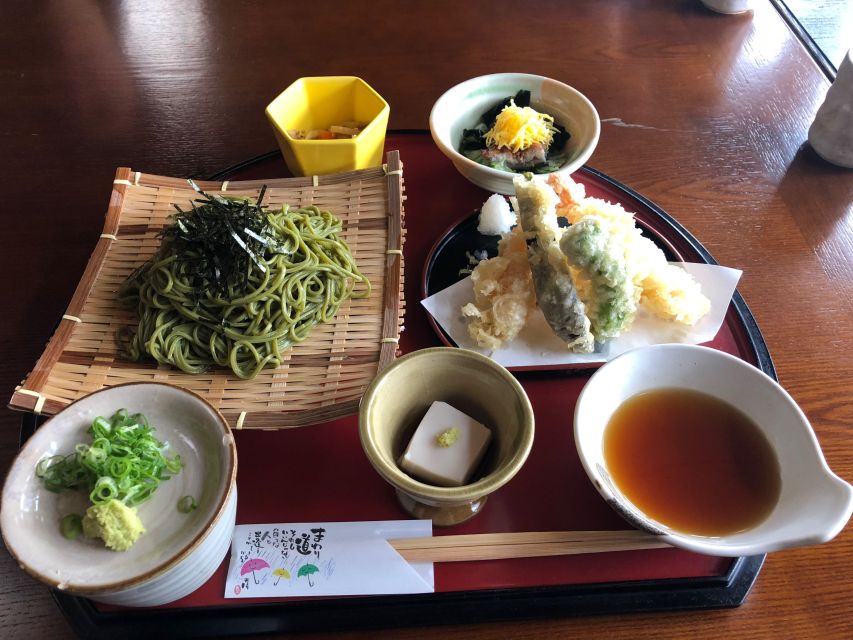
Food is provided at multiple stops, with dishes that have included matcha soba and a lunch along the river. This is a useful feature for anyone who wants more than a single tasting cup. You get enough variety to make the tea theme feel like a meal-sized experience, though additional food and drinks cost extra.
The tea-making activity is likely to appeal to families, couples, and first-time visitors to Japan. Children are allowed when accompanied by an adult, but unaccompanied minors are not permitted. The minimum drinking age is 21, an important rule if any part of your booking includes an alcoholic drink.
A relaxed pace, with room for questions
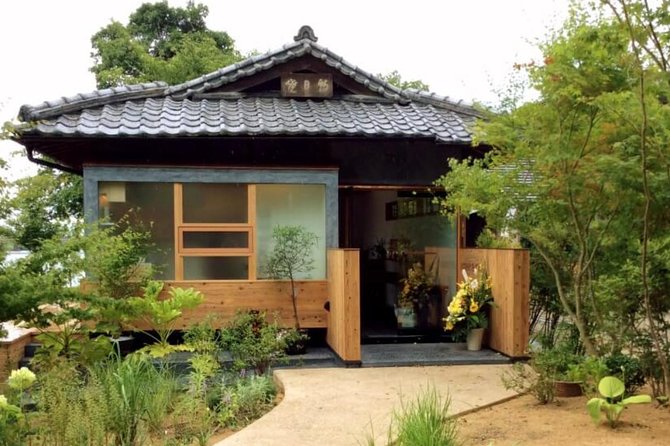
One of the strongest features is the small group size. With no more than eight participants, you can ask about tea, temples, food, or local customs without shouting across a crowd.
The guide’s role matters here. Karim has been praised for his Uji history and careful attention to the group. Jamelah was noted for taking a less obvious route and sharing details about the area. Miki has answered questions in English, Spanish, and some Tagalog, while also adjusting the tour to the group’s interests.
Other guide names connected with the experience include Sanae, Thomas, and Raquel. Raquel has handled a private outing for a family with an infant and adjusted the experience around the baby’s needs. That suggests a warm, flexible approach, though a private group is not guaranteed.
I would not book this expecting a silent, self-directed walk. You are paying for a guide-led experience, and the value comes from the stories, explanations, translations, and connections between each stop. The pace has been described as relaxed, but the schedule still covers a lot in three hours.
Who will get the most from the $173 price
At $173 per person, this is not a low-cost way to see Uji. You also pay for transport from Kyoto, gratuity, and any extra food or drinks. If your goal is simply to wander Uji’s streets and look at tea shops, you can spend much less by going independently.
The value improves if you would otherwise pay separately for a guide, several tastings, a meal, and a tea-making session. The package combines those pieces in a small group and removes much of the guesswork. You also get help with shrine customs, local food choices, and communication at stops.
I see the price working best for:
- First-time visitors who want an easy introduction to Uji
- People who care more about tea and food than ticking off every temple
- Couples and families who prefer a guide to planning several stops
- Visitors who want a small group instead of a large bus tour
- Anyone interested in matcha beyond the usual café latte
You may want to skip it if you already know Uji well, dislike scheduled food stops, or prefer to spend several hours at one temple. The tour is focused and social, not a private, slow-paced photo walk.
Dietary needs and the practical details
Tell the supplier about specific dietary requirements when you book. The supplied information does not promise a particular substitute menu, so you should not wait until the first food stop to raise an allergy or restriction.
The tour is conducted in English with a live guide. Past guides have helped translate during communication problems, but that should be viewed as a benefit of the guide rather than a guarantee of service in another language.
Free cancellation is available up to 24 hours before the start for a full refund. You can also reserve now and pay later, which helps if your Kyoto schedule is still shifting. Check the available start times before booking, since the three-hour duration alone does not tell you when the tour runs.
How this compares with seeing Uji alone

An independent visit gives you freedom. You can linger at Byodoin Temple, pause beside the Uji River, browse tea stores, and choose your own meal. It also costs less and lets you set your own pace.
The guided option gives you connections. You hear why the town matters, learn how to behave at a shrine, taste tea in several forms, and take part in making matcha. You also have someone to help when a shop or restaurant presents a language problem.
For me, the decision comes down to what you want from Uji. If Uji is mainly a place to take photographs and buy tea, go alone. If you want the town explained through its food, temples, tea, and local stories in a short window, the tour earns its place in your itinerary.
My recommendation for a Uji matcha day
I recommend this tour for visitors who want a friendly, focused introduction to matcha and Uji. The combination of Byodoin Temple, a shrine, riverside food, tea shops, matcha making, wagashi, ice cream, and shopping gives you more range than a simple tasting.
The $173 cost is the key decision. It is high once transportation and extras are added, but the package includes several dishes and a hands-on activity, not just a walking tour. Book it if you value a small group, an English-speaking guide, and a ready-made route through Uji’s main themes.
Arrive early at Keihan Uji Station, not JR Uji Station. Bring your curiosity, mention dietary needs in advance, and leave a little room after the tour if you want to browse Uji on your own. Past outings have ended with enough time for some independent wandering, which is a useful bonus in a town worth seeing at a slower pace.
FAQ
How long is the Kyoto Matcha Green Tea Tour?
The tour lasts three hours.
Where does the tour meet?
The meeting point is at the entrance of Keihan Uji Station, at Otsukata Uji, Kyoto 611-0021. It does not meet at JR Uji Station.
How far is Uji from Kyoto City?
Uji is about 40 minutes from Kyoto City. Transportation costs are not included in the tour price.
What food and tea activities are included?
The experience includes a variety of dishes at multiple food stops, matcha tasting, matcha making, wagashi sweets, and matcha ice cream. Matcha soba and a riverside lunch have also been part of the food experience.
Is the tour conducted in English?
Yes. It includes a live English-speaking guide.
How many people can join the tour?
The tour is limited to eight participants. A minimum of two people per booking is required.
Can children join the tour?
Children may join when accompanied by an adult. Unaccompanied minors are not allowed. The minimum drinking age is 21.
Just added around Kyoto
- Kyoto: Zen Meditation at a Private Temple with a Monk★ 5.0 · 25 reviews
- Kyoto: Gion Geisha District & Sake-in-Hand Walking Tour★ 5.0 · 37 reviews
- Private Pewter Sake Cup Experience with a Kyoto Artisan★ 5.0 · 31 reviews
- Your Private Vacation Photography Session In Kyoto★ 5.0 · 110 reviews
- Private Guided Traditional Buddhist Cooking in Japan★ 5.0 · 16 reviews
- Kyoto Wagashi(Japanese sweets) Cooking Class near Fushimiinari★ 5.0 · 60 reviews
- Traditional Japanese Music show & Experience Tour in Kyoto★ 5.0 · 57 reviews
- Kyoto:Family-Friendly Kimono & Yukata Experience at WARGO★ 5.0 · 147 reviews
Kyoto Tours, compared.


Fushimi Inari, Kinkakuji, Bamboo Grove 1 Day Bus Tour
Read our review →
Tea Ceremony in a Traditional Tea House in Kiyomizu
Read our review →
Kyoto Geisha Walking Tour: Gion District & Hidden Gems
Read our review →

Gion Magical Night Walking Tour with Geisha Trivia
Read our review →
