
Reviewed · KYOTO TOURS
Kyoto Highlights 7-Hour Private Guided Tour
Kyoto packs centuries of temples, gardens, shrines, and old neighborhoods into one very busy city. This private seven-hour tour gives you a guide who can explain what you are seeing while moving between four major sights on either a northwest or southeast route.
I like the flexible route choice and the one-on-one format. Guides such as Mie, Choco, Choca, and Mei have been praised for clear English, helpful transportation advice, and lively cultural explanations. The main drawback is simple: you must choose one route, so you cannot see all eight featured locations in one relaxed day unless you book both tours.
Key points to know before booking
- Two distinct routes: Pick the northwest itinerary for bamboo, gardens, Kinkakuji, and a castle or market, or the southeast itinerary for sake, shrines, temples, and old Kyoto streets.
- Private English-speaking guide: Your licensed guide can adjust explanations and help you handle local transportation.
- Seven hours from 9:00 to 16:00: The schedule gives you a full day without stretching into the evening.
- Transport and temple admission included: You also receive a one-day bus pass that remains useful after the tour.
- Private touring has a price: At $215 per person, the value depends on how much you want personal guidance and efficient sightseeing.
- Gion finish: The day is listed as ending near Kyoto’s Gion district, a useful base for dinner or an evening walk.
Why a private Kyoto day can be worth the money
Kyoto’s famous sights are not arranged in one tidy sightseeing cluster. Arashiyama sits on the western side of the city, Fushimi Inari is southeast, and Kiyomizudera sits on the eastern hills. Trying to connect several of them alone can take patience, map reading, and some trial and error.
A private guide changes the day from a checklist into a guided introduction to Kyoto. You can ask why a garden looks the way it does, how a shrine differs from a temple, or what you should do at a sacred site. One couple specifically valued the cultural explanations because they helped avoid mistakes later in the trip.
The format also helps if you have limited time. You meet at 9:00 and finish at 16:00, with transport arranged as part of the experience. You are not simply being dropped at a famous gate and left to work things out.
The $215 price is not cheap, especially for a solo visitor. For two or more people sharing the private guide, however, it can compare well with booking separate transport, entrance fees, and a full-day private guide. Temple admissions and transportation are included, along with a one-day bus pass you can use after the tour.
Food and drinks are not included. You will need to plan lunch as part of the day, although one guide, Choca, helped a group find a local ramen restaurant. That sort of assistance is one of the practical benefits of having a private guide, but it is not a guaranteed part of the published program.
A few more Kyoto half-days to weigh up
- PERFECT KYOTO 1-Day Bus Tour
★ 5.0 · 13,518 reviews - Kyoto: Fushimi Inari, Kinkakuji, Bamboo Grove 1 Day Bus Tour
★ 4.8 · 4,316 reviews - Kyoto: Tea Ceremony in a Traditional Tea House in Kiyomizu
★ 4.9 · 3,519 reviews
The northwest route: bamboo, gardens, gold, and a castle
The northwest route is the strongest choice if you want a broad first look at Kyoto’s famous visual icons. It combines the bamboo grove, Ryoanji Temple, Kinkakuji, and either Nijo Castle or Nishiki Market.
Bamboo Grove
The Bamboo Grove gives you a quick change of pace from city streets. Tall bamboo frames the path, creating one of Kyoto’s most recognizable scenes. It is a good early stop because it supplies the nature element that balances the formal temples and castle later in the day.
Do not expect a long wilderness walk. The attraction is a defined public path, and its appeal comes from the feeling of moving through a narrow green corridor. Your guide can provide context and help you understand how the stop fits into the wider Arashiyama area.
The grove is also one of the places where a private guide can add value without needing to talk constantly. The setting itself does much of the work, while your guide can point out the details you might otherwise pass without noticing.
Ryoanji Temple and its famous rock garden
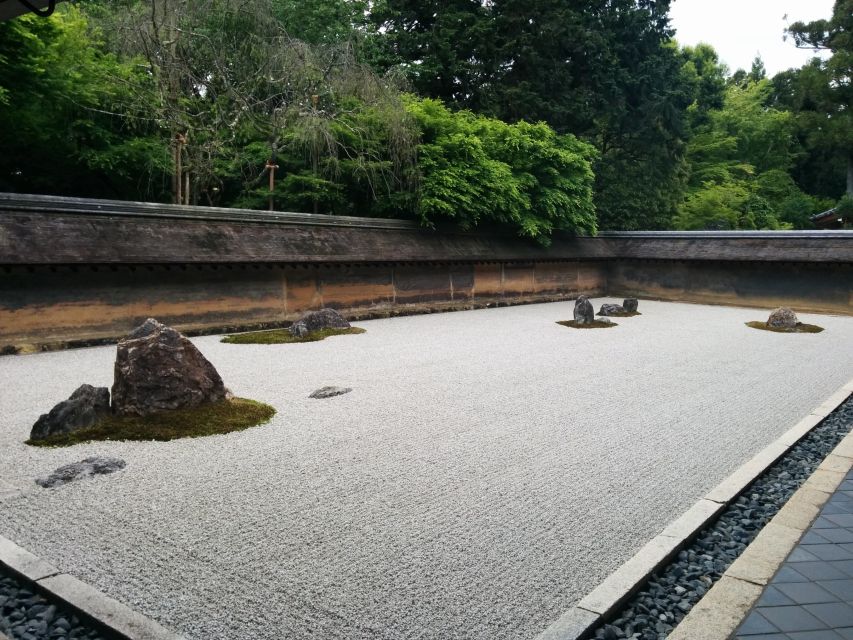
Ryoanji is known for its spare rock garden. Its design asks you to slow down and look rather than rush from one object to the next. The garden is a useful counterpoint to the bright decoration of Kinkakuji, and it gives the day a quieter, more reflective stop.
A guide is especially useful here because the garden can seem simple at first glance. Context helps you understand why the arrangement matters and how Japanese garden design uses space, emptiness, and carefully placed elements.
The visit is not only about the rocks. Ryoanji also offers temple grounds and gardens, so you get a broader sense of the setting rather than a single photo stop. One detailed account of the tour praised its pair of beautiful gardens and the historical background provided along the way.
Same base, a completely different sort of day:
- Kyoto Geisha Walking Tour: Gion District & Hidden Gems
★ 4.7 · 3,273 reviews - Kyoto: Tea Ceremony Ju-An at Jotokuji Temple
★ 4.9 · 3,207 reviews - Kyoto: Gion Magical Night Walking Tour with Geisha Trivia
★ 4.9 · 2,393 reviews - Kyoto: 45-Minute Tea Ceremony Lesson Experience
★ 4.3 · 2,378 reviews
Kinkakuji, the Golden Pavilion
Kinkakuji is Kyoto’s postcard landmark, with its gold-covered upper stories reflected beside the pond. It is visually striking and deserves its place on a first visit, but it can also feel like a quick viewing point rather than a long, open-ended temple visit.
That is where the guide helps. You can learn what you are looking at instead of simply taking a picture and moving on. The stop works well in this route because the pavilion’s strong color and polished appearance contrast with Ryoanji’s restrained garden.
Keep your expectations practical. This is a major attraction, not a quiet private garden. You should allow for a set sightseeing path and focus on seeing the pavilion, the water, and the surrounding grounds.
Nijo Castle or Nishiki Market
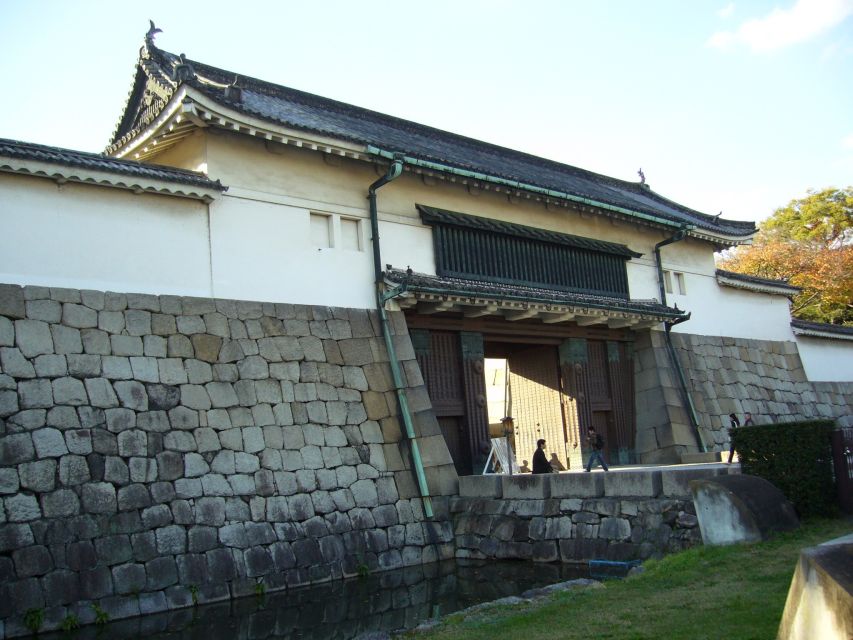
The final northwest choice gives the route a different flavor. Nijo Castle brings you into the world of shoguns, formal rooms, and the political side of Kyoto. It adds architecture and history after the temples and gardens, making the route feel well balanced.
Nishiki Market offers a more everyday side of the city. You can see food stalls and local commerce in a long covered market setting. Food is not included, so this may be the better choice if you want to combine sightseeing with a casual chance to browse and buy something to eat.
You should check which option is available when booking. The route description lists Nijo Castle or Nishiki Market, and they are not interchangeable experiences. Choose the castle for architecture and historic power, or the market for food culture and street life.
The southeast route: sake, shrines, and old Kyoto slopes
The southeast route is the better pick if you want Fushimi Inari and Kiyomizudera in the same day. It also adds sake culture, Sanjusangendo, and the traditional slopes around Kiyomizudera.
Sake brewery stop
Kyoto has a long connection with sake, and a brewery stop gives the route a useful local focus beyond temples and shrines. You can learn how the drink fits into Japanese food and customs while seeing a side of the city that a standard monument-only tour might skip.
The information provided does not specify a tasting or guarantee that drinks are included. Treat this as a brewery visit and cultural stop rather than assuming a full tasting experience. Food and drinks are excluded from the tour price.
Fushimi Inari Taisha
Fushimi Inari is famous for its long rows of orange torii gates. The shrine is dedicated to Inari, associated with rice, business, and prosperity, and the gates lead into the wooded hills behind the main shrine area.
The full mountain route can take much longer than a standard stop. On this seven-hour itinerary, your guide will help you see the main section while keeping the day moving toward the other attractions. Ask your guide how much walking is planned here if you have time or mobility concerns.
This stop brings a strong sense of movement and color to the day. It also differs from the formal temple gardens on the northwest route, so the southeast itinerary feels less like a repeat of the same type of attraction.
Sanjusangendo Temple
Sanjusangendo is known for its long hall and rows of Buddhist statues. It is a powerful interior stop, especially after the open-air paths at Fushimi Inari.
The temple adds a more focused art and religious experience to the route. You are not just seeing another building from the outside. The interior is the point, and the guide’s explanation can help you understand what makes the hall important.
Temple admission is included, which makes the stop easier to manage financially. As with the other temple visits, dress and behavior should be respectful, and photography rules may apply inside.
Kiyomizudera Temple
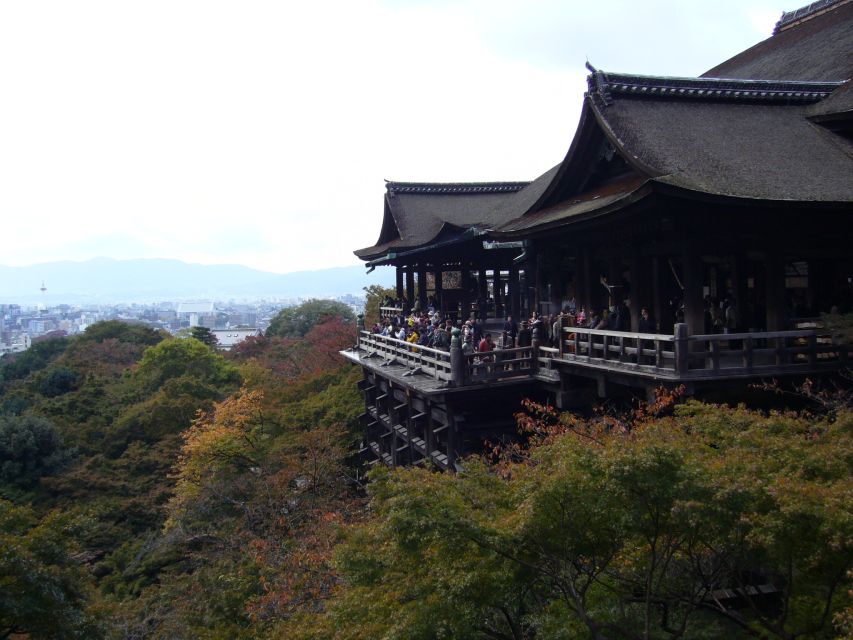
Kiyomizudera is one of Kyoto’s best-known temples, set on the eastern hills above the city. Its broad wooden stage and elevated setting provide a memorable finish to the temple portion of the day.
The approach is part of the experience. You reach the temple through the historic streets around the slopes, with Ninenzaka or Sannenzaka listed as part of the route. These streets are attractive but can be crowded and require walking on an incline.
This is one of the tour’s most rewarding stops, but it is not effortless. Wear shoes you can walk in and expect steps, slopes, and time on your feet. The guide can make the route easier to follow and explain the buildings and customs as you go.
Ninenzaka and Sannenzaka
The two slopes preserve a traditional Kyoto street setting near Kiyomizudera. They are lined with shops and old-style buildings, giving you a transition from formal religious sites to the city’s historic commercial side.
This is a good place to notice how Kyoto’s famous old quarters function as real streets, not just museum displays. You might find snacks, souvenirs, and small shops, though purchases are your responsibility.
The southeast route ends near Gion, so the slopes and nearby streets can lead naturally into an evening in eastern Kyoto. The separate Night Walk in Gion is suggested as a follow-up, but it is not included in this experience.
Your guide is the difference between seeing and understanding
The strongest part of this tour is the guide relationship. Names noted from past bookings include Mie, Choco, Choca, and Mei. Mie was described as friendly and well informed, with clear explanations of the Edo period and Japanese culture. Choca was praised for handling local transport and helping with lunch, while Mei was remembered for making the day both informative and fun.
That matters because Kyoto’s attractions can be visually impressive but confusing. A private guide gives you room to ask direct questions, spend more time where you are interested, and avoid carrying a large group’s pace.
The language offered is English. The guide is licensed, and the private arrangement is particularly useful for first-time visitors who want cultural explanations rather than a simple route through the city.
You should still tell the guide what matters most to you at the beginning. The published schedule includes four major attractions, so time is limited. If you care more about gardens than shopping, or sake than castles, say so early.
Timing, transport, and the amount of walking
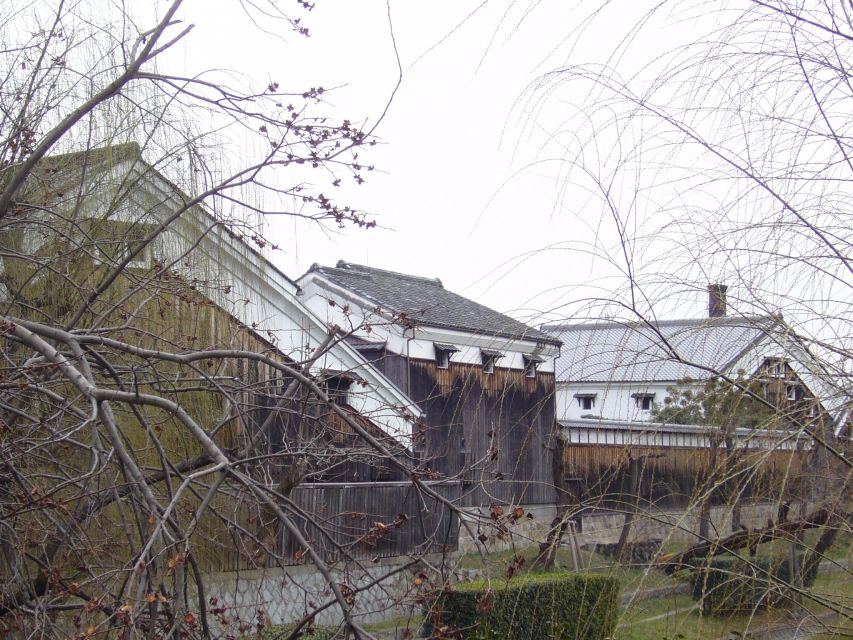
The tour begins at 9:00 at Hotel Granvia Kyoto in the JR Kyoto Station building, although the exact meeting point may vary by selected option. It is not a hotel pickup service, so you need to reach the central meeting point yourself.
Transportation is included. The guide can help you use Kyoto’s local systems, an advantage highlighted by one group that found it much easier to navigate with assistance. The one-day bus pass remains valid after the tour, giving you extra value if you continue sightseeing independently.
The day ends at 16:00. The route is described as finishing near Gion, while the meeting-point information also says the activity ends back at the meeting point. Because those details do not perfectly match, confirm the final drop-off point when you book.
Expect a fair amount of walking. The bamboo grove, temple grounds, shrine paths, and Kiyomizudera slopes all require time on foot. The schedule is described as leisurely, but the number of major sights means you should still wear comfortable shoes.
Is $215 per person good value?
For one person, $215 is a significant outlay. You are paying for a private licensed guide, included transport, temple entrance fees, and a full seven-hour day. Food, drinks, and hotel pickup are extra.
For a couple, family, or small private group, the cost becomes easier to justify because the guide fee is shared. The value is highest if you would otherwise spend time figuring out routes, translating cultural details, and deciding which sights to cut.
The tour is less appealing if you prefer wandering alone, want long unscheduled visits, or already know Kyoto well. You will see four major stops, not every important sight in the city. Booking both routes lets you reach eight locations at a more relaxed pace, but it also means paying for another tour day.
Who should book this Kyoto tour?
I would choose the northwest route for a first visit focused on classic Kyoto views. It gives you bamboo, two very different gardens, the Golden Pavilion, and a choice between a castle and a market.
I would choose the southeast route if Fushimi Inari and Kiyomizudera are at the top of your list. It offers more variety in religious sites, plus sake culture and historic streets.
This tour suits you if you want personal guidance, have only one open day, or feel unsure about Kyoto’s transport system. It is also a strong option for couples and small groups who can share the private price.
I would skip it if you want a cheap self-guided day or dislike fixed schedules. The route is carefully packed, and the major sights leave limited room for spontaneous detours.
FAQ
Where does the tour start?
The tour starts at 9:00 from Hotel Granvia Kyoto in the JR Kyoto Station building. The exact meeting point may vary depending on the option selected.
How long does the tour last?
The tour runs for seven hours, from 9:00 until 16:00.
Is the tour private?
Yes. You have a private licensed English-speaking guide rather than joining a shared group.
Which route should I choose?
Choose the northwest route for the Bamboo Grove, Ryoanji Temple, Kinkakuji, and Nijo Castle or Nishiki Market. Choose the southeast route for a sake brewery, Fushimi Inari Taisha, Sanjusangendo Temple, Kiyomizudera Temple, and Ninenzaka or Sannenzaka.
Can I take both routes?
Yes. Booking both tours allows you to visit eight different locations at a more relaxed pace.
Are entrance fees included?
Entrance fees for temples are included. Food and drinks are not included.
Is transportation included?
Yes. Transportation during the tour is included, and you receive a one-day bus pass that you can also use after the tour.
Does the tour include hotel pickup?
No. The tour includes pickup at a centrally located meeting point, but hotel pickup and drop-off are not included.
Should you book it?
Book this tour if you want Kyoto’s major sights explained by a private English-speaking guide and you value a smooth day more than the lowest price. The northwest route is the best all-round introduction, while the southeast route is the stronger choice for Fushimi Inari, Kiyomizudera, and old eastern Kyoto.
At $215 per person, this is a premium day, but the included transport, temple fees, bus pass, and personal guidance make the cost more reasonable for couples or small groups. Choose your route carefully, confirm the end point, and wear good walking shoes.
Just added around Kyoto
- Kyoto: Zen Meditation at a Private Temple with a Monk★ 5.0 · 25 reviews
- Kyoto: Gion Geisha District & Sake-in-Hand Walking Tour★ 5.0 · 37 reviews
- Private Pewter Sake Cup Experience with a Kyoto Artisan★ 5.0 · 31 reviews
- Your Private Vacation Photography Session In Kyoto★ 5.0 · 110 reviews
- Private Guided Traditional Buddhist Cooking in Japan★ 5.0 · 16 reviews
- Kyoto Wagashi(Japanese sweets) Cooking Class near Fushimiinari★ 5.0 · 60 reviews
- Traditional Japanese Music show & Experience Tour in Kyoto★ 5.0 · 57 reviews
- Kyoto:Family-Friendly Kimono & Yukata Experience at WARGO★ 5.0 · 147 reviews
Kyoto Tours, compared.


Fushimi Inari, Kinkakuji, Bamboo Grove 1 Day Bus Tour
Read our review →
Tea Ceremony in a Traditional Tea House in Kiyomizu
Read our review →
Kyoto Geisha Walking Tour: Gion District & Hidden Gems
Read our review →

Gion Magical Night Walking Tour with Geisha Trivia
Read our review →
