
Reviewed · TOKYO TOURS
Casual Japanese sake tasting and snack experience, Kabukicho
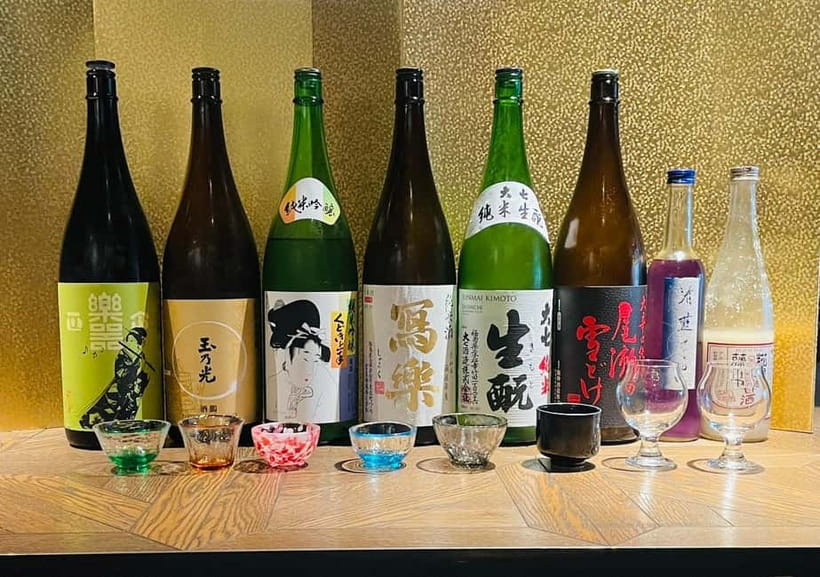
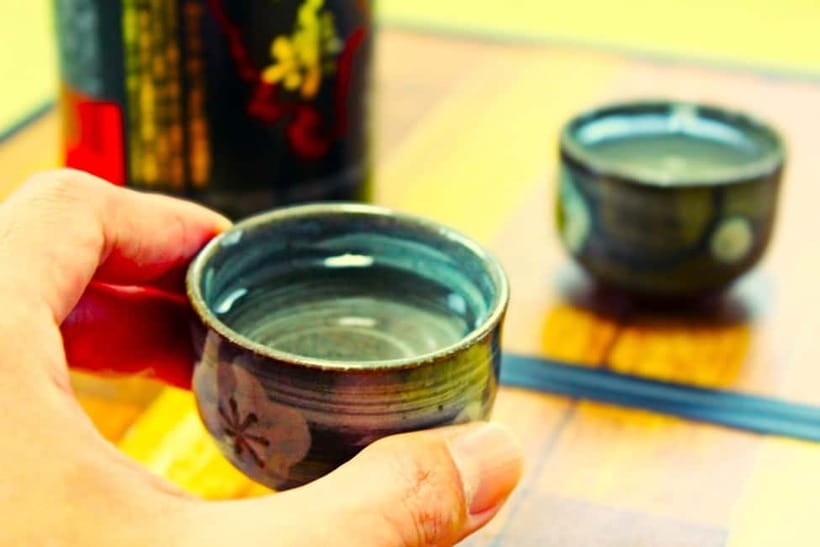
The clever part of this Kabukicho sake tasting is the comparison. You do not simply get one glass of sake and a quick explanation. You try eight selected drinks, including cold, hot, cocktail-style, and lower-alcohol options, with small Japanese snacks to show how food changes the taste. Amazake, a sweet rice-malt drink, finishes the session.
I like the gentle introduction for beginners and the small group limit of six. I also like the easy location, just five minutes from Shinjuku Station, and the way the tasting includes snacks rather than leaving you to judge each drink on an empty stomach. The main consideration is that some staff members have limited English, so a translation machine may be used. The activity is also upstairs without an elevator.
Key points at a glance
- Eight drinks to compare: Taste a range of Japanese sake and related drinks instead of judging the style from one sample.
- Hot, cold, and cocktail-style options: The changing serving styles make this more varied than a basic sake flight.
- Traditional snacks included: Small pairings help you notice how food affects the drink.
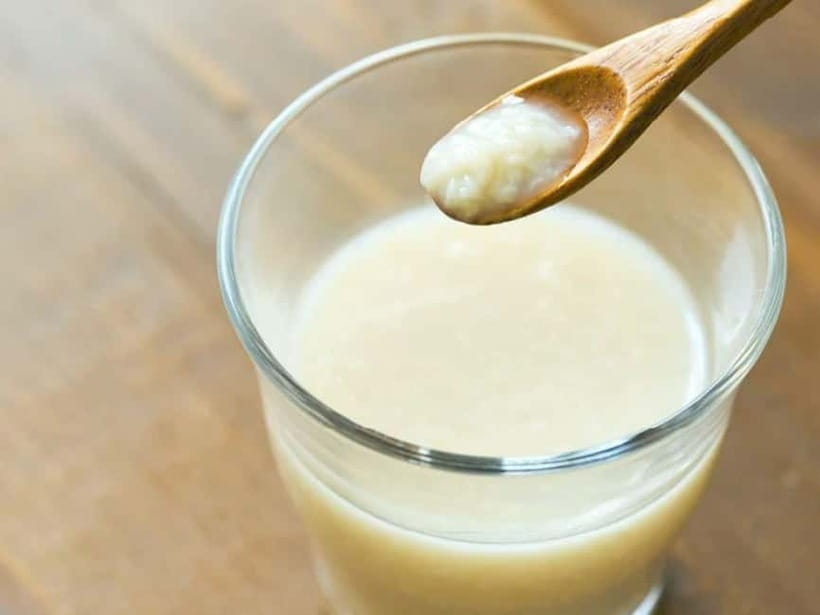
- Amazake for dessert: End with a sweet fermented rice drink that is different from standard sake.
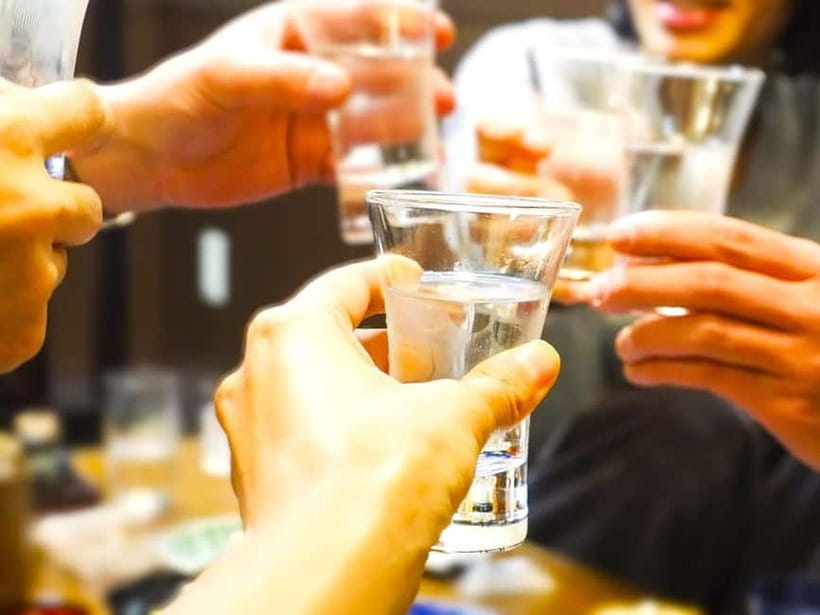
- Small group of six: The format gives you a better chance to ask questions and follow the tasting at your own pace.
- Five minutes from Shinjuku Station: The meeting point is easy to reach, but the sign can be hard to spot.
Eight drinks, one easy way to understand sake
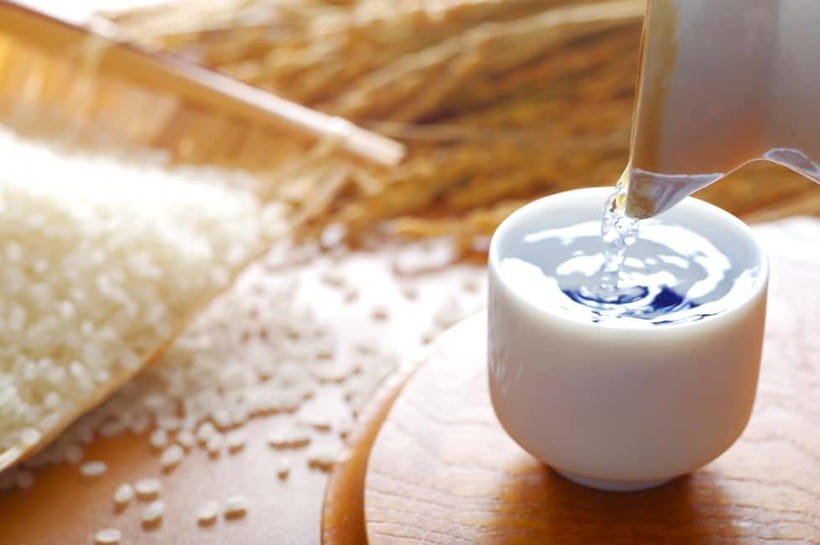
Sake can seem confusing at first. Labels often use Japanese terms, alcohol levels vary, and the same drink can taste quite different when served warm or chilled. This experience gives you a simple way to compare those changes side by side.
You begin with basic information about alcoholic drinks and sake. The average sake alcohol level is about 15 to 16 percent, though the tasting includes options that are lower or higher. That range matters because a lighter drink can feel quite different from a stronger one, even when both are made from rice.
The tasting is designed to build gradually. You start with a lower-alcohol sake, then move through other selected varieties. The point is not to memorize technical terms. It is to notice what you prefer: mild or strong, dry or sweet, warm or cold.
The selection may include sake served cold, sake served hot, and a cocktail-style drink. This is useful because many first-time drinkers assume sake has one fixed taste. It does not. Temperature and preparation can change the aroma, texture, and overall impression.
You will not be asked to make a formal judgment about every glass. Instead, you can compare at a comfortable pace and ask questions as you go. That relaxed setup is a good fit if you want a friendly introduction rather than a serious lesson in brewing.
More Sake Tastings in Tokyo
- Sake Tasting Masterclass in Shinjuku (8+ Varieties with a Pro)
★ 5.0 · 271 reviews - Tsukiji: Outer Market Walking Tour & Sake Tasting Experience
★ 4.9 · 81 reviews - Tsukiji: Unlimited Sake Tasting Experience
★ 4.9 · 67 reviews
Traditional snacks make the tasting easier
The snacks are more than decoration. Small Japanese bites give you something to eat between drinks and help show why sake is often served with food.
A salty or savory snack can make a dry sake seem softer. A richer bite may work better with a stronger drink. Even if the pairings are modest in size, they help you focus on the relationship between food and drink instead of tasting alcohol on its own.
I appreciate this part because the experience is not presented as a meal. You get enough food to support the tasting, but the main purpose remains comparison. Plan to eat before or after if you need a full lunch or dinner. Additional meals and drinks are not included in the price.
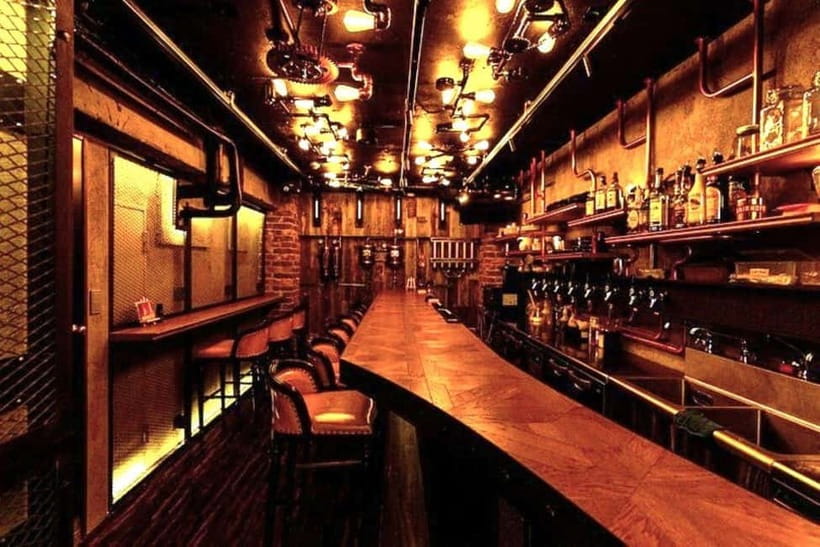
The setting is casual, which suits the subject. You are tasting in a bar environment on the second floor, rather than in a formal restaurant or a large classroom. That makes the session feel more like a local night out, though it also means the atmosphere may be less polished than a dedicated tasting room.
Amazake closes the session on a sweet note
The final drink is amazake, a sweet fermented beverage made from rice malt. It is served as a dessert and gives the tasting a clear finish.
Amazake is worth trying because it is not simply a sweet version of ordinary sake. It has its own place in Japanese food culture and is often associated with rice fermentation. The experience presents it as a dessert drink, so you get a contrast after the alcoholic samples.
This ending also makes the activity approachable for people who are unsure about sake. You are not finishing with the strongest drink in the group. Instead, you move toward something sweet and gentle.
The provided information describes amazake as fermented, but you should not assume every amazake contains alcohol. If that detail matters to you, ask the guide before drinking it.
What the guides add to the experience
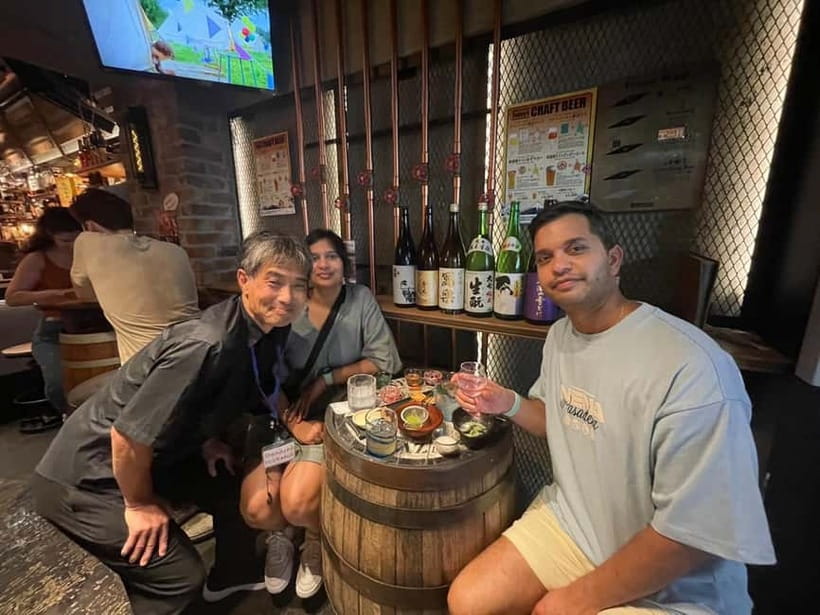
English and Japanese are listed as the working languages. Mai is named in the experience feedback as a friendly and welcoming guide who could explain the drinks and answer questions. You may not have Mai on every date, so treat the guide assignment as something that can vary.
Some staff members are not comfortable speaking much English. A translation machine may be used during explanations or questions. That is not necessarily a problem for a tasting built around simple comparisons, but it can make detailed questions about brewing, flavor, or ingredients slower.
I would keep your questions short and specific. Ask which drink is lower in alcohol, which is served warm, or which snack pairs best with a particular sample. Those are practical questions that can be handled clearly even if translation is needed.
The group size is limited to six people. That is one of the better features of the booking. A small group makes it easier to hear the introduction, compare notes, and ask for clarification. It also keeps the activity from feeling like a crowded bar event.
More sake tastings around Tokyo:
- Unlimited Sake Tasting with Sushi Omakase tasting in Tokyo
★ 4.0 · 44 reviews - Tokyo: 7 Kinds of Sake Tasting with Japanese Food Pairings
★ 4.9 · 37 reviews - From Tokyo: Mount Fuji, Cruise and Sake Tour
★ 3.9 · 36 reviews - Historic Kanda Sake Tasting at Tokyo’s Oldest Shop (1596)
★ 4.9 · 33 reviews
Finding the second-floor meeting point in Kabukicho
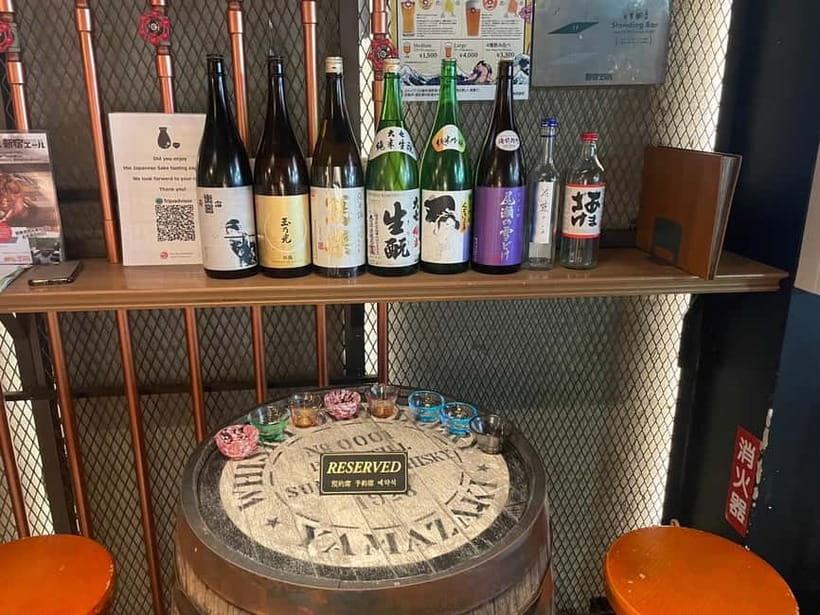
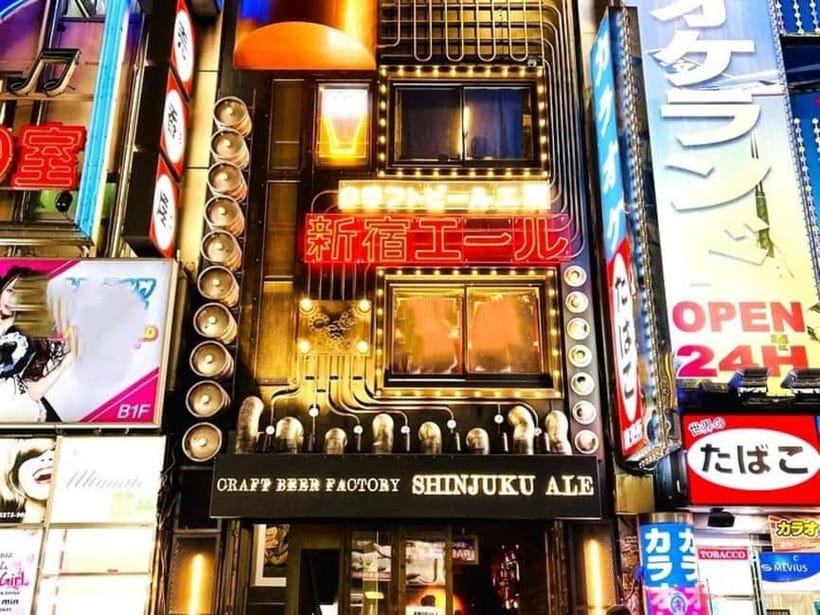
The meeting point is about five minutes from Shinjuku Station on the JR Yamanote Line. Walk along Kabukicho Central Road toward TOHO Cinemas. Look for Shinjuku Ale next to Karaoke 747 on your right.
The location is convenient once you are on the correct street, but the venue sign may not be as visible as you expect. Give yourself a few extra minutes, especially if Shinjuku is unfamiliar to you. The listed Google Plus Code is MPV2+VR Shinjuku City, Tokyo.
The tasting takes place on the second floor of the bar. There is no elevator, so the activity is not wheelchair accessible. If stairs are a concern, contact the provider before booking rather than assuming the venue can make an adjustment.
Kabukicho has a lively nightlife setting, and some side streets can feel less comfortable if you arrive alone or late. Stick to the main route toward TOHO Cinemas and use the meeting instructions carefully. The activity itself is centered on the bar, not on a walking tour of the neighborhood.
Is $38 a fair price?
The price is $38 per person, with all fees and taxes included. That covers the eight-drink comparison, the traditional snacks, and the tasting format. Transportation, extra drinks, and additional food cost more.
For a first introduction to Japanese sake, I consider that a reasonable price. Buying eight separate drinks on your own could quickly cost more, and you would lose the guide’s structure and food pairings. The small group also adds value because you are not simply standing at a busy counter with a printed list.
The value is weaker if you already know sake well and mainly want a large pour or a full meal. This is a tasting, not a bar crawl and not dinner. Portions are intended for comparison, so you should not book it expecting an evening of unrestricted drinking.
The price makes the most sense for someone who wants an organized introduction before visiting sake bars or shops independently. You get a broad sample in one sitting and can use your preferences to guide later purchases.
Who will enjoy this tasting most?
This is a strong choice for first-time sake drinkers. The explanations begin with basic alcoholic beverages, start with a lower-alcohol option, and move through several styles. You do not need prior knowledge to take part.
It also suits couples, friends, and solo bookers who enjoy food and drink experiences in small groups. The six-person limit gives the activity a social feel without the scale of a large tour.
You may enjoy it if you are curious about differences in serving temperature. The cold, hot, and cocktail-style samples show that sake is not limited to one traditional presentation.
I would be more cautious if you want a full meal, extensive brewing theory, or a polished English-only lecture. The tasting is casual, and translation support may be necessary. It is also not suitable for anyone under 20 or for pregnant women.
Because the activity involves alcohol tasting, you should plan your evening sensibly. The details describe it as an experience to taste and enjoy Japanese sake, not as a way to drink heavily.
Practical booking details that affect your choice
The booking information lists the duration as one day, but this is presented as a tasting experience with a starting time selected through availability. Check the date and time carefully when you book so it fits your Shinjuku plans.
You can reserve now and pay later, which helps if your Tokyo schedule is still changing. Free cancellation is available up to 24 hours in advance for a full refund.
The experience provider is Bancre Inc. English and Japanese support are available, but staff language ability can vary. Keep the meeting details saved offline if your mobile connection is unreliable, since the venue is located inside a busy entertainment district.
All fees and taxes are included. Hotel pickup and drop-off are not provided, so you must reach the Shinjuku meeting point yourself.
How this fits into a Shinjuku day
The tasting works well as a planned stop before dinner or nightlife in Kabukicho. Since it is close to Shinjuku Station, you can pair it with other central Tokyo plans without arranging a long transfer.
Do not treat the activity as a neighborhood sightseeing tour. The value is indoors, in the guided comparison of drinks and snacks. You may see the surrounding Kabukicho streets on the way in, but the booking does not include a guided walk or a visit to a brewery.
I would avoid scheduling it when you are rushing to catch a train or restaurant reservation. The meeting point can take a little effort to identify, and the translation process may make questions take longer. A calm schedule will let you pay attention to the tasting instead of watching the clock.
My recommendation for the $38 experience
Book this if you want an easy, social introduction to Japanese sake and like the idea of comparing eight drinks in one sitting. The combination of lower and higher alcohol options, hot and cold servings, cocktail-style preparation, snacks, and amazake gives you more range than a basic sake sample.
The strongest reasons to choose it are the small group, the beginner-friendly progression, and the convenient Shinjuku location. Mai may guide some sessions, though staff can vary, and a translation machine may be part of the conversation.
Skip it if you want a full dinner, a long technical class, or completely fluent English instruction. Also check the stairs, age rules, and alcohol restrictions before booking.
For most curious first-timers, $38 is a fair price for a compact tasting that helps you understand what you actually like. Just arrive with enough time to find the second-floor entrance, and do not expect the included snacks to replace a meal.
FAQ
Where does the sake tasting take place?
It takes place near Shinjuku Station in Kabukicho, at Shinjuku Ale next to Karaoke 747. The venue is on the second floor.
How far is the meeting point from Shinjuku Station?
The meeting point is about a five-minute walk from Shinjuku Station on the JR Yamanote Line.
How do I find the venue?
Walk along Kabukicho Central Road toward TOHO Cinemas. Shinjuku Ale is on your right, next to Karaoke 747. The Google Plus Code is MPV2+VR Shinjuku City, Tokyo.
How many drinks are included?
The tasting includes eight selected types of drinks, including different sake styles and presentations.
Are both hot and cold drinks included?
The experience includes a comparison of drinks served in different ways, with cold, hot, and cocktail-style options identified in the activity details.
Is food included?
Traditional Japanese snacks are included as pairings. Additional meals and drinks are not included.
Is amazake part of the tasting?
Yes. Amazake is served as a dessert at the end. It is described as a sweet fermented drink made from rice malt.
Is the activity suitable for someone new to sake?
Yes. The tasting begins with simple information about alcoholic drinks and includes a lower-alcohol sake, making it suitable for first-time drinkers.
What languages are available?
The listed languages are English and Japanese. Some staff members have limited English, so a translation machine may be used.
Is the venue wheelchair accessible?
No. The tasting is on the second floor and there is no elevator.
Who cannot join the activity?
People under 20 and pregnant women should not join this sake tasting.
How large is the group?
The activity is limited to six participants.
What does the $38 price include?
The price includes all fees and taxes, the sake and other tasting drinks, and the traditional snack pairings. Transportation, hotel pickup, hotel drop-off, additional meals, and extra drinks are not included.
Can I cancel for a full refund?
Yes. You can cancel up to 24 hours in advance for a full refund.
Can I reserve before paying?
Yes. The reserve now and pay later option lets you hold a place without paying at the time of booking.
More Food Tours in Tokyo
- Tokyo: Shinjuku Food Tour (13 Dishes at 4 Local Eateries)
★ 5.0 · 6,603 reviews - Tokyo Tsukiji Fish Market Food and Culture Walking Tour
★ 5.0 · 3,184 reviews - Tokyo: Shinjuku Food Tour (15 Dishes and 4 Eateries)
★ 4.9 · 2,033 reviews - Tokyo: Tsukiji Fish Market Food and Walking tour
★ 5.0 · 1,724 reviews
More Drinks-Led Nights in Tokyo
- Tokyo Bar Hopping Tour in Shinjuku (All-You-Can-Drink + Dinner)
★ 5.0 · 3,587 reviews - Best of Shinjuku: Izakaya Food Tour (4 Stops, 14+ Tastings)
★ 5.0 · 1,863 reviews - Tokyo: Shinjuku Local Bar and Izakaya Guided Walking Tour
★ 4.9 · 1,794 reviews - Shibuya Meltdown Nightlife Tour: All-You-Can-Drink Bar Hopping
★ 5.0 · 1,058 reviews
Just added around Tokyo
- Private Arrival Transfer : Narita International Airport to Central Tokyo City★ 4.5 · 12 reviews
- Narita Airport(NRT): Private Transfer to Tokyo/Yokohama 1-9pax★ 5.0 · 47 reviews
- Private Transfer from Narita Airport to Yokohama Port and City★ 4.5 · 17 reviews
- [Narita Airport Terminals 1, 2] 40-60km Sawara Itako Historic Bike Tour★ 5.0 · 13 reviews
- 3 Day Japan Highlights Tour: Tokyo, Mt.Fuji, Nara, Kyoto, Osaka★ 5.0 · 22 reviews
- The 10 Tastings of Tokyo With Locals: Private Street Food Tour★ 5.0 · 48 reviews
- Small Town in the Big City: Tasting Tokyo’s Kichijoji★ 5.0 · 195 reviews
- Small Town in the Big City: Tasting Tokyo’s Kichijoji★ 5.0 · 16 reviews
Tokyo Tours, compared.

Mt Fuji and Hakone 1-Day Bus Tour Return by Bullet Train
Read our review →
teamLab Planets TOKYO Digital Art Museum Entry Ticket
Read our review →
Mt Fuji & Hakone Cruise, Drum Show Bullet Train 1 Day from Tokyo
Read our review →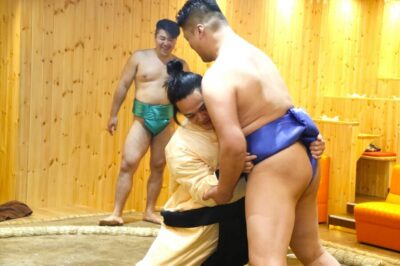
Sumo Show Experience with Chicken Hot Pot and a Photo
Read our review →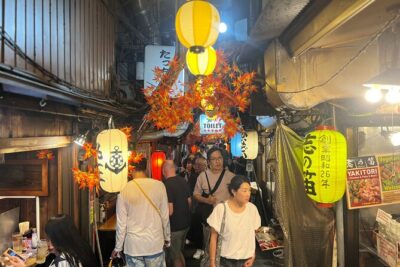
Shinjuku Food Tour (13 Dishes at 4 Local Eateries)
Read our review →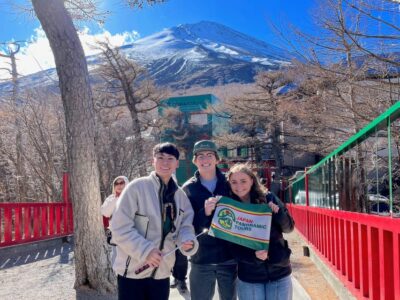
Tokyo Mt Fuji 5th St & Hakone Cruise Bus Tour w/Bullet Train
Read our review →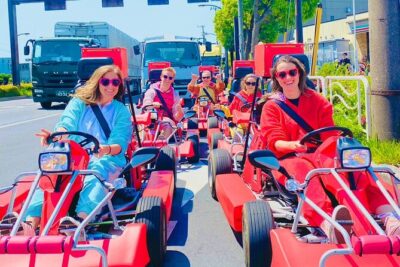
Flagship 2-Hours Official Street Go-Kart Tour – Tokyo Bay Shop
Read our review →Browse the lists this tour appears in