
Reviewed · KYOTO TOURS
Kyoto & Nara Private Customized, Guided Tour
Kyoto’s temples, Nara’s deer, and Osaka’s neon streets make a tempting list for one day, but fitting them together is no small job. This private tour lets you choose the mix, ride in an air-conditioned van, and avoid the usual group-tour shuffle. The custom plan is the main attraction.
I like the door-to-door pickup and the chance to shape the day around your own priorities. I also like the comfortable sofa-style seats, especially when you are crossing several cities. The catch is that the guiding can vary. Dhanush and Danush have been praised for clear explanations and thoughtful help, while some customers received mostly transportation with little historical commentary.
Key points to know before booking
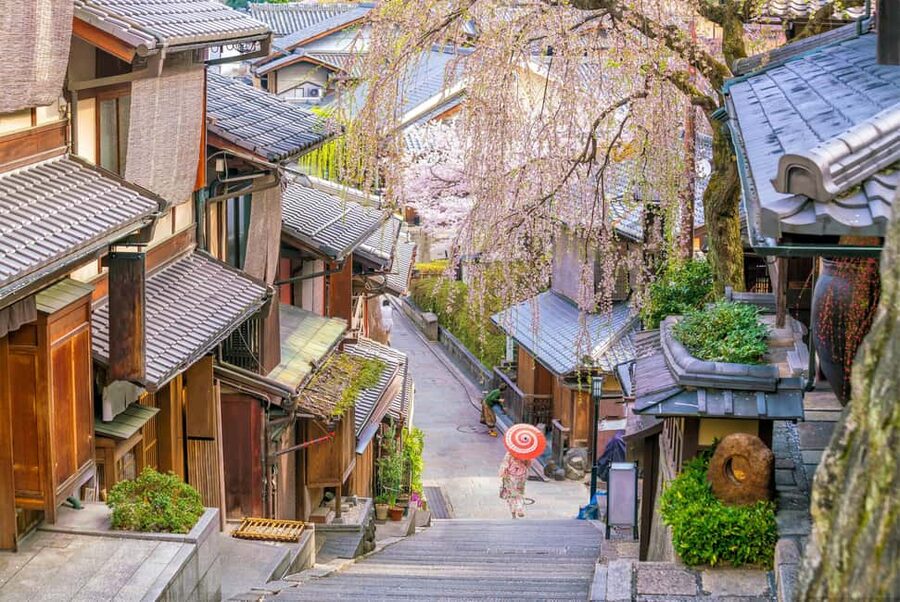
- Choose your city combination: Build a day around Kyoto and Nara, Kyoto and Osaka, or Osaka and Nara.
- Expect a packed schedule: Arashiyama, Kinkaku-ji, Fushimi Inari, Nara Park, Kiyomizu-dera, and Nishiki Market fill the sample route.
- Use the private format wisely: Up to six people can agree on fewer, longer stops instead of racing through every sight.
- Plan for extra costs: Food, drinks, and admission tickets are not included, and pickup outside Kyoto may cost more.
- Wear practical shoes: You will walk through temple grounds, market lanes, and park paths during a 10-hour day.
- Bring cash: The tour information warns that many places do not accept cards.
A private day for seeing a lot of Japan
This is best understood as a private sightseeing framework rather than one fixed tour. You get a driver-guide, private transportation, pickup and drop-off, and ten hours to arrange the day around your interests. The main choices are Kyoto, Nara, and Osaka, with Kyoto and Nara receiving the strongest recommendation because they offer the most historic sights in one outing.
That flexibility matters. You might want Kyoto’s temples and traditional neighborhoods, while your family cares more about deer and the Great Buddha in Nara. Another group may prefer Osaka’s food and entertainment districts. You can ask to adjust the plan instead of following a rigid list.
The sample route is ambitious. It includes Arashiyama, Kinkaku-ji, Fushimi Inari Taisha, Nara Park, Kiyomizu-dera, and Nishiki Market, with driving between the stops. That gives you a broad introduction, but not much time for slow wandering. I would treat the published route as a menu, not a command. Pick the sights that matter most to you.
For a private group of six, the $438 group price works out to about $73 per person before admission fees and meals. That is a fair value if you are splitting the cost and want a driver, air conditioning, pickup, and a plan built around your group. For one or two people, the price is much harder to justify than a shared train-and-walking day.
A few more Kyoto half-days to weigh up
- PERFECT KYOTO 1-Day Bus Tour
★ 5.0 · 13,518 reviews - Kyoto: Fushimi Inari, Kinkakuji, Bamboo Grove 1 Day Bus Tour
★ 4.8 · 4,316 reviews - Kyoto: Tea Ceremony in a Traditional Tea House in Kiyomizu
★ 4.9 · 3,519 reviews
Arashiyama opens the day with scenery and temples
The sample schedule begins with a 30-minute van ride to Arashiyama, followed by about 90 minutes at the site. Arashiyama is one of Kyoto’s best-known areas, and the appeal comes from having several kinds of scenery and culture close together.
You can expect a guided visit and general sightseeing rather than a single narrowly defined attraction. The area is associated with temples, traditional Kyoto scenery, and the famous bamboo setting. The one-and-a-half-hour stop gives you enough time for a useful first look, photographs, and a guided explanation, but it is not a leisurely exploration of every corner.
I would ask your guide before departure exactly what you will see in Arashiyama. Since this is a customizable tour, the answer can depend on your interests, timing, and the rest of the route. If Arashiyama is your top priority, consider giving it more time and dropping one of the later stops.
Kinkaku-ji brings the famous golden view
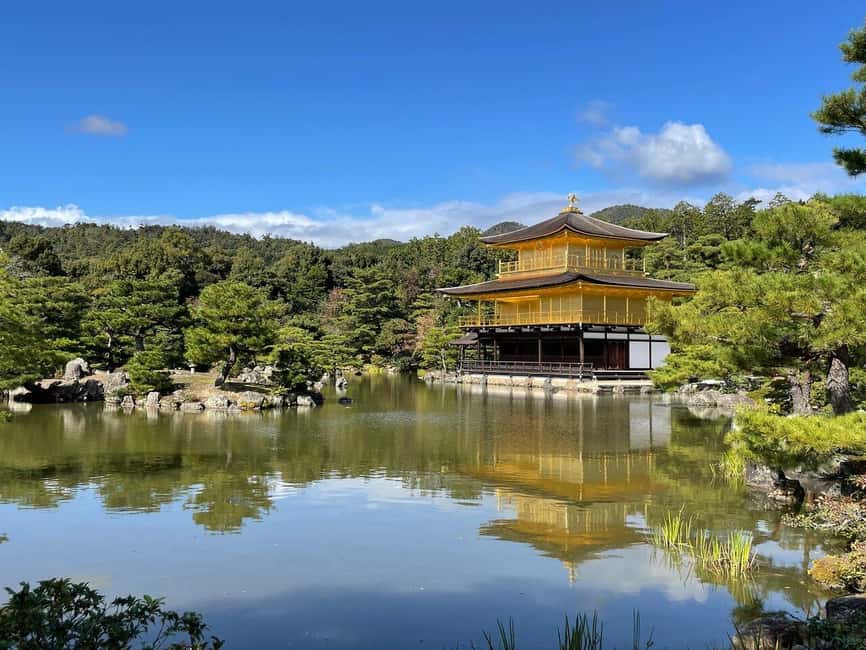
The drive from Arashiyama to Kinkaku-ji is listed at about 35 minutes, with an hour for a visit, guided tour, and photographs. Kinkaku-ji, the Golden Pavilion, is one of Kyoto’s instantly recognizable sights. Its bright exterior reflected in the surrounding pond makes it a strong choice for a first visit and an easy place to appreciate Japanese temple design.
The stop is short but sensible for a photo-focused visit. You can walk through the grounds, hear about the building’s place in Kyoto’s religious and cultural story, and take the classic view before moving on.
Do not expect an hour here to feel expansive. The attraction can be busy, and the experience follows a set visitor path. If you want quiet contemplation or detailed architectural study, you may need more time than the standard schedule allows. Still, for a first overview of Kyoto, Kinkaku-ji earns its place.
Admission is not included, so budget separately for entry tickets. The experience advertises skip-the-ticket-line access, but you should still confirm how that applies to each attraction when booking.
Fushimi Inari is more than a quick photo stop
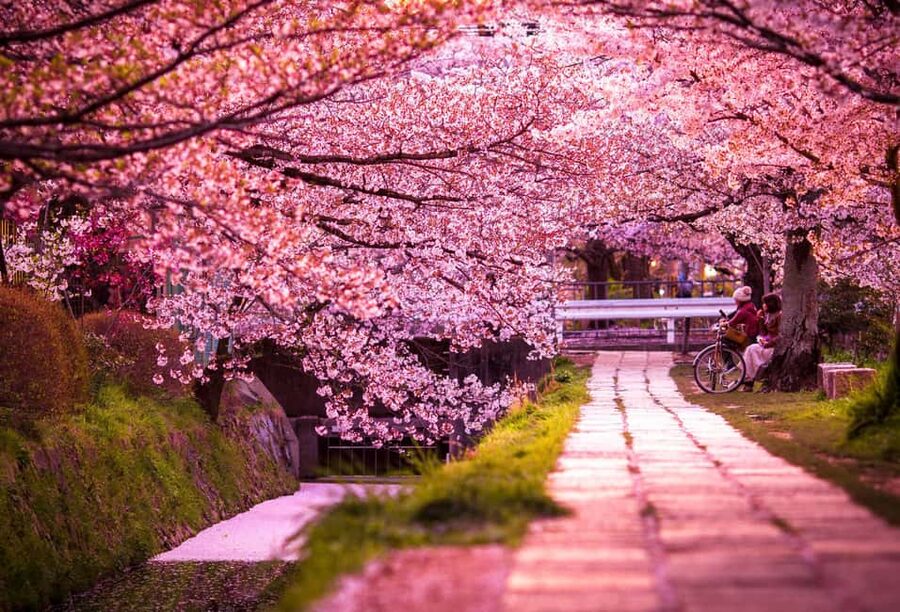
The next drive is another 35 minutes, followed by about an hour at Fushimi Inari Taisha. The shrine is famous for its long rows of orange torii gates, which climb into the wooded hills behind the main grounds.
An hour lets you see the lower shrine area and walk beneath a portion of the gates. It does not allow a full climb through the entire route. That is not necessarily a problem. The lower section offers the most recognizable views, while a longer hike requires more time, energy, and suitable footwear.
This is one of the places where a private guide can help you use your time well. Ask for the meaning of the shrine customs, the role of the torii gates, and the difference between the main buildings and the mountain path. The tour promises cultural and historical explanation, but the quality of that explanation depends on the individual guide. Some customers found Dhanush or Danush informative and engaging. Others said their driver offered only a few comments.
If Fushimi Inari matters to you, say so clearly. You may prefer a shorter visit here to protect time for Kiyomizu-dera or Nishiki Market, or you may want to cut another stop and walk farther up the mountain.
Same base, a completely different sort of day:
- Kyoto Geisha Walking Tour: Gion District & Hidden Gems
★ 4.7 · 3,273 reviews - Kyoto: Tea Ceremony Ju-An at Jotokuji Temple
★ 4.9 · 3,207 reviews - Kyoto: Gion Magical Night Walking Tour with Geisha Trivia
★ 4.9 · 2,393 reviews - Kyoto: 45-Minute Tea Ceremony Lesson Experience
★ 4.3 · 2,378 reviews
Nara Park offers the day’s most unusual encounter
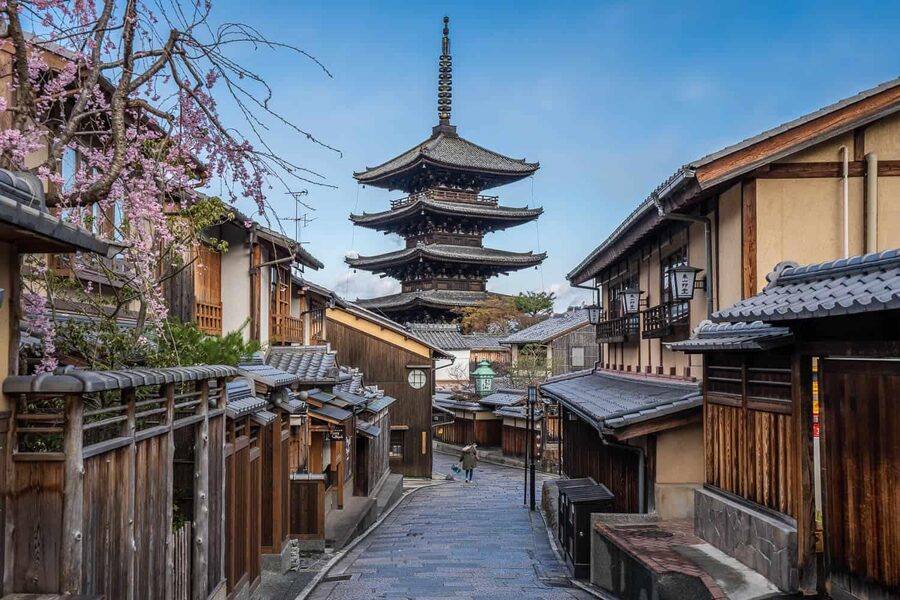
The route then heads to Nara Park, with about 95 minutes for photographs, a guided visit, and wildlife viewing. The friendly deer are the obvious draw, but the park also gives you a chance to connect the city’s open spaces with its major Buddhist monuments.
You may feed the deer if food is available, but use care and follow the local instructions. The animals are accustomed to people and can be persistent when they expect a snack. Keep your belongings close and pay attention around children.
The published schedule does not list a separate visit to Todai-ji Temple, though the tour description highlights it as a priority option. If seeing the Great Buddha is important to you, confirm that Todai-ji is included and ask how the admission fee will be handled. Nara’s main sights are not all interchangeable, and a quick park visit is different from a temple visit.
The Kyoto and Nara combination makes strong sense for a first day. Kyoto gives you shrine and temple architecture, while Nara adds an older capital, broad parkland, deer, and the possibility of Todai-ji. The drawback is the road time between cities. You see a lot, but you spend part of the day in the van.
Kiyomizu-dera closes the temple portion
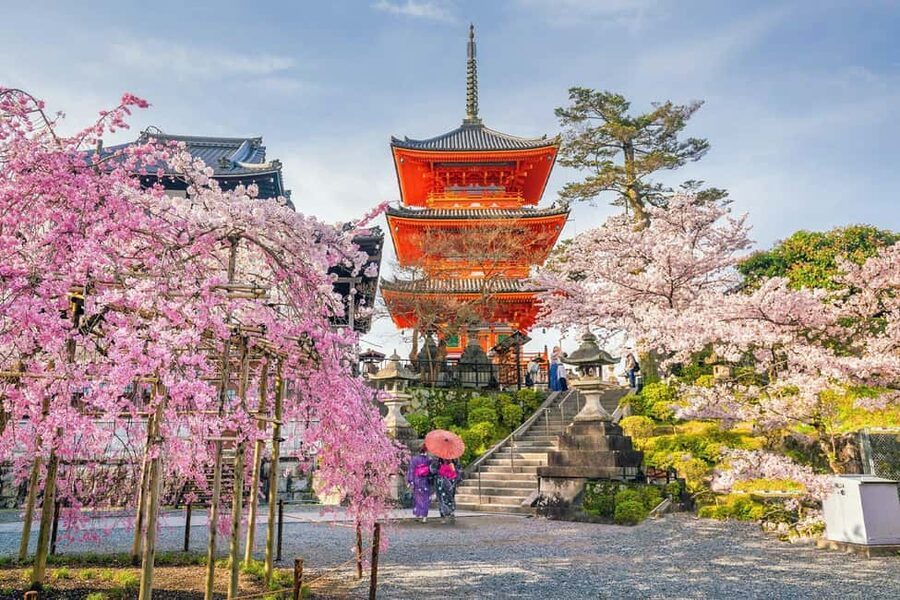
Kiyomizu-dera receives about an hour for a guided visit, sightseeing, and photographs. Perched on a hillside, the temple is known for its large wooden stage and views across Kyoto. It is also one of the city’s most rewarding places for understanding how architecture, religious practice, and scenery work together.
The walk through the approach and temple grounds can be crowded. Comfortable shoes are essential, and the day’s walking may feel tiring by this point. An hour gives you a clear introduction, but it leaves little room for nearby lanes, shops, or a slow look at every building.
I would put Kiyomizu-dera high on the list for first-time visitors. The views help you understand Kyoto’s scale, and the setting feels different from the lowland shrine at Fushimi Inari or the pond at Kinkaku-ji. If your group includes anyone with limited mobility, discuss the planned walking route in advance. The tour is listed as wheelchair accessible, but individual temple paths and crowded approaches can still affect how comfortable the stop feels.
Nishiki Market adds everyday Kyoto
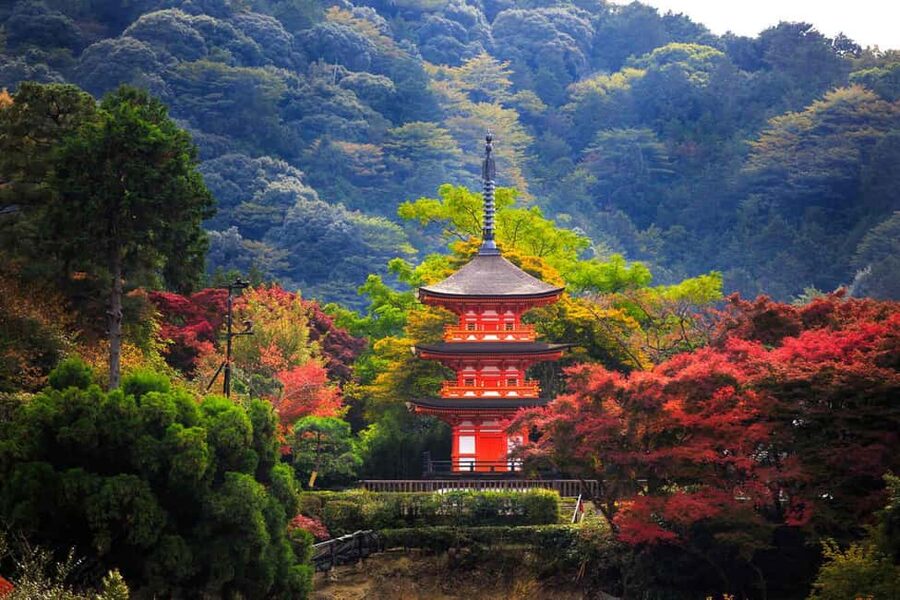
The last major stop is Nishiki Market, with about an hour for photographs, guided sightseeing, and independent browsing. This is where the tour can shift from grand religious sites to food, shopping, and ordinary city life.
Nishiki is a useful place to ask questions about Japanese ingredients, cooking traditions, local snacks, and market customs. Food and drinks are not included, so this is the natural point to buy something at your own expense. Bring cash, since the tour information warns that cards are not accepted in many places.
An hour is enough to look along the market and make a few purchases, but it is not a full food crawl. Also remember that a market is an active shopping area, not a staged cultural display. Be polite about photographs, keep moving when the lane is crowded, and ask before photographing vendors or products up close.
If your group prefers food and shopping to another temple, Nishiki Market is a good custom choice. If you are trying to cover Kyoto, Nara, and Osaka in one day, it may be better to choose one market or entertainment area rather than several short stops.
Osaka works best as its own focus
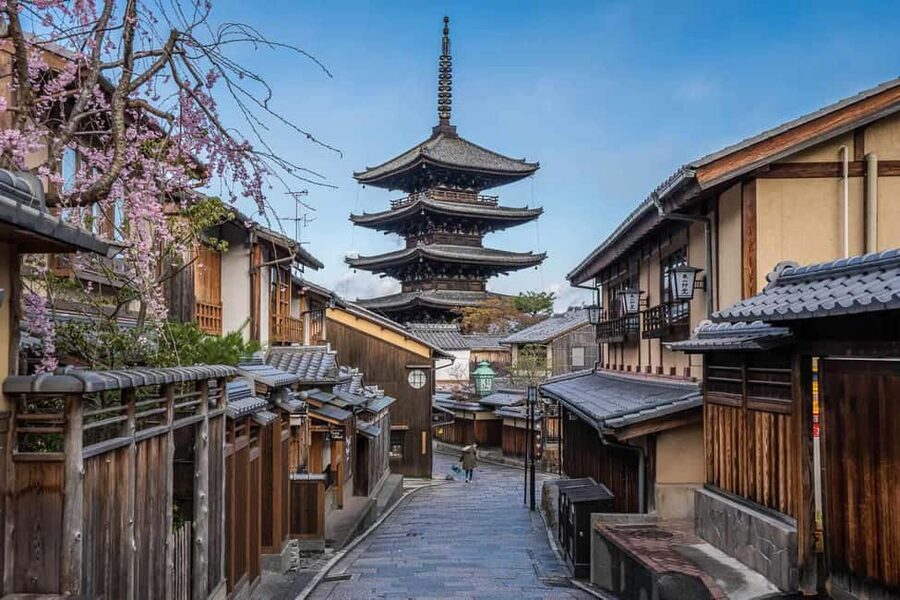
Osaka is available as part of a Kyoto and Osaka or Osaka and Nara plan. The strongest named Osaka option is Dotonbori, known for neon signs, street food, and entertainment. The information does not give a fixed Osaka schedule, so you should state your priorities before the day begins.
This is important because Osaka and Kyoto offer very different moods. Kyoto rewards temple visits, gardens, old streets, and traditional culture. Osaka is better suited to food, shopping, and nighttime energy. Trying to combine several Kyoto temples with Dotonbori and Nara can turn the day into a checklist.
For Osaka, I would choose a small number of clear goals. You might ask for Dotonbori and a food-oriented stop, or focus on Osaka alone rather than adding a distant city. The private vehicle helps with comfort, but traffic can still eat into sightseeing time.
The guide makes or breaks the experience
The most important variable is not the van. It is the person in the front seat. The tour is sold with an English-speaking guide, and live guiding is also available in Hindi, Japanese, and Urdu. Past experiences have ranged from excellent explanation to very limited commentary.
Dhanush and Danush have both been praised for keeping groups comfortable, sharing local information, taking photographs, and adjusting the route to match personal choices. One customer specifically appreciated having Danush act as a personal photographer during a Kyoto day. Another found the driver polite and helpful but said he did not really guide or explain the sites.
That difference is worth addressing before you book. Send a clear note about the kind of guide you want: historical detail, help with photographs, family pacing, food advice, or simple transportation. At the start of the day, confirm the order of stops and ask how much time you have at each place.
If explanation is central to your plans, keep your expectations realistic. This is a private driver-guide service, and the guiding standard may not be as consistent as it would be with a specialist historian leading one attraction. The strongest experiences appear to come when the assigned guide actively shares context and responds to the group.
Comfort helps, but traffic still counts
The air-conditioned private van has sofa-style seats, which is a practical benefit on a full 10-hour outing. Pickup and drop-off are included in Kyoto, Osaka, and Nara. Kobe is listed among the pickup and drop-off choices, but the conditions also say that locations outside Kyoto may incur additional charges, so confirm the exact fee for your address.
The vehicle saves you from changing trains, finding stations, and carrying bags through busy areas. That convenience has real value for families, older people, and groups that want to stay together. It also makes a custom route possible across cities that would require more planning by public transportation.
Still, private transportation does not defeat Japanese traffic. The schedule includes several drives of around 30 to 35 minutes, and the actual time can vary. If delays occur, additional time is promised at no extra cost, which is reassuring, but a late finish may still affect dinner or evening plans.
I would avoid booking demanding evening commitments after this tour. Give yourself breathing room, especially if you are combining Kyoto with Nara or Osaka.
What the price includes, and what it does not
At $438 for up to six people, the cost is charged by group rather than per person. Six people sharing the van receive the strongest value. A couple pays much more per person, but may still decide the convenience is worth it after a long flight, with children, or with limited confidence using local transportation.
Included are pickup and drop-off, private transportation, the air-conditioned vehicle, and an English-speaking guide. The comfortable seats are a nice touch for a day with repeated drives.
Food, drinks, and entry tickets are extra. You should also carry cash, since many locations may not accept cards. Build those costs into your day rather than treating the tour price as the complete budget.
The booking terms are flexible: you can reserve now and pay later, and cancellation up to 24 hours before the experience is eligible for a full refund. The tour is also listed as wheelchair accessible. These details are useful, but I would still discuss the exact route and walking needs with the provider before finalizing a plan.
Who should book this Kyoto day
I would recommend this experience most strongly to a private group of four to six people that values convenience and wants a quick first look at several major sights. It is also a good match if you have a must-see list but do not want to build a complicated route yourself.
Families may appreciate the private vehicle and the ability to adjust the pace. Groups with mixed interests can also benefit: one person gets temples, another gets the market, and everyone gets a say in the schedule.
I would be more cautious if you want a slow, scholarly temple tour. Six major stops plus city transfers leave little time for lingering, and the guide’s level of historical explanation may vary. I would also avoid trying to force all three cities into one day unless seeing a broad sample matters more to you than time at each place.
Should you book it?
Book this tour if you want a flexible private day, comfortable transportation, and the freedom to choose between Kyoto, Nara, and Osaka. The best value comes with a group of up to six, a short must-see list, and a clear conversation with the guide about history, pacing, and photography.
Choose a more focused plan if you want depth. Kyoto and Nara make the strongest pairing, while Osaka deserves its own attention if food and entertainment are your main goals. Ask for the sights that matter most, confirm admission costs and any pickup surcharge, wear good shoes, and bring cash. With those expectations in place, this can be an efficient and personal introduction to the Kansai region.
FAQ
How long is the private tour?
The tour lasts 10 hours. Starting times depend on availability.
How many people can join the private tour?
The price covers one private group of up to six people.
Where can pickup and drop-off take place?
Pickup and drop-off are provided in Kyoto, Osaka, and Nara. Kobe is also listed as an option, but additional charges may apply outside Kyoto, so confirm the cost for your location.
Which languages are available for the guide?
Live guiding is available in English, Hindi, Japanese, and Urdu.
Are admission tickets and meals included?
No. Food, drinks, and attraction entry tickets are not included in the tour price.
Can the itinerary be changed?
Yes. The tour is customizable, so you can set your own itinerary and choose among Kyoto, Nara, and Osaka attractions.
Is the tour wheelchair accessible?
The activity is listed as wheelchair accessible. You should still discuss your preferred route and any specific mobility needs when arranging the itinerary.
Just added around Kyoto
- Kyoto: Zen Meditation at a Private Temple with a Monk★ 5.0 · 25 reviews
- Kyoto: Gion Geisha District & Sake-in-Hand Walking Tour★ 5.0 · 37 reviews
- Private Pewter Sake Cup Experience with a Kyoto Artisan★ 5.0 · 31 reviews
- Your Private Vacation Photography Session In Kyoto★ 5.0 · 110 reviews
- Private Guided Traditional Buddhist Cooking in Japan★ 5.0 · 16 reviews
- Kyoto Wagashi(Japanese sweets) Cooking Class near Fushimiinari★ 5.0 · 60 reviews
- Traditional Japanese Music show & Experience Tour in Kyoto★ 5.0 · 57 reviews
- Kyoto:Family-Friendly Kimono & Yukata Experience at WARGO★ 5.0 · 147 reviews
Kyoto Tours, compared.


Fushimi Inari, Kinkakuji, Bamboo Grove 1 Day Bus Tour
Read our review →
Tea Ceremony in a Traditional Tea House in Kiyomizu
Read our review →
Kyoto Geisha Walking Tour: Gion District & Hidden Gems
Read our review →

Gion Magical Night Walking Tour with Geisha Trivia
Read our review →
