Reviewed · KYOTO TOURS
Kyoto: Ninnaji Temple Entry Ticket
Ninnaji Temple is at its most special when you look beyond the famous gate and pagoda. Its late-blooming Omuro sakura gives Kyoto a final burst of spring color, while the temple’s gardens, palace buildings, and quiet paths make a $5 entry ticket feel like a sensible use of your sightseeing budget. I especially like the chance to walk the two-hour Omuro Pilgrimage course and the option to add the Reihokan Museum, where Ninnaji’s important cultural objects are kept. The main catch is timing: the cherry blossom area can require an extra fee, and that fee changes with the bloom period.
I also like that this is not only a spring stop. Autumn brings red and yellow leaves, summer brings Buddhist ceremonies, and winter can turn the Japanese gardens and Goten Palace into a calm snow scene. The temple closes earlier in winter, and ticket booths shut 30 minutes before closing, so a late arrival can cut your visit short.
Key points to know before you go
- Late-blooming Omuro sakura: Ninnaji is one of Kyoto’s best places for cherry blossoms after many other famous viewing spots have faded.
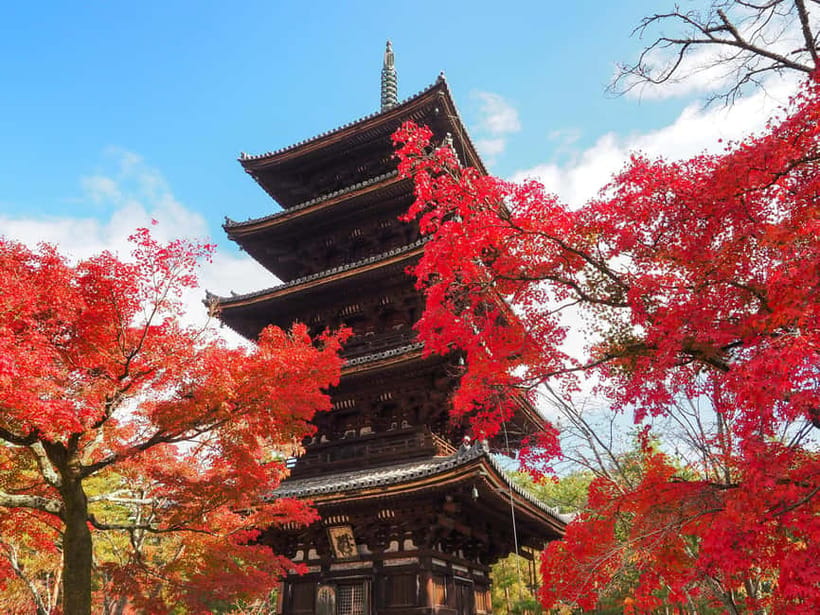
- Five-story pagoda views: The pagoda gives the temple grounds a memorable focal point and helps make the visit feel distinctly Ninnaji.
- Two-hour pilgrimage walk: The Omuro Pilgrimage course offers a shorter version of the Shikoku Pilgrimage, with nature and seasonal scenery along the way.
- Goten Palace and gardens: The basic ticket includes the palace area and gardens, except when a special admission charge applies.
- Optional cultural exhibits: The Reihokan Museum and flower festival require selecting the proper ticket option.
- Seasonal opening hours: The temple is open from 9 AM to 5 PM from March through November, and from 9 AM to 4:30 PM from December through February.
Why Ninnaji Temple deserves a place on your Kyoto list
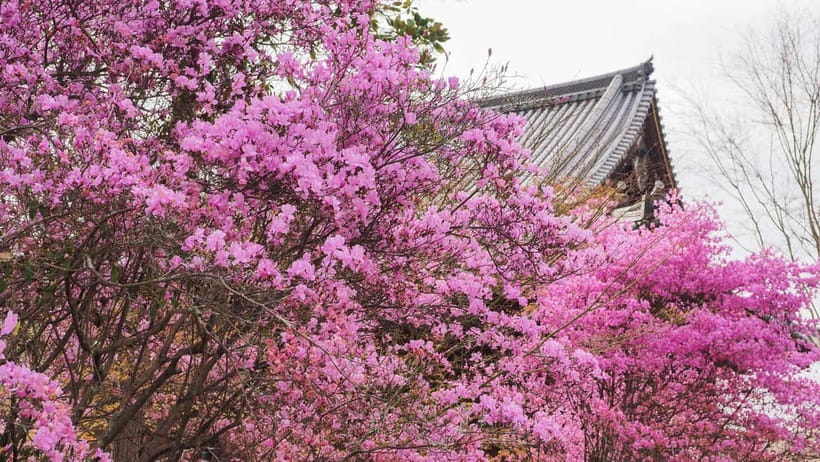
Ninnaji was founded in 888 and serves as the main temple of the Omuro school of the Shingon sect of Buddhism. That gives the site religious importance, but you do not need a specialist knowledge of Buddhism to enjoy it.
The appeal is visual and physical. You can move through temple buildings, gardens, gates, and open paths at a relaxed pace, then decide if you want a longer walk on the Omuro Pilgrimage course. The grounds offer enough variety to keep a visit from feeling like a quick look at one hall and one photograph.
The $5 price per person is modest by Kyoto sightseeing standards. It is especially good value if you plan to use the full day validity, visit the Goten Palace gardens, and take your time with the grounds. Keep in mind that the base entry does not automatically cover every special area. The Reihokan Museum, flower festival, and other special admissions depend on the option you select.
Ninnaji also works well for different kinds of days. You can make a short temple visit, spend several hours walking and viewing seasonal scenery, or build a fuller cultural stop around the museum and pilgrimage route. The experience is self-directed, so you are not tied to a guide’s schedule.
A few more Kyoto half-days to weigh up
- PERFECT KYOTO 1-Day Bus Tour
★ 5.0 · 13,518 reviews - Kyoto: Fushimi Inari, Kinkakuji, Bamboo Grove 1 Day Bus Tour
★ 4.8 · 4,316 reviews - Kyoto: Tea Ceremony in a Traditional Tea House in Kiyomizu
★ 4.9 · 3,519 reviews
Entering the grounds and finding the main sights
Your first practical task is to arrive early enough to avoid the closing-time squeeze. The ticket booths close 30 minutes before the temple itself, which means you should not treat 4:30 PM as the real arrival deadline. From March through November, opening hours are 9 AM to 5 PM. From December through February, the temple closes at 4:30 PM.
Inside, allow time to notice the scale and arrangement of the site. Ninnaji is not just one isolated building. The temple includes the Goten Palace area, gardens, the five-story pagoda, and paths leading toward the pilgrimage course.
The five-story pagoda is one of the clearest visual markers. It gives you a useful point of reference as you move through the grounds, and it is particularly effective when framed by seasonal leaves or spring blossoms. The pagoda alone is not the whole reason to come, but it gives the visit a strong center.
The Goten Palace and gardens are included with the standard entrance ticket, unless a special ticket is in effect. These gardens are a good place to slow down after walking through the more open temple grounds. In winter, snow can change the mood completely, giving the garden and palace buildings a spare, quiet appearance.
Since the site is wheelchair accessible, it can suit visitors who need an accessible attraction. The supplied information does not specify which individual paths or buildings have limitations, so ask at the ticket counter if you need details about a particular area.
The Goten Palace gardens and changing seasons
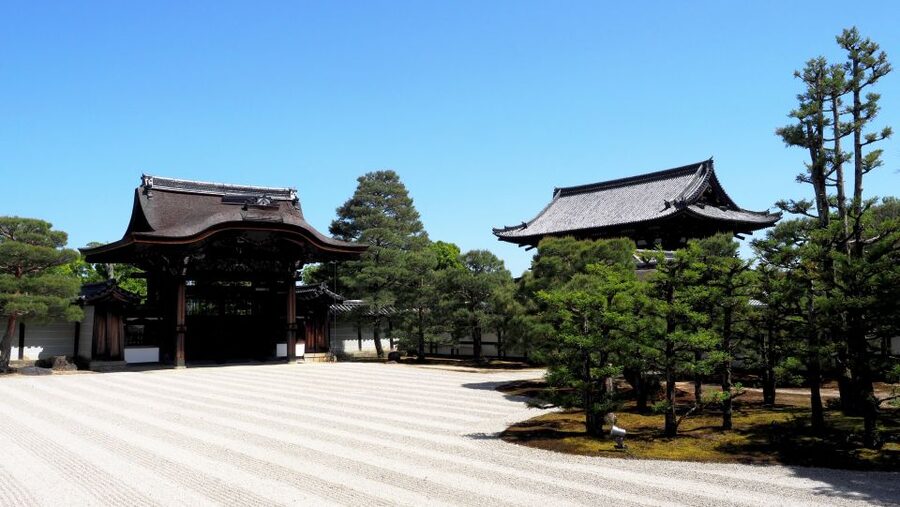
The Goten Palace area is where Ninnaji’s formal side comes into focus. You can expect a quieter setting shaped by palace architecture and Japanese garden design rather than a single dramatic viewpoint.
Spring is the busiest and most talked-about season because of the Omuro sakura. These cherry trees bloom later than many of Kyoto’s better-known varieties, which can be a major advantage if your visit falls after the main citywide cherry blossom rush. The exact period for the extra blossom admission depends on when the flowers reach full bloom.
During that period, you need to pay an admission fee to enter the area beyond the Chumon inner gate. The money goes toward preserving the Omuro Sakura, so this is not simply an unexplained seasonal surcharge. Still, budget for it if seeing the trees is your main reason for visiting, and check the conditions before you arrive.
Summer offers a different experience. Many priests are present for Buddhist ceremonies, which can give the temple a stronger sense of religious activity. The information provided does not promise access to every ceremony, so treat this as part of the atmosphere rather than a scheduled performance.
Autumn brings red and yellow leaves around the historic buildings. This is a good season for people who want color without making cherry blossoms the sole focus of the visit. Winter has its own reward: after snow, the gardens and Goten Palace can look especially quiet and restrained.
You should not expect the same visual payoff every day. Seasonal beauty depends on weather, bloom timing, and leaf conditions. That is the nature of a temple visit built around the seasons, and it is also why Ninnaji can reward a return visit.
Walking the two-hour Omuro Pilgrimage course
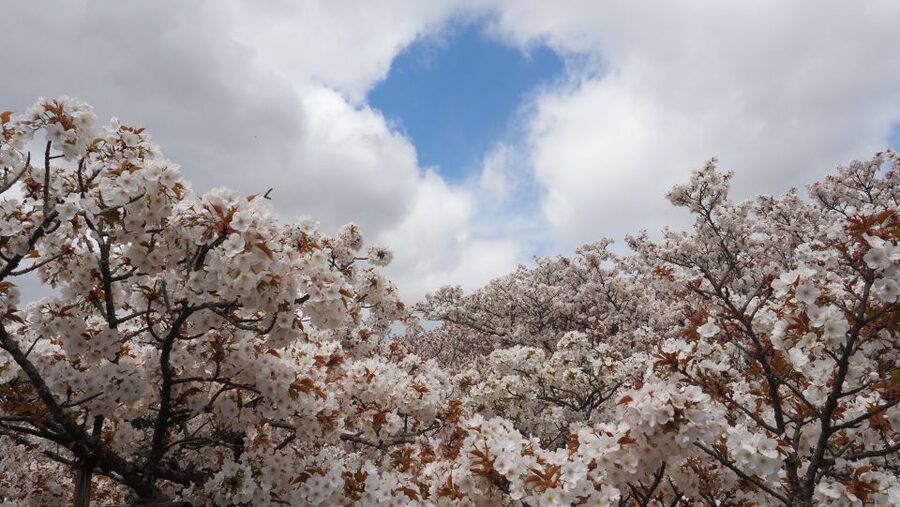
The Omuro Pilgrimage course is one of Ninnaji’s most distinctive features. It is a shorter version of the Shikoku Pilgrimage, and the route takes about two hours.
This is not just another path between temple buildings. The course gives you a way to spend more time with the natural setting around Ninnaji. You can expect the sounds of nature and seasonal changes to become more noticeable as you leave the most concentrated sightseeing areas behind.
Two hours is long enough to shape your visit, so plan accordingly. If you only want the pagoda, palace, and gardens, you may not need the full course. If you like walking and prefer a slower pace, it can turn a standard admission ticket into a more substantial half-day outing.
The route is also useful for anyone who wants a taste of pilgrimage culture without committing to the much larger Shikoku journey. You get the idea of moving from sacred site to sacred site, but in a form that fits a Kyoto day.
The course may be less appealing if you are short on time, tired from a full day of sightseeing, or mainly visiting for the cherry blossoms. In that case, concentrate on the central grounds and return to the pilgrimage path only if your schedule allows.
Same base, a completely different sort of day:
- Kyoto Geisha Walking Tour: Gion District & Hidden Gems
★ 4.7 · 3,273 reviews - Kyoto: Tea Ceremony Ju-An at Jotokuji Temple
★ 4.9 · 3,207 reviews - Kyoto: Gion Magical Night Walking Tour with Geisha Trivia
★ 4.9 · 2,393 reviews - Kyoto: 45-Minute Tea Ceremony Lesson Experience
★ 4.3 · 2,378 reviews
Reihokan Museum and the temple’s cultural objects
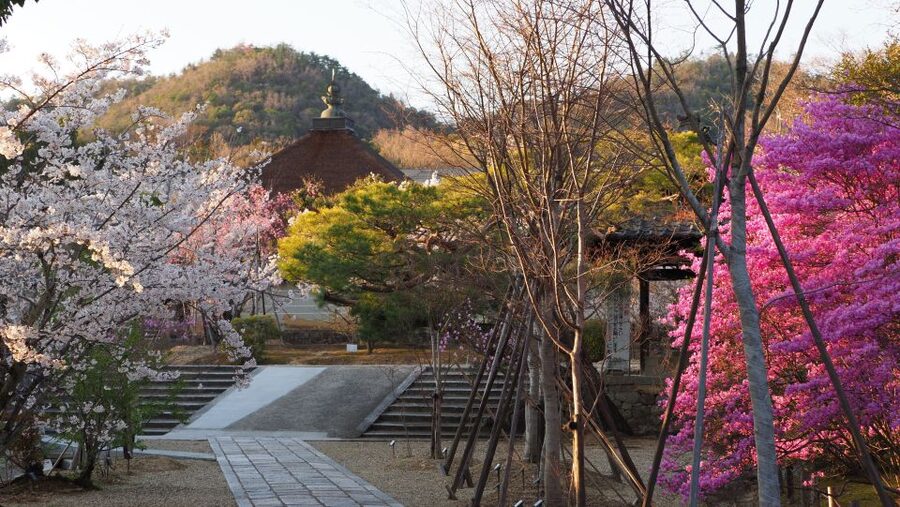
The Reihokan Museum holds important cultural items belonging to Ninnaji Temple. It gives the visit more substance, especially if you want to understand that the temple is a center of religious and artistic heritage rather than only a scenic stop.
Museum admission is included only when you select the appropriate option. Check your ticket carefully instead of assuming that the basic temple entry covers it. The available information does not provide a full list of objects or galleries, so I would treat the museum as an optional addition rather than plan your entire day around a specific exhibit.
The museum can be a smart choice on a rainy day or when the outdoor scenery is between seasons. It also gives you a break from walking and a chance to focus on objects connected directly to Ninnaji.
A visit here is likely to appeal most to you if you enjoy Buddhist art, temple history, or carefully preserved cultural material. If your main goal is flowers and gardens, the museum may be less important than the outdoor areas.
What the special Kannon-do access adds
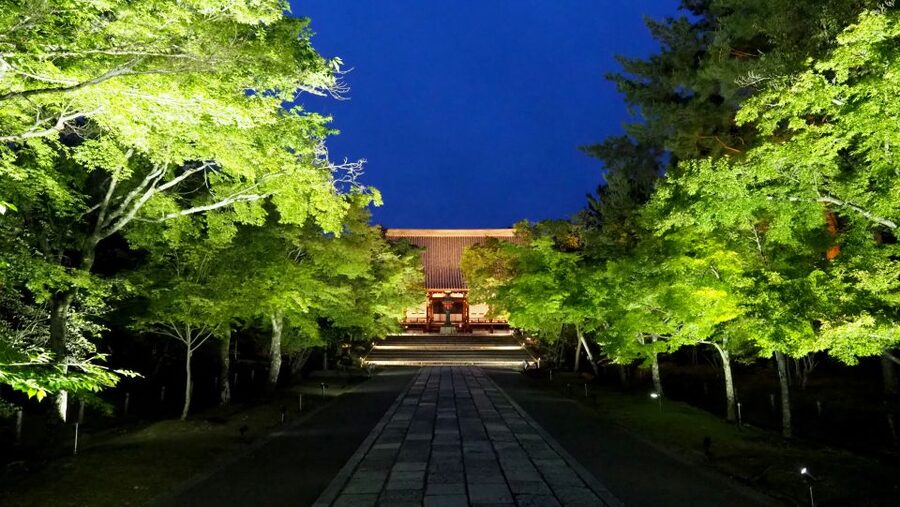
One verified booking review specifically praises a special guide inside Kannon-do as wonderful and informative. No guide name is provided, and access to this area should not be assumed as part of every basic ticket.
That detail matters because Kannon-do access may offer a more focused cultural experience than simply walking through the grounds. If special entry is available during your visit, ask at the ticket counter whether it requires an additional ticket or follows a particular schedule.
Do not build your whole plan around it without confirmation. The reliable core of the experience is the temple grounds, Goten Palace and gardens, and the seasonal areas covered by your selected ticket.
Choosing the best season for your visit
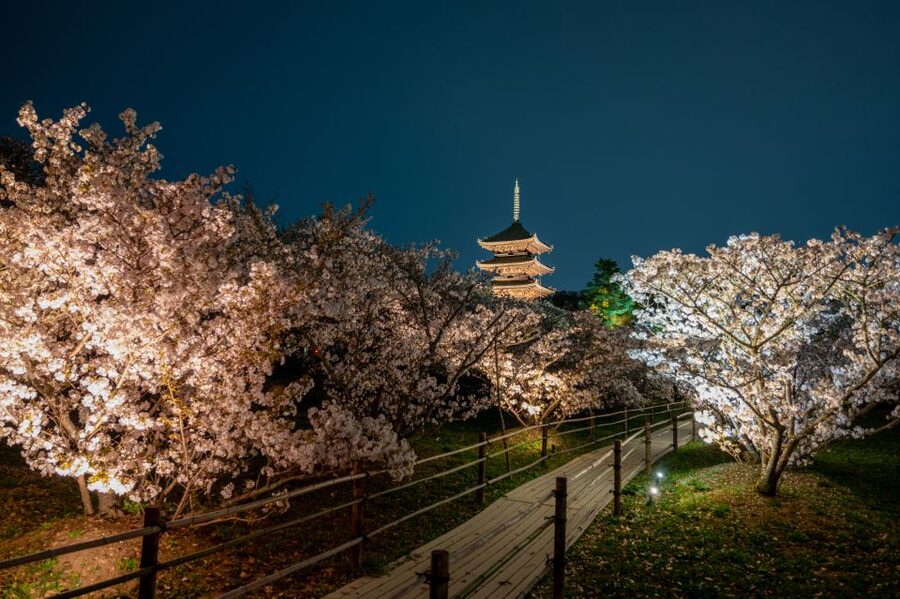
Spring is the obvious choice if you want Omuro sakura. The late bloom is the key advantage, but it also creates the main planning issue. The paid area beyond Chumon opens according to the flowers’ condition, not simply a fixed calendar date.
Autumn is a strong alternative. Red and yellow leaves around the historic buildings create a different kind of beauty, and you avoid making your schedule depend entirely on a short cherry blossom window.
Summer may suit you if you are interested in the temple as a working religious site. Buddhist ceremonies take place with many priests present, though the information does not establish a public ceremony timetable.
Winter is the quietest seasonal picture described here. Snow can transform the Japanese gardens and Goten Palace, but the shorter 9 AM to 4:30 PM hours leave less room for a long visit. You also need the weather to cooperate, so keep your expectations flexible.
How much time should you allow?
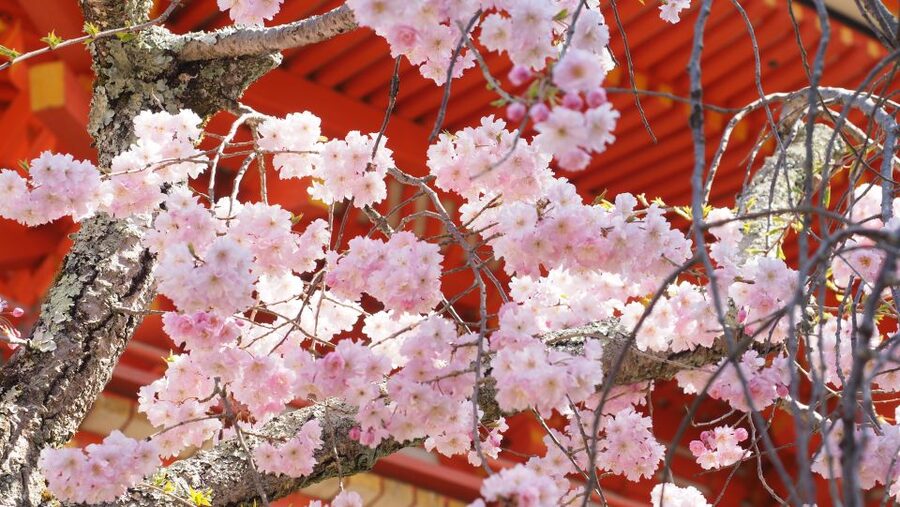
The ticket is valid for one day, but that does not mean you need to spend a full day at Ninnaji. A shorter visit can cover the main temple areas and gardens. The Omuro Pilgrimage course alone takes about two hours, so adding it creates a more substantial outing.
I would allow several hours if you want to see the palace gardens, walk the pilgrimage course, and visit the museum when that option is included. The one-day validity is useful because it lets you avoid rushing through the grounds.
The attraction does not list a fixed starting time. You should check availability for the date you want, then plan around the seasonal closing hour. Remember that the ticket booths shut 30 minutes before the temple, so leave a buffer.
Who will get the most from this ticket?
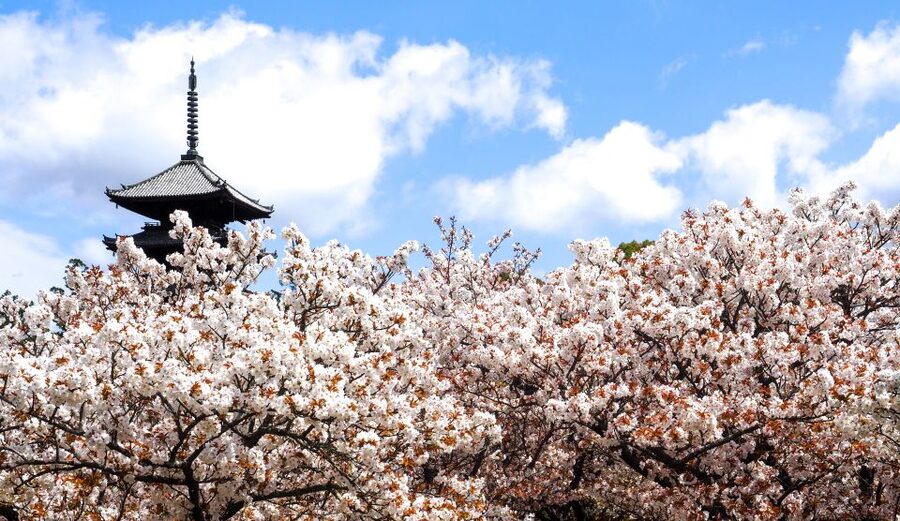
Ninnaji is a good fit for you if you want a Kyoto temple visit with more than one visual highlight. The pagoda, palace gardens, late-blooming cherry trees, museum option, and pilgrimage course give you several ways to spend your time.
It suits walkers particularly well. The two-hour course adds a physical element that you will appreciate if you prefer moving through a place rather than only viewing buildings from a few fixed points.
It also works for repeat visitors to Kyoto. If you have already seen several major temples, the Omuro Pilgrimage course and the seasonal character of Ninnaji offer a different reason to visit.
The ticket may be less suitable if you only have a few minutes, dislike walking, or need a guaranteed cherry blossom display on a specific date. Nature sets the schedule here, and the blossom fee may apply when the flowers are at their best.
The site is wheelchair accessible, which broadens its usefulness, though you should ask at the ticket counter about access to specific buildings or sections if that is important for your visit. Anyone with a physical disability certificate can enter free of charge, but the information specifies that this applies only to the person holding the certificate. Ask at the ticket counter.
Is the $5 admission good value?
At $5 per person, the basic ticket is easy to justify for most visitors who have time to explore. You are not paying only for one garden or one viewpoint. The Goten Palace and gardens, pagoda, historic buildings, and access to the temple grounds give the ticket several layers.
The value improves if you use the one-day validity and add the Omuro Pilgrimage course. You can make the visit short, but the ticket gives you room to slow down and stay longer.
The price calculation changes if your main goal is Omuro sakura. The blossom viewing area beyond Chumon may require a separate admission fee during peak bloom. The Reihokan Museum, flower festival, and other special areas may also depend on the option you choose.
Before paying, check precisely what your selected ticket includes. A low base price is helpful, but the right comparison is the total cost for the areas you actually want to see.
Booking flexibility and practical details
Free cancellation is available up to 24 hours in advance for a full refund. You can also reserve now and pay later, which helps if your Kyoto schedule is still shifting.
The ticket is offered through Ninnaji, the temple’s own experience provider. Availability and starting times should be checked for your chosen date, even though the visit itself is not built around a fixed guided itinerary.
There is no guide name supplied for the general admission. The special Kannon-do guide is mentioned as informative, but you should confirm whether that access is available and included with your chosen option.
The attraction is wheelchair accessible. For other practical questions, the ticket counter is your best stop, particularly for blossom admission dates, special entry, and route access.
Should you book Ninnaji Temple?
Book it if you want a reasonably priced Kyoto temple visit with room to choose your own pace. I would especially recommend it during the late cherry blossom season, autumn leaf season, or after snowfall, when the setting changes in a clear and memorable way.
The ticket is also a good choice if you want to walk the two-hour Omuro Pilgrimage course or add the Reihokan Museum. Those features give Ninnaji more depth than a quick photo stop.
Think twice if you are pressed for time or only want a guaranteed cherry blossom view. Check the bloom-related admission rules first, and remember that the temple closes at 4:30 PM in winter. For most visitors with a few spare hours, though, Ninnaji offers solid value and a calmer side of Kyoto.
FAQ
How much does entry to Ninnaji Temple cost?
The listed price is $5 per person for entry to Ninnaji Temple.
How long is the Ninnaji Temple ticket valid?
The ticket is valid for one day.
What are Ninnaji Temple’s opening hours?
From March through November, the temple is open from 9 AM to 5 PM. From December through February, it is open from 9 AM to 4:30 PM.
When do the Ninnaji ticket booths close?
The ticket booths close 30 minutes before the temple closes.
Does the ticket include the Goten Palace and gardens?
The ticket includes entry to the Goten Palace and gardens, excluding special entrance tickets.
Is the Reihokan Museum included?
Reihokan Museum entry is included if you select the appropriate ticket option.
Is there an extra fee to see the Omuro Sakura cherry blossoms?
During cherry blossom season, an admission fee is required to enter the area beyond the Chumon inner gate. The period can change according to when the flowers reach full bloom, and the money supports preservation of the Omuro Sakura.
Is Ninnaji Temple wheelchair accessible?
Yes, Ninnaji Temple is wheelchair accessible. People with a physical disability certificate can enter free of charge, with the exemption applying to the certificate holder only. Ask at the ticket counter.
Just added around Kyoto
- Kyoto: Zen Meditation at a Private Temple with a Monk★ 5.0 · 25 reviews
- Kyoto: Gion Geisha District & Sake-in-Hand Walking Tour★ 5.0 · 37 reviews
- Private Pewter Sake Cup Experience with a Kyoto Artisan★ 5.0 · 31 reviews
- Your Private Vacation Photography Session In Kyoto★ 5.0 · 110 reviews
- Private Guided Traditional Buddhist Cooking in Japan★ 5.0 · 16 reviews
- Kyoto Wagashi(Japanese sweets) Cooking Class near Fushimiinari★ 5.0 · 60 reviews
- Traditional Japanese Music show & Experience Tour in Kyoto★ 5.0 · 57 reviews
- Kyoto:Family-Friendly Kimono & Yukata Experience at WARGO★ 5.0 · 147 reviews
Kyoto Tours, compared.
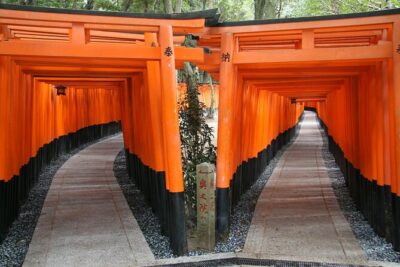
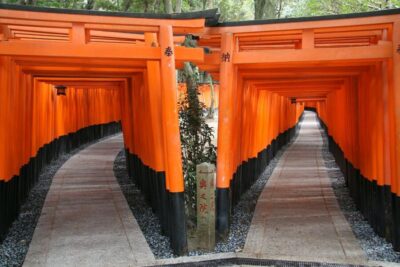
Fushimi Inari, Kinkakuji, Bamboo Grove 1 Day Bus Tour
Read our review →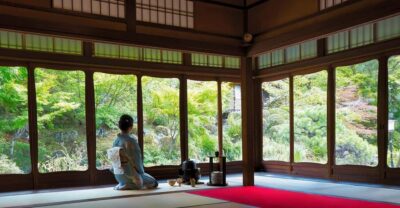
Tea Ceremony in a Traditional Tea House in Kiyomizu
Read our review →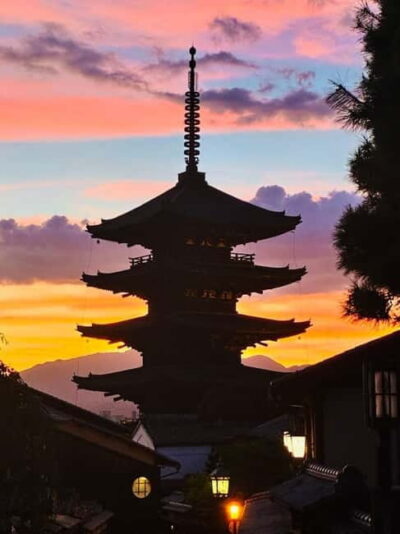
Kyoto Geisha Walking Tour: Gion District & Hidden Gems
Read our review →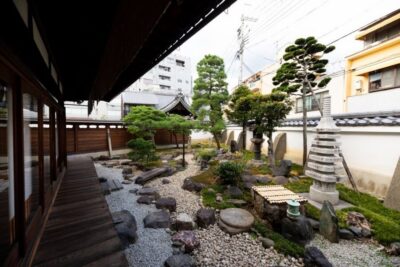
Gion Magical Night Walking Tour with Geisha Trivia
Read our review →