
Reviewed · KYOTO TOURS
Kyoto: Personalized Guided Private Tour
Kyoto is easier to enjoy when someone helps you connect the famous sights with the small details between them. This six-hour private tour lets you build a day around places such as Fushimi Inari, Kiyomizu Temple, the Golden Pavilion, and Gion, rather than following a fixed group schedule.
I like the flexible pace and the chance to ask for something beyond the standard route, such as a quiet temple, calligraphy, or a miniature garden activity. I also like that guides including Taeko, Yoko, Toshi-San, and Keiko have adjusted plans to fit individual interests. The main caution is that guide quality can vary, and one past booking felt more like an escort service than a fully explanatory tour.
Key points to know before booking
- You can choose three or four major stops: Your guide shapes the day around your pace, interests, and available time.
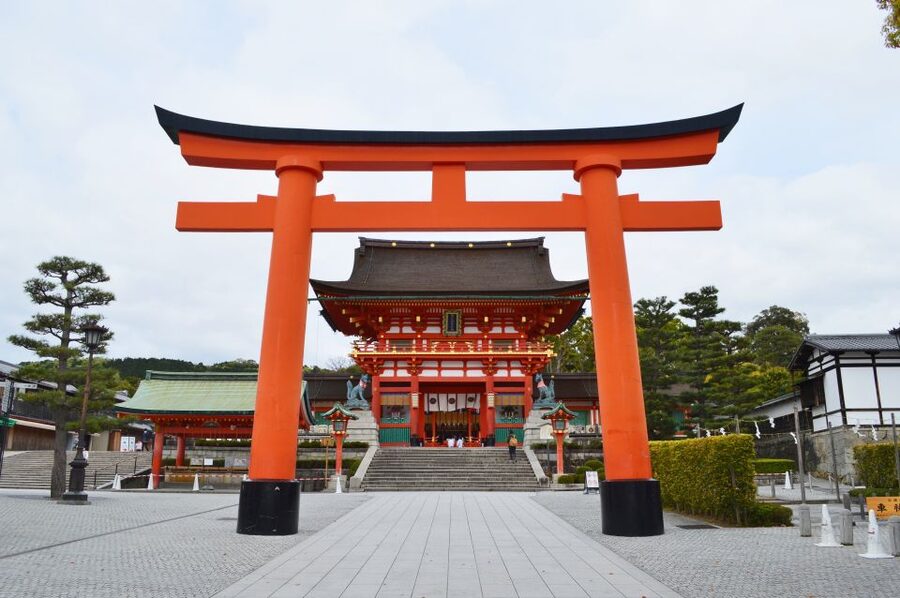
- Fushimi Inari brings the famous red gates: The shrine is best suited to travelers who want a memorable walk and striking photographs.
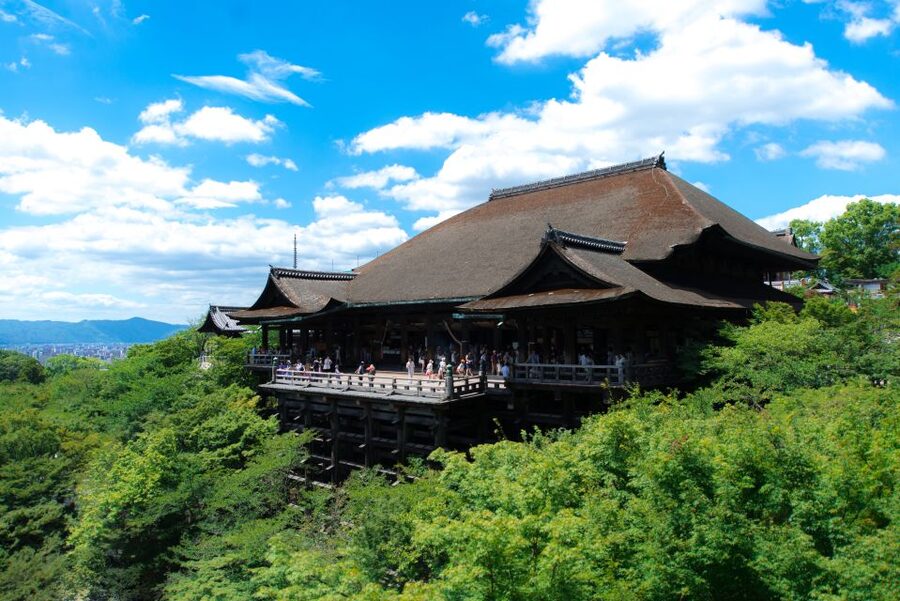
- Kiyomizu Temple offers Kyoto’s classic view: Its large wooden veranda sits on a mountainside and gives the tour one of its strongest visual moments.
- Gion adds old Kyoto atmosphere: Narrow lanes, wooden machiya merchant houses, and traditional culture give the day a more intimate feel.
- Public transportation is part of the day: You pay your own transportation costs, while the guide’s public transportation is included.
- A private guide makes special requests possible: You can ask about Japanese customs, choose a quieter temple, or add washoku food and green tea if time allows.
A private Kyoto day with room to change course
The best reason to book this experience is not simply the list of sights. Kyoto’s major attractions are spread across the city, and a six-hour private outing gives you someone to help arrange the day without making you commit to a rigid route.
You meet your guide in your hotel lobby at the scheduled time. From there, you walk and use public transportation together. Your guide can suggest a practical order for the sights, explain how the day will fit together, and adjust the plan if you want more time at one place.
The tour is designed around three or four attractions, depending on your pace. That sounds generous, but Kyoto’s distances, crowds, walking routes, and entrance procedures can quickly eat into six hours. I would rather see three places with useful context than rush through four major sites with barely enough time to look around.
The private format is especially helpful if you have a clear wish list. Keiko, for example, took one group to sights on opposite sides of town while also explaining details they would not have noticed alone. Taeko adapted a day to her group’s requests and later returned them to Kyoto Station. These are useful signs of what a good guide can do here: not just lead you from gate to gate, but make the route work for your day.
A few more Kyoto half-days to weigh up
- PERFECT KYOTO 1-Day Bus Tour
★ 5.0 · 13,518 reviews - Kyoto: Fushimi Inari, Kinkakuji, Bamboo Grove 1 Day Bus Tour
★ 4.8 · 4,316 reviews - Kyoto: Tea Ceremony in a Traditional Tea House in Kiyomizu
★ 4.9 · 3,519 reviews
Fushimi Inari and its long corridor of red gates
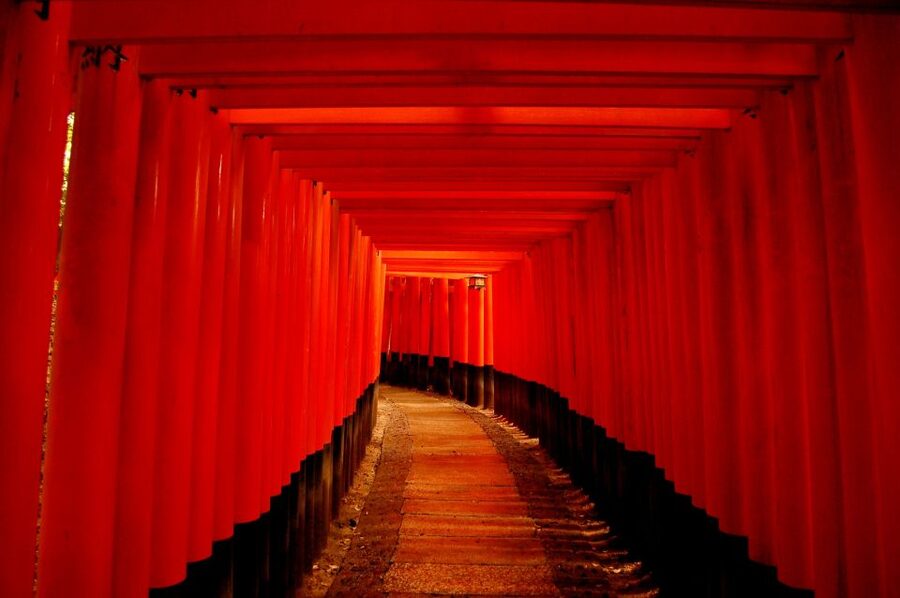
Fushimi Inari Shrine is one of Kyoto’s most recognizable sights. Its thousands of red torii gates climb the wooded slopes behind the main shrine buildings, creating a long, repeating corridor that feels very different from the city streets below.
Your guide can explain how to approach the shrine and help you decide how far to walk. You do not need to complete every section of the torii route to appreciate it. The lower part gives you the famous visual experience, while continuing uphill brings more walking and a quieter atmosphere.
This is one place where comfortable shoes matter. The tour takes place on foot and by public transportation, and Fushimi Inari can add a fair amount of walking to the day. If stairs are difficult for you, tell your guide at the start. Some stations have few elevators or escalators, so this is not a minor point.
I like Fushimi Inari as an early stop if you want a strong first impression of Kyoto. The red gates are visually powerful, but the shrine can also be busy. A private guide cannot remove the crowds, yet can help you avoid wasting time or spending the whole visit wondering where to go next.
Kiyomizu Temple and Kyoto from the mountainside
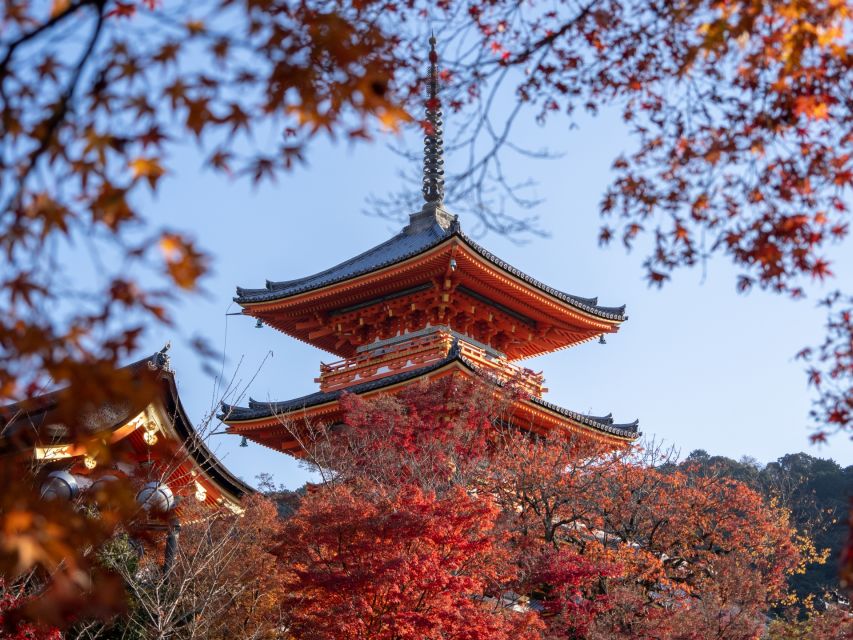
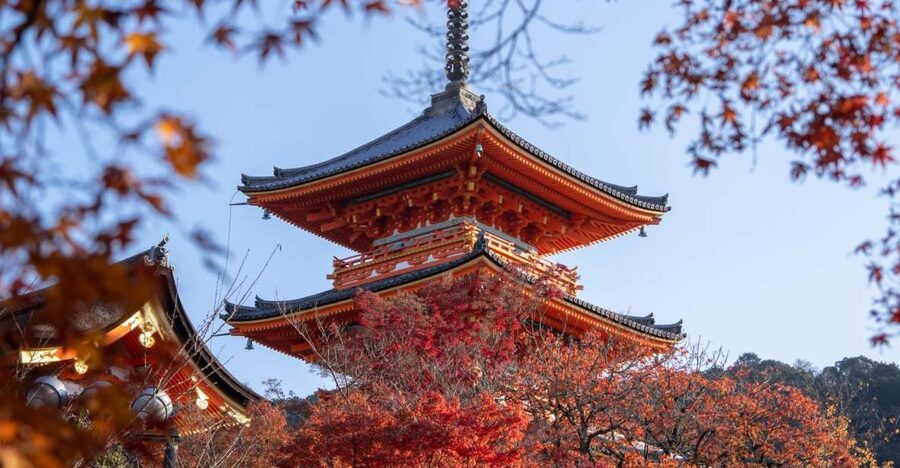
Kiyomizu Temple gives you one of the classic views of Kyoto. Its large wooden veranda projects from the mountainside, creating a memorable setting above the city and surrounding hills.
The temple is also a UNESCO World Heritage site, so it carries plenty of historical and cultural weight. That makes the guide’s explanations important. You can look at the architecture and the view on your own, but a good guide helps you understand why the temple matters and points out details that are easy to pass without noticing.
This is a strong choice for first-time visitors because it combines architecture, scenery, and a sense of place. You get the feeling of Kyoto as an old temple city rather than simply a collection of attractions.
The drawback is time. Kiyomizu Temple is not a quick photo stop if you want to take in the veranda, grounds, approach streets, and nearby traditional buildings. If you also want Fushimi Inari, Gion, and the Golden Pavilion in one day, ask your guide to be clear about how long you can spend at each stop.
Gion, machiya houses, and Kyoto’s older streets
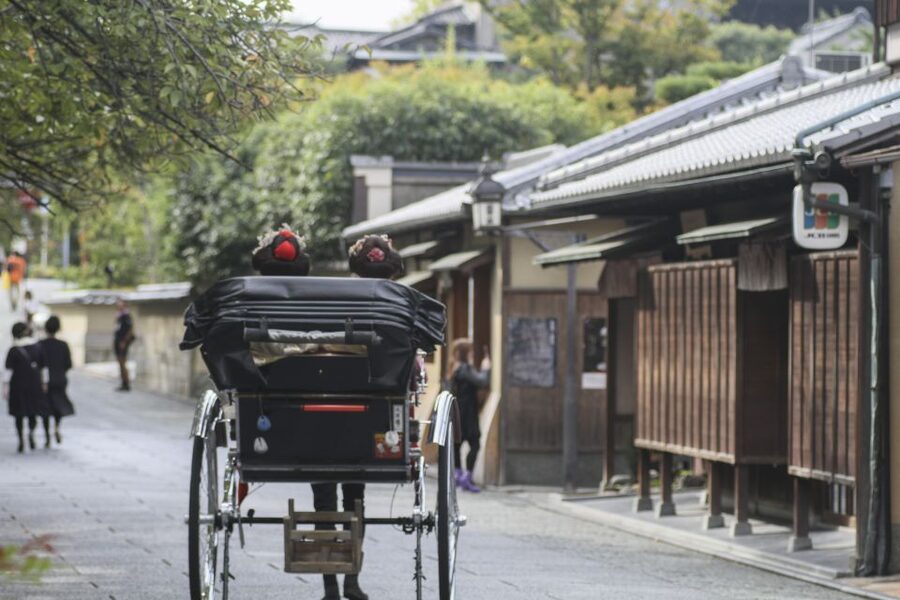
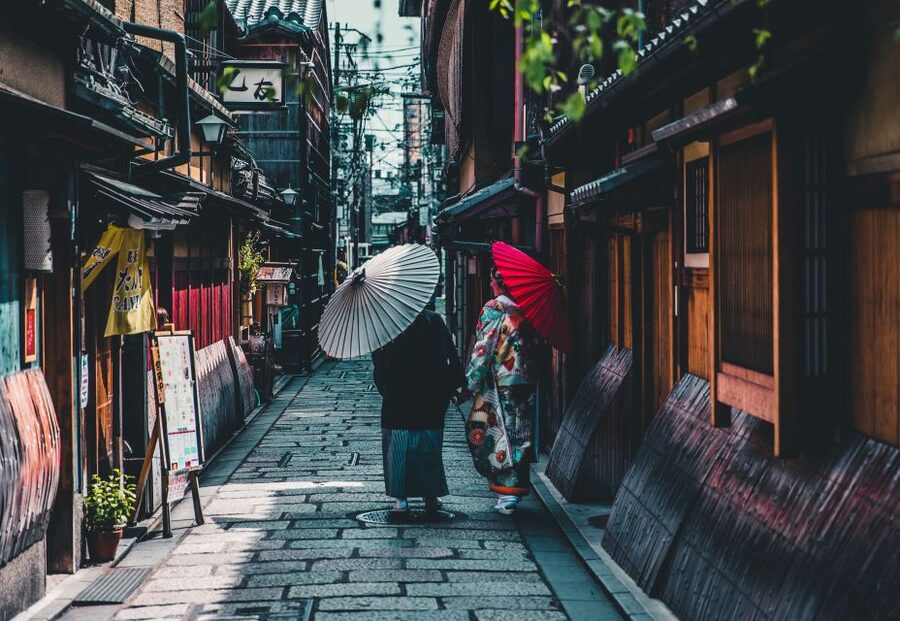
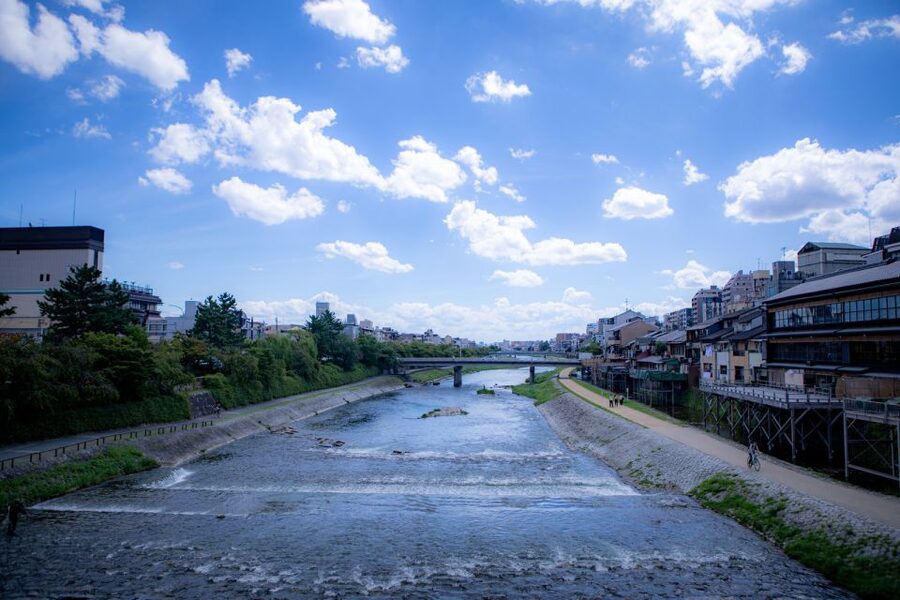
Gion is the tour’s best opportunity to experience Kyoto through its streets rather than through a single monument. This is the city’s most famous geisha district, with narrow lanes and traditional wooden machiya merchant houses.
The appeal is in the scale and texture of the neighborhood. The streets feel human and compact, and the wooden buildings give you a glimpse of the commercial Kyoto that existed before modern construction changed much of Japan’s urban design.
A guide can add useful context about Japanese customs and daily life. Taeko was praised for explaining the Japanese way of life as well as the sights, while Yoko was described as giving useful explanations at each place visited. That kind of cultural background is what makes a walk through Gion more than a search for picturesque lanes.
You should approach Gion respectfully. It is a living district, not a stage set. Keep your voice down, avoid blocking narrow lanes, and do not assume every traditional-looking person is available for photographs. The tour information does not promise geisha encounters, so book this part for the atmosphere, architecture, and cultural setting.
Same base, a completely different sort of day:
- Kyoto Geisha Walking Tour: Gion District & Hidden Gems
★ 4.7 · 3,273 reviews - Kyoto: Tea Ceremony Ju-An at Jotokuji Temple
★ 4.9 · 3,207 reviews - Kyoto: Gion Magical Night Walking Tour with Geisha Trivia
★ 4.9 · 2,393 reviews - Kyoto: 45-Minute Tea Ceremony Lesson Experience
★ 4.3 · 2,378 reviews
The Golden Pavilion and choosing between famous sights
The Golden Pavilion, or Kinkaku-ji, is described as Kyoto’s iconic temple and is one of the possible stops on the day. Its name comes from the building’s striking gold exterior, which makes it a favorite for visitors who want one instantly recognizable Kyoto image.
The important planning question is not simply whether you can include it. It is whether the Golden Pavilion matches your interests better than a quieter temple or extra time in Gion and Kiyomizu.
If this is your first Kyoto visit and you want the city’s most famous sights, ask to include it. If you have already seen major landmarks or prefer calm spaces, tell your guide that before departure. One group specifically requested a quieter temple and was able to spend time in peaceful contemplation, along with calligraphy and miniature garden activities.
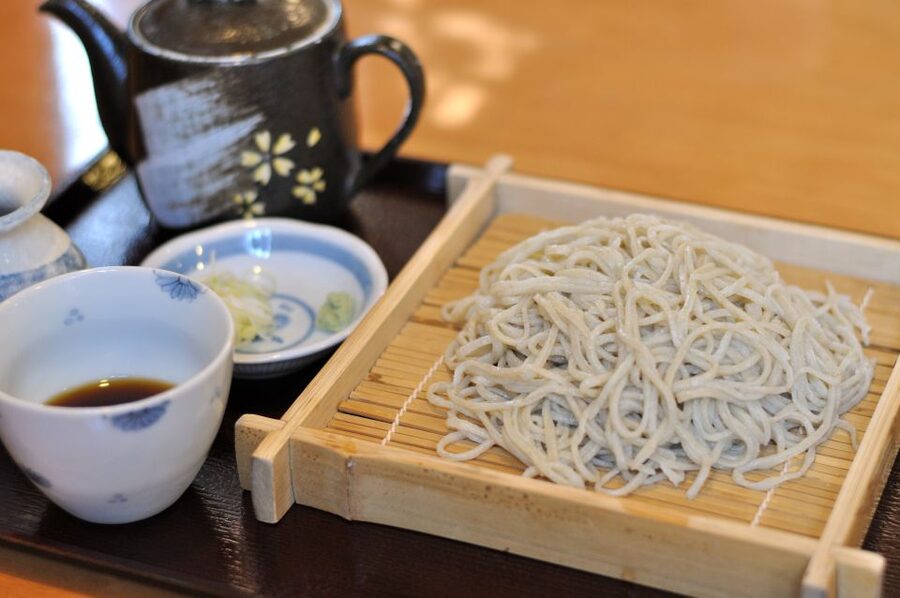
Those extra experiences are not guaranteed parts of every booking. They show what can happen when you explain your interests clearly, not what you should assume will be included. The same applies to washoku dining and green tea. You can express interest, but your guide will need to fit them into the route and timing.
What a six-hour schedule can realistically cover
The tour description allows three or four attractions, but Kyoto’s geography makes the choice matter. Fushimi Inari lies in the southern part of the city, while Kiyomizu Temple and Gion are in the east, and the Golden Pavilion is farther northwest. A route including all four can become a day of transitions.
That is where the guide earns the fee. You are not just paying for facts. You are paying for help with the order of the day, public transportation, timing, and decisions when the schedule starts to tighten.
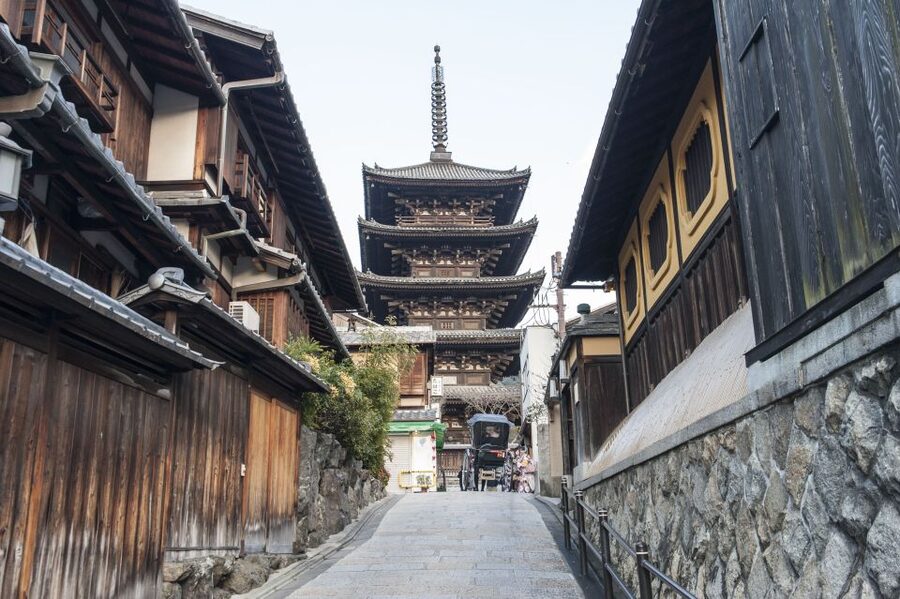
I would group nearby sights where possible. Kiyomizu Temple and Gion work naturally together because both offer traditional streets and old wooden architecture. Fushimi Inari can anchor a route focused on shrine culture. The Golden Pavilion makes sense if it is a priority, but including it alongside every other major stop may leave less time for conversation and unplanned discoveries.
The private arrangement also lets you slow down. If a temple interests you, you can ask a question and stay with it. If your group is tired, you can avoid forcing in another stop. That freedom is difficult to get on a large scheduled tour.
The guide makes or breaks the experience
The strongest praise for this tour centers on the guides. Taeko was described as friendly, flexible, and able to add relevant sites while also arranging a quieter temple visit. Toshi-San received especially warm praise for his knowledge and overall guidance. Keiko was valued for taking a group to distant sights and supplying context along the way.
Those names also point to an important limitation: you may not receive one particular guide. The available language and guide pool can change, particularly during the busy seasons from March through May and September through November.
The tour offers English, French, Spanish, and German. If you need French, Spanish, or German, book early. Availability in those languages may be limited during peak periods.
The feedback is not uniformly glowing. One Spanish-speaking booking felt the guide gave only basic explanations and acted more like a companion than a full private guide. That is a fair concern. A private tour costs more because you expect conversation, interpretation, and personal attention, not just assistance getting from one place to another.
You can improve your chances by sending a clear wish list before the tour. Tell the provider if you care most about history, architecture, food, photography, Japanese customs, quiet temples, or local neighborhoods. Ask for more explanation if the guide is moving too quickly. The flexibility works best when you use it.
Transportation, walking, and extra costs
Hotel pickup is included, and you meet in the lobby. The guide’s public transportation costs are included, but you pay your own transportation costs. Lunch is also not included for you or the guide.
Entrance fees are separate for both you and the guide. Most tourist sights are free of charge for a guide, but you should still budget for the admissions required by your chosen stops. Since the final route is personalized, the total extra cost depends on which places you select.
This arrangement keeps the base plan flexible, but it means the advertised price is not the full cost of the day. At $459 per group up to one, the listed price is a serious expense, especially once you add your transportation, food, and entrance fees.
The value depends on how much you want personal planning and cultural explanation. For a solo visitor or a very small private party, it may be worthwhile if you have limited time, want help connecting distant sights, or need a guide in a specific language. If you are comfortable reading maps, using trains, and researching temples, you can visit the same headline attractions for much less.
The price makes more sense when you use the guide actively. Ask questions, request a neighborhood focus, and tell the guide what you do not want. A private tour that simply follows a standard checklist is poor value. A day shaped around your interests can be much more useful.
Rain, stairs, and the practical fine print
The tour operates rain or shine. Kyoto’s weather can change the feel of temple grounds and walking streets, so bring suitable clothing and wear comfortable shoes.
You will walk and use public transportation. Some stations have few elevators or escalators, and some routes may involve stairs. Tell your guide if you prefer elevators or escalators, and do so before the day gets underway.
Children under five can take part free of charge. The tour is private, which can make it easier to adjust the pace for a family, but the walking involved still matters.
Travel insurance is highly recommended. The guide is not responsible for illness, injury, theft, loss, or related damage incurred while you use the service. That is ordinary travel advice, but it deserves attention on a day involving long walks, steps, crowded public spaces, and several transfers.
Free cancellation is available up to 24 hours in advance, and you can reserve now and pay later. Those policies are useful if your Kyoto schedule is still shifting, though you should confirm availability and start times before relying on a particular guide or language.
Who will get the most from this Kyoto tour
I would consider this tour for a first visit when you want to see major Kyoto sights but do not want to spend your limited time solving transportation and route problems.
It also suits you if you want to combine famous temples with a personal interest. You might ask for more attention to Japanese culture, a quieter temple, traditional crafts, washoku, or green tea. The experience can work well for families and small private parties that need a slower or more flexible pace.
It is less appealing if you want a fixed specialist itinerary, guaranteed historical depth, or a low-cost day. The guide’s performance matters, and the mixed feedback shows that you should state your expectations clearly.
The best version of this tour is not a race to collect four landmarks. It is a thoughtful day in which the guide helps you choose what deserves your time and explains the customs, buildings, and neighborhoods along the way.
Should you book it?
Book this private Kyoto tour if personal planning, hotel pickup, and a flexible route are worth paying for. It is particularly useful when you want Fushimi Inari, Kiyomizu Temple, Gion, or the Golden Pavilion but also hope to add a quieter temple or a cultural activity.
Before booking, decide on your top two priorities and tell the provider how much explanation you want. If your budget is tight, or if you enjoy arranging trains and temple visits yourself, explore Kyoto independently and spend the money on a special meal instead.
For the right person, this is a practical way to get oriented and see a lot in six hours. Just remember that the guide is the heart of the experience. Ask for the kind of day you want, and do not be shy about requesting more history and context as you go.
FAQ
How long does the private Kyoto tour last?
The tour lasts six hours. Available starting times depend on the date you choose.
Which sights can I visit?
Possible sights include Fushimi Inari Shrine, the Golden Pavilion, Kiyomizu Temple, and Gion. You can visit three or four attractions depending on your pace and interests.
Is hotel pickup included?
Yes. You should wait in your hotel lobby at the scheduled pickup time.
Which languages are available?
Guiding is available in English, French, Spanish, and German. French, Spanish, and German guide availability may be limited during busy seasons from March through May and September through November.
Are transportation and entrance fees included?
The guide’s public transportation fee is included. You pay your own transportation costs, and entrance fees for you and the guide are not included.
Is lunch included?
No. Lunch for you and the guide is not included.
Can children take part?
Yes. Children under five years of age can participate free of charge.
Just added around Kyoto
- Kyoto: Zen Meditation at a Private Temple with a Monk★ 5.0 · 25 reviews
- Kyoto: Gion Geisha District & Sake-in-Hand Walking Tour★ 5.0 · 37 reviews
- Private Pewter Sake Cup Experience with a Kyoto Artisan★ 5.0 · 31 reviews
- Your Private Vacation Photography Session In Kyoto★ 5.0 · 110 reviews
- Private Guided Traditional Buddhist Cooking in Japan★ 5.0 · 16 reviews
- Kyoto Wagashi(Japanese sweets) Cooking Class near Fushimiinari★ 5.0 · 60 reviews
- Traditional Japanese Music show & Experience Tour in Kyoto★ 5.0 · 57 reviews
- Kyoto:Family-Friendly Kimono & Yukata Experience at WARGO★ 5.0 · 147 reviews
Kyoto Tours, compared.


Fushimi Inari, Kinkakuji, Bamboo Grove 1 Day Bus Tour
Read our review →
Tea Ceremony in a Traditional Tea House in Kiyomizu
Read our review →
Kyoto Geisha Walking Tour: Gion District & Hidden Gems
Read our review →

Gion Magical Night Walking Tour with Geisha Trivia
Read our review →
