Reviewed · KYOTO TOURS
Kyoto: Private Customizable Day Tour with Guide and Vehicle
Kyoto’s biggest challenge is not deciding what to see. It is getting between far-flung sights without losing half the day to buses, trains, and long walks. This private tour tackles that problem with a clean vehicle, hotel pickup, and an itinerary you can change as you go. In one day, you can connect Arashiyama, Kinkaku-ji, Nishiki Market, Gion, Kiyomizu-dera, and Fushimi Inari.
I like two things right away: the door-to-door service is a real help for families and older adults, and the guide can adjust the pace instead of forcing everyone through a fixed script. Guides named Yash, Nisal, Sam, Sha, Tom, and Niall are praised for photos, restaurant suggestions, and thoughtful care. The tradeoff is simple: six major stops in one day is ambitious, especially when Kyoto traffic and crowds enter the picture.
Key points at a glance
- Six major Kyoto sights in one day: The planned route links the bamboo forest, Golden Pavilion, market, Gion, Kiyomizu-dera, and Fushimi Inari.
- A private vehicle for up to six people: You avoid repeated transfers and can save tired legs, a useful perk for families and groups.
- Flexible plans: You can swap stops, spend longer in one area, add shopping or lunch, or ask for quieter places.
- Strong guide service: Yash, Nisal, Sam, Sha, Tom, and Niall are specifically praised for patience, local tips, safe driving, and family care.
- Photography help: Several guides take photos with your phone and know useful picture spots.
- Good value for a short Kyoto stay: At $382 per group, the cost becomes more reasonable when divided among four to six people.
Why private transport changes a Kyoto day
Kyoto’s sights are spread across the city. Arashiyama sits in the west, Fushimi Inari is in the southeast, and Kinkaku-ji, Gion, Kiyomizu-dera, and Nishiki Market each pull you into different parts of the urban area.
You can visit them independently, but the day may involve a mix of buses, trains, walks, queues, and route planning. That is manageable if you have several days. With only one or two days, a private vehicle gives you more control over your time.
The vehicle is air-conditioned, has spacious seating, and includes WiFi. The operator also promises that the vehicle will match the quality shown in its photos, with no last-minute downgrade. That matters because a long day of sightseeing feels much better when you can sit comfortably between stops.
Hotel pickup and drop-off are included within Kyoto city. Pickup is also available from Kyoto Station at the Central Exit, and Osaka pickup or drop-off can be arranged by contacting the provider. Several families used the service as a bridge between Kyoto and Osaka, which can make practical sense on a busy Japan itinerary.
The driver-guide arrives at your hotel or Airbnb lobby five minutes before the scheduled start. That small detail helps, but you should still be ready at the agreed time. A private day works best when the vehicle can keep moving rather than waiting for a slow start.
A few more Kyoto half-days to weigh up
- PERFECT KYOTO 1-Day Bus Tour
★ 5.0 · 13,518 reviews - Kyoto: Fushimi Inari, Kinkakuji, Bamboo Grove 1 Day Bus Tour
★ 4.8 · 4,316 reviews - Kyoto: Tea Ceremony in a Traditional Tea House in Kiyomizu
★ 4.9 · 3,519 reviews
Arashiyama Bamboo Forest: beautiful, popular, and time-sensitive
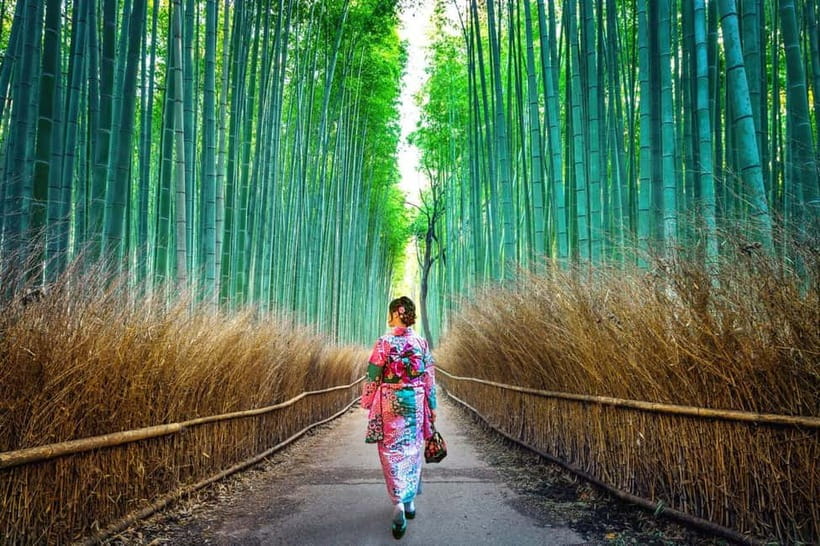
Arashiyama is often the emotional high point of a first Kyoto visit. The bamboo paths are striking, with tall green stalks closing in overhead and creating a cool, hushed setting even when the area is busy.
The planned visit allows about an hour. That is enough for a photo stop and a walk through the main section, but not enough for every nearby sight. You may want to use your hour for the bamboo grove itself and the surrounding temple area rather than trying to cover all of western Kyoto.
Your guide can help with timing and picture spots. Several guides are praised for taking family photos, which is useful here because the grove is one of those places where someone in the group is usually missing from the picture.
The drawback is popularity. Arashiyama can feel crowded, and the tour cannot control how many people arrive at the same time. An early start may help, but the precise order of stops should be discussed with your guide. If the bamboo forest is your top priority, say so before the day begins.
Kinkaku-ji: Kyoto’s famous Golden Pavilion
Kinkaku-ji, or the Golden Pavilion, is one of Kyoto’s most recognizable sights. The gold-covered structure sits beside a pond, where the reflection often creates the classic postcard view.
The visit is planned for about an hour. That gives you time to follow the viewing route, take photos, and hear about the site from your guide. It is a focused stop rather than an afternoon spent exploring every corner.
One important point: entry tickets are not included. The tour information lists optional admission costs separately, so budget for entrance fees at the places you choose to visit. Food and drinks are also extra.
Kinkaku-ji is a visual stop more than a place for wandering at your own length. If you have already seen it on an earlier Kyoto visit, this is an easy place to replace with another temple, neighborhood, or food stop. That is where the customizable format earns its keep.
Nishiki Market: a useful break for food and local browsing
Nishiki Market gives the day a different rhythm. After temples and shrines, you can look at Kyoto food, small shops, and local products in a compact market setting.
An hour is enough to walk through part of the market and choose something to eat, but it is not a leisurely food tour. Food and drinks are not included, so you pay directly for anything you sample or order.
Ask your guide for suggestions if you want to try something specific. Guides are praised for restaurant recommendations, coffee stops, and explaining how to use conveyor-belt sushi restaurants. One family was shown how the system worked at Kura Sushi, turning a quick meal into an easy, enjoyable part of the day.
Nishiki Market can be crowded, and the narrow route is not always easy for people with limited mobility. A private vehicle helps with the larger city transfers, but you still need to walk through the market itself. Comfortable shoes are essential.
Same base, a completely different sort of day:
- Kyoto Geisha Walking Tour: Gion District & Hidden Gems
★ 4.7 · 3,273 reviews - Kyoto: Tea Ceremony Ju-An at Jotokuji Temple
★ 4.9 · 3,207 reviews - Kyoto: Gion Magical Night Walking Tour with Geisha Trivia
★ 4.9 · 2,393 reviews - Kyoto: 45-Minute Tea Ceremony Lesson Experience
★ 4.3 · 2,378 reviews
Gion: traditional streets with a careful pace
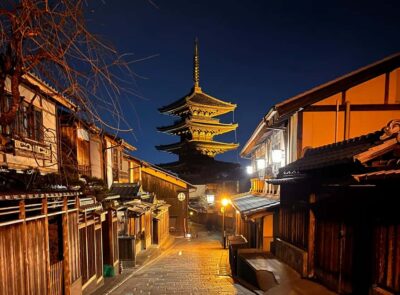
Gion is Kyoto’s best-known traditional district, with wooden buildings, tea-related streets, and lanes that show a more refined side of the city. It is a good place to slow down and look at details rather than race from one landmark to the next.
The planned visit is about an hour. You can use it for a guided walk, photographs, or a short look at the traditional streets. Your guide can explain local customs and point out areas that are easy to miss when you are following a map.
Keep your expectations realistic. Gion is an active neighborhood, not a museum set aside for sightseeing. Be respectful around private homes, shops, and people going about their work. A good guide helps you understand the setting without treating it like a stage.
This is also one of the easier stops to adapt. If you prefer food, shopping, photography, or traditional architecture, tell your guide. The day can bend toward your interests instead of giving every group the same experience.
Kiyomizu-dera: views, temple grounds, and plenty of walking
Kiyomizu-dera is one of Kyoto’s essential temple visits. It combines major religious architecture with broad views over the city and a historic approach lined with shops.
The scheduled stop lasts about an hour, so plan to focus on the main temple area and viewpoint. You will likely walk uphill or over uneven surfaces, and the approach can be crowded. Comfortable shoes are not just a polite suggestion here.
This is a useful stop for mixed-age groups because the vehicle removes the need to walk all the way from a distant station. It does not remove the walking within the temple district. If someone in your party has knee trouble, tell the guide at the beginning.
That kind of communication appears to be one of the service’s strengths. Yash is praised for helping a mother with a bad knee by finding wheelchairs, easier access, and elevators where possible. Another guide adjusted the pace for a group that included seniors and a child on a rainy day.
Entry tickets are extra. You should also allow time for the approach streets if shopping or small snacks are part of your plan.
Fushimi Inari Taisha: the torii gates and the choice of how far to walk
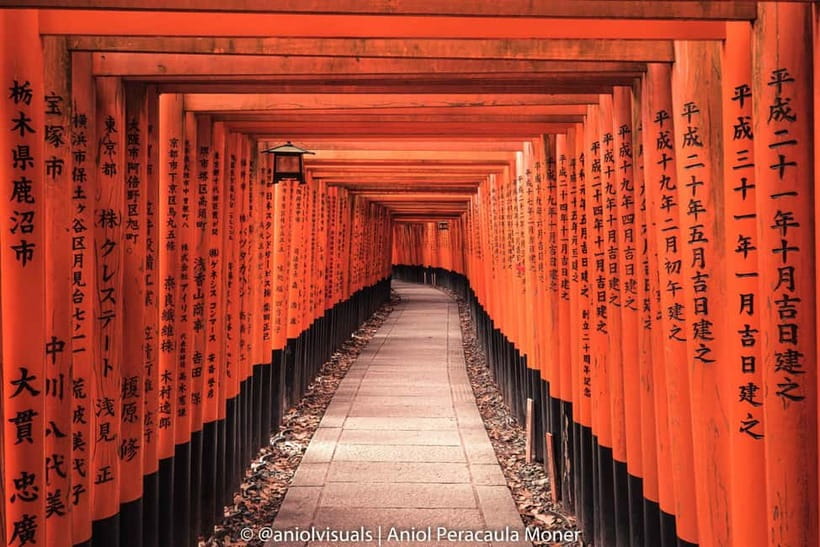
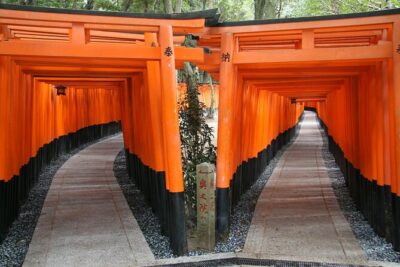
Fushimi Inari is famous for its long tunnel of orange torii gates climbing into the wooded hillside. It is a memorable final stop, but it can also be the most physically demanding one on the route.
The planned visit lasts about an hour and is described as both a photo stop and a guided visit. You can see the lower gates without hiking the entire mountain. If you want to climb farther, tell your guide and be clear about how much time and energy you have left.
One family with teenagers enjoyed going higher, while another group preferred a slower pace. That flexibility is important because the shrine can serve very different types of visitors. You can get a strong sense of the place in a short walk, or spend longer among the gates if hiking is a priority.
The route is popular, so your guide’s advice on timing and less crowded sections can improve the experience. Still, no private vehicle can drive you through the torii gates. Expect to walk once you arrive.
Is six stops really possible in one day?
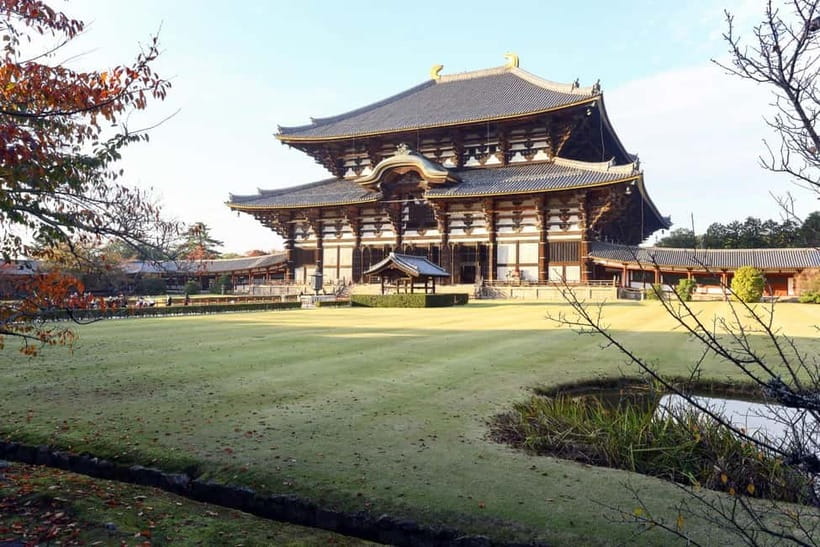
Yes, but think of this as a highlights day, not a slow temple retreat. The listed plan gives each stop about an hour, with the vehicle handling the transfers between them.
That schedule works best if you want a broad first look at Kyoto. You can see major sights, take photos, eat lunch, and leave the planning to someone who knows the city. It is especially useful if you are staying briefly or have already spent several days elsewhere in Japan.
The plan becomes harder during peak periods, bad weather, or heavy traffic. You may need to drop a stop, shorten a visit, or accept that some places receive only a quick look. A private tour is flexible, but it cannot create extra daylight.
I would tell the guide your three priorities before departure. For example, you might rank Fushimi Inari, Arashiyama, and Kiyomizu-dera above everything else. Then treat the remaining stops as additions rather than promises.
The tour description says the guide is English-speaking and shares cultural background, local suggestions, and ways to avoid crowds. One direct account notes that the guide did not accompany the group inside the stops, so clarify this point before booking if detailed indoor guiding is important to you. At some sites, the guide may provide context outside and then allow you to explore independently.
The guides make the biggest difference
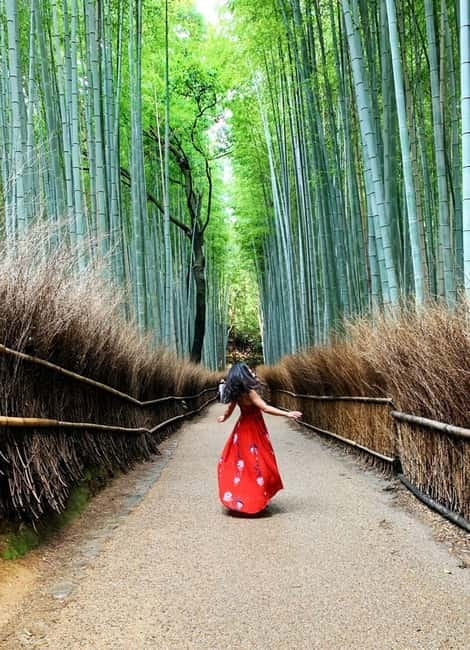
The experience uses different guides, so your exact style will depend on who is assigned. Yash appears repeatedly in the feedback, often in connection with careful driving, family photos, restaurant advice, and patience with older relatives and children.
Nisal is praised for clear explanations, an easy pace, and showing lesser-known places alongside the famous sights. Sam receives strong marks for punctuality, smooth driving, local knowledge, and a clean, comfortable vehicle. Sha and Shan are described as friendly, flexible, and good at changing the route to match personal interests.
Tom and Niall are also named as helpful English-speaking guides. Niall is praised for helping a group see everything on its wish list, while Tom is described as willing to stop for shopping and food.
A repeated bonus is photography. Several guides take pictures with your phone and know where to stand for better family shots. This is not advertised as a professional photography tour, but it can save you from handing your phone to a stranger at every temple.
Who gets the best value for $382?
The advertised price is $382 per group of up to six people. Divide that among six and the cost is about $64 per person. For four people, it is about $96 each, and for two people it becomes $191 each, before food and entry fees.
That makes the tour strongest for families and groups. A party of five or six gets private transport, a dedicated guide, hotel pickup, and the ability to shape the day for a group rate. It is less of a bargain for a solo visitor or couple who are happy using Kyoto’s public transport.
The value is not only the vehicle. You are paying for saved transfer time, less route planning, easier access for tired legs, and a day that can change when your group changes its mind. Families with children, seniors, or mixed walking speeds may find that especially useful.
You should compare the price with your own priorities. If you enjoy figuring out buses and trains, prefer slow visits, or want to spend several hours at one temple, independent travel may suit you better. If you want the main sights without constant navigation, the cost is easier to justify.
Cancellation is free up to 24 hours before the tour, and you can reserve now and pay later. The activity is listed as wheelchair accessible, though some temple grounds, market lanes, and shrine paths still involve walking. Ask about the practical route for your group’s mobility needs.
Tips for making the day work better
- Choose your top three stops first. This protects the sights you care about if traffic or crowds slow the day.
- Tell the guide your walking limits. The vehicle saves energy, but Fushimi Inari and Kiyomizu-dera still require movement on foot.
- Bring comfortable shoes. You will be visiting temple grounds, shrine paths, market lanes, and traditional streets.
- Plan for extra costs. Entry tickets, lunch, snacks, coffee, and drinks are not included.
- Ask about photos. Guides such as Yash and Nisal are often happy to take family pictures with your phone.
- Discuss Osaka plans early. Osaka pickup and drop-off are available by contact, and some groups have used the tour to connect Kyoto sightseeing with an Osaka hotel.
- Leave room for lunch. The schedule can be adapted for sushi, coffee, shopping, or other food requests.
Should you book this Kyoto private tour?
I would book it for a family or group of up to six with only one full day in Kyoto, especially if you want Fushimi Inari, Arashiyama, Kinkaku-ji, Gion, Nishiki Market, and Kiyomizu-dera in the same outing.
It is also a strong choice if someone in your party cannot manage long public-transport connections, if you want help with photos, or if you prefer a local person to handle the route. The high 4.9 rating from 334 reviews and the 94 percent perfect transport score support the case, though the exact guide and traffic conditions still matter.
I would hesitate only if you want long, quiet visits at a few sites or if you are traveling as a couple on a tight budget. In that case, public transport can cost less and give you more control.
For most short Kyoto stays, the best approach is to use the private vehicle for the far-apart highlights, state your priorities clearly, and let the guide adjust the day around your energy. That is where this tour offers its real value.
FAQ
How much does the private Kyoto tour cost?
The price is $382 per private group of up to six people. Food, drinks, and entry tickets are not included.
What sights are included in the suggested itinerary?
The planned route includes Arashiyama, Kinkaku-ji, Nishiki Market, Gion, Kiyomizu-dera, and Fushimi Inari Taisha. The itinerary can be changed to match your interests.
Is hotel pickup included?
Yes. Pickup and drop-off are included for hotels and Airbnbs in Kyoto city. Pickup at Kyoto Station takes place at the Central Exit at the designated time.
Can I be picked up or dropped off in Osaka?
Osaka pickup and drop-off can be arranged by contacting the provider. The tour information does not specify a separate price for this service.
Is the tour conducted in English?
Yes. The tour includes a live English-speaking guide.
Can I cancel or pay later?
You can cancel up to 24 hours in advance for a full refund. Reserve-now, pay-later booking is available.
Just added around Kyoto
- Kyoto: Zen Meditation at a Private Temple with a Monk★ 5.0 · 25 reviews
- Kyoto: Gion Geisha District & Sake-in-Hand Walking Tour★ 5.0 · 37 reviews
- Private Pewter Sake Cup Experience with a Kyoto Artisan★ 5.0 · 31 reviews
- Your Private Vacation Photography Session In Kyoto★ 5.0 · 110 reviews
- Private Guided Traditional Buddhist Cooking in Japan★ 5.0 · 16 reviews
- Kyoto Wagashi(Japanese sweets) Cooking Class near Fushimiinari★ 5.0 · 60 reviews
- Traditional Japanese Music show & Experience Tour in Kyoto★ 5.0 · 57 reviews
- Kyoto:Family-Friendly Kimono & Yukata Experience at WARGO★ 5.0 · 147 reviews
Kyoto Tours, compared.
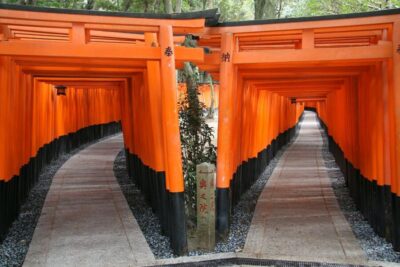
Fushimi Inari, Kinkakuji, Bamboo Grove 1 Day Bus Tour
Read our review →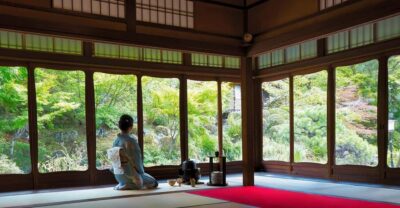
Tea Ceremony in a Traditional Tea House in Kiyomizu
Read our review →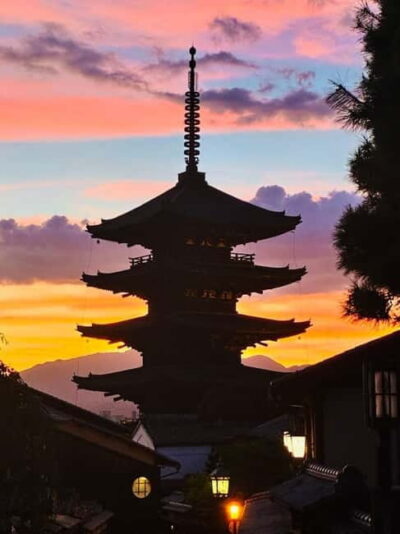
Kyoto Geisha Walking Tour: Gion District & Hidden Gems
Read our review →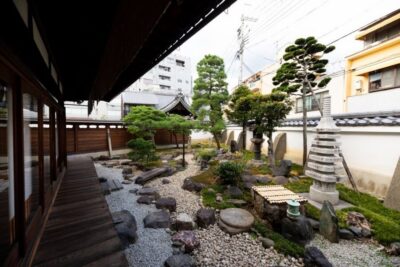
Gion Magical Night Walking Tour with Geisha Trivia
Read our review →