
Reviewed · KYOTO TOURS
KYOTO: Tempio Kiyomizu Pagode Gion “Geisya” (Guida Italiana)
Kyoto’s old pilgrimage streets make this tour special. You begin at Kiyomizu-dera, then walk downhill through Sannenzaka and Ninenzaka toward Gion and Pontocho, following a route that links temples, traditional streets, theaters, shops, and cafes. Omae guides in Italian, explaining the cultural and religious details that are easy to miss when you explore alone.
I like two things right away: transport and admission fees are included, and the tour keeps its focus on Kyoto’s most atmospheric central sights. I also like the Italian-language support, especially if you want to ask detailed questions about customs, Buddhism, or daily life without struggling through a translation.
The main consideration is the price: at $117 per person, this is not a bargain walking tour. You are paying for five hours, a live Italian guide, transport, and entry tickets, so the value depends on how much you want personal explanation and assistance rather than simply seeing the sights.
Key points at a glance
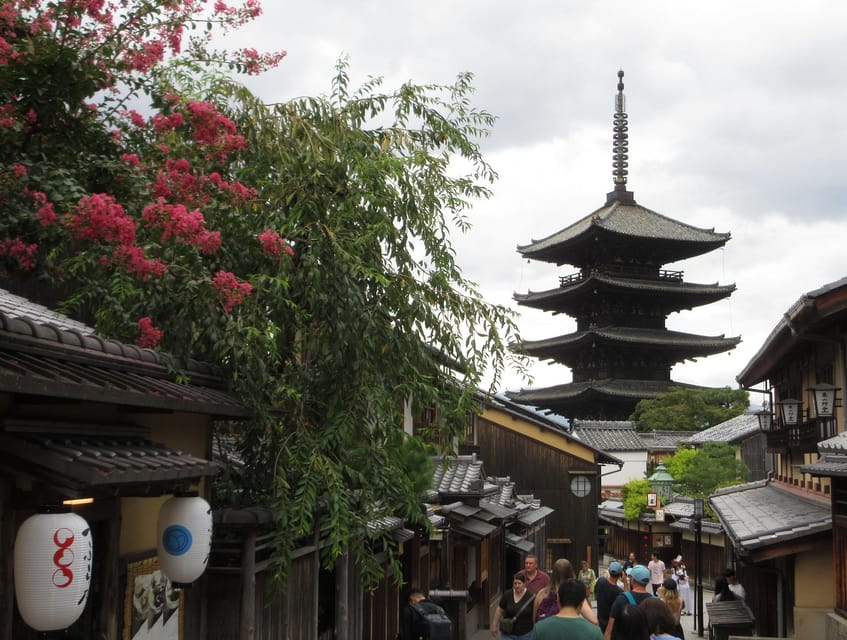
- Kiyomizu-dera begins the cultural story: Spend about an hour at Kyoto’s best-known Buddhist temple, with an Italian explanation of its setting and significance.
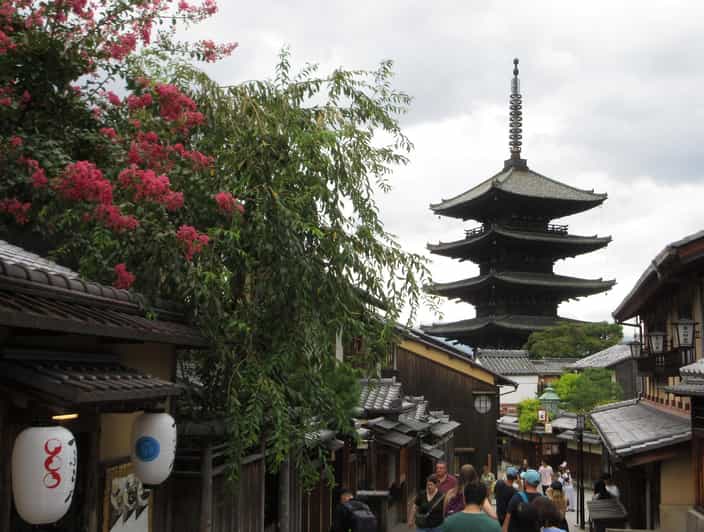
- The route follows old pilgrimage streets: Sannenzaka and Ninenzaka turn the walk into part of the experience, with souvenir shops, sweets, cafes, and traditional-looking lanes.
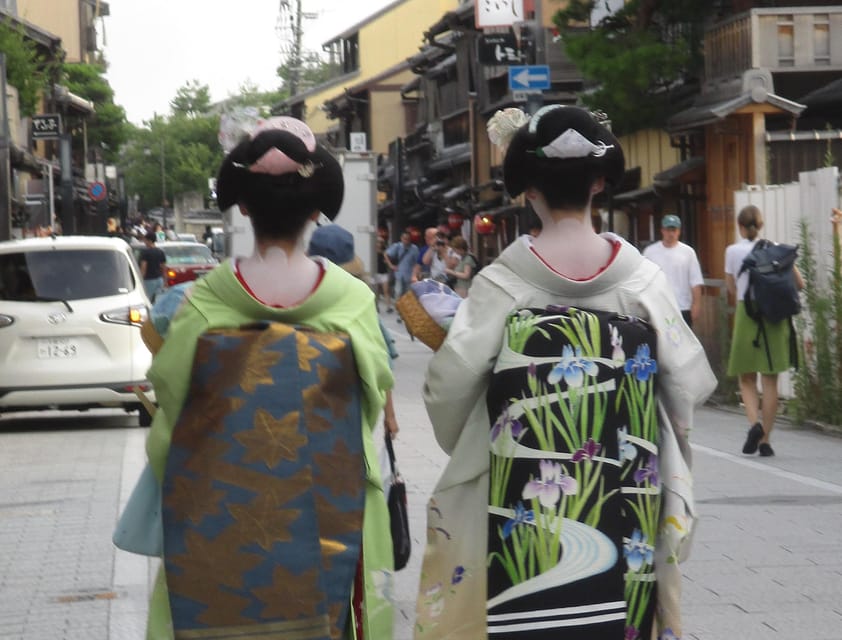
- Gion comes with context, not promises: The tour visits the famous district, but it does not promise a geisha sighting or a performance.
- Omae is the named guide: Recent feedback repeatedly highlights his friendly manner, careful explanations, Italian fluency, and willingness to answer questions.
- The finish is convenient: You end at Pontocho, close to one of Kyoto’s best-known dining and evening areas.
- The format can be adjusted: Group or private arrangements are available, and schedules or routes may be made flexible when possible.
Why this five-hour Kyoto route works
I like this route because it does not treat Kyoto as a list of disconnected photo stops. Kiyomizu-dera gives you the major temple, the lanes below show how tourism and pilgrimage grew around it, and Gion and Pontocho bring you back into the city’s entertainment districts.
The tour lasts five hours, but the walking sections are broken up by the initial bus ride and guided stops. The listed route includes about 15 minutes by bus from Kyoto Station, an hour at Kiyomizu-dera, short walks through Sannenzaka and Ninenzaka, 15 minutes on foot toward Gion, about 30 minutes in Gion, and brief passages near Kyoto Minami-za before finishing at Pontocho.
That sounds easy on paper, but you should still wear comfortable shoes. The route includes several pedestrian streets and temple approaches, and the pleasure comes from looking around rather than rushing from one point to the next.
The tour is especially useful if you want more than dates and names. Omae’s role is to explain the details that can otherwise blur together: why the temple matters, how the pilgrimage area developed, and what makes Gion different from an ordinary shopping street. The Italian language also lets you ask follow-up questions naturally.
More geisha-district evenings:
- Kyoto Geisha Walking Tour: Gion District & Hidden Gems
★ 4.7 · 3,273 reviews - Kyoto: Gion Magical Night Walking Tour with Geisha Trivia
★ 4.9 · 2,393 reviews - Kyoto: Gion Geisha District Walking Tour – Stories of Geisha
★ 4.7 · 2,187 reviews
Meeting at Kyoto Station without confusion
The meeting point is at Kyoto Station’s north entrance, also called the Karasuma-Guchi side. You meet in the open area between the four escalators in front of the taxi terminal, not the bus terminal.
Use the Kyoto Tower as your visual check. From the meeting area, you should see the tower in front of the station, toward the upper left of your view. That detail matters because Kyoto Station is large and its bus, taxi, and station entrances can quickly become confusing.
An email is sent by the day before with confirmation and more precise meeting information. I would still arrive early. The tour starts with a bus ride, so arriving at the wrong side of the station could mean more than a few wasted minutes.
Starting at Kyoto Station is practical. It is a central transport hub, and the finish at Pontocho leaves you in a useful part of town rather than sending you back to the station immediately.
Kiyomizu-dera: the tour’s main temple stop
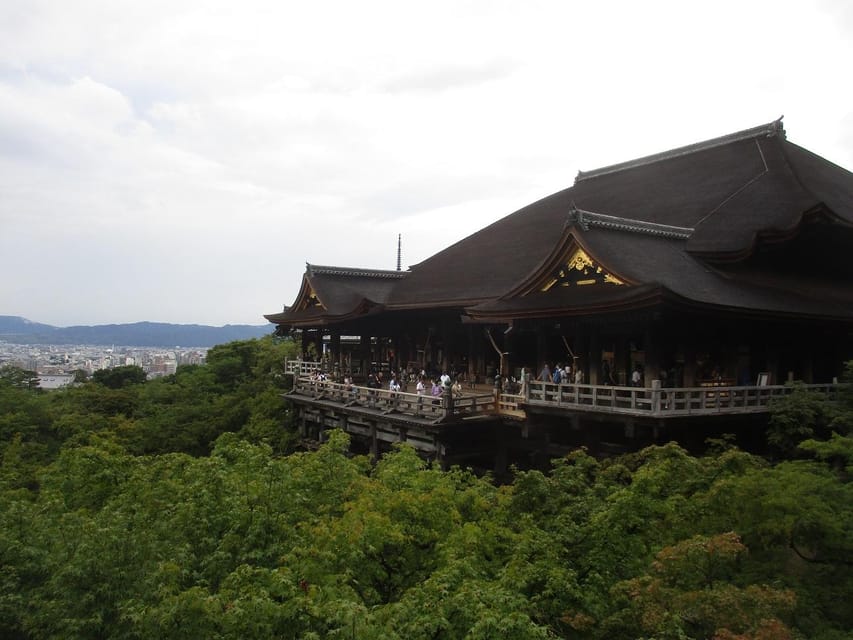
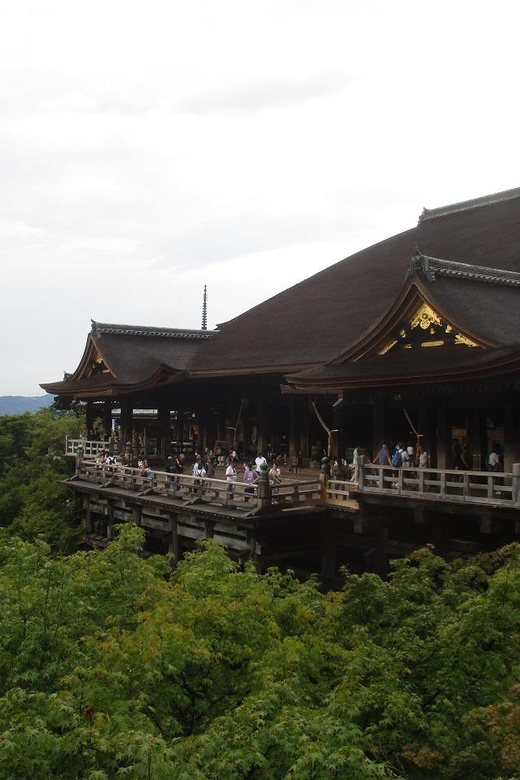
The bus ride from Kyoto Station takes about 15 minutes. The first major stop is Kiyomizu-dera, where the guided visit lasts about an hour.
Kiyomizu-dera is a Buddhist temple in the historic eastern part of Kyoto. The surrounding pilgrimage routes grew from the area’s development beginning in the eighth century, and the visit places the temple within that longer story rather than treating it as a single famous building.
An hour is enough for a focused introduction, but not enough for every corner of the temple grounds. That is worth knowing before you book. You will get an organized visit and an explanation of the key points, not an entire morning to wander at your own pace.
This is where an Italian guide can make a real difference. Religious buildings often have rituals, symbols, and customs that are easy to misread. You can ask Omae what you are seeing and why it matters instead of relying only on signs or a guidebook.
The temple is also the point where the tour is likely to feel busiest and most structured. You have a fixed schedule, and the area is designed for a large number of visitors. If you want long quiet pauses or detailed photography, a solo visit may give you more freedom.
Still, the guided hour is well placed. You see the temple before walking down through the streets that developed around it, which helps connect the religious site with the commercial life below.
Sannenzaka and Ninenzaka: Kyoto on foot
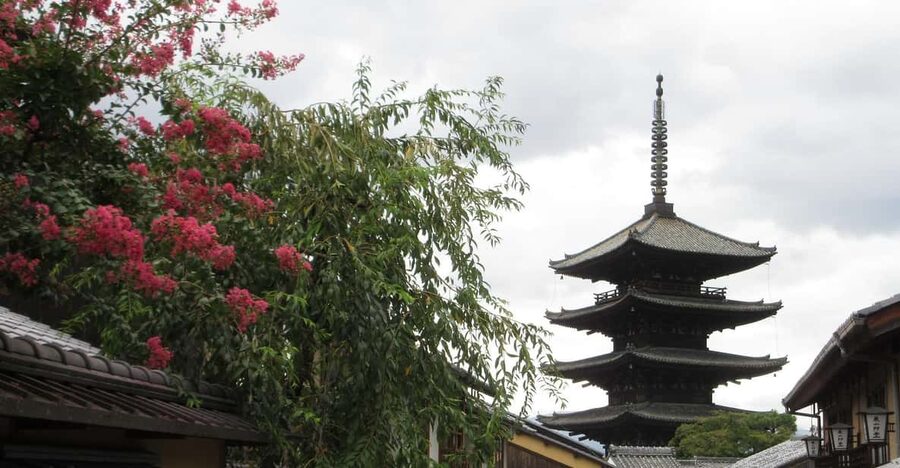
After Kiyomizu-dera, the tour moves on foot to Sannenzaka and Ninenzaka. The listed walking times are short, but these lanes are not merely connectors between attractions.
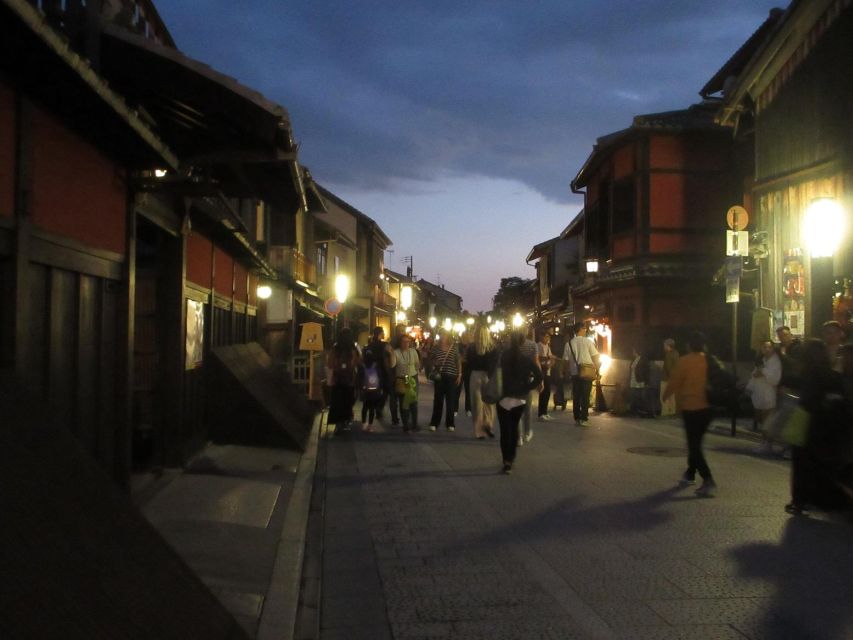
They are old pilgrimage routes lined with souvenir shops, sweets, cafes, and other places aimed at visitors. That commercial side is part of the experience. These streets show how pilgrimage, local craft, food, and tourism have long met in the same space.
I like this section because it slows the tour down. You are no longer standing in front of one monument while listening to an explanation. You are walking through an area developed for movement, stopping, browsing, and small discoveries.
The route gives you only a few minutes of formal walking time at each point, so do not expect an extended shopping break at every store. The guide’s explanations are more important here than the individual shops. You can ask about the streets, the goods, and the way the area serves visitors from Japan and abroad.
There is also a practical tradeoff. Popular lanes can feel crowded, and the shops and cafes make the route more commercial than secluded. If your idea of old Kyoto means empty streets and silence, this will not always match the picture. If you want a lively historic district with plenty to look at, it fits well.
A few more Kyoto half-days to weigh up
- PERFECT KYOTO 1-Day Bus Tour
★ 5.0 · 13,518 reviews - Kyoto: Fushimi Inari, Kinkakuji, Bamboo Grove 1 Day Bus Tour
★ 4.8 · 4,316 reviews - Kyoto: Tea Ceremony in a Traditional Tea House in Kiyomizu
★ 4.9 · 3,519 reviews - Kyoto: Tea Ceremony Ju-An at Jotokuji Temple
★ 4.9 · 3,207 reviews
Gion: culture, entertainment, and careful expectations
From Ninenzaka, you walk for about 15 minutes toward Gion. The guided visit in Gion lasts around 30 minutes.
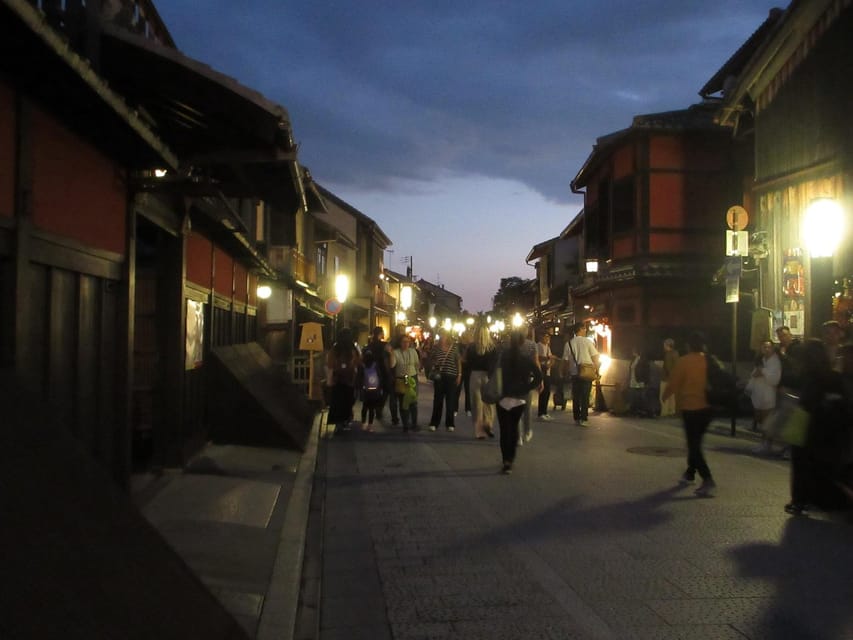
Gion is one of Kyoto’s best-known traditional entertainment districts. The tour introduces the area and explains its cultural details in Italian, helping you understand why it matters beyond its polished streets and old-style buildings.
The title refers to geisha, but you should not book this expecting a guaranteed geisha encounter. No performance, meeting, or scheduled sighting is included in the details provided. The reliable promise is a guided visit to Gion, not a staged event.
That is actually a sensible approach. Gion is a working district, not a theme park. A good guide helps you observe respectfully and understand the setting without turning local people into a photo opportunity.
The 30-minute visit is fairly brief. You get an introduction and time to look around, but not a long exploration of every lane. I see this as a sampler that works well within a broader five-hour route. If Gion is your main reason for coming to Kyoto, you may want extra independent time afterward.
The Italian commentary is particularly useful here because Gion has layers of etiquette and cultural meaning that are not obvious from the architecture alone. Omae’s friendly, quick-moving style, praised in the recent feedback, should suit people who like to ask questions and keep the conversation active.
Kyoto Minami-za and the finish at Pontocho
After Gion, the route passes by Kyoto Minami-za for about three minutes. This is not a full theater visit. You see the building from the outside as part of the walk toward Pontocho.
That short stop works as a final piece of Kyoto’s entertainment story. The tour has moved from Buddhist pilgrimage to shopping lanes, then to Gion and the city’s traditional performance culture.
You finish at Pontocho after another brief walk. Pontocho is a famous narrow dining and nightlife street near the river, so the ending is useful. You can continue your evening in the area rather than retracing the entire route to Kyoto Station.
Because the tour ends away from the starting point, plan your next move before you set out. The included transport covers the scheduled part of the tour, but the information does not say that return transport to Kyoto Station is included after the finish.
What Omae adds to the experience
The strongest pattern in the feedback is the guide himself. Francesca Romana described Omae as accurate, lively, and good at revealing Kyoto’s secrets. Sergio singled out his competence and friendly manner, while other Italian-language comments praised his preparation, attention to detail, and ability to answer questions.
Those points matter more than generic claims about a guide being nice. A five-hour city walk can drag if the explanations are stiff or unclear. Here, the available feedback suggests that Omae brings energy without losing care in the details.
I would choose this experience if you enjoy asking questions. The tour promises assistance whenever needed, and the guide is there to explain Japanese culture in Italian rather than simply lead you from one entrance to another.
The language is the key advantage. Italian-speaking visitors can discuss religious customs, local history, and practical questions in a much more relaxed way. That is particularly valuable in Kyoto, where a sign may identify a temple but not explain the behavior expected inside it.
The information does not specify a maximum group size, so you should not assume this will feel like a private tour. It may be a group or individual experience. If the size of the group matters to you, ask before booking.
Is $117 a fair price?
The cost is $117 per person. That is a substantial amount for a five-hour route, especially since much of the experience takes place outdoors and on public streets.
The calculation improves because the price includes transport and admission tickets for the scheduled monuments. You are also paying for a live Italian-speaking guide and help throughout the itinerary. Those costs can add up if arranged separately, and the convenience of having one person handle the route has real value.
I would not choose this tour simply to see Kiyomizu-dera, Sannenzaka, Ninenzaka, and Gion. You can visit those areas independently. I would choose it if the Italian explanation is important, if you want help connecting the sites, or if you prefer not to work out the bus and temple admissions yourself.
The tour can also be adjusted in timing or itinerary on request, as far as possible. That does not mean every change is guaranteed, but it gives the experience more flexibility than a rigid sightseeing circuit.
Who should book this experience?
This tour suits Italian-speaking visitors who want a cultural introduction to eastern Kyoto without handling every detail alone. First-time visitors may appreciate the clear progression from Kyoto Station to Kiyomizu-dera, the old streets, Gion, and Pontocho.
It also fits families and mixed-age groups because the route includes short walks, a bus transfer, shops, sweets, and cafes rather than five straight hours inside museums or temples. The activity is listed as wheelchair accessible, though the route includes walking through historic streets, so it is sensible to confirm the practical arrangements for your needs.
I would also recommend it to people who care about context. The most praised qualities are Omae’s Italian fluency, attention to detail, friendly character, and willingness to answer questions. Those are precisely the qualities that turn a familiar sightseeing route into a more useful introduction to Kyoto.
You may want something else if you prefer complete independence, long pauses, or a tour built around food, shopping, or a guaranteed performance. This experience visits Gion and passes Minami-za, but it does not include a show or a dedicated meal.
What to know before you reserve
You can cancel up to 24 hours in advance for a full refund, and the reserve-now, pay-later option keeps your plans flexible. Starting times vary, so check availability for the date you want.
The meeting details deserve special attention. Go to the north, Karasuma-Guchi entrance of Kyoto Station, find the space between the four escalators near the taxi terminal, and use Kyoto Tower as your reference point. The confirmation email sent by the day before should provide the final details.
Bring comfortable shoes and allow enough time to arrive at the meeting point. The tour covers temple grounds, traditional streets, and several walking sections, so comfort will affect how much you enjoy the explanations and the scenery.
Should you book this Italian Kyoto tour?
Book it if you want Kiyomizu-dera, the old pilgrimage streets, Gion, and Pontocho explained in Italian by a guide who appears to combine warmth with careful detail. The included transport, admissions, and assistance make the $117 easier to justify, especially for a first visit.
Skip it if you already know these districts well or want to set your own pace. The route is popular, the Gion visit is short, and no geisha meeting or theater performance is promised.
For the right person, this is a practical half-day introduction to Kyoto’s most recognizable eastern neighborhoods. The real reason to choose it is not the number of stops. It is the chance to ask Omae what you are seeing, why it matters, and how the pieces of old Kyoto fit together.
FAQ
How long does the tour last?
The tour lasts five hours.
Where does the tour begin?
It begins at Kyoto Station’s north entrance, known as Karasuma-Guchi. The meeting area is between the four escalators in front of the taxi terminal, not the bus terminal.
Where does the tour finish?
The tour finishes at Pontocho.
What language is the tour conducted in?
The live tour guide speaks Italian.
Are transportation and entrance tickets included?
Yes. The price includes scheduled transport and entrance fees for the monuments included in the route.
Does the tour visit Gion?
Yes. The itinerary includes a guided visit and sightseeing in Gion for about 30 minutes.
Can the tour schedule or itinerary be changed?
Flexible itineraries and times can be requested, as far as possible. Changes are not guaranteed.
Just added around Kyoto
- Kyoto: Zen Meditation at a Private Temple with a Monk★ 5.0 · 25 reviews
- Kyoto: Gion Geisha District & Sake-in-Hand Walking Tour★ 5.0 · 37 reviews
- Private Pewter Sake Cup Experience with a Kyoto Artisan★ 5.0 · 31 reviews
- Your Private Vacation Photography Session In Kyoto★ 5.0 · 110 reviews
- Private Guided Traditional Buddhist Cooking in Japan★ 5.0 · 16 reviews
- Kyoto Wagashi(Japanese sweets) Cooking Class near Fushimiinari★ 5.0 · 60 reviews
- Traditional Japanese Music show & Experience Tour in Kyoto★ 5.0 · 57 reviews
- Kyoto:Family-Friendly Kimono & Yukata Experience at WARGO★ 5.0 · 147 reviews
Kyoto Tours, compared.


Fushimi Inari, Kinkakuji, Bamboo Grove 1 Day Bus Tour
Read our review →
Tea Ceremony in a Traditional Tea House in Kiyomizu
Read our review →
Kyoto Geisha Walking Tour: Gion District & Hidden Gems
Read our review →

Gion Magical Night Walking Tour with Geisha Trivia
Read our review →

Gion Geisha District Walking Tour – Stories of Geisha
Read our review →Browse the lists this tour appears in