
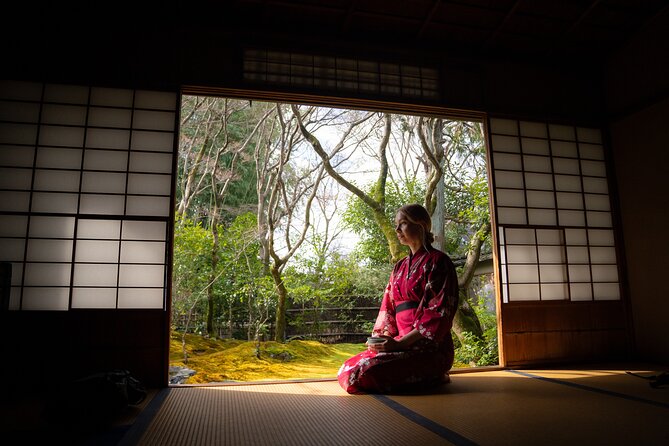
Reviewed · KYOTO TOURS
Kyoto: Zen Meditation at a Private Temple with a Monk
Kyoto’s best cultural moments are often quiet ones. At this private temple near Kodaiji Park, you sit with a monk, learn the basics of Zazen meditation, and spend time in a garden normally closed to the public. The monk teaches in Japanese with help from an English-speaking guide such as Soma, Satoru, Ruko, or Kohtaro.
I like the mix of practical instruction and personal conversation. You do not simply watch a ritual, you learn how to sit, breathe, and handle wandering thoughts. I also like the matcha, sweets, and garden visit, which give the session a warm social finish. The main consideration is the price: $91 for 90 minutes is not cheap, and the meeting point at the north side of the Kodaiji Park toilet can be confusing if you follow an inaccurate map pin.
Key points at a glance
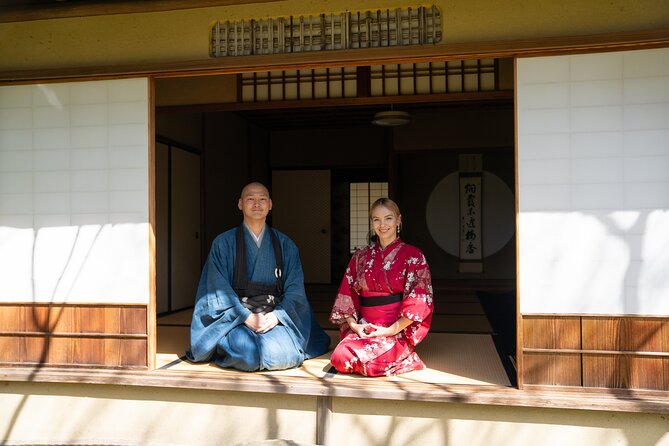
- A private temple near Kodaiji Park: Walk about 10 minutes from the meeting point to a temple not open to the general public.
- A real introduction to Zazen: Learn posture, breathing, focus, and the purpose behind seated meditation before practicing.
- A monk-led session: The monk teaches in Japanese, with clear English interpretation from the guide.
- Matcha and garden time: End with tea, sweets, questions, and a look around the peaceful temple grounds.
- Good for first-timers: You do not need meditation experience, though children under 12 cannot join.
- Small-group or private format: The quieter setting works best for people seeking reflection rather than a busy sightseeing stop.
Walking from Kodaiji Park to a private temple
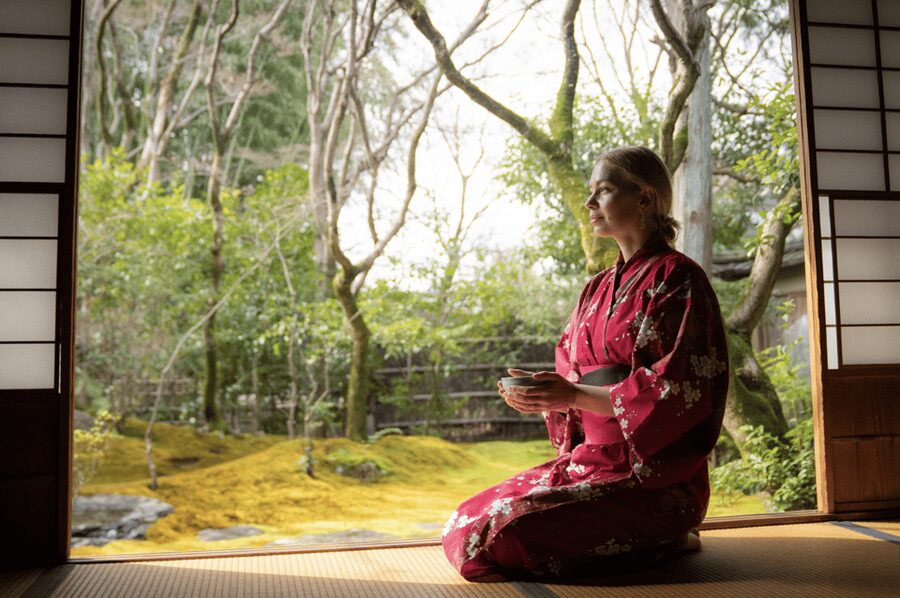
Your meeting point is at the toilet in Kodaiji Park, on the northern side. This sounds simple, but it is the one practical detail I would take seriously. A few people have found the map location unclear, especially when the pin led them into the park rather than directly to the toilet.
I suggest checking the guide’s same-day message and using the toilet as your landmark. The guide waits on its northern side, then leads you on foot for roughly 10 minutes. The walk takes you into the Kodaiji and Nene no Michi area, one of Kyoto’s most atmospheric parts, but the experience itself is designed to move you away from the usual sightseeing rush.
This is not a large public temple visit. You enter a private space with a guide and monk, which gives the morning or evening a more personal feel. The exact temple is described as a place not generally open to the public, and that limited access is a central part of the value.
A few more Kyoto half-days to weigh up
- PERFECT KYOTO 1-Day Bus Tour
★ 5.0 · 13,518 reviews - Kyoto: Fushimi Inari, Kinkakuji, Bamboo Grove 1 Day Bus Tour
★ 4.8 · 4,316 reviews - Kyoto: Tea Ceremony in a Traditional Tea House in Kiyomizu
★ 4.9 · 3,519 reviews
What the monk teaches before you sit
The first part is a short introduction to Japanese culture, Buddhism, and Zen. Then the monk explains Zazen, the seated meditation practice at the heart of the session.
You learn the purpose of the practice rather than being told simply to sit in silence. The instruction covers posture, breathing, rhythm, and how to deal with thoughts. The central idea is to sit with a steady mind and notice what happens without chasing every concern or distraction.
For a first-time meditator, this guidance matters. Sitting silently for 20 minutes can feel surprisingly long if nobody explains what to do with your body and attention. The monk gives you a framework, while the guide translates the teaching into English.
The monk usually speaks Japanese, with the English-speaking guide interpreting. Several guides are named in the available information, including Soma, Satoru, Ruko, and Kohtaro. The guide’s role is more than basic translation. You need clear interpretation here because the value of the session depends on understanding the monk’s explanations and being able to ask questions afterward.
The tone is friendly rather than stern. You are not expected to arrive as a Buddhist or an experienced meditator. People who had never formally meditated found the instructions accessible, while people with some prior experience still learned a different way to practice.
The Zazen session itself
After the introduction, you practice seated meditation under the monk’s direction. The emphasis is on breathing rhythmically, holding proper posture, and turning your attention toward the present moment.
Do not expect a dramatic spiritual performance. The useful part is its simplicity. You sit, breathe, notice your thoughts, and return your attention to the practice. That can be harder than it sounds, especially after long flights, trains, crowded streets, or a packed Kyoto sightseeing schedule.
The meditation portion has been described as lasting about 20 minutes in at least one account, though the overall activity lasts 90 minutes and the exact timing may vary. You may find the silence calming, or you may find it physically demanding if sitting on the floor is unfamiliar.
This is one reason the experience is not suitable for people with mobility impairments. The activity also lists claustrophobia and fear of heights as concerns, so you should consider those restrictions before booking. The supplied information does not describe alternate seating arrangements, so it is best not to assume that modifications are available.
I like that the session is not framed as a test. You are not trying to empty your mind perfectly. You are learning a technique and getting a short chance to practice it in a setting that supports quiet attention.
Tea, sweets, and a conversation with the monk
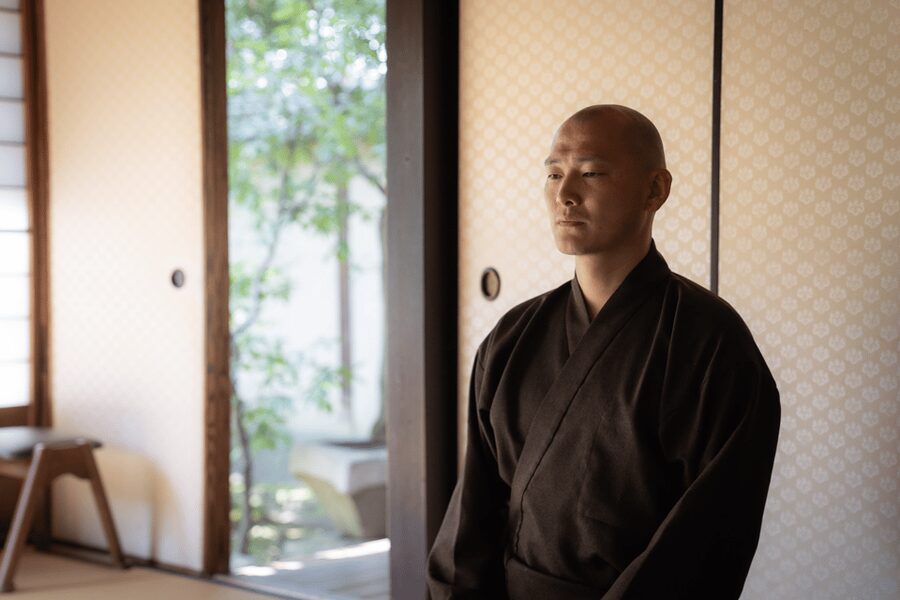
After meditation, the mood becomes more conversational. You share matcha and sweets, enjoy the view of the temple garden, and have time to ask the monk questions.
This part may be the most valuable section for curious visitors. Meditation instructions can be found in books and apps, but the chance to ask a monk about Buddhist practice, daily life, and the meaning of Zen gives the session a human face.
The conversation is also where the guide’s English skills matter most. Guides such as Soma and Satoru have been praised for warm interpretation and helpful answers. Ruko has also been noted for assisting with photos. Since the monk and guide work as a pair, you can ask questions without worrying about a language barrier cutting the discussion short.
Topics can include meditation, Buddhism, the monk’s life, and Japanese culture. The supplied details do not promise a fixed question-and-answer list, so your experience will depend partly on what you want to ask and how much time remains.
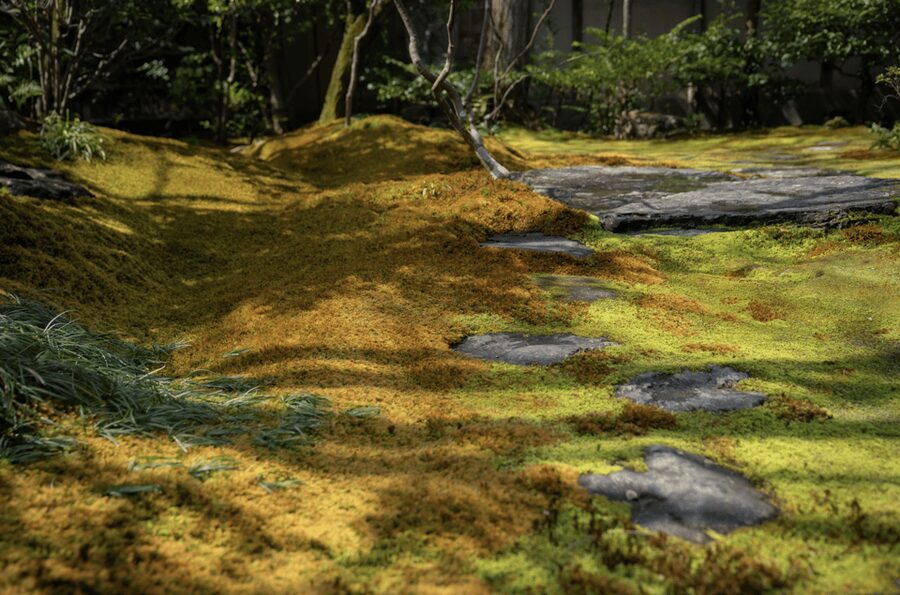
You may also walk through the temple garden after the meditation. The moss garden and quiet grounds are repeatedly singled out as beautiful and peaceful. You can take photographs inside the temple and in the garden, and photos with the monk are allowed.
Keep your approach respectful. This is a working religious setting, not only a photo stop. Ask before taking close-up photographs, especially during any solemn moment.
Same base, a completely different sort of day:
- Kyoto Geisha Walking Tour: Gion District & Hidden Gems
★ 4.7 · 3,273 reviews - Kyoto: Tea Ceremony Ju-An at Jotokuji Temple
★ 4.9 · 3,207 reviews - Kyoto: Gion Magical Night Walking Tour with Geisha Trivia
★ 4.9 · 2,393 reviews - Kyoto: 45-Minute Tea Ceremony Lesson Experience
★ 4.3 · 2,378 reviews
Why the garden changes the experience
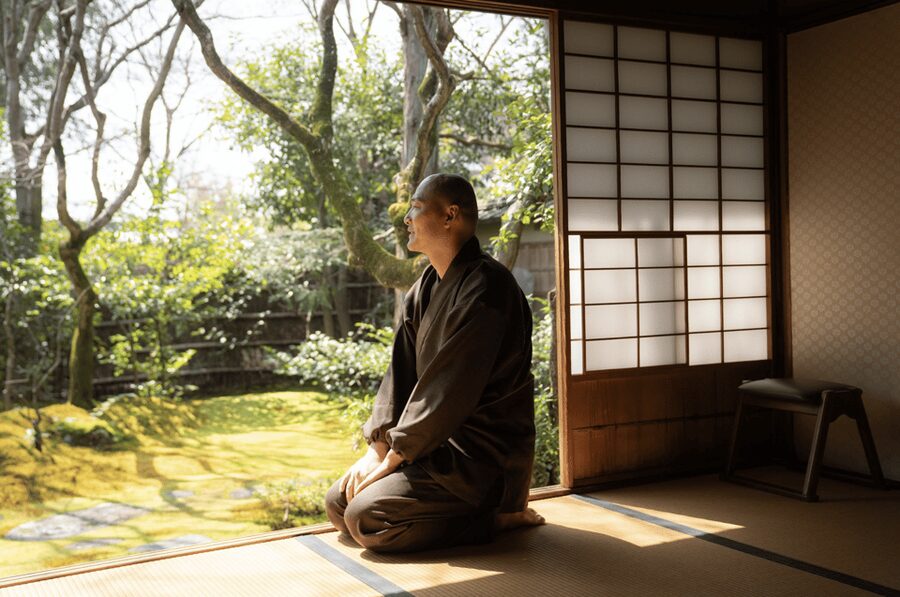
Kyoto has no shortage of famous temples and gardens. Many are beautiful, but they can also be crowded, especially around the Kodaiji area. Here, the garden serves a different purpose.
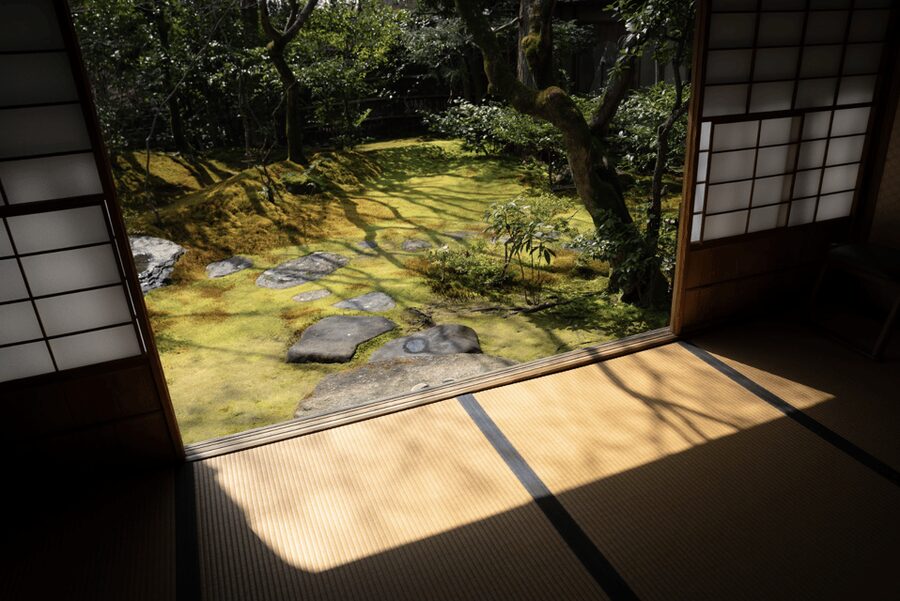
You see it after sitting quietly, so you may notice details that would be easy to miss during a standard sightseeing visit. Moss, garden forms, and the surrounding calm become part of the lesson rather than a quick background for photos.
The garden is not the sole reason to pay $91, but it helps make the experience feel distinct from a meditation class in a hotel room. You are visiting a private temple, meeting a monk in his own setting, and connecting the practice to a real place.
Some sessions have been especially small, with only two people or even one participant. Private and small-group options are available, though the exact group size depends on the booking. A small group gives you more room to ask questions and may make the meditation feel less self-conscious.
At the same time, a group session can have its own appeal. You may sit with people from different parts of the world who already share an interest in meditation. If you prefer a completely solitary session, confirm the group arrangement before booking.
Is $91 a fair price?
At $91 per person, this is a premium short activity. You are paying roughly $1 per minute, so it makes sense to compare it with other Kyoto cultural experiences before reserving.
The price includes entry to the private temple, the Zen session, the monk’s lecture, and guided Zazen practice. Transportation is not included, but the meeting point is in central Kyoto and the final walk is only about 10 minutes.
For me, the value depends on what you want from Kyoto. If you want the lowest-cost introduction to meditation, you can find cheaper classes. If you want access to a temple not open to the public, direct contact with a monk, English interpretation, matcha, sweets, and time in a private garden, the price is easier to justify.
The strongest value comes from the combined experience. None of the parts alone would necessarily warrant $91. Together, they create a compact cultural encounter that is difficult to arrange independently.
I would be more cautious if you are mainly shopping for temple photography. The garden is lovely, but this is not a garden tour with unlimited time. Meditation and conversation are the main events.
Who will enjoy this most?
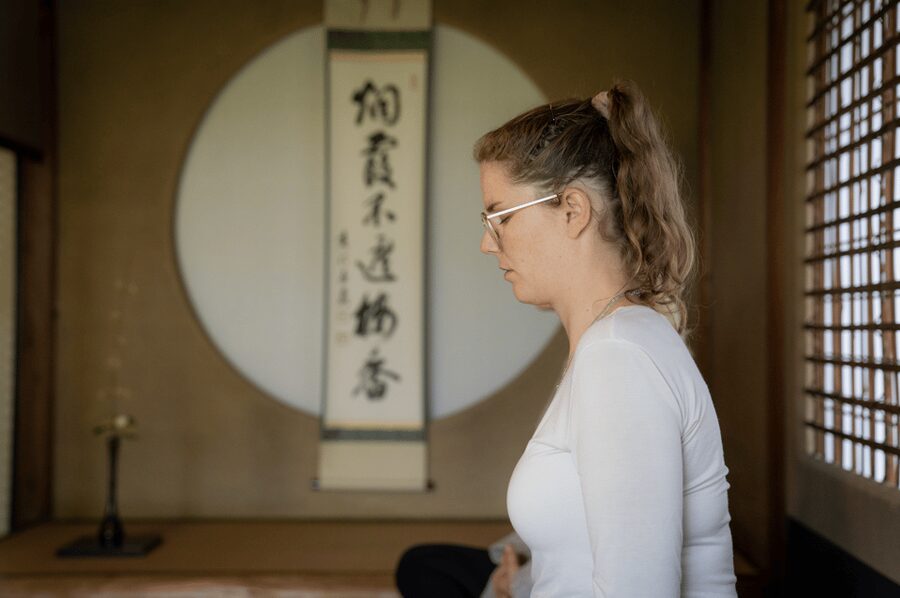
This activity suits you if you want a slower break in the middle of a busy Japan trip. It works particularly well on your first full day in Kyoto, when you may still be tired from flights and trains, or after several days of crowded sightseeing.
You do not need previous meditation experience. The monk explains the method from the beginning, and the calm format can make the practice feel approachable. People who already meditate may appreciate learning a Japanese Zen approach and asking a monk about technique.
It is also a good choice for couples, solo visitors, and small groups who enjoy conversation. One useful feature is that you can bring personal questions rather than simply listening to a prepared talk.
The age limit is clear: children under 12 cannot participate. Teenagers may enjoy it, and the experience has worked for a parent and teenage son, but you should consider your child’s comfort with quiet sitting and formal settings.
You should think carefully before booking if you have mobility limitations, claustrophobia, or a fear of heights. The activity is not suitable for those conditions according to the provided restrictions.
Timing, meeting details, and useful planning tips
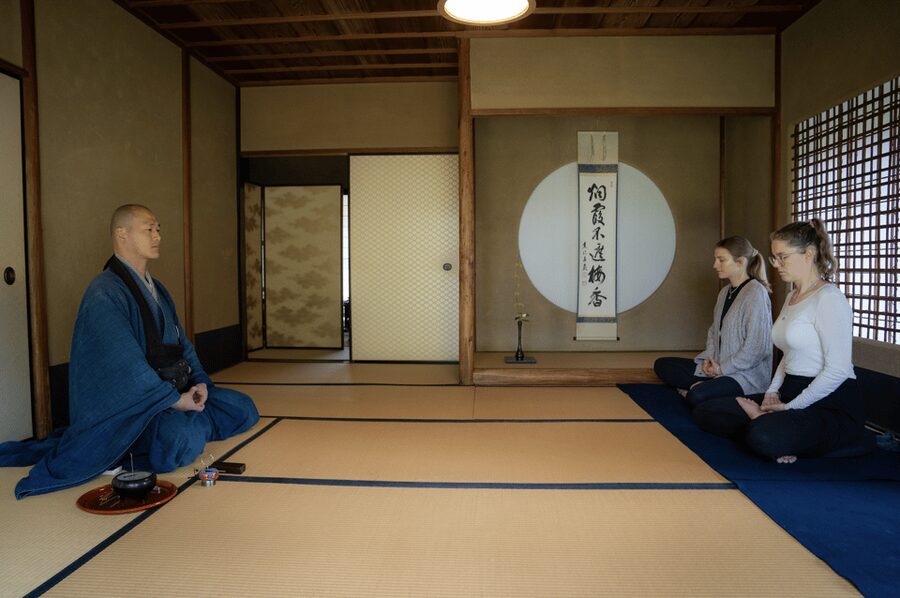
The experience lasts 90 minutes, with starting times available according to the booking calendar. It can be scheduled in the morning or evening. One participant found a 7 p.m. start especially pleasant, while many others enjoyed beginning the day with meditation.
Morning sessions may fit well before sightseeing around Kodaiji, Higashiyama, and Nene no Michi. Evening sessions can offer a quieter pause after a full day, though you should check the available time before planning dinner.
No transportation is included. You make your own way to Kodaiji Park, meet beside the north side of the toilet, and walk with the guide to the temple.
I would arrive early enough to locate the park and toilet without rushing. Read the guide’s message on the day of the experience, since the map destination has caused confusion for some people. Wear clothing that lets you sit comfortably, and do not arrive expecting to rush straight into a photo session.
The booking terms are flexible. You can cancel up to 24 hours in advance for a full refund, and you can reserve now and pay later. Check the current start times and availability before relying on those terms for your itinerary.
The guide can make or break the session
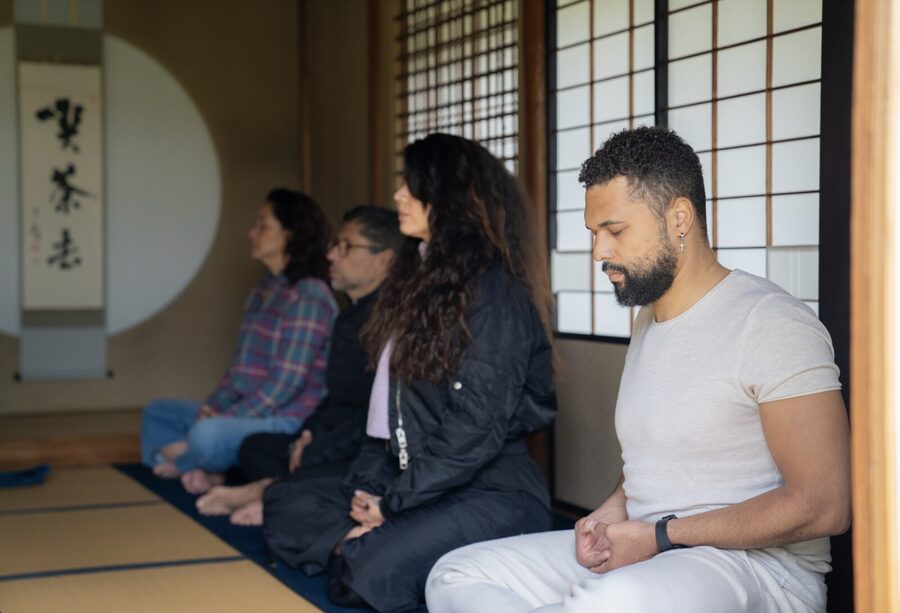
Because the monk teaches in Japanese, the guide is central to the experience. Clear interpretation lets you follow the meditation instructions, understand the cultural background, and ask meaningful questions.
Soma and Satoru receive particular praise in the supplied feedback, while Ruko and Kohtaro are also named as helpful English-speaking guides. Their work includes meeting you, walking you to the temple, introducing the setting, translating the monk’s words, and often helping with photos.
You should not confuse a translated session with a lecture delivered directly in English. The monk speaks Japanese, and the guide interprets. That format may add a little pause between question and answer, but it also keeps the monk’s own voice at the center.
The best guides also help you feel at ease. That matters during meditation, when a rushed or awkward introduction could make it hard to settle. Here, the guide and monk are presented as friendly and welcoming, which suits beginners who might otherwise feel unsure about religious etiquette.
My honest take on the experience
I see this as a cultural experience first and a meditation class second. You get a short practical lesson, but the bigger reward is meeting a monk, entering a private temple, and seeing how Zen connects to daily life.
The session will not solve every restless thought in 20 minutes. It may also feel expensive if your main goal is a long meditation retreat. The physical act of sitting may be uncomfortable, and the meeting point needs careful attention.
Still, the format is unusually well judged for a Kyoto visit. It is short enough to fit into a busy schedule, personal enough to feel special, and grounded in a real temple rather than a staged cultural show. The tea, sweets, garden, and open conversation keep it from becoming dry or overly formal.
I especially like the chance to ask the monk questions after sitting. That is where you move from learning a technique to understanding the person and tradition behind it.
Should you book it?
Book this experience if you want quiet, direct contact with Japanese culture and a private temple setting that ordinary sightseeing does not provide. It is a strong choice for first-time meditators, couples, solo visitors, and anyone who wants a thoughtful pause from Kyoto’s busy streets.
Skip it if you want a low-cost activity, dislike sitting on the floor, or are mainly interested in touring a garden. Also check the restrictions and meeting point carefully.
For the right person, $91 buys more than a meditation lesson. You get a monk’s guidance, English interpretation, matcha, a private garden, and a rare chance to ask questions in a setting that feels personal and calm.
FAQ
Where does the experience begin?
Meet the guide at the toilet in Kodaiji Park. The guide waits on the northern side of the toilet.
How long is the activity?
The full experience lasts 90 minutes.
How far is the temple from the meeting point?
The walk from Kodaiji Park to the temple takes about 10 minutes.
Is transportation included?
No. Transportation is not included, and you meet the guide at Kodaiji Park before walking to the temple.
Is the session offered in English?
Yes. The activity has an English-speaking live guide. The monk may teach in Japanese, with the guide providing English interpretation.
Do I need meditation experience?
No. The monk explains the principles and techniques of Zazen before you practice, making the session suitable for beginners.
Can I take photographs?
Yes. You can take photos in the temple and garden, and photographs with the monk are permitted.
Who cannot take part?
The experience is not suitable for children under 12, people with mobility impairments, people with claustrophobia, or people afraid of heights.
Just added around Kyoto
- Kyoto: Zen Meditation at a Private Temple with a Monk★ 5.0 · 25 reviews
- Kyoto: Gion Geisha District & Sake-in-Hand Walking Tour★ 5.0 · 37 reviews
- Private Pewter Sake Cup Experience with a Kyoto Artisan★ 5.0 · 31 reviews
- Your Private Vacation Photography Session In Kyoto★ 5.0 · 110 reviews
- Private Guided Traditional Buddhist Cooking in Japan★ 5.0 · 16 reviews
- Kyoto Wagashi(Japanese sweets) Cooking Class near Fushimiinari★ 5.0 · 60 reviews
- Traditional Japanese Music show & Experience Tour in Kyoto★ 5.0 · 57 reviews
- Kyoto:Family-Friendly Kimono & Yukata Experience at WARGO★ 5.0 · 147 reviews
Kyoto Tours, compared.


Fushimi Inari, Kinkakuji, Bamboo Grove 1 Day Bus Tour
Read our review →
Tea Ceremony in a Traditional Tea House in Kiyomizu
Read our review →
Kyoto Geisha Walking Tour: Gion District & Hidden Gems
Read our review →

Gion Magical Night Walking Tour with Geisha Trivia
Read our review →
