Reviewed · KYOTO TOURS
Kyoto: Zen Experience in a Hidden Temple
The unusual thing here is not simply meditating in a Japanese temple. You sit with Eitetsu Nishida, Jusho-in’s 16th-generation abbot, facing a 400-year-old garden, then learn how Zen and matcha are linked. I like the quiet setting inside the large Myoshin-ji complex, and I like the thoughtful rhythm of two 20-minute meditation sessions with time to stretch and ask questions. The main consideration is simple: sitting upright for 40 minutes can be hard, especially if you are new to meditation.
I also like the friendly, human tone. Eitetsu is known for his humor, and the English-speaking guides help make Zen ideas easy to follow. The tea, seasonal Japanese sweets, and professional photographs add real value to the $109 price, though the experience is still best for people willing to slow down rather than rush through a checklist.
Key points at a glance
- Meditate with a hereditary temple abbot: Eitetsu Nishida is the 16th generation to serve as chief priest of Jusho-in.
- Two 20-minute zazen sessions: The format gives beginners a manageable introduction, with a break for stretching and questions.
- Look onto a 400-year-old garden: The garden is attributed to painter Eitoku Kano and changes with the seasons.
- Learn matcha as a Zen practice: Tea is explained, prepared, and paired with traditional seasonal sweets.
- Escape Kyoto’s busiest sights: Jusho-in sits within Myoshin-ji, a large temple complex with 46 sub-temples.
- Receive professional photographs: A photographer works during the session, so you can focus on meditation instead of taking pictures.
Entering Jusho-in through Myoshin-ji
Your meeting point is at Myoshin-ji’s north gate, at 18 Taniguchisonomachi, although the exact option you book may use a different gate arrangement. From there, a guide leads you through the temple grounds to Jusho-in.
That walk matters. You do not simply arrive at a commercial studio dressed up as a temple. Jusho-in is one of 46 sub-temples within Myoshin-ji, one of Japan’s largest Zen temple complexes. The approach gives you a sense of the scale of the site before you enter the smaller, quieter temple used for this experience.
Jusho-in was founded in 1599 and has a history of about 420 years. Its age is not presented through a long museum-style lecture. Instead, you encounter it through the architecture, the garden, the calm rooms, and the way the visit is conducted.
The complex itself is worth allowing extra time for after the two-hour session. One useful tip is to walk around Myoshin-ji if your schedule permits. The main temple has a dragon painted on its ceiling, although photography is not allowed inside, and another nearby feature is the Bell of Good Connections. These additions are not part of the paid experience, so check any separate entry fee before entering other buildings.
A few more Kyoto half-days to weigh up
- PERFECT KYOTO 1-Day Bus Tour
★ 5.0 · 13,518 reviews - Kyoto: Fushimi Inari, Kinkakuji, Bamboo Grove 1 Day Bus Tour
★ 4.8 · 4,316 reviews - Kyoto: Tea Ceremony in a Traditional Tea House in Kiyomizu
★ 4.9 · 3,519 reviews
Two 20-minute sessions of zazen
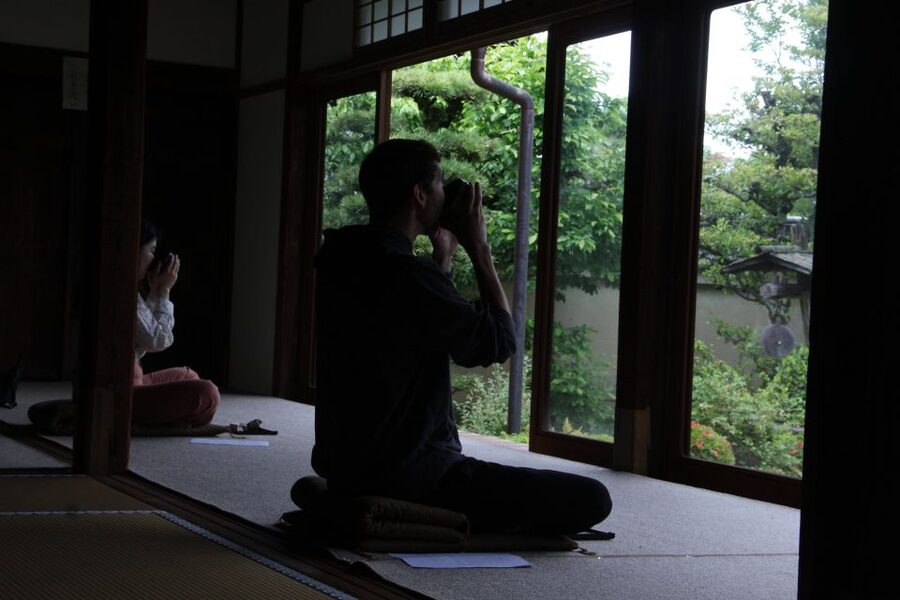
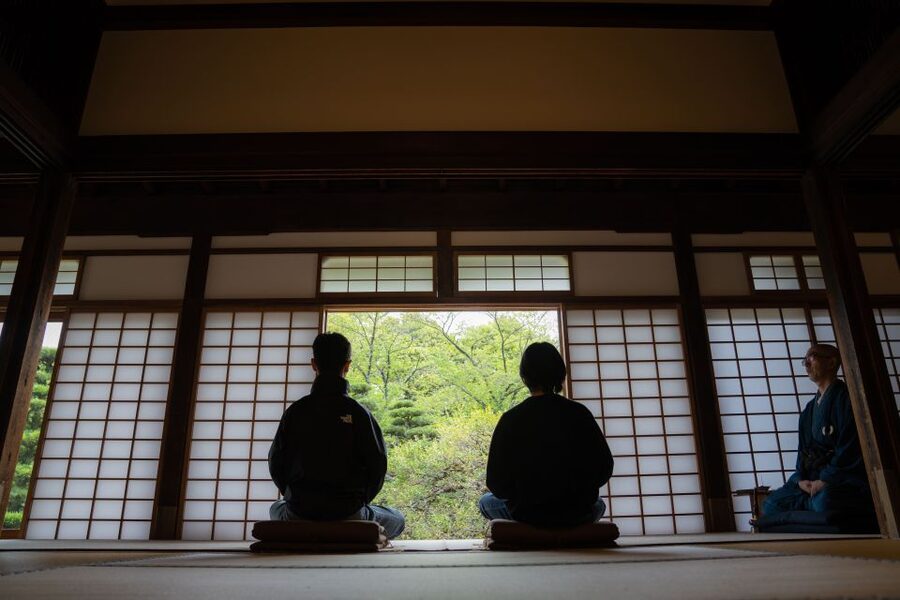
The meditation begins with an explanation of zazen, the seated meditation practice central to Zen. You receive guidance on posture and the basic approach before sitting with the priest.
The schedule uses two 20-minute sessions rather than one long stretch. That is a smart choice for beginners. Twenty minutes can feel surprisingly long when you are trying to remain still, but the first session gives you a chance to understand the physical challenge. The break lets you stretch, ask questions, and reset before the second session.
Do not expect meditation to mean instantly clearing your mind. One of the useful lessons of zazen is realizing how active your thoughts are when you stop feeding them with phones, conversation, and sightseeing. You may find the sessions peaceful, but you may also notice stiff legs, wandering thoughts, or trouble keeping your back upright. That is normal for a first attempt.
The priest teaches with warmth and humor rather than treating the practice as a solemn performance. Eitetsu Nishida trained for three and a half years before becoming a monk, after spending 10 years as a national public servant. His background helps explain why the experience feels approachable instead of remote.
Chairs are available for anyone who needs one during meditation. You do not need previous experience, and the activity is open to all ages. If you are wearing a rented kimono, though, sitting comfortably can be difficult, so ordinary clothing is the better choice.
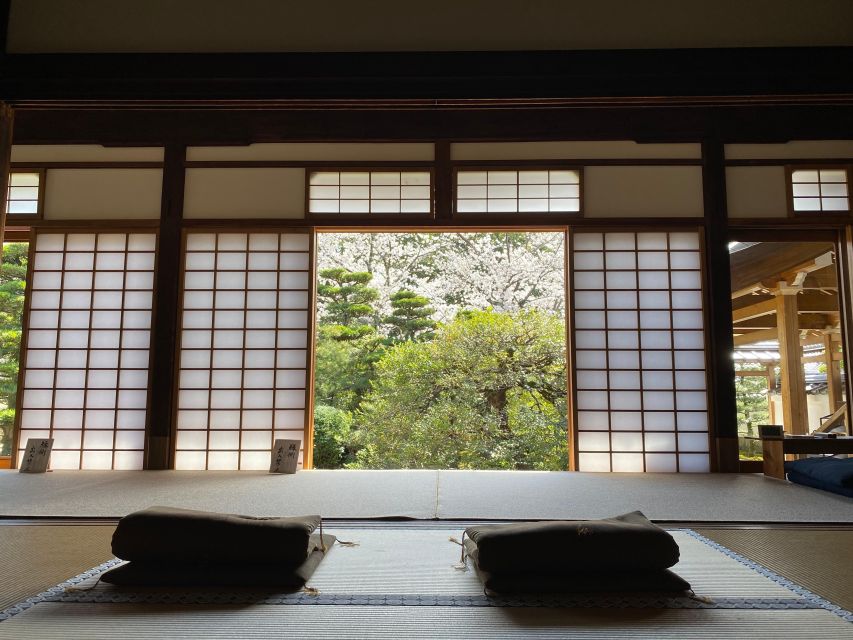
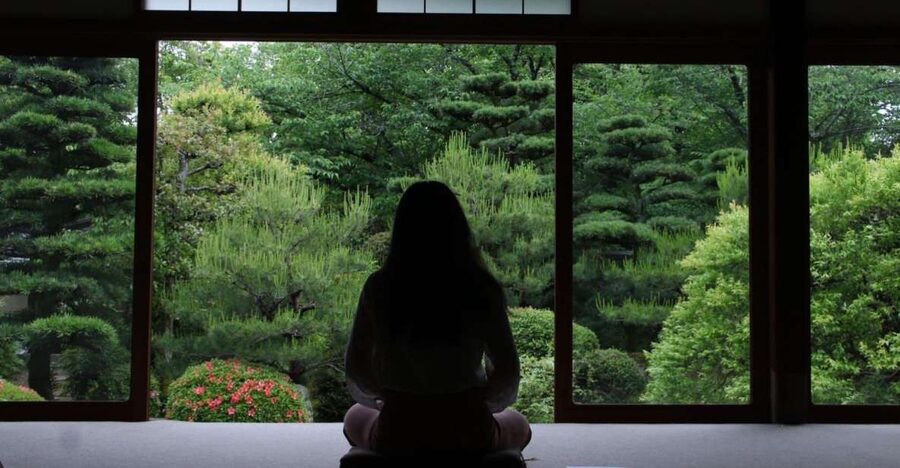
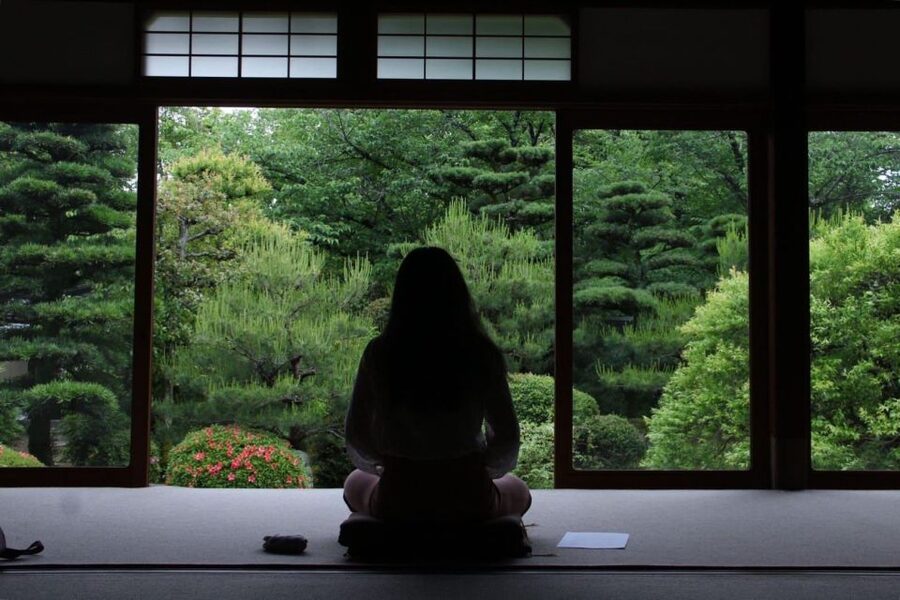
The room may be opened toward the garden, depending on conditions. That connection with the outside air and scenery can help you focus, but it also means the temperature may not feel perfectly controlled. Blankets have been available when needed, yet you should dress for the season. The experience runs rain or shine.
Meeting a Rinzai Zen priest
After, or between, the meditation sessions, Eitetsu explains basic Zen ideas and answers questions. This is more useful than a general lecture because the teaching is connected to what you have just tried to do with your own body and mind.
Zen is a branch of Mahayana Buddhism that places strong weight on direct experience. Zazen is not simply a relaxation exercise, and the point is not to collect spiritual facts from a book. In the Rinzai tradition, which came to Japan in the 12th century, demanding practice and sudden insight are important themes.
You are not expected to understand every part of Rinzai philosophy in two hours. The real value is getting a clear first look at how meditation fits into temple life and how the priest talks about practice in everyday terms.
English support is provided by a live guide. Guides have included Ursula, Nicolas, and Joondae, and the support team is there to explain instructions and translate. The priest’s English may be harder to follow at times because of his strong accent, so you should use the interpreter rather than worry about catching every sentence directly. The format works best when the priest speaks alongside translation consistently.
The staff also leave room for questions. That makes the session more personal than a silent meditation class where you arrive, sit, and leave. You can ask about posture, Zen thought, temple life, or the connection between tea and meditation, as long as you keep in mind that this is an introduction rather than a full course in Buddhism.
A 400-year-old garden as your meditation view
Jusho-in’s garden is one of the strongest reasons to choose this particular temple. It is attributed to Eitoku Kano, a major 16th-century painter, and has remained unchanged since its creation.
The garden’s appeal is not limited to one famous feature. Its changing seasons are part of the experience: cherry blossoms in spring, fresh greenery in summer, autumn color, and snow in winter. Your view depends on the date, but the setting gives the meditation a fixed, natural focus without turning the session into a sightseeing stop.
During the tea portion, you can sit and appreciate the garden more openly. The mood changes at this point. Zazen asks you to pay attention inwardly, while tea gives you a way to pay attention to your hands, the bowl, the sweet, the room, and the view.
This is also where the experience feels far removed from Kyoto’s crowded headline sights. You are still in the city, but the small temple room and limited group size create a quieter morning or afternoon. Private and small-group options are available, which may suit couples, families, or anyone who prefers a more focused setting.
Same base, a completely different sort of day:
- Kyoto Geisha Walking Tour: Gion District & Hidden Gems
★ 4.7 · 3,273 reviews - Kyoto: Tea Ceremony Ju-An at Jotokuji Temple
★ 4.9 · 3,207 reviews - Kyoto: Gion Magical Night Walking Tour with Geisha Trivia
★ 4.9 · 2,393 reviews - Kyoto: 45-Minute Tea Ceremony Lesson Experience
★ 4.3 · 2,378 reviews
Matcha, wagashi, and the Zen connection
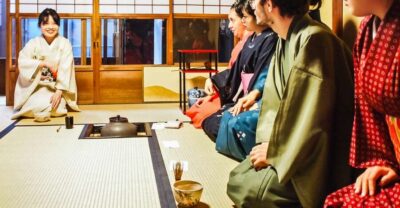
After meditation, Eitetsu introduces matcha, powdered green tea, and explains its history and place in Japanese culture. The tea is served with traditional seasonal sweets, known as wagashi.
The ceremony is not only about drinking something green from a pretty bowl. You learn how to receive and drink the tea, and you see how the sweet balances the tea’s flavor. The seasonal choice gives the moment a sense of place and time, rather than making it feel like a standard café tasting.
The tea team puts care into pairing the matcha with the wagashi. That attention is one reason the final part feels more substantial than a quick refreshment break. The sweet is small, refined, and selected to work with the tea.
I find this part especially useful for anyone who has seen tea ceremony demonstrations but never understood what to do. You receive enough context to appreciate the gestures without being asked to master a formal ceremony yourself.
The tea experience also gives the priest and participants another chance to talk. Conversations in the garden can be relaxed and informal, a pleasant contrast to the stillness of zazen. If you are visiting with family, this shared activity may be easier for younger participants than the meditation itself.
What the $109 price includes
At $109 per person, this is not a bargain-basement temple visit. It is a specialized two-hour activity, and the price includes several elements that would be separate or difficult to arrange on your own:
- An English-speaking guide
- Entry to Jusho-in
- Instruction and a talk from the chief priest
- Two zazen sessions
- Matcha and traditional sweets
- A professional photoshoot with a single-lens reflex camera
The photographs are a particularly useful touch. You receive the photo data within a few days after the session, so you can remain present instead of interrupting meditation to take pictures. The images also provide a lasting record of a visit where quiet attention matters more than collecting snapshots.
The value depends on what you want from Kyoto. If you only want to see temple buildings, you can spend less by visiting public sites on your own. If you want direct instruction from a Zen abbot, a small-group setting, tea, sweets, and photographs, the price is easier to justify.
Hotel pickup and drop-off are not included. You meet at the designated Myoshin-ji gate and return to the north gate or the listed drop-off point after the experience. Build in enough time to find the correct meeting point, since the complex is large and the meeting location can vary by booking option.
You can reserve now and pay later, which helps if your Kyoto plans are still shifting. Cancellations made at least 24 hours before the start time receive a full refund. After that point, there is no refund.
Who will enjoy this experience most
This is a strong choice if you want a cultural activity that asks you to participate rather than simply look. You do not need to meditate regularly, understand Buddhism, or know tea ceremony etiquette before arriving.
It suits:
- First-time meditation students
- People who already practice yoga or mindfulness
- Couples seeking a quiet shared activity
- Families with older children or teenagers
- Anyone tired of crowded sightseeing
- Visitors interested in Japanese religious culture
The experience is open to all ages, but it is not wheelchair accessible. Chairs help with the sitting position, yet the temple setting still requires you to reach the meeting point and move through the complex.
It may not suit you if you dislike sitting still, have little interest in religious or cultural explanation, or want a fast-paced activity. Forty minutes of zazen is the heart of the visit, not a small extra added between sightseeing stops.
Practical advice before you go
Wear loose, comfortable clothes. Avoid a rented kimono if you plan to meditate, since the clothing can make it harder to sit upright and cross-legged.
Bring no special equipment. Weapons, sharp objects, alcohol, and drugs are not allowed. A phone is best kept out of sight during meditation, especially since a photographer is included.
Plan for changing weather. The activity runs rain or shine, and the garden-facing room may feel cool in winter. Blankets can be provided, but seasonal clothing is still your responsibility.
Keep the two-hour schedule in mind. The stated duration includes explanations, meditation, tea, garden time, and the commemorative photo, so this is not something to squeeze into a 30-minute gap between major sights.
If you want to explore more of Myoshin-ji, schedule that before or after the activity. The complex is large enough to reward a longer walk, and the quiet setting makes a good change from Kyoto’s busiest temple routes.
The final photograph and lasting impression
The closing photograph is a small but well-chosen detail. A photographer captures moments during the activity, and the images are sent later, usually within a few days. That lets you leave with a memory of the temple without turning the visit into a photo session.
The strongest part of the experience is the order of events. First, you slow down through zazen. Then you listen to the priest, taste matcha, eat a seasonal sweet, and look out at the garden. Each stage makes the next one easier to appreciate.
The experience does not promise instant enlightenment, and two hours cannot explain every part of Zen. What it can do is give you a practical introduction, led by a priest in a working temple, with enough guidance that a complete beginner can take part comfortably.
Should you book the Jusho-in Zen experience?
Book it if you want one of your Kyoto activities to feel quiet, personal, and connected to living religious practice. The combination of Eitetsu Nishida, two guided meditation sessions, the garden, matcha, wagashi, and professional photographs gives the $109 fee a clear purpose.
Think twice if sitting for 20 minutes at a time sounds miserable or if your schedule is too tight for a calm two-hour visit. For everyone else, this is a thoughtful way to step away from Kyoto’s crowded routes and try something you cannot reproduce by simply walking through a temple gate.
FAQ
Where does the experience take place?
It takes place at Jusho-in Temple, one of 46 sub-temples within the Myoshin-ji complex in Kyoto.
How long does the experience last?
The experience lasts about two hours, including explanations of zazen, meditation sessions, tea, sweets, and garden time.
Who leads the meditation?
Eitetsu Nishida, the 16th-generation abbot and chief priest of Jusho-in, guides the zazen practice and explains Zen philosophy.
Is the experience available in English?
Yes. An English-speaking live guide provides support and translation during the activity.
How long are the meditation sessions?
There are two zazen sessions, each lasting 20 minutes, with a break between them for stretching and questions.
Do I need previous meditation experience?
No. The activity is open to beginners, and the priest and guides explain the basic points of zazen before you begin.
Are chairs available during meditation?
Yes. Chairs are available for people who need assistance sitting on the floor.
Is the temple wheelchair accessible?
No. The experience is not wheelchair accessible.
What is included in the price?
The price includes the guide, temple entry, the chief priest’s talk, matcha, traditional Japanese sweets, and photographs taken with a single-lens reflex camera.
Can I cancel for a refund?
You can receive a full refund if you cancel at least 24 hours before the experience. Cancellations after that time are not refundable.
Just added around Kyoto
- Kyoto: Zen Meditation at a Private Temple with a Monk★ 5.0 · 25 reviews
- Kyoto: Gion Geisha District & Sake-in-Hand Walking Tour★ 5.0 · 37 reviews
- Private Pewter Sake Cup Experience with a Kyoto Artisan★ 5.0 · 31 reviews
- Your Private Vacation Photography Session In Kyoto★ 5.0 · 110 reviews
- Private Guided Traditional Buddhist Cooking in Japan★ 5.0 · 16 reviews
- Kyoto Wagashi(Japanese sweets) Cooking Class near Fushimiinari★ 5.0 · 60 reviews
- Traditional Japanese Music show & Experience Tour in Kyoto★ 5.0 · 57 reviews
- Kyoto:Family-Friendly Kimono & Yukata Experience at WARGO★ 5.0 · 147 reviews
Kyoto Tours, compared.
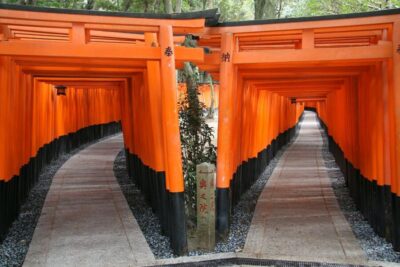
Fushimi Inari, Kinkakuji, Bamboo Grove 1 Day Bus Tour
Read our review →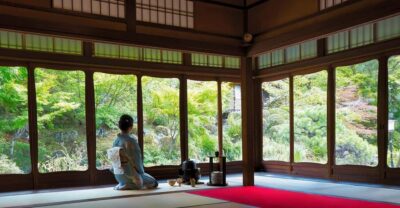
Tea Ceremony in a Traditional Tea House in Kiyomizu
Read our review →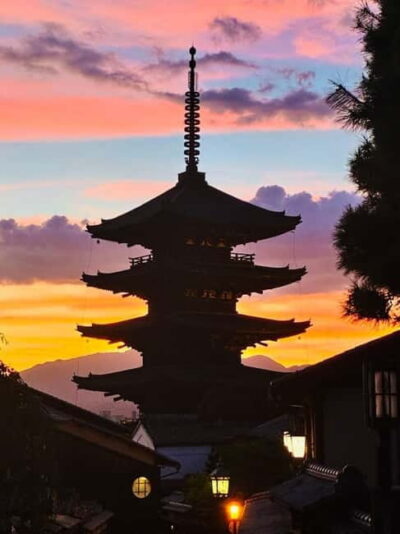
Kyoto Geisha Walking Tour: Gion District & Hidden Gems
Read our review →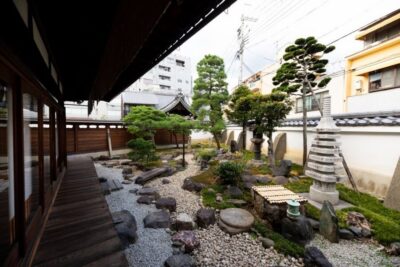
Gion Magical Night Walking Tour with Geisha Trivia
Read our review →