
Reviewed · KYOTO TOURS
Authentic Kyoto Tea Ceremony: Camellia Flower Teahouse
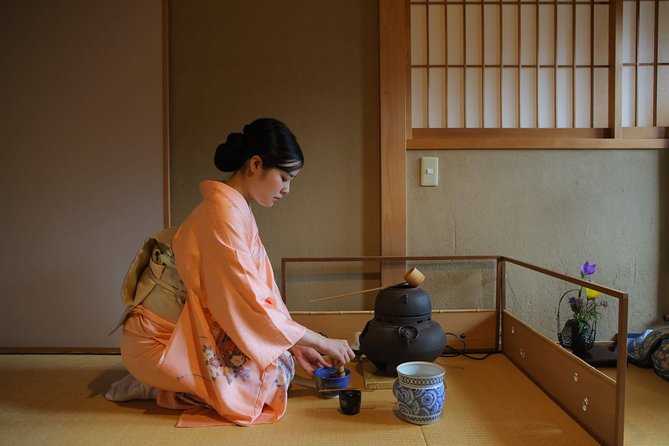
The best part of this Kyoto experience is that you do not only watch the ceremony. You learn the meaning behind the utensils, room layout, cleansing ritual, and careful movements, then make your own frothy bowl of matcha. I especially like the small groups of up to eight and the choice between sitting on the floor or using chairs and tables. The English instruction also makes the ritual easier to follow.
I like the calm pace and the chance to ask questions instead of simply taking a few photos and leaving. The included seasonal sweet gives the bitter matcha some balance. The main drawback is that the ceremony lasts only about 45 minutes, and the small, plain room may feel less atmospheric than you expect from a formal tea house.
Key points at a glance
- Make your own matcha: Tea bowls, scoops, and bamboo whisks are supplied for your hands-on finale.
- Learn the meaning behind the ritual: Your instructor explains the utensils, room arrangement, cleansing gestures, and traditions.
- English-speaking instruction: Instructors come from one of Kyoto’s three main tea ceremony schools.
- A practical Higashiyama location: The tea house is at 349-13 Masuyacho, close to public transportation and major sights in the ward.
- Small but not private: The maximum group size is eight, though a private option may be available by request.
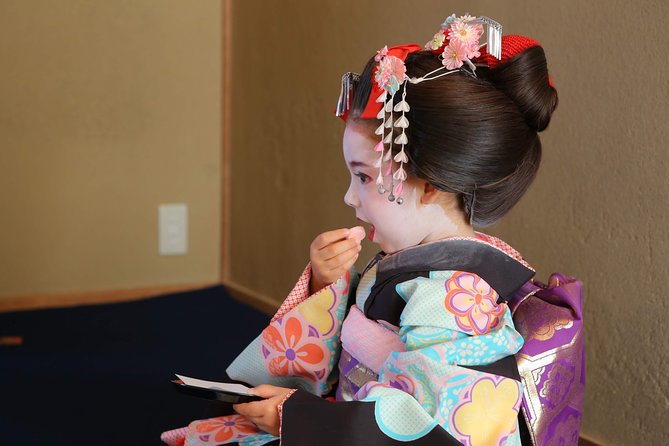
- Kimono is optional: You can request kimono rental for an extra charge, and some visitors also receive hair styling with that arrangement.
Why this short Kyoto tea ceremony works
Kyoto has plenty of grand sights, but a tea ceremony offers something different. Instead of moving through a temple, garden, or market, you spend a quiet stretch of time learning how attention is given to another person through tea.
At Camellia Flower, the session begins with an introduction to matcha and the tea ceremony. You are not expected to know the rules beforehand. The instructor explains what is happening, points out the tools, and gives you a clear path through the ritual.
That matters because Japanese tea ceremony can look mysterious if you see only the finished performance. A bow, a turn of the bowl, or the cleaning of a utensil may seem small, but each movement has a reason. The explanation helps you see the ceremony as a practice of care, respect, cleanliness, and concentration rather than simply a way to prepare powdered tea.
The experience is suitable for all ages from six upward. Children can take part, and the small group size gives the instructor a fair chance to help each person. The setting is not wheelchair accessible, so that is an important limitation to consider before booking.
More Tea Ceremonies in Kyoto
- Kyoto: Tea Ceremony in a Traditional Tea House in Kiyomizu
★ 4.9 · 3,519 reviews - Kyoto: Tea Ceremony Ju-An at Jotokuji Temple
★ 4.9 · 3,207 reviews - Kyoto: 45-Minute Tea Ceremony Lesson Experience
★ 4.3 · 2,378 reviews
Arriving in Higashiyama
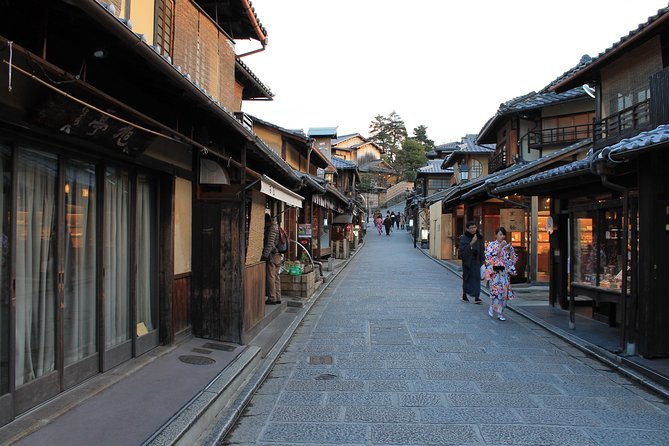
You meet at Tea Ceremony Camellia FLOWER, at 349-13 Masuyacho in Kyoto’s Higashiyama Ward. Pickup and drop-off are not provided, but the location is near public transportation, making it practical to combine with sightseeing in this part of Kyoto.
Higashiyama is one of the city’s best areas for a walking day. You can plan the ceremony around nearby temples, lanes, and traditional streets, then use the tea session as a pause from the day’s activity. Give yourself enough time to find the address, since Kyoto’s small streets and closely spaced buildings can make navigation slower than a map suggests.
The tea house is also a sensible choice for first-time visitors because the meeting point is fixed and the session ends at the same place. You will not need to arrange a complicated transfer after the ceremony.
The tea room and seating choices
Once inside, the host welcomes you and introduces the setting. The room decoration and layout are part of the lesson, not just background scenery. You learn how the space helps shape the mood and how the arrangement supports the ceremony.
Most people sit on the floor, which is traditional. If floor seating is uncomfortable, chairs and tables are available. I consider that a useful accommodation, particularly for older participants, families, or anyone unused to kneeling or sitting cross-legged.
Do not expect a huge performance space. The room may be small and plainly furnished. That can reduce the theatrical effect, but it also keeps the focus on the instructor, the utensils, and the actions in front of you. If you want an elaborate setting with sweeping gardens and ornate decoration, this may feel modest. If you want a close look at the process, the compact room works well.
Photos and short videos are permitted. Still, I would keep your phone away for most of the ceremony. The value comes from following the movements and listening to the explanation, not from recording every step.
Watching the ceremony, one movement at a time
Before you prepare tea, the instructor demonstrates the ceremony and explains its basic structure. You learn about the tea bowl, tea scoop, and whisk, along with the role each item plays.
The teaching also covers the importance of cleansing with water. This is not presented as a practical housekeeping step alone. It points toward preparing the mind, showing respect, and creating a clean beginning for the person making and receiving the tea.
The instructor explains the procedure in English, and the experience is designed for questions. That makes it more useful than a silent demonstration. Ask about the symbolism, the training required, the three principal tea ceremony schools in Kyoto, or why a particular item is handled in a certain way. The supplied information does not name individual instructors, but it does state that the teachers speak English fluently and come from one of Kyoto’s three main schools.
The strongest part of the session is the connection between precision and hospitality. The movements are exact, but the tone is meant to be welcoming. You are learning a formal tradition without being expected to perform it perfectly.
Same base, a completely different sort of day:
- PERFECT KYOTO 1-Day Bus Tour
★ 5.0 · 13,518 reviews - Kyoto: Fushimi Inari, Kinkakuji, Bamboo Grove 1 Day Bus Tour
★ 4.8 · 4,316 reviews - Kyoto Geisha Walking Tour: Gion District & Hidden Gems
★ 4.7 · 3,273 reviews - Kyoto: Gion Magical Night Walking Tour with Geisha Trivia
★ 4.9 · 2,393 reviews
Matcha, a seasonal sweet, and your turn with the whisk
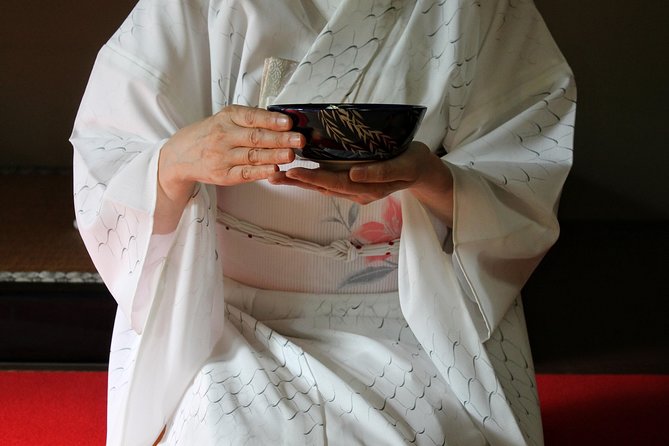
You receive matcha and a seasonal sweet during the ceremony. The sweet helps soften the tea’s sharp, grassy taste and gives you a small example of how food and tea are paired in the ritual.
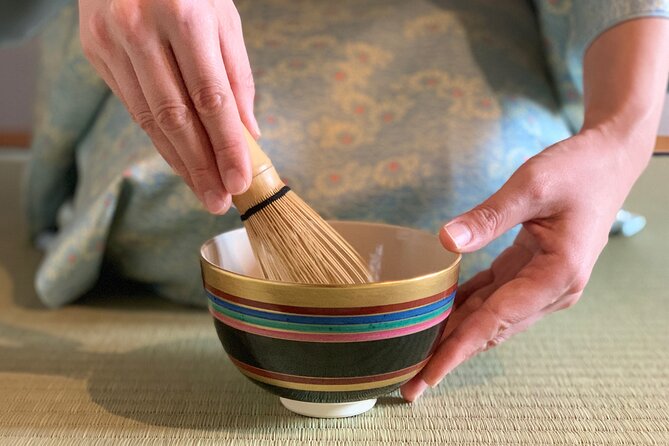
Then comes the hands-on portion. Each participant receives a tea bowl, scoop, and whisk, all included in the price. The instructor shows you how to measure the powder, add water, and whisk until the tea becomes frothy.
This is where the craft becomes clear. Making matcha looks simple when an experienced tea master does it. Once the whisk is in your hand, the timing and movement require more care. You get a practical lesson in why tea ceremony involves training rather than just a recipe.
Your bowl does not need to be perfect. The point is to understand the technique and take part in the process. It is also a good activity for children old enough to follow instructions, and families with children ages seven and eight have found it enjoyable. Children under six cannot join.
The tea itself is more than a drink here. You see how the bowl is held, how attention is directed to the person being served, and how a few simple ingredients can become part of a carefully ordered exchange.
How authentic is the experience?
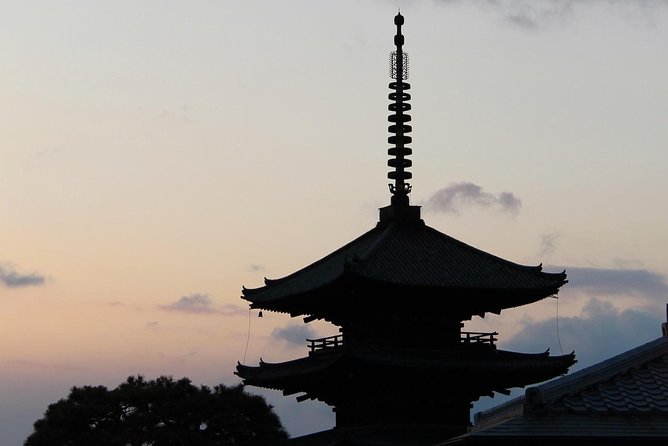
Camellia presents the ceremony through instructors connected to one of Kyoto’s three principal schools of tea ceremony. That gives the session a direct link to established tea practice rather than a loose demonstration created only for sightseeing.
At the same time, this is a short visitor experience, not formal training. You receive an introduction, a demonstration, explanations, and a chance to make tea, all within roughly 45 minutes. You will not learn every rule or movement of the wider tradition.
That short format is both a strength and a limit. I like it for a busy Kyoto itinerary because it fits neatly between other activities. It gives you enough context to understand what you are seeing without asking for half a day. If you are already serious about tea ceremony or want a longer meditation on the practice, ask about a private option or a longer session.
The maximum group size is eight. That is small enough to keep the experience personal, though it is not the same as having one instructor devoted only to you. One person described the private version as preferable for a family, so you can message the provider to ask about that possibility.
Should you add a kimono?
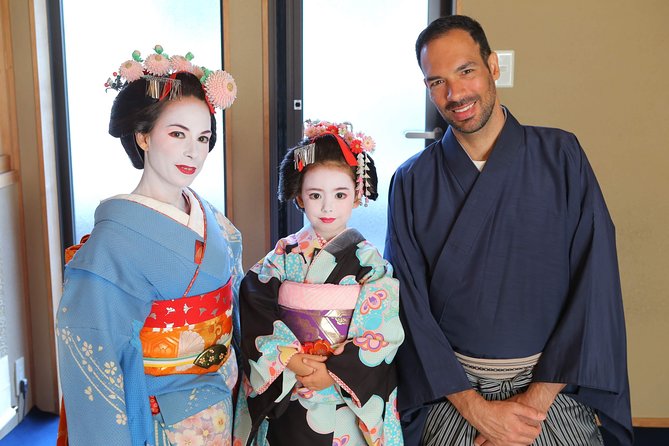
Kimono rental is not included, but it can be requested by message for an additional charge. Several participants found that wearing a kimono made the ceremony feel more traditional, and some arrangements include dressing help and a quick updo.
A kimono can add visual appeal to photos and may help you feel more connected to the setting. It also takes extra time and money, so I would not treat it as necessary. The ceremony itself includes the important cultural content, and you can take part in ordinary clothes.
If the clothing is a major reason you are booking, confirm the extra cost and arrangements before you commit. The basic activity price does not cover kimono rental.
Is $36.48 a fair price?
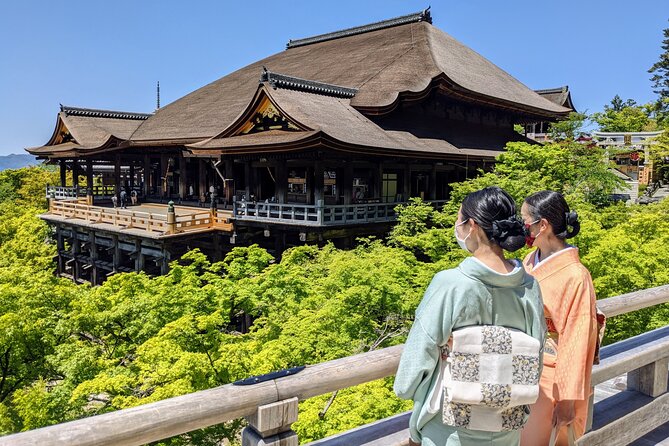
At $36.48 per person, this is a moderate-cost cultural activity in Kyoto. You are paying for an instructor, the tea ceremony, matcha, a seasonal sweet, and the use of the tea equipment. The bowls, scoops, and whisks needed for your own preparation are included.
The value depends on what you want from the session. If you only want to drink matcha, you can find cheaper ways to do that. If you want a guided explanation of the ceremony and a chance to prepare the tea yourself, the price is easier to justify.
The group limit of eight is also important. A large group can turn a cultural demonstration into a view from the back row. Here, the smaller setting should give you a closer look and a better chance to ask questions, although the session is still shared with other people.
Group discounts are available, and the mobile ticket makes the booking simple. Kimono rental costs extra, as do any transportation costs because there is no pickup or drop-off.
Who will enjoy Camellia Flower most?
I would recommend this experience to first-time visitors who want cultural context without committing to a long formal program. It is also a good choice after a busy morning of temple visits, since the quiet pace offers a useful change of rhythm.
Families with children six and older can enjoy it, especially if children like hands-on activities. The chance to whisk their own tea gives them something concrete to do after the explanation.
It also suits you if you are curious about Japanese etiquette, design, food traditions, or the meaning behind repeated gestures. You do not need prior knowledge of matcha.
You may want something else if you need full wheelchair access, dislike floor-based settings, or expect a grand tea room. Chairs and tables are available, but the activity itself is not wheelchair accessible. You should also keep expectations realistic about the length. Forty-five minutes gives you an introduction, not a complete education in tea ceremony.
Practical details before you book
The activity requires good weather. If poor weather causes a cancellation, you are offered another date or a full refund. For your own cancellation, you can receive a full refund if you cancel at least 24 hours before the local start time. Changes or cancellations made inside that window are not accepted for a refund.
Confirmation is provided when you book. Service animals are allowed, and the meeting point is near public transportation.
The activity is for a maximum of eight people, and children under six cannot participate. The ceremony ends back at the meeting point, so plan your next activity from Higashiyama rather than expecting to be delivered elsewhere.
I would wear comfortable clothing that allows you to sit on the floor, even though chairs are available. If you plan to add a kimono, ask about it in advance rather than waiting until the day of the ceremony.
My call: book it for a focused cultural pause
I would book Camellia Flower if you want a short, clear, hands-on introduction to one of Japan’s most careful traditions. The strongest reasons are the English instruction, small group size, chance to ask questions, and the final opportunity to whisk your own bowl of matcha.
I would skip it only if you want a long ceremony in an ornate setting, need wheelchair access, or have little interest in the preparation and etiquette surrounding tea. For most visitors, the 45-minute length is a benefit. It gives you a meaningful look at the practice without taking over your Kyoto day.
The optional kimono can make the occasion more photogenic, but it is not required. Book the basic ceremony for the cultural lesson, add the kimono only if clothing and photos matter to you, and leave the tea house with a better sense of why a simple bowl of matcha can carry so much care.
FAQ
Where does the Kyoto tea ceremony take place?
The ceremony takes place at Tea Ceremony Camellia FLOWER, 349-13 Masuyacho, Higashiyama Ward, Kyoto, Japan. The activity ends back at the meeting point.
How long does the experience last?
The ceremony lasts approximately 45 minutes.
How many people can join the activity?
The maximum group size is eight participants.
Is the tea ceremony suitable for children?
Yes. The activity is suitable for all ages six and older. Children under six cannot join.
Is the location wheelchair accessible?
No. The experience is not wheelchair accessible.
Can I sit on a chair instead of the floor?
Yes. Chairs and tables are available if you prefer not to sit on the floor.
Is the activity conducted in English?
Yes. The instructors speak English fluently.
What is included in the price?
Tea bowls, tea scoops, and tea whisks are provided so you can prepare your own bowl of matcha. Matcha and a seasonal sweet are also part of the ceremony.
Can I wear a kimono?
Kimono rental is not included, but you can request it by message for an additional charge.
Just added around Kyoto
- Kyoto: Zen Meditation at a Private Temple with a Monk★ 5.0 · 25 reviews
- Kyoto: Gion Geisha District & Sake-in-Hand Walking Tour★ 5.0 · 37 reviews
- Private Pewter Sake Cup Experience with a Kyoto Artisan★ 5.0 · 31 reviews
- Your Private Vacation Photography Session In Kyoto★ 5.0 · 110 reviews
- Private Guided Traditional Buddhist Cooking in Japan★ 5.0 · 16 reviews
- Kyoto Wagashi(Japanese sweets) Cooking Class near Fushimiinari★ 5.0 · 60 reviews
- Traditional Japanese Music show & Experience Tour in Kyoto★ 5.0 · 57 reviews
- Kyoto:Family-Friendly Kimono & Yukata Experience at WARGO★ 5.0 · 147 reviews
Kyoto Tours, compared.
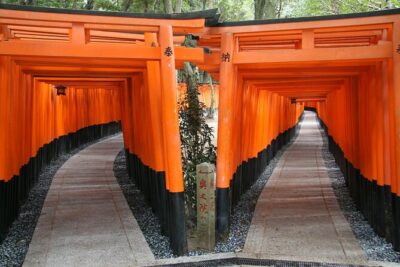
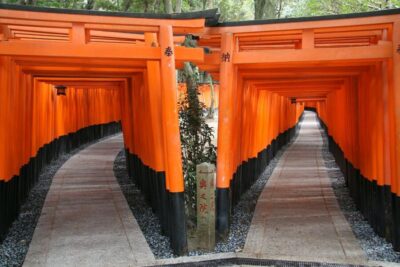
Fushimi Inari, Kinkakuji, Bamboo Grove 1 Day Bus Tour
Read our review →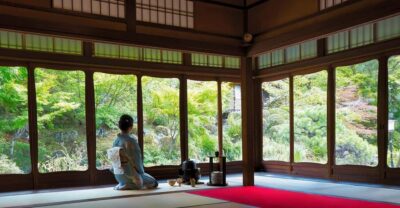
Tea Ceremony in a Traditional Tea House in Kiyomizu
Read our review →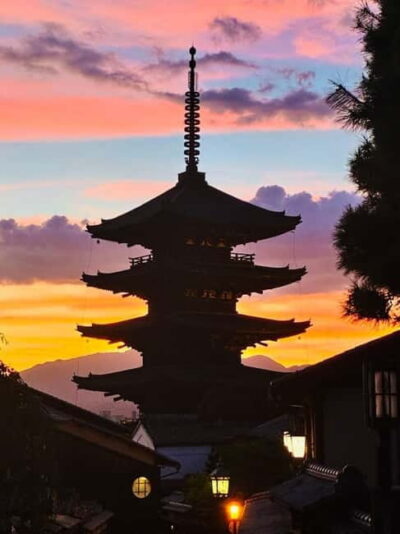
Kyoto Geisha Walking Tour: Gion District & Hidden Gems
Read our review →
Gion Magical Night Walking Tour with Geisha Trivia
Read our review →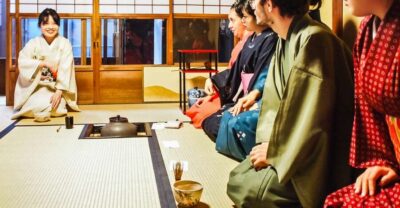
Gion Geisha District Walking Tour – Stories of Geisha
Read our review →Browse the lists this tour appears in