
Reviewed · TOKYO TOURS
Authentic Pure Gold Kintsugi Workshop with Master Taku in Tokyo
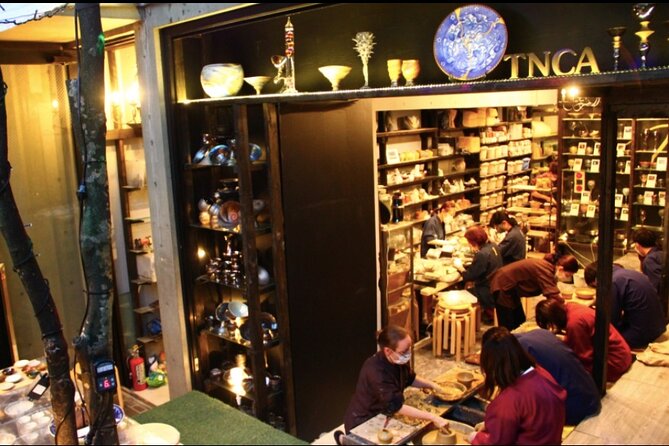
A broken plate becomes a personal work of art in this small Tokyo workshop. At Master Taku Nakano’s studio, you learn authentic kintsugi with real natural urushi lacquer and pure gold powder, then take home the plate you repaired. This is not a quick souvenir-making class. It is a quiet lesson in wabi-sabi, the Japanese appreciation of beauty in imperfection.
I like two things right away: the group is limited to five people, so you can get calm, patient help, and the pottery is handmade by Master Taku himself. I also like that you leave with something useful and personal instead of another factory-made Tokyo trinket. The main consideration is the price, $142.60 per person, and the non-refundable booking rule.
Key points at a glance
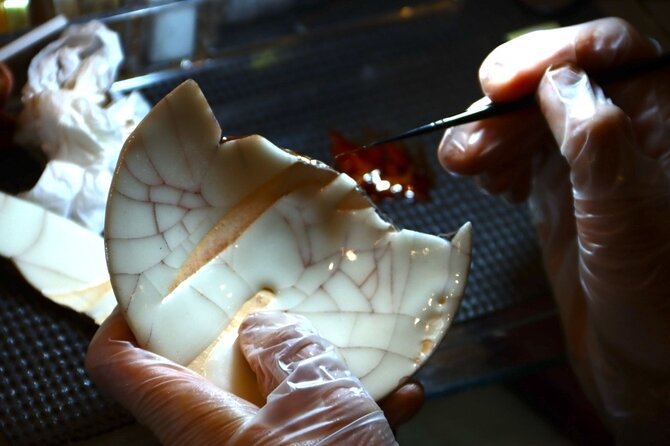
- Repair a handmade plate: Your working vessel is crafted by Master Taku and prepared with a rustic lacquer finish before the lesson.
- Use real materials: The authentic option combines natural urushi lacquer with pure gold powder.
- Pick your style: Choose traditional gold kintsugi, a black-and-gold plate, or Yobitsugi, which fills missing areas with different decorations or materials.
- Keep your finished piece: The plate is included, and you take it home after the class.
- Enjoy close instruction: The maximum group size is five, with Master Taku or an assistant such as Junko guiding the work.
- Plan around the clock: The authentic class takes about 110 minutes. The black plate and Yobitsugi options take about 90 minutes.
Why kintsugi makes a fine break from Tokyo sightseeing
Tokyo can fill your day with shrines, department stores, neon streets, and train connections. This workshop asks you to slow down and work with your hands. For about an hour and a half to two hours, your attention shifts from navigating the city to following a careful series of small steps.
That change of pace is the real appeal. You are not simply watching an artist demonstrate a craft. You are making decisions about the line, finish, and character of your own plate. The result will have marks that belong to you, which gives the souvenir more meaning than something picked up on a shopping street.
Kintsugi is often described as the art of repairing broken pottery with gold. Here, the idea goes a little further. The repaired line is not hidden. It becomes part of the object’s design. The workshop connects that process with wabi-sabi, a way of seeing beauty in things that are imperfect, worn, or changed by time.
I would recommend this experience to anyone who enjoys ceramics, Japanese design, or hands-on classes. It also suits families with older children, couples, and solo visitors who want an activity that feels more personal than a standard city tour.
More hands-on workshops in Tokyo:
- Sushi Making Tokyo Roll and Authentic Japanese Sushi Class
★ 5.0 · 3,971 reviews - Tokyo: Roll and Authentic Sushi Making Class in Asakusa
★ 4.9 · 1,957 reviews - Tokyo Shinjuku Chopsticks Making Class
★ 5.0 · 1,763 reviews
Meeting Master Taku at the Minami-Aoyama studio
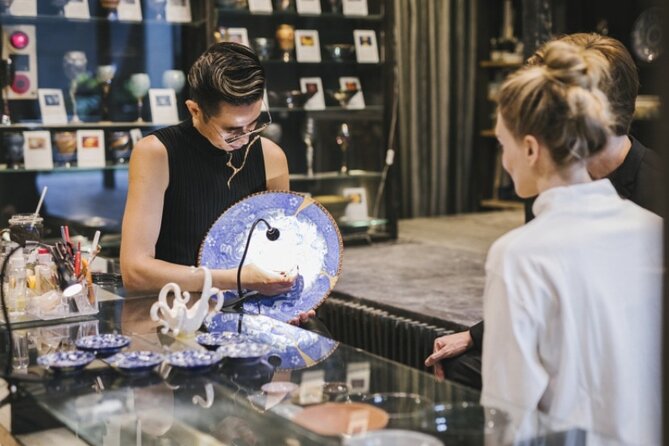
The class takes place at TNCA Minami-Aoyama Studio at 3-chome-8-2 Minamiaoyama, Minato City, Tokyo. The studio sits in Omotesando, an area known for fashion and design, so it fits naturally into a day built around galleries, architecture, or shopping.
You meet at the studio and return there when the activity ends. Hotel pickup, drop-off, food, and drinks are not included. The location is near public transportation, but allow extra time to find the entrance. One participant had trouble locating it and arrived late, so I would not cut your arrival time too close.
Master Taku Nakano is a ceramist who runs the studio. His working idea is simple: a repaired object can become more beautiful and stronger than it was before it broke. That outlook gives the lesson a clear purpose. You are not trying to pretend the damage never happened. You are using it to create a new design.
The teaching is available in English, and the class can include an assistant. Junko, one of the instructors named in the experience, has helped participants through the authentic plate repair. The teaching style is calm and clear, with close help when a step feels uncertain.
Choosing between three kintsugi styles
You have three versions of the activity. All are hands-on, but the finished plate can look quite different depending on your choice.
Option A: traditional gold kintsugi in 110 minutes
The main experience is called Shuurushi kannyuzome kintsugi. It uses real natural lacquer and pure gold. This is the best choice if you want the classic kintsugi look and the fullest lesson.
The pottery is handmade by Master Taku, then soaked in rustic lacquer before you work on it. That preparation gives the vessel a weathered, sabi feeling rather than a plain, untouched surface. You then learn how the authentic method uses urushi lacquer to join and highlight the repaired areas.
At 110 minutes, this option takes slightly longer than the other two. That extra time matters if you want the clearest introduction to the traditional method. It also gives you more room to work carefully instead of rushing through the final details.
A few more Tokyo half-days to weigh up
- Mt Fuji and Hakone 1-Day Bus Tour Return by Bullet Train
★ 5.0 · 26,383 reviews - 1-Day Tokyo Bus Tour
★ 5.0 · 14,250 reviews - Tokyo: TOKYO SKYTREE® Admission ticket
★ 4.5 · 11,192 reviews - Tokyo: teamLab Planets TOKYO Digital Art Museum Entry Ticket
★ 4.6 · 9,779 reviews
Option B: black-and-gold Shikkokurai in 90 minutes
This version uses a black plate with the same kintsugi method as Option A. The dark surface creates a sharper contrast with the gold, giving the finished piece a more polished and modern look.
Choose this if the usual pale ceramic and gold combination feels too delicate for your taste. The method remains the same, but the starting piece changes the mood of the final object. The shorter 90-minute duration also works well if you have a tight Tokyo schedule.
Option C: Yobitsugi in 90 minutes
Yobitsugi uses different decorations and materials to attach pieces to areas where pottery is missing. The experience describes it as one of the highest kintsugi techniques, but it is offered here in an accessible workshop format.
This option is worth considering if you like a more unusual result. Instead of simply tracing a break with gold, you help create a repaired section with added material. It may appeal to people who prefer bold or decorative ceramics over a restrained line of gold.
The best choice depends on what you want to learn. Pick Option A for the traditional experience, Option B for a graphic black-and-gold finish, and Option C for a more decorative repair.
What the 90 to 110 minutes actually involve
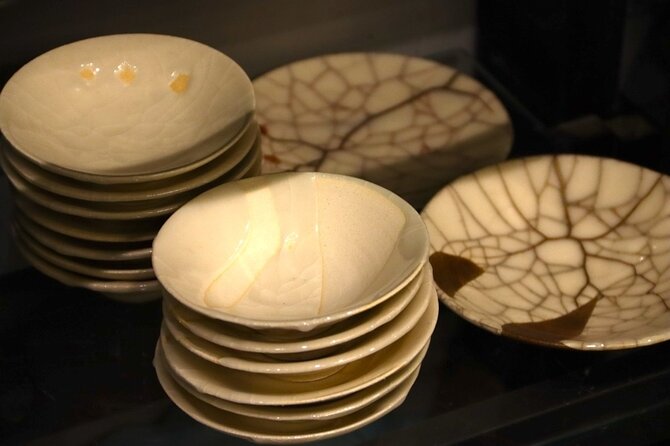
The exact hand movements are not laid out step by step, but the class centers on repairing the prepared plate under instruction. You work with the provided equipment and materials, including urushi lacquer and pure gold powder for the authentic style.
The instructor explains the craft and its connection to Japanese ideas about imperfect beauty. Then you apply the technique to your own piece, with help available as you go. This is where the five-person limit becomes important. You are not left to copy a demonstration from across a large room.
The pace sounds friendly to beginners. Several participants completed their projects within the allotted time, and the instructions were described as easy to follow. You do not need to arrive with pottery experience. Interest in ceramics helps, but patience and attention matter more.
The process is also personal. The final gold line will not look exactly like anyone else’s, and that is the point. You are creating a plate that records the repair rather than hiding it. The class therefore feels part craft lesson, part reflection on change.
The completed plate can be taken home on the day. That is a useful advantage for a short trip. You do not need to return later to collect a finished object, and the activity ends where it begins.
The materials and the meaning behind them
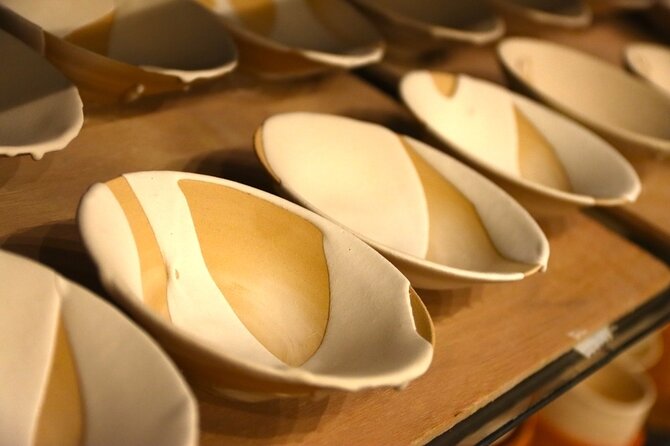
The word authentic matters here because the workshop specifically uses real urushi lacquer and pure gold powder. This is different from a decorative class that only imitates the kintsugi appearance with paint or a gold-colored substitute.
Urushi is a natural lacquer used in Japanese craft. In this lesson, it forms part of the traditional repair method. The plate has already received rustic lacquer treatment, which gives the pottery a more aged, tactile character before your work begins.
Pure gold changes the value of the experience in two ways. First, it gives the repaired line the warm metallic finish most people associate with kintsugi. Second, it makes the activity feel tied to a genuine craft tradition rather than a simple painting exercise.
You should still keep expectations sensible. This is a short workshop, not a professional apprenticeship. You will learn the essence of the technique and complete a personal plate, but you will not master every stage of traditional ceramic restoration in one sitting.
That limitation does not reduce the appeal. I see the workshop as a well-sized introduction. You get enough context to understand what makes kintsugi special, then enough practice to make the idea your own.
Why the small group matters
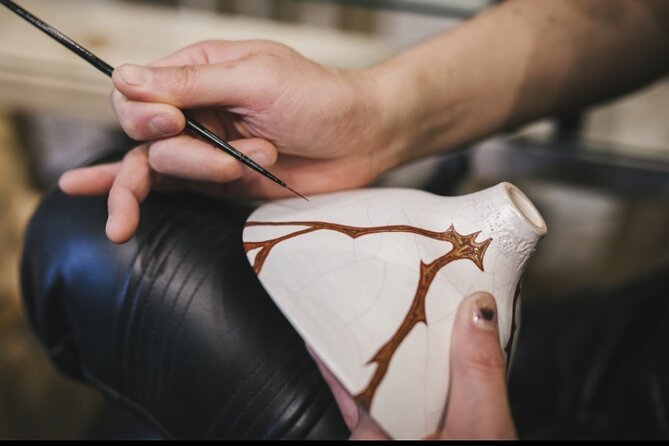
The maximum group size is five. That is one of the strongest features of the experience because detailed craft work benefits from direct supervision.
A calm instructor can correct your technique, answer questions, and help you keep moving when a step seems fiddly. The teaching also feels less formal when the class is small. You can ask about the materials, Master Taku’s work, or the philosophy behind the repair without waiting for a large group to move along.
The personal attention shows up in the practical details. One late-arriving participant was welcomed rather than scolded, and the instructor even helped cool down someone who had arrived overheated. That small act tells you something useful about the tone of the class: patient, friendly, and attentive.
Master Taku leads the experience, but an assistant such as Junko may help with the lesson. That is not a drawback. It means you can receive guidance during the hands-on portion while the main instruction continues.
Value at $142.60 per person
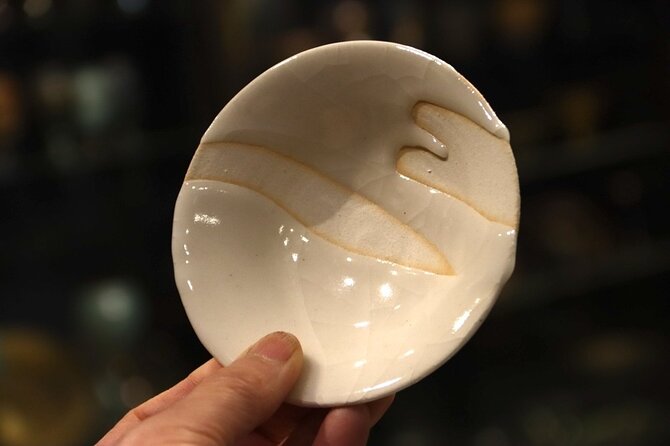
At $142.60, this is not a bargain activity. You are paying more than you would for a basic craft class or a ready-made ceramic souvenir. The price includes all taxes and fees, the lesson, equipment, materials, and the plate you repair and take home.
The value rests in the combination. You receive a handmade vessel, real natural lacquer, pure gold, instruction from a working ceramist, and a small-group setting in central Tokyo. If you already collect Japanese ceramics or have a strong interest in kintsugi, that package may feel well priced.
For a casual visitor who only wants a quick souvenir, the cost may be harder to justify. You could buy something attractive for less money. But that object would not carry the memory of sitting down, learning the method, and making the repair yourself.
I would compare it with the price of a special meal or a major Tokyo attraction. This workshop occupies a similar part of the budget, but it gives you a physical keepsake and a quieter kind of experience. It is especially good value for a couple, parent and child, or friends who want to make matching memories without doing the same thing in exactly the same way.
Who will enjoy this class most
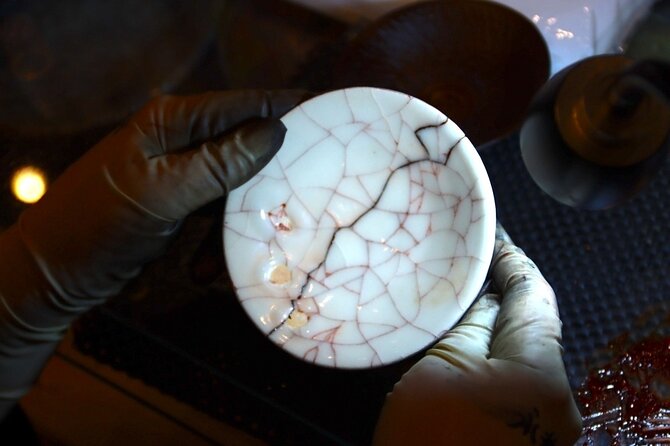
I would put this near the top of the list for:
- People who like pottery, Japanese aesthetics, or design
- Visitors who want a slower activity between busy sightseeing stops
- Families with children who can follow careful instructions
- Couples looking for a shared creative project
- Solo visitors who appreciate a small, welcoming class
- Anyone who prefers a handmade souvenir to mass-produced goods
It is less suited to someone who dislikes close, careful work or expects a high-energy entertainment experience. The class asks you to concentrate. Its reward comes from the finished object and the process, not from constant activity.
The authentic option may also be best for first-time participants who want the clearest sense of kintsugi. Choose the black plate if appearance matters most, and Yobitsugi if you want the repaired area to include added decoration or material.
Practical details before you book
The activity lasts about two hours overall, with the three choices listed as 110 minutes for Option A and 90 minutes for Options B and C. I would leave room around the class rather than scheduling a major attraction immediately afterward. Tokyo transport is efficient, but the studio can take a little time to locate.
A mobile ticket is provided. Confirmation is sent within 48 hours, subject to availability, so do not assume the reservation is final the instant you submit it.
The experience is listed as suitable for most people, and it is near public transportation. No hotel transfer is provided, and food and drinks are not part of the class.
The cancellation terms are strict. The booking is non-refundable and cannot be changed for any reason. The one exception is a cancellation caused by the minimum number of participants not being reached. In that case, you are offered another date or experience, or a full refund.
That policy makes it wise to book only when your Tokyo schedule is firm. It also makes checking the date, time, and studio address before payment especially important.
Should you book Master Taku’s kintsugi workshop?
Book it if you want a genuine, hands-on Japanese craft experience and you like the idea of taking home a plate marked by your own work. The small group, patient instruction, handmade pottery, real urushi lacquer, and pure gold give the class substance beyond a standard souvenir activity.
I would choose Option A for the most traditional introduction, Option B for a sleek black-and-gold result, and Option C for a more decorative repair. The price is high, and the cancellation policy leaves little flexibility, but the experience offers something difficult to buy: a useful object with a story that began with you.
FAQ
Where does the kintsugi workshop take place?
The class takes place at TNCA Minami-Aoyama Studio, 3-chome-8-2 Minamiaoyama, Minato City, Tokyo 107-0062, Japan.
How long does the workshop last?
The overall experience takes about two hours. Option A lasts about 110 minutes, while Options B and C last about 90 minutes.
What materials are used?
The authentic option uses real natural urushi lacquer and pure gold powder. The workshop also provides the necessary equipment and a plate for the lesson.
Can I take the finished plate home?
Yes. The plate used during the lesson is included, and you can take it home on the day of the workshop.
How many people can join?
The activity has a maximum of five participants.
What are the three workshop options?
Option A is traditional kintsugi with natural lacquer and pure gold. Option B repairs a black plate with gold. Option C introduces Yobitsugi, which uses different decorations and materials in missing areas.
Is the activity refundable if I cancel?
No. The experience is non-refundable and cannot be changed for any reason. If the provider cancels because the minimum number of participants is not met, you can receive a full refund or choose another date or experience.
Just added around Tokyo
- Private Arrival Transfer : Narita International Airport to Central Tokyo City★ 4.5 · 12 reviews
- Narita Airport(NRT): Private Transfer to Tokyo/Yokohama 1-9pax★ 5.0 · 47 reviews
- Private Transfer from Narita Airport to Yokohama Port and City★ 4.5 · 17 reviews
- [Narita Airport Terminals 1, 2] 40-60km Sawara Itako Historic Bike Tour★ 5.0 · 13 reviews
- 3 Day Japan Highlights Tour: Tokyo, Mt.Fuji, Nara, Kyoto, Osaka★ 5.0 · 22 reviews
- Small Town in the Big City: Tasting Tokyo’s Kichijoji★ 5.0 · 195 reviews
- Small Town in the Big City: Tasting Tokyo’s Kichijoji★ 5.0 · 16 reviews
- The 10 Tastings of Tokyo With Locals: Private Street Food Tour★ 5.0 · 48 reviews
Tokyo Tours, compared.

Mt Fuji and Hakone 1-Day Bus Tour Return by Bullet Train
Read our review →

teamLab Planets TOKYO Digital Art Museum Entry Ticket
Read our review →
Mt Fuji & Hakone Cruise, Drum Show Bullet Train 1 Day from Tokyo
Read our review →
Sumo Show Experience with Chicken Hot Pot and a Photo
Read our review →
Shinjuku Food Tour (13 Dishes at 4 Local Eateries)
Read our review →
Tokyo Mt Fuji 5th St & Hakone Cruise Bus Tour w/Bullet Train
Read our review →
Flagship 2-Hours Official Street Go-Kart Tour – Tokyo Bay Shop
Read our review →Browse the lists this tour appears in