
Reviewed · KAMAKURA TOURS
Buddha, Bamboo & Zen – Bespoke Kamakura Private Walking Tours
Kamakura gives you a welcome change from Tokyo’s hard-charging pace. On this private walk, you can move from the Great Buddha to quiet temple gardens, a bamboo grove, a Shinto shrine, and old samurai sites without being pushed through a fixed script. Brad, an Australian native English-speaking guide, shapes the day around your group.
I like the freedom to stop for lunch, shopping, or a rest when you need it. I also like the mix of famous sights and lesser-known details, including samurai history, Zen, and man-made caves called yagura. The main drawback is that admission fees, food, and public transportation cost extra, and six hours can feel short if you want to linger at every stop.
Key points at a glance
- A private day for up to six people: Your group has the guide to itself, making it easier to adjust the pace and interests.
- Five major Kamakura stops: See the Great Buddha, Hasedera, Hokoku-ji, Komachi Street, and Tsurugaoka Hachimangu.
- A flexible route: Share your own plan or let Brad choose favorite places, with the option to finish once you feel satisfied.
- About two hours of movement and breaks: Walking is mixed with train and bus travel, rest stops, and food or drink breaks.
- Extra costs matter: Temple admission is about ¥1,300 for the listed paid sites, while public transportation is listed at ¥840 per person.
- A strong fit for first-time visitors: You get cultural context, practical help, and a simple way to see Kamakura from Tokyo.
Why Kamakura makes a fine escape from Tokyo
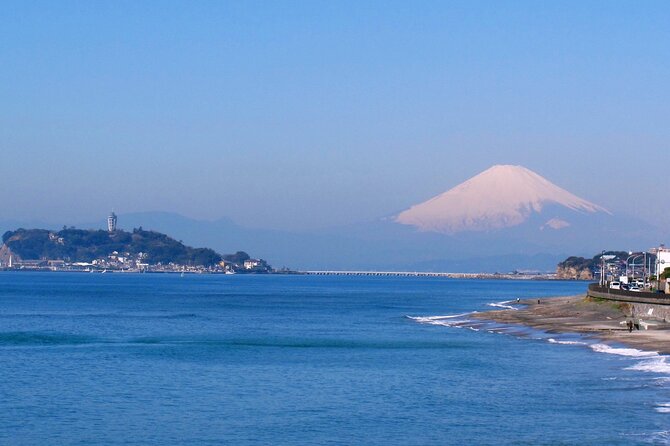
Kamakura is close enough to visit from Tokyo yet feels like a different chapter of Japan. Its identity comes from temples, shrines, coastal-town calm, old lanes, and the memory of samurai rule. You are not simply checking off religious buildings. You are seeing how Buddhism, Shinto, military power, gardens, food, and daily life meet in one compact town.
This tour works best if you want a guide to connect those pieces. Brad can explain Zen ideas, samurai history, and the meaning of the places you see, while also helping with practical matters such as transport and cash. Before one tour, he helped a family understand how to use a Suica card and where to find additional cash. That sort of help can save time at the start of a busy Japan trip.
The private format is important here. Kamakura has well-known sights that can become crowded, and your energy may change during the day. You can slow down, take a food break, or spend less time at a temple if you have reached your limit. The experience is described as bespoke, so you can offer your own itinerary or hand the planning to Brad.
More walking tours in Kamakura:
- Kamakura Historical Walking Tour with the Great Buddha
★ 5.0 · 129 reviews - Kamakura Walking Tour – The City of Shogun
★ 5.0 · 100 reviews - Kyoto Geisha Walking Tour: Gion District & Hidden Gems
★ 4.7 · 3,273 reviews
Starting at Kamakura Station
The meeting point is Kamakura Station’s East Exit, at 1 Chome-1 Komachi. This is a sensible place to begin because Komachi Street and Tsurugaoka Hachimangu are nearby, while the western temple area and the Great Buddha require further movement.
You should arrive ready for a day on foot. The tour lasts about six hours, but the schedule allows roughly two hours for moving between attractions by foot, train, and bus, along with rest and food or drink stops. That means the listed sightseeing times do not represent six uninterrupted hours inside temples.
The day ends back at the meeting point. Since the activity is private, Brad can use your group’s pace as a guide. A family with young members may need more pauses, while a group with strong interest in history may prefer a longer walk or an extra historic pass if time allows.
The Great Buddha at Kotoku-in
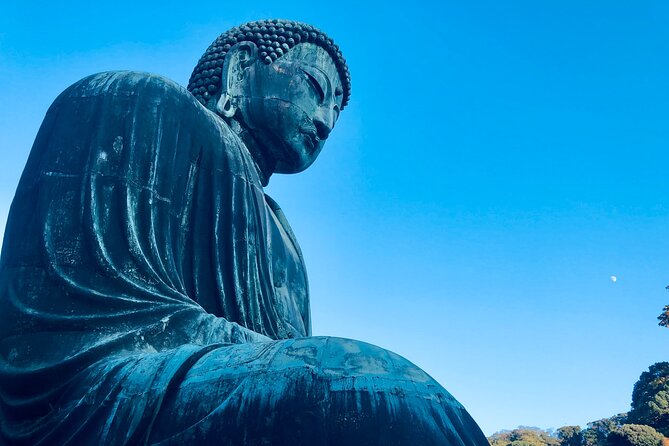
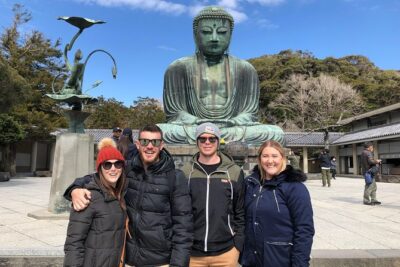
The first listed stop is Kotoku-in, home of Kamakura’s Great Buddha. The bronze statue rises 13.35 meters and is one of the city’s defining sights. It was first carved in wood before being cast in bronze, a detail that helps you understand the scale and technical skill behind the monument.
The statue has a calm, direct presence. Even if you have seen photographs, its size becomes clearer when you stand near it. Brad can place the Buddha within Kamakura’s Buddhist setting rather than leaving you with only a quick photo stop.
Plan on about one hour here. Admission is not included, and Kotoku-in costs ¥300 per person. That is a small charge, but you should carry cash because the tour price does not cover temple tickets.
The Great Buddha is also a useful opening stop. It gives you a familiar landmark before the day moves into smaller temple grounds, gardens, shrines, and town streets. If your group wants a slower look at the statue, tell Brad early. The private arrangement makes that kind of adjustment possible.
Hasedera and its Eleven-headed Kannon
Hasedera brings a different mood. The main religious attraction is a 9.18-meter wooden statue of Eleven-headed Kannon, said to have been carved in 721 AD. The statue is tied to a long Buddhist tradition of compassion and protection, and its scale makes this more than a quick garden visit.
The temple is also known for flowers throughout the year. Its hydrangea path is especially associated with the grounds, although the timing of blooms naturally depends on the season. You will want to allow 45 minutes here, enough to see the main highlights without turning the stop into a long visit.
Hasedera costs ¥400 per person. The fee is separate from the tour price. Ask Brad how much time makes sense for your group, since some people will care most about the Kannon while others will prefer the gardens and views around the temple grounds.
This is one of the places where a guide adds real value. Religious sites can be beautiful but hard to read without context. Brad’s role is to explain what you are seeing and help you avoid the feeling of moving through one temple after another with no clear thread.
A few more Kamakura half-days to weigh up
- Tokyo: Kamakura & Enoshima Day Trip including Temple Tickets
★ 4.5 · 1,375 reviews - From Tokyo: Kamakura & Enoshima 1-Day Bus Tour
★ 4.5 · 189 reviews - Kamakura Private Tour: Temples, Nature, and the Great Buddha
★ 5.0 · 121 reviews - Kamakura 4hr Private Trip with Government-Licensed Guide
★ 5.0 · 58 reviews
Hokoku-ji, Kamakura’s bamboo temple
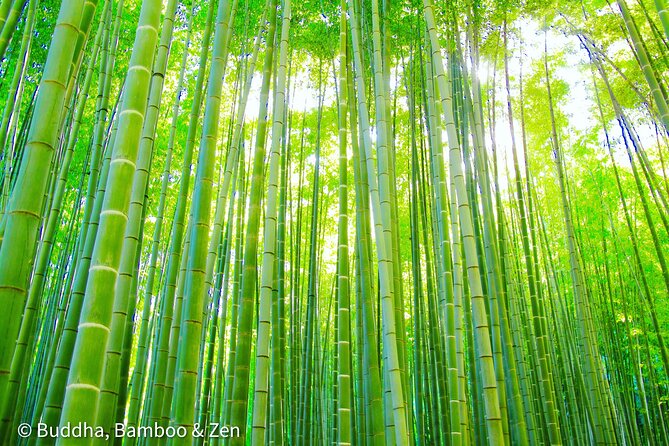
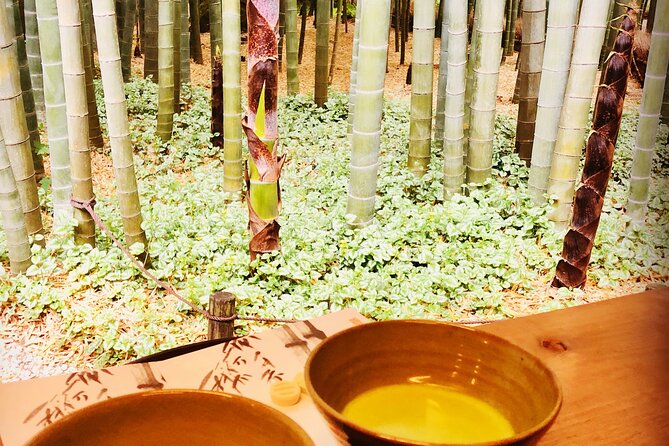
Hokoku-ji is the most atmospheric stop on the route. This Rinzai Zen temple was founded in 1334 and is known as the Bamboo Temple because of its grove of roughly 2,000 moso bamboo plants.
The grove is compact, but its tall bamboo changes the feeling of the visit. Light filters through the narrow green columns, and the paths encourage a slower pace. This is not a place to rush through while keeping one eye on the next attraction.
You can also enjoy matcha green tea here for a small additional fee, though food and drinks are not included in the tour. The bamboo grove admission is listed as ¥600 per person. Bring enough yen for both the ticket and tea if you want the full experience.
Allow about one hour. Hokoku-ji is especially good for people who want a quiet pause after the larger sights. The drawback is that its appeal depends on atmosphere, so it may not satisfy you if you expect a large complex with many separate buildings.
Komachi Street for food and a change of pace
Komachi Street cuts through the heart of Kamakura as the town’s main pedestrian shopping street. After the temples, it gives you a chance to switch from sacred spaces to everyday life.
You can explore small side lanes, browse shops, and choose from a range of dining options. Lunch is not included, so this is the natural place to stop for a meal or snack. Brad can help your group decide when to eat, but the exact restaurant is not fixed, which keeps the day flexible.
The scheduled time here is about one hour, though this is one stop that can expand or shrink easily. If you enjoy shopping and food, you may want longer. If your priority is history and religious sites, you may prefer to keep moving.
Komachi Street can feel busier than the temple grounds, especially at popular times. That contrast is useful. It shows you that Kamakura is not only a museum of old Japan. It is also a living town where residents shop, eat, commute, and gather.
Tsurugaoka Hachimangu and the warrior tradition
Tsurugaoka Hachimangu is Kamakura’s most important Shinto shrine. It was first established in 1063 and is dedicated to Hachiman, the tutelary deity of warriors. That connection makes the shrine a key stop for understanding the city’s samurai past.
You approach the shrine through a broad route that helps convey its public importance. The setting feels more formal and ceremonial than the intimate bamboo grove or the garden spaces at Hasedera. Allow about one hour, and use the time to notice the difference between Shinto practice and the Buddhist temples visited earlier.
Admission is free. That makes the shrine a useful final cultural stop because you can spend time here without adding another ticket cost. Brad can also explain the shrine’s role in Kamakura’s political and military story, giving the day a stronger historical shape.
For many visitors, this stop provides the clearest link between Kamakura’s religious sites and its warrior identity. You are not simply seeing a pretty shrine. You are seeing a place tied to the power structure that made Kamakura such an important center.
Yagura, Zen, and the value of a flexible route
One of the most appealing parts of this experience is the chance to learn about yagura, man-made caves used as burial and memorial spaces. They are not as instantly recognizable as the Great Buddha, but they reveal a quieter side of Kamakura’s past.
The tour description also points toward historic passes and rustic temples. One family’s day included a short hike through an historic pass, while another enjoyed a mix of temples, shrines, lunch, shopping, and breaks. These details show what the private format can mean in practice: the day is not limited to five rigid stops if your interests point elsewhere and time allows.
You should still be realistic. The tour is not a dedicated hiking excursion, and the main route includes travel time by train and bus. Tell Brad before or at the start if you want more history, more gardens, a short hike, or more time for food. The more clearly you explain your priorities, the better the day can fit your group.
Price, extra fees, and what you receive
The price is $355.80 per group of up to six people. For a full private day with a guide, that can be good value, especially for a family or group that would otherwise pay several separate guide fees. The per-person cost becomes much more reasonable as your group approaches six.
The price covers guiding services only. You should budget separately for:
- Kotoku-in: ¥300 per person
- Hasedera: ¥400 per person
- Hokoku-ji: ¥600 per person
- Public transportation: ¥840 per person
- Lunch, snacks, matcha, and other drinks
The three listed temple admissions total ¥1,300 per person. The practical advice is to bring about ¥2,000 per person for temple tickets and transportation, plus extra for food and drinks. Cash is worth carrying so small payments do not slow the group down.
The cost makes the most sense if you value personal attention and a flexible day. If you only want transport between famous sights and a short explanation at each one, a cheaper group tour may be enough. If you want Brad to adjust the pace, help with local logistics, and connect the sights to Kamakura’s story, the private price is easier to justify.
Who will get the most from this walk
I would choose this experience for families, friends, and first-time visitors who want an introduction to Kamakura without planning every train, bus, temple, and meal themselves. The guide’s friendly Australian background may also help English-speaking visitors settle in quickly.
It is a good match for people who tire of fixed sightseeing schedules. You can pause when needed, call it a day when satisfied, or ask for more time at the places that matter most to you. One group managed roughly seven hours despite jet lag, but you should not treat that as the normal target. Six hours is the approximate duration, and the best day is one that leaves you with energy to spare.
The tour is less suited to anyone who wants a strict, minute-by-minute historical lecture or a full-day mountain hike. It is also not ideal if you want every cost included upfront. Admission, transport, meals, and tea are all paid separately.
Most travelers can participate, and service animals are allowed. The activity operates near public transportation. Since good weather is required, poor conditions can lead to a new date or a full refund.
Should you book Buddha, Bamboo & Zen?
Book it if you want Kamakura shaped around your group, not a standard procession from one famous sight to the next. The combination of the Great Buddha, Hasedera, Hokoku-ji, Komachi Street, and Tsurugaoka Hachimangu covers the city’s major themes well, while the option to add an historic pass or adjust the pace gives the day a personal feel.
Before booking, make sure you are comfortable paying extra for three temples, transport, lunch, and tea. Also remember that the tour is built around walking and local transit, with about two hours set aside for getting between places and taking breaks.
My call: this is a strong choice for a small group that wants a friendly guide, cultural context, and room to breathe. It is particularly useful early in a Japan trip, when help with Suica cards, cash, and local movement can remove needless friction. If your priority is a relaxed but substantial escape from Tokyo, Brad’s flexible approach makes the $355.80 group price worthwhile.
FAQ
Where does the tour start?
It starts at Kamakura Station’s East Exit, at 1 Chome-1 Komachi, Kamakura, Kanagawa 248-0006, Japan.
Where does the tour end?
The activity ends back at the meeting point at Kamakura Station’s East Exit.
How long does the tour last?
The tour lasts approximately six hours. About two hours are allocated for travel between attractions on foot, by train, and by bus, as well as rest and food or drink breaks.
How many people can join?
This is a private activity for your group, with up to six people included in the group price.
Is the tour price charged per person?
No. The listed price is $355.80 per group of up to six people.
Are temple admission fees included?
No. Temple admission fees are paid separately by each person. The listed fees are ¥300 for Kotoku-in, ¥400 for Hasedera, and ¥600 for Hokoku-ji.
Is public transportation included?
No. Public transportation is listed separately at ¥840 per person.
Are lunch and matcha included?
No. Lunch, snacks, matcha green tea, and other food or drinks are not included.
Can I request a specific itinerary?
Yes. You can share your own itinerary, or you can let Brad guide you around his favorite places. The day can also be adjusted to your interests and pace.
What happens if the weather is poor?
The experience requires good weather. If it is canceled because of poor weather, you will be offered a different date or a full refund. You can cancel up to 24 hours before the start time for a full refund.
Just added around Kamakura
- When Emperors Reigned and Shoguns Ruled★ 5.0 · 43 reviews
- First time in Kamakura? Enjoy a Tour of All Must-sees!★ 5.0 · 15 reviews
- Your Own HANKO Name Seal Activity in Kamakura.★ 5.0 · 24 reviews
- Kamakura Bamboo Forest and Great Buddha Private Tour★ 5.0 · 12 reviews
- Kamakura 4hr Private Trip with Government-Licensed Guide★ 5.0 · 58 reviews
- Kamakura Walking Tour – The City of Shogun★ 5.0 · 100 reviews
- Exciting Kamakura – One Day Tour from Tokyo★ 5.0 · 40 reviews
- Kamakura Tours Half Day or Full Day Tours with a local guide.★ 5.0 · 12 reviews
Kamakura Tours, compared.
Kamakura & Enoshima Day Trip including Temple Tickets
Read our review →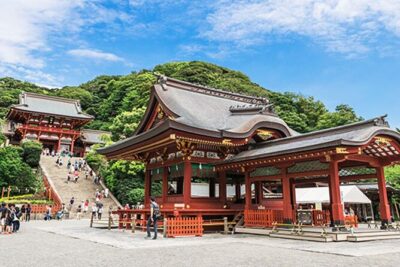
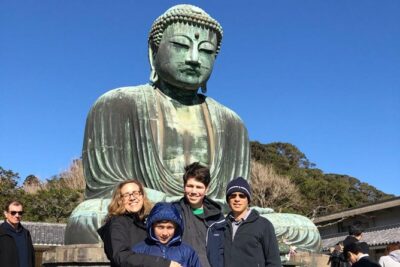
Kamakura Historical Walking Tour with the Great Buddha
Read our review →
Kamakura Private Tour: Temples, Nature, and the Great Buddha
Read our review →
Kamakura 4hr Private Trip with Government-Licensed Guide
Read our review →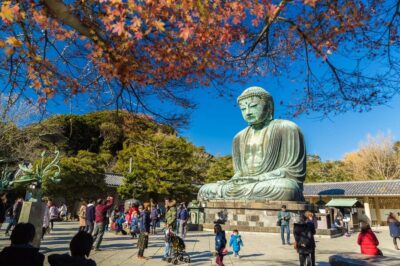
Kamakura Full Day Tour with a Local Expert Guide
Read our review →
Browse the lists this tour appears in