
Reviewed · KYOTO TOURS
Dance and Game with Maiko
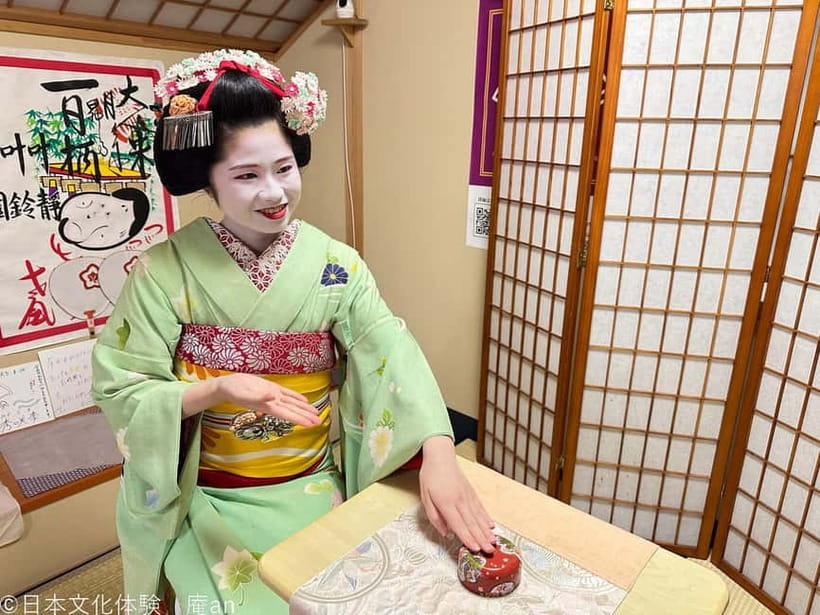
Kyoto’s Maiko are young entertainers trained in traditional dance, music, and conversation, and this short program gives you a close look without requiring an evening at an expensive dinner. You’ll watch two elegant dances, see a playful traditional game, and finish with a photo beside a Maiko.
I like the central Gojo location, especially if you have only a few hours in Kyoto, and I like the personal keepsake: a Senjafuda lucky charm. The main drawback is timing. It is advertised as 45 minutes, but the performance portion may finish in about 30 minutes, with the photo and departure process bringing the total closer to the stated length.
Key points to know before booking
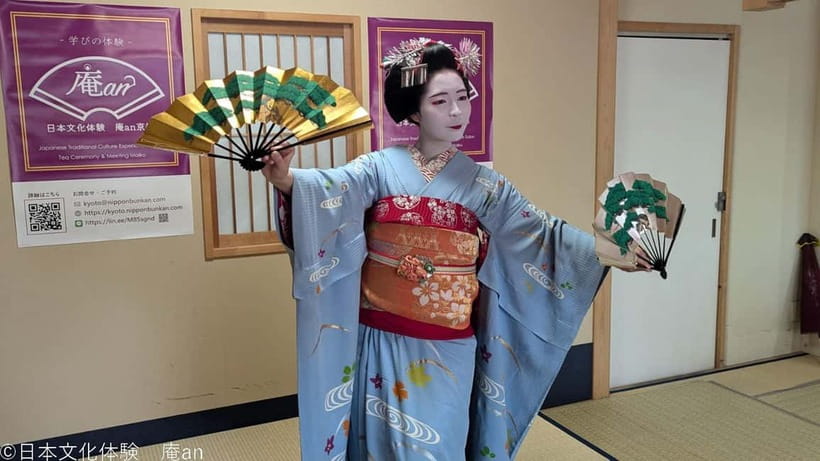
- Two Maiko dances: Short, graceful performances portray seasonal scenes, love stories, and ordinary life in Japan.
- A game with audience volunteers: You may be invited to play with the Maiko, though watching and cheering is part of the fun.
- Photo opportunity: After the performance, you can take a commemorative photo beside the Maiko.
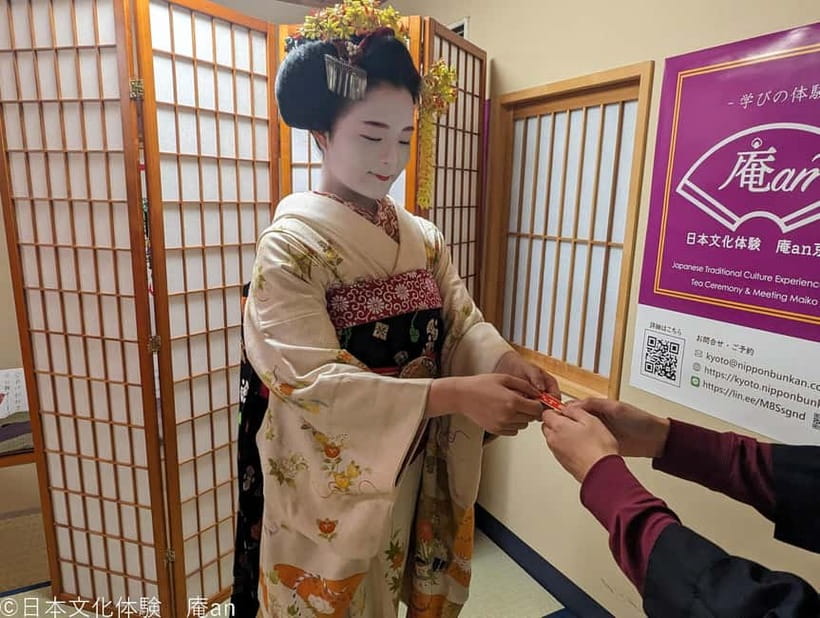
- Senjafuda gift: Each participant receives a small lucky charm to carry home.
- One minute from Gojo Station: The venue is easy to reach from Exit 1 of the Subway Karasuma Line.
- A compact, informal setting: This takes place in a building, not an ochaya or traditional Japanese house.
What this Maiko program really offers
At $28 per person, Dance and Game with Maiko is one of the easier ways to add a traditional Kyoto performance to a packed sightseeing day. You do not need to arrange a formal dinner, dress up, or commit to a long evening. The program is designed to get you close to a Maiko quickly, then send you back into the city with a photo and a small souvenir.
That convenience is also the heart of the experience. This is an introduction, not a full evening of geisha culture. You will not be entering an ochaya, the private teahouse setting traditionally associated with Maiko and Geiko entertainment. The activity takes place inside a building with a relaxed atmosphere and friendly staff.
That distinction matters. If you want polished cultural access in a short window, the setting works well. If you picture old Kyoto rooms, tatami floors, and an intimate dinner with extended conversation, you will need a different program.
The overall rating is 3.9 out of 5, and the strongest response centers on the Maiko herself, the beauty of the dance, and the fun of the game. The most consistent caution is the length. Some people found the experience shorter than expected, so plan on roughly 30 to 45 minutes rather than assuming a full 45-minute performance.
More geisha-district evenings:
- Kyoto Geisha Walking Tour: Gion District & Hidden Gems
★ 4.7 · 3,273 reviews - Kyoto: Gion Magical Night Walking Tour with Geisha Trivia
★ 4.9 · 2,393 reviews - Kyoto: Gion Geisha District Walking Tour – Stories of Geisha
★ 4.7 · 2,187 reviews
Reaching the venue from Gojo Station
The meeting point is just one minute from Exit 1 of Gojo Station on the Subway Karasuma Line. The entrance faces Gojo-dori, the main street, which makes this a fairly simple stop to fit between other Kyoto plans.
I like this location for practical reasons. You can pair the activity with sightseeing in central Kyoto without spending half your morning or afternoon crossing the city. It also works well as a fixed appointment before lunch or dinner.
The building has no elevator. You will need to use stairs to reach the venue, so this is an important point for anyone with limited mobility, a stroller, or heavy luggage. The activity provider also asks you to arrive on time because the event will not be held for late arrivals.
The operation hours are 10:00 to 17:00. Reservations received after 17:00 are processed the following day. That does not mean every starting time falls within one simple block, so check the available time when booking.
One unusual note is that the program may take place while people are having lunch or dinner. The information does not describe a private theater reserved only for this activity. Expect a working dining venue or shared building atmosphere rather than complete separation from other activity.
The opening dance gives you the clearest look at Maiko tradition
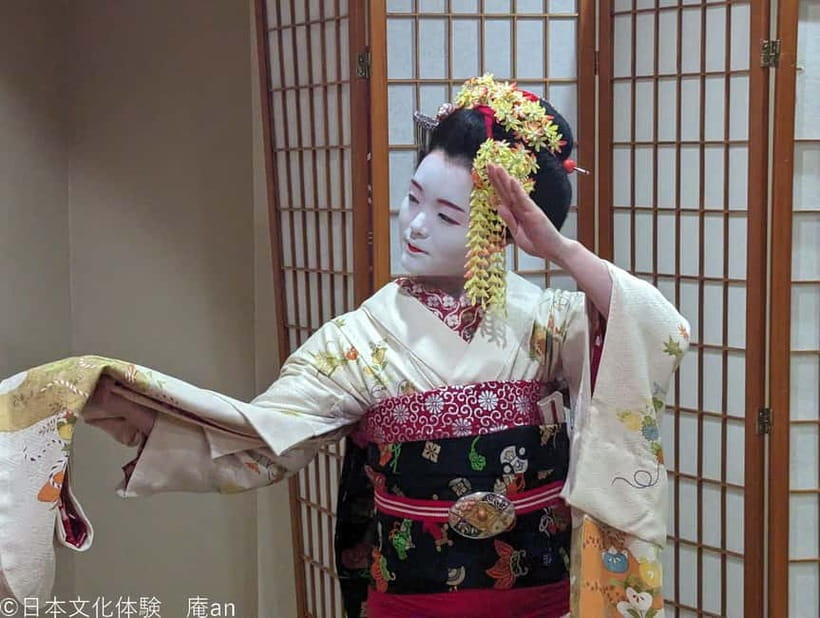
The program begins with a Maiko dance. You will see two dances in total, and they are the main reason to book this experience.
Maiko dances are controlled and expressive. Through movement and music, they can present the seasons, romantic stories, or small scenes from daily life. Even if you know little about Japanese dance, you can still appreciate the careful gestures, posture, costume, and facial expression.
The short format helps here. You are not asked to sit through a long performance before reaching the more social parts of the program. You get a concentrated look at a traditional art form, then the mood shifts toward participation.
Photography is allowed during the dance, and the program specifically encourages you to capture the moment. Keep your camera ready, but try not to let the screen block your view. The value of this part is seeing the movement directly, not only collecting pictures.
The descriptions do not name the individual Maiko or provide a detailed explanation of each dance. The instructor language is Japanese, with English translation provided as much as possible if requested. If an English explanation is important to you, contact the provider before arrival rather than assuming every part will be translated live.
Depending on the circumstances, a Geiko may appear instead of a Maiko. A Geiko is an accomplished traditional entertainer, while a Maiko is a younger apprentice. The exact performer is not guaranteed, so book this as a chance to meet a Kyoto traditional entertainer rather than a promise of one named individual.
The traditional game changes the mood
After the dances, the program moves into a traditional game played between the Maiko and selected people from the audience. Volunteers may be invited to take part, and the room is encouraged to clap and cheer.
This section gives the experience its human spark. The dance asks you to watch quietly. The game asks you to react, laugh, and take part in a shared moment. You do not need to volunteer to enjoy it, but you should be prepared for the possibility that you may be called forward.
The supplied details do not name the game or explain its rules in advance. That is probably part of the charm, but it also means you should not book this expecting a particular famous Japanese game. You will receive the instructions at the venue.
Families should think about this part before booking. Children can watch, but they may feel shy about playing in front of a room. One family found that the children might have joined if participation had been one person at a time. If your children are hesitant, encourage them to watch first and decide when the invitation comes.
Children under two who sit on a parent’s lap are free. If a seat or meal is required, the same fee as one person applies. Anyone who does not participate in the experience cannot enter, so do not book a place for a nonparticipating companion simply to accompany the rest of the party.
A few more Kyoto half-days to weigh up
- PERFECT KYOTO 1-Day Bus Tour
★ 5.0 · 13,518 reviews - Kyoto: Fushimi Inari, Kinkakuji, Bamboo Grove 1 Day Bus Tour
★ 4.8 · 4,316 reviews - Kyoto: Tea Ceremony in a Traditional Tea House in Kiyomizu
★ 4.9 · 3,519 reviews - Kyoto: Tea Ceremony Ju-An at Jotokuji Temple
★ 4.9 · 3,207 reviews
The photo and Senjafuda make the visit feel personal
After the formal program ends, you have a chance to take a commemorative photo beside a Maiko. This is not just a distant stage view. The photo opportunity lets you record a close encounter in a simple, practical way.
The schedule places the photo after the main program. The Maiko leaves the room after the photo and Senjafuda presentation, followed by a short period for chatting before you depart. The order means you should not rush away as soon as the dance and game finish.
A Senjafuda is a small paper name card or lucky charm associated with traditional entertainment districts. Here, it is presented as a keepsake from your Kyoto visit. It costs the provider little, but it adds meaning to a $28 activity because you leave with something more lasting than a digital photograph.
The photo portion may take only a short time, especially if several people are taking pictures. Have your camera or phone ready before your turn. The information does not promise a professional photographer, special pose, or printed photograph, so plan to use your own camera.
How the 45-minute schedule works in practice
The stated duration is 45 minutes. The published sequence is roughly:
- Start with the Maiko dance performances.
- Watch or join the traditional game.
- Finish the main program at about 30 minutes.
- Take photos beside the Maiko.
- Receive the Senjafuda charm.
- Allow time for brief chatting.
- Leave the room at about 45 minutes.
This schedule explains the mixed impressions about duration. The dances and game may finish around the 30-minute mark, while the final photo, gift, and departure process make up the remaining time. Some bookings have reportedly lasted closer to 30 minutes overall.
I would not schedule a train departure or a tightly timed meal immediately after the advertised finish. The activity is short, but photo arrangements and room departure can vary. Give yourself a little extra breathing room, especially because late arrivals are not accommodated.
The program may also be held alongside lunch or dinner. If you want a quiet, private cultural presentation, this shared setting may feel less special. If you like a relaxed format and prefer not to commit to a full meal, it keeps the cost and time down.
Is $28 a fair price?
For $28, you are paying for three things: a live traditional performance, a social activity with a Maiko, and a photo with a small charm. That is a reasonable price if you want a brief introduction and value the chance to be near the performer.
The price is less compelling if you are measuring it only by minutes of stage time. A 30-minute version works out differently from a full 45-minute program, and the experience may feel brief if you expected a long cultural demonstration.
Still, Kyoto’s more formal Maiko dining experiences can require far more time, money, and planning. This option lowers the barrier. You can fit it into a day of temples and markets, and you do not need special preparation.
I see the best value for first-time visitors, families who want a quick cultural activity, and people with limited time in Kyoto. It is also useful for anyone curious about Maiko but not ready to book a full tea ceremony or dinner program.
If tea ceremony is your priority, choose one of the separate Tea ceremony with Maiko or Tea ceremony with Maiko premium programs instead. This activity focuses on dance, play, photos, and a souvenir.
Who will enjoy this most
I would recommend this to you if you want a friendly first look at Maiko culture without a large budget. The program is especially suitable for:
- First-time Kyoto visitors with a busy schedule
- Couples who want a distinctive photo
- Families whose children enjoy watching performances
- People interested in traditional Japanese dance
- Visitors who prefer a short indoor activity
- Anyone staying near central Kyoto or traveling through Gojo
You may want to skip it if your priority is a long, detailed lesson in geisha culture. It also may not suit you if stairs are difficult, if you need guaranteed English interpretation, or if you dislike being invited to participate in front of other people.
The Japanese-speaking instructor leads the program, and English translation is available as much as possible if requested. That is helpful, but it is not the same as a fully English-language presentation. Contact the provider in advance if language support will determine your decision.
Booking advice and cancellation details
Reservations can be canceled up to eight days in advance for a full refund. After a cancellation fee applies, changing the date or time can create an additional specified charge.
Read the cancellation terms carefully before booking. The provider does not compensate you for transportation costs if you cancel, and the event will not wait for delays, regardless of the reason.
I would book an earlier appointment in your day if possible. That gives you a better chance of reaching the building calmly and leaves room for the occasional timing difference at the end. Since the entrance faces Gojo-dori and is close to Exit 1, finding the area should be straightforward, but you still need to locate the correct building entrance before the start time.
Should you book Dance and Game with Maiko?
Book it if you want a compact Kyoto cultural experience with two dances, a playful game, a close photo, and a Senjafuda charm for $28. The Maiko performance is the strongest part, and the game adds a warm, participatory touch that a simple stage show would lack.
Go in with the right expectations. This is not an ochaya visit, a private dinner, or a long tea ceremony. It takes place in a building, may share space with lunch or dinner, and can feel closer to 30 minutes than 45.
For a busy Kyoto itinerary, I think the tradeoff is fair. You get a memorable introduction to Maiko tradition without giving up half a day. Just allow time for stairs, arrive early, request English support ahead of time, and treat the advertised 45 minutes as an upper estimate rather than guaranteed performance time.
FAQ
Where is Dance and Game with Maiko held?
The venue is one minute from Exit 1 of Gojo Station on Kyoto’s Subway Karasuma Line. The entrance faces Gojo-dori.
How long does the experience last?
The stated duration is 45 minutes. The main dance and game portion may finish at about 30 minutes, followed by photos, the Senjafuda gift, chatting, and departure.
Is the activity held in an ochaya?
No. The venue is in a building and is not an ochaya or traditional Japanese house. It is described as a relaxed place with friendly staff.
Is English available?
The instructor language is Japanese. English translation will be provided as much as possible if you request it, and you should contact the provider in advance if you need language support.
Can children attend for free?
Children under two who sit on a parent’s lap are free. If a child needs a seat or meal, the same fee as one person applies.
What happens if I am late?
The event will not be held to accommodate delays. Arrive before the scheduled start, since late arrival may mean missing the program.
Just added around Kyoto
- Kyoto: Zen Meditation at a Private Temple with a Monk★ 5.0 · 25 reviews
- Kyoto: Gion Geisha District & Sake-in-Hand Walking Tour★ 5.0 · 37 reviews
- Private Pewter Sake Cup Experience with a Kyoto Artisan★ 5.0 · 31 reviews
- Your Private Vacation Photography Session In Kyoto★ 5.0 · 110 reviews
- Private Guided Traditional Buddhist Cooking in Japan★ 5.0 · 16 reviews
- Kyoto Wagashi(Japanese sweets) Cooking Class near Fushimiinari★ 5.0 · 60 reviews
- Traditional Japanese Music show & Experience Tour in Kyoto★ 5.0 · 57 reviews
- Kyoto:Family-Friendly Kimono & Yukata Experience at WARGO★ 5.0 · 147 reviews
Kyoto Tours, compared.
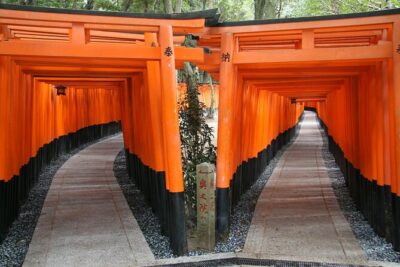
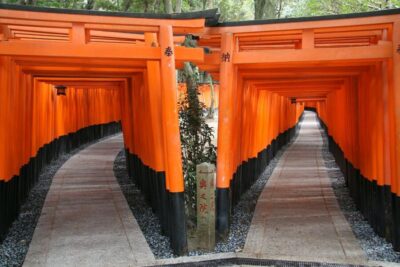
Fushimi Inari, Kinkakuji, Bamboo Grove 1 Day Bus Tour
Read our review →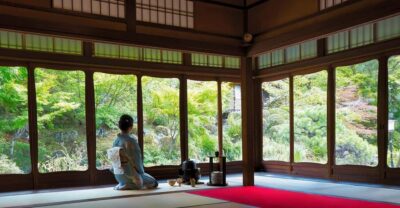
Tea Ceremony in a Traditional Tea House in Kiyomizu
Read our review →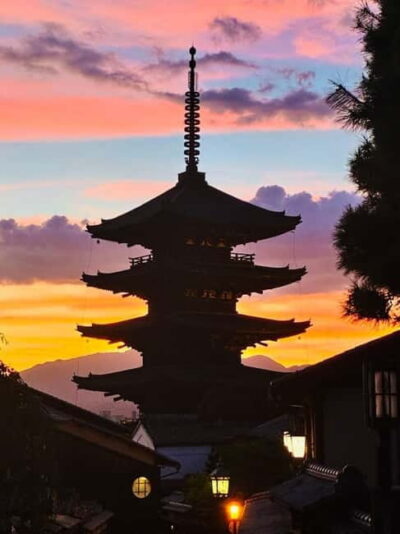
Kyoto Geisha Walking Tour: Gion District & Hidden Gems
Read our review →
Gion Magical Night Walking Tour with Geisha Trivia
Read our review →
Gion Geisha District Walking Tour – Stories of Geisha
Read our review →Browse the lists this tour appears in