
Reviewed · KYOTO TOURS
Experience a tea ceremony in an authentic tearoom, in Kyoto!
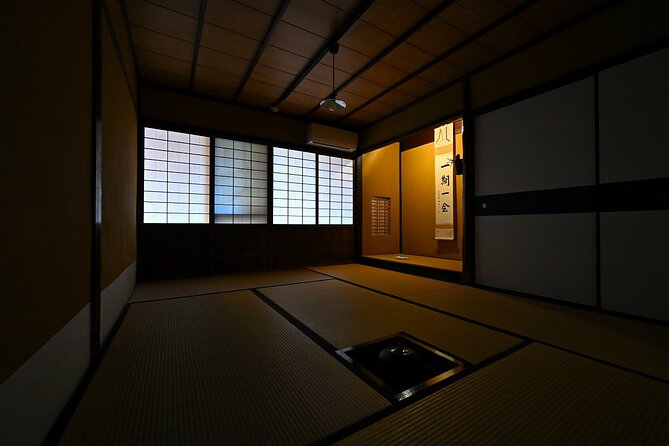
Kyoto’s tea ceremony is often presented in grand temples or polished cultural centers. This experience takes you somewhere more personal: a 130-year-old townhouse, where you enter the tea room through the garden and learn the basics in a small setting. Kaori leads the session in clear English, showing you how to watch, drink, and prepare matcha.
I especially like two things here. First, you do not only watch a formal ritual. You make your own tea, which turns an elegant custom into something you can repeat at home. Second, the sweets are wasanbon from Shioyoshi-ken, a long-established Kyoto confectionery shop, rather than generic snacks.
The main drawback is its short length. At about 45 minutes, this is a careful introduction, not a full study of tea ceremony. The price is fair for an intimate cultural lesson, but it may feel high if you only want a quick taste of matcha.
Key points to know before booking
- Enter through a Kyoto garden: The tea room is inside a 130-year-old townhouse, away from the most crowded sightseeing spots.
- Kaori leads the session: She explains the ceremony, customs, and matcha preparation in English.
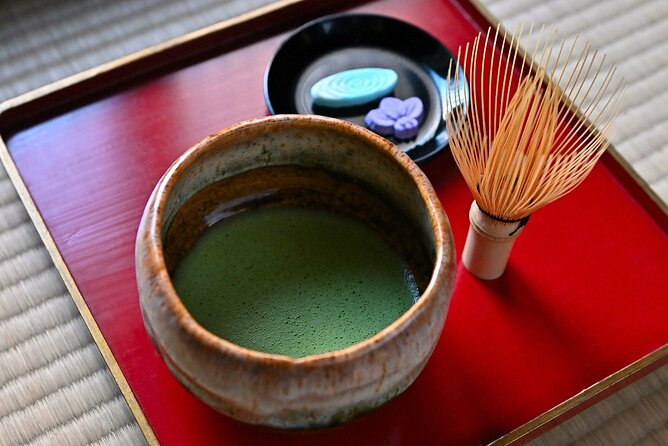
- You make your own matcha: After watching the demonstration, you prepare tea yourself with step-by-step guidance.
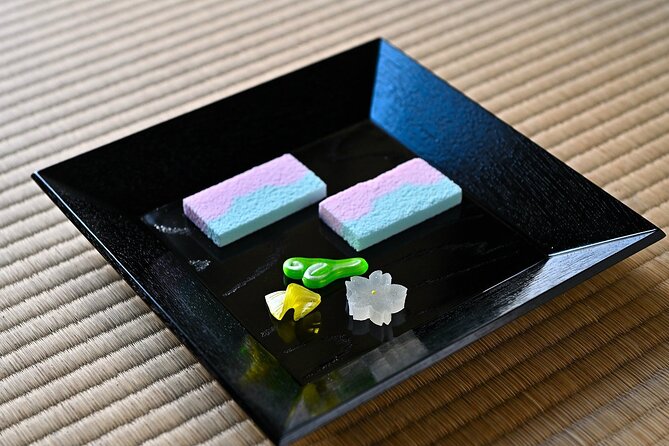
- Taste traditional wasanbon sweets: The small dried sweets come from Shioyoshi-ken, a historic Kyoto confectionery shop.
- Small groups keep it personal: The maximum group size is 10, and some sessions may be private for a family or small party.
- Plan around floor seating: Traditional sitting may be difficult with bad knees, though a stool can be provided.
Entering the 130-year-old Kyoto townhouse
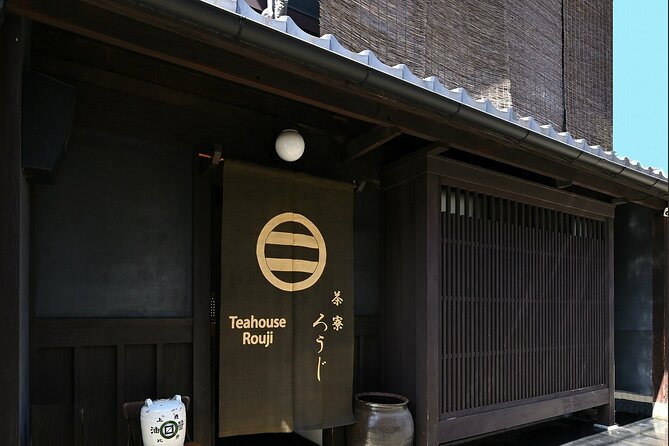
The experience begins at 22-26 Nishinokyo Ikenouchicho in Nakagyo Ward, Kyoto. It is near public transportation, and the activity ends at the same place, so you do not need to arrange a separate return transfer.
The setting does much of the work. Rather than meeting in a modern hotel room or a large performance space, you enter the tea room from the garden. That small transition helps you slow down before the ceremony starts. Kyoto can be noisy and crowded, especially around its famous temples, so this quieter start is part of the appeal.
The townhouse is around 130 years old. That does not mean you should expect a museum display or a grand historic residence with a long sightseeing route. You are there for one room and one focused activity. Still, the age and layout give the ceremony a sense of place that a purpose-built classroom cannot easily copy.
This is also a useful choice if you want to see a less obvious side of Kyoto. The meeting point is not described as one of the city’s major tourist sights, and the activity is designed around sitting, listening, and taking part rather than moving from one attraction to another.
More Tea Ceremonies in Kyoto
- Kyoto: Tea Ceremony in a Traditional Tea House in Kiyomizu
★ 4.9 · 3,519 reviews - Kyoto: Tea Ceremony Ju-An at Jotokuji Temple
★ 4.9 · 3,207 reviews - Kyoto: 45-Minute Tea Ceremony Lesson Experience
★ 4.3 · 2,378 reviews
Watching the tea ceremony demonstration
Kaori begins by explaining the history and cultural role of tea ceremony. The session connects Zen ideas, Japanese tea, manners, and the careful handling of simple objects. You learn that the ceremony is not only about drinking powdered green tea. It is also about attention, hospitality, movement, and respect for the setting.
The demonstration gives you a chance to watch before you try anything yourself. This matters because the gestures can seem mysterious if you are asked to copy them without context. Kaori explains how to appreciate the tea, how to drink it, and what to notice in the process.
The instruction is delivered in English, and the available feedback describes Kaori as patient, welcoming, and easy to understand. That is especially important in a ceremony where small actions have meaning. You can ask questions instead of simply trying to guess what each movement means.
Some sessions are very small. Groups of three and four have had a private ceremony, while the stated maximum is 10 people. A small group gives you more room to ask questions and more time to practice, though the exact group size depends on the booking date.
Do not expect a theatrical show. The appeal is quiet and deliberate. If you want fast entertainment, this may seem restrained. If you like learning why a custom works the way it does, the pace is a benefit.
Wasanbon sweets from Shioyoshi-ken
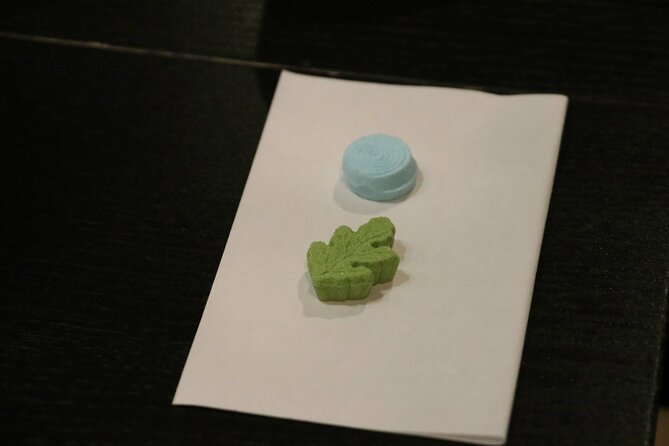
The ceremony includes dried Japanese sweets served with matcha. These are made with wasanbon, a fine type of Japanese sugar, and come from Shioyoshi-ken, a long-established confectionery shop in Kyoto.
The sweets are small. That is normal for this style of tea service, where the sweet prepares your palate for the slightly bitter tea. If you expect a large dessert or a full snack, you may find the portion modest. The point is not to fill you up. It is to show how the sweet and matcha work together.
This detail adds value because it links the lesson to Kyoto’s food culture. You are not only given a packaged cookie with a generic explanation. You taste a traditional confection associated with formal tea service and learn why it appears before the tea.
The sugar content may be noticeable if you prefer less-sweet foods. One piece of feedback found the sweets too sugary and too small for the price. That is a fair warning, especially for anyone judging the experience mainly by food quantity. I would view them as part of the ceremony rather than a stand-alone treat.
Making your own matcha
The hands-on part is the strongest reason to choose this session. After watching Kaori prepare the tea, you make your own matcha with her instructions.
You learn the basic steps for whisking the powdered green tea and receive help even if you have never touched a bamboo whisk. The process is simple in theory, but the right amount of water, the movement of the whisk, and the final texture all affect the result.
This practical element makes the lesson useful beyond the 45 minutes. You are shown how to make matcha without needing a formal tea room, and you receive tips for enjoying tea at home without traditional tea utensils. That is a smart addition. You can buy a whisk later, as one participant did, but you do not need to recreate the entire Kyoto setting to use what you learn.
The tea itself has received strong praise for its flavor. Keep in mind that taste is personal, and matcha has a grassy bitterness that may surprise you. The sweet served beforehand helps balance it, but this is still powdered green tea, not a mild cup of brewed black tea.
The hands-on format also works well for families. Children may find it easier to connect with the ceremony once they are allowed to prepare something themselves, though the activity still requires quiet attention and respectful behavior.
Same base, a completely different sort of day:
- PERFECT KYOTO 1-Day Bus Tour
★ 5.0 · 13,518 reviews - Kyoto: Fushimi Inari, Kinkakuji, Bamboo Grove 1 Day Bus Tour
★ 4.8 · 4,316 reviews - Kyoto Geisha Walking Tour: Gion District & Hidden Gems
★ 4.7 · 3,273 reviews - Kyoto: Gion Magical Night Walking Tour with Geisha Trivia
★ 4.9 · 2,393 reviews
What makes this an authentic introduction
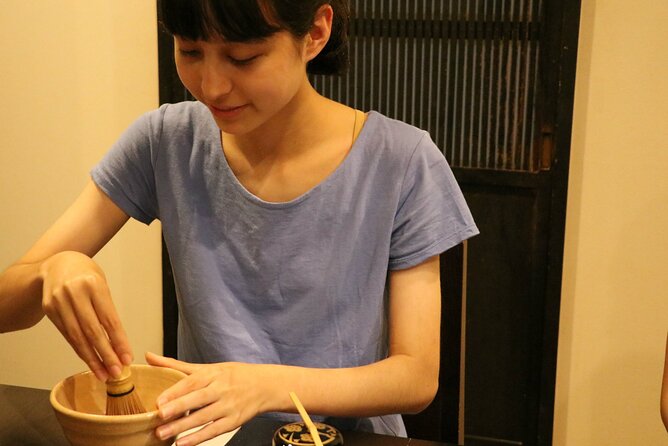
The word authentic can mean many things in Kyoto. This experience does not offer an advanced tea-school qualification or a lengthy formal ceremony. It offers a short lesson in a traditional room, with a demonstration, cultural explanation, sweets, and personal practice.
That distinction matters. You should book it as an introduction, not as a complete course in Japanese tea. In less than an hour, you can learn the basic etiquette, understand the role of matcha and sweets, and prepare the drink yourself. You will not cover every school of tea, every utensil, or every layer of formal practice.
The setting gives the introduction credibility. The old townhouse and garden entrance create a more intimate atmosphere than a large commercial venue. Kaori’s explanations also appear to be central to the experience. She covers the history and customs, answers questions, and adjusts her guidance for beginners.
One important detail is that the instructor may wear a kimono, but a kimono dressing session is not included. If you want to be dressed in traditional clothing, you need a separate activity. The listing does not promise a costume photo opportunity, so do not book this expecting one.
Timing, group size, and comfort
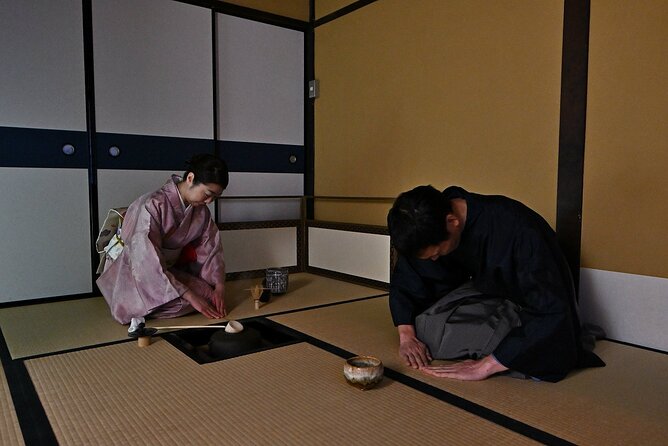
The advertised duration is approximately 45 minutes. Some descriptions call it about an hour, but you should plan on a short session rather than a half-day activity.
That length is useful in a busy Kyoto itinerary. You can fit it between sightseeing plans without giving up an entire afternoon. It also suits families and first-time visitors who want a cultural activity without committing to a long formal program.
The short format has a trade-off. The ceremony may feel like a sampler if you already study Japanese tea or have attended several ceremonies. You may want more time for questions, more tasting, or a longer period of quiet practice.
The group limit is 10 people. Smaller groups are possible and can make the experience feel almost private. If your booking is shared with others, the mood and amount of personal instruction will depend on the group.
Traditional tea rooms often involve sitting on the floor. One participant with bad knees found the format manageable with a stool, and a stool was available when needed. If you have knee, hip, or mobility concerns, tell the host when arranging the experience and do not assume you must sit in the traditional position for the entire session.
Is $39.63 a good value?
At $39.63 per person, this is not the cheapest way to taste matcha in Kyoto. You can find green tea and sweets at cafés for far less. The price is paying for the setting, the instruction, the host’s time, the ceremony demonstration, the sweets, and the chance to make the tea yourself.
I think the value is strongest if you care about context. A café gives you a drink. This session explains why the drink is prepared and served in a particular way. You also leave with practical knowledge that can help you make matcha at home.
The value is weaker if you mainly want a large portion of food, a long performance, or a photo in a kimono. The sweets are deliberately small, and the activity finishes quickly. One critical assessment found the experience expensive for less than an hour, while another felt it was a worthwhile short introduction. Both views make sense because the experience is built around culture and instruction, not quantity.
For a first visit to Kyoto, I consider the price reasonable if this is one of the cultural activities you have been hoping to try. It is less compelling if you have already attended a longer, more formal tea ceremony or want an activity packed with sightseeing.
Who should book this Kyoto tea ceremony
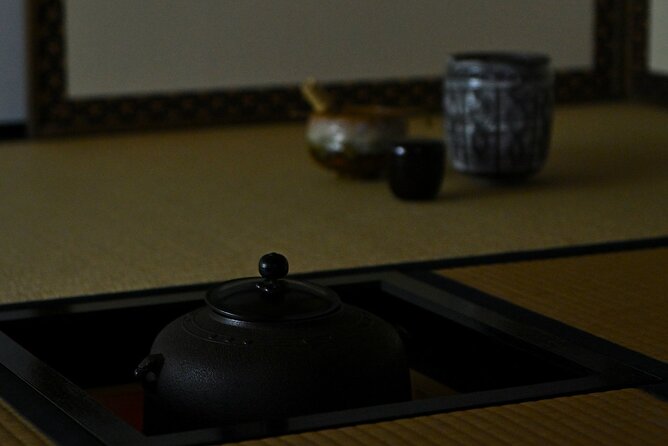
I would recommend it to you if you want a calm cultural break and prefer taking part to simply watching. It is a good fit for first-time matcha drinkers, couples, families, and small groups looking for an activity that does not require a full day.
It also suits people who value clear English instruction. Kaori has been described as speaking excellent English and explaining the ceremony patiently. That makes a difference when etiquette and symbolism are unfamiliar.
You should also consider it if you want a Kyoto memory that is more personal than a standard attraction. Entering through the garden, sitting in an old townhouse, tasting wasanbon, and making tea yourself gives the session several layers without making it complicated.
I would hesitate if you dislike bitter tea, have no interest in ritual or cultural explanation, or expect a large meal. I would also look elsewhere if your main goal is to wear a kimono or spend several hours studying tea utensils and advanced technique.
The activity requires a minimum number of participants. If that number is not reached, the provider may offer another date or experience, or provide a full refund. Confirmation is sent within 48 hours, subject to availability, so leave enough time before your Kyoto plans become fixed.
Getting the most from your 45 minutes
Arrive with enough time to find the meeting point at Nishikyo Ikenouchicho. Since the activity returns to the starting location, it is easy to combine with nearby plans, but avoid scheduling a major attraction immediately afterward if you want time to linger or ask questions.
Wear clothing that lets you sit comfortably. A stool can help if floor sitting is difficult, but comfortable clothes still make the session easier. Tell the host about mobility needs before the ceremony rather than waiting until you are in the tea room.
Come ready to ask simple questions. You do not need any prior knowledge of tea ceremony, and the experience is designed for beginners. Ask about the sweets, the whisking technique, or how to prepare matcha at home. The practical advice is one of the better reasons to attend.
Finally, pay attention to the small gestures. The value is not only in the final bowl of tea. It is in seeing how the host handles the setting, serves the sweet, explains the order of events, and helps you repeat the process yourself.
Should you book it?
Book this tea ceremony if you want an intimate, beginner-friendly introduction to Japanese tea in a genuine old Kyoto setting. The combination of Kaori’s English guidance, wasanbon sweets from Shioyoshi-ken, garden entry, and hands-on matcha preparation gives you more than a simple tasting.
Skip it if you want a long ceremony, a substantial snack, or kimono rental. At 45 minutes, this is a focused sampler. For many first-time visitors, that is exactly the point: you get a quiet look at an important Japanese tradition, learn how to prepare matcha, and return to your sightseeing day with a new skill.
FAQ
How long does the tea ceremony experience last?
The advertised duration is approximately 45 minutes. Some descriptions refer to it as about an hour, so allow a little flexibility around the scheduled time.
Where does the experience begin and end?
It begins at 22-26 Nishinokyo Ikenouchicho, Nakagyo Ward, Kyoto, 604-8375, Japan. The activity ends back at the same meeting point.
What is included in the tea ceremony?
You watch a tea ceremony demonstration, taste dried wasanbon sweets from a historic Kyoto confectionery shop, drink matcha, learn about tea ceremony history and customs, and prepare your own matcha.
Is the experience suitable for beginners?
Yes. The host provides detailed instructions on how to appreciate, drink, and prepare matcha, including advice for making tea at home without traditional tea utensils.
How many people can join the activity?
The maximum group size is 10 participants. Smaller groups may receive a more private session, depending on the booking date.
Can I cancel for a full refund?
You can cancel up to 24 hours before the scheduled start time for a full refund. Cancellations or changes made less than 24 hours before the start time are not accepted for a refund.
Just added around Kyoto
- Kyoto: Zen Meditation at a Private Temple with a Monk★ 5.0 · 25 reviews
- Kyoto: Gion Geisha District & Sake-in-Hand Walking Tour★ 5.0 · 37 reviews
- Private Pewter Sake Cup Experience with a Kyoto Artisan★ 5.0 · 31 reviews
- Your Private Vacation Photography Session In Kyoto★ 5.0 · 110 reviews
- Private Guided Traditional Buddhist Cooking in Japan★ 5.0 · 16 reviews
- Kyoto Wagashi(Japanese sweets) Cooking Class near Fushimiinari★ 5.0 · 60 reviews
- Traditional Japanese Music show & Experience Tour in Kyoto★ 5.0 · 57 reviews
- Kyoto:Family-Friendly Kimono & Yukata Experience at WARGO★ 5.0 · 147 reviews
Kyoto Tours, compared.


Fushimi Inari, Kinkakuji, Bamboo Grove 1 Day Bus Tour
Read our review →
Tea Ceremony in a Traditional Tea House in Kiyomizu
Read our review →
Kyoto Geisha Walking Tour: Gion District & Hidden Gems
Read our review →

Gion Magical Night Walking Tour with Geisha Trivia
Read our review →

Gion Geisha District Walking Tour – Stories of Geisha
Read our review →Browse the lists this tour appears in