
Reviewed · KYOTO TOURS
From Kyoto / Osaka: Kyoto Must-see Spots & Nara Park One Day Tour
Nara’s bowing deer and Kyoto’s endless red torii gates are the big draw here. In one long day, you see three major sightseeing areas that are spread across two cities, with a guide such as Amy, Fiona, Mia, Laura, or Tina keeping the group moving.
I like the excellent range of sights for $60, and I like having an air-conditioned vehicle between stops instead of piecing together several train rides. The route also works well if you are short on time or need to travel between Osaka and Kyoto.
The trade-off is pace. You get roughly an hour at Nara Park, 70 minutes at Fushimi Inari, and a string of short Arashiyama visits, so this is a highlights tour, not a slow exploration. The bus may also feel tight for some larger adults, and the group can be as large as 45 people.
Key points to know before booking
- Three major areas in one day: Visit Nara Park, Fushimi Inari Taisha, and Arashiyama without arranging separate transport.
- Deer feeding in Nara: Buy deer crackers locally and watch the famous deer bow in hope of a snack.
- Limited shrine time: Fushimi Inari receives about 1 hour and 10 minutes, enough for the lower torii gates but not a full mountain hike.
- Many short Arashiyama stops: Bamboo Forest, Nonomiya Shrine, Kimono Forest, Tenryu-ji, Rilakkuma Tea House, and Togetsukyo Bridge share one busy block of the day.
- Tenryu-ji costs extra: The temple ticket is 500 yen and is not included in the tour price.
- Useful for Osaka visitors: The route can provide a simple day trip from Osaka, with some departures or arrangements allowing drop-off at Kyoto Station.
Why this $60 Kyoto and Nara route works
At $60 per person, this tour offers a strong amount of sightseeing for the money. You are paying for transport, a guide, and a carefully linked route through Nara and Kyoto. Admission is free at most stops, while the only listed entrance charge is the 500-yen Tenryu-ji ticket.
The value is greatest if you are staying in Osaka, visiting Japan for the first time, or trying to fit major sights into a short itinerary. Nara and western Kyoto are not next-door neighbors, and moving between them by public transport takes planning. An air-conditioned vehicle removes much of that work.
The route is less appealing if you want long temple visits, quiet photography, or freedom to change plans. The tour has a maximum of 45 people, and the day depends on everyone returning to the vehicle on time. You should think of it as an efficient introduction rather than a private cultural tour.
The overall rating is 4.8 from 171 ratings, with 95 percent recommending the experience. The strongest praise centers on organization, clear instructions, lively guides, and the chance to see a lot in a single day.
A few more Kyoto half-days to weigh up
- PERFECT KYOTO 1-Day Bus Tour
★ 5.0 · 13,518 reviews - Kyoto: Fushimi Inari, Kinkakuji, Bamboo Grove 1 Day Bus Tour
★ 4.8 · 4,316 reviews - 10 Must-see Spots in Kyoto One Day Private Tour (up to 7 people)
★ 5.0 · 1,108 reviews
Nara Park: deer, temples, and one hour on foot
Nara Park is the most playful stop. The park covers about 660 hectares and is known for free-roaming deer and important temples. You receive about one hour here, with admission to the park itself free.
The deer are accustomed to people and may bow when they expect food. If you buy deer crackers, offer them carefully and finish the packet before putting it away. The tour information specifically highlights the deer encounter, and families often find this the most memorable part of the day.
The main limitation is that Nara Park is much larger than the scheduled visit. You cannot see every temple and corner in an hour. The tour also does not include Nara’s Great Buddha, so do not assume you will visit that landmark during this stop.
That point matters. If the Great Buddha at Todai-ji is one of your main reasons for coming to Nara, you may prefer a separate Nara visit with more time. If your priority is deer, a quick taste of Nara, and a few photographs, this hour can work well.
Wear shoes suited to walking, and keep an eye on your belongings around the deer. You may find the park crowded, especially during popular travel periods, so staying alert for the guide’s meeting instructions is important.
Fushimi Inari Taisha: make the lower gates your goal
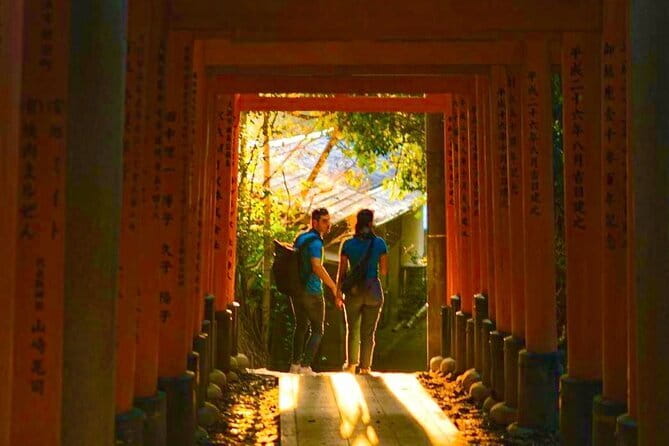
Fushimi Inari Taisha is the head shrine of the roughly 30,000 Inari shrines in Japan. Inari is associated with rice, and the shrine is famous for Senbon Torii, the thousands of vermilion gates climbing the wooded slopes behind the main shrine area.
You have about 70 minutes here. That is enough to enter the shrine, see the main buildings, walk through a striking stretch of torii, and take photographs. It is not enough for a relaxed climb to the upper mountain and back.
I suggest setting your expectations before you leave the bus. Focus on enjoying the lower section instead of trying to race to the summit. The torii gates begin close to the shrine, so you can experience the signature sight quickly, but crowds can make the path slow.
One useful criticism of the route is that some people would prefer more time here and less time at the bamboo forest. That is a fair point. Fushimi Inari offers more cultural depth and room for personal discovery, while the bamboo path is shorter and can be seen quickly.
Listen closely when the guide explains the return time and meeting point. A large group cannot wait for late walkers, and the shrine paths can make it easy to lose sight of companions.
Arashiyama Bamboo Forest: beautiful, brief, and busy
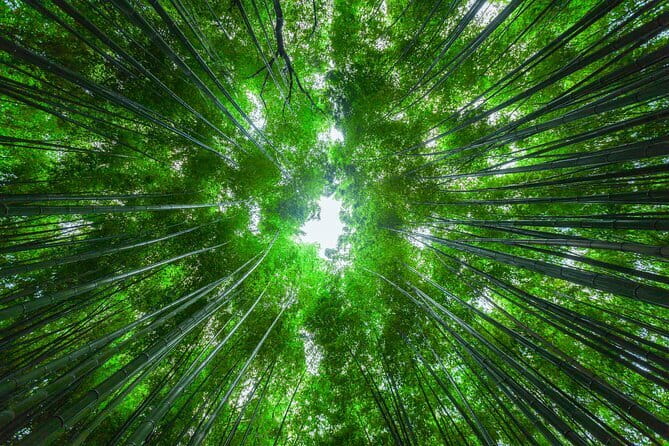
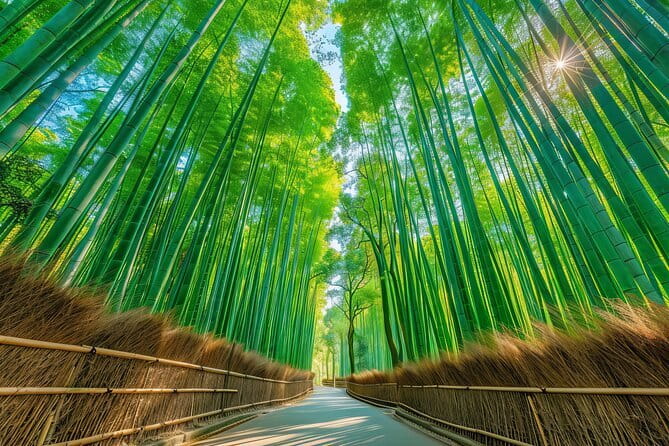
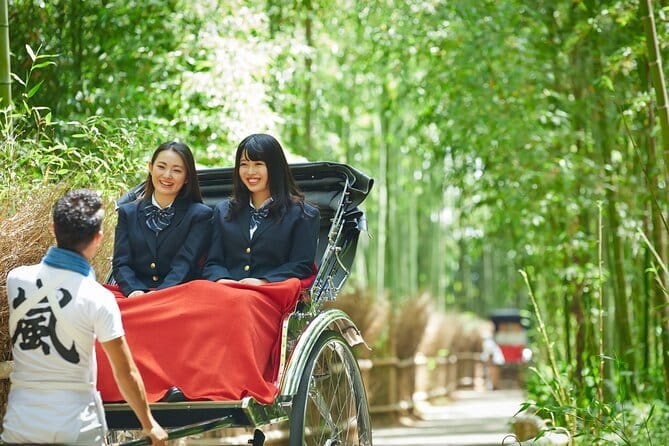
Arashiyama is western Kyoto’s best-known sightseeing district, valued for its natural scenery, historic sites, and views along the Katsura River. The scheduled Arashiyama overview lasts only 10 minutes, followed by 50 minutes in the Bamboo Forest.
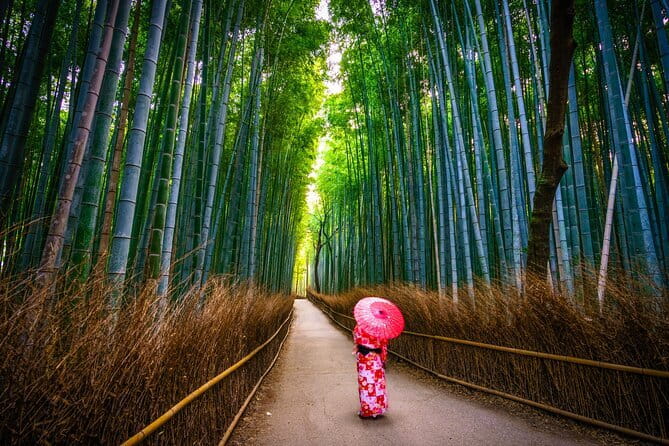
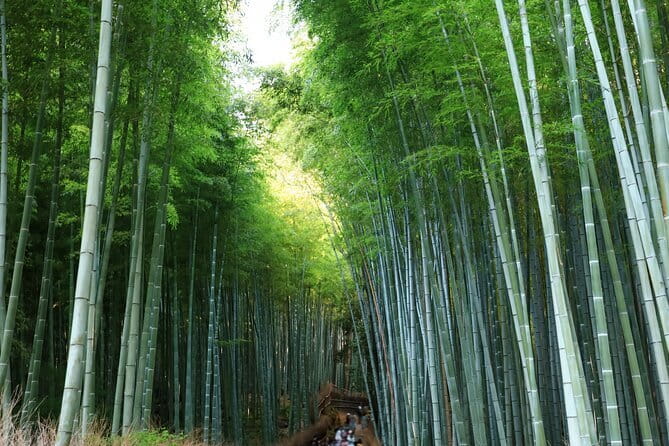
The bamboo is tall, cool-looking, and instantly recognizable. It is also one of Kyoto’s most photographed sights, so do not expect complete silence or solitude. The path is relatively short compared with the grand impression created by photographs, and crowds can fill the walkway.
Fifty minutes gives you time to walk through the main section, take pictures, and return to the meeting point. It does not leave much room for wandering into nearby lanes or making an unhurried temple visit.
This is one of those places where the guide’s timing matters. Several guides, including Fiona, Mia, and Laura, are praised for keeping the day organized and explaining where to go next. You should still watch the clock yourself, since the group will continue on schedule.
The bamboo stop is visually rewarding, but it is also the clearest example of the tour’s compromise. You see the famous view, yet you do not have the freedom to explore Arashiyama at your own speed.
Same base, a completely different sort of day:
- Kyoto: Tea Ceremony in a Traditional Tea House in Kiyomizu
★ 4.9 · 3,519 reviews - Kyoto Geisha Walking Tour: Gion District & Hidden Gems
★ 4.7 · 3,273 reviews - Kyoto: Tea Ceremony Ju-An at Jotokuji Temple
★ 4.9 · 3,207 reviews - Kyoto: Gion Magical Night Walking Tour with Geisha Trivia
★ 4.9 · 2,393 reviews
Nonomiya Shrine and the quieter side of Arashiyama
Nonomiya Shrine receives about 20 minutes. This small Shinto shrine is known for its black torii gate, which differs from the vermilion gates seen at Fushimi Inari.
That contrast makes the stop worthwhile. You get a quick look at another style of shrine and a chance to pause after the crowded bamboo path. The visit is not long enough for a detailed study, but it adds variety to the Arashiyama portion of the day.
The shrine sits in the same general sightseeing area as the Bamboo Forest, so the tour can link the two without another long vehicle transfer. Stay with the group as you move between stops, since the streets around Arashiyama can be busy and confusing.
Tenryu-ji: the main paid sight
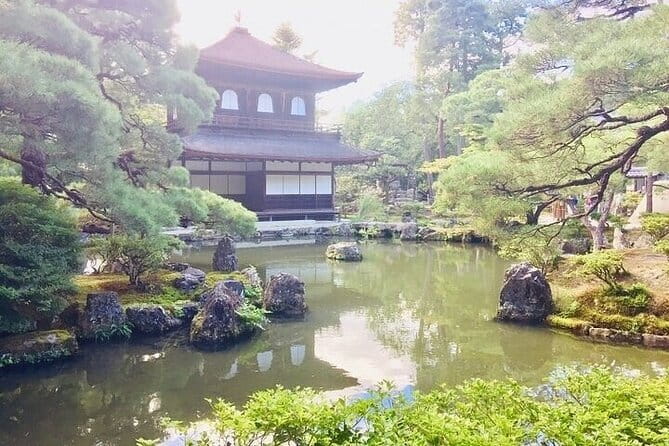
Tenryu-ji is a UNESCO World Heritage Site and is ranked first among Kyoto’s five great Zen temples. The tour allows about 20 minutes, and the entrance ticket costs 500 yen extra.
This is the stop that deserves your attention if you want a temple experience rather than another photo stop. Tenryu-ji is especially important for its Zen setting and garden, though 20 minutes is a short visit. You will need to move efficiently if you want to see the principal areas.
The extra ticket is modest, but you should budget for it. It is not included in the $60 price. Some people would rather spend the allotted time here than at the Kimono Forest, so your own interests matter.
If the guide announces a change in the order of stops, ask clearly whether Tenryu-ji is still included. A few experiences can vary in how much time is available at each Arashiyama attraction, and the published schedule is tight. Do not assume that every stop receives a full, leisurely visit.
Kimono Forest and Rilakkuma Tea House
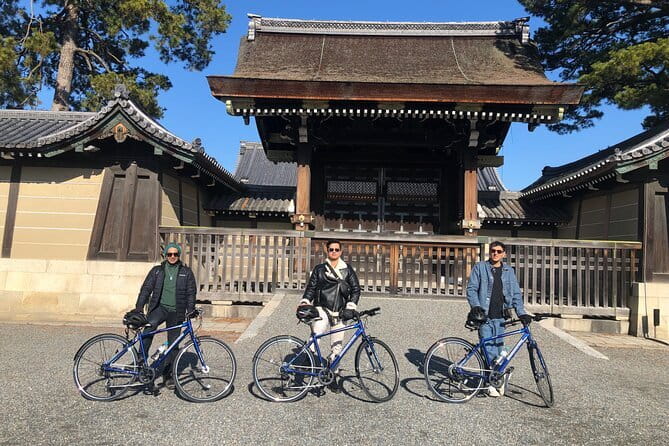
The Arashiyama Kimono Forest is a modern textile installation made from 600 clear acrylic cylinders, each about two meters tall. The cylinders display kimono fabrics in many patterns and colors.
You receive about 20 minutes here. It is a quick, attractive stop, especially if you enjoy design and photography. It also gives you a change from temples and woodland paths.
Still, this is the easiest stop to skip if you care more about cultural sites. One hour at Fushimi Inari or additional time at Tenryu-ji may feel more rewarding than a brief look at an installation near the station. The tour includes it because it is convenient to visit, not because it replaces a major historic sight.
The Rilakkuma Tea House and shop receives about 15 minutes. The name refers to a relaxed bear character, and the shop is designed around that theme. It is a light, modern break in a day otherwise filled with shrines, temples, deer, and scenery.
You can browse and take a short pause, but the visit is not a full cafe experience within the scheduled time. If you are not interested in character goods, use the stop to get your bearings or ask the guide for practical suggestions for the rest of your stay.
Togetsukyo Bridge: the final Arashiyama view
Togetsukyo Bridge is Arashiyama’s signature landmark. The bridge crosses the Katsura River and dates back to the Heian Period, from 794 to 1185, though the present structure was most recently rebuilt in the 1930s.
The scheduled visit lasts 15 minutes. That is enough to see the bridge, take photographs, and enjoy the river setting, but not enough for a long walk along the water.
The bridge is a smart final stop because it gives you a broad view after the narrow bamboo paths and small shrine spaces. It also provides a natural place to decide what you would like to return to on a future visit.
Some people use this part of the day as a chance to continue independently, but do not leave the official route without confirming the end-of-tour arrangements. One person used the final stop to head toward sushi and unagi restaurants, which shows the flexibility possible when the guide explains the finish clearly.
What the guides add to a fast schedule
The guide can make or break a day with this many stops. The most praised guides include Amy, Fiona, Mia, Laura, Tina, Willa, Tracy, Theodore, Fredrick, Christine, and others named in individual experiences.
The qualities that matter most are practical: clear meeting instructions, steady timing, useful food tips, and the ability to keep a large group together. Tina is specifically praised for sending directions and a map through WhatsApp, while Theodore was appreciated for restaurant suggestions after the tour. Mia is noted for helping a family member with difficulty walking and arranging a front bus seat.
You should not expect constant guided commentary at every monument. In practice, some sections involve the guide explaining the area, then giving you free time to explore before a fixed pickup. That arrangement is useful for independent visitors, but it may disappoint you if you want a detailed lecture at every stop.
A few people found that one guide spoke too quickly or talked longer than necessary. This is a reasonable concern in a multilingual group. If you miss an explanation, ask the guide to repeat the key point, then make sure you understand the return time.
The bus, group size, and daily rhythm
The tour lasts about nine hours and includes an air-conditioned vehicle. That is a major benefit because the route covers Nara and several Kyoto districts in one day.
The vehicle may hold up to 45 people. A large group means less personal attention and slower boarding, but it also helps keep the price low. One passenger found the seats narrow and uncomfortable, especially for a larger North American or European frame, so consider that before booking.
The day is built around short visits and planned departures. You need to walk briskly, keep your phone charged for the mobile ticket and tour messages, and return to the bus at the stated time. Strollers and large luggage should be declared during booking, and you should tell the operator in advance if you booked separately from relatives or friends who need to stay in the same vehicle.
The tour can also be useful as a transfer-style day between Kyoto and Osaka, but confirm the exact pickup and drop-off details before relying on it for a tight travel connection. You do not want a nine-hour sightseeing day to become a missed train.
Food, clothing, and practical preparation
Lunch is not included. You should plan to buy food during an appropriate break or ask the guide for suggestions. Several guides are praised for recommending places to eat, but the exact meal arrangement is not specified, so do not expect a prepared lunch.
Comfortable walking shoes are important. You will walk through park paths, shrine approaches, bamboo lanes, temple grounds, and streets around Arashiyama. The route is not described as difficult, but the schedule rewards people who can keep moving.
Dress for changing conditions. One person specifically advised dressing warmly because higher areas can feel colder. The tour runs in different seasons, so a removable layer is a sensible choice.
There may be plenty of people at all three headline areas. Go for the cultural landmarks and the chance to see them efficiently, not for empty paths. If quiet photographs are your top goal, a private or self-guided early start would likely suit you better.
Who should book this Kyoto day trip
I would recommend this tour to first-time visitors who want a broad look at Kyoto and Nara without handling several transport changes. Families may especially enjoy Nara’s deer, while adults with limited time will appreciate the route’s efficiency.
It also suits people based in Osaka who want a straightforward Kyoto day. The air-conditioned vehicle, guide support, and fixed schedule remove much of the guesswork.
You should think twice if you want to visit the Great Buddha in Nara, hike far up Fushimi Inari, spend hours inside Tenryu-ji, or linger in Arashiyama cafes. Those aims require more time than this program provides.
At $60, the tour is good value for a fast first look. Book it for coverage, convenience, and guide support. Skip it if your ideal Japan day involves moving slowly, avoiding crowds, and choosing your own stopping points.
FAQ
How long does the tour last?
The tour lasts approximately nine hours.
Where does the tour operate?
The experience is based in Kyoto and offers departures from Kyoto or Osaka.
What is included in the tour price?
An air-conditioned vehicle and a guide are included.
Is lunch included?
No. Lunch is not included in the tour price.
Does the tour include the Tenryu-ji entrance ticket?
No. The Tenryu-ji ticket costs 500 yen and is paid separately.
How long do you spend at Nara Park?
The scheduled time at Nara Park is one hour, and admission to the park is free.
How much time is allowed at Fushimi Inari Taisha?
The scheduled visit to Fushimi Inari Taisha lasts about one hour and 10 minutes.
Can people with strollers or large luggage join?
Most people can participate, but you should indicate during booking if you have a stroller or large luggage.
Just added around Kyoto
- Kyoto: Zen Meditation at a Private Temple with a Monk★ 5.0 · 25 reviews
- Kyoto: Gion Geisha District & Sake-in-Hand Walking Tour★ 5.0 · 37 reviews
- Private Pewter Sake Cup Experience with a Kyoto Artisan★ 5.0 · 31 reviews
- Your Private Vacation Photography Session In Kyoto★ 5.0 · 110 reviews
- Private Guided Traditional Buddhist Cooking in Japan★ 5.0 · 16 reviews
- Kyoto Wagashi(Japanese sweets) Cooking Class near Fushimiinari★ 5.0 · 60 reviews
- Traditional Japanese Music show & Experience Tour in Kyoto★ 5.0 · 57 reviews
- Kyoto:Family-Friendly Kimono & Yukata Experience at WARGO★ 5.0 · 147 reviews
Kyoto Tours, compared.


Fushimi Inari, Kinkakuji, Bamboo Grove 1 Day Bus Tour
Read our review →
Tea Ceremony in a Traditional Tea House in Kiyomizu
Read our review →
Kyoto Geisha Walking Tour: Gion District & Hidden Gems
Read our review →

Gion Magical Night Walking Tour with Geisha Trivia
Read our review →

Gion Geisha District Walking Tour – Stories of Geisha
Read our review →Browse the lists this tour appears in