
Reviewed · TOKYO TOURS
Graffiti in Tokyo Walking Tour: Shibuya and Harajuku
Tokyo’s polished streets hide a rougher art scene. On this two-hour walk through Shibuya and Harajuku, Elena Calderon points out tags, stickers, throw-ups, murals, and tucked-away pieces you could easily pass without seeing. She also explains who made them, how the local scene works, and why graffiti is often kept out of sight.
I like the way this tour gets you beyond the famous Shibuya crossing and into side streets that most visitors skip. I also like the focus on context: Elena has more than 10 years of graffiti research behind her and works as an art curator, so you get more than a photo stop. The main drawback is that the walk is not a general introduction to Tokyo. If graffiti and street art do not interest you, two hours may feel narrowly focused.
Key points to know before booking
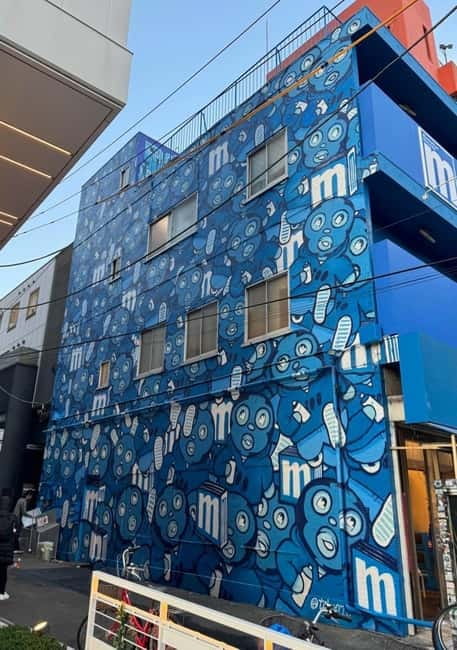
- Look closely: The tour includes small tags, stickers, and concealed works as well as larger murals.
- Meet the scene through Elena: Your guide brings research, local familiarity, and art-world experience to the walk.
- See another side of Shibuya: The route moves away from the main tourist streets and into less obvious corners.
- Harajuku adds a creative finish: The short Harajuku visit connects the street art to one of Tokyo’s best-known youth-culture districts.
- Plan for a real walk: Wear comfortable shoes, bring water and a camera, and be ready for changing weather.
- Good value for art fans: At $38, the tour costs less than many major Tokyo attractions while offering access to places and explanations you would be unlikely to find alone.
Why this Shibuya walk feels different
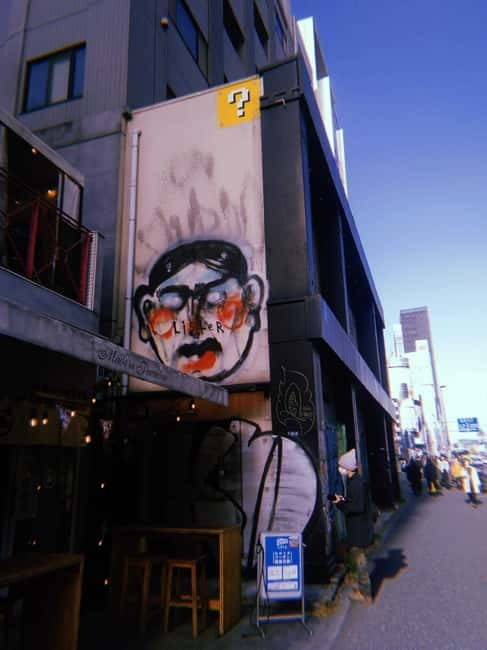
Most first-time tours of Shibuya concentrate on the crossing, department stores, neon signs, and major shopping streets. This experience uses the same part of Tokyo as a starting point, then shifts your attention to walls, shutters, alleyways, stickers, and surfaces that are easy to ignore.
That change in focus matters. Tokyo is often praised for its order and cleanliness, but its street art culture has not vanished. It is simply less obvious than in cities where graffiti covers entire blocks. You need someone who knows what to look for, where to look, and how to explain what you are seeing without treating every mark as the same thing.
Elena’s background is a major reason to book this rather than wander around with a camera on your own. She has spent more than a decade researching graffiti and also works as an art curator. That combination gives the walk two useful sides: street-level observation and a wider understanding of artists, crews, galleries, and exhibitions.
You should expect an active conversation rather than a simple procession from one famous wall to another. Elena explains the difference between tags, throw-ups, stickers, and larger painted works, then adds information about the people and ideas behind them. Some pieces may be made by local artists, while others connect Tokyo with international graffiti culture.
The experience also carries a clear reminder that not all of the art is legal. You are visiting public spaces where laws and property rights matter. The tour presents the underground scene, but it does not give you permission to copy it. Respect local rules, do not touch or add to any work, and do not litter.
More walking tours in Tokyo:
- Tokyo Tsukiji Fish Market Food and Culture Walking Tour
★ 5.0 · 3,184 reviews - Tokyo: Imperial Palace and Shogun Historical Walking Tour
★ 5.0 · 2,251 reviews - Tokyo: Shinjuku Local Bar and Izakaya Guided Walking Tour
★ 4.9 · 1,794 reviews
Starting at Manhattan Records in Shibuya
The stated meeting point is Manhattan Records Shop in Shibuya, a fitting place to begin a tour about independent urban culture. The activity details also refer to the Kifune Building as the starting and finishing location, so check the exact map pin and meeting instructions when you book. This is the one practical detail I would confirm in advance, especially if you are arriving in Shibuya for the first time.
Once the group is together, the walk moves into Shibuya City for the main two-hour portion. The emphasis is not on entering a major museum or paying for a formal exhibit. Instead, the city itself becomes the gallery, with the guide helping you read surfaces that would otherwise look like ordinary walls, signs, or building fronts.
Wear shoes that can handle continuous walking. The tour does not include transport to the meeting point, meals, or drinks, so arrive ready with water and something to eat if you need it. Carrying cash is also advised, which may be useful for small purchases or stops after the walk.
A camera is worth bringing, but use it sensibly. Some pieces may be in narrow areas or near private property, and a good guide will help you take photographs without blocking paths or causing problems. Ask before photographing people, businesses, or anything that feels sensitive.
Finding tags and murals most visitors miss
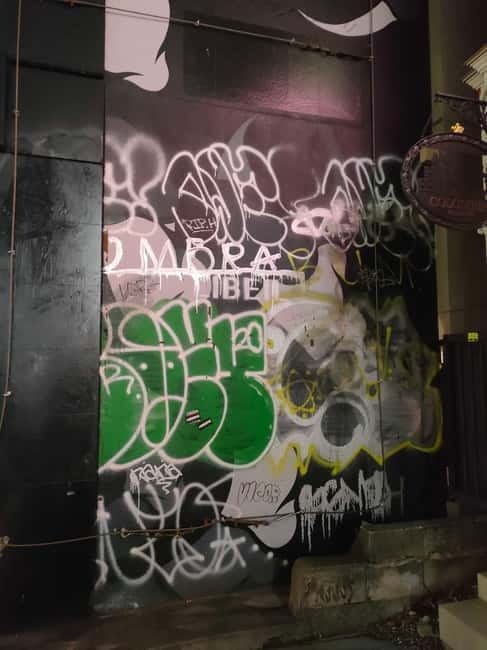
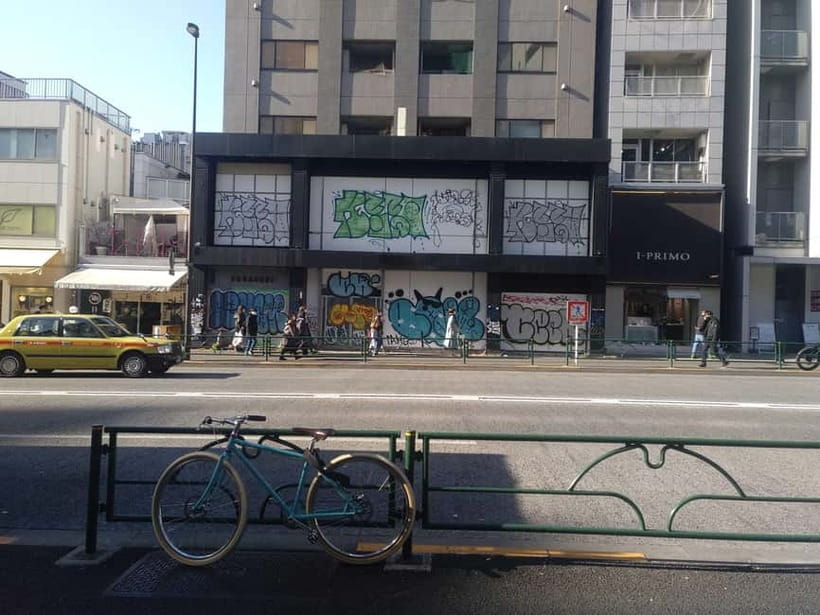
The strongest part of the tour is the act of looking. A large mural is easy to spot, but small stickers, layered tags, and quick pieces can disappear into the visual noise of Tokyo. Elena helps you notice placement, style, scale, and repetition, then links those details to the wider graffiti scene.
That makes the walk useful even if you already like street art. You will not just collect photographs. You will start to understand why one mark appears beside another, how a piece fits into a crew’s style, and how artists use overlooked parts of the city.
The route includes both legal walls and secret street spots. The balance is important. Legal work can be large, polished, and easier to study, while unsanctioned pieces show the riskier side of the culture. You get a clearer picture by seeing both rather than treating street art as only a public mural project.
The location of works can change. Graffiti may be painted over, removed, covered by construction, or replaced by something new. That is not a flaw in the concept, but it does mean the exact sights are likely to vary. The real value is Elena’s ability to identify what remains and explain the scene beyond one fixed list of walls.
Several people who took the walk found that Elena showed them pieces they would never have noticed alone. That is a useful expectation to set: this is not mainly about a single famous mural. It is about learning how to see the city at eye level.
From Shibuya to Harajuku in ten minutes
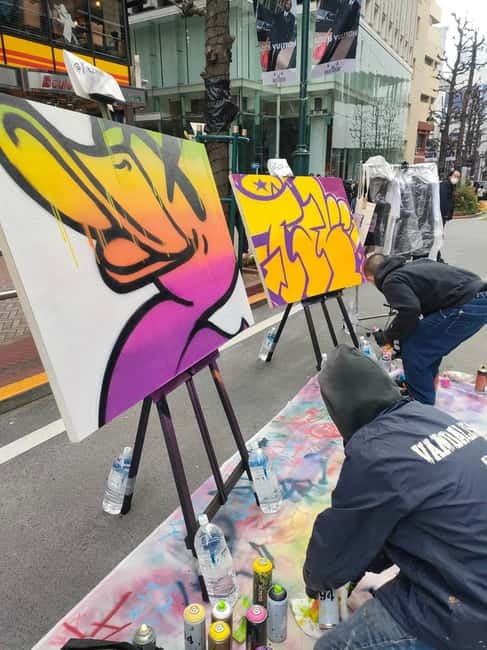
The Harajuku portion is listed as a brief 10-minute visit, so do not expect a second full tour of the district. Instead, treat it as a short extension of the Shibuya route and a chance to connect the street art to a neighborhood associated with fashion, youth culture, design, and independent shops.
Harajuku can be crowded and visually intense, which makes the contrast with tucked-away graffiti especially interesting. The tour gives you a different way to read the area. You may see work that sits outside the main shopping flow, along with art studios, galleries, or exhibition suggestions that help you plan the rest of your day.
The walk returns to the Kifune Building area. Because the Harajuku stop is short, the main substance remains in Shibuya. If you want a long Harajuku neighborhood tour, this is not the right format. If you want a compact street-art route that includes Harajuku, the timing works well.
A few more Tokyo half-days to weigh up
- Mt Fuji and Hakone 1-Day Bus Tour Return by Bullet Train
★ 5.0 · 26,383 reviews - 1-Day Tokyo Bus Tour
★ 5.0 · 14,250 reviews - Tokyo: TOKYO SKYTREE® Admission ticket
★ 4.5 · 11,192 reviews - Tokyo: teamLab Planets TOKYO Digital Art Museum Entry Ticket
★ 4.6 · 9,779 reviews
Elena’s guiding style and what you will learn
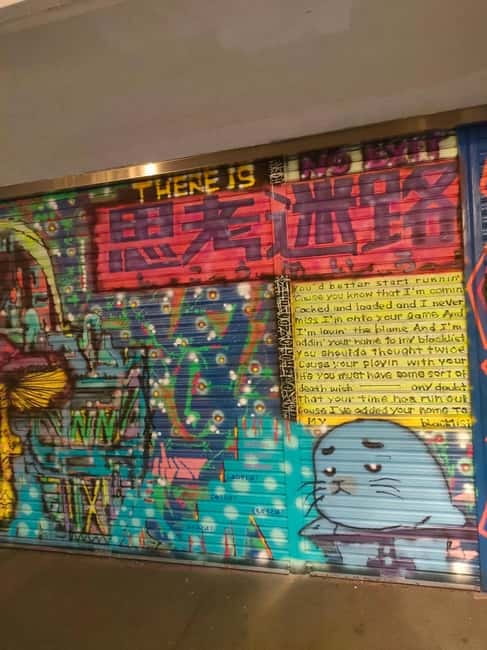
The praise for Elena is consistent in one important way: people value her command of the subject and her enthusiasm. She is described as easy to understand, flexible, and able to explain Japanese graffiti culture in a way that makes the art more approachable.
That matters because graffiti can be difficult to interpret without background. A tag that looks like a random scrawl may carry meaning within a scene. A sticker tucked under a sign may be part of a larger pattern. A mural may reflect an artist’s place in Tokyo’s creative community or a connection to artists from abroad.
Elena also shares information about galleries, studios, exhibitions, and local places to spend time after the walk. Some galleries are free, while entry fees for museums or paid exhibitions are not included. Discounts at art galleries and restaurants are included with the experience, though you should confirm which businesses are participating on your date.
The guide’s art-world connections are especially useful if you have more than one day in Tokyo. Ask for current gallery suggestions, art studios, and places where you can continue looking after the tour. One useful improvement would be additional reference material, such as a tablet or a list of street-art locations, but the live explanation remains the core of the experience.
The tour is offered in English and Spanish. If you have a particular interest, such as lettering, Japanese artists, stickers, murals, or gallery culture, tell Elena early. The available information indicates that she can be flexible with the group’s interests, which may help you get more from the two-hour format.
What $38 gets you
At $38 per person, this is reasonably priced for a specialist walking tour in central Tokyo. You are paying for two hours with a guide who has spent more than 10 years researching graffiti, plus access to lesser-known spots and advice about galleries and restaurants.
The value is strongest if you would otherwise spend time searching online, walking without knowing where pieces are located, or missing small works altogether. A normal self-guided stroll through Shibuya costs nothing, but it may not reveal the art or explain the local culture behind it. Here, the guide’s eyes and experience are the main service.
The price does not cover transport to Shibuya, food, drinks, or entry to galleries and museums. Most of those art spaces are free, but not all cultural stops in Tokyo are. If you plan to visit galleries after the walk, keep a little extra money available and ask Elena which places have current discounts.
The two-hour length also helps keep the cost practical. You can fit the experience into a morning or afternoon without giving up a full day of sightseeing. It works well beside major Tokyo attractions, especially if you want one activity that feels less arranged around the usual tourist route.
Who should book this walk
I would choose this tour if you already enjoy graffiti, street photography, urban culture, independent art spaces, or the less polished side of cities. You do not need expert knowledge. In fact, the guide’s explanations are useful precisely because you can arrive with only a visual interest in the subject.
Families can enjoy it too, and one family found the back streets and stories especially appealing. Still, the experience is more suitable for older children and adults who can keep up with a two-hour urban walk and stay respectful around private property.
This is also a strong choice for repeat visitors to Tokyo. If you have already seen the Shibuya crossing and Harajuku’s main streets, Elena gives you a reason to return to both districts with a different purpose.
I would be more cautious if you have limited mobility. The experience is not suitable for people with mobility impairments, and it involves walking through city streets rather than following a fully accessible indoor route. It is also not designed for babies under one year or people over 95, according to the activity information.
Practical advice for a smoother outing
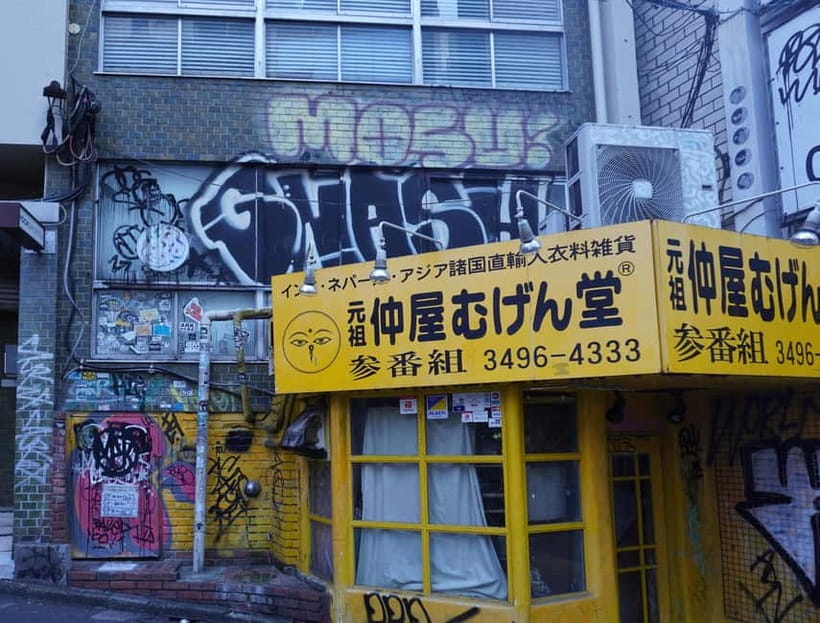
Check the meeting-point details carefully because both Manhattan Records Shop and the Kifune Building are named in the information. Arriving a little early gives you time to find the correct spot without rushing.
Bring:
- Comfortable walking shoes
- Water
- A camera
- Cash
- Clothing suited to the weather
Tokyo weather can shift, and much of the experience takes place outdoors. A compact rain layer can be useful, though the only confirmed advice is to prepare for varying conditions.
Do not smoke, drink alcohol, use drugs, or litter during the tour. These rules are simple, but they matter in a dense city where sidewalks, shops, homes, and public spaces sit close together. Respect local laws, avoid touching artwork, and follow Elena’s advice about photography.
The tour offers free cancellation up to 24 hours before the start time, and you can reserve now while paying later. That flexibility is useful if your Tokyo schedule depends on weather or changing train plans.
Should you book the Graffiti in Tokyo Walking Tour?
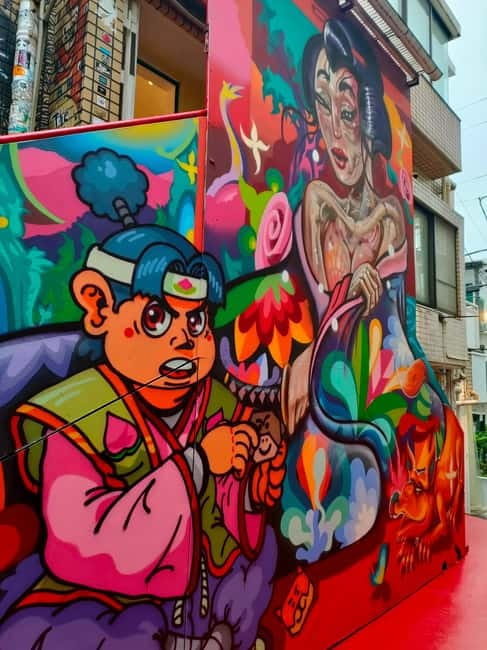
Book it if you want to see Shibuya and Harajuku through art rather than only through shopping, landmarks, and nightlife. The tour’s best feature is Elena’s ability to spot work that is easy to miss and explain the people, styles, and local rules behind it.
At $38, it is a fair buy for anyone who cares about graffiti or wants a more personal look at Tokyo’s creative side. Skip it if you prefer broad sightseeing, dislike walking, or need a fully accessible route. For art-minded visitors, photographers, repeat Tokyo explorers, and curious families, this is a focused two-hour change of pace with useful ideas for the rest of your day.
FAQ
Where does the graffiti tour meet?
The meeting point is listed as Manhattan Records Shop in Shibuya. The activity information also names the Kifune Building as the starting and ending location, so check the exact map pin and final meeting instructions before you go.
How long does the tour last?
The tour lasts two hours. One individual account described spending about two and a half hours with Elena, but the stated duration for the activity is two hours.
Which neighborhoods does the tour visit?
The main guided walk takes place in Shibuya City, with a short visit to Harajuku.
Is the tour offered in English?
Yes. Live guiding is available in English and Spanish.
Who leads the tour?
The guide is Elena Calderon of Totemo. She is described as a graffiti researcher with more than 10 years of experience and an art curator.
What kinds of art will I see?
You may see tags, throw-ups, stickers, murals, legal-wall pieces, and works placed in less obvious street locations. The route includes both legal and unauthorized graffiti.
Are gallery and museum tickets included?
No. Entrance fees are not included, although most of the galleries and museums mentioned are free of charge.
Are discounts included?
The activity includes discounts at art galleries and restaurants connected with the tour. Ask for current details during the walk.
What should I bring?
Bring comfortable shoes, water, a camera, and cash. You should also prepare for changing weather conditions.
Can I cancel the booking?
Yes. You can cancel up to 24 hours in advance for a full refund. The activity also offers a reserve-now, pay-later option.
Just added around Tokyo
- Private Arrival Transfer : Narita International Airport to Central Tokyo City★ 4.5 · 12 reviews
- Narita Airport(NRT): Private Transfer to Tokyo/Yokohama 1-9pax★ 5.0 · 47 reviews
- Private Transfer from Narita Airport to Yokohama Port and City★ 4.5 · 17 reviews
- [Narita Airport Terminals 1, 2] 40-60km Sawara Itako Historic Bike Tour★ 5.0 · 13 reviews
- 3 Day Japan Highlights Tour: Tokyo, Mt.Fuji, Nara, Kyoto, Osaka★ 5.0 · 22 reviews
- Small Town in the Big City: Tasting Tokyo’s Kichijoji★ 5.0 · 195 reviews
- Small Town in the Big City: Tasting Tokyo’s Kichijoji★ 5.0 · 16 reviews
- The 10 Tastings of Tokyo With Locals: Private Street Food Tour★ 5.0 · 48 reviews
Tokyo Tours, compared.

Mt Fuji and Hakone 1-Day Bus Tour Return by Bullet Train
Read our review →

teamLab Planets TOKYO Digital Art Museum Entry Ticket
Read our review →
Mt Fuji & Hakone Cruise, Drum Show Bullet Train 1 Day from Tokyo
Read our review →
Sumo Show Experience with Chicken Hot Pot and a Photo
Read our review →
Shinjuku Food Tour (13 Dishes at 4 Local Eateries)
Read our review →
Tokyo Mt Fuji 5th St & Hakone Cruise Bus Tour w/Bullet Train
Read our review →
Flagship 2-Hours Official Street Go-Kart Tour – Tokyo Bay Shop
Read our review →Browse the lists this tour appears in