
Reviewed · TOKYO TOURS
Japanese paper Notebook and Mizuhiki Belt Bookmark Workshop
The clever part of this private Japanese craft workshop is that you leave with useful souvenirs, not just a few photographs. Over 150 minutes at Washi labo TOKYO, you choose traditional washi paper, build an A6 notebook, and learn Mizuhiki knots for a matching belt and bookmark.
I like the calm, hands-on pace, and I like the cultural meaning behind Mizuhiki, a paper cord used in Japanese wedding and funeral ceremonies for roughly 680 years. Tea, sweets, patient instruction, and a possible meeting with the studio cat add warmth. The main consideration is age: the activity is officially not suitable for children under 10, despite one family report involving a 9-year-old.
- Make a useful A6 notebook with a washi cover in a travel notebook or art-journal style.
- Learn three Mizuhiki knots and turn them into a notebook belt and bookmark.
- Enjoy tea and sweets during a workshop designed for a private group.
- Work with premium Japanese paper while receiving careful guidance with sharp tools.
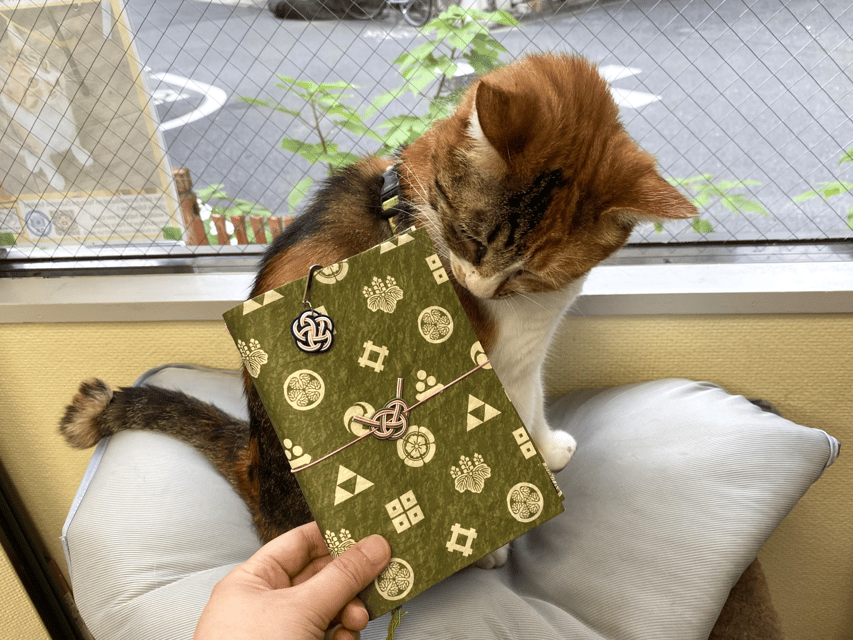
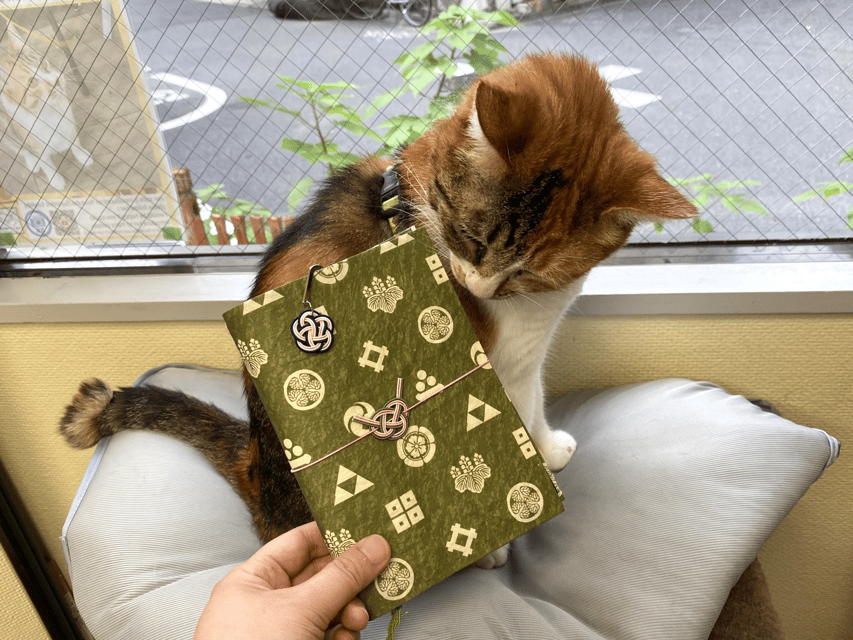
- Meet the studio cat and take a photo if the cat is available.
- Plan around the pace: most people should allow the full 150 minutes, even if the notebook itself may take about two hours.
A notebook made from Japanese washi
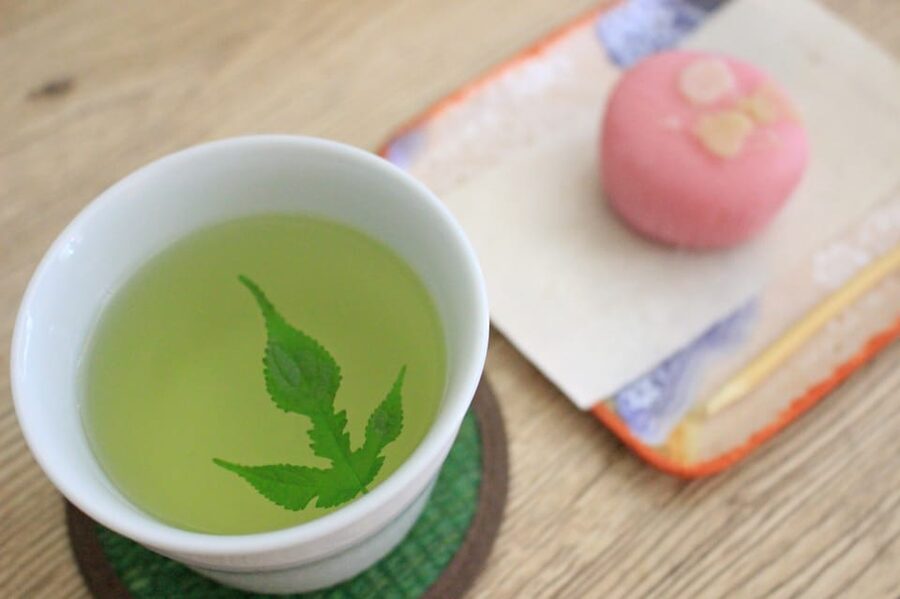
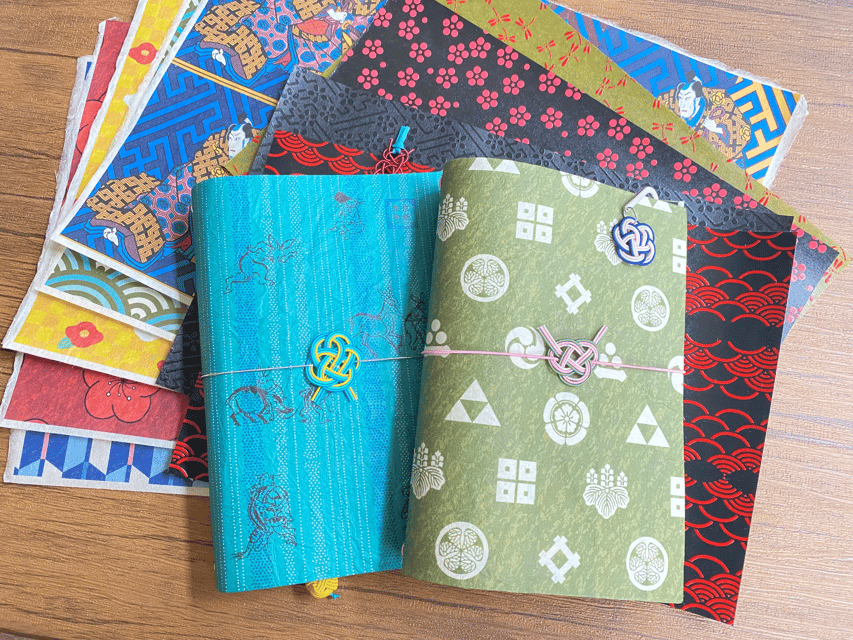
This is a craft class with a clear result. You do not simply watch an artisan fold paper or demonstrate a knot. You make an A6 notebook that you can use at home for sketches, notes, plans, or small travel memories.
The notebook has the informal look of a travel notebook or junk journal. That matters because the finished item feels personal rather than factory-made. Its small A6 size is practical, too. It fits easily into a day bag, though the exact construction and number of pages are not specified.
The first major choice is your cover paper. You select from traditional Japanese washi, with different colors and designs available. Because the cover becomes the most visible part of the notebook, this is where your taste matters most. You can choose something restrained, cheerful, bold, or delicate, depending on what the studio has available on the day.
I would take a moment with this choice instead of grabbing the first attractive sheet. Your notebook is the souvenir you will keep using, and the paper gives it most of its character.
Washi is not just ordinary stationery paper with a Japanese label. Traditional washi is part of Japan’s long craft culture, valued for its feel, strength, and careful production. This workshop gives you a direct way to handle it and turn it into something useful.
Building the A6 cover and pages
The instructor leads you through the notebook-making process step by step. This is helpful if you are not naturally good at precise craft work. Several people have found the teacher patient, especially during the trickier parts of assembling the notebook.
Sharp tools are used, so you receive safety guidance before handling them. That is a small but important feature, particularly for families and anyone who prefers a structured class rather than a free-form craft table.
The work is detailed enough to feel satisfying without being presented as a professional artisan course. You should expect to spend close to two hours on the notebook portion if you work carefully. The complete booking lasts 150 minutes, allowing room for the notebook, Mizuhiki work, refreshments, and instruction.
One useful point: do not judge your progress too early. A handmade cover can look unfinished until the parts are secured and the belt is added. The instructor can help when edges, folds, or attachment points become difficult.
The private format is a real advantage here. You are not trying to keep up with a large room of strangers. The class can be adjusted to your pace, and the teacher can give more help when a knot or notebook step causes trouble.
More hands-on workshops in Tokyo:
- Sushi Making Tokyo Roll and Authentic Japanese Sushi Class
★ 5.0 · 3,971 reviews - Tokyo: Roll and Authentic Sushi Making Class in Asakusa
★ 4.9 · 1,957 reviews - Tokyo Shinjuku Chopsticks Making Class
★ 5.0 · 1,763 reviews
Three Mizuhiki knots with a purpose
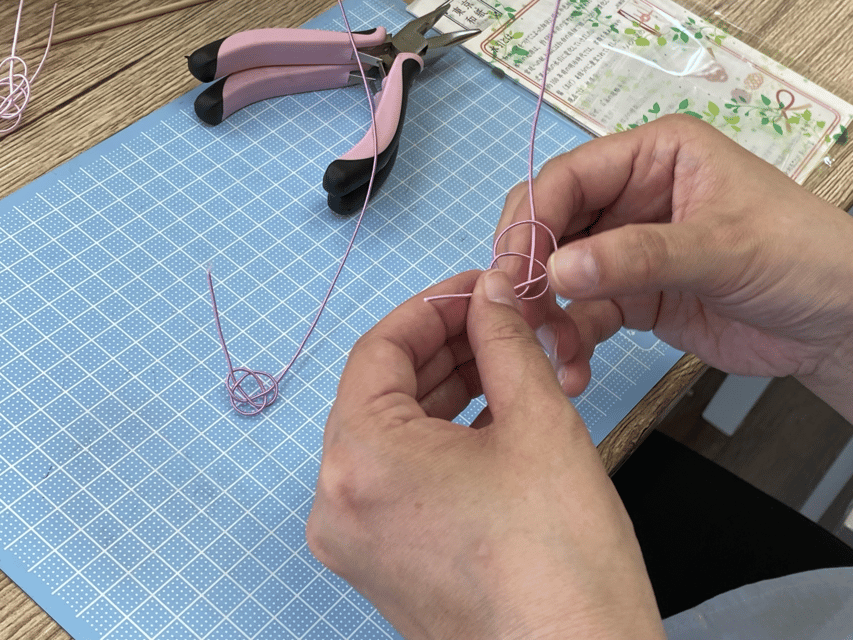
After or alongside the notebook work, you learn to make Mizuhiki. These are traditional paper cords that have been used in Japan for about 680 years. They remain important in formal gift giving and ceremonies, including weddings and funerals.
That context gives the knotting a little more weight than a decorative craft project. You are learning a small piece of a living Japanese tradition, then using it in a modern object you made yourself.
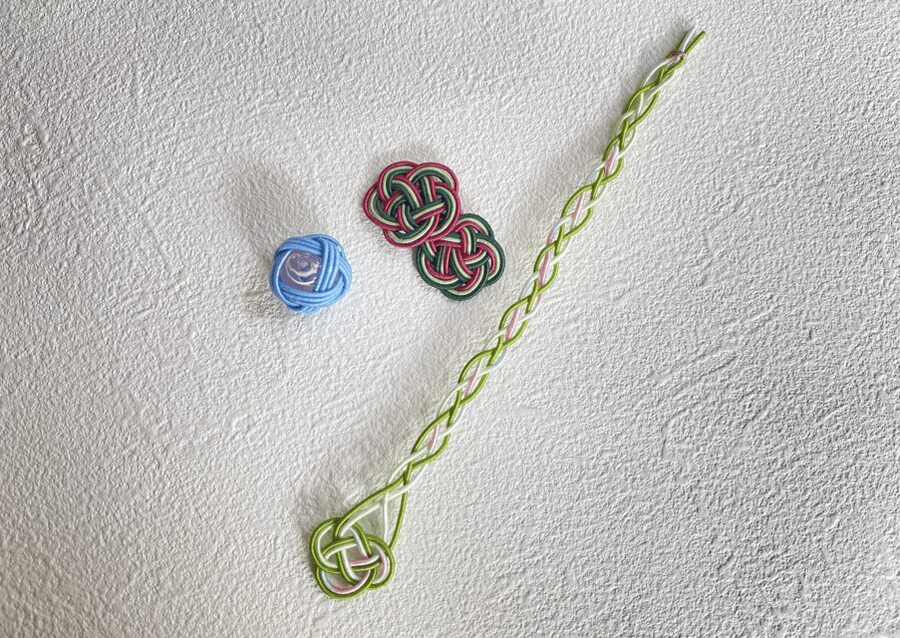
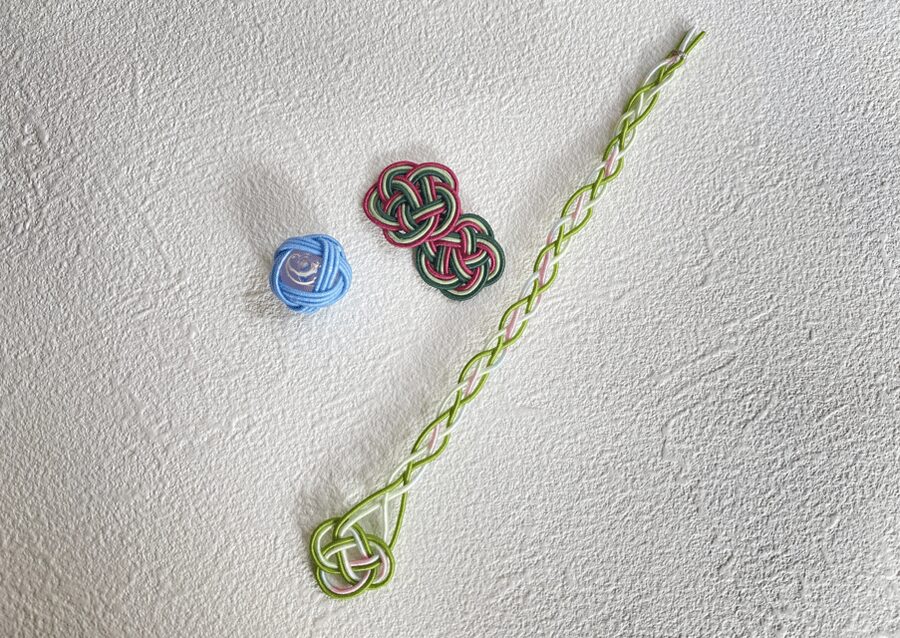
The workshop teaches three knots. You use them to create a belt for the notebook and a bookmark. Anyone who already knows the basic knot may be able to try a more difficult style.
One account specifically refers to learning Awaji knots, so you may hear that term during the class. The supplied details do not identify the exact names of all three knots, and the available colors and designs can vary. Still, the practical aim is clear: make cordwork that both decorates and holds your notebook together.
Mizuhiki can be fiddly at first. The cord has to be shaped and tightened in the right order, and a small mistake can change the finished pattern. This is where the instructor’s patience matters most. If you enjoy crafts, the challenge is part of the fun. If you prefer instant results, this section may feel slower than expected.
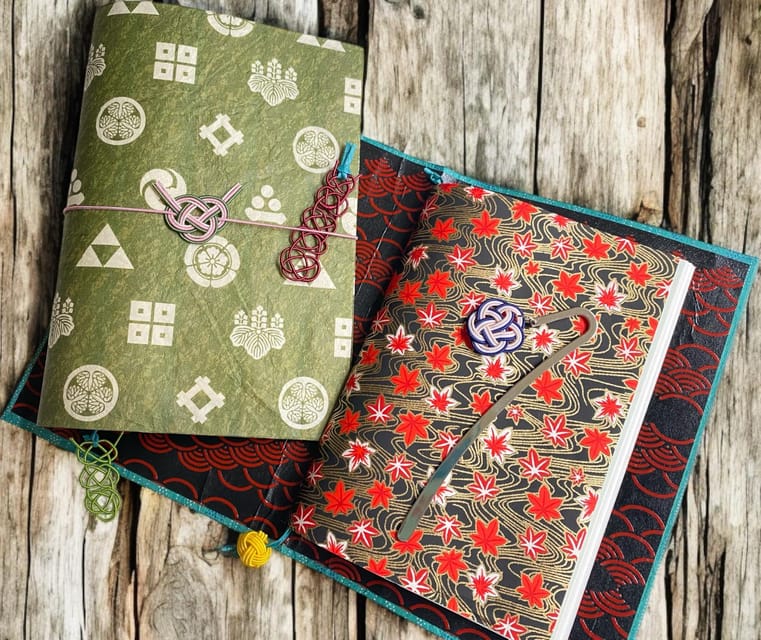
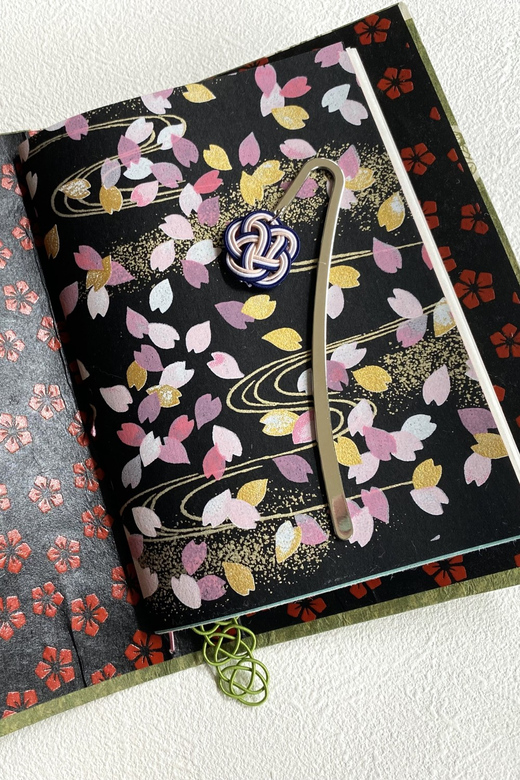
The reward is a notebook with a genuine Japanese detail rather than a generic ribbon. The belt and bookmark also make the finished piece easier to use.
Tea, sweets, and a gentler pace
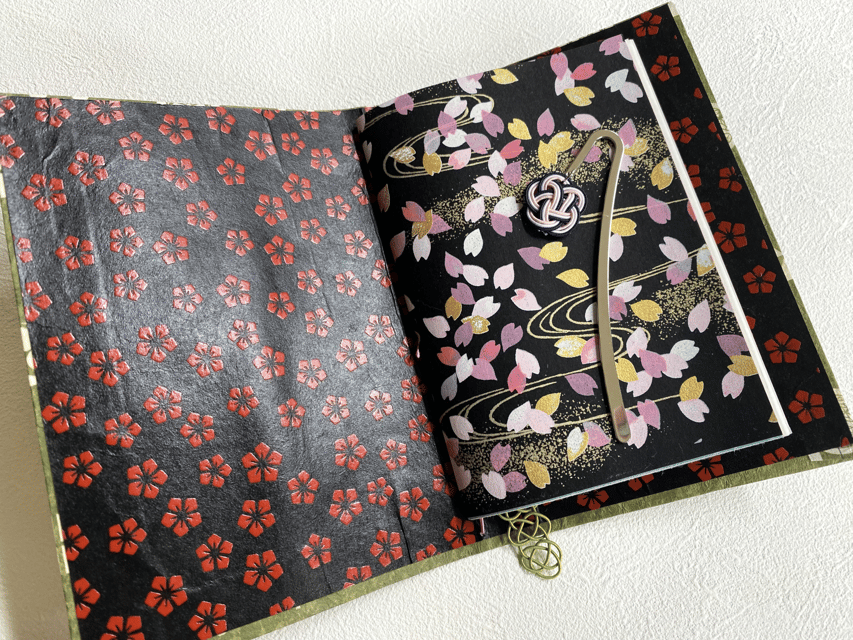
Tea and sweets are included, along with coffee or tea. Some food served in the studio may include sandwiches and snacks, though the precise refreshment selection is not guaranteed.
The food is not the reason to book this class, but it improves the rhythm. You have a natural pause after concentrating on paper and knots. One particularly appreciated detail is the light, refreshing tea prepared by the instructor.
This break also helps separate the workshop from a rushed souvenir stop. You have time to look at the paper, compare your knot work, and enjoy the setting. The activity is still focused on making the notebook, but the refreshments give it a more social and relaxed feel.
I would not book this expecting a full meal. Think of the tea and sweets as a pleasant accompaniment. If you have dietary restrictions, the supplied information does not specify substitutions or ingredients, so ask before booking if that matters to you.
The instructor’s patient teaching style
The instructor speaks Japanese and English. The English is described as sufficient for explaining the process, and the teaching style is friendly and accommodating.
That is important for a craft activity. A paper-folding or knotting lesson depends on seeing hand movements as well as hearing instructions. You may still need to watch closely, repeat a step, or ask for it to be shown again, but the class is designed around personal help.
The strongest part of the teaching is patience with difficult steps. The instructor does not simply demonstrate once and leave you to struggle. She can show the exact sequence again and help you correct the notebook when it is not coming together neatly.
This is also a good setting for cultural questions. Mizuhiki has a ceremonial role, and the class connects the craft to that role rather than treating it as a random decoration. You get a little context without sitting through a long lecture.
Because the group is private, you can book it as a couple, family, or small party. A private class is especially useful when people in your group have different craft skills. One person can work ahead while another receives extra help.
A few more Tokyo half-days to weigh up
- Mt Fuji and Hakone 1-Day Bus Tour Return by Bullet Train
★ 5.0 · 26,383 reviews - 1-Day Tokyo Bus Tour
★ 5.0 · 14,250 reviews - Tokyo: TOKYO SKYTREE® Admission ticket
★ 4.5 · 11,192 reviews - Tokyo: teamLab Planets TOKYO Digital Art Museum Entry Ticket
★ 4.6 · 9,779 reviews
A possible visit with the studio cat
The studio cat is part of the experience when available. You may be able to take a photograph with the cat, described as the studio mascot.
This is a charming extra, especially for children and cat lovers. It should remain an extra, not a promise that the cat will pose on command. Cats have their own schedule, and the provided information does not guarantee its presence or availability for photos.
Still, the cat gives the workshop a personal touch. You are visiting a working craft space connected to an individual maker, not entering a large commercial attraction.
How the $113 price works out
At $113 per person, this is not a bargain activity if you measure value only by the cost of an A6 notebook. You could buy paper goods for much less.
The price makes more sense when you count the full package: 150 minutes of private instruction, required materials, premium Japanese paper, the notebook, Mizuhiki belt and bookmark, tea or coffee, sweets, and an English-speaking instructor. You are paying for the time and guidance as much as for the finished objects.
The private format is the biggest value factor. A cheaper public craft table might provide supplies but little personal help. Here, the instructor can assist with the difficult parts and explain why the materials and knots matter.
The class is also stronger value for two people who want a shared activity. You each make something to take home, and the finished notebooks serve as reminders of time spent together rather than mass-produced souvenirs.
Transportation to the store is not included. Add that cost and allow enough time to reach the studio. The exact meeting address and starting times should be checked when booking.
Free cancellation is available up to 24 hours before the activity for a full refund. You can also reserve and pay later, which helps if your Japan schedule is still changing.
Who should book this workshop?
I would recommend it most strongly to people who enjoy making things with their hands. You do not need advanced skill, but you should be willing to work carefully and accept that the notebook and knots take time.
It suits couples looking for a quieter shared activity, parents with children old enough to follow tool-safety instructions, and solo visitors who want a personal souvenir with a Japanese connection. The private setting also works well for anyone who finds large group classes tiring.
Families should pay close attention to the age rule. The activity is listed as unsuitable for children under 10. One account describes a 9-year-old enjoying the class, but that does not change the official restriction, so confirm the policy before booking a younger child.
This is less suitable if you want a fast cultural stop, a sightseeing tour, or a polished factory-style souvenir. The notebook may have the charming irregularities of handmade work. That is part of its appeal, but perfectionists may need patience.
Practical details before you go
The total duration is 150 minutes, and starting times depend on availability. Set aside the full two and a half hours rather than scheduling a tight connection afterward.
The class is offered in Japanese and English. Required workshop materials are included, as are coffee or tea and refreshments. Transportation is your responsibility.
Wear something that lets you work comfortably. The supplied information does not list a formal dress code, but paper cutting and knotting require attention, so avoid arriving hurried or overloaded with luggage.
If you already know the basic Mizuhiki knot, tell the instructor. You may be able to try a more advanced knot instead of repeating the beginner version.
Finally, leave room in your bag for the notebook. It is small, but the cover and Mizuhiki belt may not appreciate being crushed under heavy items.
Should you book it?
Book this if you want to make a useful souvenir, learn a traditional Japanese technique, and spend a quiet afternoon with a patient instructor. The best features are the private format, careful help with difficult steps, attractive washi choices, and the meaning behind the Mizuhiki work.
At $113, it is a considered purchase rather than a casual add-on. The value is strongest when you care about the process and want an authentic object made by your own hands. If you only want inexpensive stationery, buy a notebook in a shop. If you want the story behind the notebook, plus tea, sweets, and a possible cat photo, this workshop earns its place in a Honshu itinerary.
FAQ
How long does the workshop last?
The workshop lasts 150 minutes. The notebook-making portion may take close to two hours, so plan on using the full scheduled time.
What will I make?
You will make an A6 notebook with a Japanese washi cover, plus a Mizuhiki belt and bookmark. The notebook may have the look of a travel notebook or junk journal.
How many Mizuhiki knots will I learn?
The workshop teaches three knots. If you already know the basic knot, you may be able to try a slightly more difficult one.
Is the workshop available in English?
Yes. Instruction is available in Japanese and English.
Are materials and refreshments included?
Required workshop materials are included. Coffee or tea is also included, along with tea and sweets.
Can children join the activity?
The activity is listed as unsuitable for children under 10. Anyone booking for a child should follow the official age guidance.
Just added around Tokyo
- Private Arrival Transfer : Narita International Airport to Central Tokyo City★ 4.5 · 12 reviews
- Narita Airport(NRT): Private Transfer to Tokyo/Yokohama 1-9pax★ 5.0 · 47 reviews
- Private Transfer from Narita Airport to Yokohama Port and City★ 4.5 · 17 reviews
- [Narita Airport Terminals 1, 2] 40-60km Sawara Itako Historic Bike Tour★ 5.0 · 13 reviews
- 3 Day Japan Highlights Tour: Tokyo, Mt.Fuji, Nara, Kyoto, Osaka★ 5.0 · 22 reviews
- Small Town in the Big City: Tasting Tokyo’s Kichijoji★ 5.0 · 195 reviews
- Small Town in the Big City: Tasting Tokyo’s Kichijoji★ 5.0 · 16 reviews
- The 10 Tastings of Tokyo With Locals: Private Street Food Tour★ 5.0 · 48 reviews
Tokyo Tours, compared.

Mt Fuji and Hakone 1-Day Bus Tour Return by Bullet Train
Read our review →

teamLab Planets TOKYO Digital Art Museum Entry Ticket
Read our review →
Mt Fuji & Hakone Cruise, Drum Show Bullet Train 1 Day from Tokyo
Read our review →
Sumo Show Experience with Chicken Hot Pot and a Photo
Read our review →
Shinjuku Food Tour (13 Dishes at 4 Local Eateries)
Read our review →
Tokyo Mt Fuji 5th St & Hakone Cruise Bus Tour w/Bullet Train
Read our review →
Flagship 2-Hours Official Street Go-Kart Tour – Tokyo Bay Shop
Read our review →Browse the lists this tour appears in